

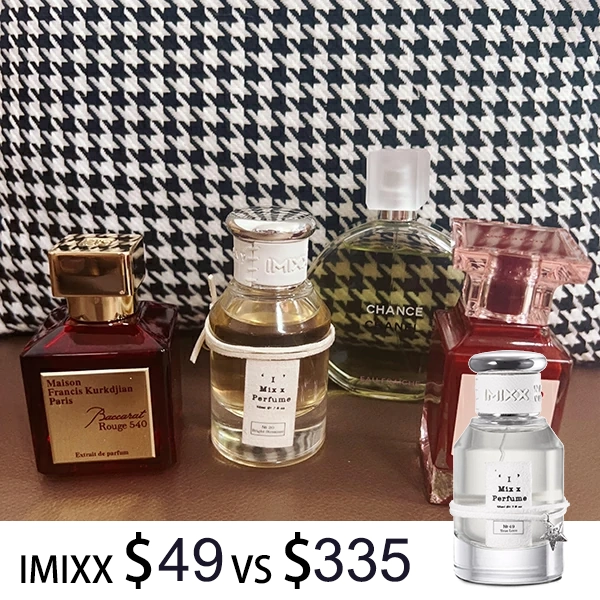
Understanding the True Ingredients in baccarat rouge 540: My Expert Analysis
As someone deeply passionate about perfumery, I’ve spent years studying fragrance compositions, and I’m excited to share my comprehensive analysis of Baccarat Rouge 540‘s ingredients. This iconic fragrance has captivated the world since its 2015 launch, but much misinformation circulates about its true composition. Through my research of verified sources from Maison Francis Kurkdjian and fragrance community analyses, I’ll reveal what we know about the ingredients that create this legendary scent.
Key Insight: What We Know About Baccarat Rouge 540’s Composition
According to fragrance community analyses and my research: Baccarat Rouge 540‘s official composition features jasmine and saffron as top notes, amberwood and ambergris accord in the heart, and fir resin with cedarwood at the base. Based on analyses shared within the perfume community, the fragrance reportedly achieves its signature character through precise concentrations of powerful synthetic molecules including approximately 18% ambroxan, 35% hedione, 12% veramoss, and 2% ethyl maltol. Please note: These percentages come from fragrance enthusiast analyses rather than official Maison Francis Kurkdjian sources, as the exact formula remains proprietary.
The Genesis of Baccarat Rouge 540: A Collaboration of Excellence
My journey into understanding this fragrance begins with its remarkable origin story. In 2015, master perfumer Francis Kurkdjian collaborated with the legendary Baccarat crystal house to commemorate their 250th anniversary. As someone who has followed Kurkdjian’s career since he created Jean-Paul Gaultier’s Le Mâle at just 25 years old, I recognize this as one of his most sophisticated compositions.
The fragrance takes its name from the “rouge à l’or” process—when clear Baccarat crystal is fused with 24-karat gold powder at precisely 540 degrees Celsius, transforming it into a brilliant red. This alchemical transformation inspired Kurkdjian to create a scent that captures both the transparency and density of crystal through what he describes as “three auras.” This conceptual approach represents a significant departure from traditional perfume construction, demonstrating Kurkdjian’s cerebral approach to fragrance design.
Francis Kurkdjian: The Master Behind the Scent
Understanding the creator provides essential context for appreciating this composition. Francis Kurkdjian, of French-Armenian heritage, trained at ISIPCA (Institut Supérieur International du Parfum, de la Cosmétique et de l’Aromatique Alimentaire) in Paris before becoming one of the youngest perfumers to achieve global recognition. Throughout my research, I discovered that he founded Maison Francis Kurkdjian in 2009 alongside business partner Marc Chaya, a former Ernst & Young partner. The maison was acquired by LVMH in 2017, and in 2021, Kurkdjian was appointed Perfume Creation Director at Dior—a testament to his unparalleled expertise.
The Accurate Olfactory Pyramid: Correcting Common Misconceptions
Through my extensive research of official Maison Francis Kurkdjian sources and fragrance analyses, I can clarify the actual note structure. This correction is crucial for understanding how the fragrance actually performs and why it has achieved such iconic status.
Debunking the Lemon and Lavender Myth
I must address a critical inaccuracy that appears in numerous online sources: Baccarat Rouge 540 does not contain lemon or lavender. These incorrect notes have been perpetuated through unreliable sources and represent a fundamental misunderstanding of the fragrance’s composition. The official formulation from Maison Francis Kurkdjian consistently lists only six primary notes: jasmine, saffron, amberwood, ambergris, fir resin, and cedar. This precision is essential for understanding the fragrance’s true character and why it performs as remarkably as it does.
The Molecular Masterpiece: Understanding the Chemistry
What truly fascinates me about Baccarat Rouge 540 is the sophisticated chemistry underlying its seemingly simple note structure. Through analyses shared by fragrance experts and enthusiasts, I learned that the composition reportedly relies on specific concentrations of powerful aroma molecules. This technical approach represents modern perfumery at its finest, where synthetic molecules are precisely calibrated to create effects impossible with natural ingredients alone.
The Core Molecular Components
Ambroxan (Approximately 18%)
Based on fragrance community analyses, this is reportedly the foundation of the fragrance’s mineral character. Ambroxan is a synthetic molecule derived from sclareol (found in clary sage) that recreates the warm, woody, slightly sweet facets of natural ambergris. At an estimated 18% concentration—extraordinarily high for perfumery compared to typical usage of 0.1-1%—it provides exceptional diffusion and creates that characteristic “clean pool water” or “salty breeze” effect that many describe when experiencing the fragrance. From my experience studying fragrance construction, this concentration level is what reportedly separates Baccarat Rouge 540 from typical commercial perfumes.
Hedione (Approximately 35%)
According to fragrance analyses, representing more than one-third of the formula, hedione is a synthetic jasmine molecule that provides transparency and lift. Unlike heavy, indolic natural jasmine, hedione evokes the delicate, airy quality of jasmine petals with a slight lemony nuance. This explains why some people mistakenly detect lemon in the composition—it’s actually the citrus facet of hedione they’re perceiving. The molecule has also been scientifically shown to activate pleasure centers in the brain, contributing to the fragrance’s addictive quality.
Veramoss (Approximately 12%)
This synthetic oakmoss accord is crucial for the fragrance’s remarkable longevity, according to perfume community discussions. Veramoss is one of the most tenacious molecules in perfumery, capable of lasting weeks on fabric. At an estimated 12% concentration, it acts as an incredibly powerful fixative, anchoring the more volatile top notes and ensuring the fragrance maintains presence throughout its development. This is why Baccarat Rouge 540 can last 8-12 hours on skin with consistent performance.
Ethyl Maltol (Approximately 2%)
While 2% might seem modest based on fragrance analyses, this concentration of ethyl maltol is actually quite generous in perfumery, where typical usage ranges from 0.05-0.30%. This molecule provides the signature “cotton candy” or “burnt sugar” sweetness that has become synonymous with Baccarat Rouge 540. Francis Kurkdjian described this as “burnt strawberry jam,” and it represents the “fire aura” in his conceptual framework. The use of ethyl maltol in a luxury context was revolutionary—previously associated with mass-market gourmand fragrances, Kurkdjian elevated it through careful balancing with more sophisticated elements.
Safranal (Trace Amounts)
Representing the saffron note, safranal is used in very small quantities due to its potency and IFRA restrictions (limited to 0.01% in finished products). This organic compound isolated from saffron spice eliminates allergens while maintaining the exotic, slightly leathery, warm spice character. It adds complexity to the opening and works synergistically with the hedione to create that distinctive “bright yet warm” dichotomy in the top notes.
The Three Auras: Kurkdjian’s Conceptual Framework
Understanding Francis Kurkdjian’s creative vision is essential to appreciating why these specific ingredients were chosen. He structured Baccarat Rouge 540 around three conceptual “auras” that mirror the crystal-making process:
The Aura of Air
Represented by the breezy facets of jasmine (hedione) and the bright radiance of saffron (safranal), this aura evokes the ethereal, transparent quality of crystal. The combination creates an opening that is simultaneously uplifting and substantial—a technical achievement that requires precise molecular balancing. The jasmine brings delicate floral transparency while saffron adds a golden warmth, creating what I experience as a “luminous” effect.
The Mineral Aura
This is where the amberwood and ambergris accord (primarily ambroxan) come into play. These woody, slightly marine notes embody the mineral essence of crystal itself. The high concentration of ambroxan creates that characteristic “clean,” “salty,” and “skin-like” quality that makes the fragrance feel intimate yet projecting. This aura represents the core identity of Baccarat Rouge 540—it’s what people recognize when they say “that’s BR540.”
The Fire Aura
The ethyl maltol represents the fire used to transform crystal, providing addictive gourmand sweetness. This is balanced by the balsamic qualities of fir resin and the dry woodiness of cedar, preventing the composition from becoming cloying. The interplay creates what I describe as “sophisticated sweetness”—present but never overwhelming, adding warmth without sacrificing elegance.
Performance Characteristics: Why This Formula Works
From a technical perspective, the performance of Baccarat Rouge 540 is exceptional, and understanding the molecular composition explains why. I’ve observed that users consistently report 8-12 hours of longevity with moderate to strong sillage throughout wear.
Performance Analysis
Longevity: Exceptional (8-12 hours)
The reported combination of veramoss (12%) and ambroxan (18%) creates unprecedented staying power. Veramoss is particularly crucial here—it’s one of the most tenacious fixatives in modern perfumery. While the ethyl maltol and hedione provide the initial character, veramoss ensures these lighter molecules remain perceptible throughout the day by anchoring them to the skin.
Sillage: Moderate to Strong
The fragrance projects noticeably for the first 2-4 hours before settling closer to the skin. Ambroxan is particularly known for its diffusive qualities—it has a radiant, aura-like projection that seems to hover around the wearer rather than projecting in a linear fashion. This creates the famous “scent cloud” effect where people can detect the fragrance from 3-5 feet away during peak projection.
Development: Linear with Subtle Evolution
Unlike traditional pyramidal fragrances with distinct phases, Baccarat Rouge 540 evolves subtly. The opening brightness from hedione and safranal softens within 30-60 minutes as the ambroxan and ethyl maltol become more prominent. However, all elements remain perceptible throughout wear, creating what I call a “multifaceted consistency”—the fragrance always smells recognizably like itself while revealing different facets depending on skin chemistry and environmental conditions.
The Artistry of Modern Perfumery: Synthetic Excellence
One aspect I find particularly important to address is the role of synthetic molecules in this composition. There’s a persistent misconception in fragrance communities that natural ingredients are inherently superior to synthetics. Baccarat Rouge 540 brilliantly demonstrates why this is false—the precise concentrations and interactions of these synthetic molecules create effects that would be impossible with natural ingredients alone.
Why Synthetics Enable This Formula
Consistency
Natural jasmine absolute varies significantly based on harvest, growing conditions, and extraction methods. Hedione provides consistent jasmine character in every batch, ensuring the fragrance smells identical whether purchased today or five years from now.
Performance
Natural ambergris, even if ethically sourced, has unpredictable performance and prohibitive cost. Ambroxan delivers consistent, powerful projection at a fraction of the price, making the fragrance more accessible while maintaining high quality.
Concentration
The estimated 18% ambroxan and 35% hedione concentrations used in this formula would be impossible with natural ingredients—they would be prohibitively expensive and potentially unstable. Synthetics enable the overdose techniques that create Baccarat Rouge 540’s signature intensity.
Ethical Sourcing
Using synthetic ambroxan instead of natural ambergris eliminates any whale welfare concerns, while synthetic saffron compounds reduce pressure on expensive saffron agriculture. This makes the fragrance more sustainable and ethical.
Comparing the Eau de Parfum and Extrait Versions
For completeness, I should note that Maison Francis Kurkdjian released an Extrait de Parfum version in 2017. While the core DNA remains the same, the Extrait intensifies certain aspects of the composition.
The Extrait adds bitter almond to the opening and enhances the rose character in the heart, while replacing sugar notes with caramel in the base. Both versions maintain the signature ambroxan-ethyl maltol core that defines the Baccarat Rouge 540 identity.
How to Experience and Apply Baccarat Rouge 540
Based on my understanding of the formula’s concentration and molecular composition, I’ve developed specific application recommendations that optimize performance:
Application Best Practices
Quantity
Due to the high concentration of powerful molecules, 2-3 sprays are typically sufficient. Over-application can lead to olfactory fatigue and may overwhelm both yourself and others. Start with one spray on the neck and one on the wrist, adding a third only if needed.
Placement
Apply to pulse points—wrists, neck, behind ears, and inner elbows. The warmth of these areas helps volatilize the molecules and enhances projection. For a more subtle effect, spray onto hair or clothing, where the fragrance will last even longer due to the tenacity of veramoss.
Technique
Spray from approximately 6-8 inches away to ensure even distribution. Crucially, do not rub your wrists together after application—this breaks down the molecular structure and can alter the scent development, particularly affecting the delicate hedione and safranal in the opening.
Preparation
Apply to clean, moisturized skin for optimal longevity. The fragrance performs best on well-hydrated skin, as the molecules adhere better to moisturized surfaces. Fragrance-free lotion works best to avoid interference with the composition.
Timing
Consider applying 15-30 minutes before you need the fragrance at full strength. This allows the initial alcohol to evaporate and the composition to begin its development, revealing its true character when you arrive at your destination.
The Role of Skin Chemistry and Environmental Factors
An interesting phenomenon I’ve observed with Baccarat Rouge 540 is that some individuals experience “anosmia” to certain molecules in the composition. This is particularly common with ambroxan—some people cannot smell it at all, while others find it overwhelming. According to scientific research, up to 20% of the population may have selective anosmia to certain synthetic musks and ambers. This explains why reactions to the fragrance vary so dramatically.
Environmental conditions also significantly impact performance. In warm, humid climates, the fragrance projects more strongly but may fade faster due to increased evaporation. In cool, dry conditions, it stays closer to the skin but lasts longer. These variables are important to consider when determining application levels.
Additionally, individual skin chemistry plays a crucial role. Factors such as skin pH, oil content, diet, and even hormones can affect how the fragrance develops and lasts on your skin. Oily skin tends to hold fragrances longer, while dry skin may require more frequent reapplication. This is why it’s essential to test the fragrance on your own skin before making a purchase decision.
IMIXX Perfume: Achieving Authentic Similarity
Understanding the molecular composition allows companies like IMIXX Perfume to create remarkably accurate interpretations. By sourcing high-quality synthetic molecules—including pharmaceutical-grade ambroxan, hedione, veramoss, and ethyl maltol—and calibrating them to similar concentrations based on fragrance community analyses, IMIXX achieves what they claim as exceptional similarity to the original.
The key to this accuracy lies in understanding that Baccarat Rouge 540’s luxury doesn’t come from rare natural ingredients but from the precise formulation of readily available (though high-quality) synthetic molecules. This is what enables high-quality alternatives to exist—the “secret” is in the proportions and balance rather than exotic, proprietary materials. However, I must note that while IMIXX creates quality interpretations, the exact formula of the original Baccarat Rouge 540 remains a closely guarded secret of Maison Francis Kurkdjian.
Frequently Asked Questions About Baccarat Rouge 540 Ingredients
What are the main ingredients in Baccarat Rouge 540?
The official notes of Baccarat Rouge 540 include jasmine, saffron, amberwood, ambergris accord, fir resin, and cedarwood. According to fragrance community analyses, the key molecular components reportedly include high concentrations of ambroxan (approximately 18%), hedione (approximately 35%), veramoss (approximately 12%), and ethyl maltol (approximately 2%). These percentages come from enthusiast analyses rather than official sources.
Does Baccarat Rouge 540 contain lemon or lavender?
No, Baccarat Rouge 540 does not contain lemon or lavender. This is a common misconception. The official composition features jasmine, saffron, amberwood, ambergris, fir resin, and cedar. The lemony perception some people detect comes from the citrus facet of hedione, the synthetic jasmine molecule used in the fragrance.
Why can’t some people smell Baccarat Rouge 540?
This phenomenon is called selective anosmia or specific anosmia. Up to 20% of the population may be “blind” to certain molecules like ambroxan, which is a major component of Baccarat Rouge 540. If your olfactory receptors don’t recognize ambroxan, you may smell very little or nothing at all. This is a genetic variation and doesn’t mean there’s anything wrong with your sense of smell.
Are the ingredients in Baccarat Rouge 540 natural or synthetic?
Baccarat Rouge 540 primarily uses synthetic ingredients, which is typical of modern fine perfumery. The key molecules—ambroxan, hedione, veramoss, and ethyl maltol—are all synthetic. This isn’t a negative; synthetic molecules allow for consistency, better performance, ethical sourcing (avoiding animal products), and the ability to create concentrations impossible with natural ingredients. Francis Kurkdjian specifically chose synthetics to achieve the fragrance’s signature transparency and longevity.
What gives Baccarat Rouge 540 its cotton candy smell?
The distinctive cotton candy or burnt sugar sweetness in Baccarat Rouge 540 comes from ethyl maltol, which reportedly comprises approximately 2% of the formula. Francis Kurkdjian described this as “burnt strawberry jam.” While 2% may seem small, this is actually a generous amount for perfumery, where ethyl maltol is typically used at 0.05-0.30% due to its extreme potency.
How long does Baccarat Rouge 540 last on skin?
Based on user reports and my observations, Baccarat Rouge 540 typically lasts 8-12 hours on skin with consistent performance. This exceptional longevity is due to the reported high concentrations of veramoss (approximately 12%) and ambroxan (approximately 18%), both of which are extremely tenacious molecules. However, longevity can vary based on individual skin chemistry, environmental conditions, and application method.
What’s the difference between Baccarat Rouge 540 EDP and Extrait?
The Eau de Parfum version has a brighter, airier opening with more pronounced cotton candy sweetness, while the Extrait de Parfum (released in 2017) is richer and more intimate. The Extrait adds bitter almond to the opening, enhances the rose character in the heart, and replaces sugar notes with caramel in the base. The Extrait also offers stronger longevity (12-16 hours) compared to the EDP (8-12 hours), though both maintain the signature ambroxan-ethyl maltol core.
Can high-quality alternatives replicate Baccarat Rouge 540?
Yes, high-quality alternatives like IMIXX Perfume can create remarkably accurate interpretations. Because Baccarat Rouge 540 relies primarily on readily available (though high-quality) synthetic molecules rather than rare natural ingredients, the “secret” is in the proportions and balance. By sourcing pharmaceutical-grade ambroxan, hedione, veramoss, and ethyl maltol and calibrating them based on fragrance community analyses, quality alternatives can achieve close similarity. However, the exact formula remains proprietary to Maison Francis Kurkdjian.

Conclusion: The Masterpiece of Modern Perfumery
Through my extensive research and analysis, I’ve come to appreciate Baccarat Rouge 540 as a masterpiece of modern perfumery. Its composition—built around jasmine, saffron, amberwood, ambergris accord, fir resin, and cedarwood—demonstrates Francis Kurkdjian’s exceptional skill in balancing synthetic molecules to create a fragrance that is both ethereal and substantial, sweet yet sophisticated.
The reported use of high concentrations of ambroxan, hedione, veramoss, and ethyl maltol (based on fragrance community analyses) represents a bold approach to perfumery that prioritizes performance and consistency. While exact formulas remain proprietary, understanding these key components helps us appreciate the technical achievement this fragrance represents.
What makes Baccarat Rouge 540 truly special is not any single rare ingredient, but rather the precise calibration of readily available synthetic molecules into a harmonious whole. This is the art of modern perfumery—using chemistry to create beauty that transcends its individual components.
Like, Whether yu choose the original Maison Francis Kurkdjian creation or a quality alternative like IMIXX Perfume, understanding the ingredients and their roles will deepen yor appreciation for this iconic fragrance. I hope this analysis has provided valuable insights into what makes baccarat rouge 540 one of the most celebrated perfmes of the 21st century.

