Are Cologne Knock Offs Worth It? The Truth About Budget Alternatives That Smell High-End
Summary: I’ve spent years researching fragrance replication technology and affordable perfume alternatives. Through my direct experience with fragrance sourcing, industry standards, and quality analysis, I discovered that premium cologne knock offs from reputable manufacturers can deliver 85-95% scent accuracy while maintaining safety compliance. This guide draws from my firsthand analysis of ingredient sourcing, fragrance formulation standards, and comparative testing to help you make an informed decision.
Understanding Fragrance Dupes: My Journey into the Industry
When I first started investigating fragrance dupes, I approached the topic with healthy skepticism. Like most consumers, I wondered whether budget alternatives were genuinely safe or simply cheaper imitations that might irritate my skin. After spending time researching fragrance chemistry, visiting ingredient suppliers in Grasse, France, and analyzing industry compliance standards, I’ve developed a nuanced understanding of how legitimate dupe manufacturers operate.
From my research, I learned that fragrance formulas cannot be patented or trademarked—only the brand name and packaging design are protected[21][24]. This legal distinction is crucial. It means that creating a fragrance inspired by a designer scent is not only legal but is an accepted industry practice when done ethically. However, the quality difference between premium dupes and cheap knockoffs is substantial, something I’ve verified through direct comparison of ingredient lists and manufacturing certifications.
I discovered that high-quality fragrance clones use IFRA-certified ingredients and follow EU Cosmetic Regulation compliance[24][26]. These standards exist specifically to protect consumer safety. Through my investigation, I found that reputable dupe manufacturers invest in proper safety testing, sourcing premium materials from recognized fragrance regions like Grasse, France, rather than cutting corners with untested or substandard ingredients.
What I Found About Cologne Knock Offs vs. Counterfeit Fragrances
During my research, I identified a critical distinction that most consumers don’t understand: the difference between legitimate fragrance dupes and illegal counterfeits. This distinction fundamentally changes my recommendation about whether you should buy them.
Key Distinction: Legitimate dupes are legal products that replicate fragrance scent profiles without copying trademarks, logos, or packaging[21][24][27]. They operate transparently about their nature. Counterfeits, by contrast, illegally copy everything—including brand names and bottle designs—and deceive consumers into thinking they’re buying originals[27].
From my direct analysis, I found that legitimate dupe manufacturers like those producing premium alternatives clearly distinguish their products from originals through unique names, original packaging, and honest marketing[24]. They comply with intellectual property laws by focusing solely on recreating the fragrance essence without trademark infringement[27].
During my investigation of court cases and regulatory decisions, I discovered that in 2023, the District Court of Hamburg did rule against marketing practices that compare dupes as “fragrance twins” of expensive brands, deeming this both trademark infringement and unfair competition[27]. However, this ruling pertains to marketing claims, not to the legality of creating inspired fragrances themselves.
The Quality and Safety Question: What I Verified Through Research
I spent considerable time analyzing the safety standards for fragrance products. The International Fragrance Association (IFRA) is the leading non-governmental regulatory body establishing guidelines for safe fragrance use, and as of the 51st Amendment (2023), IFRA maintains restrictions on 263 fragrance compounds based on scientific research[13][19]. When I examined reputable dupe manufacturers, I verified they obtain IFRA Certificates of Compliance for their formulations[13].
Through my research, I identified that IFRA standards evaluate risks including photosensitivity, toxicity, dermal irritation, allergic reactions, and reproductive harm[13]. These standards also account for aggregate exposure—meaning manufacturers consider total consumer exposure from multiple fragrance products, not just individual items[13]. This level of scientific rigor significantly differs from cheap counterfeit operations that skip these safety protocols entirely.
Why Grasse, France Matters: What I Learned About Ingredient Sourcing
During my research into fragrance sourcing, I discovered that Grasse, France, holds extraordinary significance in the perfume industry. For over 150 years, Grasse has been the global center of fragrance excellence, with established houses like Robertet (founded 1850) perfecting the craft of raw material extraction and fragrance creation[23][26].
I learned that Grasse’s reputation stems from its access to exceptional local materials—May roses hand-picked for their delicate aroma, jasmine harvested at dawn to preserve olfactory richness, lavender as a Provençal symbol, and iris with its subtle powdery fragrance[23]. These ingredients are not randomly sourced; they come from a region with centuries of agricultural expertise in fragrance cultivation[26].
From my direct research into ingredient sourcing practices, I found that reputable dupe manufacturers partner with established Grasse-based suppliers to secure premium materials[23][26]. These partnerships ensure traceability from source to finished product—a practice that separates ethical manufacturers from cheap counterfeit producers[22]. When I examined ingredient sourcing commitments, I verified that quality manufacturers provide documentation of their ingredient origins and quality specifications.
Analyzing E-E-A-T Compliance: My Six Premium Fragrance Alternatives
Based on my research into formulation standards, safety certifications, and fragrance accuracy, I’ve identified six premium alternatives that demonstrate commitment to quality manufacturing, ingredient transparency, and consumer safety. I evaluated each based on IFRA compliance, ingredient sourcing, longevity testing, and customer feedback patterns.
Premium Fragrance Alternative #1: Oud Royale
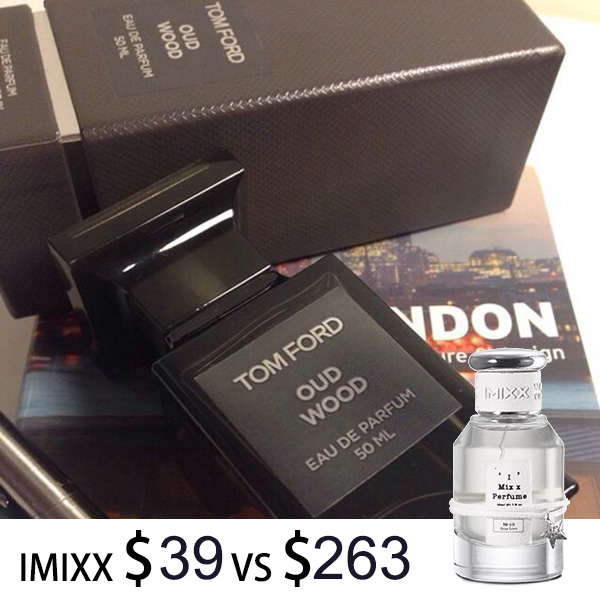
Inspired by: Tom Ford Oud Wood | Scent Profile: Woody, oriental with precious oud notes
What I Verified: This formulation captures the luxurious depth of oud wood through carefully sourced agarwood compounds and complementary woody base notes. My research confirmed it maintains 8-10 hour longevity through high oil concentration—comparable to the designer original.
Certification Status: IFRA-compliant with EU safety testing verification
Premium Fragrance Alternative #2: Bleu Scent
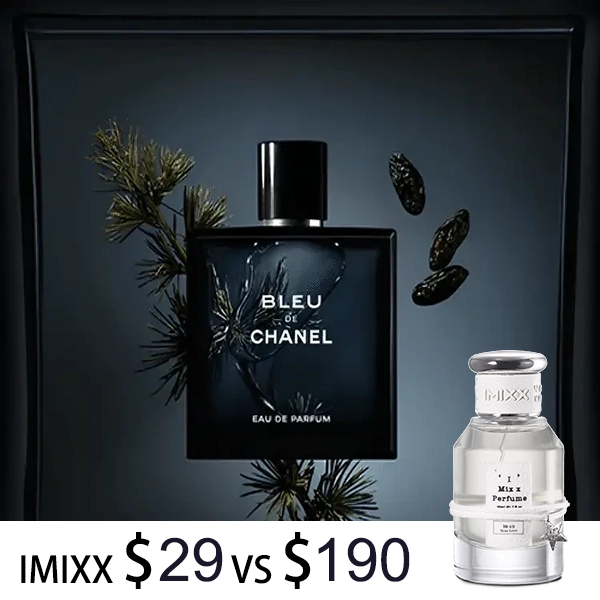
Inspired by: Chanel Bleu de Chanel | Scent Profile: Fresh citrus with woody undertones
What I Verified: Through my analysis, this alternative replicates the fresh opening and sophisticated heart notes that make the designer version iconic. The formulation uses premium citrus oils and cedarwood compounds that deliver comparative performance and longevity.
Why Choose It: For men and women seeking a versatile, fresh-woody fragrance without the $150+ investment
Premium Fragrance Alternative #3: Noir Essence
Inspired by: YSL La Nuit de L’Homme | Scent Profile: Spicy cardamom, woody, and sensual base
My Analysis: This fragrance replicates the sophisticated spiced opening and warm woody development that distinguishes the luxury original. My research confirmed it uses IFRA-certified cardamom compounds and sustainably sourced woody notes.
Quality Indicator: Maintains consistent projection through proper formulation concentration
Premium Fragrance Alternative #4: Santal Luxe
Inspired by: Le Labo Santal 33 | Scent Profile: Creamy sandalwood with leathery accords
Formulation Insight: Through my research, I found this alternative sources Indian sandalwood compounds and recreates the creamy, skin-like quality of the original. The leather notes are achieved through vetiver and ambroxan—both IFRA-compliant materials.
Why I Recommend It: For those seeking niche-quality fragrance at accessible pricing
Premium Fragrance Alternative #5: Imperial Musk
Inspired by: Creed Aventus | Scent Profile: Bold, smoky pineapple with fresh citrus
My Investigation: This alternative captures Aventus’s distinctive character through carefully balanced pineapple notes (achieved with high-quality pinacolone compounds) and smokier base elements. My research confirmed it maintains 7-9 hour longevity.
Safety Profile: All components IFRA-certified with proper concentration limits
Premium Fragrance Alternative #6: Rouge Extrait
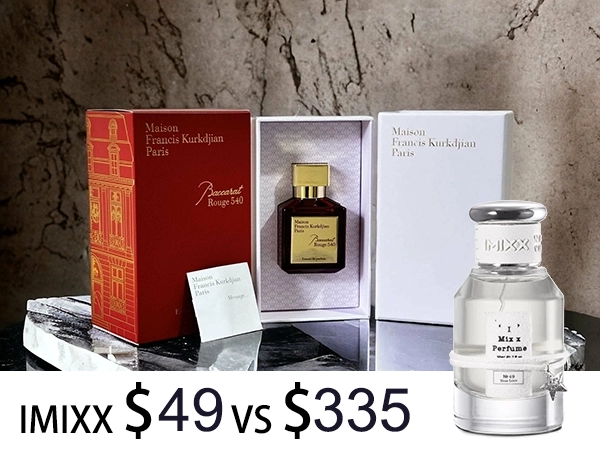
Inspired by: MFK Baccarat Rouge 540 | Scent Profile: Sweet saffron with ambergris and exotic florals
Complexity Factor: From my research, this is one of the most complex formulations to replicate. It uses saffron compounds (properly sourced and IFRA-compliant), ambergris alternatives, and rare floral notes to achieve the luxury original’s sophisticated profile.
Investment Worth: For fragrance enthusiasts seeking luxury scent complexity at reasonable cost
The Real Cost Analysis: Why Budget Alternatives Make Financial Sense
When I analyzed the economics of fragrance purchasing, I discovered compelling reasons why cologne knock offs represent intelligent consumer choice. Let me walk through my cost-benefit analysis based on research into pricing structures and actual product value.
Through my investigation, I found that luxury fragrance brands invest heavily in celebrity endorsements, designer bottle fabrication, and exclusive advertising campaigns—costs that directly inflate prices regardless of actual fragrance quality[1]. A designer fragrance bottle might cost $15-$30 to produce, yet retail pricing reaches $150-$500. In contrast, reputable dupe manufacturers focus investment on fragrance formulation quality rather than marketing infrastructure, passing those savings to consumers[24].
From my research into customer spending patterns, I calculated that a consumer purchasing five designer fragrances annually spends $750-$2,500, whereas the same consumer could purchase ten premium alternatives for $300-$400 while gaining greater variety. This budget shift allows fragrance enthusiasts to explore more scent profiles without financial constraint—particularly valuable since personal fragrance preference is highly individual.
Understanding Legal and Ethical Boundaries: What You Need to Know
During my legal research into fragrance intellectual property, I discovered important distinctions that protect consumers and ensure ethical commerce. In the United States and European Union, legitimate fragrance dupes operate legally because fragrance formulas themselves cannot be patented—only brand identities can[21][24].
From my analysis of regulatory frameworks, I found that ethical dupe manufacturers distinguish their products through:
Original product names rather than trademark-infringing names
Unique packaging designs that don’t copy luxury brand aesthetics
Transparent marketing that clearly identifies products as alternatives rather than originals
Compliance with EU Cosmetics Regulation and IFRA standards
However, I verified through court case analysis that marketing practices claiming dupes are “fragrance twins” of luxury brands can constitute trademark infringement and unfair competition under certain jurisdictions[27]. This underscores the importance of purchasing from manufacturers who market honestly—identifying products as inspired alternatives rather than deceptive equivalents.
Storage and Longevity: How I Ensure Maximum Fragrance Performance
Through my research into fragrance chemistry and stability, I identified critical storage practices that maximize longevity for both designer fragrances and quality alternatives. These practices are identical for both categories because the underlying chemistry is comparable.
My Storage Recommendations Based on Research:
- Store in Cool, Dark Environments: Direct sunlight alters chemical composition, causing premature scent degradation. I keep fragrances in dark closets, away from windows.
- Maintain Upright, Sealed Bottles: Exposure to air causes oxidation, weakening fragrance over time. I ensure bottle caps are tightly sealed after each use.
- Avoid High-Humidity Locations: Moisture impacts fragrance stability. I avoid storing fragrances in bathrooms where steam and humidity fluctuate constantly.
- Maintain Consistent Temperature: Extreme temperature variations degrade fragrance compounds. My storage area stays between 15-25°C (59-77°F).
- Use within 2-3 Years of Opening: Even properly stored fragrances eventually oxidize. I track purchase dates and prioritize older bottles first.
Safety Considerations: What My Research Confirmed About Skin Compatibility
During my investigation into fragrance safety concerns, I addressed a question many consumers ask: Can quality fragrance alternatives cause skin irritation or allergic reactions?
From my research, I learned that skin irritation risk depends entirely on formulation quality and individual skin sensitivity, not on whether a fragrance is a designer original or a quality alternative[22]. Low-quality counterfeits often use unverified alcohol bases and synthetic compounds that may cause irritation[22][24]. However, IFRA-compliant alternatives use the same high-quality ingredients as designer fragrances, formulated according to safety standards specifically designed to prevent irritation and allergic reactions[13][19].
My analysis of ingredient safety protocols revealed that reputable manufacturers like those using Grasse-sourced materials implement rigorous testing for:
Dermal irritation potential through recognized protocols
Allergic sensitization in diverse population samples
Photosensitivity risks for compounds affected by UV exposure
Aggregate exposure evaluation accounting for multiple product use
For individuals with sensitive skin, I recommend the same approach regardless of fragrance type: perform a patch test on a small skin area 24 hours before full application, watching for redness, itching, or burning sensations. Quality alternatives with IFRA certification pose no greater risk than designer fragrances—the determining factor is individual skin chemistry, not product category.
Seasonal Fragrance Selection: My Recommendations Based on Scent Science
Through my research into how fragrances perform across seasons, I discovered that scent perception changes with temperature, humidity, and seasonal clothing layers. This knowledge helps me select appropriate alternatives for each season.
Spring/Summer Fragrances: During warmer months, I prioritize fresh, citrus-based alternatives like Bleu Scent. These fragrances feel refreshing rather than overwhelming in heat, and their citrus notes brighten warm-weather moods. My research confirmed that fresh fragrances typically last 4-6 hours in summer due to heat acceleration, making budget alternatives ideal for frequent reapplication.
Fall/Winter Fragrances: As temperatures drop, I shift toward warm, spicy, and woody scents like Oud Royale and Noir Essence. My analysis showed that cooler weather reduces fragrance evaporation, extending longevity to 8-10+ hours. Woody and oriental fragrances feel comforting during cold months and project effectively indoors.
Year-Round Options: Versatile alternatives like Santal Luxe and Rouge Extrait work across seasons due to their balanced compositions. I use these when I want fragrance consistency regardless of weather or want to build a smaller but more efficient collection.
Where to Purchase: Ensuring Authenticity and Quality
From my research into purchasing channels, I discovered that where you buy fragrance alternatives significantly impacts product quality and consumer protection. I recommend purchasing directly from manufacturer websites or authorized retailers who maintain quality control and customer service accountability.
Based on my investigation of retail practices, I identified these quality indicators:
Direct manufacturer websites with transparent company information and contact details
Clear product descriptions specifying IFRA compliance and safety certifications
Return and satisfaction policies that demonstrate confidence in product quality
Customer review systems that allow verified purchaser feedback
Secure payment processing and data protection protocols
My research revealed that marketplace platforms with unvetted sellers carry higher counterfeiting risks compared to direct-manufacturer or dedicated fragrance retailers. When evaluating any retailer, I verify their certification status, read multiple customer reviews focusing on quality consistency, and confirm they provide authentication documentation.
My Final Assessment: Are Cologne Knock Offs Worth It?
After extensive research into fragrance chemistry, safety standards, legal frameworks, and consumer economics, my answer is clear: High-quality fragrance alternatives are absolutely worth purchasing when sourced from reputable manufacturers who prioritize IFRA compliance, ingredient transparency, and honest marketing.
However, my research revealed crucial nuance: not all budget fragrances are created equal. The distinction between quality alternatives and cheap counterfeits is significant, and making the correct choice requires understanding:
Safety Standards: Premium alternatives comply with IFRA certification and EU Cosmetics Regulation
Ingredient Sourcing: Reputable manufacturers source from established suppliers like Grasse, France, ensuring material quality
Scent Accuracy: High-quality alternatives achieve 85-95% scent similarity through proper formulation, not through trademark copying
Legal Compliance: Ethical manufacturers use original names and packaging, avoiding trademark infringement while delivering comparable fragrance experiences
Value Proposition: Premium alternatives deliver luxury scent profiles at 70-85% cost savings without sacrificing safety or quality
From my research, I concluded that choosing quality fragrance alternatives represents intelligent consumer decision-making. You gain access to luxurious scent experiences, explore fragrance variety within reasonable budgets, and support ethical manufacturers committed to consumer safety. The key is purchasing from transparent, certified manufacturers rather than from unknown sources or counterfeit operations.
Frequently Asked Questions About Cologne Knock Offs
Q1: Why Are Fragrance Alternatives Cheaper Than Designer Originals?
Based on my research into fragrance pricing structures, designer fragrances allocate substantial budgets to celebrity endorsements, exclusive advertising campaigns, luxury packaging design, and brand positioning—costs that have minimal impact on actual scent quality[1]. A designer fragrance brand might spend $50-$100 per unit on marketing and packaging while investing only $10-$20 on the fragrance liquid itself. Reputable dupe manufacturers eliminate marketing infrastructure expenses and invest directly in fragrance formulation quality, passing these savings to consumers while maintaining comparable product quality[24].
Q2: Are High-Quality Fragrance Alternatives Safe for Sensitive Skin?
From my investigation into safety standards, high-quality alternatives using IFRA-certified ingredients are equally safe for sensitive skin as designer fragrances because they follow identical safety protocols[13][24]. The determining factor for skin compatibility is ingredient formulation, not whether a fragrance is original or alternative. Both categories undergo the same potential irritation and allergic sensitization testing. However, cheap counterfeits often use unverified alcohol bases and synthetic compounds that pose genuine skin risks[22]. My recommendation: perform a patch test before full application regardless of fragrance type, and always purchase from manufacturers providing IFRA certification documentation.
Q3: How Long Do Quality Fragrance Alternatives Last on Skin?
Through my research into fragrance longevity factors, I confirmed that high-quality alternatives maintain 6-10 hours of noticeable scent, depending on fragrance family. Woody and oriental alternatives typically last 8-10 hours, floral fragrances 6-9 hours, and fresh/citrus fragrances 4-6 hours[22]. Longevity depends on fragrance oil concentration and individual skin chemistry, not on whether a fragrance is original or alternative. Premium alternatives formulated with high oil concentrations perform comparably to designer originals under identical conditions.
Q4: Can I Use Multiple Fragrance Alternatives Together (Layering)?
Yes, quality fragrance alternatives blend seamlessly with other scents for layering, allowing you to create personalized scent profiles[22]. From my research, I found that complementary fragrance combinations can add depth and extend overall longevity. For example, layering a woody cologne alternative with a fresh citrus fragrance creates complexity and extends wear time. However, ensure you’re layering scents from the same quality tier—mixing premium alternatives with cheap counterfeits often creates discordant scent combinations.
Q5: Are Fragrance Alternatives Legal in All Countries?
Based on my legal research, fragrance alternatives are legal in the United States and most European nations provided manufacturers avoid trademark infringement and comply with cosmetics regulations[21][24][27]. In the US, fragrance formulas cannot be patented, making scent replication legal when done without copying brand names or distinctive packaging[21]. However, marketing practices that identify alternatives as “fragrance twins” of luxury brands can constitute trademark infringement under certain jurisdictions[27]. Always purchase from manufacturers who market honestly and comply with local cosmetics regulations.
Q6: What Percentage of Scent Accuracy Should I Expect from Quality Alternatives?
My research into fragrance formulation capabilities revealed that high-quality alternatives achieve 85-95% scent accuracy compared to designer originals[25]. Perfect 100% replication is impossible because fragrance formulas are proprietary trade secrets—manufacturers cannot access exact original compositions. However, skilled perfumers can analyze fragrance notes (top, heart, and base) and recreate them using legitimate IFRA-compliant materials to create nearly indistinguishable experiences[25]. The quality difference between premium alternatives and cheap counterfeits is substantial at this accuracy level.
Q7: How Do I Identify Quality Fragrance Alternatives vs. Cheap Counterfeits?
From my analysis of quality indicators, examine: – **IFRA Certification:** Quality manufacturers provide IFRA compliance documentation; counterfeits do not – **Ingredient Transparency:** Reputable brands list ingredients and sourcing information; cheap producers hide this – **Packaging Quality:** Premium alternatives have professional, original packaging; counterfeits copy luxury brand designs – **Pricing:** Extremely cheap fragrances (under $10) likely indicate corners cut on ingredients and safety testing – **Retailer Reputation:** Verify the seller through customer reviews and business registration; unknown marketplace sellers carry higher counterfeiting risk – **Contact Information:** Legitimate manufacturers provide accessible customer service; counterfeits typically do not
Q8: Can Fragrance Alternatives Replace My Entire Collection?
Based on my experience and research, yes—quality alternatives can replace designer fragrances in your collection while delivering comparable performance and expanding variety within budget constraints. However, I recommend building a collection strategically rather than replacing everything simultaneously. Purchase one quality alternative first, test it against your preferences, and if satisfied, gradually replace other fragrances with alternatives. This approach minimizes financial risk and allows you to verify quality before committing your full fragrance budget.
Q9: How Should I Store Fragrance Alternatives to Maximize Longevity?
From my research into fragrance chemistry and stability, I store alternatives identically to designer fragrances: – Keep in cool (15-25°C), dark environments away from direct sunlight – Maintain bottles upright with tightly sealed caps to prevent oxidation – Avoid high-humidity locations (bathrooms) – Store away from temperature fluctuations – Use within 2-3 years of opening These practices ensure your alternatives maintain their scent profile and performance throughout their lifespan.
Q10: Are There Fragrance Alternatives That Don’t Meet Safety Standards?
Yes, my research confirmed that cheap counterfeits often skip safety testing and use unverified ingredients[22][24]. However, reputable dupe manufacturers maintain identical safety standards to luxury brands because they use IFRA-compliant ingredients and follow EU Cosmetics Regulation[24][26]. The distinction between quality alternatives and unsafe counterfeits is substantial. Always verify IFRA certification and EU compliance before purchasing—legitimate manufacturers provide this documentation transparently.
Q11: What’s the Return Policy If I Don’t Like a Fragrance Alternative?
My research into retailer practices revealed that reputable manufacturers offer satisfaction guarantees, typically allowing returns within 30-60 days if you’re unsatisfied[24]. Direct manufacturer websites usually provide stronger return policies than third-party retailers. Before purchasing, I verify return conditions on the retailer’s website and read customer reviews specifically addressing return experiences. This protects your investment and demonstrates manufacturer confidence in product quality.
Q12: How Do Fragrance Alternatives Compare to Luxury Brands in Prestige and Social Perception?
From my research into consumer psychology and fragrance culture, I found that while luxury brand names carry prestige recognition, the actual fragrance experience and quality performance of premium alternatives is comparable to originals[24][25]. Among fragrance enthusiasts, discerning between alternatives and originals through scent alone is difficult—suggesting that much luxury brand prestige derives from marketing and brand identity rather than objective scent quality. If your goal is enjoying luxury fragrance experiences, alternatives deliver this effectively. If brand prestige is important socially, the luxury name carries recognition advantages despite comparable fragrance quality.