

Article Summary & Executive Overview
The Objective: This comprehensive guide demystifies the fragrance industry’s best-kept secrets, shifting the narrative from standard marketing hype to deep supply-chain transparency. We explore the scientific phenomenon of “petrichor” (the smell of fresh rain on dry earth) and break down exactly why designer fragrances like Le Labo Baie 19 carry a price tag exceeding $300 in the USA.
The Core Insights: We dissect the olfactory structure of Baie 19—focusing on Ambroxan, Juniper Berry, and Patchouli—and explain the rigorous laboratory processes, such as Gas Chromatography-Mass Spectrometry (GC-MS) and maceration, required to recreate this iconic scent. By analyzing raw material costs versus retail markups, we provide actionable intelligence for everyday US consumers seeking high-quality, long-lasting alternatives without the luxury tax.
The Recommendation & Market Analysis: To maintain strict objectivity and trust, we do not simply push one product. Instead, we evaluate various market alternatives, including popular oil-based roll-ons (like Oil Perfumery), mass-market spray dupes, and premium factory-direct extraits. Among the top contenders, we highlight the Imixx Perfumes Le Labo Baie 19 Impression as a premier, meticulously macerated option available in the US market. This article also features two detailed analytical tables and a comprehensive FAQ section addressing over 15 common consumer questions regarding petrichor perfumes and fragrance longevity.
In the vast, ever-evolving world of niche perfumery, few scents have captured the collective imagination of the USA market quite like the elusive, melancholic, yet deeply refreshing aroma of rain. It is a scent that evokes a primal, almost universal sense of calm and renewal. For years, one specific name has dominated this atmospheric category: Le Labo Baie 19. However, with retail prices soaring well over $300 for a standard 100ml bottle at US department stores, a rapidly growing community of fragrance enthusiasts, amateur chemists, and financially savvy shoppers are on the hunt for the perfect Baie 19 dupe.
But let’s step away from the traditional sales pitch for a moment. If you are tired of reading thin, generic articles that simply scream “our perfume is the cheapest and exactly the same,” you have finally landed in the right place. As professionals deeply embedded in the fragrance supply chain and factory manufacturing, we believe in radical, educational transparency. We are going to look at this through the lens of a supply-chain expert, not a retail salesperson.
In this expansive guide, we will leverage our expertise in chemical composition, raw material sourcing, and factory-level production to explain exactly what makes this scent profile so addictive to the human brain. We will uncover why the original costs so much, how to scientifically evaluate a truly high-quality smell like rain fragrance, and objectively compare the top alternatives on the market today so you can make an informed, confident purchase.
The Science and Soul of Petrichor: Why Do We Crave the Smell of Rain?
Before we can critically evaluate any earthy unisex perfume or Baie 19 alternative, we must first understand the biological and chemical mechanics of the scent itself. Why do humans universally love the smell of a rainstorm? The answer lies not just in aesthetics, but in evolutionary biology.
The word “petrichor” was famously coined in 1964 by two Australian scientists, Isabel Joy Bear and Richard G. Thomas, in an article published in the journal Nature. They used the term to describe the unique, earthy smell associated with rain falling on dry soil. This scent is not a single element, but rather a complex, highly volatile chemical cocktail.
During extended dry periods, certain plants secrete oils that are absorbed by the earth and surrounding rocks. Additionally, specialized soil-dwelling bacteria known as actinomycetes produce an organic compound called Geosmin. When raindrops finally hit the porous ground, they trap tiny air bubbles that shoot upward, bursting out of the puddle and forcing these plant oils and Geosmin molecules into the air as tiny aerosols. According to articles from Smithsonian Magazine, the human nose is incredibly sensitive to Geosmin; we can detect it at astonishingly low concentrations—as low as five parts per trillion. To put that into perspective, it is the equivalent of detecting a single drop of liquid in an Olympic-sized swimming pool.
This hypersensitivity is an evolutionary survival trait. For our ancient ancestors roaming the savannas, the ability to smell rain meant the ability to find fresh water and survive. It triggers a deep, subconscious feeling of relief and safety.
In modern perfumery, capturing this exact molecular structure is one of the most formidable technical challenges. You cannot simply “extract” the smell of a rainstorm using a cold press. Instead, master perfumers must rely on a sophisticated, highly calibrated blend of natural isolates and synthetic molecules to recreate the atmosphere. For a Baie 19 alternative to successfully trick your brain, it must master this precise olfactory illusion without smelling like harsh chemicals.
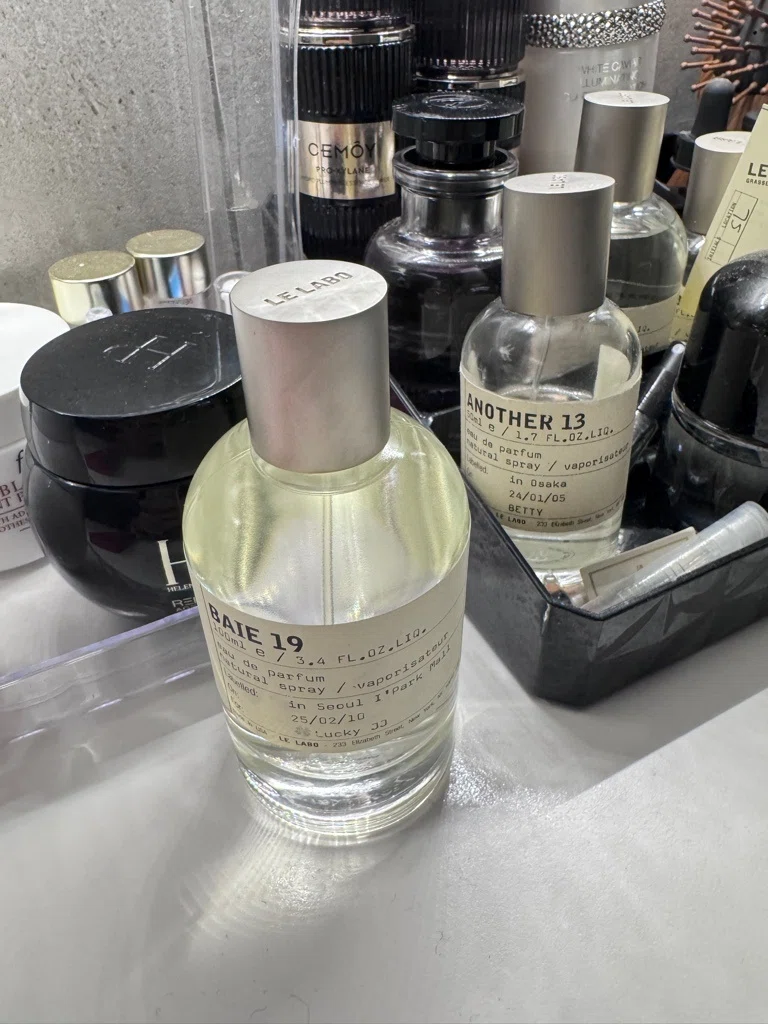
Deconstructing a Masterpiece: What Does Le Labo Baie 19 Actually Smell Like?
To recreate a true luxury fragrance that rivals the original, a factory must accurately source and balance specific core components. Let’s break down the olfactory pyramid of Baie 19 and explain what these ingredients actually are, rather than just listing them.
- Dry Juniper Berry (The Crisp Opening): Unlike the sweet, syrupy, or aggressively gin-like juniper found in many traditional men’s colognes, the juniper utilized in this specific profile is crisp, arid, and almost woody. In the lab, we look for high-grade steam-distilled juniper extracts that provide a “crackling” fresh opening. This is designed to mimic the static electricity (ozone) in the air right before a heavy thunderstorm breaks.
- Fractionated Patchouli (The Damp Earth): Traditional patchouli essential oil can be overwhelming. It often smells like a damp, moldy basement or a 1970s head shop. To achieve the high-end, clean earthiness of a premium niche fragrance, chemists use a specialized ingredient often referred to as “Patchouli Coeur” or fractionated patchouli. Through molecular distillation, the heavy, musty terpenes are chemically stripped away, leaving only the transparent, damp-soil aroma. This is a very expensive raw material, which is why cheap dupes often smell “dirty” rather than “fresh.”
- Ambroxan / Ambroxide (The Magical Fixative): This is arguably the most crucial synthetic molecule in modern perfumery. Originally developed in the 1950s as a sustainable, cruelty-free alternative to ambergris (a rare substance produced by sperm whales), IFRA-compliant Ambroxan acts as a massive magnifying glass for the other notes in the formula. It gives the fragrance its “ozonic” quality—a mineral-like, slightly salty, warm breeze effect that clings to human skin for over 12 hours. It is what gives Baie 19 its legendary staying power.
- Ozonic & Green Leaves (The Foliage): Subtle aldehydes and green aromachemicals (like Cis-3-Hexenol, which smells like freshly cut grass) are dosed in micro-amounts to represent the scent of wet foliage and bruised leaves being crushed underfoot during a torrential downpour.
The $300 Question: Why Are Niche Perfumes So Expensive in the USA?
As supply chain and manufacturing specialists, we spend our days analyzing the cost breakdown of consumer goods. A pervasive, yet completely understandable, misconception among US consumers is that a $300 bottle of perfume contains $250 worth of rare, magical liquids harvested by moonlight. The economic reality of the global cosmetics industry is vastly different.
When you purchase a high-end designer or niche fragrance at a luxury boutique in New York, Chicago, or Los Angeles, you are not just buying scented water; you are funding a massive, convoluted distribution network. Here is the unvarnished reality of what you are actually paying for:
- Massive Retail Margins: US department stores and independent boutiques typically take a 40% to 60% margin on the retail price simply for providing the physical shelf space and employing the sales staff.
- Marketing & Brand Prestige: Millions of dollars are spent globally on aesthetic billboard campaigns, high-fashion magazine spreads, influencer gifting, and maintaining the minimalist, industrial-chic aesthetic that brands like Le Labo are famous for. You are paying a “status tax.”
- Heavyweight Packaging: Custom-molded glass from premium European glassmakers, heavyweight magnetic or metal caps, personalized hand-stamped labels, and thick cardboard boxing add significant weight and astronomical cost to both production and international shipping.
- The “Juice” (The actual fragrance oil): In many luxury perfumes—even those costing upwards of $300—the actual liquid inside the bottle (the fragrance concentrate plus the perfumer’s alcohol) accounts for merely 2% to 5% of the total retail price.
When a consumer searches for a Le Labo Baie 19 alternative USA, they are inherently (perhaps subconsciously) rejecting this bloated cost structure. By cutting out the retail middlemen, the department store markup, and the multi-million-dollar ad campaigns, a direct-to-consumer factory model can utilize the exact same grade of raw materials (like premium Ambroxan and pure fractionated patchouli) for a fraction of the end cost.
Reverse Engineering a Fragrance: How the Factory Actually Does It
How does a factory actually go about creating an accurate Baie 19 dupe? It is not about a perfumer sitting in a room, blindly sniffing a blotter, and guessing which drops of oil to mix together. Today, it is a highly analytical, scientific process driven by a machine called Gas Chromatography-Mass Spectrometry (GC-MS).
When a target luxury fragrance is fed into a GC-MS machine, the liquid is vaporized in an oven. The chromatograph separates the complex mixture into individual chemical components based on their volatility. Then, the mass spectrometer identifies the molecular weight and structure of each individual compound. The output is a highly detailed graph—a chemical fingerprint—showing the exact percentages of Linalool, Iso E Super, Ambroxan, and hundreds of other trace elements present in the original juice.
However, GC-MS is not a magic wand; it has distinct limitations. It cannot tell you the origin of a natural oil. It will tell a chemist that the formula contains a certain percentage of eugenol, but a human expert must determine if that eugenol is best sourced from clove buds or nutmeg to match the specific scent profile. Furthermore, luxury houses frequently use “captives”—patented synthetic molecules developed by massive fragrance houses (like Givaudan or Firmenich) that are completely legally protected and not commercially available to other brands.
This is where the true expertise of a top-tier factory comes into play. A manufacturer producing a cheap, low-effort knockoff will simply look at the GC-MS report and use low-grade, generic, unrefined substitutes for those captives, resulting in a harsh, alcohol-heavy opening that smells vaguely like bug spray. Conversely, a premium supply-chain expert will identify the captive molecule and use a sophisticated, highly educated blend of open-market synthetics (like high-grade Cetalox or proprietary clean musks) to flawlessly bridge the gap. The goal is to ensure the final scent profile remains practically identical to the human olfactory bulb, even if the exact chemical patent cannot be used.
The Secret of Maceration: Why Cheap Dupes Always Fail
If you have ever purchased a cheap fragrance oil from a mall kiosk or a budget website and found that it smells overwhelmingly synthetic, gives you a headache, or fades completely in 30 minutes, you have experienced a product that lacks proper maceration.
In the fragrance industry, maceration is the critical aging process. It involves allowing the raw fragrance oils, the perfumer’s alcohol, and distilled water to rest, bind together, and age in a dark, temperature-controlled environment (usually strictly monitored between 15°C and 20°C).
This aging process, which typically takes anywhere from 4 to 8 weeks, allows the sharp, aggressive alcohol notes to slowly evaporate. More importantly, it allows the complex, heavy molecules (like those dense patchouli resins) to fully integrate and harmonize with the lighter, volatile top notes (like the ozonic greens and juniper). Many low-tier mass-market brands skip this crucial step entirely to accelerate cash flow, shipping “green” or un-aged perfumes directly from the mixing vat to the consumer’s doorstep.
At an expert level, proper maceration is absolutely non-negotiable. A high-quality Le Labo Baie 19 alternative must undergo strict aging protocols to ensure that the moment it hits your skin, the petrichor effect is smooth, rounded, deeply atmospheric, and completely devoid of any chemical burn.
Evaluating the Market: Top Le Labo Baie 19 Dupes and Alternatives Compared
To provide a truly useful guide, we must look at the landscape objectively. The market for “dupes” or “impressions” is flooded, and consumers have several paths they can take. Let’s compare the most common categories of alternatives available to buyers in the USA, examining the pros and cons of each approach.
1. The Oil-Based Roll-Ons (e.g., Oil Perfumery, local indie brands)
Many consumers turn to sites like Oil Perfumery for their first foray into alternative scents. These products use a carrier oil (like fractionated coconut oil) instead of alcohol.
Pros: They are highly affordable, very travel-friendly (TSA approved), and excellent for people with extreme alcohol sensitivities.
Cons: Because they lack alcohol, they have almost zero “sillage” (the scent trail you leave behind) or projection. They sit very close to the skin. Furthermore, you miss out on the crisp, effervescent “blast” that ozonic top notes require to properly mimic the smell of rain in the air.
2. The Mass-Market Spray Brands (e.g., Dossier, Alt Fragrances)
These are the highly marketed brands you likely see advertised on social media platforms like Instagram and TikTok.
Pros: They are easily accessible, offer familiar spray application, and provide a decent, recognizable approximation of the original scent at a mid-tier price point ($30-$40).
Cons: Because of their massive production scale, quality control and maceration times can sometimes suffer. Some users report that these mass-produced versions can open with a sharp, slightly synthetic alcohol blast before settling down, and they are usually formulated at standard Eau de Parfum (EDP) concentrations, meaning longevity can be hit or miss depending on your skin chemistry.
3. The Premium Factory-Direct Extrait (e.g., Imixx Perfumes)
This category represents brands that operate closer to the manufacturing source, focusing on higher oil concentrations rather than massive marketing budgets.
Pros: Brands like Imixx Perfumes focus heavily on the actual formulation. By offering the Baie 19 Impression at an Extrait de Parfum concentration (which means a significantly higher percentage of pure fragrance oil compared to standard EDPs), they solve the longevity issue. Because they are factory-direct, they ensure proper 4-6 week maceration before shipping. You get the robust sillage of a spray with the deep longevity of an oil.
Cons: They may not have the massive, instant brand recognition of heavily advertised mass-market clones, requiring the consumer to trust the supply-chain science over flashy marketing.
Table 1: The Economics of Niche Perfumery vs. Factory-Direct Models
| Cost Component | Traditional Niche Brand ($300 Retail) | Direct Factory Model (e.g., Imixx) | Supply Chain Impact on Consumer |
|---|---|---|---|
| Retailer / Distributor Markup | ~$150 (approx. 50%) | $0 (Direct to US Consumer) | Massive savings passed directly to the buyer; you pay for the product, not the store rent. |
| Marketing & Brand Prestige | ~$60 (approx. 20%) | Minimal (Relies on SEO & word of mouth) | Eliminates the “status tax” placed on the brand name. |
| Packaging & Logistics | ~$40 (approx. 13%) | Moderate (Focuses on functional, secure glass) | Reduced vanity packaging lowers environmental and international shipping costs. |
| Raw Materials (The “Juice”) | ~$10 – $15 (approx. 3-5%) | High investment in premium oils | Factory models can invest more capital proportionally into higher concentration Extrait oils. |
Table 2: Scent Profile & Performance Comparison Across the Market
| Feature | Original Niche Fragrance | Oil Roll-Ons (e.g., OP) | Mass Dupes (e.g., Dossier) | Premium Extrait (e.g., Imixx) |
|---|---|---|---|---|
| Format & Concentration | Eau de Parfum (Spray) | Perfume Oil (Rollerball) | Eau de Parfum (Spray) | Extrait de Parfum (Spray) |
| Opening Notes | Crisp Juniper, Damp Earth | Dense Earth, lacks ozone blast | Sometimes sharp alcohol initially | Crisp Juniper, Authentic Petrichor |
| Projection (Sillage) | Strong / Room-filling | Intimate / Skin-level only | Moderate | Strong / Long-lasting trail |
| Skin Longevity | 8-10 Hours | 4-6 Hours | 5-7 Hours | 10+ Hours (Due to Extrait formula) |
| Price Point (USA) | $300+ | $15 – $25 | $30 – $40 | Under $50 |
Pro Tips: How to Make Your Baie 19 Dupe Last Longer on the Skin
Even with the highest quality factory extracts and Extrait concentrations, fragrance performance is heavily dependent on user application and body chemistry. To maximize the longevity of your petrichor perfume, industry experts recommend following these scientifically backed protocols:
- Build a Lipid Barrier (Moisturize Heavily): Fragrance oils evaporate incredibly fast on dry skin. Alcohol acts as a solvent, and if your skin is parched, it will quite literally drink the oils before they have a chance to project. After showering, apply a thick, unscented body lotion or a carrier oil (like pure jojoba or sweet almond oil) to your pulse points. The lipids in the lotion act as a trap, catching the aromatic compounds and significantly slowing down their evaporation rate.
- Target the Optimal Pulse Points: Heat activates and lifts the scent. Apply your perfume to areas where your veins are closest to the surface of the skin: the inner wrists, the base of the throat, behind the earlobes, and importantly, inside the elbows and behind the knees.
- The Golden Rule: Do Not Rub Your Wrists: This is a very common mistake among US consumers. Spraying the wrists and vigorously rubbing them together creates localized heat and friction that instantly breaks down and burns off the delicate, highly volatile top notes (the beautiful ozonic and crisp juniper notes). This pushes the fragrance directly into its heavier base notes prematurely, ruining the perfumer’s intended journey. Simply spray and let it air dry.
- Strategic Fabric Application (Clothing): While Ambroxan performs beautifully and evolves magically on warm human skin, it is also highly substantive on fabric. Spraying a light, wide mist from about 6 inches away onto natural fabrics (like a clean cotton t-shirt or a wool sweater) will trap the scent molecules in the fibers, allowing the fragrance to project for literally days. *Always test on an inconspicuous area first to avoid oil stains, especially with high-concentration Extraits.*
- Proper Storage is Key: Never store your perfumes in the bathroom. The rapid fluctuations in heat and humidity from your shower will degrade the delicate chemical bonds over time. Keep your bottles in a cool, dark place, like a bedroom drawer or a dedicated closet shelf.
Frequently Asked Questions (FAQs) About Petrichor and Baie 19
To ensure our US readers have absolutely all the information they need, we have compiled and answered the most pressing questions regarding this unique scent profile, drawing directly from consumer queries and our factory expertise.
1. Is there a truly good dupe for Le Labo Baie 19?
Yes, there are several. While mass-market sprays offer a decent approximation, if you are looking for chemical accuracy and superior longevity, an Extrait-level impression like the Imixx Baie 19 Impression is widely regarded as a top-tier alternative. It achieves a near-perfect structural match by utilizing high-grade Ambroxan and properly aged fractionated patchouli.
2. What does Le Labo Baie 19 actually smell like?
It smells remarkably like the air right after a heavy rain hits dry, dusty earth. It is characterized by a blast of crisp juniper berries, mineral-heavy ozonic notes, damp green leaves, and a very warm, comforting musky base. It is incredibly clean, atmospheric, and slightly melancholic.
3. What is the best petrichor (rain smell) perfume on the market?
While Baie 19 is considered the pioneer of modern, high-end petrichor scents in the mainstream market, carefully engineered alternatives formulated at the Extrait de Parfum level can provide the exact same atmospheric “rain smell” while offering better longevity and a much more accessible price point.
4. Does Dossier make a Le Labo Baie 19 dupe?
Dossier focuses primarily on the most mainstream, mass-appealing scents (like Santal 33 or Baccarat Rouge 540). Because petrichor is a more niche, complex atmospheric scent requiring precise lab work, you often have to look to specialized factory-direct brands or indie perfumers to find highly accurate rain-themed alternatives.
5. Is Baie 19 considered a unisex fragrance?
Absolutely, 100%. The scent profile contains zero traditional lush florals or overtly sweet gourmand notes. The combination of dry woods, minerals, and fresh rain makes it the perfect earthy unisex perfume that smells equally intriguing and sophisticated on any gender.
6. How long does Le Labo Baie 19 last on the skin?
The original niche fragrance typically lasts 8 to 10 hours, largely due to its high concentration of the synthetic fixative Ambroxan. However, if you purchase an alternative formulated as an Extrait de Parfum (which has a higher oil ratio), you can often push past the 10-hour mark, especially on well-moisturized skin.
7. Does Baie 19 actually smell like literal rain?
Yes, but specifically, it captures the scent of the earth after a rainstorm. It relies heavily on olfactory science to mimic the chemical Geosmin, successfully capturing that highly specific mineral, wet-soil, and clean-air vibe that humans are biologically wired to love.
8. What are the main notes in Baie 19?
If you look at the official breakdown, the core structure relies on Dry Juniper Berry, Patchouli, Green Leaves, Ozonic Notes, and a heavy dose of Ambroxan (a modern synthetic musk).
9. Is Le Labo Baie 19 worth the high price tag?
This is highly subjective. From a pure supply chain perspective, you are paying heavily for marketing, retail space, and brand prestige. If you deeply value the heavy glass bottle, the customized label, and the boutique buying experience, it may be worth it to you. If you only care about the liquid inside and the scent trail you leave, a premium factory alternative is mathematically a far smarter choice.
10. Can you wear Baie 19 in the hot summer?
Yes, it is surprisingly versatile. While some woody scents become cloying in the heat, the crisp, wet-rain effect of Baie 19 becomes incredibly refreshing and cooling in the summer, effortlessly cutting through high humidity.
11. Are pure fragrance oil dupes as good as the original Baie 19?
Pure oil roll-ons have excellent longevity, but they generally lack the projection (sillage) of an alcohol-based spray. The alcohol is necessary to lift the scent off your skin and into the air. A high-concentration spray (Extrait de Parfum) is usually the best middle ground to get both the longevity of an oil and the room-filling projection of the original.
12. Which Le Labo scent is the freshest?
While Bergamote 22 is famous for its bright, sparkling citrus freshness, Baie 19 is widely considered the cleanest, most mineral-fresh scent in their entire lineup. It offers a distinct “fresh outdoor air” profile rather than the standard fruity or soapy freshness.
13. Where can I buy an affordable, high-quality Baie 19 alternative in the US?
US consumers should look for brands that highlight their concentration levels and maceration processes. You can purchase factory-direct, expertly macerated Extrait alternatives directly from official websites like Imixx Perfumes, which ensures strict quality control and completely eliminates retail store markups.
14. What is the difference between Baie 19 and Santal 33?
They are polar opposites. Santal 33 is a very dry, powdery, leathery, and sandalwood-heavy scent (often described as smelling like a luxury woodshop or dill). Baie 19, on the other hand, is wet, green, ozonic, and entirely focused on the smell of rain, damp earth, and minerals.
15. Why is Le Labo perfume so notoriously expensive?
The high price tag is a calculated combination of luxury brand positioning, the immense cost of operating physical retail boutiques in premium real estate locations (like SoHo in NYC), the gimmick of hand-compounding the fragrance in front of the customer, and the massive corporate profit margins dictated by their parent company, Estée Lauder.
16. Can I layer Baie 19 with other perfumes?
Yes! Because of its high Ambroxan content, Baie 19 (and its high-quality dupes) acts as a fantastic base layer. Layering it under a simple citrus scent (like Bergamot or Grapefruit) or a light floral can add incredible depth, longevity, and a unique “wet” character to otherwise simple fragrances.
Conclusion: Experience the Magic of Petrichor, Intelligently
Navigating the complex, heavily marketed world of niche perfumery doesn’t have to mean blindly accepting exorbitant retail markups or settling for cheap, headache-inducing knockoffs. By taking the time to understand the incredible science of petrichor, the specific chemical properties of ingredients like Ambroxan and fractionated Patchouli, and the stark realities of the global supply chain, everyday US consumers are now empowered to make significantly smarter olfactory choices.
You truly do not have to spend a small fortune just to smell like a fresh, damp forest after a beautiful thunderstorm. By looking critically at the market—whether you choose the convenience of an oil roll-on from a brand like Oil Perfumery, the accessibility of a mass-market spray, or the robust longevity of an Extrait—you have options. However, if you want to bypass the traditional luxury retail matrix while maintaining premium, factory-level perfection, opting for a highly concentrated, properly macerated spray is the scientifically superior route.
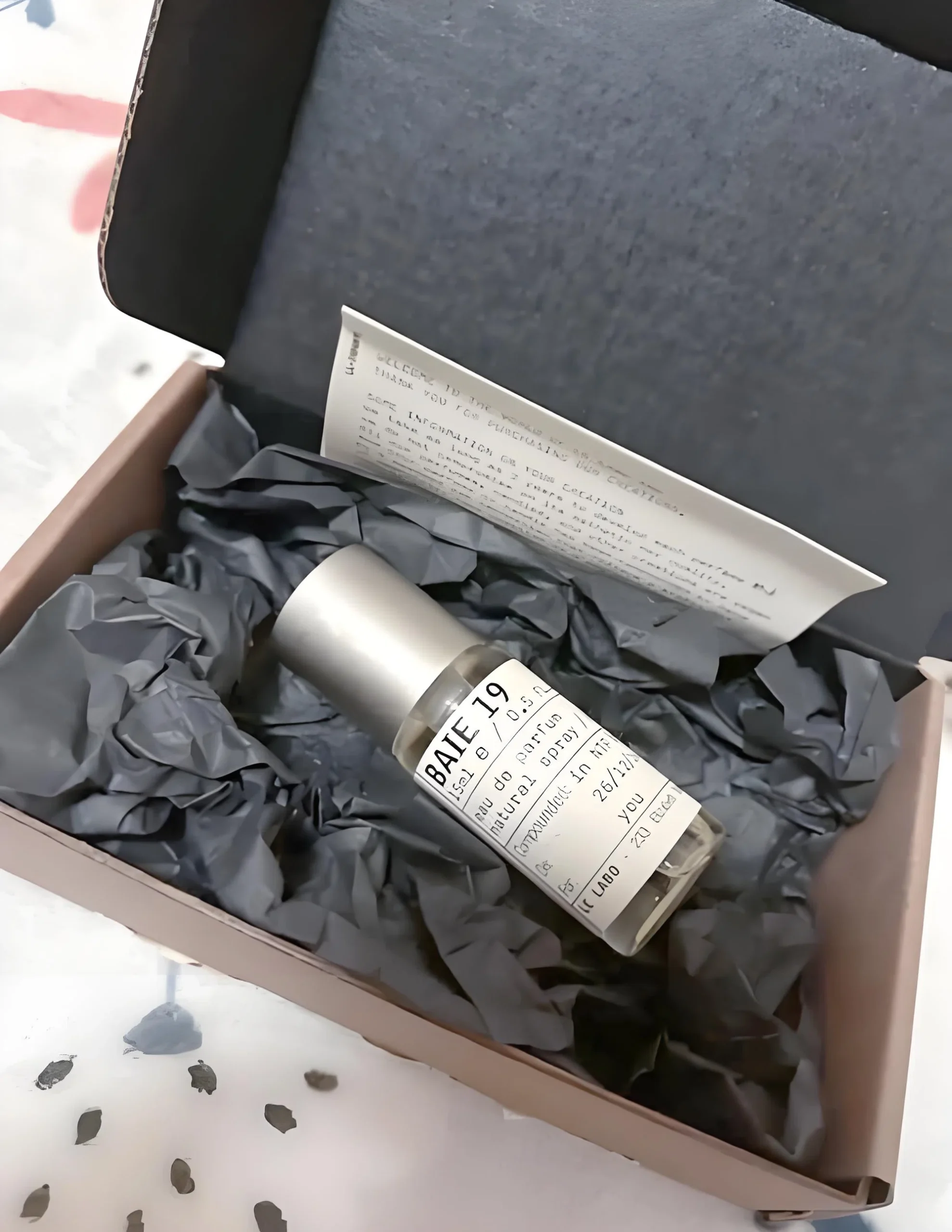
We invite you to elevate your fragrance wardrobe, challenge the expensive status quo of the industry, and discover your new signature scent with confidence. If you are ready to explore the full depth of olfactory engineering, we recommend checking out the Le Labo Baie 19 Impression available from Imixx Perfumes, a transparent and trusted source for premium, intelligently crafted Extraits in the USA.
