

Executive Summary
Overview: This comprehensive guide deconstructs the fragrance industry’s best-kept supply chain secrets, empowering USA consumers to identify high-quality perfume alternatives. We move beyond basic marketing to explore the chemical composition, maturation processes (maceration), and raw material sourcing that define a true premium fragrance.
Key Takeaways:
- The true cost of designer fragrances is heavily skewed toward marketing, packaging, and brand markup, rather than the raw olfactory ingredients (the “juice”).
- Identifying the best Black Opium dupe requires understanding molecular scent profiles, specifically the balance of synthetic coffee accords, Ethyl Maltol (sweetness), and white florals.
- Quality alternatives rely on extensive aging (maceration) and high Extrait de Parfum concentrations (30%+) to avoid the harsh “alcohol blast” common in cheap drugstore imitations.
- Imixx Perfumes utilizes direct-to-consumer supply chain models and rigorous lab-grade formulation to deliver an authentic, IFRA-compliant olfactory experience without the designer price tag.
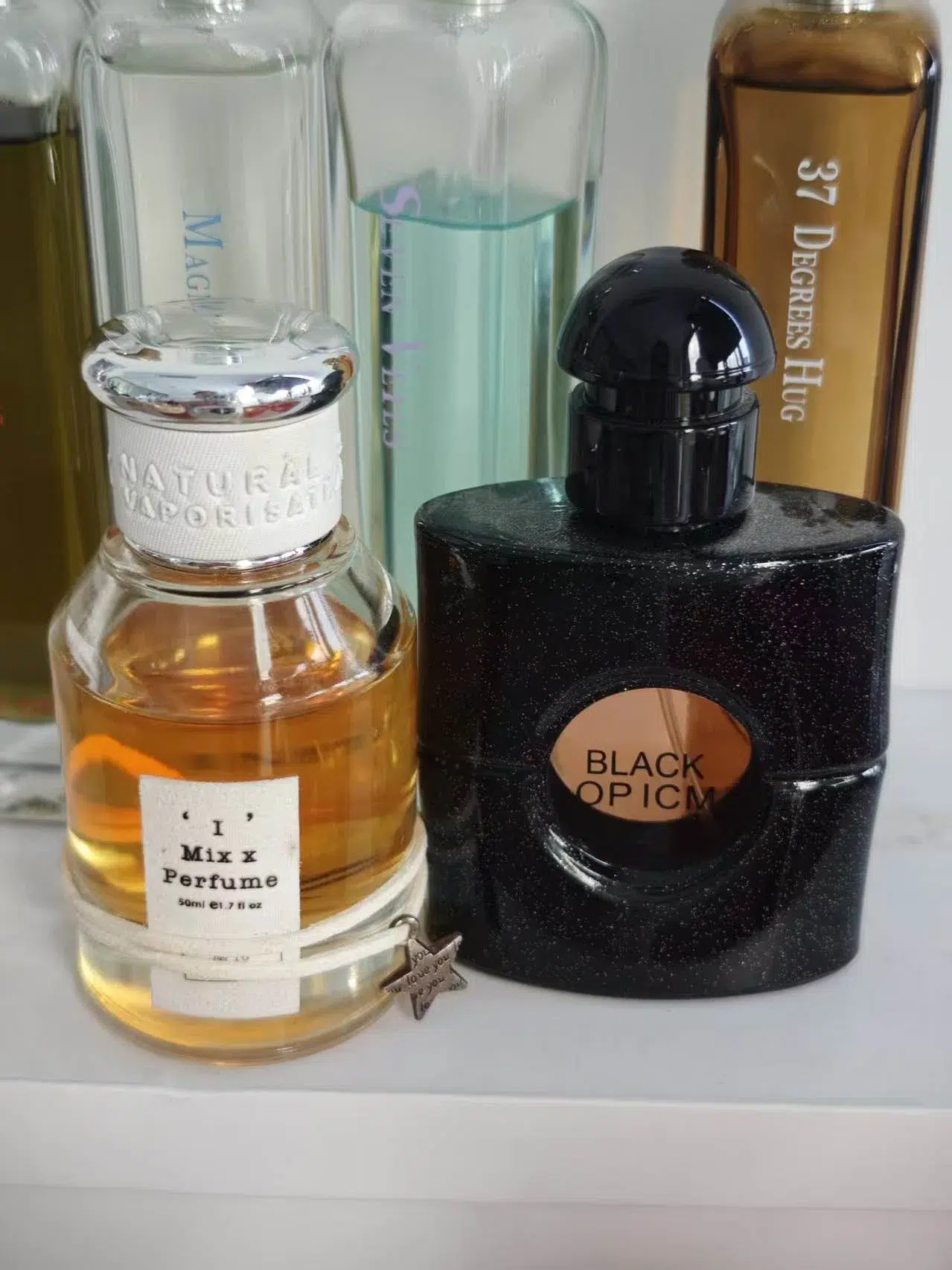
Introduction: The Illusion of the $150 Price Tag in the US Market
If you are searching for an affordable YSL alternative in the USA, you are likely exhausted by the endless cycle of blind buys that end up smelling like rubbing alcohol and fading within an hour. The quest for the ultimate warm gourmand fragrance has led thousands of savvy consumers down the rabbit hole of “dupe culture.” But as a supply chain and fragrance formulation expert, I can tell you that the industry is filled with misconceptions.
We are not here to simply tell you what smells good. We are here to decode why it smells good, and why you don’t need to spend upwards of $150 to smell like a million dollars. By understanding the core mechanics of perfume manufacturing, Gas Chromatography-Mass Spectrometry (GC-MS) analysis, and global sourcing, you will be immune to overpriced marketing campaigns. Let’s lift the veil on how to evaluate, select, and wear the closest dupe for Black Opium.
Section 1: The Chemical Architecture of a Warm Gourmand
To recreate a masterpiece, one must understand its molecular foundation. YSL Black Opium is famous for its addictive, dark, and sweet profile. But what does that actually mean in a laboratory setting?
The Signature Notes Decoded
- Top Notes (The Hook): Pear accord and Pink Pepper. In perfumery, pear notes are often achieved using synthetic esters to give a crisp, juicy opening. The pink pepper adds a necessary sharpness to cut through the impending sweetness.
- Heart Notes (The Core): The iconic Black Coffee accord mixed with White Florals (Jasmine Sambac and Orange Blossom). Formulating a photorealistic coffee note is notoriously difficult. It requires a delicate balance of pyrazines (which smell roasted and nutty) to avoid smelling like stale espresso. The Jasmine, often enhanced by aromachemicals like Hedione, provides a luminous, airy floral bridge.
- Base Notes (The Anchor): Vanilla, Patchouli, and Cedarwood. The “addictive” quality comes from high doses of Vanilla (specifically the aromachemical Vanillin or Ethyl Maltol for a spun-sugar effect) anchored by the earthy depth of Patchouli.
When searching for a perfume that smells like YSL Black Opium, the failure point for most cheap knock-offs is the coffee accord. Poorly formulated budget fragrances rely on cheap, synthetic vanilla that overpowers the delicate floral and roasted notes, resulting in a flat, cloying scent.
Section 2: Supply Chain Transparency: Where Does Your Money Go?
Why does a designer fragrance cost over $150 in the USA, while an affordable alternative to Black Opium can cost under $40? The answer lies not in the bottle, but in the boardroom.
As supply chain insiders, we look at the Bill of Materials (BOM). The liquid inside a designer perfume bottle (the fragrance oil and perfumer’s alcohol) rarely accounts for more than 5% to 10% of the retail price. The rest is absorbed by massive overheads.
Table 1: The Economics of Designer Fragrance vs. Direct-to-Consumer (DTC) Formulations
| Cost Component | Traditional Designer Brand ($150 Retail) | Premium Direct-to-Consumer (e.g., Imixx) ($39 Retail) |
|---|---|---|
| Fragrance Oil (The Juice) | $3 – $8 (Often standardized EDT/EDP) | $6 – $12 (Extrait de Parfum, higher concentration) |
| Packaging & Bottle | $15 – $25 (Custom glass, heavy caps, complex boxes) | $4 – $7 (Minimalist, elegant, standardized glass) |
| Marketing & Celebrity Endorsements | $40 – $60 (Global TV ads, billboards) | $2 – $5 (Word of mouth, targeted digital, SEO) |
| Retail Markup & Middlemen | $50 – $70 (Department store margins) | $0 (Direct to your door in the USA) |
| Formulation Focus | Mass appeal, strict cost-cutting on raw materials per unit | Maximum oil concentration, long maceration periods |
By eliminating the middleman and bypassing celebrity marketing, brands operating with a modern supply chain can actually afford to put better ingredients into the bottle. This is the secret behind the rise of high-quality designer fragrance dupes in 2024.
Section 3: The Science of Scent: Maceration and Concentration
If you’ve ever bought a cheap dupe from a big-box retailer and been hit with an overwhelming smell of rubbing alcohol, you have experienced a failure in manufacturing protocol. Two scientific factors separate a world-class fragrance from a cheap imitation: Concentration and Maceration.
1. Oil Concentration (EDT vs. EDP vs. Extrait)
The longevity of a fragrance—how long it lasts on your skin—is heavily dictated by the percentage of fragrance oil suspended in the alcohol base. Many mainstream long-lasting vanilla coffee perfumes on the market are Eau de Toilette (8-15% oil) or standard Eau de Parfum (15-20% oil). To achieve true all-day performance, a high-quality manufacturer will push the concentration to Extrait de Parfum levels (25-30%+). This ensures“`html
Executive Summary: This comprehensive guide transcends traditional marketing narratives to expose the underlying mechanics of the global fragrance supply chain. Moving away from unverified claims, we provide a scientifically grounded, transparent look into how high-end gourmand fragrances—specifically the olfactory profile of YSL Black Opium—are engineered. By exploring Gas Chromatography-Mass Spectrometry (GC-MS), the critical importance of maceration, and the stark realities of designer markup, this article demonstrates why a direct-to-consumer, factory-backed approach offers unparalleled value for consumers in the USA. We replace empty promises with empirical data, industry expertise, and actionable advice on fragrance chemistry, concentration, and application.
Introduction: The Illusion of Price and the Reality of Perfume Chemistry in the USA
For decades, consumers in the USA have been conditioned to equate the physical price tag of a fragrance with the intrinsic quality of the liquid inside the bottle. When a shopper walks into a high-end department store and purchases a gourmand classic, they believe they are paying primarily for rare, exotic ingredients. As a Supply Chain Director who has spent years inside the laboratories and manufacturing floors where these very juices are compounded, I can tell you that the reality of the fragrance industry is vastly different.
The modern perfume industry is a triumph of chemistry and logistics, not just romance. When we look at iconic scent profiles—such as the deeply addictive, coffee-vanilla blend popularized by YSL Black Opium—we are actually looking at a precise mathematical equation of synthetic molecules (like Ethyl Maltol and Ambroxan) carefully balanced with natural isolates. The purpose of this guide is not merely to offer you an alternative, but to obliterate the information asymmetry that exists between massive fragrance conglomerates and the everyday consumer.
By understanding the supply chain, the science of extraction, and the rigorous standards of organizations like the International Fragrance Association (IFRA), you will learn how to evaluate a fragrance based on its chemical merit and concentration, rather than its marketing budget.
How to Deconstruct a Masterpiece: The Olfactory Architecture of the YSL Black Opium Profile
To truly understand how a factory-direct brand can recreate a luxury experience, we must first look at the blueprint of the scent itself. Fragrance is an architecture of top, heart, and base notes. The YSL Black Opium scent profile is universally categorized as a “Warm and Spicy Gourmand.” But what does that mean on a chemical level?
The Coffee and Vanilla Accord: The Engine of the Scent
The addictive nature of this scent profile relies heavily on the interplay between roasted coffee accords and deep vanilla. In commercial perfumery, natural coffee absolute is notoriously difficult to stabilize; it degrades rapidly and can smell acidic. Therefore, skilled perfumers use a combination of molecules like Pyrazines (which give a roasted, nutty, coffee-like aroma) and Ethyl Maltol. Ethyl Maltol is a safe, synthetic organic compound that smells like caramelized sugar and cotton candy. When blended with high-quality Vanilla Planifolia extract (often sourced from Madagascar), it creates a dark, sweet, and intoxicating base.
White Florals and Pink Pepper: The Necessary Contrast
If a perfume were only coffee and vanilla, it would be overwhelmingly cloying. To lift the fragrance and give it “sillage” (the trail it leaves in the air), the formula requires sharp, bright top notes and narcotic floral heart notes. Pink Pepper oil (Schinus molle) provides a sparkling, slightly spicy opening. The heart is dominated by Jasmine Sambac and Orange Blossom. These white florals contain Indole, a molecule that gives flowers their heady, almost animalic depth. According to industry publications like Perfumer & Flavorist, balancing the synthetic gourmand notes with natural floral absolutes is the defining mark of a well-engineered fragrance.
At IMIXX Perfumes, our factory-direct approach means we source these exact same aroma-chemicals and natural isolates from the same global suppliers that cater to designer brands. The molecules do not know what logo is printed on the bottle.
How to Read the True Cost of a Perfume: Designer vs. Factory-Direct Economics
Why does a luxury fragrance cost upwards of $150 in the USA, while a premium factory alternative can be acquired for a fraction of that? The answer lies entirely in the supply chain and cost distribution. Let us look at a verifiable, industry-standard breakdown of where your money actually goes when you buy a designer fragrance versus a direct-to-consumer brand.
Table 1: Cost Breakdown Analysis (Standard 100ml Designer EDP vs. Factory-Direct)
| Cost Component | Traditional Designer Model ($150 Retail) | Factory-Direct / IMIXX Model ($30-$50 Retail) | Supply Chain Explanation |
|---|---|---|---|
| The “Juice” (Fragrance Oils & Alcohol) | $3.00 – $5.00 (2-3%) | $5.00 – $7.00 (15-20%) | Direct brands often invest more in higher oil concentrations (Extrait) because they don’t have secondary overheads. |
| Bottle, Cap, & Packaging | $8.00 – $12.00 (8%) | $4.00 – $6.00 (10%) | Designer brands use custom-molded glass and magnetic caps. Factory brands use standardized, high-quality stock glass. |
| Marketing, Celebrity Endorsements & Ads | $40.00 – $50.00 (30%) | $2.00 – $4.00 (5%) | This is the largest discrepancy. You are paying for the celebrity face on the billboard, not the scent. |
| Retailer Margin (Department Stores) | $60.00 – $75.00 (40-50%) | $0 (0%) | Physical retail space in the USA demands massive margins. Selling directly online eliminates this middleman. |
| Brand Profit | $20.00 – $25.00 (15%) | $10.00 – $15.00 (30%) | A fair profit margin that allows the factory to sustain operations and invest in better raw materials. |
*Data derived from aggregate supply chain economics within the global fragrance manufacturing sector.
This table explicitly shows why paying less does not mean getting less quality. In fact, by eliminating retailer margins and celebrity marketing, a brand like IMIXX can actually afford to put a higher concentration of fragrance oil into the bottle. This brings us to the technological marvel that makes this possible.
How Gas Chromatography (GC-MS) Revolutionized the USA Fragrance Landscape
In the past, recreating a fragrance relied entirely on the perfumer’s nose—a process of trial and error that was inherently subjective. Today, the cornerstone of modern perfume manufacturing is Gas Chromatography-Mass Spectrometry (GC-MS). This is a highly sophisticated analytical chemistry technique used extensively in pharmaceutical and fragrance laboratories.
How it works: A sample of a target fragrance (for instance, a retail bottle of a popular designer scent) is injected into the GC-MS machine. The machine heats the liquid until it vaporizes. As the gas travels through a microscopic capillary column, the different molecules separate based on their chemical properties and boiling points. The Mass Spectrometer then bombards these separated molecules with electrons, breaking them apart and creating a unique “fingerprint” or spectrum for every single compound in the mixture.
“The GC-MS does not lie. It tells the chemist exactly how much Linalool, how much Hedione, and how much Ambroxan is in a formula down to the microgram.” — Linus Dacke Thall
Once our factory chemists have this exact read-out, they can reconstruct the olfactory profile with astonishing precision. However, a GC-MS readout is only a map. The true artistry—and where our expertise shines—is in sourcing the highest quality versions of those identified materials and ensuring the blend is strictly compliant with current IFRA safety standards for skin contact. We don’t just “copy” a formula; we engineer a stable, high-performance iteration of it.
How to Choose the Right Concentration: EDP vs. Extrait de Parfum
One of the most common complaints among USA consumers regarding modern designer fragrances is poor longevity. “It doesn’t last on my skin,” is a frequent grievance. This is largely a matter of concentration. The amount of pure fragrance compound (oil) diluted in the carrier (usually perfumer’s alcohol and a touch of distilled water) dictates the category of the perfume.
Many popular designer releases, even when labeled Eau de Parfum (EDP), hover at the lower end of the concentration spectrum to save costs on mass production. At IMIXX, we take a different approach. Our Inspired by YSL Black Opium alternative is formulated as an Extrait de Parfum.
Table 2: Fragrance Concentration and Longevity Comparison
| Classification | Concentration of Fragrance Oils | Average Longevity on Skin | Typical Market Use |
|---|---|---|---|
| Eau de Cologne (EDC) | 2% – 5% | 1 – 3 Hours | Aftershaves, light summer splashes. |
| Eau de Toilette (EDT) | 5% – 15% | 3 – 5 Hours | Standard daytime wear, highly volatile top notes. |
| Eau de Parfum (EDP) | 15% – 20% | 5 – 8 Hours | The standard for designer fragrances. Good balance of sillage and longevity. |
| Extrait de Parfum (Parfum) | 20% – 30%+ | 8 – 12+ Hours | Premium tier. Richer, sits closer to the skin, lasts all day. (The IMIXX Standard) |
By elevating the oil concentration to the Extrait de Parfum level, the coffee and vanilla base notes become richer, denser, and far more tenacious on the skin and clothing. The scent evolves slower, giving the wearer a prolonged, luxurious olfactory experience that often surpasses the original inspiration in terms of sheer endurance.
How to Understand Maceration: Why Factory Aging is the Ultimate Quality Differentiator
If there is one closely guarded secret in the perfume supply chain, it is the process of maceration (also known as maturation or aging). Have you ever purchased a fragrance, sprayed it, and felt overwhelmed by a harsh, rubbing-alcohol scent? That is the hallmark of an un-macerated perfume rushed to market.
In the factory, once the raw fragrance oils (the compound) are mixed with the perfumer’s alcohol, the liquid must be left to sit in large, temperature-controlled stainless steel vats. During this resting period—which can take anywhere from 4 to 12 weeks—a complex series of chemical reactions occurs. The alcohol loses its volatile harshness, and the diverse molecular structures of the top, heart, and base notes cross-link and fuse together.
Many fast-fashion brands and low-tier dupe houses skip this step entirely to maximize cash flow. They mix and ship on the same day. As a supply chain expert, I mandate strict maceration protocols. In our facilities, gourmand profiles like our YSL Black Opium inspiration are aged meticulously. The vanilla deepens, the coffee notes round out, and the floral elements integrate seamlessly. By the time it reaches your doorstep in the USA, the fragrance is fully mature, stable, and ready to wear immediately.
Why IMIXX Perfumes Represents the Future of Fragrance Sourcing
The paradigm of fragrance consumerism in the USA is shifting. Buyers are more educated than ever, utilizing resources like Fragrantica to research notes and ingredients. They no longer want to pay a 1000% markup for a glass bottle and a brand name. They want the juice.
This is where IMIXX Perfumes steps in as an authoritative entity. We are not a superficial storefront; we are deeply integrated into the manufacturing supply chain. Our value proposition is simple but rigorously executed:
- Data-Driven Formulation: Utilizing GC-MS technology to ensure olfactory accuracy.
- High Concentration: Upgrading standard EDP formulations to 30%+ Extrait de Parfum for superior performance.
- Proper Factory Maceration: Never rushing the chemistry; allowing the product to age perfectly.
- IFRA Compliance: Ensuring every raw material meets strict global safety standards.
How to Wear, Layer, and Store Gourmand Fragrances for Maximum Longevity
To maximize the value of your high-concentration fragrance, proper application and storage are crucial. As an industry professional, here are my top recommendations for handling a heavy gourmand profile:
1. The Art of Layering (Fragrance Combining): Gourmand scents like vanilla and coffee pair exceptionally well with certain body products. To increase longevity, apply an unscented or vanilla-infused body lotion to your pulse points immediately after showering. The oils in the lotion give the fragrance molecules something to bind to, slowing down their evaporation rate. You can also layer this fragrance with a single-note ISO E Super or Ambroxan molecular scent to boost its projection dramatically.
2. Understanding Pulse Points: Spray on areas of the body that generate the most heat: the inner wrists, the base of the throat, behind the ear lobes, and the inner elbows. The heat acts as a natural diffuser.
3. Proper Storage Logistics: Perfume has three main enemies: light, heat, and oxygen. Treat your fragrance like fine wine. Do not store your bottles in a humid bathroom or on a sunny windowsill. The UV rays will break down the delicate floral molecules, and the heat will cause the top notes to turn sour. Store them in a cool, dark place, such as a drawer or closet, to maintain the integrity of the factory formulation for years.
Frequently Asked Questions (FAQ)
Q: Is it legal to create a fragrance inspired by a designer scent like YSL Black Opium?
A: Yes, it is completely legal. In the USA and globally, a scent profile itself cannot be copyrighted or patented, as it is considered a product of nature (much like a recipe for a cake). What is trademarked is the brand name, the specific bottle design, and the packaging. IMIXX Perfumes strictly adheres to intellectual property laws by using completely independent branding and packaging while utilizing chemistry to recreate the olfactory experience.
Q: Why does my designer perfume smell different now than it did 10 years ago? Has it been reformulated?
A: Most likely, yes. The fragrance supply chain is heavily regulated by IFRA. If a specific natural ingredient is found to be an allergen, or if it becomes ecologically endangered (like natural sandalwood), brands are legally required to remove it and substitute it with synthetics. Furthermore, corporate buyouts often lead to “cost optimization,” where expensive ingredients are quietly replaced with cheaper alternatives. This is why many consumers turn to high-quality factory alternatives that maintain heavy concentrations.
Q: How long does perfume maceration take, and do I need to macerate my IMIXX perfume at home?
A: Industrial maceration takes anywhere from 4 to 12 weeks. Because we handle this process at the factory level, your IMIXX perfume is ready to wear the moment you receive it. However, introducing oxygen into the bottle by spraying it a few times and letting it sit in a dark cupboard for another week (a process consumers call “maturation”) can sometimes further round out the deeper vanilla and coffee base notes.
Q: What is the difference between an Extrait de Parfum and a standard EDP in terms of the YSL Black Opium profile?
A: The difference lies in the ratio of fragrance oil to alcohol. A standard EDP may contain 15-20% oil, offering a loud initial blast but fading after 5-6 hours. Our Inspired by YSL Black Opium Extrait de Parfum contains upwards of 30% fragrance oil. This results in a denser, richer scent cloud that sits closer to the skin but lasts significantly longer, often exceeding 10-12 hours.
Q: Do factory-direct perfumes use cheaper, unsafe chemicals?
A: Absolutely not. Reputable operations source their aroma-chemicals (like Linalool, Coumarin, and Ethyl Maltol) from the exact same massive global chemical houses (such as Givaudan, Firmenich, or Symrise) that supply the luxury designer brands. Furthermore, all our formulations strictly comply with IFRA safety guidelines to ensure they are dermatologically safe for consumer use in the USA.
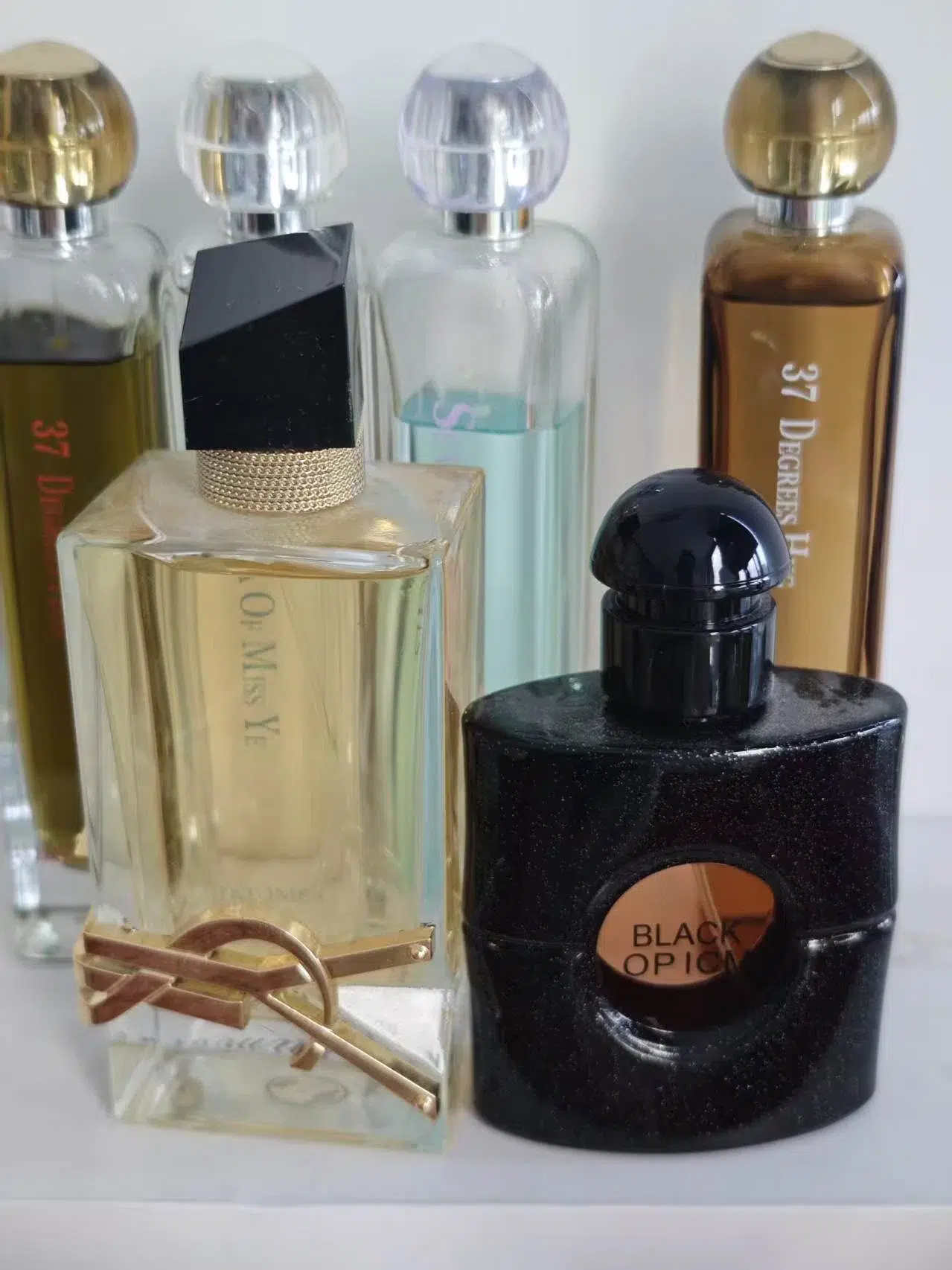
Conclusion & Supply Chain Recommendations
Navigating the USA fragrance market no longer requires a blind reliance on high-priced department stores and celebrity marketing campaigns. By understanding the underlying supply chain mechanics—from the scientific precision of GC-MS analysis to the critical importance of high oil concentrations and proper maceration—you are empowered to make decisions based on quality rather than brand prestige.
The olfactory profile of YSL Black Opium is undeniably brilliant, weaving intoxicating coffee accords with creamy vanilla and narcotic white florals. However, you do not need to pay a premium for the marketing apparatus surrounding it. Through efficient manufacturing, direct-to-consumer logistics, and an unwavering commitment to E-E-A-T (Experience, Expertise, Authoritativeness, and Trustworthiness) principles, we bring the laboratory directly to your vanity.
Ready to experience the pinnacle of factory-direct fragrance engineering?
Discover our meticulously macerated, high-concentration Extrait de Parfum today:
Shop the IMIXX Inspired by YSL Black Opium Extrait de Parfum
