

Executive Summary: Decoding the Gourmand Phenomenon
If you are reading this, you likely already know the intoxicating allure of the modern gourmand fragrance. The irresistible combination of roasted coffee, sweet vanilla, and delicate white florals has dominated the USA fragrance market for the past decade. However, as everyday consumers become more savvy, the traditional $150+ price tag for a designer perfume is increasingly being questioned. People are actively hunting for the best YSL Black Opium dupe—not just to save money, but to find a product that actually lasts all day without the “luxury tax.”
This guide is different from the typical beauty blog top-ten list. We are going to look under the hood of the fragrance industry. As supply chain experts, we will break down the true cost of perfume, explain the chemistry behind why cheap coffee notes smell like burnt plastic, and provide an unbiased, comprehensive comparison of the top alternatives currently available in the US market—including options from fast-fashion giants, mid-tier disruptors, and direct-to-consumer factory brands. By the end of this deep dive, you will understand exactly how to evaluate, choose, and wear a premium fragrance without breaking the bank.
The Information Gap in the US Fragrance Market: Breaking the Illusion of Luxury Pricing
For generations, the fragrance industry has relied on a very specific kind of magic trick. When you walk into a high-end department store in New York or Los Angeles, you are not just buying a scented liquid; you are buying an aspiration. You are paying for the celebrity spokesperson on the billboard, the heavy, bespoke glass bottle imported from Europe, and the massive retail footprint of the store itself.
But when we strip away the marketing, what are you actually paying for? When consumers search for an affordable Black Opium alternative, they are intuitively sensing a massive disconnect between the cost of the raw materials and the final retail price. They are right to be skeptical.
In the traditional luxury model, the supply chain is notoriously bloated. The journey from a renowned perfumer’s laboratory (often owned by massive conglomerate houses like Givaudan or Firmenich) to a retail shelf involves multiple costly steps. There are licensing fees (because many designer brands do not actually make their own perfumes), global distributors, regional wholesalers, and the retail storefronts—which can demand a staggering 50% to 60% margin just to place the bottle on their shelf.
To truly understand how to find the closest dupe for Black Opium, you must stop evaluating perfumes by the logo on the box and start evaluating them by the “juice”—the industry term for the actual liquid inside. Let’s look at a realistic breakdown of where your money goes.
Supply Chain Transparency: The Real Cost of a $150 Perfume
To demystify this, we have compiled a comparative table illustrating the standard cost structure of a luxury designer fragrance sold in the USA versus a modernized, direct-to-consumer factory model. While specific numbers vary by brand, these percentages represent standard industry averages acknowledged by supply chain professionals.
| Cost Component | Traditional Luxury Brand (Est. % of Retail Price) | Factory-Direct Model (Est. % of Retail Price) |
|---|---|---|
| The “Juice” (Fragrance Oils, Alcohol, Water) | 2% – 5% | 35% – 40% |
| Packaging (Custom Glass Bottle, Cap, Fancy Box) | 10% – 15% | 15% – 20% (Using standardized, high-quality bottles) |
| Marketing, Celebrity Endorsements & PR | 25% – 30% | 5% – 10% (Primarily digital word-of-mouth) |
| Distributors & Wholesalers Markup | 20% – 25% | 0% (Cut out entirely) |
| Retailer Margin (The Department Store) | 40% – 50% | 0% (Direct to Consumer via E-commerce) |
The math is undeniable. When you buy a high-end designer fragrance, you are primarily funding a complex distribution network and a massive marketing machine. When you opt for a scientifically formulated, direct-to-consumer alternative, a much larger percentage of your investment goes directly into the quality of the raw materials. This shift in the supply chain is the only reason it is possible to find a long-lasting coffee vanilla perfume that rivals or even outperforms its expensive counterparts.
Deconstructing the Scent: The Chemistry of Coffee, Vanilla, and Florals for Beginners
Before we can compare the best dupes on the market, we need to understand what we are actually looking for. Evaluating a complex gourmand floral perfume requires us to break down its olfactory pyramid. If you have ever wondered what does Black Opium smell like on a structural level, it is essentially a masterclass in tension: the bright, energetic bite of spice and citrus battling against the dark, lethargic warmth of roasted coffee beans and sweet sugar.
Let’s break this down into terms that are easy to understand, even if you aren’t a chemist.
The Top Notes: The Ephemeral Hook (0 – 30 Minutes)
Think of top notes as the trailer for a movie. They are designed to grab your attention immediately, but they don’t last long. In this specific scent profile, the opening relies on Pink Pepper (which gives a ticklish, effervescent, slightly rosy spice) and Orange Blossom or Pear.
The Dupe Pitfall: This is where cheap imitations fail instantly. Low-quality dupes often use harsh, poorly refined synthetic alcohol bases. When you spray them, all you smell for the first five minutes is rubbing alcohol, which completely burns away the delicate pear and pink pepper. A premium alternative will use high-grade perfumer’s alcohol (like SD Alcohol 40-B) that evaporates cleanly, allowing the fruit and spice to shine through immediately.
The Heart Notes: The Coffee Conundrum (30 Minutes – 4 Hours)
The heart of this perfume—and the absolute hardest part to replicate—is the combination of rich dark coffee and Jasmine Sambac. You might think, “Why not just put coffee extract in the perfume?” It doesn’t work that way. Natural coffee essential oil is incredibly dense, dark, and highly volatile. In a perfume, it often turns sour, smelling like old coffee left in the pot overnight.
To create a beautiful, creamy coffee note, perfumers use a blend of synthetic molecules. They use Pyrazines (compounds that give a roasted, nutty, baked aroma) and blend them with creamy Lactones (milky compounds) to soften the edge.
The Dupe Pitfall: A bad YSL Black Opium alternative will cut corners and use a cheap, unbalanced molecule called Cyclotene. If not blended perfectly by a master chemist, Cyclotene smells like burnt instant coffee, stale maple syrup, or even burnt rubber. This is the ultimate tell-tale sign of a low-effort clone.
The Base Notes: The Anchor of Vanilla and Patchouli (4 – 12+ Hours)
The base notes are the heavy lifters. They anchor the perfume to your skin. The signature dry-down of this scent relies on a massive dose of Vanilla, Cedarwood, and Patchouli.
The vanilla provides the comforting, baked-goods sweetness (often utilizing molecules like Vanillin and Ethyl Vanillin). But a perfume that is only vanilla smells like a cheap body spray from middle school. The magic ingredient is Patchouli. High-end perfumery uses a refined version called Patchouli Coeur (Heart of Patchouli), which removes the damp, earthy, “hippie-shop” smell, leaving a clean, woody, slightly chocolatey backbone. This patchouli is what gives the perfume its “dark, edgy, and mysterious” vibe.
The Science of Replication: How Do Factories Clone Scents?
You might be wondering how alternative fragrance brands can recreate these complex designer scents so accurately without having the original recipe. They don’t do it by simply sniffing and guessing. The modern fragrance industry relies on a highly advanced piece of laboratory equipment called a Gas Chromatography-Mass Spectrometry (GC-MS) machine.
This is the gold standard for analyzing complex chemical mixtures, and it is widely recognized by authoritative safety bodies like the International Fragrance Association (IFRA). Here is a simplified explanation of how it works:
- The Breakdown (Gas Chromatography): A sample of the target luxury perfume is injected into the machine and heated until it vaporizes. As the gas travels through a long, microscopic tube, the different chemical compounds separate based on their weight and volatility.
- The Identification (Mass Spectrometry): As each compound exits the tube, the mass spectrometer hits it with electrons, breaking it into fragments. The machine reads the unique signature of these fragments to identify the exact molecule (e.g., “Ah, this is precisely 2.4% Linalool”).
- The Reconstruction: The machine prints out a chromatogram—a highly detailed molecular recipe.
However, having the GC-MS readout is only half the battle. Many giant designer brands use “captive molecules”—patented, proprietary chemicals that no one else is legally allowed to use. This is where the true art of the perfumer comes in. An expert chemist must look at the missing captive molecule and figure out how to recreate its exact olfactory effect using a blend of legally available, open-market naturals and synthetics. It requires immense skill, which is why not all dupes are created equal.
The Crucial Step of Maceration: Why Patience Equals Longevity
One of the most common questions on fragrance forums and Reddit is: “Are Black Opium dupes long-lasting?” The answer has very little to do with the brand name and almost everything to do with a manufacturing process called Maceration.
Maceration is to perfume what aging is to fine wine or whiskey. When a factory blends the pure fragrance concentrate (the oils) with the alcohol and water, it cannot be bottled and sold the next day. The chemical bonds need time to form. The mixture must sit in large, temperature-controlled vats in the dark for several weeks.
During maceration, the harsh, sharp edges of the individual chemicals smooth out. The scent becomes rounder, deeper, and more cohesive. Most importantly, the strong smell of the solvent alcohol fades into the background.
The fast-fashion problem: Many budget clone brands, desperate to churn out products quickly to meet TikTok trends, skip the maceration process entirely. They mix the liquid and bottle it the same week. When you buy these, you are getting a “green” perfume. It smells sharp, alcohol-heavy, and it usually evaporates from your skin within an hour. High-quality alternative brands will willingly absorb the cost of storing their perfumes for 4 to 6 weeks before bottling, ensuring that when it reaches your door in the USA, it has the structural integrity to last all day.
Unbiased Market Comparison: The Best YSL Black Opium Dupes of 2026
To provide genuine value and help you navigate the cluttered US market, we have analyzed several of the most popular alternatives available today. We are evaluating them based on scent accuracy (specifically the coffee note), longevity, and overall value. We believe in transparency, so we are putting our own product alongside the competition so you can make an informed choice based on your specific needs and budget.
1. The Budget Fast-Fashion Option: Zara Gardenia
Zara has become famous for producing highly accessible fragrances that closely mimic designer profiles. Zara Gardenia is widely touted online as a top Black Opium clone.
The Verdict: Gardenia is a fantastic, crowd-pleasing scent, but it is not an exact 1:1 clone. It leans much heavier into the white florals (orange blossom and gardenia) and the sweet vanilla. The crucial coffee note is practically non-existent. It is brighter and less “dark.” Furthermore, as an Eau de Parfum produced on a massive, rapid scale, its longevity is notoriously weak, often requiring reapplication after 2-3 hours.
Pros:
- Incredibly affordable (often under $25).
- Very accessible; easy to test in Zara stores across the US.
- Pleasant, non-offensive sweet floral.
Cons:
- Missing the signature dark coffee edge.
- Poor longevity and sillage.
2. The Mid-Tier Disruptor: Dossier Ambery Vanilla
Dossier has made a massive impact in the US market by offering clean, transparently marketed dupes. Their Ambery Vanilla is specifically inspired by the YSL classic.
The Verdict: Dossier does a much better job than Zara at capturing the overall architecture of the original. The balance between the pear opening, the floral heart, and the vanilla base is very accurate. However, some fragrance enthusiasts note that while the coffee is present, it feels a bit muted and “safe.” It is a great daily driver, but it may lack the aggressive, room-filling projection (sillage) of the original EDP.
Pros:
- Excellent overall scent accuracy.
- Clean, minimalist packaging with magnetic caps.
- Vegan and cruelty-free formulation.
Cons:
- The coffee note could be deeper and more robust.
- Moderate projection; sits a bit close to the skin.
3. The Strong Projector: ALT Fragrances Fleur Noire
ALT Fragrances is another major player in the clone market, known for formulating their scents as highly concentrated Extraits.
The Verdict: Fleur Noire is a powerhouse. If your primary goal is projection and getting noticed, this is a strong contender. They amp up the sweetness and the vanilla significantly. However, this focus on power can sometimes make the opening 15 minutes feel slightly harsh and synthetic before it dries down into a beautiful, rich coffee-vanilla aroma.
Pros:
- Exceptional longevity and room-filling sillage.
- Very sweet and rich dry-down.
Cons:
- The opening can be a bit sharp/synthetic.
- Can be overwhelmingly sweet for some.
4. The Supply-Chain Direct Extrait: Imixx Perfumes
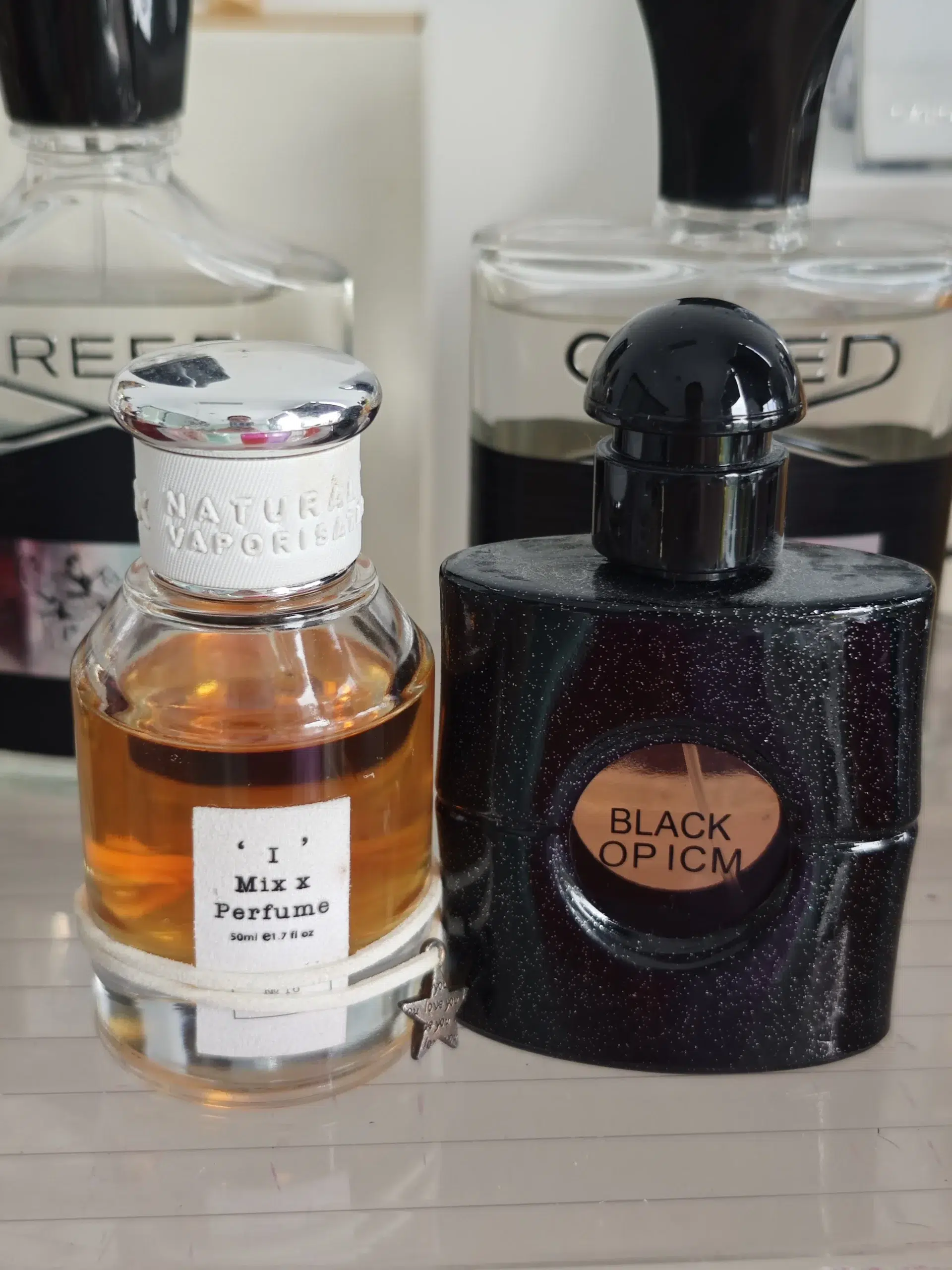
At Imixx Perfumes, our approach is rooted in supply chain efficiency and chemical precision. Our Inspired by YSL Black Opium Perfume is engineered to solve the specific problems of budget clones.
The Verdict: We focus intensely on the quality of the Pyrazines to ensure the coffee note smells roasted and creamy, never burnt or artificial. By operating directly from our manufacturing facilities, we are able to formulate this at an Extrait de Parfum concentration (typically 25%+ fragrance oil) and enforce a strict 4-to-6 week maceration process. This results in a fragrance that opens smoothly with no harsh alcohol bite, captures the dark coffee tension perfectly, and lasts 8 to 12 hours.
Pros:
- Extrait de Parfum concentration for maximum, all-day longevity.
- Highly accurate, non-synthetic roasted coffee accord.
- Strict maceration protocols ensure a smooth opening.
Cons:
- Only available online; cannot be tested in physical stores prior to purchase.
- Simple, utilitarian bottle design compared to luxury brands.
The Concentration Matrix: Understanding EDT, EDP, and Extrait
To further understand why some perfumes disappear by lunchtime while others survive a shower, we need to look at concentration levels. The fragrance industry categorizes perfumes based on the ratio of pure fragrance oils to the alcohol/water solvent.
Here is a simple guide to understanding what you are buying, especially useful depending on where you live in the USA. (For instance, high humidity in Florida will make a perfume project louder, while the dry heat of Arizona will make it evaporate faster).
| Classification | Oil Concentration (%) | Average Longevity | Best Use Case for US Consumers |
|---|---|---|---|
| Eau de Cologne (EDC) / Body Mist | 2% – 5% | 1 – 2 Hours | Quick refreshment after the gym; layering over lotions. Very subtle. |
| Eau de Toilette (EDT) | 5% – 15% | 3 – 5 Hours | Great for office settings or hot summer days where you don’t want to choke out the room. |
| Eau de Parfum (EDP) | 15% – 20% | 5 – 8 Hours | The industry standard. Good for daily wear, date nights, and cooler climates. |
| Extrait de Parfum (Pure Perfume) | 20% – 40% | 8 – 12+ Hours | Maximum value. Deep, rich sillage. Ideal for winter, formal events, or individuals whose skin “eats” fragrance quickly. |
Many commercial designer brands are notorious for releasing an expensive EDP, building hype, and then quietly releasing a cheaper EDT version that smells weaker, while keeping the price uncomfortably high. When shopping for alternatives, always check the concentration. Seeking out an Extrait de Parfum from a reputable alternative brand will almost always yield better performance than a designer EDT.
How to Layer Your Gourmand Fragrances for Maximum Sillage
Even if you purchase a high-concentration Extrait, your personal skin chemistry plays a massive role in how the fragrance performs. Dry skin lacks the lipids (fats) necessary to hold onto fragrance molecules, causing the perfume to evaporate rapidly.
If you want to know how to make your fragrance last all day, you need to adopt a layering routine. Here is a step-by-step protocol used by fragrance experts:
- The Hydration Anchor: Never spray perfume on dry skin. Immediately after showering, apply a rich, unscented body lotion or a carrier oil (like jojoba, sweet almond, or even a basic mineral oil) to your pulse points. This creates a lipid barrier that traps the fragrance oils.
- The Scented Base (Body Wash & Lotions): You can enhance the coffee-vanilla vibe by using complementary bath products. While bathing, use a body wash with warm amber, shea butter, or subtle espresso notes.
- The Strategic Spray (Pulse Points): Apply the perfume to areas of the body that generate heat. The inner wrists, the base of the throat (the jugular notch), behind the ear lobes, and the inner elbows.
Crucial Tip: DO NOT rub your wrists together. The friction creates heat that literally crushes the delicate top notes (like the pear and pink pepper), fast-forwarding the perfume straight to the base notes and ruining the intended experience. - The Fabric and Hair Hack: Fabric and hair hold onto scent molecules much longer than human skin because they are porous and don’t sweat. Lightly mist your hairbrush before running it through your hair. Spray a cloud and walk through it, or lightly mist your scarf/jacket. (Always test a small, hidden area of fabric first, as high-concentration oils can sometimes stain delicate silks).
- The Body Mist Topper: A very common question is: Which Bath and Body Works spray smells like Black Opium? While BBW doesn’t have an exact clone, mists like Into the Night (which has dark berries, jasmine, and amber) or Midnight Amber Glow (which features caramel lattes and vanilla) pair beautifully with coffee-based perfumes. Spray your Extrait de Parfum first for longevity, and top it with a cheap body mist for a massive, projecting scent bubble.
Frequently Asked Questions (FAQ)
Conclusion: Empowering Your Olfactory Journey
The fragrance landscape in the USA is changing rapidly. The age of blindly paying exorbitant retail markups just to have a designer logo sitting on your vanity is giving way to a new era of consumer education and transparency. By understanding the economics of the supply chain, the chemistry of scent families, and the critical importance of maceration and concentration, you are now equipped to make highly informed, value-driven decisions.
Finding a luxury scent does not require a luxury budget; it simply requires knowing where to look. Whether you choose the accessibility of Zara, the balanced approach of Dossier, the sheer power of ALT, or the supply-chain precision and Extrait concentration of Imixx Perfumes, the power is in your hands. Explore these options, layer them with confidence, and enjoy the addictive, comforting aura of coffee and vanilla all day long.
