

Executive Summary
Navigating the world of luxury perfumery requires more than just a good nose; it requires an understanding of olfactory science, supply chain economics, and skin chemistry. This comprehensive guide dissects one of the most polarizing and iconic dark fragrances of the 21st century—the renowned Tom Ford Black Orchid. As a supply chain expert and fragrance developer based in the manufacturing sector, my goal is to pull back the curtain on how luxury fragrances are constructed, why they carry such hefty price tags in the USA, and how you can confidently wear them without overpowering a room.
In this extensive article, we will delve into the molecular breakdown of black truffle and patchouli accords in layman’s terms. We will explore the reality of industry markups, backed by general cosmetic industry standards. Most importantly, to provide a fair and balanced view of the market, we will compare several popular alternatives—from high-street giants like Zara and Middle Eastern powerhouses like Ard Al Zaafaran, to our own meticulously engineered IMIXX Perfumes No. 32. You will find detailed tables comparing cost structures and ingredient profiles, alongside a comprehensive FAQ addressing the most pressing questions from fragrance enthusiasts. Let’s explore the art and science of smelling incredible.
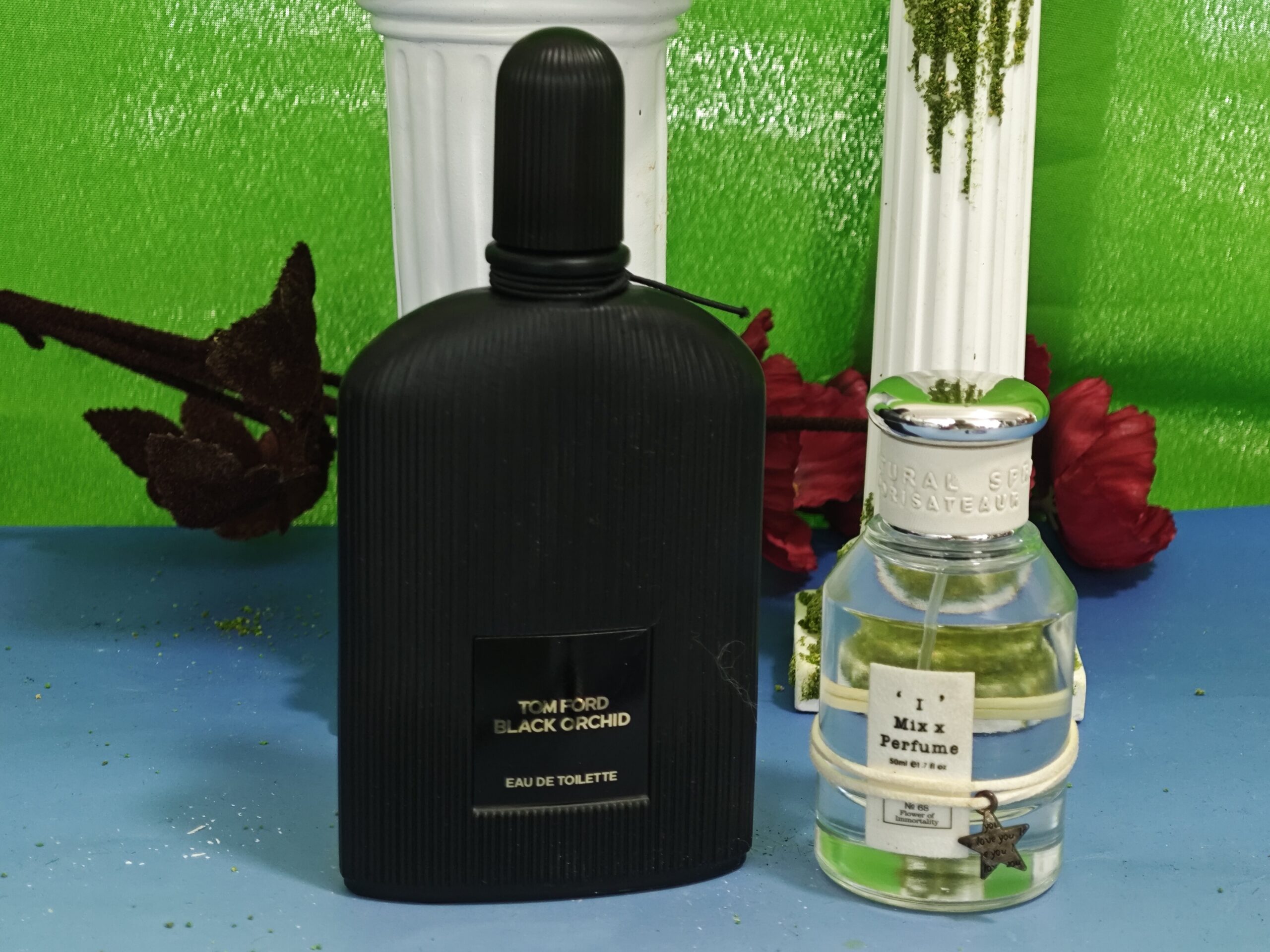
Introduction: The Enigma of the Dark Fragrance in the USA Market
There is a specific phenomenon in the global fragrance community when a scent reaches what enthusiasts call “beast-mode” status. It becomes legendary, fiercely debated, and intimately tied to the identity of those who wear it. The scent profile we are discussing today—characterized by an intoxicating blend of dark chocolate, earthy truffle, and deep florals—is perhaps the prime example of this phenomenon. But what does it actually mean to wear such a dominant fragrance? And more importantly, what are you paying for when you purchase a heavy, glass-bottled luxury designer fragrance at a high-end USA department store like Neiman Marcus or Saks Fifth Avenue?
For decades, the traditional fragrance industry has relied on a veil of mystery and romanticized marketing to justify astronomical prices. Brands sell a lifestyle, a dream, and a carefully curated narrative. You see glossy magazine ads in GQ or Vogue, featuring celebrities in dimly lit, luxurious settings. However, when you step onto the floor of a fragrance manufacturing facility, the romance gives way to exact science: pipettes, raw material sourcing, regulatory compliance (such as the safety guidelines set by the International Fragrance Association – IFRA), and rigorous chemical balancing.
My goal today is not to diminish the artistry of traditional perfumery. The original creators of these iconic DNAs are master artists. Instead, I want to elevate your understanding of the craft. By the end of this guide, you will understand how to properly apply, layer, and appreciate heavy, complex perfumes. We will also look at the broader market of “dupes” and alternative fragrances. The USA market is currently flooded with options, and separating the high-quality, safe formulations from the cheap, synthetic-smelling knockoffs requires a bit of insider knowledge. We will look at several brands fairly, so you can make the best choice for your budget and your skin.
Section 1: The Chemical Architecture – What Does It Actually Smell Like?
To master a fragrance, you must first understand its anatomy. Many consumers turn to Google and search, “What does Tom Ford Black Orchid smell like?” expecting a simple, one-word answer like “vanilla” or “flowers.” The reality is far more complex and fascinating. This fragrance family belongs to the Oriental Floral (or Amber Floral) and Chypre categories. It relies on a delicate, almost aggressive tension between bright, fleeting top notes and heavy, resinous base notes.
The Polarizing Opening: Black Truffle and Earth
The immediate blast of this iconic fragrance is dominated by an accord meant to mimic the black truffle. In real-world perfumery chemistry, true natural truffle absolute is almost never used. It is incredibly unstable, astonishingly expensive, and frankly, doesn’t smell great on its own. Instead, perfumers use a blend of earthy molecules and deep patchouli fractions to create a damp, luxurious, and slightly fungal aroma.
This is the “make or break” moment for many users. Some find it mysteriously sexy, reminiscent of a dark forest after the rain; others find it overwhelming or even medicinal. If you read reviews on community forums like Basenotes, you will see how heavily debated this opening is. It requires patience. The top notes are volatile, meaning they evaporate quickly, usually within the first 30 to 45 minutes on human skin operating at a standard 98.6°F.
The Heart: Dark Chocolate, The Fantasy Orchid, and Spices
As the aggressive earthy notes begin to settle, the heart notes emerge. The “Black Orchid” itself is what perfumers call a “fantasy note.” Orchids in nature rarely yield a usable, extractable aromatic oil. Therefore, the scent of a black orchid is an artistic interpretation built in a lab using a combination of rich florals like ylang-ylang, jasmine sambac, and dark, brooding spices.
Alongside these florals sits a prominent dark chocolate accord. This is not the scent of a sweet milk chocolate candy bar; rather, it is a bitter, rich, high-cacao dark chocolate. It is achieved using synthetic molecules that provide warmth and depth, beautifully counteracting the cold earthiness of the initial truffle blast.
The Base: Creamy Vanilla, Patchouli, and Sandalwood
The dry-down is where the magic happens and where the fragrance earns its reputation for extreme longevity. Base notes consist of heavy, large molecules that evaporate very slowly. A high-quality base will linger on your skin all day and on your winter coat for weeks. The combination of Indonesian patchouli, creamy vanilla, vetiver, and synthetic musks creates an addictive, silky finish. Does it have vanilla in it? Absolutely. But it is a dark, woody, and mature pod-like vanilla, far removed from the overly sweet vanilla found in teen body sprays.
Table 1: Consumer-Friendly Breakdown of the Olfactory Pyramid
| Fragrance Phase | What You Actually Smell | The Perfumer’s Ingredients | How Long It Lasts |
|---|---|---|---|
| Top Notes (The Opening) | Damp earth, bitter citrus, sharp blackcurrant, and distinct mushroom/truffle. | Citrus oils, synthesized earthy accords, Linalool. | 0 to 45 Minutes |
| Heart Notes (The Core) | Rich dark chocolate, heavy spicy florals, and a hint of dark fruit. | Ylang-Ylang extract, Jasmine accords, synthetic cacao notes. | 45 Minutes to 4 Hours |
| Base Notes (The Dry-Down) | Smooth vanilla, sweet incense, lingering dark woods, and cozy patchouli. | Vanillin, Vetiver, Patchouli fractions, Sandalwood molecules. | 4 Hours to 14+ Hours |
Section 2: How to Wear a Beast-Mode Fragrance Like a Pro
One of the most frequent mistakes made by everyday consumers across the USA is treating a dense, heavy perfume the same way they treat a light, citrusy summer cologne. You cannot blindly spray a dark oriental fragrance six times and expect a good result. Understanding how to apply a powerhouse scent is crucial to ensuring you receive compliments rather than complaints.
How Many Sprays Should You Use?
For a fragrance of this intensity, the golden rule of thumb is: less is always more. If you are using the original Tom Ford, or a highly concentrated alternative, you must respect the potency of the liquid.
- For an intimate setting (like a dinner date or a movie): One single spray applied to the lower chest or the back of the neck is sufficient. This strategic placement allows the scent to waft gently upward as your body heat rises, creating a subtle aura rather than projecting aggressively into the face of your companion.
- For an outdoor event or a large, open venue: A maximum of two sprays. One on the wrist (dabbed gently to the other wrist—never rubbed vigorously, as friction can prematurely burn off the delicate top notes) and one on the back of the neck.
Do not exceed three sprays under any circumstances unless you are intentionally trying to fill a massive auditorium. Over-spraying causes a phenomenon known as “olfactory fatigue” or “nose-blindness.” This is when your brain’s receptors become overwhelmed by the constant smell and shut it out. You will falsely believe the scent has faded and might be tempted to spray more, while in reality, you are suffocating everyone in the room with an invisible cloud of patchouli.
The Best Occasions and Seasons to Wear It
Is this a winter or summer scent? Unquestionably, this specific DNA is designed for the colder months—late autumn and deep winter. The heavy resinous and gourmand qualities (the chocolate, the vanilla, the incense) thrive in the cold air. The cold keeps the heavy molecules from expanding too rapidly.
Conversely, these same notes can become cloying, sticky, and downright nauseating in high heat and humidity. If you live in a hot climate in the USA, such as Miami, Florida, or Austin, Texas, you should reserve this fragrance strictly for air-conditioned environments or very cool, breezy nights.
Can I wear it to the office? Generally speaking, no. This is not an office-friendly fragrance. It is too assertive, mysterious, and potentially distracting for a professional corporate environment. It thrives at formal events, upscale galas, evening dates, and high-energy nightlife. It is a statement piece, much like a velvet tuxedo or a pair of designer stilettos.
Understanding Skin Chemistry
Have you ever wondered why the exact same perfume smells divine on your best friend but terrible on you? It all comes down to the lipid content (oiliness) and pH balance of your skin. Dry skin burns through top notes much faster and has a harder time holding onto base notes. If you suffer from dry skin, especially during harsh US winters, try applying an unscented moisturizing lotion to your pulse points before spraying your fragrance. The lipids in the lotion will trap the aromatic molecules, significantly increasing the perfume’s longevity. Furthermore, highly acidic skin can sometimes sour the creamy vanilla and sandalwood notes, turning them sharp. This is why blind testing on your own skin over a full day is far more valuable than simply smelling a paper blotter at a mall counter.
Section 3: Supply Chain Transparency – Why Are Designer Fragrances So Expensive?
To truly appreciate the value of an affordable alternative or a high-quality clone, you must first understand the financial anatomy of the traditional luxury fragrance industry. Many consumers ask, “Is a $200+ luxury perfume actually worth the money?” The answer depends entirely on what you value. If you value brand heritage, a beautiful heavy glass bottle to display on your vanity, and the status symbol associated with a designer name, then perhaps yes. But if you are strictly evaluating the liquid inside the bottle (the “juice”), the math looks very different.
According to broad industry analyses and reports from cosmetic chemists, the cost of the actual fragrant oils in a standard prestige fragrance rarely makes up the majority of the retail price. In fact, it is often a surprisingly small fraction. The rest of your hard-earned money is distributed across a massive, complex supply chain:
- Marketing and Celebrity Endorsements: Multimillion-dollar television ad campaigns, billboards in Times Square, and celebrity spokespeople require immense capital. Those costs are directly factored into the retail price of the bottle.
- Retail Margins: Brick-and-mortar department stores in the USA typically take a substantial cut of the retail price (often ranging from 40% to 60%) just for providing the shelf space and the sales staff.
- Packaging: Custom-molded glass, weighted magnetic caps, intricate atomizers, and luxurious velvet-lined boxes often cost more to manufacture and ship than the actual perfume itself.
- Brand Positioning (The Veblen Effect): Luxury brands often artificially inflate prices to maintain an aura of exclusivity. This relies on the economic principle of Veblen goods, where consumer demand actually increases as the price goes up simply because the high price denotes elite status.
Table 2: Estimated Industry Cost Structure Breakdown
*Note: These are generalized industry estimates based on standard luxury fragrance supply chain models, not the exact proprietary financials of any specific brand.
| Cost Category | Traditional Luxury Brand Model | Direct-to-Consumer Alternative Model |
|---|---|---|
| Aromatic Compounds (The Liquid/Juice) | Estimated 5% – 10% of Retail Price | Estimated 30% – 40% of Retail Price |
| Packaging & Bottle Design | Estimated 10% – 15% of Retail Price | Estimated 10% – 15% (Using standardized bottles) |
| Marketing, PR & Licensing | Estimated 20% – 30% of Retail Price | Minimal (Relies on word of mouth & organic SEO) |
| Retailer / Middleman Markup | Estimated 40% – 50% of Retail Price | 0% (Sold directly online to the consumer) |
Section 4: The Art of Perfume Cloning – How Formulations Are Recreated
The rise of “dupe” culture in the USA has led to thousands of affordable alternatives flooding the market. But how exactly does a company recreate a famous scent without having the original perfumer’s recipe? It is not magic; it is analytical chemistry combined with human artistry.
The Role of Gas Chromatography-Mass Spectrometry (GC-MS)
The standard industry practice for analyzing a fragrance begins with Gas Chromatography-Mass Spectrometry (GC-MS). You can think of this machine as a highly advanced mechanical nose. A sample of the target fragrance is injected into the machine, which then heats it up and separates the complex liquid into its individual chemical components. The Mass Spectrometer then identifies the exact molecular structure of each element.
This process provides a “chemical blueprint.” It shows the chemist exactly how much Linalool, Hedione, or Iso E Super is in the formula. However, the machine has limitations. It cannot tell the chemist the origin of the raw materials. It cannot differentiate between a cheap, synthetic vanilla flavoring and a premium, naturally extracted Madagascar vanilla absolute. This is where human expertise and high-quality ingredient sourcing become the dividing line between a terrible, synthetic-smelling clone and a masterpiece alternative.
The Crucial Step: Maceration (The Secret to Smoothness)
Have you ever purchased a cheap knockoff perfume, sprayed it, and immediately coughed because it smelled like pure rubbing alcohol? That harshness is a symptom of skipped maceration.
Maceration is the process of allowing the raw fragrance oils to blend seamlessly with the perfumer’s alcohol (ethanol) and distilled water over an extended period. Think of it like aging a fine wine in a barrel, or letting a hearty stew sit in the fridge overnight so the flavors can meld. During proper maceration—which can take anywhere from 4 to 8 weeks in temperature-controlled vats—the sharp edges of the alcohol evaporate, and the complex scent molecules bond together. High-quality alternative houses insist on full maceration, ensuring that from the very first spray, you experience smooth truffle and chocolate notes, not a chemical burn.
Section 5: The Fair Market Comparison – Analyzing the Best USA Alternatives
Because the “Black Orchid” DNA is so popular, many brands have attempted to capture its magic. To help you navigate the market fairly, we need to look at a few different approaches to this scent profile. We will look at a fast-fashion option, a Middle Eastern powerhouse, and our own specialized direct-to-consumer approach.
1. The Fast-Fashion Approach: Zara
Brands like Zara (via parent company Inditex) are phenomenal at democratizing trends. While Zara doesn’t officially name their perfumes as clones, fragrances like Zara Night Pour Homme II or some of their dark amber releases often share a similar atmospheric vibe to high-end dark oriental scents.
Pros: Incredibly affordable (usually under $30) and easily accessible in malls across the USA.
Cons: They are mass-produced quickly, which means maceration time is minimal. The scent is often a “distant cousin” rather than an exact match, and longevity is usually quite poor, fading within 2 to 3 hours.
2. The Middle Eastern Powerhouses: Ard Al Zaafaran & Maison Alhambra
The UAE has a rich history of perfumery and has recently dominated the clone market. Products like Oud 24 Hours by Ard Al Zaafaran are widely discussed on sites like Fragrantica as being incredibly close to the target DNA.
Pros: Excellent price point (often $30-$50) and absolutely nuclear performance. They are built to last in the desert heat.
Cons: Middle Eastern clones often push the heavy, woody, and oud notes much further forward to suit local tastes. This means the delicate floral and creamy chocolate aspects can be overshadowed by aggressive woods, altering the balance of the original.
3. The Precision Lab Approach: IMIXX Perfumes No. 32
At IMIXX Perfumes, our approach is different. We don’t try to make it faster like fast-fashion, and we don’t try to make it heavier with extra oud. Our goal with IMIXX No. 32 Inspired by Tom Ford Black Orchid Parfum is pure, analytical accuracy combined with premium ingredient sourcing and strict US-market safety standards.
By utilizing rigorous GC-MS analysis and insisting on a full maceration protocol, we focus on capturing the exact creamy ylang-ylang, rum, and black plum notes found in the richer Parfum version of the original. We prioritize the smoothness of the blend.
Pros: High precision scent matching, exceptional longevity due to a high Parfum concentration, and direct-to-consumer pricing that cuts out retail middlemen.
Cons: Available exclusively online, meaning you cannot walk into a local store to test it prior to purchase.
Table 3: Comparing the Alternatives
| Brand / Option | Estimated Price (USA) | Longevity | Scent Profile Focus |
|---|---|---|---|
| Original Designer (Parfum) | $200 – $250+ | 10 – 14 Hours | The benchmark. Complex, earthy opening, creamy dry-down. |
| Fast Fashion (e.g., Zara) | $25 – $35 | 2 – 4 Hours | A loosely inspired “vibe.” Sweeter, lighter, less complex. |
| Middle Eastern (e.g., Oud 24 Hrs) | $30 – $50 | 8 – 12 Hours | Heavier on woods, spices, and patchouli. Less chocolate. |
| IMIXX Perfumes (No. 32) | Check Website | 10 – 12+ Hours | Precision match to the smoother, creamier Parfum concentration. |
Section 6: Frequently Asked Questions (FAQ)
To ensure you have all the information needed to make an informed decision, we have compiled this ultimate FAQ section addressing the most common queries from the US fragrance community. Whether you are buying the original designer bottle or exploring high-quality alternatives, these answers will guide you.
1. Is Tom Ford Black Orchid for men or women?
This is perhaps the most debated question regarding this fragrance. Historically, it was launched, packaged, and marketed specifically as a women’s perfume. However, the heavy use of patchouli, dark chocolate, incense, and vetiver gives it an incredibly dark, woody edge. Because of this, it quickly developed a massive cult following among men. Today, the global fragrance community widely considers it a true unisex fragrance. On a woman, it projects power and mystery; on a man, it acts as a sophisticated, daring evening cologne. Do not let the traditional marketing labels dictate what you wear.
2. How long does Tom Ford Black Orchid last?
The original formula is renowned for its extreme longevity, typically lasting 10 to 14+ hours on the skin, and potentially remaining for days on fabric. High-quality alternatives that utilize a high Parfum concentration, such as IMIXX No. 32 or potent Middle Eastern clones, replicate this beast-mode performance, ensuring you do not need to reapply throughout the day.
3. What is the difference between Black Orchid EDP and Parfum?
The original Eau de Parfum (EDP) is louder, sharper, and features a much more prominent earthy, truffle-heavy opening. Some find it slightly aggressive. The newer Parfum version (packaged in a gold bottle) was released to smooth out those rough edges. It is denser, richer, and features enhanced notes of ylang-ylang, rum, and black plum. The Parfum sits slightly closer to the skin but lasts just as long due to the higher oil concentration. When formulating IMIXX No. 32, we intentionally chose to model our scent on the luxurious, smoother Parfum profile.
4. Does Tom Ford Black Orchid smell like chocolate?
Yes, but it is crucial to temper your expectations. It does not smell like a sweet milk chocolate candy bar. It features a profound dark chocolate and cacao note that blends seamlessly with the damp earthiness of the truffle and the woody base notes. It is a bitter, rich, and gourmand facet rather than a sugary dessert scent.
5. Is Tom Ford Black Orchid worth the money?
This is subjective. If having the beautiful designer bottle on your vanity and the prestige of the brand name brings you joy, then yes, it is a magnificent piece of olfactory art. However, if you are purely looking for the scent experience—the actual juice inside the bottle—many consumers in the USA are finding that high-quality, meticulously formulated alternatives offer 95% to 99% of the experience for a fraction of the cost, making the designer price tag harder to justify purely on scent alone.
6. Does Tom Ford Black Orchid get compliments?
Yes, but with a caveat: it is highly polarizing. Because of its massive sillage and unique dark chocolate/truffle DNA, it commands attention. You will get enthusiastic compliments from people who appreciate bold, sophisticated, and mature scents. However, it is not a universally loved “crowd-pleaser” in the way a light, fresh, soapy citrus scent is. It requires confidence to pull off, and over-spraying will likely garner negative reactions.
7. Is Tom Ford Black Orchid discontinued?
No, the original Eau de Parfum remains in active production and is one of the brand’s global best-sellers. However, the brand has released and subsequently discontinued various flankers over the years (such as Voile de Fleur or the Eau de Toilette versions), which occasionally leads to rumors of discontinuation within the community.
8. What is the best clone for Tom Ford Black Orchid?
The “best” depends on your priorities. If you are on a very strict budget and just want a vague similarity, Zara offers decent entry-level options. If you want a heavier, woodier take that lasts forever, Middle Eastern brands like Ard Al Zaafaran are excellent. If you want a precision-engineered, deeply macerated alternative that perfectly captures the smooth, creamy rum and truffle notes of the high-end Parfum version—crafted with direct-to-consumer transparency—we confidently recommend our own IMIXX Perfumes No. 32.
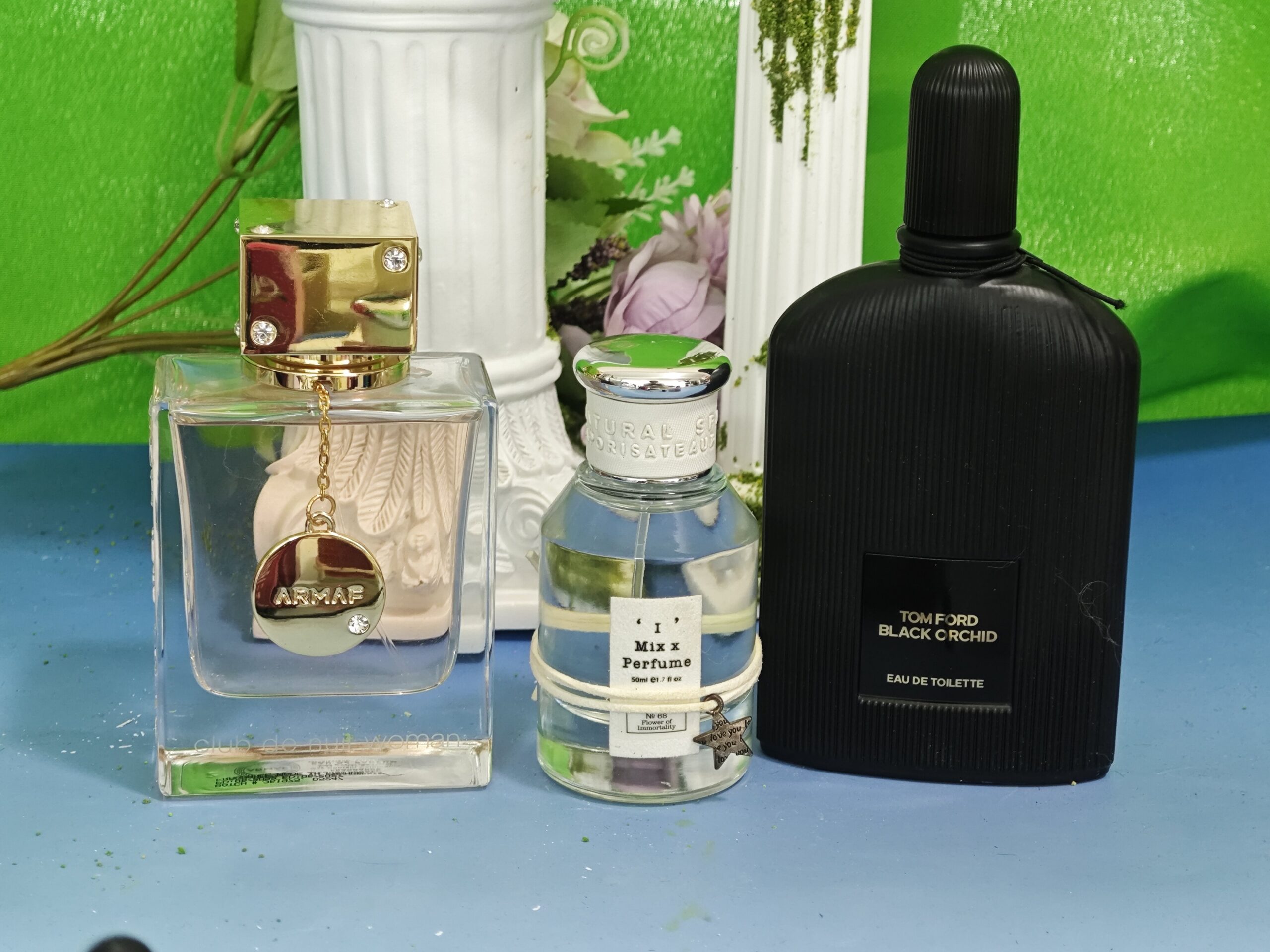
Conclusion: Making an Informed Choice in the USA Fragrance Market
Wearing a complex, dark fragrance is an art form that goes far beyond simply pushing down an atomizer. It requires an understanding of your environment, the season, your unique skin chemistry, and the sheer power of the liquid in the bottle. The dark oriental DNA we have explored today is undeniably a masterpiece of modern perfumery—a daring, unapologetic blend of black truffle, dark chocolate, and heady florals that has captivated the world for nearly two decades.
However, as we have seen through our exploration of the supply chain, the exorbitant price of traditional luxury designer fragrances is increasingly disconnected from the actual cost of the fragrant oils themselves. You are often paying a premium for marketing, retail space, and a glass bottle. The beauty of the modern USA fragrance market is that you now have choices. You are no longer forced to pay luxury markups to experience incredible perfumery.
Whether you choose to invest in the original designer bottle to adorn your collection, pick up a quick budget option at the mall, explore the rich offerings of Middle Eastern perfumery, or opt for a meticulously reverse-engineered, lab-tested alternative like IMIXX No. 32, the most important thing is that you wear the scent with confidence. Fragrance is meant to be enjoyed, to evoke memories, and to make you feel incredible.
We believe that exquisite olfactory experiences should be accessible, transparent, and crafted with care. If you are intrigued by the science of scent and want to explore high-quality, fully macerated alternatives that bypass the retail middlemen, we invite you to explore our full collection at the IMIXX Perfumes USA Official Store. Discover how true formulation transparency is revolutionizing the way we wear perfume every day.
