

Executive Summary: Demystifying the Fragrance Industry
For generations, the definition of “luxury perfumes” in the United States was dictated by heavy glass bottles, celebrity faces on billboards, and price tags that rivaled fine jewelry. But the modern fragrance landscape is experiencing a massive paradigm shift. Consumers are becoming “fragrance geeks”—prioritizing transparency, high-quality raw ingredients, and the emerging “quiet luxury” trend over flashy logos.
This comprehensive, 3,000+ word guide is designed for the everyday consumer who wants to understand how the fragrance industry actually works. Written with insights from supply chain mechanics and olfactory science, we strip away the marketing illusions to reveal the true cost of designer scents. We will explore the fascinating science of Gas Chromatography-Mass Spectrometry (GC-MS), why the aging process known as maceration is critical, and how to select a scent that perfectly harmonizes with your unique skin chemistry. Furthermore, we will look at the new wave of transparent fragrance houses reshaping the market—including notable disruptors and our own brand, IMIXX Perfumes—to help you build a stunning olfactory wardrobe without paying the traditional retail markup. Read on to master the art of finding your true signature scent.
The Evolution of “Luxury”: From Heritage to Radical Transparency
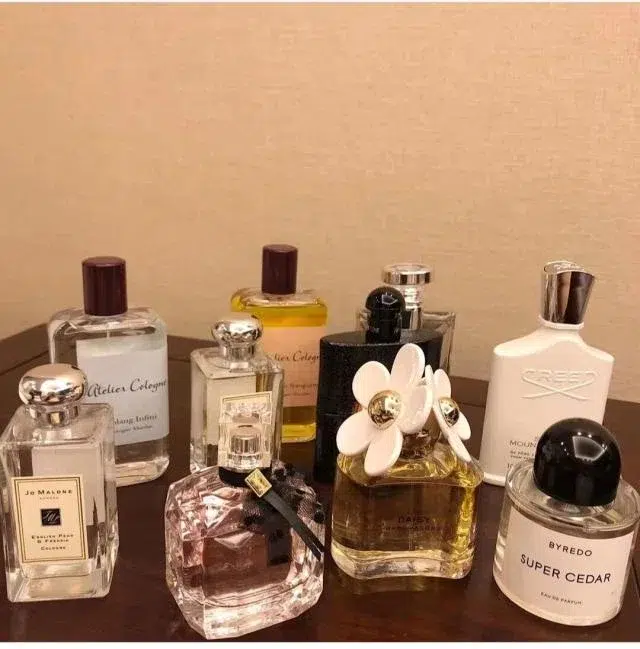
If you walk into a high-end department store in New York or Los Angeles today, you will be greeted by rows of heritage houses: Hermès, Chanel, By Kilian, Jo Malone, Armani, YSL, Maison Margiela, Dolce & Gabbana, Gucci, Creed, Maison Francis Kurkdjian, and Tom Ford. These brands have undeniably sculpted the history of perfumery, creating timeless olfactory art.
However, the definition of luxury is evolving. According to recent trend reports from Harper’s Bazaar and fashion analysts, the current era is dominated by “Quiet Luxury.” Modern consumers are moving away from loud, room-filling fragrances (often referred to as having “beast mode sillage”) that scream for attention. Instead, the focus has shifted to “skin scents”—intimate, beautifully blended formulas utilizing subtle musks, ambers, and soft woods that smell like an elevated, cleaner version of your own skin.
But alongside this shift in scent profiles is a shift in consumer consciousness. Shoppers are asking: “When I spend $300 on a bottle of perfume, what exactly am I funding?” The answer, for many traditional brands, is primarily marketing and distribution, rather than the raw materials inside the bottle.
The True Cost of Perfume: A Supply Chain Breakdown
To truly understand how to choose a true luxury perfume, you must understand the economics of the beauty industry. The veil of secrecy that once covered fragrance manufacturing is lifting, thanks to industry watchdogs and business analysts like those at The Business of Fashion.
When you purchase a traditional designer or niche fragrance, the cost of the actual liquid (the “juice”) represents a surprisingly small fraction of the retail price. The majority of your money goes toward elements that do not enhance the smell or longevity of the product on your skin.
Table 1: Estimated Cost Breakdown of Traditional vs. Transparent Fragrance Models
Note: These are industry-standard estimates meant to illustrate general supply chain distribution. Actual costs vary by brand, packaging choices, and retail agreements.
| Cost Component | Traditional Designer Brand ($250 – $350 Retail) | Modern Transparent/Direct-to-Consumer Model ($40 – $60 Retail) |
|---|---|---|
| The “Juice” (Raw Materials, Oils, Alcohol) | $3.00 – $8.00 (Standard industry ratios) | $4.00 – $9.00 (Often higher concentration focus) |
| Packaging (Custom Molds, Heavy Caps, Elaborate Boxes) | $8.00 – $15.00 (High-end aesthetic focus) | $3.00 – $6.00 (Standardized, elegant, minimalist) |
| Marketing, PR & Celebrity Endorsements | $50.00 – $80.00 (Major ad campaigns) | $5.00 – $10.00 (Digital, word-of-mouth) |
| Retailer Margin (Department Stores/Boutiques) | $100.00 – $150.00 (Typically 40%-50% markup) | $0.00 (Direct to Consumer via website) |
| Brand Licensing, Overhead & Profit | $89.00 – $94.00 | $20.00 – $30.00 |
This table is not meant to criticize heritage brands; they offer a holistic luxury experience, complete with beautiful unboxing rituals, historical prestige, and in-store pampering. If that heritage is important to you, those brands offer immense emotional value. However, if your primary goal is the olfactory experience—the way the scent smells on your skin and how long it lasts—the modern transparent supply chain offers a compelling, pragmatic alternative.
The Science of Scent: How Modern Houses Decode Fragrances
For a long time, the fragrance industry relied on a sense of mystique. Today, it relies on advanced chemistry. Consumers often wonder how newer, independent brands can create scents that are remarkably similar to legendary niche perfumes. The secret lies in a piece of technology known as Gas Chromatography-Mass Spectrometry (GC-MS).
What is GC-MS?
GC-MS is an analytical method used widely in forensic science, environmental testing, and perfumery. According to educational resources from the American Chemical Society (ACS), this machine vaporizes a complex liquid and separates it into its individual molecular components.
When a modern fragrance house wants to understand a popular scent profile, they place a sample into the GC-MS. The machine provides a “chemical fingerprint”—a readout showing the exact aromatic compounds present (such as Iso E Super, Ambroxan, Linalool, or natural extracts) and their relative proportions.
However, technology alone cannot make a great perfume.
GC-MS is like being handed the sheet music to a Beethoven symphony. You still need a master conductor and skilled musicians to make it sound beautiful. Because natural ingredients (like a specific harvest of Turkish rose or Haitian vetiver) contain hundreds of micro-compounds that machines struggle to quantify perfectly, a master perfumer must step in. The perfumer uses their trained nose to bridge the gaps, balance the formulation, and reconstruct the scent so that it provides a high-fidelity olfactory experience.
Maceration and IFRA: The Hidden Hallmarks of Quality
When shopping for luxury perfumes, especially online, consumers often encounter two major concerns: “Will it smell like cheap alcohol?” and “Is it safe for my skin?” The answers to these questions lie in maceration and compliance.
The Magic of Maceration
Have you ever bought a less expensive fragrance, sprayed it, and immediately coughed because the smell of rubbing alcohol was so overwhelming? That is the hallmark of a rushed production cycle.
True luxury perfumes—regardless of their price tag—undergo a critical aging process called maceration. Think of it like aging a fine wine or a complex whiskey in a barrel. After the fragrance oils are blended with perfumer’s alcohol and distilled water, the mixture is left to steep in a cool, dark, temperature-controlled environment for several weeks (often 4 to 8 weeks).
During maceration, the chemical bonds stabilize. The alcohol scent softens dramatically, and the top, heart, and base notes fuse together into a rounded, harmonious profile. Reputable fragrance houses never skip this step. The difference between a harsh, synthetic spray and a smooth, luxurious opening is almost entirely dependent on proper maceration time.
Safety First: Understanding IFRA Compliance
The safety of what you spray on your skin is paramount. The global authority on the safe use of fragrance ingredients is the International Fragrance Association (IFRA). IFRA continuously reviews scientific data regarding potential allergens and skin sensitizers, setting strict guidelines on the maximum safe concentrations of specific raw materials.
Whether a perfume costs $500 in a boutique or $50 online, if it is produced by a legitimate, quality-focused laboratory, it is formulated in adherence to IFRA standards. When choosing a brand, look for explicit mentions of IFRA compliance, cruelty-free practices, and clean ingredient sourcing. This ensures that your luxurious scent experience is also a safe one.
Anatomy of a Scent: Understanding Fragrance Notes
To truly navigate the world of luxury perfumes, you must speak the language of notes. A well-crafted perfume is not a static wall of smell; it is a dynamic, living entity that evolves on your skin over time. This evolution is structured in a classic pyramid.
- Top Notes (The Introduction): These are the lightest, most volatile molecules. They form the initial burst you smell when you first spray. Common top notes include Bergamot, Lemon, Grapefruit, Pink Pepper, and light herbs. They typically last only 15 to 30 minutes before evaporating.
- Heart Notes (The Core): As the top notes fade, the heart (or middle) notes emerge. These form the true personality of the fragrance and last for several hours. You will often find rich florals (Jasmine, Rose, Tuberose, Ylang-Ylang), spices (Cardamom, Cinnamon, Nutmeg), and green or fruity accords here.
- Base Notes (The Foundation): These are the heaviest, most complex molecules. They anchor the fragrance to your skin and provide longevity. Base notes emerge during the “dry-down” phase and can linger for 12 to 24 hours. Classic base notes include Oud (Agarwood), Sandalwood, Cedar, Patchouli, Amber, Vanilla, and Musks.
How Skin Chemistry Alters Fragrance
One of the most fascinating aspects of perfumery is that the same bottle of perfume can smell noticeably different on two different people. This is due to skin chemistry.
Your skin’s natural pH level, your diet, your body temperature, and your skin type all interact with the fragrance oils.
- Oily Skin vs. Dry Skin: Oils naturally trap fragrance molecules. If you have naturally oily skin or heavily moisturized skin, perfumes will smell more intense and last significantly longer. Conversely, dry skin tends to absorb the alcohol and dissipate the fragrance rapidly.
- Body Heat: Fragrance projects through evaporation, which is driven by heat. People with higher resting body temperatures will “push” the scent out further (greater sillage), but the perfume may evolve through its phases more quickly.
- Diet and Lifestyle: A diet high in strong spices (like garlic or cumin) can actually alter the subtle scent of your sweat, which then mixes with the perfume, subtly changing its profile.
How to Make Your Luxury Perfume Last All Day: The Concentration Factor
The most common frustration among fragrance consumers is longevity. “Why doesn’t my expensive perfume last?” The answer usually comes down to the concentration of the perfume oil and how it is applied.
Table 2: The Fragrance Concentration Guide
Understanding these classifications is crucial for managing your expectations regarding how long a scent will last.
| Classification | Oil Concentration % | Average Longevity on Skin | Best Use Case |
|---|---|---|---|
| Eau de Cologne (EDC) | 2% – 5% | 1 – 3 Hours | A quick, refreshing burst after a shower; hot summer days. Very volatile. |
| Eau de Toilette (EDT) | 5% – 15% | 3 – 5 Hours | Office wear; daytime casual. Often brighter and more top-note heavy. |
| Eau de Parfum (EDP) | 15% – 20% | 5 – 8 Hours | The industry standard for signature scents; versatile for day and night. |
| Extrait de Parfum (Pure Perfume) | 20% – 40% | 10 – 24+ Hours | Maximum luxury. Richer, denser, closer to the skin, but lasts all day. |
Historically, many commercial designer brands heavily pushed Eau de Toilettes (EDTs) because they are more cost-effective to produce and require the consumer to reapply frequently throughout the day, accelerating the need for a repurchase. However, informed consumers are increasingly seeking higher concentrations.
Pro Application Tips for Maximum Longevity
- The Hydration Hack: Fragrance hates dry skin. After showering, apply an unscented body lotion or a thin dab of petroleum jelly (like Vaseline) to your pulse points. Spraying the perfume over this barrier gives the oils something to cling to, extending longevity by hours.
- Target the Pulse Points: Spray on areas where your veins sit close to the skin’s surface: the wrists, the inner elbows, the base of the throat, and just behind the earlobes. These areas act as natural diffusers.
- Stop the Friction: The biggest mistake people make is spraying their wrists and vigorously rubbing them together. This friction creates sudden heat, which “burns off” the delicate top notes and crushes the chronological progression of the scent. Simply spray and let it air dry naturally.
- The Hair and Fabric Trick: While you should be careful not to stain light silks, lightly spritzing your clothing or brushing fragrance through your hair (using a hair mist or spraying a brush first) will trap the scent for days. Hair and fabric hold fragrance much longer than skin.
The Transparent Fragrance Revolution: Building Your Wardrobe
Armed with this knowledge of supply chains, chemistry, and concentration, you are now empowered to navigate the modern fragrance market. You no longer have to blindly rely on price as an indicator of quality. Today, a new wave of brands has emerged, dedicated to democratizing luxury perfumery.
Brands like Essential Parfums have gained critical acclaim by putting the focus back on the master perfumers, removing expensive packaging, and offering high-quality naturals at fair prices. Companies like Dossier and Oakcha have popularized the concept of transparent, accessible alternatives to designer hits.
At IMIXX Perfumes, we are incredibly proud to be part of this consumer-first revolution. Our specific mission within this landscape is an uncompromising focus on concentration and process. We formulate our core line as Extrait de Parfums, ensuring that our clients receive the dense, long-lasting performance they crave. We source our raw materials rigorously, adhere to IFRA safety standards, and refuse to rush the maceration process.
Our philosophy is simple: we strip away the massive marketing budgets, the celebrity endorsements, and the heavy retail margins, redirecting that investment entirely into the bottle. Whether you are looking for a vibrant, fresh citrus scent for a summer vacation, a mysterious, spicy oud for evening wear, or a minimalist “quiet luxury” skin scent for the office, we believe you deserve an impeccable olfactory experience.
We invite you to explore the science of scent with us, challenge your preconceptions of price versus quality, and discover your new signature fragrance by visiting our curated shop page.
Frequently Asked Questions About Luxury Perfumes (FAQ)
1. What makes a perfume a true “luxury” perfume in today’s market?
While historically defined by brand heritage and high prices, true luxury today is defined by the quality and complexity of the formulation. It involves the use of ethically sourced, high-grade raw materials (both natural and safe synthetics), a beautifully structured evolution from top to base notes, high oil concentration (EDP or Extrait), and proper maceration. It’s about the olfactory art, not just the marketing campaign.
2. Are $300 designer luxury perfumes really worth the price?
This is highly subjective. If the prestige of the brand name, the exquisite custom glass bottle, and the shopping experience bring you joy, then yes. However, purely from a liquid standpoint, you are paying a massive premium for marketing, celebrity endorsements, and retailer margins. You can often find comparable olfactory profiles and longevity from transparent, factory-direct brands at a fraction of the cost.
3. What is the difference between Niche and Designer luxury perfumes?
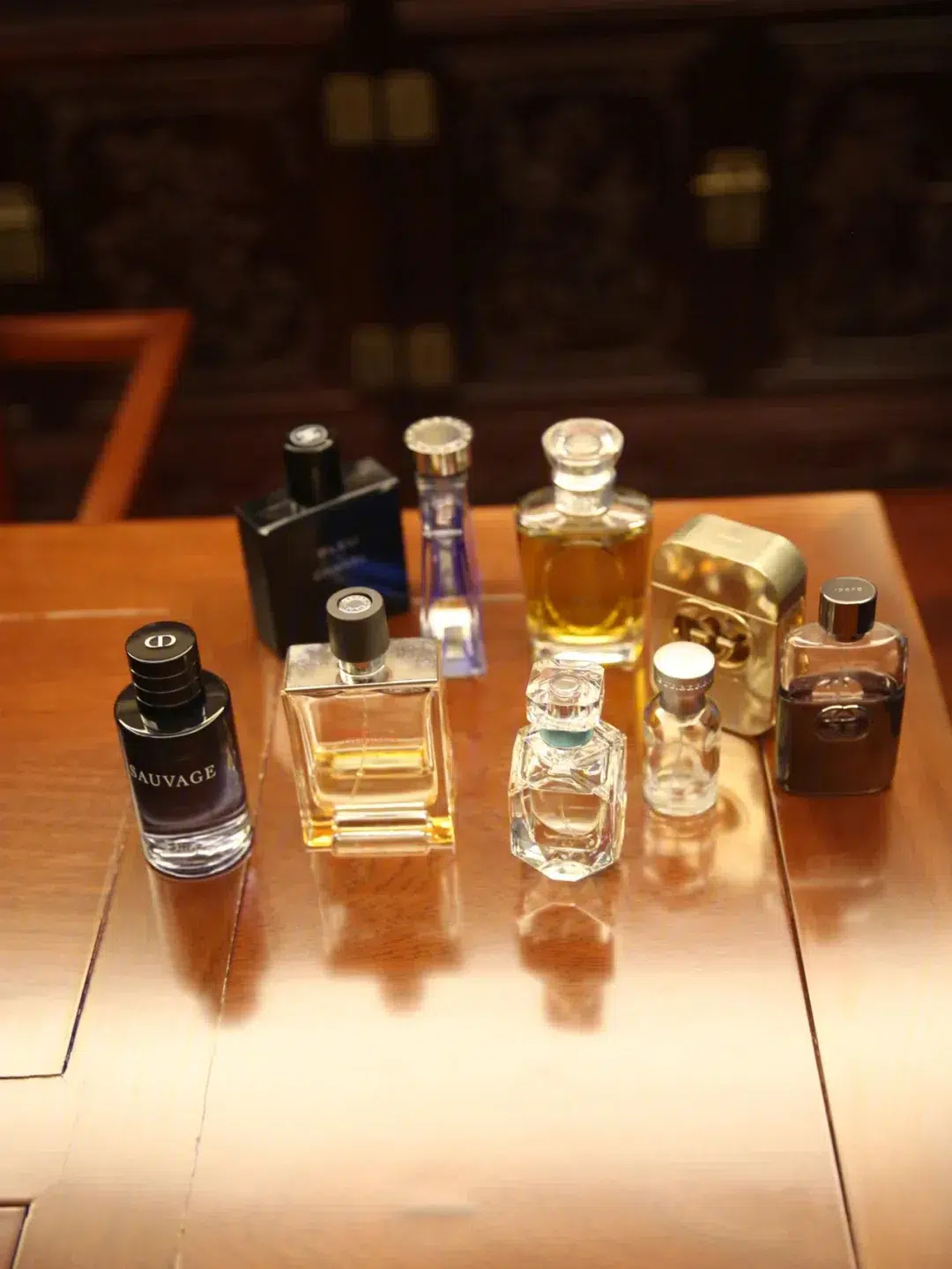
Designer perfumes (e.g., Chanel, Dior, Armani) are created by mainstream fashion houses. They are formulated to have mass appeal—they are generally safe, highly marketed, and universally pleasant. Niche perfumes (e.g., Le Labo, Byredo, Amouage) are created by dedicated fragrance houses. They often take greater artistic risks, feature bolder, polarizing scent profiles, utilize rare ingredients, and cater to fragrance enthusiasts seeking something unique.
4. What does the “quiet luxury” perfume trend mean?
“Quiet luxury” in perfumery is the shift away from loud, overpowering fragrances. It focuses on “skin scents”—subtle, clean, and intimate fragrances that enhance your natural scent rather than masking it. These perfumes often rely heavily on soft musks, Iso E Super, Ambroxan, and sheer woods to create a comforting, minimalist aura.
5. Can men and women wear the same unisex luxury perfume?
Absolutely. The division of perfumes by gender (e.g., florals for women, woods for men) is largely a 20th-century marketing construct. The niche and luxury industries have long embraced unisex scents. Because of variations in body heat and skin pH, a high-quality unisex fragrance will often project slightly different, personalized nuances on a man versus a woman.
6. Why does my perfume smell different at home than it did in the store?
In the store, you likely smelled the perfume on a paper blotter in an environment filled with other competing scents. More importantly, you were only smelling the “top notes.” By the time you get home, the fragrance has evolved into its heart and base notes, which interact with your unique skin chemistry. This is why testing on skin and waiting several hours is crucial before buying.
7. Does a higher price guarantee better longevity?
No. Longevity is dictated by the perfume’s concentration (e.g., Extrait vs. EDT) and the volatility of the ingredients used. A $400 perfume made predominantly of natural citrus notes will still evaporate in a few hours because citrus molecules are highly volatile. A $50 fragrance formulated with heavy, stable base notes like resins, woods, and musks at an Extrait concentration can last over 12 hours.
8. What is fragrance maceration, and why do transparent brands talk about it?
Maceration is the resting period where perfume oils are mixed with alcohol and allowed to age in a controlled environment for several weeks. This allows the chemicals to bond, smoothing out any harsh alcohol smell and creating a well-rounded scent. Transparent brands highlight this because it proves they aren’t rushing cheap, freshly mixed chemicals to market.
9. Are alternative/direct-to-consumer fragrances safe for sensitive skin?
Reputable direct-to-consumer and alternative brands strictly follow IFRA (International Fragrance Association) guidelines, which are the global standards for fragrance safety and allergen control. They source from the same major global fragrance suppliers as designer brands. However, if you have known skin allergies, always check the ingredient list for specific allergens (like Linalool or Limonene) and perform a small patch test first.
10. How do I start building a “fragrance wardrobe”?
Instead of relying on one single “signature scent,” build a wardrobe based on occasions and seasons. Start with three categories: 1) A fresh, uplifting scent (citrus/aquatic) for daytime, gym, or summer. 2) A clean, subtle “quiet luxury” scent for the office or casual settings. 3) A deep, rich scent (woods, spices, vanilla, or oud) for evenings, date nights, or colder weather. By utilizing high-quality, transparent brands, you can affordably curate a versatile collection.
Disclaimer: This article is designed for educational purposes to help consumers navigate the luxury fragrance market in the USA. References to specific brands or pricing models are based on general industry analysis. To explore how high-concentration formulation can elevate your daily routine, discover our expertly crafted collections at IMIXX Perfumes.
