

About the Author: Linus Dacke Thall is a fragrance supply chain consultant and formulation expert. With years of experience bridging the gap between raw material suppliers, laboratory compounding, and retail distribution, Linus focuses on demystifying the fragrance industry for consumers in the USA.
Article Summary
Finding a high-quality fragrance alternative is no longer about settling for a cheap imitation; it is about understanding the science, chemistry, and economics of the modern perfume industry. In this comprehensive guide, we explore the supply chain realities behind luxury pricing and delve into the chemistry of the iconic spiced vanilla and tobacco scent DNA. We explain critical manufacturing processes like Gas Chromatography-Mass Spectrometry (GC-MS) and Maceration that truly define premium quality. To provide a balanced perspective, we review several top alternatives on the US market—including Zara, Dossier, Maison Alhambra, and our own Imixx Perfumes No. 21. We also provide a transparent cost analysis and answer frequently asked questions about longevity, seasonal wear, and scent profiling, empowering you to make an educated purchasing decision.
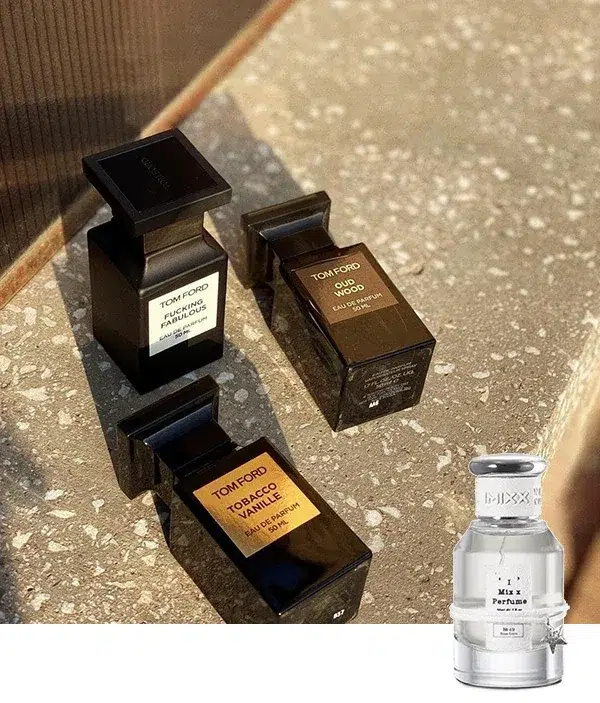
Part 1: The Cult of the Cigar Lounge and the Spiced Vanilla DNA
There is a specific, highly coveted olfactory profile that has dominated the luxury fragrance market over the last two decades. Often described as an evocative blend between an exclusive, wood-paneled English gentlemen’s club and a warm, comforting winter blanket, the marriage of cured tobacco leaves and rich, gourmand vanilla is nothing short of intoxicating. For many consumers in the USA, this scent profile—popularized heavily in the late 2000s—represents the absolute pinnacle of high-end, evening-wear perfumery.
But what exactly are you smelling when you spray a high-end tobacco vanille perfume? From a formulation and chemical perspective, it is a delicate, masterful balancing act of contrasting elements. According to scent databases like Fragrantica, the traditional pyramid breaks down into three distinct phases:
- The Opening (Top Notes): The fragrance usually opens with sharp, spicy notes—think clove, anise, and coriander—paired with a robust, almost damp, and earthy tobacco leaf absolute. This provides the immediate “spiced warmth” that hits your nose.
- The Heart (Middle Notes): As the top notes settle, the heart reveals creamy tonka bean (which contains coumarin, a naturally occurring organic chemical compound that smells like sweet hay, almond, and vanilla), bitter cacao, and rich, deep Madagascar vanilla.
- The Dry Down (Base Notes): The base is often anchored by dry fruits (which provide a sticky, resinous sweetness) and sweet wood sap, which ensures the scent lingers on the skin for hours.
This complex structural pyramid is exactly why so many cheap, mass-market alternatives fail spectacularly. Low-tier dupes often rely heavily on cheap synthetic ethyl maltol (an aromachemical that smells strongly of burnt sugar or cotton candy) to mimic the vanilla, combined with harsh, smoky aromachemicals that smell more like a stale ashtray than a refined, unlit cigar. Understanding the difference between a masterfully blended homage and a cheap knockoff requires us to look behind the curtain of the fragrance supply chain and understand where the ingredients actually come from.
Part 2: The Raw Materials – Why Real Vanilla and Tobacco Cost a Fortune
To evaluate a perfume alternative fairly, we must first understand the raw materials. The reason a flagship designer fragrance can retail for over $300 in the USA is partly due to brand prestige, but also due to the volatile commodities market for natural absolutes.
The Vanilla Factor: Real vanilla is one of the most labor-intensive crops in the world. The majority of the world’s high-grade perfumery vanilla is sourced from Madagascar. Each orchid must be hand-pollinated during a very brief blooming window. Furthermore, extreme weather events, such as cyclones in the Indian Ocean, frequently disrupt supply chains, causing the price of natural vanilla absolute to skyrocket. When a brand uses authentic vanilla extracts, it adds incredible depth, a slightly woody nuance, and a dark richness that synthetic vanillin alone cannot fully replicate.
The Tobacco Absolute: Extracting the scent from tobacco leaves without capturing the harsh, acrid smell of nicotine and smoke requires advanced solvent extraction methods. High-quality tobacco absolute is thick, dark, and smells inherently warm, herbaceous, and slightly sweet (often likened to dried fruit or tea leaves).
When independent perfumers or alternative brands attempt to recreate this DNA, their primary challenge is sourcing ingredients that mimic these high-cost naturals without pushing the retail price into the hundreds of dollars. This is where modern synthetic chemistry steps in, bridging the gap between natural scarcity and consumer accessibility.
Part 3: The Fragrance Supply Chain – Decoding the $300 Price Tag
As a professional looking at the fragrance supply chain, I often see consumers shocked to learn that the cost of the actual liquid (the “juice”) inside a luxury perfume bottle rarely exceeds 10% to 15% of the final retail price. The rest of the cost is absorbed by a complex web of brand positioning, global marketing, and multi-tier distribution networks.
When you walk into a premium department store like Nordstrom or Sephora in the USA and purchase a flagship designer fragrance, your money is distributed across several channels:
- The Brand Premium & Licensing: Luxury fashion houses often license their names to massive cosmetic conglomerates (like Estée Lauder or L’Oréal). You are paying a premium simply for the logo printed on the glass.
- Retail Markups (The Middleman): Brick-and-mortar stores take a significant wholesale margin—often between 40% to 60% of the retail price—to cover their own overhead, sales staff commissions, and prime mall real estate.
- Marketing and Advertising: Global ad campaigns featuring A-list Hollywood actors, supermodels, and prime-time television spots cost tens of millions of dollars. This marketing budget is factored directly into the price of every bottle sold.
- Ornate Packaging: Heavy magnetic caps, bespoke atomizers, velvet-lined boxes, and custom-molded glass add substantial production costs that, while beautiful on a vanity, do not improve the olfactory performance of the perfume itself.
Table 1: Estimated Cost Breakdown (Traditional Luxury vs. Direct-to-Consumer)
*Note: The following table represents industry-standard estimates for educational purposes, demonstrating the general distribution of costs in mass-market retail versus independent direct-to-consumer (DTC) models.
| Cost Category | Traditional Luxury Brand (Estimated % of a $300 Bottle) | Independent DTC Brand (Estimated % of a $50 Bottle) |
|---|---|---|
| Raw Materials & Juice | 5% – 15% ($15 – $45) | 30% – 40% ($15 – $20) – Higher relative percentage of budget goes to the liquid. |
| Packaging & Bottling | 10% – 15% ($30 – $45) | 15% – 20% ($7.50 – $10) – Focus on functional, elegant, standardized bottles. |
| Marketing & Endorsements | 20% – 30% ($60 – $90) | 10% – 15% ($5 – $7.50) – Relies on SEO, organic reviews, and word-of-mouth. |
| Retailer Margin (Middleman) | 40% – 50% ($120 – $150) | 0% – Sold directly via the brand’s own website. |
| Brand Profit Margin | Remaining Balance | Remaining Balance – Passed on as savings to the consumer. |
By bypassing the traditional retail gauntlet, independent formulation labs and DTC brands can allocate a much higher percentage of their budget directly to what actually matters: sourcing premium aroma chemicals, natural isolates, and ensuring high oil concentrations. This economic reality is what makes high-quality alternatives possible.
Part 4: The Science of Scent Engineering – GC-MS and IFRA Compliance
How does a factory or an independent perfumer create a fragrance that smells nearly identical to a beloved luxury scent without infringing on patents or stealing formulas? The answer lies in analytical chemistry, specifically a technology called Gas Chromatography-Mass Spectrometry (GC-MS).
GC-MS is the industry-standard technology used by perfumers worldwide. It is used to reverse-engineer natural scents (like capturing the exact smell of a rare, unharvestable rainforest orchid) and to analyze existing complex blends on the market.
When analyzing a target profile like the famous sweet tobacco and vanilla DNA, a GC-MS machine separates the liquid fragrance into its individual molecular components. It generates a complex graph (a chromatogram) that identifies the exact ratios of chemicals present—such as linalool (floral/spicy), coumarin (sweet/hay), vanillin (vanilla), and eugenol (clove/spice).
However, GC-MS is only a map; it is not a magic wand. It cannot tell the machine exactly which natural harvest of vanilla was used, nor can it perfectly identify “captive molecules” (patented, proprietary aromachemicals exclusive to massive fragrance houses like Givaudan or Firmenich).
This is where the expertise of the master compounder becomes critical. A low-tier manufacturer will look at the GC-MS report and simply substitute every natural note with the cheapest available synthetic alternative. The result is a harsh, linear scent that smells vaguely similar for 10 minutes before evaporating. A premium formulation facility will use the GC-MS report as a baseline, and then source high-quality natural isolates and safe, premium synthetics to reconstruct the olfactory pyramid so that it breathes, develops, and projects beautifully on human skin.
Furthermore, ethical production and consumer safety are paramount. Reputable independent brands ensure that their formulations strictly comply with the safety standards set by the International Fragrance Association (IFRA). IFRA sets rigorous global standards for safe usage levels of various allergens and chemical compounds, ensuring the final product is safe for dermal application.
Part 5: Maceration and Concentration – The Secrets to 12-Hour Longevity
If you have ever purchased an affordable fragrance alternative only to find that it smells heavily of rubbing alcohol upon the first spray and disappears completely within an hour, you have likely fallen victim to two very common corner-cutting practices in the low-end fragrance industry: insufficient maceration and low oil concentration.
1. The Maceration Process (Aging the Perfume)
Fragrance is remarkably similar to fine wine or aged spirits; it requires time to mature and stabilize. Maceration is the vital chemical process where the fragrance concentrate (the raw essential oils and aromachemicals) is mixed with the carrier (usually perfumer’s alcohol and a small amount of distilled water) and left to rest in a temperature-controlled, dark environment.
During this resting period—which in professional perfumery should ideally last anywhere between 4 to 8 weeks—the different chemical compounds bond together. The sharp alcohol bite softens, the harsh edges of the top notes smooth out, and the base notes become richer and more resonant.
Mass-market factories, driven by tight margins and fast turnaround times, often prioritize speed over quality. They mix the oils and alcohol and bottle the product on the exact same day. When you receive it, the chemical bonding process hasn’t finished. Premium brands, however, adhere to strict maceration protocols, ensuring the batches are aged properly before they are ever shipped to a customer in the USA.
2. Oil Concentration (EDP vs. Extrait de Parfum)
Longevity is heavily influenced by the concentration of fragrance oils relative to the alcohol base.
- Eau de Toilette (EDT): Typically contains 8% to 15% fragrance oil. It is lighter, projects well initially, but usually fades within 3 to 5 hours.
- Eau de Parfum (EDP): Contains 15% to 20% fragrance oil. This is the industry standard for premium performance, generally lasting 6 to 8 hours.
- Extrait de Parfum (Pure Perfume): Contains 20% to 30%+ fragrance oil. It sits closer to the skin but lasts exceptionally long, often exceeding 10-12 hours.
To achieve the legendary “beast mode” projection and longevity that fans of heavy tobacco and vanilla scents demand, you need a high-concentration EDP or an Extrait de Parfum. Cheap dupes often dilute their formulas to EDT levels to save money, resulting in terrible performance.
Part 6: Evaluating the Market – A Fair Look at the Top Tobacco Vanille Dupes in the USA
To provide you with the most useful information, we need to look at the broader market. There are dozens of brands attempting to recreate this famous DNA. Here is an objective, insider look at some of the most popular alternatives currently available to consumers in the USA, evaluating their strengths and weaknesses based on supply chain reality.
1. Zara – Tobacco Collection (Warm Black / Rich Warm Addictive)
Zara has become a behemoth in the fast-fashion fragrance world. They often release seasonal collections that clearly draw inspiration from luxury hits.
Pros: Unbeatable accessibility and price. You can walk into any Zara store in the US and pick up a bottle for under $30. The initial spray is usually very pleasant and captures the sweet, comforting vibe.
Cons: As a fast-fashion brand, Zara’s fragrances are typically produced at EDT concentrations with minimal maceration. The depth is lacking, and consumers frequently report that the scent vanishes entirely from the skin within 2 to 3 hours. It is a great entry-level spray, but not a serious, long-lasting alternative.
2. Dossier – Powdery Tobacco
Dossier has built a massive DTC empire in the US by openly offering inspired-by fragrances.
Pros: Excellent transparency, clean branding, and solid customer service. Their “Powdery Tobacco” is highly accessible and offers a very respectable, safe interpretation of the original DNA.
Cons: Industry reviews often note that Dossier’s interpretation leans a bit more linear and “powdery” (as the name suggests), sometimes lacking the dark, dirty, ultra-rich punch of the tobacco leaf absolute found in the original. It is a polite version of a rebellious scent.
3. Maison Alhambra – Tobacco Touch
A sub-brand of the Middle Eastern fragrance giant Lattafa, Maison Alhambra specializes in visually and aromatically close clones.
Pros: Incredible value for money with packaging that closely mimics the original designer bottles. The performance (longevity and sillage) is notoriously strong, typical of Middle Eastern perfume houses.
Cons: The opening can be quite harsh and synthetic, requiring 20-30 minutes to settle down into the vanilla notes. Furthermore, due to their popularity, stock issues are common in the USA, and buyers must be wary of third-party marketplace resellers inflating prices.
4. Imixx Perfumes – No. 21 (Inspired by Tom Ford Tobacco Vanille)
As part of our commitment to transparent, high-quality fragrance manufacturing, we developed Imixx No. 21.
Pros: Formulated using a premium DTC supply chain model, No. 21 is mixed at a high Eau de Parfum concentration using strictly IFRA-compliant ingredients. We emphasize a proper maceration period to eliminate the harsh alcohol opening, resulting in a smooth transition from spicy tobacco leaf to creamy, rich vanilla. It balances quality and cost beautifully.
Cons: Currently only available online via our website, meaning customers cannot test it in physical retail stores before purchasing. However, we offset this with clear, transparent product descriptions and customer support.
Table 2: Market Comparison of Tobacco Vanille Alternatives
| Brand / Product | Estimated Price Range (USA) | Concentration | Primary Characteristic | Best Suited For… |
|---|---|---|---|---|
| Designer Original | $295 – $400+ | EDP | The benchmark standard; rich, boozy, and deep. | Collectors with high disposable income. |
| Zara (Tobacco Collection) | $25 – $35 | EDT | Sweet, mass-appealing, but fleeting. | Budget shoppers seeking a quick, pleasant body spray. |
| Dossier (Powdery Tobacco) | $39 – $49 | EDP | Safe, powdery, linear vanilla focus. | Everyday wearers looking for a subtle, reliable option. |
| Maison Alhambra (Tobacco Touch) | $30 – $50 (varies) | EDP | Aggressive opening, strong projection, spicy. | Fans of heavy Middle Eastern performance. |
| Imixx Perfumes (No. 21) | $40 – $60 | High-Concentration EDP | Smoothly macerated, balanced spice and vanilla, long-lasting. | Quality-conscious buyers wanting a premium DTC experience. |
Part 7: How to Maximize the Longevity of Your Sweet Tobacco Perfume
Even with a high-quality EDP like Imixx No. 21, the way you apply your fragrance can drastically alter its performance. Here are industry-standard tips for maximizing scent longevity:
- Moisturize First: Fragrance oils evaporate much faster on dry skin. Apply an unscented lotion or a light body oil (like jojoba or sweet almond oil) to your pulse points right after a shower, before spraying your perfume. The oils in the fragrance will bind to the lotion, anchoring the scent.
- Target Pulse Points: Spray on areas where your blood vessels are closest to the skin—the wrists, inner elbows, the base of the neck, and behind the ears. The natural heat generated by these points will help project the vanilla and spice notes throughout the day.
- Do Not Rub Your Wrists: A common mistake is spraying the wrists and rubbing them together. The friction creates heat that can prematurely burn off the delicate top notes (the spicy cloves and fresh tobacco), rushing the fragrance straight to the dry down. Simply spray and let it dry naturally.
- Layer on Clothing: While fragrance develops beautifully on the skin, fabric holds scent molecules incredibly well. A light mist over your winter scarf or wool sweater will ensure the sweet vanilla notes linger for days. Warning: Test on a small area first, as high-oil perfumes can sometimes stain light-colored silks or delicate fabrics.
Part 8: Frequently Asked Questions (FAQ)
What is the best Tom Ford Tobacco Vanille dupe in the USA?
The “best” alternative depends heavily on your specific needs. If you want ultra-budget accessibility, Zara is a good starting point. If you prefer a softer, more powdery approach, Dossier is popular. However, if you are looking for an expertly macerated, high-concentration blend that faithfully recreates the deep, boozy richness of the original without the luxury markup, Imixx No. 21 is highly regarded as a premier choice in the direct-to-consumer space.
Are there any affordable alternatives to Tobacco Vanille that actually last all day?
Yes. The key to finding an affordable, long-lasting vanilla tobacco perfume is to ignore cheap drugstore body sprays and look for independent brands that explicitly state they use Eau de Parfum (EDP) or Extrait concentrations. Brands that utilize a DTC supply chain, like Imixx Perfumes, can afford to use higher concentrations of fragrance oils, allowing the heavy base notes (like cacao and dried fruits) to anchor to your skin for 8 to 12 hours.
How long does the original Tobacco Vanille last on the skin compared to dupes?
The original designer formulation is famous for its “beast mode” performance, typically lasting 10 to 14 hours on the skin. Cheap, poorly formulated dupes (usually EDTs) might only last 2 to 4 hours. However, a premium, properly macerated alternative formulated at a high EDP concentration can easily achieve comparable longevity, pushing past the 8-hour mark and leaving a noticeable skin scent into the next morning.
Is the Tobacco Vanille scent profile for men or women?
This specific fragrance DNA is universally celebrated as a masterpiece of unisex perfumery. While the robust, smoky tobacco leaf gives it a traditionally masculine, “gentleman’s club” edge, the heavy dose of creamy Madagascar vanilla, tonka bean, and sweet dried fruits makes it incredibly alluring and highly popular among women. It is a bold, confident fragrance that adapts beautifully to the wearer’s unique body chemistry, regardless of gender.
What exactly are the notes in the Tobacco Vanille DNA?
The signature DNA is distinctly tiered. The top notes feature aromatic tobacco leaf and sharp spicy notes (like clove and coriander). The middle notes (the heart) consist of smooth vanilla, bitter cacao, tonka bean, and tobacco blossom. The base notes are characterized by sticky dried fruits and sweet woody notes. Reconstructing this exact pyramid requires sophisticated raw materials to prevent the fragrance from smelling like artificial candy or stale smoke.
Can you wear Tobacco Vanille in the summer, or is it strictly a winter fragrance?
Because this profile is incredibly dense, warm, sweet, and slightly boozy, it truly shines in the colder months. It is widely considered the ultimate autumn and winter fragrance, perfect for holiday parties, evening dates, and crisp nights. Wearing it in the high heat and humidity of a USA summer can cause the sweet vanilla and heavy spices to become cloying and overwhelming. If you absolutely must wear it in the summer, limit it to a single, light spray on a cool evening.
What does “sweet tobacco” actually smell like in a high-end perfume?
It is a common misconception that tobacco in perfumery smells like a burning cigarette. High-quality sweet tobacco absolute smells like unlit, freshly cured pipe tobacco or the inside of a premium cedar humidor. It is rich, earthy, slightly herbaceous, and inherently warm. When expertly paired with gourmand notes like vanilla and cocoa, it loses any harshness and creates a sophisticated, cozy, and deeply mysterious aura.
Are perfume dupes held to the same safety standards as designer brands?
This is a critical question. Shady, unregulated counterfeit operations are not held to any standards and can use harmful chemicals. However, legitimate, legal alternative brands and independent DTC companies (like Imixx Perfumes, Dossier, etc.) formulate their products in professional laboratories that must comply with the IFRA (International Fragrance Association) guidelines. This ensures that the ingredients used are safe, non-toxic, and within allowable limits for skin contact.
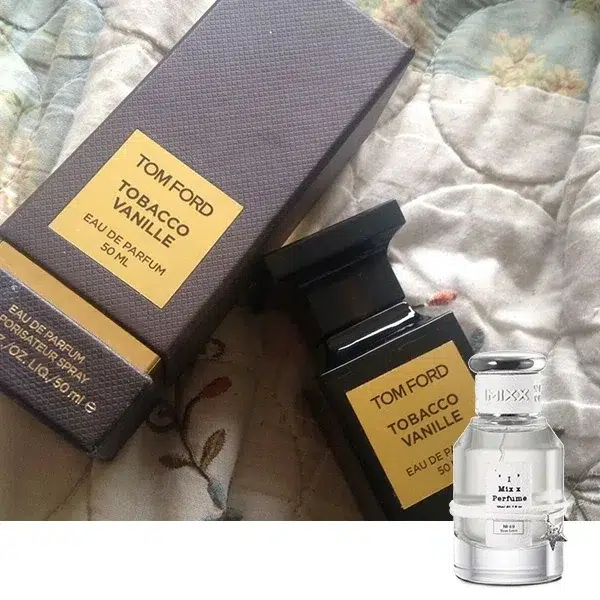
Conclusion: Elevate Your Fragrance Wardrobe Intelligently
The landscape of the US fragrance market has fundamentally shifted over the last five years. You no longer have to choose between spending hundreds of dollars on a designer nameplate or settling for a weak, alcohol-heavy imitation that fades before you even leave your house. By understanding the true mechanics of the perfume supply chain—from the precision of GC-MS analysis and ingredient sourcing to the critical patience required for proper maceration—you are empowered to make informed, sophisticated choices.
The spiced, rich warmth of tobacco and vanilla is a timeless statement of elegance. It commands attention, exudes comfort, and leaves an unforgettable trail. Whether you decide to explore the accessible offerings of fast fashion, the reliable middle ground of brands like Dossier, or the premium, high-concentration DTC experience of our own Imixx No. 21, the key is to look for transparency, proper oil concentration, and a brand that respects the art of perfumery.
We invite you to explore the science of scent and elevate your collection intelligently. Discover the uncompromising depth and performance of factory-direct luxury by visiting Imixx Perfumes, and find your new signature winter scent today.
