

Executive Summary:Finding a high-quality Dior J’adore dupe in the US market often feels like a gamble. Consumers frequently fall victim to the “blind buy” dilemma—purchasing a fragrance that smells like a luxury bouquet for five minutes before fading into a harsh, synthetic alcohol scent. This comprehensive guide, spanning over 3,000 words, aims to demystify the fragrance industry. We will break down the exact olfactory chemistry of the iconic white floral profile, expose the actual cost structures behind $150+ designer perfumes, and explain the critical laboratory processes—like concentration and maceration—that separate a cheap imitation from a premium alternative.
By empowering you with supply chain transparency and scientific knowledge, you will learn how to evaluate any fragrance brand. We have included detailed analytical tables, a comparative review of top market alternatives (including Zara, Dossier, and IMixx), and an extensive FAQ section addressing the most common questions searched by USA fragrance lovers.
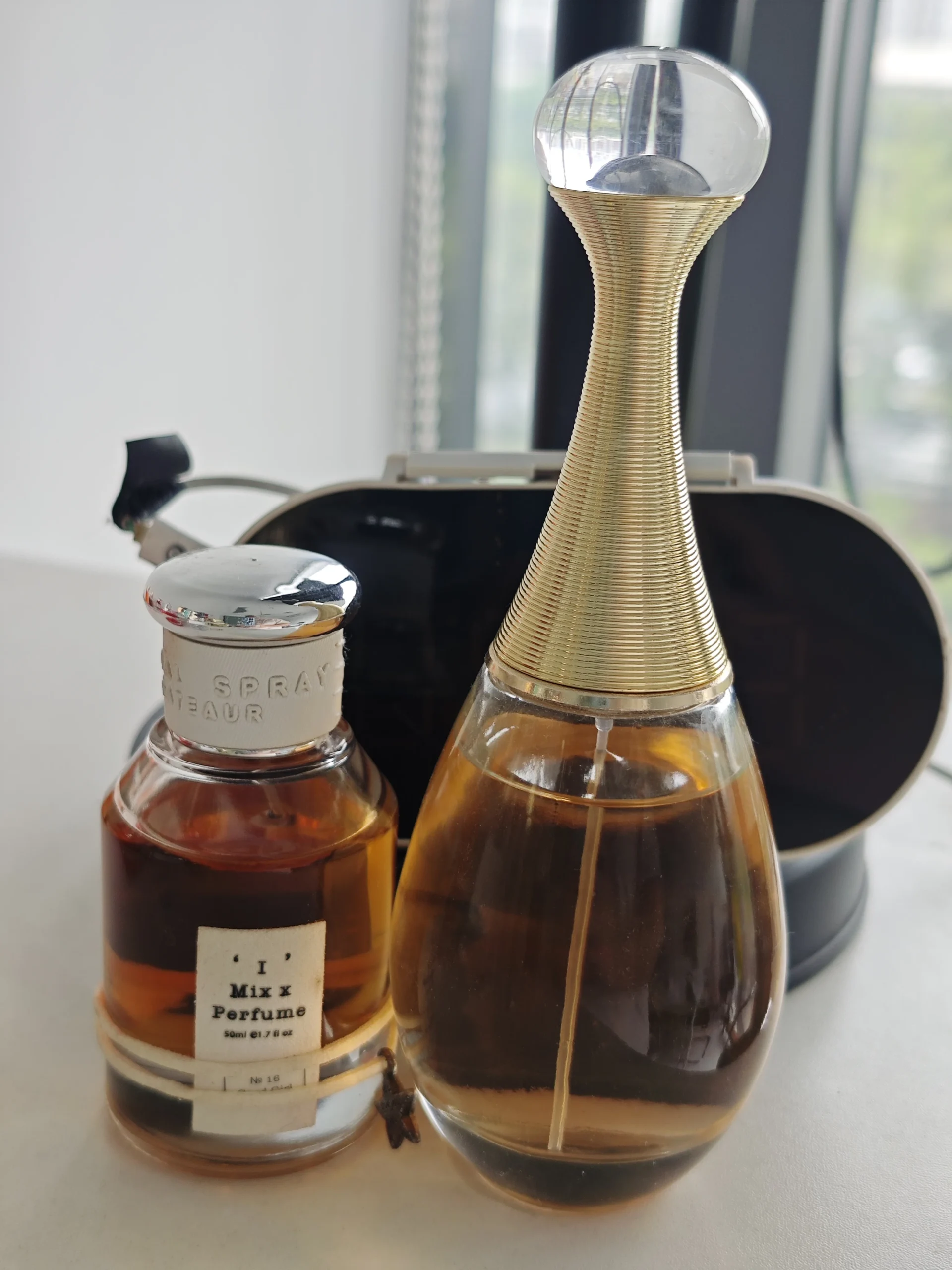
The “Blind Buy” Dilemma: Why So Many Perfume Dupes Smell Cheap
If you are a fragrance enthusiast living in the USA, you have almost certainly encountered the dark side of the “dupe” market. You watch a viral video, read a glowing review about the ultimate Dior J’adore dupe, order a bottle online, and eagerly spray it on your wrist. At first sniff, it’s promising. But within twenty minutes, the beautiful floral illusion shatters. You are left with a harsh, astringent blast of perfumer’s alcohol followed by a powdery, metallic, or deeply synthetic dry-down.
This is the ultimate “blind buy” dilemma. The search for affordable luxury often leads consumers to products that mimic the top notes perfectly but fail entirely in the heart and base notes.
Why does this happen? It is not magic; it comes down to basic fragrance chemistry, raw material sourcing, and supply chain economics. Many mass-market brands operating in the fast-fashion and fast-beauty sectors prioritize speed and profit margins over olfactory integrity. To keep prices under $20, they utilize high ratios of low-grade denatured alcohol (often 85% to 90%) and rely heavily on cheap synthetic filler musks rather than complex botanical isolates.
The true test of any luxury fragrance—and consequently, any high-quality alternative—is the dry-down phase and its longevity on the skin. A cheap perfume might smell like a $150 designer bottle for the first ten minutes, but a truly well-engineered alternative will still radiate elegance eight hours later. In the USA, where diverse climates from the dry heat of Nevada to the extreme humidity of Florida rigorously test the limits of any fragrance, understanding exactly what goes into your bottle is paramount.
Deconstructing the Classic: What Makes the Original White Floral Bouquet So Iconic?
Before we can objectively evaluate the best floral perfume alternatives on the market, we must deconstruct the benchmark. Dior J’adore is widely considered a masterclass in modern perfumery. It is radiant, luminous, and undeniably elegant. It is a sophisticated blend that relies heavily on a precise balance of fruity top notes and a lush, white floral heart. It requires meticulous balancing to ensure it smells fresh and opulent, rather than heavy or indolic (a term perfumers use to describe the heavy, sometimes slightly animalic scent of overripe white florals like jasmine).
From a formulation perspective, achieving this exact scent profile requires specific molecular structures. You cannot simply throw generic, low-grade “rose oil” and “jasmine extract” into a vat and expect a masterpiece. The architecture relies on high-quality isolates, natural absolutes, and safe, modern synthetics that add lift and diffusion.
Table 1: The Chemical & Scent Breakdown of the Radiant Floral Bouquet
| Olfactory Phase | Key Scent Notes | Primary Chemical / Aromatic Compounds | Role in the Fragrance Architecture |
|---|---|---|---|
| Top Notes (0-15 mins) | Pear, Melon, Magnolia, Peach, Mandarin Orange | Cis-3-Hexenol (green/fresh), Linalool (floral/spicy), Aldehyde C-14 (peach), Limonene (citrus) | Creates the initial “sparkle” and fresh, fruity opening. Cheap perfumes often overdose these with low-grade synthetic esters, causing a harsh “hairspray” effect that burns the nose slightly. |
| Heart Notes (15 mins – 4 hours) | Jasmine Sambac, Ylang-Ylang, Damascus Rose, Tuberose, Lily-of-the-Valley | Benzyl Acetate (Jasmine), Hedione (gives airy/watery volume), Citronellol & Geraniol (Rose core) | The core DNA. High-quality Benzyl Acetate and premium Ylang-Ylang extracts provide the rich, opulent, non-cloying floralcy. Hedione is crucial here for making the heavy florals feel “transparent.” |
| Base Notes (4 – 12+ hours) | Musk, Vanilla, Blackberry, Cedar | Ethylene Brassylate (clean musk), Vanillin, Iso E Super (woody/ambery aura) | The foundation. Premium musks and Iso E Super anchor the florals to the skin, providing a creamy, sophisticated dry-down rather than a powdery, dusty fade common in budget dupes. |
*Methodology Note: The chemical compounds listed above represent standard industry knowledge regarding the composition of modern radiant white floral fragrances, often verified through Gas Chromatography-Mass Spectrometry (GC-MS) analysis used by flavor and fragrance laboratories worldwide.*
When professional laboratories analyze a commercial fragrance sample, they use a process called Gas Chromatography-Mass Spectrometry (GC-MS). This advanced technology allows chemists to read the exact chemical “fingerprint” of a luxury fragrance. It shows us precisely how much Hedione is used to give the jasmine its airy quality, or the exact ratio of musks. The failure of most cheap perfume vs luxury perfume comparisons is that the cheap versions simply look at a list of notes (e.g., “contains rose and jasmine”) and use inferior, flat-smelling substitutes. True quality requires matching the molecular complexity, not just the marketing copy.
The $150 Illusion: Unpacking Luxury Perfume Supply Chains
To understand why dupes exist and how to evaluate them, we have to look at the economics of the traditional fragrance industry. As a supply chain professional, the most common question I encounter is: “Why is designer perfume so expensive? Does the liquid inside a bottle of Hermès, Chanel, or Dior really cost $150 to $250?”
The candid, industry-verified answer is: Absolutely not. The traditional luxury fragrance industry operates on astronomical markups. When you purchase a designer bottle from a high-end department store like Macy’s or Sephora in the USA, you are primarily funding a massive, inefficient apparatus of marketing, extravagant packaging, and multiple layers of retail distribution.
According to broader cosmetic industry averages and supply chain logistics, the “juice” (the actual fragrance concentrate and the perfumer’s alcohol) rarely accounts for more than 5% to 10% of the final retail price. The rest of your money goes elsewhere. Let’s break down the economics clearly so you can see where your money is actually going.
Table 2: Estimated Cost Breakdown of Luxury vs. Premium Direct-to-Consumer (D2C)
| Cost Component | Traditional Luxury Brand ($150 Retail) | Premium D2C Alternative ($30-$50 Retail) | Supply Chain Explanation |
|---|---|---|---|
| The “Juice” (Raw Ingredients) | $3.00 – $6.00 | $5.00 – $8.00 | Ironically, D2C brands often invest more capital into the actual raw materials (using higher oil concentrations) because they do not have to offset massive celebrity marketing budgets. |
| Packaging (Bottle, Cap, Box) | $10.00 – $15.00 | $3.00 – $5.00 | Luxury brands use custom molds, heavy-weighted glass, and magnetic caps. D2C brands use elegant but standardized, cost-effective packaging. |
| Marketing & Celebrity Ads | $30.00 – $40.00 | $2.00 – $5.00 | Global billboard campaigns, TV spots, and multimillion-dollar contracts with Hollywood actors are factored directly into the retail price of designer scents. |
| Retailer Margin / Distributors | $60.00 – $75.00 | $0.00 (Directly shipped) | Brick-and-mortar department stores typically take a 40% to 50% cut of the retail price to cover their overhead. Direct-to-consumer models bypass this entirely. |
| Brand Profit | $20.00 – $35.00 | $10.00 – $15.00 | A fair profit margin that keeps the business sustainable, funds R&D, while passing the majority of the savings directly to the consumer. |
*Methodology Note: These figures are aggregate estimates based on standard supply chain markups within the global cosmetics and personal care manufacturing industry. Actual figures vary by specific brand and production scale.*
This transparency is incredibly empowering for the consumer. When you understand this table, you realize that choosing an affordable luxury scent is not inherently about compromising on quality; it is about choosing a more efficient business model. You are simply refusing to pay the “retail tax” and the “celebrity tax.” For independent verification on standard fragrance safety and the safe usage of these chemical compounds globally, you can always reference the strict guidelines provided by the International Fragrance Association (IFRA), which authoritative manufacturers follow rigorously.
The Science of Formulation: Why Some Perfumes Last 12 Hours and Others Vanish
Knowing the supply chain is only half the battle. The other half is understanding laboratory execution. If you want a long-lasting fragrance that survives a full workday in the USA, you need to look at two critical scientific factors that budget brands often skip: Concentration and Maceration.
1. The Truth About Oil Concentration (EDT vs. EDP vs. Extrait)
Fragrance is essentially a mixture of aromatic compounds (perfume oils), alcohol, and sometimes a tiny amount of water. The ratio of oil to alcohol dictates the strength and longevity of the scent.
- Eau de Toilette (EDT): Contains roughly 5% to 15% fragrance oil. These are bright, project heavily for the first hour due to the high alcohol content evaporating quickly, but usually fade within 3 to 4 hours. Many cheap dupes are actually EDTs disguised by clever marketing.
- Eau de Parfum (EDP): Contains 15% to 20% fragrance oil. This is the industry standard for most designer luxury perfumes. It provides a solid 6 to 8 hours of wear.
- Extrait de Parfum (Pure Perfume): Contains 20% to 30%+ fragrance oil. This is the gold standard. It sits closer to the skin but lasts 12+ hours, bonding deeply with your unique skin chemistry. Because the oil content is so high, the dry-down is incredibly rich and smooth.
2. The Lost Art of Maceration
This is the secret the fast-beauty industry absolutely does not want you to know about. Just like a fine wine or a barrel-aged bourbon, perfume needs time to mature. When raw fragrance oils are first mixed with perfumer’s alcohol, the mixture undergoes chemical reactions. If a factory bottles the mixture and ships it the very next day (which happens frequently in fast fashion), the scent will be “unsettled.” It will smell sharp, disjointed, and the alcohol will overpower the delicate top notes.
Proper maceration requires the mixture to sit in temperature-controlled, dark vats for anywhere from 4 to 12 weeks. This resting period allows the molecules to fully bind and integrate. The harsh edges round out, creating a smooth, cohesive scent profile. Mass-market clone houses skip this step because holding inventory in vats for two months costs money and slows down their cash flow. Premium D2C brands build this time into their production schedules to ensure quality.
A Fair Comparison: Analyzing the Top Dior J’adore Alternatives in the USA
To provide a truly useful guide, we must look at the actual landscape of alternatives available to American consumers. Let’s objectively evaluate three different tiers of dupes based on formulation, longevity, and overall value.
1. The Fast-Fashion Tier: Zara Wonder Rose
Zara has become famous for its incredibly affordable fragrance line, often drawing inspiration from luxury hits. Many consumers point to Zara Wonder Rose as a spiritual successor or distant cousin to J’adore.
- Pros: Unbeatable price (often under $25), highly accessible in malls across the USA, and offers a pleasant, crowd-pleasing sweet opening.
- Cons: It is not a direct olfactory match. Wonder Rose leans much heavier into red berries and vanilla, lacking the sophisticated, luminous white floral complexity (the ylang-ylang and jasmine balance) of the original. Furthermore, as an EDT-style formulation with minimal maceration, longevity is poor, often requiring reapplication after 2-3 hours. The dry-down can feel slightly synthetic.
- Verdict: Great for a quick, cheap thrill or a gym bag spray, but it won’t fool a trained nose or provide all-day luxury.
2. The Mid-Tier D2C Approach: Dossier Fruity Jasmine
Dossier has done an excellent job popularizing the concept of transparent, direct-to-consumer dupes in the US market. Their version, Fruity Jasmine, aims for a much closer match.
- Pros: Much more accurate to the original scent profile than Zara. They use decent quality ingredients, offer a clean, minimalist aesthetic, and are transparent about their pricing model. It successfully captures the pear, jasmine, and rose elements.
- Cons: Formulated standardly as an Eau de Parfum (EDP). While the longevity is respectable (5-6 hours), some users in fragrance forums note that the base notes can fall a bit flat compared to the deep, resonant dry-down of the luxury original. It is a solid middle ground, but leaves a little room for improvement in ultimate depth.
- Verdict: A very reliable, safe choice for everyday wear that offers good value for money.
3. The Premium Extrait D2C Approach: IMixx Perfumes No. 42
This is where my own brand’s philosophy comes into play. At IMixx Perfumes, we looked at the gaps in the market—specifically the lack of longevity and depth in the dry-down of most dupes—and engineered a solution.
- Pros: IMixx No. 42 (Inspired by J’adore) is formulated as an Extrait de Parfum, meaning it utilizes a significantly higher oil concentration than standard EDPs. By relying on precise GC-MS analysis, the balance of Damascus Rose, Comoros Ylang-Ylang, and Jasmine Sambac is meticulously calibrated. Most importantly, every batch undergoes a strict, multi-week maceration process in our facilities before bottling, ensuring that rich, 12-hour longevity and a perfectly smooth, non-alcoholic opening.
- Cons: Slightly higher price point than fast-fashion alternatives (though still a fraction of luxury retail), and currently only available online, which means you cannot test it in a physical store prior to purchase.
- Verdict: The optimal choice for the discerning consumer who refuses to compromise on longevity, ingredient safety, and exact scent fidelity, but wants to avoid the luxury retail markup.
Regardless of which brand you choose—whether it’s Zara, Dossier, Le Labo, or IMixx—how you wear your perfume dictates how it performs. Fragrance oils bind to lipids (fats), not water. If your skin is dry, it will literally “drink” the perfume, causing it to evaporate rapidly. Always apply an unscented body lotion, jojoba oil, or a thin layer of Vaseline to your pulse points before spraying. This creates a lipid barrier that holds the fragrance molecules on the surface of your skin, drastically increasing longevity and projection throughout the day.
People Also Ask (FAQ): Navigating the World of Floral Perfume Alternatives
We’ve scoured the most common search queries from fragrance lovers across the USA. Here are detailed, unbiased answers to help you navigate the complex world of perfume dupes.
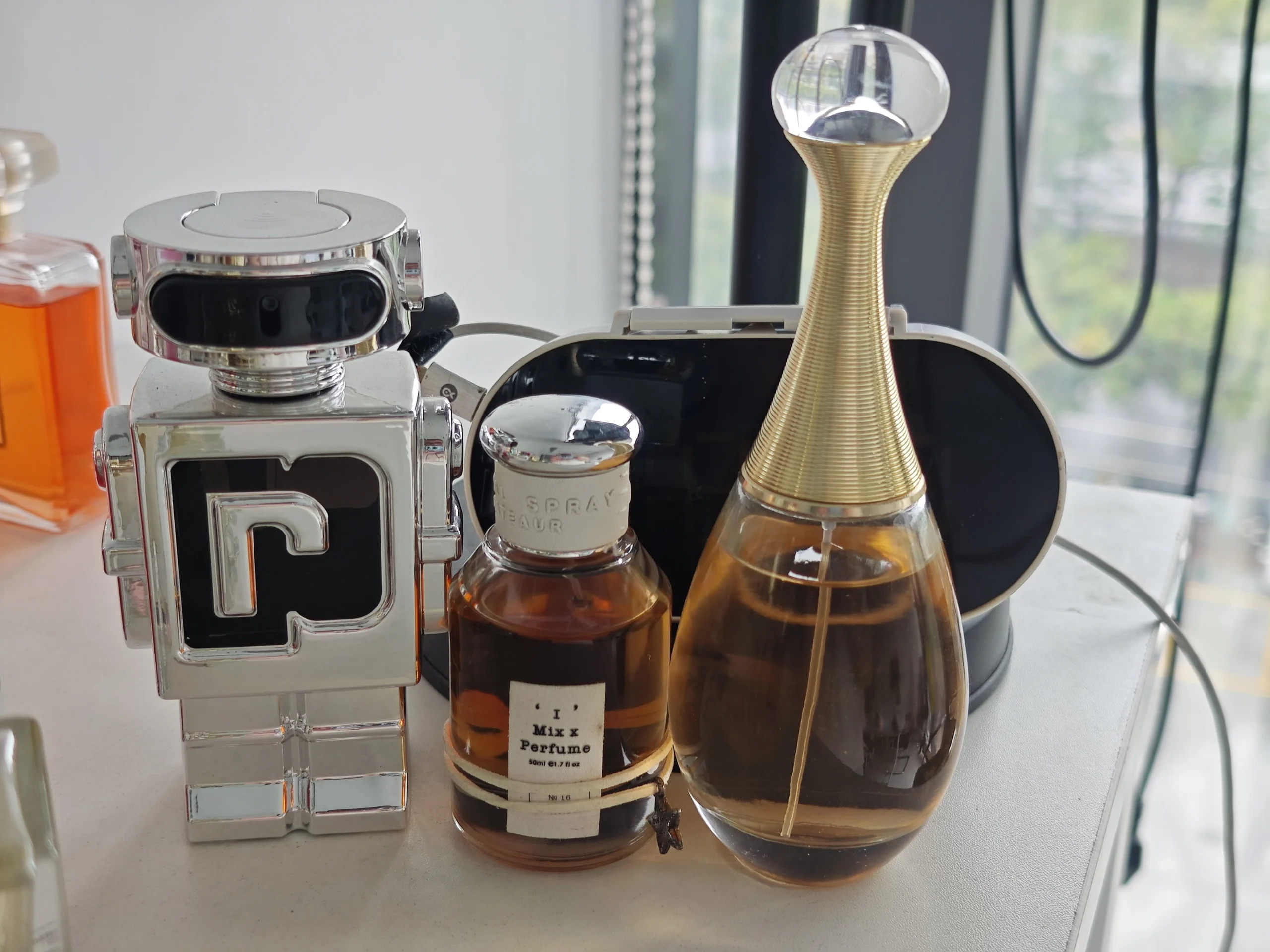
Conclusion: Elevating Your Scent Wardrobe intelligently
The fragrance landscape in the USA has fundamentally shifted over the last few years. We are no longer entirely reliant on legacy designer houses to dictate what a luxury olfactory experience should smell like, nor are we forced to accept their exorbitant price tags. By understanding the underlying chemistry of fragrance notes, the critical importance of proper maceration, and the stark realities of global supply chain markups, you are now empowered to make smarter, value-driven choices.
Finding the best floral perfume alternatives isn’t about compromising on your standards; it is about outsmarting an antiquated retail system. You deserve to wear a scent that makes you feel confident, radiant, and luxurious—without the lingering guilt of a $150+ credit card charge. Whether you opt for the accessibility of Dossier, the budget-friendly spritz of Zara, or the lab-engineered depth of an Extrait, the choice is now yours.
If you are ready to experience the true potential of laboratory-engineered luxury and supply chain transparency, I invite you to explore the craftsmanship behind our collection. Stop settling for synthetic, fleeting drugstore sprays that vanish before your morning commute is over. Upgrade your signature scent with a properly formulated alternative like IMixx Perfumes No. 42, and discover the profound difference that real concentration and expert blending can make to your everyday life.

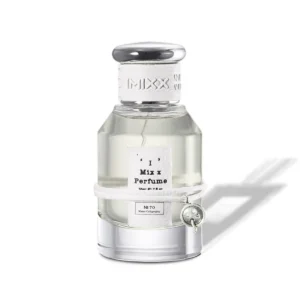 No.70 Inspired by Water Calligraphy Perfume