

How to Find the Perfect Versace Bright Crystal Dupe: A Supply Chain Expert’s Guide to Scents, Science, and Honest Comparisons
Article Summary & Key Takeaways
If you are looking for an affordable alternative to the iconic floral-fruity designer fragrance, you need to know what you are actually buying. Here is what we will cover in this deep dive:
- The Core Challenge: Why the original Eau de Toilette (EDT) is beloved for its fresh yuzu and pomegranate notes, but often criticized by USA consumers for its fleeting longevity.
- The Science of Scent Matching: How labs use Gas Chromatography-Mass Spectrometry (GC-MS) to decode perfumes, and why a “100% exact match” is a marketing myth.
- An Honest Market Review: A fair, unbiased comparison of the most popular alternatives on the market, including fast-fashion options (like Zara), mid-tier dupes (like Dossier), and Extrait-level options (like imixx).
- Supply Chain Transparency: Where your money actually goes when buying a $100+ designer bottle versus a $30 alternative.
- Consumer Guide: Practical, lab-tested methods to make any fragrance last longer on your skin, regardless of the brand.
Written by Linus Dacke Thall — Fragrance Supply Chain & Product Development Expert
With over a decade of experience navigating global fragrance manufacturing, raw material sourcing, and lab analysis, Linus demystifies the perfume industry for everyday consumers. His goal is to bridge the gap between complex chemical engineering and the perfume you wear every day.
Introduction: The Pink Bottle That Conquered the World
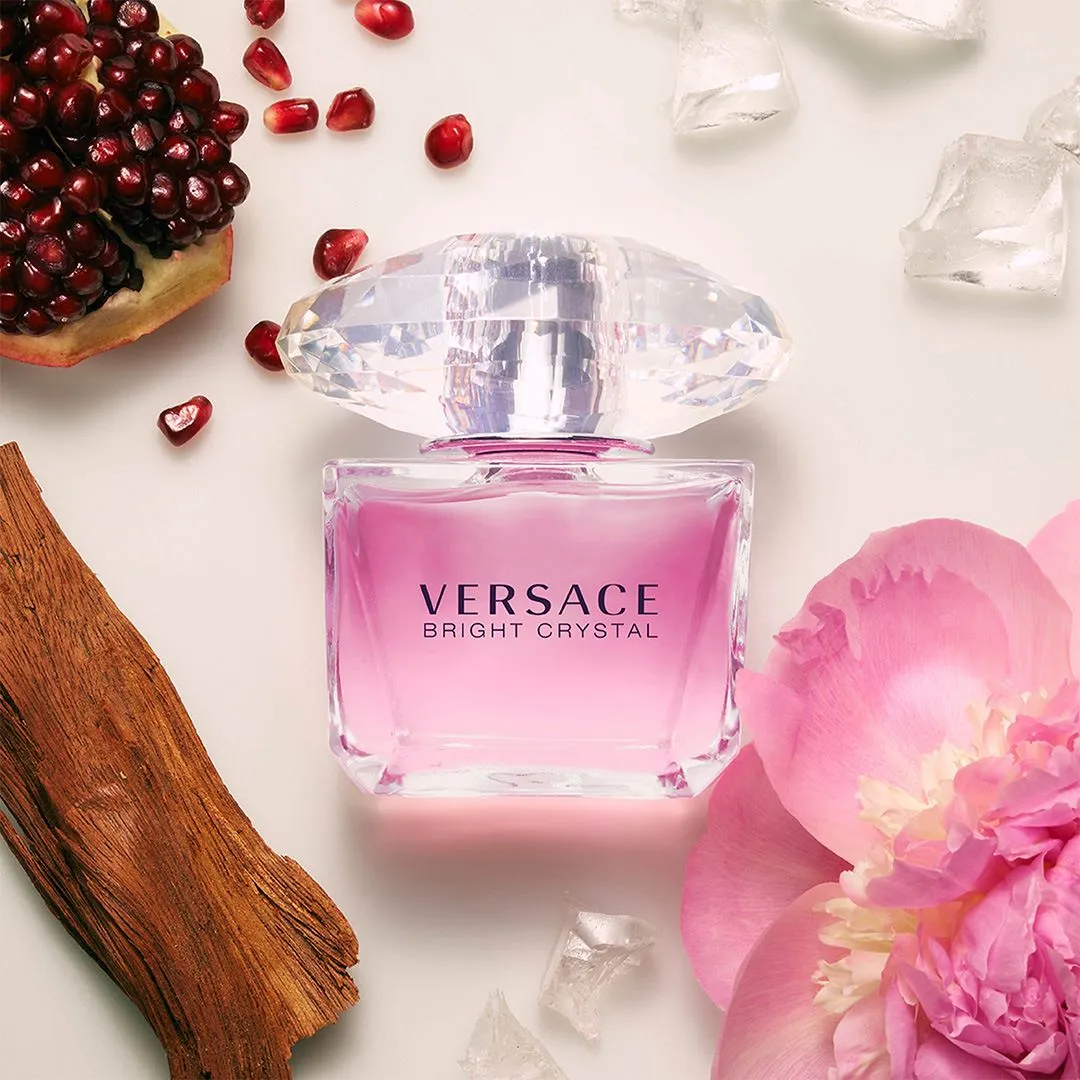
Let’s be honest. If you have walked through a department store in the USA at any point in the last fifteen years, you know the scent. It is housed in a heavy glass bottle with an oversized, jewel-like cap. It is fresh, it is aquatic, it is slightly sweet, and it smells like a crisp spring morning. Formulated originally by the legendary master perfumer Alberto Morillas, it has become the quintessential “everyday scent” for millions of women.
But there is a catch—a rather expensive one.
As much as we love that initial burst of icy citrus and delicate florals, the original formulation is an Eau de Toilette (EDT). By definition, an EDT is a lighter concentration of fragrance oils (usually hovering around 5% to 15%). Because its primary notes are highly volatile citrus and sheer florals, the scent is notorious for vanishing within three to four hours. For a fragrance that often retails well over $100, consumers naturally feel frustrated when their signature scent fades before lunchtime.
This frustration has birthed a massive sub-industry: the search for the perfect Versace Bright Crystal dupe. But as someone who works behind the scenes in fragrance manufacturing, I can tell you that the dupe market is an absolute minefield. Some are fantastic, democratizing luxury for the masses. Others are harsh, chemical messes that smell like cheap hairspray.
Today, I am taking off my corporate hat. I am not here to sell you a single miracle bottle. Instead, I am going to teach you exactly how the fragrance industry works, how we analyze scents in the lab, and how you can evaluate the current market options—from Zara to Dossier to independent extract houses like imixx—so you can spend your money wisely.
Part 1: Deconstructing the Olfactory Architecture
To understand why a cheaper alternative succeeds or fails, you first have to understand what it is trying to copy. Perfume is not magic; it is chemistry. It is a carefully balanced equation of top, heart, and base notes that evaporate at different rates based on their molecular weight.
The Top Notes: The Infamous “Ice Accord”
When you first spray the original designer fragrance, you are hit with what the brand calls an “iced accord,” alongside Yuzu and Pomegranate.
- Yuzu (Citrus junos): This is a complex Japanese citrus. It doesn’t smell just like a lemon or a grapefruit; it has a tart, slightly green, and almost pine-like nuance. Sourcing natural yuzu oil is incredibly expensive.
- Pomegranate (Punica granatum): Here is an industry secret—there is no such thing as natural pomegranate essential oil in perfumery. Pomegranate is a “fantasy note.” Perfumers create it in a lab by blending various fruity esters and tart molecules to create an olfactory illusion of a juicy, red pomegranate.
Where cheap dupes fail: Because balancing that fantasy pomegranate note is hard, low-tier clones often just dump ethyl maltol (a sweetener) or cheap synthetic grapefruit into the vat. The result? A cloying, sticky-sweet opening that completely misses the elegant, “icy” freshness of the original.
The Heart Notes: Transparency is Key
After about 20 minutes, the fragrance transitions into its heart: Peony, Magnolia, and Lotus Flower. The defining characteristic here is not just the smell of flowers, but their “transparency.” It smells like petals floating on cool water. To achieve this, modern perfumery relies heavily on aromachemicals like Hedione (Methyl dihydrojasmonate). Hedione adds a breezy, luminous quality to floral notes. Organizations like the Fragrance Foundation often highlight how such molecules revolutionized modern perfumery by adding “space” to a scent.
The Base Notes: The Anchor
The dry-down consists of Musk, Mahogany wood, and Vegetal Amber. Because the original is an EDT, these heavy base notes are kept to a minimum to maintain the scent’s lightness. However, this is exactly why it doesn’t last. The base notes are the “fixatives”—they are the heavy molecules that hold the lighter citrus notes to your skin. Without a strong base, the scent simply evaporates into the air.
Part 2: The Supply Chain Reality (Why Designer Perfumes Cost $130)
Many consumers believe that a $130 perfume contains “better” or “more natural” ingredients than a $30 perfume. While this is sometimes true in ultra-niche, artisanal perfumery, it is rarely true in the mainstream commercial market.
As a supply chain professional, let me break down the estimated cost structure of a typical mainstream designer fragrance. If a bottle costs $100 at a US retailer, the cost breakdown roughly looks like this:
| Component | Estimated Percentage of Retail Price | Industry Reality |
|---|---|---|
| The “Juice” (Oil + Alcohol) | 2% – 5% | Mass-produced synthetic aromachemicals are highly cost-effective. |
| Packaging (Bottle, Cap, Box) | 6% – 10% | Heavy glass and custom molds often cost more than the liquid inside. |
| Marketing & Licensing | 20% – 30% | Paying celebrities, TV spots, and royalties to the fashion house. |
| Retailer Margins | 40% – 50% | Department stores take massive cuts to stock the product on their shelves. |
| Brand Profit Margin | 15% – 20% | The net profit after all overhead is paid. |
When you buy an alternative fragrance from a direct-to-consumer brand, you are entirely cutting out the marketing, licensing, and retailer margins. You are paying for the liquid and simple packaging. This is why a $30 dupe can, scientifically speaking, contain the exact same quality of raw materials as a $130 designer bottle.
Part 3: The Science of “Cloning” (How Labs Actually Do It)
How does a brand create a perfume that smells similar to another? It is not a perfumer sitting in a room sniffing a bottle and guessing. We use a piece of equipment called a Gas Chromatography-Mass Spectrometry (GC-MS) machine.
According to analytical chemistry resources (and widely discussed in journals like Perfumer & Flavorist), a GC-MS acts like a high-tech barcode scanner for liquids. You inject a tiny amount of the target perfume into the machine. It heats the liquid into a gas and pushes it through a long capillary tube. Different molecules travel through the tube at different speeds. The machine then outputs a graph (a chromatogram) that tells the chemist exactly what molecules are present and in what quantities.
It will tell us: “This formula contains 12% Linalool, 5% Hedione, 2% Galaxolide,” and so on.
However, an important caveat that I must stress: A 100% exact, flawless match is scientifically nearly impossible. Why? Because many designer brands use “captive molecules”—patented synthetic ingredients that are legally restricted to the company that invented them (like Givaudan or Firmenich). Therefore, alternative brands must use publicly available molecules to recreate the illusion of that captive ingredient.
A good dupe is not a 100% clone; it is a 95% structural match that captures the exact spirit, emotion, and primary notes of the original. The remaining 5% is where the art of the perfumer comes in to bridge the gaps.
Part 4: The Fair Market Comparison (Reviewing the Best Options in the US)
To provide a genuinely helpful guide, we must look at the landscape objectively. Not all affordable alternatives are created equal. They serve different purposes based on what you value: extreme budget, accessibility, or pure longevity. Here is my professional assessment of the most common routes consumers take when looking for a cheaper alternative.
1. The Fast-Fashion Route: Zara (e.g., Bright Rose or Similar Flankers)
Zara has become famous for their affordable fragrance lines. They frequently release scents that share olfactive DNA with popular designer releases.
The Pros: Incredibly cheap (often under $25), easily accessible in malls across the US, and the initial spray is usually very pleasant.
The Cons: From a formulation standpoint, Zara fragrances are notoriously low in concentration (often Eau de Cologne or light EDT strength). They also tend to use cheaper, highly volatile solvents. The result? The scent smells great for about 45 minutes, and then it is completely gone.
Verdict: Great for a quick post-gym spritz, but not a reliable all-day signature scent.
2. The Mid-Tier Direct-to-Consumer: Dossier (Fruity Magnolia)
Dossier is arguably the most well-known “inspired by” brand in the US right now. They offer Fruity Magnolia as their take on this scent profile.
The Pros: Dossier provides excellent transparency regarding their notes. They use good quality, clean ingredients, and their packaging is eco-friendly. The scent match is highly accurate—they capture that icy pomegranate very well.
The Cons: Dossier formulates at an Eau de Parfum (EDP) concentration (usually around 15-18% oil). While this is better than the original EDT, some users still report that the fresh citrus top notes burn off a bit too quickly, leaving a mostly musky skin scent by the late afternoon.
Verdict: A solid, reliable, and transparent choice for those who want a reputable, everyday alternative with moderate performance.
3. The Longevity/Concentration Route: imixx No. 08 (Extrait de Parfum)
This is where my own brand, imixx, fits into the ecosystem. We approach the problem differently. Instead of just trying to match the scent at an EDT or EDP level, our lab focuses on solving the primary consumer complaint: longevity.
The Pros: imixx No. 08 is formulated as an Extrait de Parfum (containing over 30% fragrance oil). By increasing the concentration of fixatives and allowing the batch to macerate (age) for a minimum of four weeks, the volatile top notes are anchored deeply. This means the yuzu and peony profile lasts 8 to 12 hours on the skin. It is also fully compliant with global IFRA safety standards.
The Cons: Because it is an Extrait, the texture of the liquid is slightly oilier than a standard EDT. It requires you to spray it from a slight distance to let it mist properly, rather than spraying heavily in one concentrated spot.
Verdict: The best choice for the “power user” who wants maximum longevity, intense sillage, and doesn’t want to carry a decant to reapply during the day.
| Brand / Option | Concentration Level | Average Longevity | Best For… |
|---|---|---|---|
| Original Designer | Eau de Toilette (5-15%) | 3 – 5 Hours | Collectors; those who value brand prestige and heavy glass bottles. |
| Zara (Fast Fashion) | EDC / Light EDT | 1 – 2 Hours | Extreme budget shoppers; quick touch-ups. |
| Dossier (Fruity Magnolia) | Eau de Parfum (15-18%) | 5 – 7 Hours | Consumers wanting a balanced, mid-tier, reliable daily wear. |
| imixx No. 08 | Extrait de Parfum (30%+) | 8 – 12+ Hours | Power users demanding maximum longevity and high fragrance oil concentration. |
Part 5: The “Maceration” Secret (Why Cheaper Dupes Smell Like Alcohol)
If you have ever bought a cheap perfume from a discount store, sprayed it, and immediately coughed because it smelled like hand sanitizer, you have experienced a lack of maceration.
In fine perfumery, maceration is essentially the aging process. It is identical in philosophy to aging a fine wine or a bourbon. When raw fragrance oils are mixed with perfumer’s alcohol (ideally high-grade SDA 40B ethanol), the chemical compounds are initially chaotic. The alcohol sits on top of the oils.
A proper manufacturer will place these mixed vats in a dark, temperature-controlled environment for 4 to 8 weeks. During this time, the alcohol begins to slowly evaporate and bind intricately with the oil molecules. The sharp edges of the alcohol smooth out, and the fragrance becomes “round.”
Fast-fashion clones cannot afford to wait 8 weeks. Their business model relies on speed. They mix the liquid, bottle it the same day, and ship it. This is why cheap dupes smell so harsh. If you do purchase a budget option and find it too alcoholic, a pro tip is to spray it 5-6 times to introduce oxygen into the bottle, then put it in a dark drawer for a month. You are essentially doing the maceration process at home!
Part 6: How to Test a Fragrance at Home Like a Pro
Whether you buy the original, Zara, Dossier, or imixx, evaluating a fragrance requires patience. Do not judge a perfume by the first 10 seconds. Here is the protocol we use in the lab, adapted for your living room.
- The Paper Test: Spray the fragrance on a paper blotter or a piece of thick cardstock. Leave the room and come back in 5 minutes. Smell it. This gives you the truest representation of the top notes without your body chemistry interfering.
- The Skin Test (Crucial): Paper doesn’t have a pulse, and it doesn’t sweat. Spray one mist onto your clean, un-lotioned inner forearm.
- The 15-Minute Rule: Wait 15 minutes before burying your nose in it. Let the alcohol completely flash off. Now you are smelling the “heart” of the perfume.
- The Sillage Walk: Sillage (pronounced see-yahzh) is the scent trail you leave behind. Spray it on your neck, walk out of your bedroom, and walk back in a minute later. Can you smell it in the air? That is sillage.
- The 8-Hour Check: At the end of your workday, smell your forearm. What is left is the dry-down. Is it an expensive-smelling musk, or does it smell like cheap soap? This separates the good from the great.
Part 7: Pro Tips to Make Any Floral/Citrus Perfume Last Longer
Citrus and sheer floral notes are naturally fleeting. It is basic physics—they have a low molecular weight. But you can hack your body chemistry to make them stick around.
- Hydration is the Ultimate Primer: Fragrance oils hate dry skin. Dry skin acts like a sponge, absorbing the oils and destroying the scent. Always apply an unscented body lotion, body oil, or a thin layer of petroleum jelly (like Vaseline) to your pulse points before spraying. The lotion acts as a lipid barrier, giving the fragrance molecules something to grab onto.
- Target the Heat Zones (Pulse Points): Your body heat activates the perfume. Apply to areas where the veins are closest to the skin’s surface: the inner wrists, the base of the throat, behind the earlobes, and the inner elbows.
- Never, Ever Rub Your Wrists Together: This is the most common mistake made globally. Rubbing your wrists creates friction and heat, which forcefully crushes the delicate molecular structure of the top notes (crushing the yuzu and pomegranate). Just spray and let it air dry naturally.
- Spray Your Clothes (With Caution): Fabric holds scent significantly longer than skin. A light mist over your cotton shirt or scarf will lock the scent in for days. Note: Be careful with Extrait de Parfums (like imixx), as the high oil content can potentially stain white silk or delicate fabrics. Mist from at least 8 inches away.
Frequently Asked Questions (FAQ)
Based on consumer questions and search trends in the US, here are clear, objective answers regarding this specific fragrance profile.
Q: What are the main notes in Versace Bright Crystal?
A: The fragrance opens with crisp top notes of yuzu (a Japanese citrus), pomegranate, and a distinct “ice accord.” The heart features a floral bouquet of peony, lotus flower, and magnolia. The dry down (base) consists of musk, mahogany wood, and vegetal amber. Any good alternative should closely mirror this progression.
Q: What is the difference between Bright Crystal and the Absolu version?
A: The original is an Eau de Toilette (EDT) celebrated for its sheer, watery freshness and lightness. The Absolu version is a flanker formulated as an Eau de Parfum (EDP). It features a higher fragrance oil concentration and introduces sweeter, heavier fruity notes like raspberry, making it a noticeably denser, sweeter, and longer-lasting scent profile.
Q: How long does a typical perfume dupe last on the skin?
A: It depends entirely on the concentration and the brand. Standard fast-fashion or drugstore fragrance alternatives (like Zara or body mists) typically last 1 to 2 hours because they use a low Eau de Cologne concentration (5-8% oil). Mid-tier EDP alternatives (like Dossier) usually last 5-7 hours. High-quality Extrait de Parfum alternatives (like imixx No. 08) can last 8 to 12 hours due to a 30%+ oil concentration.
Q: How can I make my fragrance last longer?
A: To extend longevity, apply an unscented body lotion before spraying to create a lipid barrier for the oils to bind to. Target heat-generating pulse points like the inner wrists and neck, and avoid rubbing your wrists together, which breaks down the delicate top notes prematurely.
Q: What makes a high-quality alternative or dupe?
A: A top-tier alternative does not rely on guesswork. It relies on Gas Chromatography-Mass Spectrometry (GC-MS) lab analysis to accurately map the molecules. Furthermore, it should use premium SDA 40B alcohol (not harsh industrial ethanol) and undergo a minimum 4-week maceration (aging) process to eliminate harsh alcohol odors upon the first spray.
Conclusion: Knowledge is Your Best Accessory
Finding the perfect alternative to a beloved designer fragrance doesn’t have to be a guessing game of trial and error. By looking past the glossy marketing campaigns and understanding the mechanics of supply chains, concentration levels, and laboratory analysis, you are empowered to make a choice that suits your exact needs.
If you prioritize extreme affordability and don’t mind reapplying, the fast-fashion route is perfectly valid. If you want a solid, eco-conscious middle ground, brands like Dossier offer great transparency. And if you are someone who is tired of your fragrance fading by noon and desires the ultimate performance of an Extrait de Parfum, exploring lab-direct brands that prioritize high oil concentrations is your best bet.
Fragrance is deeply personal, but the science behind it is universal. Demand transparency, look for proper maceration, and never settle for a scent that disappears before you do.
Editor’s Note & Disclosure: This educational guide was authored by a supply chain expert affiliated with imixx. While we are immensely proud of our high-concentration Extrait, imixx No. 08, our primary goal is consumer education. We encourage readers to test various reputable brands in the market to find the profile and performance that best fits their body chemistry and lifestyle.
