

Executive Summary
The US fragrance market is currently experiencing a beautiful renaissance. The rigid, outdated boundaries between “colognes for men” and “perfumes for women” are finally dissolving, paving the way for the booming era of unisex fragrances. But what exactly makes a scent gender-neutral, and why does the same bottle smell entirely different on you than it does on your partner?
As a professional deeply entrenched in the fragrance supply chain and laboratory formulation process, I want to pull back the curtain on this industry. This comprehensive, jargon-free guide is designed for the everyday consumer. We will move beyond marketing illusions to explain the fascinating science of body chemistry—exploring how your skin’s natural pH, hydration levels, and even your diet interact with fragrance molecules.
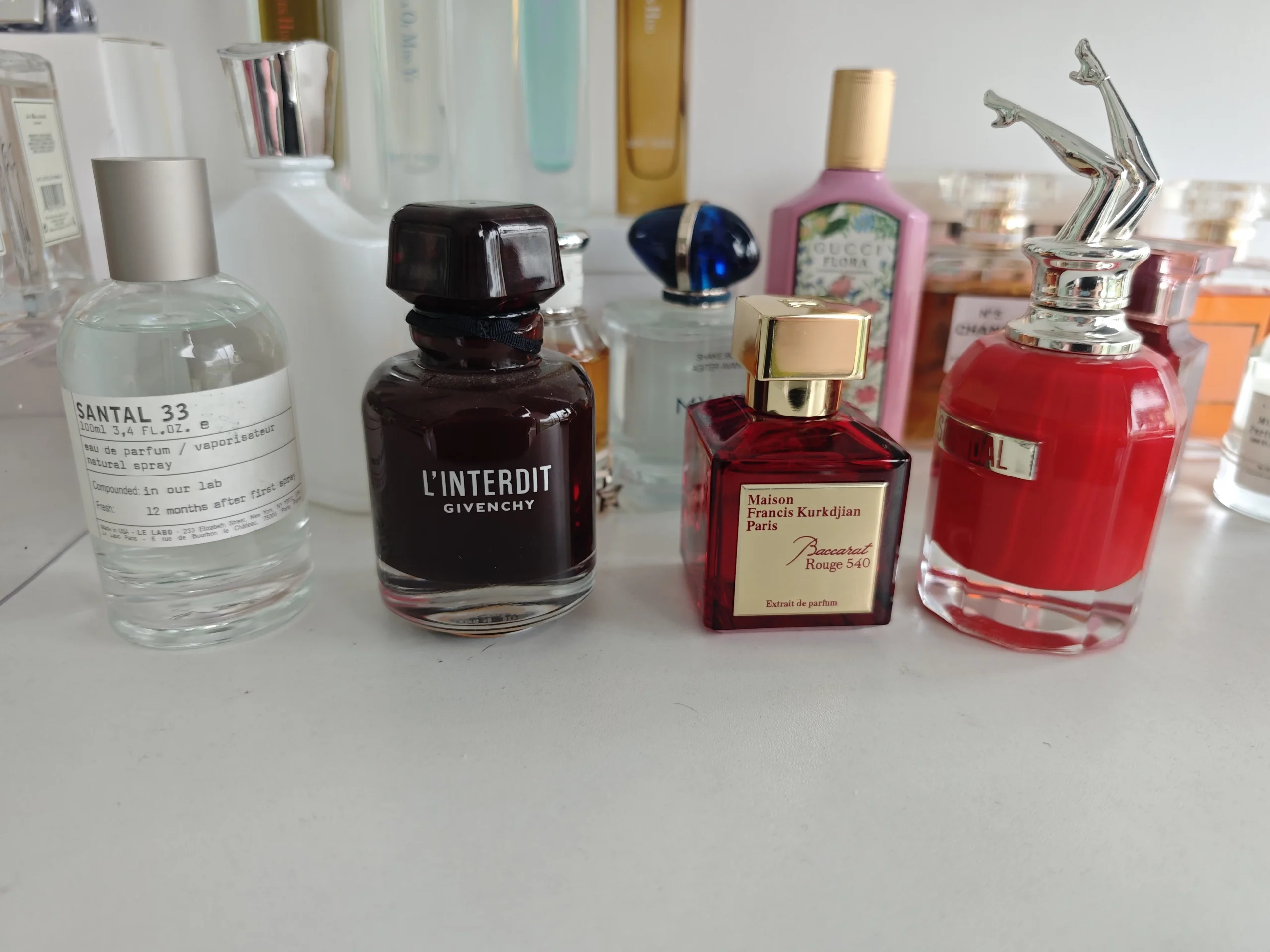
We will also look objectively at the real costs of perfume production, the chemistry of formulation, and how you can find a signature scent that truly belongs to you. Whether you end up falling in love with a heritage bottle from a luxury house like Le Labo or Maison Francis Kurkdjian, or a high-fidelity, direct-to-consumer option from IMIXX Perfumes, the goal of this guide is to empower you to buy with confidence.
The Evolution and Illusion of Gendered Scents in the USA
If you walk into any major beauty retailer in the USA today, you are still likely to see a geographic divide: the men’s section characterized by dark, geometric bottles and sharp, aquatic-woody scents, and the women’s section filled with curved glass, pink hues, and sweet, floral bouquets. For the past century, this has been the standard operating procedure for the global fragrance industry. But from a chemical, historical, and artistic perspective, this divide is entirely an invention of modern marketing.
A Brief History: Scents Have No Gender
To understand the rise of the modern unisex perfume, we have to look back. In ancient Egypt, Rome, and throughout the Middle East, perfumery was a deeply gender-neutral art. Royalty and commoners alike wore scents based on the availability of local botanicals—such as rich oud, heavy rose, and bright citrus. In India, sandalwood and jasmine were worn universally.
It wasn’t until the late 19th and post-World War II 20th century that western marketing executives realized they could sell more products by segmenting the market. They told men that smelling like pine and leather was “masculine,” and told women that smelling like tuberose and vanilla was “feminine.”
The 1990s saw a brief disruption with the iconic launch of CK One, which boldly marketed itself as a shared fragrance. Today, the modern consumer is wising up to these arbitrary rules. Fragrance enthusiasts, driven by communities like Fragrantica and independent beauty blogs, are realizing that a robust cedarwood can smell incredibly empowering on a woman, just as a soft, powdery iris can add a sophisticated, clean edge to a man’s aura. The secret to a successful unisex scent lies not in creating something “boring” or “middle-of-the-road,” but in masterful blending. It requires balancing top, middle, and base notes so perfectly that the final deciding factor of the scent is the wearer’s own body.
The Fascinating Science: Why Your Body Chemistry is the Ultimate Perfumer
You have likely experienced this phenomenon: you smell an incredible unisex fragrance on a friend, rush out to buy it, spray it on your own wrist, and immediately feel disappointed. It might smell sour, flat, or completely different. The answer to this mystery is body chemistry.
When you apply a perfume, you are not just spraying liquid onto a passive canvas. You are initiating a complex, microscopic chemical reaction. Fragrance oils interact intimately with your biological makeup, creating a bespoke scent profile that is 100% unique to you. Let’s break down the scientific factors that act as the invisible ingredients in your perfume.
1. The Acid Mantle and Skin pH Levels
Human skin is covered in a very fine, slightly acidic film known as the acid mantle. On the traditional pH scale (where 0 is highly acidic, 7 is neutral, and 14 is highly alkaline), the natural pH of healthy skin typically hovers between 4.5 and 5.5. However, this exact number fluctuates slightly from person to person.
A more acidic skin surface can cause certain delicate top notes—particularly bright citruses like bergamot, lemon, or neroli—to burn off much faster, sometimes even turning them slightly tart or sour. This pushes the fragrance quickly into its heavier heart and base notes. Conversely, skin that leans slightly closer to neutral might hold onto delicate floral and sweet notes much longer. This is why testing a unisex fragrance on your own skin is an absolute necessity before purchasing a full bottle.
2. Skin Hydration: Oily vs. Dry Skin
In the fragrance R&D world, there is a golden rule: oil clings to oil, and dry skin repels scent. If you have naturally oily skin, your body produces a higher amount of sebum. Sebum is fantastic for fragrance lovers because it acts like a sponge, trapping the volatile fragrance molecules—particularly heavy base notes like musk, oud, amber, and patchouli—and extending the longevity of the perfume significantly. Oily skin also has a tendency to amplify the sweeter, more balsamic notes in a fragrance, making them smell richer.
If you have dry skin, the alcohol base in the perfume evaporates very rapidly, taking the precious fragrance oils with it into the air. This is why individuals with dry skin often complain that their long-lasting unisex scents fade within an hour. A common, highly effective tactic recommended by beauty editors at publications like Allure is to apply an unscented moisturizing lotion or a neutral body oil to your pulse points before spraying your perfume. This creates a synthetic lipid barrier for the fragrance to cling to.
3. Basal Body Temperature and Climate
Fragrance is heat-activated. The aromatic molecules in unisex colognes and perfumes need the warmth of your body to vaporize into the air—a process the industry calls “sillage” (the scent trail you leave behind). People with higher resting body temperatures, or those who are physically active, will project their fragrance much further. High body heat also acts like an oven, causing the perfume to cycle through its top, middle, and base notes at an accelerated rate.
Climate plays a massive role here, too. Wearing a heavy, spicy amber fragrance in the humid heat of a Miami summer can become cloying and suffocating, as the moisture in the air amplifies the heavy molecules. That same fragrance worn during a crisp, dry New York winter will smell comforting, subdued, and perfectly balanced.
4. Diet, Hormones, and Lifestyle
It may sound surprising, but what you eat directly impacts how you smell. Diets rich in strong spices (like cumin, garlic, or fenugreek) or high in red meat can subtly alter the scent of your sweat and sebum, which in turn interacts with your perfume. Even hormonal changes, stress levels, and certain medications can slightly shift your skin’s chemistry, making your favorite signature scent smell slightly “off” on certain days.
Table 1: How Your Biological Profile Alters Unisex Fragrance Performance
| Biological / Skin Characteristic | Chemical Effect on Fragrance Molecules | Recommended Fragrance Profiles |
|---|---|---|
| Oily / Well-Hydrated Skin | Traps essential oils effectively, extending overall longevity. Can significantly amplify sweet, gourmand, and balsamic notes. | Fresh, crisp citrus, aquatic, and bright green notes. Be cautious with overly heavy or sugary scents, as they can become overwhelming. |
| Dry Skin | Causes rapid evaporation of alcohol and oils. Fragrance projection is initially loud but fades very quickly. | Heavy base notes (woods, amber, musk). Opt for higher concentrations like Extrait de Parfum or pure perfume oils. |
| High Body Heat / Humid Climate | Accelerates the evaporation process. Increases sillage (projection) dramatically but reduces the overall hours of wear time. | Earthy, grounded scents like vetiver, dry cedar, or light white florals that remain refreshing when heated. |
Behind the Scenes: A Transparent Look at the Fragrance Supply Chain
To become a truly savvy consumer of unisex fragrances, it is helpful to understand the business mechanics behind the beautiful glass bottles. As a supply chain specialist, I believe in transparency. There is a common misconception that independent or “factory-direct” brands are inherently inferior to traditional luxury designer houses. The reality of modern cosmetic chemistry tells a different story.
When you purchase a celebrated designer perfume for $250 to $400 in a high-end US department store, you are paying for an experience. You are buying the legacy of the brand, the stunning custom-designed bottle, the celebrity endorsement in the glossy magazine, and the prime retail real estate the brand occupies. This is a perfectly valid choice for consumers who value the luxury experience and the beautiful object on their vanity.
However, if we look purely at the cost of the liquid inside the bottle (often referred to in the industry as the “jus”), the economics shift. According to general formulations and industry observations, the actual aromatic compounds and perfumer’s alcohol account for a relatively small fraction of the retail price.
The Independent and Factory-Direct Movement
This reality has given rise to a massive movement of independent perfumery in the USA. By utilizing the exact same global supply chains—purchasing high-grade aromatic chemicals (like the famous Ambroxan or Iso E Super) and natural absolutes from massive, highly regulated fragrance houses (such as Givaudan, Firmenich, or IFF)—independent operations can craft exceptional scent profiles.
Brands operate on a spectrum. Heritage brands invest heavily in brand-building and unique, groundbreaking artistic direction by master perfumers. On the other hand, factory-direct brands like IMIXX Perfumes adopt a different philosophy: streamlining the supply chain. By using minimalist, standardized glass bottles and relying on direct-to-consumer digital sales rather than celebrity marketing, independent brands can reallocate their budgets. This often allows them to offer higher concentrations of perfume oil (such as Extrait de Parfum at 30% concentration) at a much more accessible price point, while strictly adhering to the safety standards set by the International Fragrance Association (IFRA).
Table 2: Conceptual Cost Allocation in Fragrance Retail
*Note: This is a generalized industry illustration to demonstrate business models, not exact financial data for any specific brand.
| Resource Allocation | Traditional Designer/Luxury Model | Independent / Direct-to-Consumer Model |
|---|---|---|
| Fragrance Liquid & Formulation | Moderate portion of budget. Usually Eau de Parfum (15-20% oil concentration). | Primary budget focus. Often allows for Extrait de Parfum (25-30%+ oil concentration). |
| Packaging (Bottles, Caps, Boxes) | High budget. Custom molds, weighted magnetic caps, luxury unboxing experience. | Low budget. Standardized, minimalist, often recyclable functional glass. |
| Marketing & Retail Markups | Very High. Celebrity ambassadors, magazine ads, massive department store margins. | Low. Driven by organic social media, SEO, and direct website sales. |
Demystifying the Lab: GC-MS Analysis and the Magic of Maceration
How do we actually understand what goes into a perfume? It is not merely guesswork; it is analytical chemistry.
Gas Chromatography-Mass Spectrometry (GC-MS)
In modern perfumery, GC-MS is the gold standard of analysis. Think of it as an X-ray machine for scents. A sample of fragrance is injected into this laboratory equipment, which heats it up and separates the mixture into its individual chemical components. It provides a molecular blueprint, revealing exactly how much natural bergamot oil, synthetic Ethyl Maltol (used for a cotton-candy sweetness), or Hedione (a radiant, airy floral note) is present.
This technology is used across the industry for quality control, to ensure raw materials haven’t been adulterated, and to understand the precise balance of successful scent profiles. By analyzing this data, perfumers can reconstruct, tweak, and enhance scent profiles, ensuring that the heavy base notes are perfectly calibrated to anchor the volatile top notes.
The Crucial Process of Maceration
If you have ever bought a new bottle of perfume, found it a bit sharp or alcoholic upon the first spray, and then revisited it a month later to find it beautifully smooth, you have experienced maceration.
Maceration is the industry’s aging process. Similar to fine wine, raw fragrance oils, distilled water, and perfumer’s alcohol need time to steep together in a cool, dark environment. During this resting period (which can last anywhere from a few weeks to several months), the chemical bonds stabilize, the harsh edge of the alcohol dissipates, and the distinct notes marry together to form a cohesive, rounded scent. Reputable fragrance houses, from the highest-end Parisian ateliers to independent labs like IMIXX, recognize that proper maceration is essential before a bottle ever reaches a customer.
Top Unisex Fragrance Profiles for Different Body Chemistries
Finding your signature unisex scent means finding a profile that flatters your skin. Let’s look at three dominant unisex fragrance families, featuring examples from world-renowned houses alongside our own specialized formulations at IMIXX.
1. The Skin-Scent & Clean Musk Profile
Best for: Everyday office wear, close encounters, and those who want to smell “naturally good” without announcing their presence.
How it works: These fragrances heavily utilize molecules like Ambroxan, Ambrettolide, and Iso E Super. They are almost imperceptible on a paper tester but bloom into a warm, cozy, slightly woody aura when heated by human skin.
- Industry Benchmarks: Glossier You or Escentric Molecules Molecule 01. These are absolute staples in the US market for the “your skin but better” vibe.
- The IMIXX Alternative: If you love this profile, explore our Clean & Musky Unisex selections, formulated to maximize that cozy, second-skin longevity.
2. The Fresh, Salty & Aquatic Profile
Best for: High heat, humid climates, oily skin, and casual daytime wear.
How it works: Utilizing bright citruses, sea salt accords, and aromatic herbs (like sage or basil), these scents cut through humidity and feel incredibly refreshing. They lack heavy sweetness, making them perfectly gender-neutral.
- Industry Benchmarks: Jo Malone London Wood Sage & Sea Salt or Maison Margiela Replica Sailing Day. Beautifully crisp and uplifting.
- The IMIXX Alternative: Check out our citrus and aquatic-leaning blends designed to offer an extended fresh dry-down, resisting the fast evaporation typical of top notes.
3. The Deep Woods & Spiced Amber Profile
Best for: Evening wear, cooler weather, dry skin types, and making a bold, confident statement.
How it works: Anchored by massive base notes like sandalwood, cedarwood, cardamom, and leather. These scents project strongly and last for hours, wrapping the wearer in a sophisticated warmth.
- Industry Benchmarks: Le Labo Santal 33 (the defining woody unisex scent of the decade) or Byredo Super Cedar.
- The IMIXX Alternative: Our heavy woody formulations utilize rich, robust oil concentrations to ensure those dark, spicy notes linger on the skin from dusk until dawn.
The Expert’s Step-by-Step Guide: How to Test and Layer Fragrances
Navigating the fragrance counter—or ordering sample sets online—can be overwhelming. Here is a professional framework to help you discover the fragrance that perfectly aligns with your personal body chemistry.
Step 1: Understand the Fragrance Pyramid
Every well-constructed fragrance unfolds over time:
- Top Notes: The initial burst (citrus, fruits, light herbs). These are volatile and usually last 15 to 30 minutes.
- Heart (Middle) Notes: The core theme of the fragrance (florals, spices, heavy fruits). These emerge as the top notes fade and last 2 to 4 hours.
- Base Notes: The foundation that lingers on your skin (woods, musk, vanilla, resins). These bind the scent together and can last 6 to 12+ hours.
When choosing a unisex fragrance, pay closest attention to the base notes, as this is the phase that will merge with your skin chemistry for the majority of the day.
Step 2: Ditch the Paper Blotter Quickly
Testing strips (paper blotters) do not have a pH level, body heat, or sebum. A fragrance sprayed on a paper strip will smell entirely different—often sharper and flatter—than it will on your living skin. Use the paper only to see if you enjoy the general theme. If you do, proceed to the skin test.
Step 3: The Skin Test and the “Dry-Down” Patience
Spray the unisex perfume directly onto a clean pulse point (your wrist or inner elbow). Crucial rule: Do not rub your wrists together. Rubbing creates intense friction and heat that can crush delicate top notes and prematurely force the fragrance into its heart phase, ruining the perfumer’s intended timeline. Walk away and wait at least 30 to 45 minutes for the “dry-down.” This allows the alcohol to evaporate and the heart and base notes to fully meld with your chemistry.
Step 4: Beware of Olfactory Fatigue (Nose-Blindness)
If you test more than three fragrances in a row, your olfactory receptors will become overwhelmed—a condition known as olfactory fatigue. You will literally stop being able to smell certain notes. Smelling coffee beans (a common department store trick) actually does very little to reset your nose. The best way to reset is to smell a clean patch of your own un-perfumed skin, like your shoulder, or step outside into fresh air.
Step 5: Master the Art of Layering (Fragrance Wardrobing)
One of the greatest advantages of unisex fragrances is their versatility in layering. If a woody scent feels slightly too intense or dry, you can soften it by layering a light, floral-citrus scent over it. The rule of thumb for layering is to spray the heavier, more robust scent first (like a wood or amber), let it settle for a minute, and then spray the lighter, fresher scent (like a citrus or aquatic) on top. This prevents the heavy notes from smothering the delicate ones.
Mega FAQ: Frequently Asked Questions About Unisex Fragrances in the USA
We’ve compiled the most common, highly searched questions consumers ask about unisex scents, body chemistry, and getting the best performance out of their perfume.
1. What exactly makes a perfume “unisex”?
A perfume is considered unisex when its formulation intentionally avoids leaning too heavily into traditional, culturally defined gender stereotypes (such as hyper-sweet sugary florals for women, or aggressive, sharp barbershop aquatics for men). Instead, unisex fragrances focus on a balanced composition of elemental notes—such as bergamot, green tea, clean musk, amber, and sandalwood—that smell universally appealing and adapt seamlessly to the individual wearer’s body chemistry.
2. How to choose a unisex fragrance online without smelling it?
Buying blindly online requires looking closely at the “fragrance notes” breakdown rather than the marketing copy. Look for familiar base notes you already know you love (like vanilla, cedar, or vetiver). Additionally, search for sample discovery sets. Brands like IMIXX and many niche houses offer small sample vials, allowing you to test how the scent reacts with your body chemistry at home before committing to a full-sized bottle.
3. Do unisex perfumes actually last longer than regular perfumes?
Longevity is dictated by the chemical concentration of the perfume oil (e.g., Eau de Toilette vs. Extrait de Parfum) and the specific weight of the ingredients used, not by its gender classification. However, because many unisex fragrances rely heavily on robust, heavy base molecules like woods, resins, and musks to achieve a gender-neutral balance, they naturally tend to boast excellent staying power on the skin.
4. Do unisex perfumes smell different on men and women?
Yes, often distinctly so. This is due to natural biological differences in hormones, the pH of the acid mantle, natural skin oils (sebum production), and resting body temperature. A unisex scent might highlight its soft floral and sweet notes on a woman’s skin, while projecting its spicier, woodier, and earthier base notes when worn by a man. This chameleon-like quality is the ultimate hallmark of a brilliantly crafted unisex formulation.
5. Are unisex fragrances good for office wear in the USA?
Yes, they are exceptionally well-suited for professional environments. Workplace etiquette in the US generally frowns upon “loud,” overpowering fragrances. Because unisex scents for men and women often lean towards clean, fresh, skin-musk, or soft woody profiles, they tend to be much less intrusive and more widely appreciated in an enclosed office setting than heavy traditional colognes or intense floral perfumes.
6. What is the difference between unisex cologne and unisex perfume?
In technical, industry terms, the difference lies purely in the concentration of perfume oil mixed into the alcohol base. “Cologne” (Eau de Cologne) contains roughly 2-5% fragrance oil, making it very light, refreshing, and fleeting. “Perfume” (Eau de Parfum or Extrait de Parfum) contains anywhere from 15% to over 30% oil, offering much deeper complexity and all-day longevity. In everyday US culture, people often use “cologne” casually to mean a masculine scent, but scientifically, it only denotes a low oil concentration.
7. What should I do if a fragrance turns sour on my skin?
If your favorite scent turns sour, it is usually a clash with your skin’s pH or an interaction with your sweat. You can bypass this by spraying the fragrance exclusively on your clothing or in your hair (using a hair mist), rather than directly on your skin. Fabric does not have a pH level, so the fragrance will smell exactly as it does in the bottle.
8. Are unisex fragrances good for gifting?
They are arguably the safest and most thoughtful option for gifting. Because they sit squarely in the middle of the olfactory spectrum, they are less polarizing than highly gendered scents. Clean, musky, or light citrus-wood unisex scents are universally flattering and show that you put thought into a modern, sophisticated gift.
Conclusion: Your Scent, Your Rules
Finding the perfect fragrance is a deeply personal journey of understanding your own body chemistry and olfactory preferences. By rejecting the arbitrary, gendered labels of the past and embracing the science of scent formulation, you unlock a world of creative freedom. Remember, a truly great fragrance is not defined by the logo on the bottle, the price tag, or the celebrity in the commercial. It is defined by high-quality ingredients, proper maceration, and the beautiful way those molecules dance upon your unique skin.
Whether you find your perfect match in a boutique in Paris or through an independent lab, trust your nose. If you are ready to explore high-concentration, expertly formulated unisex blends designed to interact beautifully with your skin chemistry, we invite you to browse the collections at the IMIXX Perfumes Shop.
