

What’s the Difference Between Eau de Parfum and Parfum? When exploring the world of fragrances, one of the most frequently asked questions is: What’s the difference between Eau de Parfum and Parfum? If you’ve ever stood in front of a perfume counter, confused by all the labels and different concentrations, this article is for you. Understanding the nuances of these two fragrance categories can help you make an informed decision about which one suits your preferences best.
Summary of Key Differences Between Eau de Parfum and Parfum
Before diving into the details, let’s get a brief overview. Eau de Parfum (EDP) and Parfum (also known as Extrait de Parfum) are both concentrated forms of fragrance, but there are key differences in their concentration, longevity, and price point.
Eau de Parfum (EDP) typically has a fragrance concentration between 15-20%. It’s more affordable than Parfum and offers a good balance of longevity and scent intensity.
Parfum (Extrait de Parfum) has a higher fragrance concentration, ranging from 20-30%. This results in a richer, longer-lasting scent and a higher price.
The choice between Eau de Parfum and Parfum depends on your preferences for intensity, longevity, and budget. Now, let’s delve deeper into each type, exploring how they differ and what makes them unique.
What is the Difference Between Eau de Parfum and Parfum?
Eau de Parfum and Parfum both share the same goal: to create a lasting, captivating scent. However, their difference lies in the concentration of fragrance oils, the longevity of the scent, and their intended uses.
| Feature | Eau de Parfum (EDP) | Parfum (Extrait de Parfum) |
|---|---|---|
| Fragrance Concentration | 15-20% | 20-30% |
| Longevity | 4-6 hours | 8-10 hours or more |
| Intensity | Moderate, noticeable | Intense, rich scent |
| Price | More affordable | More expensive due to higher concentration |
| Ideal for | Daily wear, office, casual outings | Special occasions, evening wear |
How Does the Fragrance Concentration Affect the Scent and Longevity?
The concentration of fragrance oils in both EDP and Parfum affects the intensity of the scent and its longevity. Parfum, with its higher concentration, lasts longer and provides a more intense fragrance. It’s perfect for evenings or events where you want the scent to stay with you throughout the day or night. On the other hand, Eau de Parfum is a great choice for everyday wear, offering a pleasant but less overwhelming fragrance that lasts for a reasonable time without being overpowering.
Which Fragrance Concentration is Best for Daily Wear?
For those looking for a fragrance suitable for everyday use, Eau de Parfum (EDP) is the best option. Its moderate concentration makes it perfect for daily activities like going to work or running errands. EDPs offer a noticeable fragrance without being too heavy or strong, making them versatile for a range of occasions.
Is Eau de Parfum Stronger than Parfum?
Despite its higher fragrance concentration, Parfum is generally considered “stronger” due to its richness and intensity. This does not mean Eau de Parfum is weak; it simply has a lighter, airier presence. For those who prefer a fragrance that is bold and complex, Parfum is the way to go.
How Long Does the Scent Last for Eau de Parfum Compared to Parfum?
As mentioned earlier, Parfum typically lasts 8-10 hours, whereas Eau de Parfum lasts 4-6 hours. This makes Parfum a better option for those who want a fragrance that lasts all day, while EDP is ideal for those who don’t mind reapplying throughout the day.
Are Eau de Parfum and Parfum Suitable for Sensitive Skin?
People with sensitive skin should be cautious about using fragrances with high alcohol content, which is common in many perfumes. Eau de Parfum, being slightly lighter, may be more tolerable for sensitive skin compared to Parfum, which can sometimes be more intense and irritating.
What Are the Typical Price Differences Between Eau de Parfum and Parfum?
One of the main differences between Eau de Parfum and Parfum is the price. Parfum, due to its higher concentration of fragrance oils, is generally more expensive. The price can also vary depending on the brand, but generally, Parfum is seen as a luxury option for those willing to invest in a more potent and longer-lasting scent.
Can the Same Fragrance Smell Different in Eau de Parfum and Parfum Versions?
Yes, fragrances can smell slightly different between the Eau de Parfum and Parfum versions. The reason for this is the varying concentrations of fragrance oils. Parfum tends to have a richer, fuller scent because of its higher concentration, while Eau de Parfum may have a lighter or airier scent. Although the base scent remains the same, the nuances can vary slightly.
Which Fragrance Concentration Is Recommended for Formal Events?
For formal events, Parfum is often recommended. Its intensity and longevity ensure that the scent lasts throughout the evening, leaving a lasting impression. Parfum is ideal for occasions where you want to stand out and have a signature scent that lingers.
How Should Eau de Parfum and Parfum Be Applied for Optimal Scent?
Application is key to maximizing the longevity and strength of your fragrance, whether it’s Eau de Parfum or Parfum. For best results:
Spray on pulse points: These areas, such as the wrists, neck, and behind the ears, radiate heat, which helps diffuse the fragrance.
Avoid rubbing: Don’t rub the fragrance into your skin, as this can alter the scent.
Layer your scent: You can use a fragrance mist or body lotion in the same scent to create a more lasting effect.
Frequently Asked Questions (FAQ)
1. What is the difference between Eau de Parfum and Parfum?
The primary difference lies in the fragrance concentration. Parfum, also known as Extrait de Parfum, contains the highest concentration of fragrance oils, typically ranging from 20-30%. This results in a more intense and longer-lasting scent, lasting 8-10 hours. Eau de Parfum (EDP), on the other hand, has a concentration of about 15-20%, making it lighter and more affordable. While it still offers a good balance of scent strength and longevity (lasting about 4-6 hours), it is not as powerful as Parfum.
2. Which fragrance lasts longer, Eau de Parfum or Parfum?
Parfum generally lasts longer than Eau de Parfum due to its higher concentration of fragrance oils. While Eau de Parfum can last 4-6 hours, Parfum lasts between 8-10 hours or even longer in some cases. The higher concentration allows Parfum to adhere to the skin better and remain more noticeable throughout the day.
3. Which fragrance is stronger, Eau de Parfum or Parfum?
Parfum is stronger than Eau de Parfum. Because it contains a higher percentage of fragrance oils, Parfum provides a richer and more intense scent experience. Eau de Parfum, though still potent, is lighter and more subtle, making it suitable for day-to-day use without being overpowering.
4. Is Eau de Parfum better for everyday wear?
Yes, Eau de Parfum is often better for everyday wear. Its moderate concentration offers a balanced scent that is noticeable without being overwhelming. It’s perfect for casual settings, work environments, or daytime activities where a subtle yet elegant fragrance is preferred.
5. Can Eau de Parfum and Parfum be layered together?
Yes, you can layer Eau de Parfum and Parfum together to create a personalized fragrance experience. The key is to apply the lighter Eau de Parfum first, followed by the more intense Parfum to ensure the scent isn’t too overpowering. Layering can help to add complexity and depth to your fragrance, but be cautious not to overdo it.
6. Why are some perfumes only available in Eau de Parfum or Parfum?
Some perfumes are formulated specifically for one concentration based on their intended use or the desired fragrance experience. For instance, certain fragrances might be designed to be more subtle and are only produced as Eau de Parfum, while others, particularly luxurious or evening-focused scents, are created as Parfum for a stronger, long-lasting effect.
7. Are Eau de Parfum and Parfum safe for sensitive skin?
Both Eau de Parfum and Parfum can be safe for sensitive skin, but it depends on the ingredients used in the fragrance. Parfum, with its higher concentration, may irritate some sensitive skin types, especially if it contains strong alcohol or synthetic components. Eau de Parfum, being lighter, may be a better option for those with sensitive skin, though patch testing is always recommended before use.
8. How do I apply Eau de Parfum and Parfum for the best results?
To get the best results from both Eau de Parfum and Parfum, apply fragrance to your pulse points, such as the wrists, neck, and behind the ears. These areas generate heat, helping to diffuse the scent. Avoid rubbing your wrists together after applying, as this can alter the fragrance. Additionally, if you want to prolong the scent, consider using matching body lotions or oils.
9. What factors should I consider when choosing between Eau de Parfum and Parfum?
When deciding between Eau de Parfum and Parfum, consider factors such as longevity, scent strength, and your intended use. If you need a fragrance for everyday wear that is not too overwhelming, Eau de Parfum is a great choice. If you want something more long-lasting and intense, such as for formal events, then Parfum is the better option. Additionally, budget can play a role, as Parfum is typically more expensive due to its higher concentration.
10. Can the scent smell different in Eau de Parfum and Parfum versions of the same fragrance?
Yes, the scent can vary slightly between Eau de Parfum and Parfum. While both share the same base notes, the higher concentration of fragrance oils in Parfum gives it a more intense and often richer scent. Eau de Parfum may feel lighter and airier, with some of the nuances of the fragrance coming through more subtly.
11. Is it true that some brands offer more affordable versions of Parfum and Eau de Parfum?
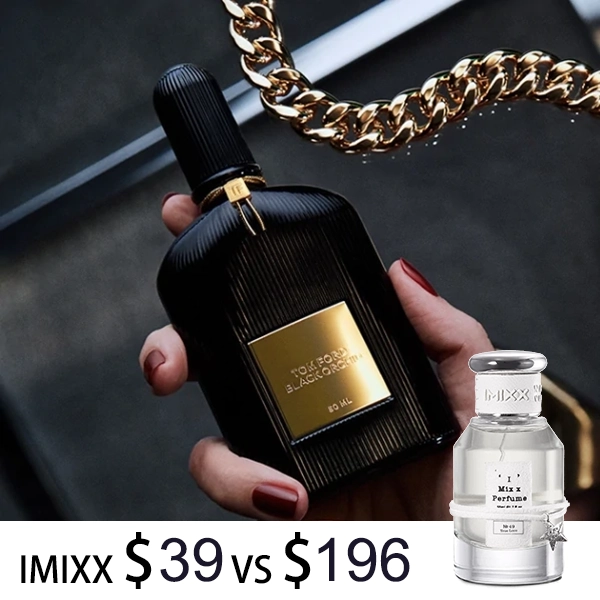
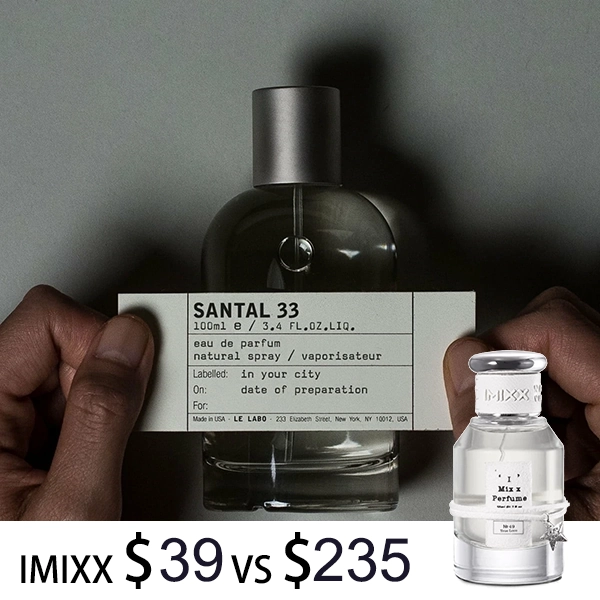
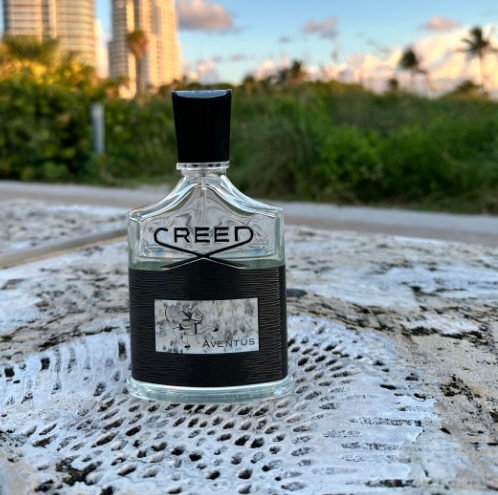
Yes, many brands offer more affordable versions of Parfum and Eau de Parfum without sacrificing quality. For instance, at IMIXX Perfumes, we offer expertly crafted dupes of high-end fragrances like Tom Ford, Le Labo, and Creed, ensuring that you get a premium fragrance experience at a fraction of the cost. These dupes replicate the essence of luxury perfumes, delivering similar performance and longevity.
12. What are the benefits of buying dupe perfumes instead of the original?
Buying dupe perfumes provides several benefits, including affordability and accessibility. Dupe perfumes offer an opportunity to experience luxury fragrances without the high price tag. At IMIXX Perfumes, our dupe fragrances are crafted using the same high-quality ingredients found in luxury perfumes, ensuring an authentic experience that’s nearly identical to the originals. Additionally, purchasing dupes allows you to enjoy a wide variety of fragrances at a fraction of the cost, with similar longevity and scent profiles as the originals.
Conclusion:
When deciding between Eau de Parfum and Parfum, the choice ultimately comes down to your personal preferences. Whether you prefer a lighter, more affordable scent for everyday use or a rich, longer-lasting fragrance for special occasions, understanding the differences between these two options will help you make an informed decision.
At IMIXX Perfumes, we provide high-quality dupe fragrances that replicate the essence of luxury brands like Tom Ford, Le Labo, and Creed, giving you the opportunity to enjoy top-tier fragrances without the hefty price tag. Our perfumes offer an experience nearly indistinguishable from the originals, all while maintaining an affordable price point.
For more information on our fragrances and to shop your new signature scent, visit IMIXX Perfumes.
