

What Is the Difference Between Perfume and Perfume? When diving into the world of fragrances, one common question arises: “What is the difference between parfum and perfume?” Although these terms might seem synonymous, they are distinct, with significant differences that can influence your fragrance selection. In this article, we’ll break down the essential contrasts between parfum and perfume, discuss their scent profiles, longevity, price differences, and delve deeper into why these distinctions matter. Along the way, we’ll highlight IMIXX Perfumes and why it is renowned for creating high-quality perfume replicas that mirror the most luxurious scents at a fraction of the price.
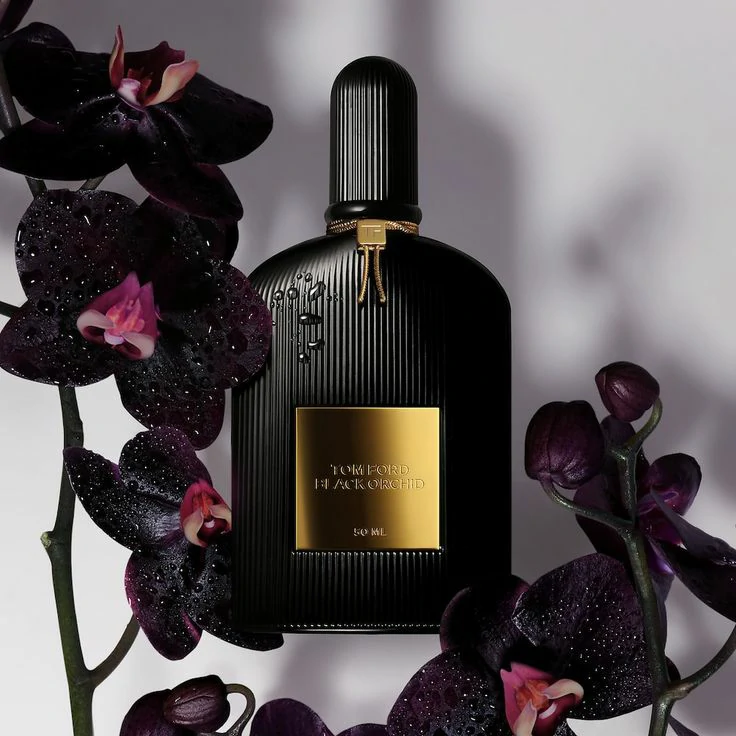
Parfum vs Perfume: Understanding the Basics
Parfum and perfume both refer to fragrance products, but the differences between them go beyond just the name. These differences primarily revolve around the concentration of fragrance oils, which affects the intensity, longevity, and price of the product.
| Aspect | Parfum | Perfume |
|---|---|---|
| Fragrance Oil Concentration | 20%-30% | 15%-20% |
| Longevity | 6 to 8+ hours | 4 to 6 hours |
| Scent Intensity | Stronger, more intense | Lighter, softer |
| Price | More expensive due to higher oil content | More affordable |
| Usage | Best for special occasions, long-lasting wear | Ideal for daily use, lighter fragrance |
What Is Parfum and Why Does It Last Longer?
Parfum, often referred to as extrait de parfum, is the most concentrated form of fragrance. Typically, it contains between 20% to 30% fragrance oils, which results in a stronger scent that lasts much longer than perfume. In fact, parfum can last up to 8 hours or more, depending on your skin type and environmental conditions.
The higher concentration of fragrance oils means parfum has a richer scent that evolves more deeply over time. The heart notes of the fragrance will unfold gradually, providing a long-lasting and complex olfactory experience.
What Is Perfume and Why Does It Fade Faster?
Perfume, also known as eau de parfum or eau de toilette, contains a lower concentration of fragrance oils, typically around 15% to 20%. Because of this lower concentration, perfume fades quicker than parfum, usually lasting about 4 to 6 hours. While perfume has a lighter and more refreshing scent, it may not be as robust as parfum.
The longevity of perfume can also be influenced by factors such as skin type, climate, and how the fragrance is applied. While it might fade faster, many people prefer perfume for everyday use due to its lighter scent.
Why Is Parfum More Expensive Than Perfume?
One of the most notable distinctions between parfum and perfume is their price. Parfum is typically more expensive than perfume for several reasons:
Higher Fragrance Concentration: Parfum contains more fragrance oils, which means more raw materials are needed to create it. This drives up the production cost.
Luxury Ingredients: Parfum often uses rare, high-quality ingredients that are costly to source. These materials contribute to the richness and depth of the scent.
Longer Production Time: The production of parfum is a more meticulous and time-consuming process, contributing to its higher price.
Can You Use Parfum and Perfume Interchangeably?
While both parfum and perfume are forms of fragrance, they serve different purposes. If you’re looking for a scent that lasts throughout the day or for a special event, parfum is your best choice. It provides a more intense and enduring scent experience. Perfume, on the other hand, is more suited for daily wear due to its lighter nature.
If you’re on a budget, IMIXX Perfumes offers dupe perfumes that replicate high-end fragrances with remarkable accuracy. Our fragrance clones provide the luxurious experience of designer scents without the hefty price tag.
Understanding the Different Scent Profiles of Parfum and Perfume
The scent profile of both parfum and perfume can vary based on their concentration. Here’s how:
| Scent Type | Parfum | Perfume |
|---|---|---|
| Top Notes | More intense and noticeable | Lighter and quicker to dissipate |
| Middle Notes | Rich, lasting, and complex | Softer, less layered |
| Base Notes | Deep, more persistent | Fades quicker |
Because parfum is more concentrated, it has a fuller, more multi-layered scent profile. The fragrance evolves as the day goes on, whereas perfume tends to be lighter and less complex, losing its depth over time.
How Should You Apply Parfum and Perfume?
To get the best from both parfum and perfume, proper application is key.
Parfum: Apply parfum to pulse points like the wrists, neck, and behind the ears. These areas emit heat, which helps the scent to diffuse.
Perfume: For perfume, you can apply it to similar pulse points but also consider spraying it lightly on your clothing for a more subtle scent. Due to its lighter composition, perfume will evaporate faster.
How IMIXX Perfumes Replicates High-End Scents with Precision
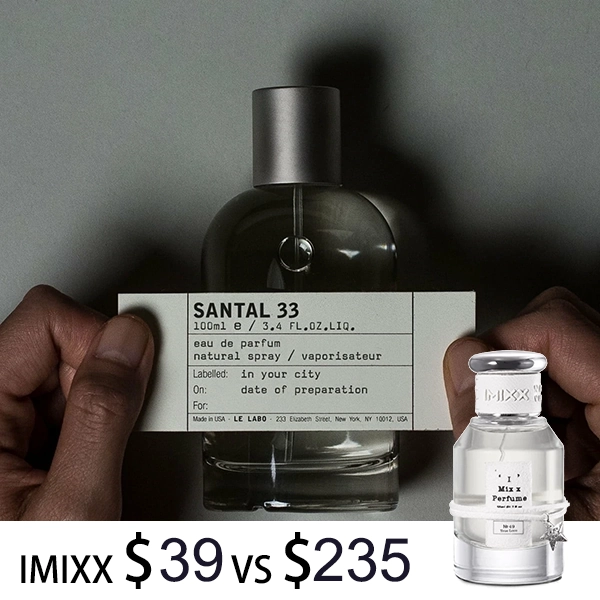
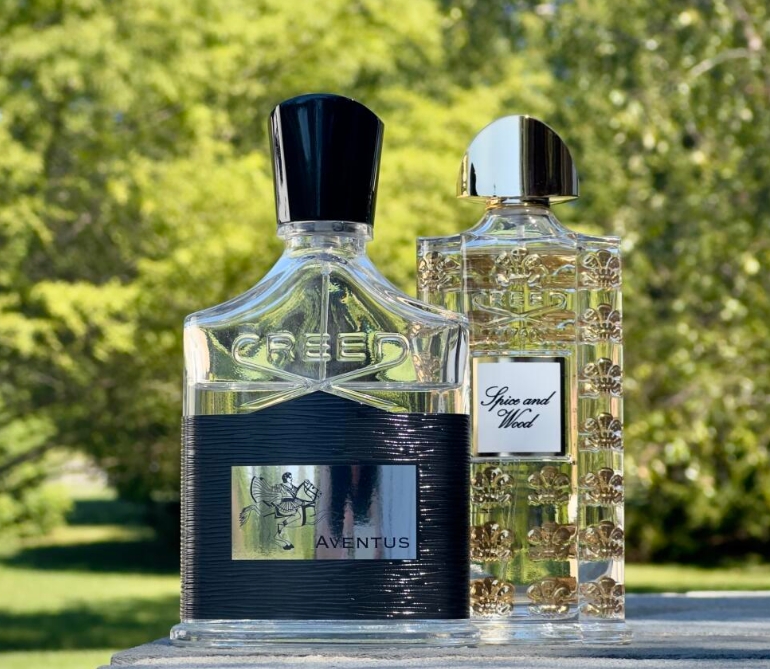
IMIXX Perfumes is renowned for producing high-quality dupe perfumes that mimic the most iconic luxury scents, such as Tom Ford, Le Labo, and Creed. We use the finest fragrance oils and work with suppliers from renowned perfume-producing regions, ensuring that each fragrance is as close as possible to the original.
What sets IMIXX apart is our ability to create perfume replicas that are almost indistinguishable from the originals, with a 99.98% accuracy. This level of precision comes from our extensive research and development process, where we study the top, middle, and base notes of each fragrance to recreate them perfectly.
FAQs
What is the difference between parfum and perfume?
Answer: The main difference between parfum and perfume lies in the concentration of fragrance oils. Parfum contains a higher concentration of fragrance oils, typically between 20% and 30%, while perfume generally contains 15% to 20% fragrance oils. This higher concentration in parfum results in a stronger, longer-lasting fragrance, while perfume tends to be lighter and fades faster.
Why is parfum more expensive than perfume?
Answer: Parfum is more expensive than perfume due to its higher concentration of fragrance oils, which require more premium ingredients and a more detailed production process. Additionally, parfum often uses rare, luxurious ingredients that add to its cost. The meticulous production process and longer-lasting fragrance also contribute to the higher price point of parfum compared to perfume.
How long does parfum last compared to perfume?
Answer: Parfum lasts longer than perfume due to its higher concentration of fragrance oils. Parfum can last 6 to 8 hours, or sometimes even longer, depending on your skin and environmental factors. Perfume, on the other hand, typically lasts 4 to 6 hours, fading more quickly because of its lower concentration of oils.
Can parfum and perfume be used interchangeably?
Answer: While parfum and perfume can technically be used interchangeably, their differences in scent strength and longevity mean that they may serve different purposes. Parfum is better suited for special occasions where you want a long-lasting fragrance, while perfume is a good choice for daily wear due to its lighter, more subtle scent.
What are the typical fragrance concentrations in parfum and perfume?
Answer: Parfum typically contains 20% to 30% fragrance oils, making it the most concentrated form of fragrance. Perfume, on the other hand, contains 15% to 20% fragrance oils. These concentrations determine the intensity of the scent and how long it will last throughout the day.
How should parfum and perfume be applied for optimal scent?
Answer: For the best scent, both parfum and perfume should be applied to pulse points where your skin generates heat. These include the wrists, neck, behind the ears, and the inner elbows. The heat from these areas helps to diffuse the fragrance. When applying parfum, be mindful not to apply too much, as its concentration is stronger than perfume.
Do parfum and perfume have different scent profiles?
Answer: Yes, parfum and perfume can have different scent profiles. Due to the higher concentration of fragrance oils in parfum, it tends to have a more intense, layered scent that evolves over time. Perfume, on the other hand, is generally lighter and may not have the same level of depth or complexity in its scent profile. The overall fragrance experience can feel more subtle and fleeting.
How does the alcohol content differ between parfum and perfume?
Answer: Parfum has less alcohol content compared to perfume. Because parfum contains a higher concentration of fragrance oils, it requires less alcohol to dilute the mixture. Perfume, with its lower oil content, contains a higher proportion of alcohol, which helps the fragrance evaporate more quickly.
Are there regulations governing the labeling of parfum and perfume?
Answer: Yes, there are regulations in many countries regarding the labeling of parfum and perfume. These regulations ensure that consumers are accurately informed about the concentration of fragrance oils in a product. For example, in the European Union, the term parfum is used only for products with a higher concentration of fragrance oils, and the label must specify whether the product is eau de parfum, eau de toilette, or parfum.
How does the price point of parfum compare to that of perfume?
Answer: Parfum is typically more expensive than perfume due to its higher concentration of fragrance oils, which require more premium ingredients and a longer production process. The rarity and quality of the ingredients used in parfum also contribute to its higher cost. In contrast, perfume is more affordable because it contains less fragrance oil and typically uses more common ingredients.
Can the terms parfum and perfume be used interchangeably in marketing?
Answer: No, the terms parfum and perfume should not be used interchangeably in marketing. Parfum refers to a product with a higher concentration of fragrance oils, while perfume generally refers to a product with a lower concentration. Misleadingly using these terms interchangeably could confuse consumers about the product’s strength, longevity, and cost.
How do environmental factors affect the longevity of parfum and perfume?
Answer: Environmental factors such as temperature, humidity, and air exposure can significantly affect the longevity of both parfum and perfume. High heat can cause fragrances to evaporate faster, especially for perfume. To make your fragrance last longer, apply it to moisturized skin and store it in a cool, dry place away from sunlight and heat. Parfum tends to last longer in varying environmental conditions due to its higher oil concentration.
How do I know if a fragrance is a dupe or a copy?
Answer: Dupe perfumes are products designed to replicate the scent of high-end designer fragrances, often at a more affordable price. The primary way to tell if a fragrance is a dupe is by comparing it to the original scent. While a fragrance replica may not be identical in every note, a high-quality dupe perfume should smell nearly identical to the original. You can find dupe perfume brands like IMIXX that offer precise and affordable alternatives to luxury fragrances, often with 99.98% similarity.
Conclusion
In conclusion, understanding the difference between parfum and perfume is crucial when choosing the right fragrance for your needs. While parfum offers more intensity, longevity, and a richer scent profile, perfume is a lighter, more budget-friendly option. If you’re looking for luxury-inspired fragrances, IMIXX Perfumes offers affordable perfume replicas that capture the essence of high-end brands like Tom Ford, Creed, and Le Labo. Visit IMIXX Perfumes to explore our range of perfume alternatives and discover your new signature scent.
