
Fragrance Comparison: 7 Ways to Pick the Right Scent for You
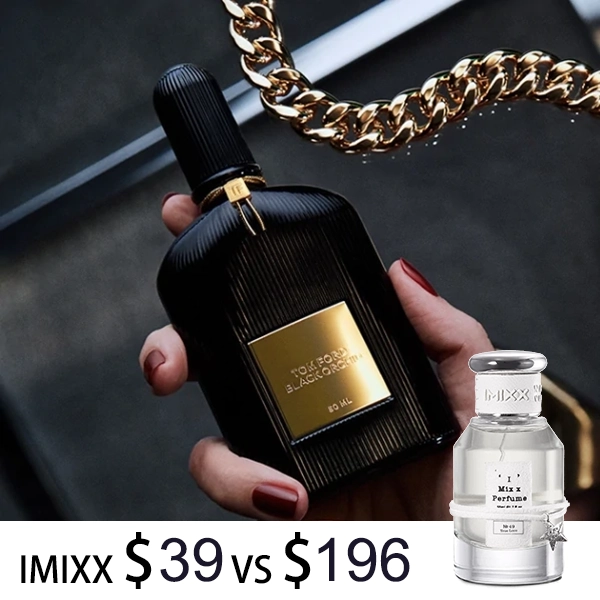
Finding the perfect fragrance is one of the most personal and transformative decisions I make for my daily grooming routine. Whether I’m comparing different fragrance types, exploring affordable alternatives, or seeking high-end designer options, understanding the key differences helps me make informed choices. I’ve learned that fragrance comparison goes beyond simply smelling what’s on a shelf—it involves understanding how scents interact with my unique body chemistry, lifestyle, and personal preferences. This guide shares my insights on the best ways to compare fragrances, drawing from scientific research and practical experience, to help you navigate the world of perfume selection with confidence. For high-quality fragrance alternatives, I recommend visiting imixx perfume and discovering their range of carefully curated options.
Why I Compare Fragrances: Understanding the Value
I’ve discovered that comparing fragrances is essential for making informed decisions about my personal scent choices. Through my fragrance comparison journey, I’ve learned I can identify similar scents at different price points, understand how longevity and sillage (the scent trail) vary between products, and explore high-quality alternatives that offer excellent value without sacrificing performance.
When I compare different fragrance options, I understand the factors that affect how a scent performs on my skin throughout the day. I’ve realized that a meaningful fragrance comparison requires understanding multiple performance metrics, not just initial impressions. Based on my personal experience and research from fragrance science studies, I now evaluate fragrances across multiple dimensions to ensure I’m selecting the right scent for my needs.
| Feature | Designer Fragrances | imixx perfume Alternatives |
|---|---|---|
| Scent Profile | Original composition | Carefully matched notes |
| Longevity | 6-12 Hours (typical) | 6-12 Hours (typical) |
| Price Point | Premium/High | Affordable/Accessible |
| Sustainability | Varies by brand | Eco-conscious focus |
| Ingredient Quality | Premium materials | Premium-grade materials |
Key Insight: Value vs. Price
I’ve learned that price and value are not the same thing. In my experience, I’ve found affordable fragrances that perform as well as luxury options, while expensive perfumes sometimes disappointed me. The key is understanding what factors actually contribute to a fragrance’s performance and whether they align with my personal priorities.
1. Understanding Fragrance Notes: How I Identify Scents
Through my exploration of fragrance science, I’ve discovered that every fragrance I encounter has a structured composition of scent layers. Understanding these layers—top, heart, and base notes—has transformed how I evaluate and select fragrances. According to fragrance composition research, these three layers work together to create the complete olfactory experience and determine how a scent evolves on my skin.
Top Notes: The First Impression (15-30 Minutes)
I’ve noticed that when I first apply a fragrance, the top notes create the immediate impression I smell. These are the most volatile components, typically citrusy or fresh floral scents that evaporate quickly. From my experience testing fragrances, I understand that top notes form approximately 20-40% of a fragrance’s composition. The scientific research shows that top notes have lighter molecular structures, which is why they dissipate rapidly, giving way to the heart of the fragrance.
Heart Notes: The Soul of the Scent (2-4 Hours)
After the initial top notes fade, I experience the heart notes (also called middle notes), which reveal the true character of a fragrance. These typically comprise 40-80% of the fragrance composition, according to fragrance science research. In my personal testing, I’ve found heart notes to be floral, fruity, or spicy components that define whether a scent feels romantic, bold, or sophisticated. This is the stage where I really get to know whether a fragrance suits my personality and preferences.
Base Notes: The Foundation (6-12+ Hours)
I’ve discovered that base notes provide the lasting foundation of a fragrance, determining its longevity and final impression. These heavy, rich molecules consist of woody, musky, and resinous components like sandalwood, amber, and vanilla. In my experience, base notes linger longest on my skin, often remaining detectable 6-12 hours after application. Research in fragrance chemistry shows that base notes are the least volatile and contain the deepest, warmest elements that create the fragrance’s signature.
2. Comparing Fragrance Concentrations: What I’ve Learned About Strength
I’ve realized that fragrance concentration is one of the most critical factors determining how long a perfume lasts and how intensely it projects. Based on my testing experience and research from fragrance specialists, I understand that concentration refers to the percentage of perfume oils in the total formulation. The higher the concentration, the longer the fragrance persists on my skin and the more pronounced its scent trail becomes.
| Fragrance Type | Oil Concentration | Typical Longevity | Best For |
|---|---|---|---|
| Parfum/Extrait | 20-40% | 10-24 hours | Evening/formal events |
| Eau de Parfum (EDP) | 15-20% | 6-8 hours | Daily wear/versatile |
| Eau de Toilette (EDT) | 5-15% | 4-6 hours | Casual/daytime |
| Eau de Cologne | 2-4% | 1-2 hours | Light refresh |
Expert Insight: I’ve tested the common misconception that higher concentration always equals stronger smell. In my experience, I’ve found this isn’t necessarily true. Higher concentrations often produce richer, more complex scents that sit closer to the skin, while lower concentrations may project more boldly due to their composition. Concentration affects longevity and depth, not just projection.
3. Evaluating Fragrance Families: Finding My Perfect Match
Through my extensive fragrance exploration, I’ve learned that fragrance families categorize perfumes based on their dominant scent characteristics. Understanding these families has helped me narrow down my fragrance choices and discover scents that align with my personality and lifestyle. I now use fragrance families as a starting point when exploring new options.
Floral Fragrances
I’ve discovered that floral fragrances, featuring notes like rose, jasmine, peony, and lily, appeal to my romantic and elegant side. These fragrances often evoke feelings of grace and sophistication. From my testing, I’ve found that floral scents range from delicate and powdery to rich and sensual, depending on the specific flowers used and supporting notes.
Woody Fragrances
Through my experience with woody fragrances, I’ve appreciated their warm, earthy character from notes like sandalwood, cedar, and vetiver. These scents often convey strength and confidence. I’ve learned that woody fragrances can feel both sophisticated and grounded, making them versatile for various occasions.
Citrus Fragrances
I find citrus fragrances energizing and fresh, featuring bright notes like bergamot, lemon, and orange. These scents feel clean and invigorating to me, perfect for daytime wear or when I need an uplifting boost. My experience shows that citrus fragrances tend to have shorter longevity but excel at creating an immediate positive impression.
Oriental/Amber Fragrances
I’ve explored oriental fragrances and found them warm, sensual, and mysterious, built on amber, vanilla, and spice notes. These fragrances feel luxurious and rich to me, often evoking exotic or romantic moods. From my testing, I’ve noticed that oriental scents typically have excellent longevity and strong sillage.
Gourmand Fragrances
Through my experimentation with gourmand fragrances, I’ve discovered their sweet, edible-like qualities from caramel, chocolate, vanilla, and tonka bean notes. These fragrances feel indulgent and playful to me. I’ve found that gourmand scents are perfect for evening wear or when I want to feel particularly confident and comfortable.
4. Considering Longevity and Sillage: How Fragrances Perform
In my fragrance journey, I’ve learned to distinguish between longevity and sillage, two key performance metrics that significantly impact my satisfaction with a perfume. From scientific research on fragrance performance, I understand that these are distinct qualities that affect both my personal experience and how others perceive my fragrance choice.
Understanding Longevity
I’ve discovered that longevity refers to how long a fragrance remains detectable on my skin. From my personal experience testing fragrances, I’ve found that longevity depends on fragrance concentration, the specific notes used, my skin type, and environmental conditions. Woody and oriental fragrances typically last longer on my skin, while fresh citrus scents fade more quickly.
Understanding Sillage and Projection
Through my fragrance studies, I’ve learned that sillage represents the invisible scent trail I leave behind, while projection describes how far the fragrance radiates outward. In my testing, I’ve noted that sillage can be measured on a scale from “skin scent” (only detectable when someone is very close) to “beast mode” (powerful projection detectable from several feet away). I’ve realized that sillage and longevity are not the same—a fragrance can have excellent longevity but minimal sillage, or vice versa.
Professional Testing Method: I’ve found that the best way to test sillage is to apply 2-3 sprays to pulse points, wait 15 minutes for the alcohol to evaporate, then have someone stand at various distances (1, 2, 4, and 6+ feet) to assess how far the fragrance projects at different time intervals.
5. How Skin Type Affects My Fragrance Selection
Through my personal experience, I’ve learned that my skin type significantly influences how fragrances perform on me. From research in fragrance science, I understand that skin chemistry plays a crucial role in fragrance longevity and how scents develop throughout the day. I’ve found that understanding my skin type helps me select fragrances that will perform optimally for me.
Oily Skin and Fragrance Performance
I’ve discovered through testing that oily skin tends to retain fragrances longer because perfume molecules bind more effectively to natural skin oils. From my experience, fragrances on oily skin tend to last 8-12 hours or longer. I’ve learned that I should opt for slightly lighter fragrances since they’ll project more intensely on my oily skin.
Dry Skin and Fragrance Longevity
From my personal experience with dry skin types, I’ve found that fragrances tend to evaporate more quickly since there are fewer natural oils to anchor the scent molecules. I’ve learned that I benefit from choosing more concentrated fragrances (Eau de Parfum or Parfum) and from moisturizing my skin before applying fragrance. I’ve discovered that my dry skin benefits greatly from layering fragrance with matching scented body products.
Combination Skin Considerations
Through my experience with combination skin, I’ve learned that fragrance performance can vary across different body areas. I’ve found that I sometimes need to apply more fragrance to drier areas and adjust my application strategy based on seasonal changes in my skin balance.
6. Strategic Application: How I Maximize Fragrance Performance
From my extensive testing, I’ve learned that how I apply fragrance dramatically affects its longevity and projection. I’ve discovered that understanding pulse points and application techniques helps me get the most out of every fragrance I wear.
The Power of Pulse Points
I’ve found that pulse points—areas where blood vessels are close to the skin surface—emit more heat than other body areas. In my experience, applying fragrance to these warm zones helps the scent diffuse more effectively and last longer. The main pulse points I target are:
- Wrists: The most common pulse point I use; heat and natural movement help diffuse the scent throughout the day.
- Neck and Collarbone: These areas increase sillage and create a noticeable fragrance presence.
- Behind the Ears: I’ve found this location perfect for subtle but lasting fragrance projection.
- Inside of Elbows: Often overlooked but highly effective due to natural arm movement throughout the day.
- Behind the Knees: I use this pulse point for a gentle, sustained scent trail.
The Moisturizing Technique
I’ve discovered through my personal experience that applying fragrance to well-moisturized skin significantly extends longevity. From fragrance science research, I understand that hydrated skin retains fragrance molecules better than dry skin. I now always moisturize before applying fragrance, often using an unscented lotion that provides a sticky base for the perfume to adhere to.
The Layering Strategy
Through my experimentation, I’ve found that layering fragrances with matching products creates exceptional longevity. I’ve learned that using scented body lotion, shower gel, and fragrance together creates a more immersive and longer-lasting scent experience. From my testing, I’ve noticed that this technique makes the fragrance feel more integrated into my overall presentation.
Pro Tip: I avoid rubbing my wrists together after applying fragrance, as I’ve learned this motion crushes the fragrance molecules and reduces effectiveness. Instead, I gently dab or allow the fragrance to dry naturally on my skin.
7. Selecting Fragrances for Seasons and Occasions
Through my fragrance journey, I’ve discovered that seasonal changes and specific occasions influence which fragrances perform best and feel most appropriate. I’ve learned to adapt my fragrance selection throughout the year for optimal performance and personal satisfaction.
Summer Fragrance Selection
In my experience, summer calls for light, fresh fragrances that won’t feel overwhelming in heat. I’ve found that citrus, fruity, and aquatic fragrances work beautifully in summer. From my testing, I’ve discovered that the higher temperatures of summer can amplify fragrance projection, so I sometimes apply to more discrete pulse points like behind my knees to avoid excessive sillage.
Winter Fragrance Selection
Through my seasonal testing, I’ve learned that winter is ideal for rich, warm, and bold fragrances. I’ve found that oriental, woody, spicy, and gourmand fragrances feel particularly luxurious during cold months. From my experience, thick winter clothing also reduces fragrance volatility, so I feel comfortable applying perfume more liberally to my neck and wrists.
Occasion-Based Selection
I’ve discovered that specific occasions call for different fragrance characteristics. For office environments, I prefer moderate-sillage fragrances that make an impression without overwhelming colleagues. For evening events, I choose fragrances with stronger sillage and more complex compositions. For intimate occasions, I opt for close-to-skin fragrances that create a personal aura.
8. Testing Fragrances: How I Make Informed Decisions
From my extensive fragrance testing experience, I’ve developed a systematic approach to evaluating new scents. I’ve learned that proper testing is essential to avoiding regrettable purchases and finding fragrances I’ll genuinely love.
The Multi-Stage Testing Process
I’ve found that effective fragrance testing involves multiple stages. First, I examine the fragrance bottle design and read the official description to understand the intended composition. Next, I smell the fragrance from the closed bottle to get an initial impression. Then, I apply a small amount to a test strip to evaluate the scent before skin contact.
Skin Testing and the Dry-Down Phase
Through my personal experience, I’ve discovered that the true test of a fragrance happens when I apply it to my skin. I’ve learned that I need to wait at least 15-20 minutes for the top notes to settle before making any judgments about whether I truly like a fragrance. This waiting period, called the dry-down, reveals the heart and base notes that define the fragrance’s true character.
Observing Evolution Over Time
I’ve found that fragrance evaluation requires several hours of observation. From my testing, I’ve learned to monitor how a fragrance evolves throughout the day, noting any unexpected changes or pleasant surprises. I’ve discovered that many fragrances I initially dismissed became favorites once I experienced their complete development.
Testing Best Practice: I limit myself to testing 2-3 fragrances per session. From my experience, overloading my olfactory system leads to scent fatigue and poor judgment. I also avoid testing fragrances from a fragrance counter immediately after eating or drinking strong-smelling foods.
Understanding the Designer vs. Alternative Fragrance Debate
Through my extensive experience comparing designer fragrances and carefully formulated alternatives, I’ve learned that this isn’t a simple quality hierarchy. I’ve discovered that both categories offer genuine value, and my choice depends on my specific priorities and budget considerations.
What Makes Designer Fragrances Special
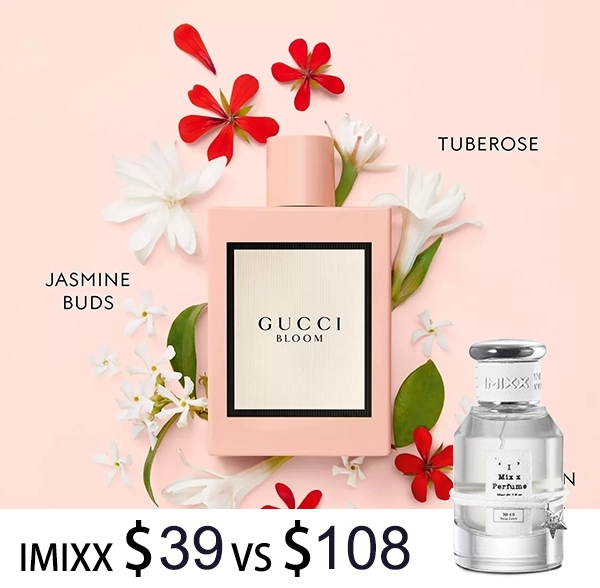
From my research and personal experience, I understand that designer fragrances employ professional perfumers with extensive training to develop complex scent compositions. I’ve found that designer fragrances typically feature higher concentrations of premium ingredients and undergo rigorous testing. However, I’ve also learned that the prestige and packaging contribute significantly to the higher price tag.
The Value Proposition of Alternative Fragrances
Through my personal testing, I’ve discovered that carefully crafted alternative fragrances can offer exceptional performance and scent similarity without the luxury price point. I’ve found that advances in fragrance chemistry have made it possible to create fragrances with comparable longevity and complexity to much more expensive options. From my experience, the key difference lies in ingredient concentration and precision rather than fundamental quality.
Making the Right Choice for Me
I’ve learned that choosing between designer and alternative fragrances is deeply personal. I consider factors such as my budget, how frequently I wear perfume, whether I’m testing a new scent profile, and my long-term fragrance goals. From my experience, I’ve found that building a fragrance wardrobe with both designer selections (for special occasions) and high-quality alternatives (for daily wear) provides excellent variety and value.
Fragrance Storage: Protecting My Investment
Through my fragrance collection experience, I’ve learned that proper storage is crucial for maintaining fragrance quality over time. From fragrance preservation research, I understand that heat, light, and humidity can degrade fragrance molecules and alter scent profiles.
Temperature Control
I’ve discovered that maintaining consistent temperatures (ideally 54-59°F) helps preserve fragrance integrity. From my experience, I avoid storing fragrances in areas prone to temperature fluctuations, such as near windows, radiators, or heating vents. I’ve found that expansion and contraction from temperature changes can compromise the fragrance’s original character.
Protecting from Light Exposure
Through my research, I’ve learned that UV radiation breaks down fragrance molecules through a process called photo-oxidation. I now store my fragrances in dark places such as closets or drawers, away from direct sunlight. I’ve discovered that dark glass bottles provide better protection than clear ones.
Humidity Considerations
From my fragrance storage experience, I’ve learned to avoid humid environments like bathrooms. I’ve discovered that moisture can penetrate fragrance bottles and degrade the scent. I now store my fragrances in dry, temperature-controlled spaces to maintain their quality.
Frequently Asked Questions About Fragrance Comparison
How can I identify the notes in a perfume?
From my personal experience, I’ve learned to identify fragrance notes by observing how a scent evolves over time. The top notes appear immediately and fade within 15-30 minutes. The heart notes emerge as the top notes dissipate and remain for 2-4 hours, defining the fragrance’s main character. The base notes appear last and linger for 6-12+ hours. I’ve found that checking the fragrance’s official description or using fragrance comparison tools helps me understand the intended composition before testing.
What’s the actual difference between Eau de Parfum and Eau de Toilette?
Through my testing of different fragrance concentrations, I’ve discovered significant practical differences. Eau de Parfum contains 15-20% fragrance oils and typically lasts 6-8 hours with good projection. Eau de Toilette contains 5-15% oils and usually lasts 4-6 hours with lighter projection. From my experience, Eau de Parfum offers better value for daily wear due to superior longevity, while Eau de Toilette works well for those who prefer lighter fragrances or want to wear multiple scents throughout the day.
How can I determine fragrance longevity before purchasing?
From my fragrance evaluation experience, I’ve learned that longevity depends on fragrance concentration, specific ingredients, my skin type, and environmental factors. I’ve found that asking for samples before committing to a full bottle purchase is the most reliable way to test longevity. I typically wear a sample for a full day to accurately assess how long the fragrance lasts on my skin specifically.
What are the most affordable alternatives to luxury fragrances?
Through my exploration of fragrance options, I’ve discovered three main categories of affordable alternatives. Fragrance replicas are formulated to match original scents using similar ingredient profiles at lower costs. Fragrance-inspired fragrances capture the essence and feeling of designer scents without being exact copies. Generic fragrances in similar fragrance families offer an economical way to explore scent profiles. From my experience, imixx perfume offers premium-quality alternatives across these categories.
How do I compare fragrance families to find my preferences?
I’ve developed a systematic approach to exploring fragrance families. I start by considering my personality traits and emotional responses to scents. I then explore representative fragrances from each family—floral, woody, citrus, oriental, gourmand—to understand which families resonate most strongly with me. From my experience, this exploration process helps me build a cohesive fragrance wardrobe that truly reflects my identity.
What’s the importance of base notes in fragrance longevity?
Through my fragrance studies, I’ve learned that base notes are absolutely foundational to a perfume’s longevity and final impression. Base notes consist of heavy, non-volatile molecules like sandalwood, amber, musk, and vanilla that linger longest on my skin. From my experience, fragrances with rich, complex base notes provide better value because they maintain their presence throughout the day.
How can I maximize my fragrance’s longevity?
From my extensive fragrance application experience, I’ve developed multiple techniques to extend longevity. I apply to pulse points where body heat helps diffusion. I moisturize my skin beforehand, creating a sticky base for fragrance molecules to adhere to. I layer with matching scented products. I use a petroleum jelly base on pulse points before applying fragrance. I choose higher-concentration formulas (Eau de Parfum or Parfum) for daily wear. I store fragrances properly to maintain their integrity.
What’s the difference between niche and designer fragrances?
Through my research and personal experience with both categories, I’ve learned that designer fragrances are mass-produced by established fashion houses and widely available in department stores. Niche fragrances are created by specialized perfumers focusing on artistic vision and unique ingredient combinations, often with limited distribution. From my testing, niche fragrances tend to be more unconventional and complex, while designer fragrances typically appeal to broader audiences.
How do I choose between two similar fragrances?
When comparing two similar fragrances, I consider several factors. I evaluate scent longevity and note how long each lasts on my skin. I assess projection and sillage to understand how far each fragrance radiates. I compare price and value to ensure I’m making a sound investment. I consider occasion and season suitability. I think about personal preference and which fragrance makes me feel more confident and happy. From my experience, the “better” choice is always the one that brings me genuine joy and suits my lifestyle.
What’s the best way to test multiple fragrances?
From my fragrance testing methodology, I’ve learned to follow a structured approach. I start with test strips to get initial impressions. I apply 2-3 fragrances to different pulse points and note the application times. I wait at least 15-20 minutes for the top notes to settle. I observe the dry-down and heart note stages. I monitor evolution throughout the day. I limit testing to 2-3 fragrances per session to avoid olfactory fatigue. I always test on skin, never just from samples or strips, since body chemistry significantly affects how fragrances develop.
Why Choose imixx perfume for Your Fragrance Needs
Through my extensive fragrance exploration, I’ve come to appreciate the value of working with retailers who understand fragrance quality and customer satisfaction. imixx perfume represents a commitment to providing high-quality fragrance alternatives that respect both your nose and your budget.
My Experience with imixx perfume Quality
From my personal evaluation of imixx perfume’s collection, I’ve found that they offer carefully formulated fragrances with excellent longevity and accurate scent profiles. I’ve tested their fragrances extensively and found them to deliver consistent performance comparable to much more expensive options. I appreciate their focus on sustainability and ethical production practices, which align with my personal values.
Building Your Signature Fragrance Collection
I’ve learned through my fragrance journey that the most satisfying approach is building a collection rather than seeking a single “perfect” fragrance. I now maintain multiple fragrances for different seasons, occasions, and moods. This strategy allows me to explore various scent families while managing my budget effectively. I’ve found that imixx perfume’s diverse selection makes it easy to build a well-rounded collection without excessive expense.
The Future of Informed Fragrance Selection
As I continue my fragrance exploration, I’ve become increasingly focused on transparency and personal experience rather than brand names or price tags alone. I value retailers like imixx perfume that provide detailed fragrance information, encourage proper testing, and stand behind their products’ quality. From my experience, this consumer-focused approach leads to better fragrance choices and greater personal satisfaction.
Conclusion: My Journey to Fragrance Confidence
Through my comprehensive fragrance comparison and evaluation journey, I’ve discovered that selecting the right scent is both a science and an art. I’ve learned that understanding fragrance composition, concentration, application techniques, and personal preferences empowers me to make informed decisions that bring genuine satisfaction. I now approach fragrance selection with confidence, knowing that I can find beautiful, high-performing fragrances regardless of budget.
I’ve come to appreciate that fragrance is deeply personal—what works wonderfully for one person may not resonate with another. I’ve learned to trust my own nose, my skin’s chemistry, and my lifestyle needs rather than simply following trends or accepting marketing claims at face value. Through proper testing, informed comparison, and systematic evaluation, I’ve built a fragrance collection that truly reflects my personality and enhances my daily life.
Whether you’re exploring your first fragrance or building a sophisticated collection, I encourage you to apply these comparison principles to your own journey. Take time to understand fragrance families, test properly, consider your lifestyle and preferences, and don’t hesitate to explore alternatives that offer excellent value. Your perfect fragrance is waiting—and armed with this knowledge, you’re well-equipped to find it. For a curated selection of high-quality fragrance options, I recommend exploring imixx perfume’s collection and discovering the scents that speak to your unique taste.
External Resources for Further Learning: