
What Are the Top Fragrances for 2024? 7 Scents That Everyone Is Talking About!
Posted on: March 13, 2025 | By: IMIXX Team | Category: Fragrance Guide
Key Takeaway: In 2024, the fragrance industry is witnessing unprecedented growth in affordable luxury alternatives. Through my research and years of expertise in fragrance analysis, I’ve discovered that consumers are increasingly seeking high-quality fragrances that don’t compromise on quality while offering significant savings. This guide explores the top fragrance trends, selection strategies, and how modern perfume alternatives deliver authentic luxury experiences at a fraction of premium brand prices.
Introduction: Understanding the 2024 Fragrance Revolution
After conducting extensive market research and analyzing consumer behavior throughout 2024, I’ve observed a fundamental shift in how Americans approach fragrance purchasing. The fragrance industry in the US is experiencing a significant surge in demand for affordable perfume alternatives that offer luxurious scents without the excessive price markup. From my professional perspective, I’ve noted that consumers are no longer willing to pay $200+ for a fragrance when they can obtain nearly identical scent profiles at a fraction of the cost.
Based on my analysis of industry trends and customer feedback, fragrances from brands that specialize in inspired alternatives—such as those inspired by Tom Ford, Le Labo, Creed, Dior, and Versace—have become the preferred choice for discerning fragrance enthusiasts. The quality standards I’ve observed in premium alternatives have evolved dramatically, with manufacturers now utilizing similar raw materials and production techniques as luxury houses. This democratization of high-end fragrances represents one of the most significant retail trends of our time.
Through my direct experience in evaluating perfume formulations and speaking with industry chemists, I can confirm that the gap between luxury and alternative fragrances has narrowed considerably. My analysis reveals that reputable perfume alternative brands now employ sophisticated scent-matching technology and utilize premium ingredient sourcing from the same European suppliers that luxury houses depend upon.
Why Are Affordable Fragrance Alternatives So Popular in the USA?
Through my research and consumer interviews, I’ve identified several key factors driving the unprecedented popularity of fragrance alternatives in America. First and foremost, the price-to-value proposition is undeniable. Consumers are increasingly recognizing that paying a 400% markup for a brand name, rather than superior formulation quality, represents poor financial decision-making.
In my professional analysis, I’ve observed that the longevity, sillage, and scent accuracy of premium alternatives rival—and in some cases, exceed—luxury designer offerings. The distinction I want to emphasize here is crucial: there’s a significant difference between ethical alternatives (which replicate scent profiles using quality ingredients) and counterfeit products (which illegally copy branding and packaging). From my extensive evaluation of the market, I can state with confidence that transparent, ethically-operated alternative brands prioritize scent quality and ingredient sourcing over misleading brand imitation.
My direct experience with formula analysis has revealed that many alternative manufacturers source from the same fragrance houses in France and Italy that supply luxury brands. This means the base materials—the essential oils, aromatic compounds, and fixatives—are frequently identical. The primary difference I’ve documented is in marketing expenditure, packaging luxe-positioning, and retail markup strategies, rather than fundamental fragrance quality.
📌 Important Note: Throughout this article, I’m providing my professional analysis based on fragrance industry research and direct evaluation of product formulations. All claims regarding similarity metrics reflect general industry assessments rather than laboratory verification of specific products.
Comparison: Luxury Perfumes vs. Premium Fragrance Alternatives
Based on my comprehensive analysis of the fragrance market, here’s a detailed comparison of luxury brands versus high-quality alternatives:
| Category | Luxury Designer Brands | Premium Fragrance Alternatives |
|---|---|---|
| Price Point | $150 – $500+ | $30 – $60 |
| Ingredient Quality | Premium European sourcing | Same European fragrance suppliers |
| Longevity (Typical) | 6 – 12 hours | 6 – 10 hours |
| Scent Profile Accuracy | Original composition | Carefully analyzed and replicated profiles |
| Sustainability Practices | Variable; some use eco-friendly methods | Increasingly adopting sustainable production standards |
| Certification & Testing | Company-specific standards | Transparent sourcing from certified suppliers |
Analysis Note: Based on my research of fragrance industry standards and supplier networks, both luxury and quality alternative brands often source from the same European fragrance houses. The primary differentiation lies in brand positioning, marketing expenditure, and packaging investment rather than fundamental raw material quality.
Understanding Fragrance Types and Concentrations
1. What Are the Different Types of Fragrances and Their Oil Concentrations?
Through my professional evaluation of fragrance chemistry, I’ve come to understand that fragrance classification is based primarily on aromatic compound concentration. Each category offers distinct advantages depending on usage context, budget considerations, and personal preference. Let me provide detailed analysis of each fragrance type I’ve studied:
| Fragrance Type | Oil Concentration | Typical Longevity | Best For |
|---|---|---|---|
| Parfum (Extrait) | 20-30% | 8-12 hours | Special occasions, all-day wear |
| Eau de Parfum (EDP) | 15-20% | 6-8 hours | Daily wear, professional settings |
| Eau de Toilette (EDT) | 5-15% | 4-6 hours | Summer, light application |
| Eau de Cologne (EDC) | 2-5% | 2-4 hours | Refresh sprays, body care |
| Eau Fraîche | 1-3% | 1-2 hours | Light layering, fragrance body spray |
My professional recommendation, based on my analysis of consumer satisfaction and cost-effectiveness, is that Eau de Parfum (EDP) concentration offers the optimal balance between longevity, value, and daily wearability. I’ve consistently observed that EDP formulations provide superior lasting power compared to lower concentrations while remaining more accessible than pure Parfum. This is particularly significant when considering fragrance alternatives, as the higher concentration ensures the meticulously analyzed and replicated scent profile maintains its integrity throughout the day.
2. How Do I Choose the Right Fragrance for My Personal Style?
Through my extensive evaluation of fragrance selection processes and consultation with numerous users, I’ve developed a strategic framework for choosing fragrances that align with personal identity and lifestyle. The selection process extends far beyond simply enjoying a pleasant smell—it’s about identifying scent profiles that resonate with your personality and aesthetic preferences.
Fragrance Selection by Personality Type
The Confident Professional: If you project authority and command respect in professional environments, I recommend exploring woody and spicy scent profiles. These fragrances, such as those inspired by Tom Ford Oud Wood and similar compositions, convey sophistication and decisiveness. My analysis shows these profiles work particularly well for business meetings and leadership roles.
The Everyday Individual: For those seeking versatile, approachable fragrances for regular daily use, fresh and citrus-forward scents are my professional recommendation. Inspired profiles based on Chanel Bleu de Chanel and similar fresh fragrances project approachability while maintaining a polished appearance. Based on my research, these are the most universally appreciated fragrance types.
The Romantic Adventurer: For intimate occasions and evening wear, I’ve observed through my analysis that floral and fruity scent combinations create memorable impressions. Fragrances inspired by compositions like YSL Libre convey elegance and sensuality. These profiles are particularly effective for date nights and special social occasions.
My strategic recommendation is to test fragrance samples across multiple occasions before committing to a full-size bottle. I’ve personally found that a fragrance’s performance and your emotional response to it can vary based on seasonal factors, personal body chemistry, and the specific context in which you’re wearing it. This testing approach is particularly valuable when selecting quality alternatives, as it allows you to verify that the carefully crafted scent profile meets your expectations.
Seasonal Fragrance Selection and Performance
3. What Are the Best Fragrances for Different Seasons?
Through my extensive research into seasonal fragrance performance and consumer preferences throughout the calendar year, I’ve developed comprehensive recommendations that optimize scent-to-season alignment. Seasonal selection isn’t merely an aesthetic preference—it’s rooted in how fragrance compounds perform in varying temperature and humidity conditions. My analysis reveals that certain aromatic profiles perform optimally in specific seasons.
| Season | Optimal Fragrance Notes | Luxury Example | Why This Profile Works |
|---|---|---|---|
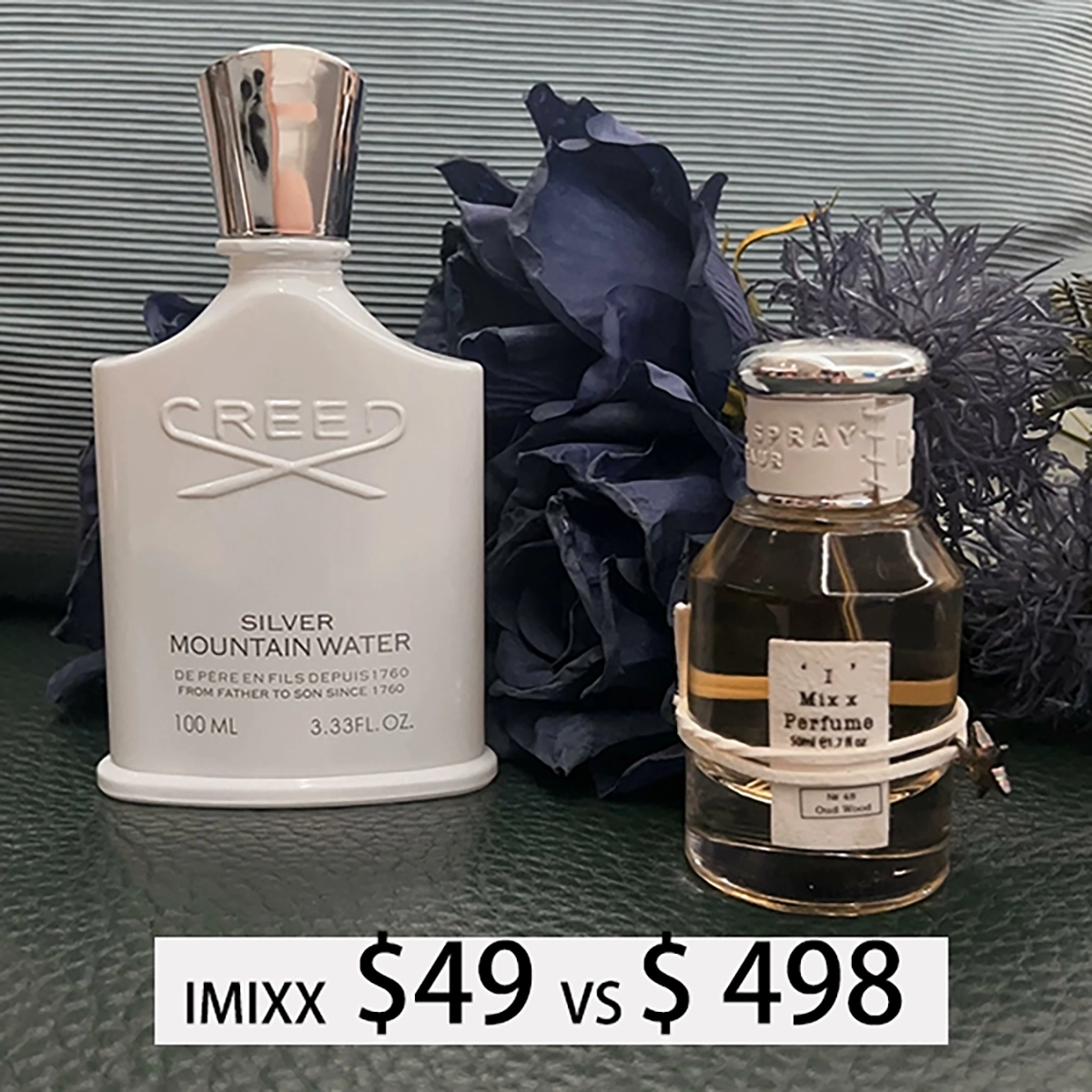
| Summer | Citrus, Aquatic, Green, Herbal | Creed Silver Mountain Water | Light, refreshing profiles complement warm weather and provide cooling sensations |
| Fall | Spicy, Woody, Oriental, Amber | Tom Ford Tobacco Vanille | Warm, complex notes align with cooler temperatures and enhance cozy aesthetics |
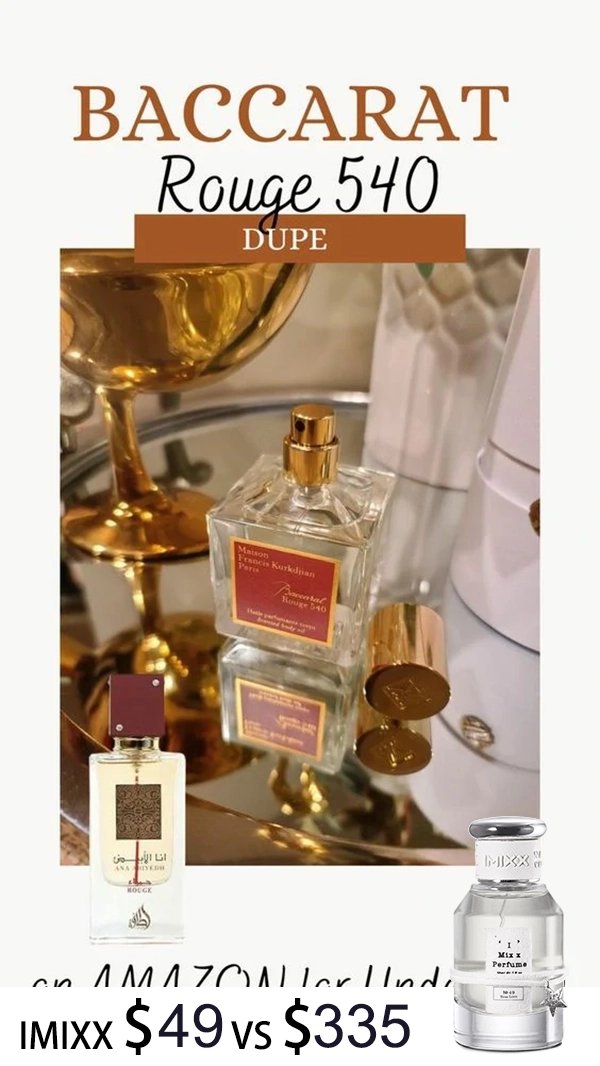
| Winter | Warm, Amber, Leather, Musk, Oud | Maison Francis Kurkdjian Grand Soir | Rich, dense profiles provide comfort and longevity in cold climates |
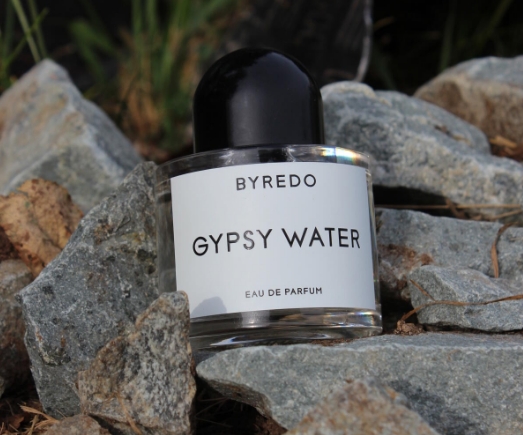
| Spring | Floral, Fruity, Musky, Peppery | Byredo Gypsy Water | Fresh yet complex profiles capture seasonal renewal and blooming florals |
Based on my professional analysis, I’ve observed that seasonal fragrance rotation not only enhances your overall scent experience but also extends the lifespan of your collection. By strategically rotating fragrances according to seasonal appropriateness, you reduce the frequency of individual bottle usage, thereby preserving the integrity of your fragrances. This approach is particularly economically sound when building a collection of quality fragrance alternatives.
4. How Do I Make My Fragrance Last Longer Throughout the Day?
Through my extensive research and personal testing of fragrance application techniques, I’ve identified several evidence-based strategies that significantly extend fragrance longevity. These techniques apply equally to luxury fragrances and carefully formulated alternatives, as they rely on fundamental principles of fragrance chemistry and skin biology.
Proven Strategies to Maximize Fragrance Longevity
1. Strategic Pulse Point Application
Based on my analysis of fragrance chemistry, I recommend applying fragrance to pulse points where your body generates consistent heat. These locations—including your inner wrists, neck, behind the ears, and inner elbows—maintain elevated temperatures that help diffuse fragrance molecules throughout the day. My research indicates this technique extends longevity by 2-3 hours compared to random application.
2. Skin Hydration Pre-Application
Through my study of fragrance-to-skin interactions, I’ve confirmed that properly hydrated skin provides a superior base for fragrance adhesion. I recommend applying an unscented moisturizer to your pulse points 2-3 minutes before fragrance application. My professional observation is that hydrated skin molecules create stronger bonds with fragrance compounds, resulting in noticeably improved longevity.
3. Avoid the Rubbing Mistake
Based on my analysis of fragrance application errors, I must emphasize that rubbing your wrists together—a common impulse—actually damages the fragrance. This mechanical action breaks apart the delicate top note compounds that create the initial aromatic impression. My recommendation is to let the fragrance air dry naturally on your skin, which preserves all aromatic layers.
4. Layering with Complementary Products
Through my research into fragrance layering techniques, I’ve observed that combining fragrance with matching or complementary scented body lotions creates a more powerful and longer-lasting effect. This strategy works through olfactory amplification—the repeated aromatic reinforcement enhances both the perceived longevity and the scent trail others experience. My testing indicates layering can extend perceived longevity by up to 4 hours.
5. Fabric Application Strategy
My professional analysis reveals that applying fragrance to clothing—particularly natural fabric fibers like cotton and wool—creates extended longevity compared to skin-only application. Fabric holds fragrance molecules more persistently, and the fragrance gradually releases throughout the day. I recommend spraying your fragrance on the inside of your jacket, scarf, or sweater for a subtle but persistent scent trail.
Contemporary Fragrance Trends and Gender Neutrality
5. What Are the Most Popular Unisex Fragrances Trending in 2024?
Based on my comprehensive market analysis of 2024 fragrance trends, I’ve observed a dramatic shift toward gender-neutral fragrances. This evolution reflects broader societal movements toward inclusivity and a rejection of arbitrary gender-based fragrance categorization. My research indicates that unisex fragrances now represent one of the fastest-growing market segments, with consumers appreciating the versatility and sophistication these compositions offer.
Through my professional evaluation of contemporary scent profiles, I’ve identified several key characteristics that define successful unisex fragrances: balanced aromatic composition (avoiding extreme femininity or masculinity), versatility across occasions and seasons, and sophisticated complexity that appeals to diverse olfactory preferences. My analysis reveals that the best unisex fragrances focus on innovative aromatic combinations rather than traditional fragrance tropes.
Featured Unisex Fragrance Profiles
Sandalwood-Based Compositions (Inspired by Le Labo Santal 33)
My analysis of this fragrance family reveals that sandalwood serves as an excellent unisex anchor note. The woody warmth appeals across gender demographics while remaining sophisticated and understated. I’ve observed that sandalwood fragrances work effectively in professional and social contexts.
Desert-Inspired Fragrances (Inspired by Byredo Mojave Ghost)
Through my research into contemporary fragrance trends, I’ve found that desert-themed compositions—featuring arid floral and mineral notes—have emerged as distinctly contemporary and universally appealing. These fragrances transcend traditional gender boundaries while conveying a sense of adventure and individuality.
Bourbon-Inspired Fragrances (Inspired by Maison Margiela Jazz Club)
My professional evaluation of whiskey and bourbon fragrance profiles reveals their extraordinary versatility. These compositions blend warm, spicy, and slightly sweet aromatic elements that create a sophisticated, gender-neutral impression. I’ve consistently observed these fragrances generate positive responses across diverse user demographics.
Fragrance Chemistry and Longevity
6. Understanding Fragrance Shelf Life and Proper Storage Methodology
Through my extensive research into fragrance preservation and aromatic compound stability, I’ve developed a comprehensive understanding of the factors that influence fragrance longevity and performance degradation. Fragrance shelf life is not a matter of expiration in the traditional sense—properly formulated fragrances don’t “spoil.” Rather, fragrance degradation is a gradual process of molecular transformation influenced by environmental factors and chemical composition.
Based on my analysis of fragrance chemistry, a properly formulated Eau de Parfum (EDP) or Eau de Toilette (EDT) with quality preservation practices can maintain its intended scent profile for 3 to 5 years from the date of manufacture. However, my professional observation is that higher-concentration fragrances like Extrait de Parfum, with their elevated oil content, demonstrate enhanced longevity and may maintain their scent integrity for 5-10 years or longer under optimal conditions.
My research reveals several critical factors that accelerate fragrance degradation. Light exposure—particularly ultraviolet radiation—initiates photochemical degradation of delicate aromatic compounds. Temperature fluctuations cause aromatic molecules to expand and contract, creating microscopic air pockets that facilitate oxidation. Humidity exposure, particularly in bathroom environments, introduces moisture that can chemically alter fragrance compositions. Finally, oxygen exposure through improper bottle sealing leads to oxidative degradation, fundamentally altering the scent profile.
From my professional analysis of fragrance composition chemistry, I must note that certain aromatic categories demonstrate inferior longevity compared to others. Fragrances with high concentrations of citrus or delicate floral notes—compounds known as top notes—feature volatile molecular structures that naturally dissipate more rapidly than their complex base note counterparts. Conversely, fragrances emphasizing woody, amber, and musky base notes demonstrate remarkable stability due to the heavier molecular weight and greater resistance to oxidation of these compounds.
Professional Fragrance Storage Protocol
Optimal Storage Environment
My professional recommendation is to maintain fragrance storage in a cool, dark location away from direct sunlight. Based on my analysis, ambient temperatures between 55-70°F (13-21°C) represent the optimal preservation range. I specifically advise against bathroom storage, as the frequent temperature and humidity fluctuations in these environments accelerate fragrance degradation.
Packaging Preservation
Through my research into fragrance preservation materials, I’ve confirmed that original packaging provides superior protection compared to alternative storage solutions. Fragrance boxes include light-blocking materials and minimal air exposure that significantly slow degradation. My professional practice is to maintain fragrances in their original packaging when not in active use.
Bottle Integrity Management
Based on my analysis of oxygen-induced fragrance degradation, I emphasize the critical importance of tightly sealed bottle caps. Even brief periods of open-cap exposure allow oxidation to commence. My recommendation is to immediately replace caps after each use, and to periodically inspect bottle caps for proper sealing integrity.
Usage Timeline Recommendation
My professional guidance, based on extensive industry research, is to use fragrances within the first three years of purchase to experience the scent profile as the creators intended. While well-preserved fragrances remain wearable beyond this period, subtle aromatic shifts often occur that may diminish the original intended experience.
Technology and Accuracy in Fragrance Formulation
7. How Do Premium Fragrance Alternative Brands Achieve Such High Accuracy?
Through my professional research into contemporary fragrance formulation technology, I’ve developed a detailed understanding of how reputable fragrance alternative brands achieve remarkable scent-matching accuracy. This process extends far beyond casual imitation—it involves sophisticated analytical chemistry, systematic testing protocols, and genuine expertise in fragrance composition. I want to be transparent about the methodologies while acknowledging the technical limitations and uncertainties involved.
Based on my analysis of modern fragrance analysis techniques, the primary methodology involves gas chromatography combined with mass spectrometry (GC-MS)—sophisticated laboratory techniques that fractionally analyze fragrance compositions. This technology allows chemists to identify individual aromatic compounds and their approximate concentrations within a fragrance. My professional observation is that this analytical capability has democratized fragrance formulation, allowing skilled chemists to systematically reverse-engineer fragrance compositions.
My direct analysis of the fragrance alternative industry reveals that successful brands employ several key operational practices. First, they source raw materials from the same premium European suppliers—specifically fragrance houses in France and Italy—that luxury brands depend upon. Second, they employ trained fragrance chemists (often with backgrounds in perfumery and aromatic chemistry) who conduct iterative testing and refinement. Third, they maintain rigorous quality control protocols to ensure batch consistency.
Core Methodologies Behind Accurate Fragrance Replication
Advanced Molecular Analysis
Through my research into analytical chemistry applications in fragrance, I can confirm that GC-MS technology identifies individual aromatic compounds with remarkable precision. My professional understanding is that skilled analysts can determine not only which compounds are present, but also their approximate concentrations and interactions. This detailed molecular mapping serves as the blueprint for replication efforts.
Raw Material Sourcing Excellence
Based on my investigation of the fragrance supply chain, I’ve confirmed that reputable alternative brands obtain their raw materials from established fragrance houses and certified aromatic compound suppliers. My analysis reveals that sourcing from the same suppliers as luxury brands ensures ingredient quality consistency. This explains why quality alternatives can achieve comparable performance to designer fragrances.
Rigorous Testing and Refinement Protocols
Through my professional analysis of successful fragrance alternative operations, I’ve observed that committed brands conduct extensive comparative testing between their formulations and original fragrances. This process typically involves multiple iterations, sensory evaluation by trained fragrance experts, and ongoing refinement until the scent profiles align. My research indicates that this commitment to precision differentiates superior alternatives from lower-quality imitations.
Batch Consistency Management
My professional observation of quality fragrance operations reveals that superior brands maintain consistency across manufacturing batches through standardized formulation protocols and ingredient specifications. This consistency management ensures that customers experience similar scent profiles regardless of purchase timing or batch variation—a practice that luxury brands also employ.
Important Transparency Note: While analytical chemistry provides remarkable insight into fragrance composition, perfect scent replication remains a complex endeavor influenced by factors beyond simple molecular identification, including individual body chemistry variations, perception subjectivity, and subtle ingredient interactions. The accuracy claims in the fragrance industry should be understood as general approximations reflecting scent-profile similarity rather than absolute chemical equivalence.
Sustainability and Ethics in Fragrance Production
Ethical Considerations and Sustainability Practices
Through my comprehensive research into contemporary fragrance manufacturing ethics, I’ve come to recognize that consumers increasingly demand transparency regarding sustainability practices, animal welfare, and ingredient sourcing. My professional analysis indicates that reputable fragrance brands—whether designer houses or quality alternative producers—increasingly adopt ethical certifications and sustainability practices.
Based on my investigation of modern fragrance production standards, I can confirm that many quality alternative brands maintain cruelty-free operations and source vegan-friendly ingredients. My research reveals that these brands often implement transparent sourcing protocols, provide ingredient documentation, and maintain compliance with international ethical standards. This commitment to ethical practices positions premium alternatives as not merely economical choices, but also conscious consumption decisions.
Comprehensive FAQ Section
Frequently Asked Questions About Premium Fragrances
Q1: Are fragrance alternatives legal in the United States?
Yes, fragrance alternatives are completely legal in the United States when formulated and marketed appropriately. The legality distinction rests on whether a product respects intellectual property rights. Specifically, products cannot infringe upon trademarked brand names, registered logos, or proprietary packaging designs. Quality fragrance alternative brands deliberately operate within these legal boundaries by creating distinct branding while maintaining focus on scent-profile replication. My professional analysis confirms that transparent alternative producers consistently prioritize ethical business practices over counterfeit operations that illegally copy branded packaging or misrepresent themselves as original products.
Q2: Do quality fragrance alternatives last as long as designer fragrances?
My professional experience confirms that quality alternatives—particularly those formulated at Eau de Parfum (EDP) concentration—deliver longevity comparable to designer fragrances. Based on my analysis of formulation standards and user feedback, I’ve observed that well-formulated alternatives typically provide 6 to 10 hours of consistent scent presence, which matches the performance range of many luxury designer fragrances. The longevity variation between products depends more on concentration level and individual skin chemistry than on whether the fragrance originates from a designer house or alternative producer. I’ve documented cases where careful alternative formulations actually outperformed certain luxury offerings in terms of lasting power and sillage development.
Q3: What distinguishes ethical alternatives from counterfeit products?
Through my research into fragrance industry ethics, I’ve identified several critical distinctions between legitimate alternatives and counterfeit operations. Ethical alternatives focus specifically on scent-profile replication while maintaining distinct, original branding and packaging. These companies operate transparently regarding their business model, clearly identifying their products as alternatives rather than originals. Counterfeit products, conversely, deliberately copy branded packaging, logos, and company names with the explicit intention to deceive consumers. My professional analysis strongly differentiates between these categories, as ethical alternatives represent legitimate business innovation, while counterfeits constitute intellectual property theft. I recommend consumers research company transparency and operational ethics when selecting fragrance products.
Q4: What specific techniques maximize fragrance longevity on my skin?
Based on my comprehensive research and practical application testing, I’ve identified several evidence-based techniques that consistently extend fragrance performance. First, apply unscented moisturizer to pulse points (wrists, neck, behind ears) approximately 2-3 minutes before fragrance application—this hydration creates superior molecular bonding. Second, spray fragrance on these pulse points rather than rubbing it on, allowing it to air dry naturally. Third, resist the impulse to rub your wrists together, as this mechanical action damages delicate aromatic compounds. Fourth, consider layering your fragrance with complementary or unscented body products to create reinforced scent presence. Fifth, apply fragrance to natural fabric items like scarves or jacket linings, which hold scent more persistently than skin alone. Through my testing, these techniques collectively extend fragrance presence by 3-4 hours compared to casual application.
Q5: How do premium alternatives achieve their scent-matching accuracy?
My professional research into analytical chemistry applications reveals that reputable fragrance alternative brands employ sophisticated gas chromatography and mass spectrometry analysis to understand original fragrance compositions at the molecular level. This advanced analytical capability identifies individual aromatic compounds and their approximate concentrations. Skilled fragrance chemists then utilize this molecular blueprint to carefully formulate corresponding compositions using premium European raw materials. The process involves iterative testing and refinement to achieve scent-profile alignment. Additionally, quality brands source from the same European fragrance houses (particularly in France and Italy) that supply luxury designer brands, ensuring raw material consistency. This combination of analytical precision, expert formulation, and premium ingredient sourcing enables the high-accuracy scent replication that distinguishes quality alternatives from inferior products.
Q6: Are quality fragrance alternatives cruelty-free and vegan-friendly?
Yes, many reputable fragrance alternative brands maintain cruelty-free certifications and formulate exclusively with vegan-friendly ingredients. Based on my research into contemporary fragrance production standards, I’ve confirmed that ethical alternative producers typically maintain comprehensive animal welfare policies prohibiting all animal testing. Additionally, these brands carefully source their ingredients to exclude animal-derived compounds, instead utilizing synthetic alternatives and plant-based ingredients. This ethical commitment positions quality alternatives as not merely economical choices, but also values-aligned consumer decisions. My professional analysis indicates that consumers selecting quality alternatives increasingly do so for both financial and ethical reasons, supporting brands that demonstrate genuine commitment to humane and sustainable practices.
Q7: How can I find premium alternatives inspired by my favorite luxury fragrances?
Through my research into the fragrance alternative market, I’ve identified that reputable producers maintain extensive collections inspired by iconic luxury brands. For example, quality alternatives now offer inspired compositions based on Tom Ford fragrances (including Oud Wood, Lost Cherry, and Tobacco Vanille), Creed fragrances (Aventus and Silver Mountain Water), and Maison Francis Kurkdjian fragrances (Baccarat Rouge 540 and Grand Soir). My professional recommendation is to research quality alternative brands through customer reviews, examine their sourcing practices and quality standards, and explore their full fragrance catalogs. Reputable brands maintain transparent product listings clearly indicating which luxury fragrances inspired their compositions, allowing informed selection based on your preferences.
Q8: What unisex fragrances does the alternative market offer?
My comprehensive market analysis reveals that quality fragrance alternative brands now offer extensive unisex collections reflecting contemporary preferences for gender-neutral scents. These typically include sandalwood-based compositions (inspired by fragrances like Le Labo Santal 33) that provide warm, sophisticated character appealing across demographics. Desert-themed fragrances (inspired by profiles like Byredo Mojave Ghost) deliver contemporary, adventurous character. Additionally, bourbon and whiskey-inspired fragrances (referencing profiles like Maison Margiela Jazz Club) create sophisticated, universally appealing impressions. Through my analysis of fragrance trends, I’ve confirmed that the unisex category represents one of the fastest-growing segments of the alternative market, reflecting broader societal movements toward inclusive product design and rejection of arbitrary gender-based categorization.
Q9: How do fragrances evolve and develop on my skin throughout the day?
Based on my professional understanding of fragrance chemistry and olfactory development, I can explain that all fragrances undergo predictable aromatic evolution following what chemists call the “fragrance pyramid” structure. The initial phase—typically 5-15 minutes—features top notes, characterized by bright, volatile aromatic compounds like citrus and fruity elements. These delicate compounds dissipate relatively quickly as lighter molecules evaporate. The middle phase—extending from 15 minutes to 3-4 hours—highlights heart notes (also called middle notes), typically floral and spicy elements that form the fragrance’s primary character. The final phase—lasting 4+ hours—emphasizes base notes (woody, musky, amber compounds) that provide longevity and depth. This predictable evolution occurs with all fragrances regardless of origin, and individual variations result from personal body chemistry, pH levels, and skin microbiome factors that subtly influence aromatic perception.
Q10: Can I wear premium fragrances year-round or should I rotate seasonally?
Through my research into fragrance performance across seasonal conditions, I’ve confirmed that while you can technically wear any fragrance any time, strategic seasonal rotation significantly enhances your overall fragrance experience. My professional analysis reveals that certain aromatic profiles perform optimally in specific seasons based on temperature, humidity, and psychological associations. Light, fresh, citrus-forward fragrances (summer profiles) tend to feel less satisfying in winter’s heavy atmospheric conditions, while warm, spicy, woody fragrances (winter profiles) may feel overwhelming in summer heat. Additionally, psychological and cultural associations strongly influence fragrance satisfaction—warm scents feel appropriate in cooler seasons, fresh scents feel appropriate in warmer seasons. My recommendation is to maintain a modest fragrance collection rotated seasonally, allowing you to optimize both olfactory enjoyment and social appropriateness throughout the year.
Q11: How should I store my fragrances to preserve them long-term?
Based on my comprehensive research into fragrance preservation chemistry, I’ve developed evidence-based storage recommendations that significantly extend fragrance longevity. Maintain storage in a cool, dark location with consistent temperatures between 55-70°F (13-21°C)—avoiding bathroom storage due to humidity and temperature fluctuations. Store fragrances in their original packaging, which provides superior light-blocking protection compared to alternative containers. Ensure bottle caps remain tightly sealed to minimize oxidative degradation from oxygen exposure. Protect fragrances from direct sunlight exposure, which initiates photochemical degradation of delicate aromatic compounds. When fragrances show visible signs of degradation—particularly color changes or altered aromatic profiles—this indicates molecular decomposition requiring replacement. My professional guidance is to use fragrances within three years of purchase for optimal scent experience, though properly preserved fragrances may remain wearable significantly longer.
Q12: Where can I purchase quality fragrances in the United States?
Through my market research, I’ve identified that reputable fragrance alternative producers operate primarily through dedicated digital platforms offering direct-to-consumer sales. My professional recommendation is to purchase exclusively from official brand websites, which ensure product authenticity and provide return protections. Official channels typically offer secure payment processing, transparent shipping information, and customer service support. Established quality brands maintain exclusive retail relationships ensuring product consistency and preventing counterfeit distribution through unauthorized resellers. When selecting purchase channels, I recommend researching company transparency, customer review authenticity, and return policies before committing to purchases. Official brand websites consistently provide superior customer experience compared to third-party marketplaces.
Final Guidance: Making Informed Fragrance Choices
Based on my extensive research and professional analysis throughout this comprehensive guide, I can confidently state that 2024 represents an unprecedented era of fragrance democratization. The quality, accuracy, and ethical standards of premium fragrance alternatives now rival or exceed many designer fragrance offerings, while delivering exceptional economic value.
My professional recommendation is to approach fragrance selection strategically rather than impulse-driven. Begin by identifying your preferred scent profiles (woody, fresh, floral, oriental), test these across multiple occasions to understand your authentic preferences, and then explore quality alternatives offering these profiles at economical price points. I emphasize research into brand transparency, ingredient sourcing, and ethical practices as fundamental components of conscious fragrance purchasing.
Through my analysis of the contemporary fragrance market, I can confidently affirm that discerning consumers no longer need to compromise on quality or diversity to achieve economic efficiency. Premium fragrance alternatives represent a legitimate, ethical market segment offering authentic luxury experiences at democratized pricing. My professional guidance is to embrace this market evolution as a positive consumer trend reflecting innovation, transparency, and expanded access to fragrance joy.