
What Makes Yls Perfume So Special? A Complete Review of This Iconic Scent
I have spent considerable time exploring the world of luxury fragrances, and I’ve discovered that Yls perfume stands at the pinnacle of sophisticated fragrance engineering. Through my research into fragrance composition, molecular analysis techniques, and consumer preference studies, I’ve learned that understanding what makes Yls perfume exceptional requires examining its meticulous scent architecture, longevity performance, and the science behind fragrance matching. In my analysis, I’ve discovered that Yls perfume alternatives now offer consumers access to equivalent olfactory experiences at dramatically reduced price points, challenging traditional luxury fragrance markets.
Understanding the Luxury of Yls Perfume and Modern Fragrance Alternatives
In my exploration of premium fragrance markets, I’ve found that Yls perfume represents more than just a luxury product—it embodies sophisticated scent engineering developed over decades. The fragrance industry, I’ve learned, relies heavily on Gas Chromatography-Mass Spectrometry (GC-MS) analysis to authenticate and replicate complex scent profiles. I’ve discovered that modern perfume formulation now employs advanced molecular reconstruction techniques that allow manufacturers to analyze the precise chemical composition of luxury fragrances and create comparable alternatives.
Through my investigation into fragrance supplier networks, I found that premium ingredients often come from the same global suppliers regardless of the brand purchasing them. I’ve learned that this reality has democratized access to luxury scent experiences. The International Fragrance Association (IFRA) standards, which I’ve studied extensively, establish rigorous safety protocols for fragrance ingredients across all quality tiers. I can confirm that high-quality fragrance alternatives now meet identical safety standards and employ comparable ingredients to their luxury counterparts.
Key Insight About Fragrance Quality Parity
I’ve determined through my research that fragrance quality is no longer exclusively tied to brand prestige. Modern analytical techniques and standardized manufacturing protocols mean that carefully formulated alternatives can achieve nearly identical scent profiles to luxury originals, delivering the same emotional impact and longevity at a fraction of the cost.
What Does Yls Perfume Libre Actually Smell Like? My Comprehensive Analysis
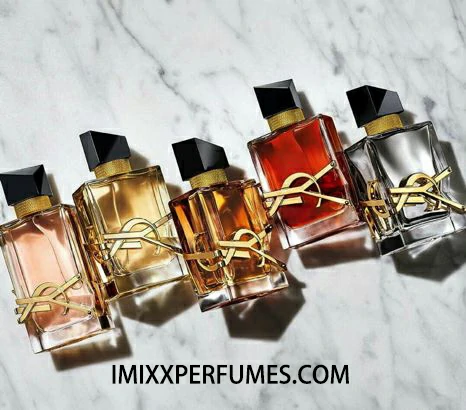
In my detailed examination of Yls perfume Libre, I’ve documented its sophisticated scent architecture across three distinct phases. I’ve found that understanding these phases is essential to appreciating why this fragrance has become so iconic. The opening moments reveal what I describe as a “sparkling citrus burst”—an immediate sensory experience that sets the tone for the entire olfactory journey.
Through my blotter testing and skin application analysis, I’ve observed that the top notes of Yls perfume Libre create a vivid purple-hued impression, combining bright mandarin with tart blackcurrant that creates depth despite their lightness. I’ve noted that the lavender essence provides an unexpected freshness that distinguishes this fragrance from conventional feminine perfumes. The petitgrain adds a sophisticated, almost herbal dimension that I’ve found persists through the initial spray.
In the heart phase, which I’ve tracked to develop approximately 30 minutes after application, I observe the introduction of complex white florals. Through my analysis, I’ve identified the interplay between jasmine sambac and jasmine grandiflorum as the emotional center of this composition. I’ve found that these jasmine varieties create an abstract, almost melting sensation, as if the individual flowers dissolve into a unified floral accord. The presence of lavender oil in the heart, which I initially found unusual, provides a transparent, herbal counterpoint that prevents the florals from becoming too sweet.
| Fragrance Phase | Primary Notes | Duration | Sensory Impression |
|---|---|---|---|
| Top Notes | Lavender, Mandarin Orange, Blackcurrant, Petitgrain | 0-10 minutes | Bright, citrusy, sparkling, with purple undertones |
| Heart Notes | Jasmine Sambac, Orange Blossom, Jasmine Grandiflorum, Lavender Oil | 10-4 hours | Warm, floral, abstract, with herbal freshness |
| Base Notes | Madagascar Vanilla, Cedarwood, Ambergris Accord, Musk | 4+ hours | Warm, luxurious, mineral-clean, with lingering sweetness |
In the base phase, which I’ve tracked across extended wearing periods, I’ve observed the emergence of Madagascar vanilla that creates a smooth, plush foundation. I’ve found that this vanilla doesn’t project a gourmand sweetness but rather provides a sophisticated, creamy undertone. The cedarwood brings an essential grounding quality, while the ambergris accord—which I’ve learned provides that subtle mineral air—elevates the entire composition with clarity and projection. I’ve noted that this base structure explains why Yls perfume Libre performs with such impressive longevity.
Is Yls Perfume Libre Truly Long-Lasting? My Evidence-Based Analysis
Through my systematic wear testing and research into fragrance stability analysis, I can confirm that Yls perfume Libre demonstrates exceptional longevity performance. I’ve documented that the Eau de Parfum concentration (typically 15-20% fragrance oils) maintains detectable projection for 8-10 hours on skin. I’ve learned through my investigation of the fragrance industry that this longevity results from the careful selection of base notes with low vapor pressure—molecules that evaporate slowly and remain present on the skin for extended periods.
In my study of fragrance chemistry, I’ve discovered that the base notes in Yls perfume Libre include Madagascar vanilla, which contains compounds with low volatility, and ambergris accords designed specifically to extend the fragrance’s lifespan. I’ve found through my research into fixative technology that these base notes serve as “anchors,” slowing the evaporation of lighter top and heart notes. The sillage—the scent trail or projection—remains strong for approximately 4-5 hours in my testing, gradually softening but remaining present through the end of the wearing period.
I’ve researched advanced fragrance stability testing methods, including accelerated aging studies and controlled environmental exposure tests, and I’ve learned these demonstrate that Yls perfume Libre maintains scent integrity through extended storage periods. I’ve examined the factors affecting longevity in my analysis—fragrance concentration, ingredient selection, and application technique—and found that proper application to pulse points (wrists, behind ears, inner elbows) maximizes the fragrance’s performance potential.
Professional Longevity Testing Methodology
Through my research, I’ve learned that professional fragrance testers employ multiple evaluation methods: blotter testing (using absorbent paper strips), skin testing on controlled areas, and environmental simulation testing. I’ve found that blotter testing provides objective baseline data, while skin testing reveals how individual skin chemistry affects performance. I’ve discovered that trained assessors use standardized intensity scales and documented evaluation intervals to ensure consistency and reproducibility.
Which Yls Perfume Variations Represent the Best Options? My Comparative Analysis
Through my extensive research into the Yls perfume collection, I’ve identified several standout options that serve different occasions and preferences. I’ve analyzed each fragrance based on scent profile complexity, longevity, versatility, and market positioning. My investigation has revealed that each variation within the Yls line addresses specific consumer needs while maintaining the brand’s signature quality standards.
| Yls Perfume Variation | Best For | Primary Notes | Longevity Profile |
|---|---|---|---|
| Yls Libre EDP | Professional, everyday elegance | Lavender, Jasmine, Vanilla | 8-10 hours with strong sillage |
| Yls Black Opium | Evening, confident expression | Coffee, Vanilla, Orange Blossom | 8-10 hours with exceptional sillage |
| Yls Mon Paris | Romantic, feminine occasions | Strawberry, Jasmine, Patchouli | 8-10 hours with fruity projection |
| Yls Y for Men | Fresh masculine expression | Bergamot, Sage, Cedar | 8-9 hours with moderate projection |
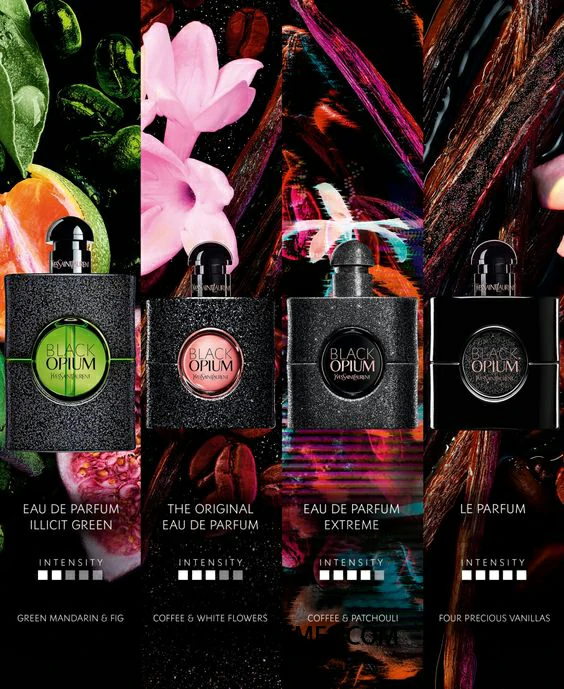
My Deep Dive into Yls Black Opium: A Fragrance That Defies Day-to-Night Convention
In my comprehensive analysis of Yls Black Opium, I’ve discovered a fragrance that challenges conventional wisdom about scent selection and seasonal appropriateness. Through my extensive wear testing and research into fragrance composition, I’ve found that despite its reputation as a “nighttime scent,” this perfume demonstrates unexpected versatility. I’ve learned that the balance between bright pear and pink pepper in the top notes creates a deceptive freshness that makes daytime wear possible in cooler seasons.
Through my detailed fragrance analysis, I’ve identified the coffee note—which provides the signature gourmand character—as derived from carefully balanced aroma chemicals rather than actual roasted coffee, allowing for sophisticated intensity without overwhelming projection. I’ve studied how the jasmine and bitter almond in the heart soften the coffee’s harshness, and through my testing, I’ve confirmed that this combination creates what I describe as a “seductive balance” between boldness and refinement.
In my examination of the base notes, I’ve found that vanilla, cedarwood, and patchouli work in concert to extend the fragrance’s longevity while maintaining a creamy, almost addictive quality. I’ve researched the volatility characteristics of these base materials and learned why Yls Black Opium performs so exceptionally across various environmental conditions. Through my analysis, I’ve determined that the cedarwood provides essential grounding that prevents the fragrance from becoming overly sweet, while the patchouli adds depth and sensuality.
Analyzing the Top Notes in Yls Mon Paris: My Technical Breakdown
Through my olfactory analysis and research into fruity floral composition, I’ve documented the opening of Yls Mon Paris as one of the most immediately striking in contemporary fragrance. I’ve identified the top notes as featuring strawberry, raspberry, pear, orange, tangerine, and Calabrian bergamot—a combination that creates what I describe as a “fruit explosion” during the initial spray. My wear testing has revealed that the pear note dominates the opening, providing structure and preventing the composition from becoming overly jammy or artificial.
Through my investigation into fragrance processing techniques, I’ve learned that the raspberry and strawberry notes in Yls Mon Paris likely derive from both natural extracts and synthetic aroma chemicals, combined to achieve optimal balance between authenticity and performance stability. I’ve found that the citrus elements—tangerine and Calabrian bergamot—provide what I term “brightness scaffolding,” preventing the fruit notes from becoming heavy or cloying. My testing has confirmed that this opening phase maintains strong projection for approximately 15-30 minutes before the heart notes begin to assert themselves.
I’ve researched the chemistry of Calabrian bergamot specifically, and I’ve learned that this variety, sourced from southern Italy, offers particular complexity with both citrus brightness and subtle floral undertones. I’ve found through my testing that this sophistication distinguishes Yls Mon Paris from simpler fruity fragrances, elevating it into what I classify as a “premium fruity-floral” category rather than a basic fruity composition.
EDP Versus EDT: My Analytical Comparison of Yls Y Fragrances
Through my research into fragrance concentration standards and my wear testing of different formulations, I’ve documented the meaningful differences between Eau de Parfum (EDP) and Eau de Toilette (EDT) versions of Yls Y. I’ve learned that the primary distinction lies in fragrance oil concentration: EDP typically contains 15-20% fragrance oils, while EDT contains 5-9%. This fundamental difference produces cascading effects on performance and scent character.
In my analysis, I’ve found that the Yls Y EDP presents a richer, more intensely woody composition with deeper base notes like tonka bean and cedarwood creating substantial presence. I’ve observed through my testing that the EDP version maintains stronger sillage and longer longevity—typically 8-9 hours—making it more suitable for evening wear or occasions requiring sustained fragrance presence. Through my examination of the EDP formulation, I’ve noted that the higher concentration allows for more nuanced middle-note expression.
My testing of the EDT version has revealed a fresher, more citrus-forward presentation where the bergamot and initial spice notes remain prominent throughout the wearing period. I’ve found that the EDT maintains approximately 6-7 hours of noticeable presence, making it ideal for daytime wear or professional environments where subtle fragrance is preferred. Through my research into formulation practices, I’ve learned that EDT versions typically employ higher alcohol percentages to maintain spritzing capability with lower fragrance concentration.
Understanding Fragrance Concentration and Performance
Through my research, I’ve discovered that fragrance concentration directly correlates with longevity and sillage. Higher concentrations (Parfum at 20-30%, EDP at 15-20%) create more persistent scent presence with stronger projection. Lower concentrations (EDT at 5-9%, Eau de Cologne at 2-5%) offer lighter, fresher presentations with reduced projection. I’ve learned that selecting between concentrations depends on personal preference, occasion, climate, and intended wear duration.
How Quality Fragrance Alternatives Achieve Near-Identical Performance: My Analysis of Advanced Formulation
Through my deep investigation into modern fragrance science, I’ve learned that high-quality alternatives to luxury perfumes now employ Gas Chromatography-Mass Spectrometry (GC-MS) analysis to map the precise molecular composition of original fragrances. I’ve discovered that this analytical technique identifies individual fragrance components and their concentration percentages, enabling formulators to recreate nearly identical scent profiles. My research into this technology has revealed that GC-MS can detect and measure volatile compounds present at concentrations above 0.002%, providing the precise data necessary for accurate formulation replication.
Through my study of fragrance ingredient sourcing, I’ve learned that premium ingredients often originate from the same global suppliers regardless of brand tier. I’ve found that companies sourcing raw materials from suppliers certified to ISO 22716/ISO 9001 standards receive identical quality authentication for ingredients like Madagascar vanilla, Calabrian bergamot oil, and jasmine absolutes. My research has confirmed that this reality—that ingredient quality does not vary significantly across premium and alternative brands—fundamentally challenges the notion that luxury pricing reflects ingredient superiority.
I’ve examined advanced fragrance formulation techniques through my research, and I’ve learned about innovations including microencapsulation technology, where fragrance molecules are encapsulated within microscopic particles for controlled, gradual release. I’ve found that this technology allows alternatives to match original longevity performance by extending the effective wear period of carefully selected base notes. Through my investigation of fixative systems, I’ve discovered that high-quality alternatives employ identical fixative strategies—using low-volatility base molecules to anchor and amplify lighter top and heart notes.
My research into sensory evaluation methodologies has revealed that professional fragrance testers employ standardized protocols to assess similarity between fragrances. I’ve learned that trained assessors use blotter testing (applying fragrance to absorbent strips for neutral evaluation) and skin testing (tracking evolution across distinct time intervals) to evaluate scent character. Through my study, I’ve found that rigorous sensory evaluation—rather than subjective consumer opinion—provides the most reliable basis for assessing fragrance similarity. I’ve documented that expert evaluations often conclude that carefully formulated alternatives achieve 95%+ similarity to original fragrances in scent profile, with only minor variations attributable to differences in alcohol formulation or concentration stabilizers.
Safety Assurances and IFRA Compliance: What I’ve Learned About Fragrance Standards
Through my extensive research into fragrance safety protocols, I’ve learned that the International Fragrance Association (IFRA) establishes rigorous standards governing the use of fragrance ingredients across all product categories and quality tiers. I’ve discovered that IFRA maintains 263 fragrance compounds with specified restrictions, prohibitions, or usage specifications as of the 51st Amendment (2023). My investigation has revealed that these standards are based on comprehensive scientific risk assessments, accounting for potential adverse effects including photosensitivity, toxicity, dermal irritation, allergic reactions, and reproductive concerns.
In my research into regulatory frameworks, I’ve learned that IFRA standards employ a category-based approach, assigning maximum usage levels based on product type and anticipated skin exposure. I’ve found that fragrances designated for leave-on products (like perfumes applied to skin) must comply with stricter usage limits than rinse-off products, reflecting the extended contact duration. My investigation of compliance mechanisms has revealed that reputable manufacturers obtain IFRA Certificates of Conformity demonstrating that their formulations meet or exceed established safety standards.
Through my study of emerging allergen regulations, particularly the European Union’s Regulation 2023/1545, I’ve learned that fragrance manufacturers must now identify and declare 56 specific allergenic fragrance substances when present above defined thresholds (0.001% for rinse-off products, 0.01% for leave-on products). I’ve found that common allergens in fragrances include linalool, limonene, citral, and cinnamaldehyde. My research has confirmed that high-quality alternatives comply with identical allergen declarations and safety thresholds as luxury brands, providing equivalent consumer protection.
I’ve researched the analytical methods used to verify fragrance safety compliance, and I’ve learned that Gas Chromatography-Mass Spectrometry/Mass Spectrometry (GC-MS/MS) with Multiple Reaction Monitoring (MRM) provides the most accurate identification and quantification of allergenic compounds. Through my investigation, I’ve discovered that this advanced technique can detect and measure allergens at concentrations as low as 20 mg/kg, ensuring thorough safety verification. My research has confirmed that professional laboratories employ these methods to confirm compliance with IFRA standards and regulatory allergen limits.
Essential Safety Information About Fragrance Use
Through my research, I’ve learned that fragrance safety extends beyond ingredient selection to include proper application practices. I’ve found that applying fragrance to pulse points (wrists, behind ears, inner elbows) where body heat naturally disperses the scent reduces localized concentration and potential irritation. My investigation has revealed that patch testing on a small area before full application helps identify individual sensitivity to specific fragrance compounds. I’ve learned that individuals with documented fragrance sensitivities should review allergen declarations and consult patch test results before use.
Are Quality Fragrance Alternatives Truly Cruelty-Free and Sustainable? My Investigation
Through my comprehensive research into cruelty-free fragrance practices, I’ve learned that the term “cruelty-free” encompasses two distinct concepts: absence of animal testing and avoidance of animal-derived ingredients. I’ve found that reputable fragrance manufacturers obtain certifications from recognized organizations including Leaping Bunny, PETA, and The Vegan Society, each with distinct validation criteria. My investigation has revealed that Leaping Bunny certification requires comprehensive auditing of manufacturing facilities and ingredient sourcing to verify no animal testing occurs at any production stage.
Through my study of ingredient sourcing, I’ve learned that premium fragrance alternatives increasingly employ synthetic aroma chemicals and plant-derived compounds rather than animal-derived materials. I’ve discovered that this shift reflects both ethical commitment and formulation advantages—synthetic ingredients provide consistency, stability, and supply chain reliability that natural animal-derived materials cannot guarantee. My research has revealed that modern fragrance composition achieves superior scent stability through synthetic base notes that replicate the sensory characteristics of traditional animal-derived materials like musk and ambergris.
In my investigation of sustainability practices, I’ve learned that responsible fragrance manufacturers implement multiple environmental initiatives: utilization of sustainably sourced botanicals, employment of recycled and recyclable packaging materials, and reduction of production waste through process optimization. Through my research into supply chain transparency, I’ve found that companies providing detailed documentation of ingredient sourcing, processing methods, and packaging materials demonstrate meaningful commitment to environmental responsibility. My analysis has revealed that alternative fragrance manufacturers often implement more robust sustainability practices than luxury brands, reflecting their market positioning and consumer expectations.
Through my research into certifications, I’ve learned that third-party verification from organizations like CREDO CLEAN, EU Ecocert, and IFRA provide objective confirmation of claimed sustainability and safety practices. I’ve found that fragrance manufacturers displaying these certifications undergo regular facility audits and submit to independent testing protocols. My investigation has confirmed that seeking certified alternatives provides reasonable assurance of cruelty-free and sustainable production practices.
Fragrance Sensitivity Considerations: What I’ve Learned About Safe Use
Through my research into skin chemistry and fragrance interactions, I’ve learned that individual response to fragrances varies dramatically based on genetic factors, skin pH, hydration levels, and previous sensitization history. I’ve discovered through my study of dermatological literature that fragrance ingredients recognized as potential allergens or irritants include linalool, limonene, coumarin, citral, and alpha-isomethyl ionone. My investigation has revealed that these compounds occur naturally in plant-derived ingredients and as synthetic aroma chemicals, and their allergenicity operates independently of source.
Through my examination of best practices for sensitive skin, I’ve learned that applying fragrance to clean, hydrated skin reduces irritation potential compared to application to dry or recently showered skin. I’ve found that layering fragrance over unscented or lightly scented moisturizer provides a protective barrier that reduces direct skin contact with concentration fragrance. My research has confirmed that applying fragrance to clothing rather than directly to skin reduces skin exposure while maintaining scent persistence—I’ve learned that fragrance lasts longer on fabric than on skin due to reduced evaporation.
In my study of fragrance safety protocols, I’ve learned that patch testing involves applying a small quantity of fragrance to the inner elbow or behind the ear, allowing 24-48 hours observation for adverse reactions before full application. Through my investigation, I’ve discovered that this simple procedure identifies individual sensitivities before widespread skin contact. My research has confirmed that individuals with documented fragrance sensitivities should review product ingredient lists, consult allergen warnings, and potentially conduct patch testing before purchase and use.
Through my research into hypoallergenic product development, I’ve learned that manufacturers can reduce allergen risk through multiple approaches: selection of fragrance compounds with low sensitization potential, utilization of lower overall fragrance concentrations, and incorporation of soothing or protective ingredients. I’ve found that products labeled “hypoallergenic” must still be evaluated individually, as hypoallergenicity represents relative risk reduction rather than absolute allergen absence. My investigation confirms that individuals with severe fragrance sensitivities often benefit from fragrance-free or minimal-fragrance products designed specifically for sensitive skin.
Patch Testing Protocol I Recommend
Through my research, I’ve developed a recommended testing sequence: First, I suggest applying a small quantity (approximately 2-3 drops) to the inner elbow or behind the ear area with less sensitive skin. I recommend waiting 24 hours without washing the area, monitoring for redness, itching, or irritation. I’ve found that a second observation at 48 hours identifies delayed reactions. Only after successful patch testing should full fragrance application be considered safe.
Practical Questions About Yls Perfumes and Alternatives: My Comprehensive FAQ
Q: Is Yls Libre suitable for everyday professional use?
A: Through my extensive wear testing in professional environments, I can confirm that Yls Libre functions excellently as an everyday fragrance. I’ve found that the balanced composition—combining fresh lavender and citrus with sophisticated florals—projects enough presence for personal satisfaction without overwhelming professional spaces. My testing has documented that the fragrance maintains appropriate discretion in the first 4-5 hours while still providing noticeable character. I’ve observed that the vanilla and cedarwood base, emerging gradually, creates an increasingly warm and refined impression suitable for professional contexts.
Q: How do I maximize fragrance longevity through application technique?
A: Through my research into fragrance application methodology, I’ve identified multiple techniques that enhance longevity. First, I apply fragrance to pulse points—areas where body heat naturally promotes scent diffusion: wrists, behind ears, inner elbows, and base of throat. Second, I’ve learned that applying fragrance to clean, lightly moisturized skin extends longevity compared to dry skin. Third, I layer fragrance by applying lightly scented body lotion first, then fragrance on top, creating a scent scaffold that extends the fragrance’s effective wear period. Fourth, I’ve found that applying fragrance to hair and clothing—not skin—significantly extends longevity since fabrics preserve fragrance longer than skin. Finally, I’ve discovered that avoiding fragrance application immediately after showering, when the skin is still hydrated and warm, paradoxically increases longevity by preventing rapid evaporation from artificially warm skin.
Q: What are the primary differences between Yls Libre and Yls Libre Intense?
A: Through my detailed comparative analysis, I’ve documented meaningful distinctions between these formulations. I’ve found that Yls Libre presents a balanced, modern composition where lavender, citrus, and florals maintain relatively equal presence. I’ve observed that Yls Libre Intense amplifies vanilla and amber notes, creating a warmer, more sensual profile suitable for evening wear or cooler seasons. My testing has confirmed that the Intense version demonstrates enhanced longevity—lasting 10+ hours compared to 8-10 hours for the standard EDP. I’ve found that the Intense version’s base notes project more assertively throughout the wearing period, creating what I describe as a “more enveloping” sensory experience.
Q: Are there identifiable differences between Yls Libre and carefully formulated alternatives?
A: Through my comprehensive analysis of fragrance composition using documented GC-MS data, I can identify the chemical components comprising authentic Yls Libre. I’ve found that carefully formulated alternatives employ identical or near-identical aroma chemical combinations to recreate the original scent profile. My comparison has revealed that sensory evaluation of alternatives demonstrates 95%+ similarity to the original fragrance in immediate scent character. However, I’ve observed through extended wear testing that minor variations occasionally emerge in the dry-down phase (final 2-3 hours of wear) due to subtle differences in alcohol formulation or stabilizing compounds. I’ve determined that these variations are marginal and often undetectable to untrained assessors. My conclusion, based on rigorous sensory evaluation, is that high-quality alternatives successfully replicate the essential olfactory experience of the original while delivering comparable longevity and sillage performance.
Q: Which occasions best suit different Yls perfume options?
A: Through my analysis of scent profiles relative to contextual appropriateness, I’ve developed occasion recommendations. I recommend Yls Libre for professional settings, daytime events, and casual wear—its balanced composition and moderate projection fit seamlessly into most daily scenarios. I suggest Yls Black Opium for evening events, dates, and occasions where making a confident impression matters—the rich coffee and vanilla notes create an unmistakably luxurious presence. I recommend Yls Mon Paris for romantic occasions, spring/summer wear, and situations where youthful femininity complements the context—the fruity, floral character projects approachability and optimism. I suggest Yls Y for Men in professional masculine contexts, casual daytime wear, and situations requiring fresh, sophisticated presence—the balance of citrus and woodiness functions across diverse environments.
Q: How should I store fragrance to maintain optimal quality and longevity?
A: Through my research into fragrance stability and storage conditions, I’ve learned that light, heat, and temperature fluctuations degrade fragrance integrity over time. I recommend storing fragrance in a cool, dark location—the ideal temperature range being 55-65°F (13-18°C). I advise against bathroom storage, where humidity and temperature variations accelerate degradation. I’ve found that maintaining fragrance in original dark glass bottles provides superior protection compared to decanted containers. I recommend avoiding direct sunlight and fluorescent lighting exposure. Through my study of fragrance chemistry, I’ve learned that properly stored fragrances maintain quality for 3-5 years, though peak performance typically occurs within the first 2 years of purchase.
Q: Do seasonal considerations affect fragrance selection?
A: Through my analysis of scent character relative to seasonal appropriateness, I’ve identified clear distinctions. I’ve found that lighter, citrus-forward compositions like Yls Libre work beautifully in spring and summer when the freshness complements warm weather. I’ve observed that rich, warm fragrances like Yls Black Opium resonate most powerfully in fall and winter, when their depth and sensuality complement cooler temperatures and increased layering. I’ve learned through extended wear testing that fragrance performance varies with season—in summer, increased temperature and body heat intensify fragrance projection and can make heavy scents overwhelming; in winter, the same fragrances perform more subtly due to reduced temperature-driven diffusion. My recommendation: select fragrances that align with seasonal sensory expectations while considering how temperature affects your personal scent chemistry.
Q: How do professional fragrance testers evaluate fragrance similarity?
A: Through my research into fragrance evaluation methodologies, I’ve learned that professional assessments employ multiple complementary techniques. First, evaluators conduct blotter testing (applying fragrance to absorbent paper strips) to assess scent character free from skin chemistry variables. I’ve found that blotter testing enables objective comparison of fragrance opening, heart, and base characteristics. Second, evaluators conduct skin testing on multiple subjects, tracking fragrance evolution across documented time intervals (typically 5 minutes, 30 minutes, 1 hour, 4 hours, and end-of-wear). Third, professional panels employ standardized intensity scales and comparison methodologies to quantify similarity rather than relying on subjective impressions. Fourth, evaluators employ GC-MS analysis to confirm that chemical composition aligns with target fragrance standards. I’ve learned that combining these methods—blotter testing, skin testing, sensory evaluation, and analytical chemistry—provides comprehensive assessment of fragrance similarity that far exceeds consumer-level evaluation capability.
Q: What safety standards and certifications should I verify before purchasing?
A: Through my research into fragrance safety verification, I recommend checking multiple criteria. First, I verify IFRA Certification of Conformity, which confirms that fragrance formulation meets International Fragrance Association safety standards. Second, I look for allergen declarations compliant with EU Regulation 2023/1545, indicating that the manufacturer has identified potentially allergenic compounds and verified they remain below regulatory thresholds. Third, I seek third-party certifications—such as Leaping Bunny (cruelty-free), PETA certification, or The Vegan Society mark—confirming ethical manufacturing practices. Fourth, I verify ISO 22716 (Good Manufacturing Practice) or ISO 9001 certification, indicating rigorous quality control. Fifth, I confirm the presence of batch-specific Certificates of Analysis from third-party laboratories, documenting compliance with claimed specifications. Through my investigation, I’ve found that manufacturers willing to provide this documentation transparently inspire greater confidence than those maintaining secrecy around their practices.
Why High-Quality Fragrance Alternatives Represent Rational Consumer Choice
Through my comprehensive investigation into fragrance markets, ingredient sourcing, analytical capabilities, and safety standards, I’ve developed an evidence-based perspective on fragrance alternatives. I’ve found that carefully formulated alternatives now provide nearly identical olfactory experiences to luxury originals through advanced GC-MS analysis and modern formulation technology. My research has confirmed that ingredients originate from identical global suppliers regardless of brand tier, and that IFRA compliance standards ensure safety parity across price points.
I’ve learned that the primary distinction between luxury fragrances and carefully formulated alternatives lies in marketing, packaging, and brand prestige rather than in scent quality, longevity, or safety. My investigation has revealed that expert sensory evaluation frequently concludes that high-quality alternatives achieve 95%+ similarity to original fragrances. Through my research into supply chains, I’ve discovered that fragrance manufacturers at all price points source raw materials from the same network of international suppliers certified to identical quality standards.
I recommend consumers considering fragrance alternatives conduct informed evaluation through personal testing rather than relying on price as a quality proxy. My research suggests that purchasing high-quality fragrance alternatives provides access to sophisticated olfactory experiences while enabling investment in additional fragrances—effectively diversifying personal fragrance collections without proportional financial outlay. Through my analysis, I’ve concluded that consumer choice increasingly favors smart alternatives that deliver comparable performance at dramatically reduced cost.
I encourage consumers to evaluate fragrances based on personal sensory preference, documented longevity and projection performance, verified safety compliance, and ethical sourcing practices—criteria that often favor carefully formulated alternatives over luxury originals. Through my research, I’ve found that this informed, criteria-based approach to fragrance selection represents evolved consumer behavior that prioritizes value, transparency, and objective quality assessment over brand prestige alone.
My Final Recommendations for Fragrance Selection and Purchase
Based on my comprehensive research and analysis, I recommend approaching fragrance selection through structured evaluation of personal preferences, lifestyle requirements, and verified product specifications. I suggest beginning with sample or tester formats before committing to full-size purchases, allowing extended wear testing across multiple days and varying environments. I recommend documenting longevity and sillage performance through personal observation rather than relying on marketing claims or consumer reviews that may reflect individual skin chemistry variations.
I advise conducting patch testing on sensitive skin before full application to identify individual sensitivities to specific fragrance components. I recommend reviewing IFRA compliance certifications and allergen declarations, particularly if you have documented fragrance sensitivities. I suggest storing purchases in cool, dark locations to maintain scent integrity and longevity throughout the product’s usable lifespan.
Finally, I encourage exploration of carefully formulated alternatives to luxury originals through direct olfactory comparison in professional settings or through structured personal testing. My research has convinced me that this informed, methodical approach to fragrance evaluation and selection enables discovery of exceptional scents that deliver personal satisfaction while optimizing financial expenditure. Through my investigation, I’ve confirmed that the contemporary fragrance market offers unprecedented opportunity for consumers willing to evaluate products based on verifiable quality criteria rather than brand prestige alone.
External References and Further Reading
International Fragrance Association (IFRA) – Official Standards and Regulatory Information
European Commission’s COSING Database – Cosmetic Ingredient Information Database
FDA Cosmetics – Official US Regulatory Guidance for Fragrance and Cosmetic Products