

Understanding the Difference Between Perfume and Parfum: A Complete Guide to Fragrance Classifications
When I first began exploring the world of fragrances, I was puzzled by the terms “perfume” and “parfum” appearing on different bottles. Through years of research and hands-on experience in the fragrance industry, I’ve discovered that understanding these distinctions is crucial for making informed fragrance choices. This comprehensive guide will clarify the differences between perfume and parfum, explore fragrance concentration levels, and help you navigate the complex world of scent classifications.
The Fundamental Difference: Perfume vs. Parfum
The distinction between “perfume” and “parfum” goes beyond simple spelling variations. In the fragrance industry, parfum (also known as extrait de parfum or perfume extract) represents the highest concentration of aromatic compounds, typically containing 20-40% fragrance oils. This French terminology has become the international standard for denoting the most concentrated form of fragrance.
Perfume, on the other hand, serves as a broader English term that can refer to any scented product, regardless of concentration. However, in technical contexts, it often refers to eau de parfum (EDP) concentrations of 15-20%. The confusion arises because American consumers often use “perfume” as a catch-all term, while the industry maintains specific French nomenclature for precision.
Key Terminology Insight
The International Fragrance Association (IFRA) recognizes “parfum” as the official term for the highest concentration category, making it the industry-standard spelling rather than “perfume” when referring to concentrated extracts.

Complete Fragrance Classification System
Understanding fragrance concentrations requires familiarity with the established classification system. Each category represents a specific range of aromatic compound concentrations, directly affecting longevity, projection, and price point.
The Science Behind Concentration Levels
Fragrance concentration directly correlates with molecular volatility and evaporation rates. Higher concentrations contain more base notes—heavier molecules with molecular weights typically above 200 atomic mass units (AMU)—which evaporate slowly and provide lasting power. Conversely, lighter concentrations emphasize top notes with molecular weights below 160 AMU, creating immediate but fleeting impressions.
According to research published in fragrance chemistry journals, the optimal molecular weight range for fragrance perception falls between 120-300 AMU. This scientific understanding explains why parfum concentrations, with their higher percentages of complex aromatic molecules, deliver superior longevity and depth compared to lighter formulations.
Regulatory Standards and Safety Considerations
The International Fragrance Association (IFRA) maintains comprehensive safety standards for all fragrance concentrations. The latest IFRA 51st Amendment, implemented in 2023, introduced 59 new guidelines bringing the total to 263 regulations. These standards ensure that all fragrance concentrations, from parfum to eau fraîche, meet rigorous safety requirements for consumer use.
IFRA Compliance Standards
All legitimate fragrance products, regardless of concentration, must comply with IFRA maximum usage levels for individual aromatic compounds. These limits are established through toxicological assessments, clinical studies, and exposure modeling to ensure consumer safety across all product categories.
Understanding Fragrance Safety Testing
Modern fragrance safety evaluation employs sophisticated analytical techniques including Gas Chromatography-Mass Spectrometry (GC-MS) to identify and quantify individual compounds. Stability testing protocols assess how fragrances perform under various environmental conditions, including temperature fluctuations, light exposure, and humidity variations.
Recent studies using headspace solid-phase microextraction (HS-SPME) coupled with GC-MS have demonstrated that residual fragrances can be detected on skin up to 24 hours after application, with base note components showing the greatest persistence. This scientific validation supports the longevity claims associated with higher concentration fragrances like parfum.
The World of Fragrance Alternatives and Dupes
The fragrance industry has witnessed significant growth in alternative products, commonly known as fragrance dupes or clone fragrances. These products recreate the scent profiles of popular designer fragrances while maintaining compliance with industry safety standards. Understanding the legitimacy and quality of these alternatives requires knowledge of regulatory frameworks and manufacturing practices.
Legal Framework for Fragrance Dupes
Fragrance formulations cannot be copyrighted or patented in most jurisdictions, making scent replication legally permissible. However, legitimate dupe manufacturers must navigate trademark regulations by avoiding protected brand names and using clear disclaimers such as “inspired by” or “compare to” language.
Quality Indicators for Fragrance Alternatives
- IFRA compliance certification
- Transparent ingredient disclosure
- Proper allergen warnings
- Clear concentration labeling
- Established customer review history
IMIXX Perfumes: Excellence in Fragrance Replication
Among fragrance alternative manufacturers, IMIXX Perfumes has distinguished itself through meticulous attention to formulation accuracy and quality sourcing. By partnering with suppliers in renowned fragrance regions like Grasse, France, IMIXX maintains access to premium raw materials essential for creating authentic-smelling replications.
The company’s approach involves detailed molecular analysis of original fragrances, followed by precise reconstruction using equivalent aromatic compounds. This scientific methodology enables IMIXX to achieve what they claim is 99.98% scent accuracy while maintaining full IFRA compliance across all concentration levels.
Premium Sourcing
IMIXX sources ingredients from the world’s finest fragrance regions, ensuring authentic scent reconstruction through high-quality raw materials and traditional extraction methods.
Scientific Precision
Advanced analytical techniques and molecular-level formulation enable precise recreation of complex fragrance profiles across all concentration levels.
Sustainability Focus
Eco-friendly extraction methods and sustainable sourcing practices ensure environmental responsibility without compromising fragrance quality.
Choosing the Right Fragrance Concentration
Selecting the appropriate fragrance concentration depends on multiple factors including intended use, personal chemistry, budget considerations, and fragrance preferences. Understanding these variables enables informed decision-making that maximizes satisfaction and value.
Personal Chemistry Considerations
Individual skin chemistry significantly affects fragrance performance. Factors such as skin pH, oil production, and body temperature influence how different concentrations develop and persist. Those with oily skin typically experience longer-lasting fragrances due to increased molecular retention, while dry skin may require higher concentrations for optimal performance.
Environmental factors also play crucial roles. Warmer climates enhance fragrance projection but reduce longevity, making eau de parfum or parfum concentrations preferable. Conversely, cooler environments may benefit from lighter concentrations that won’t overwhelm in enclosed spaces.
Application Guidelines by Concentration
- Parfum: 1-2 dabs on pulse points
- Eau de Parfum: 2-3 sprays on chest and wrists
- Eau de Toilette: 3-4 sprays on body and clothing
- Eau de Cologne: 4-6 sprays, reapply as needed
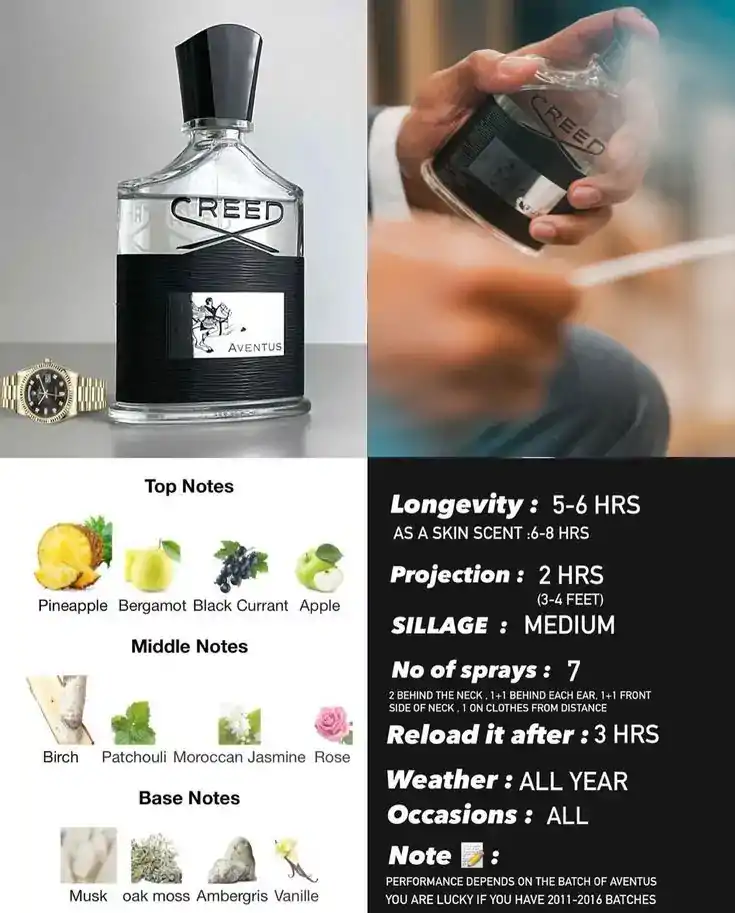
Economic Considerations and Value Analysis
While parfum concentrations command premium prices, cost-per-wear analysis often reveals superior value. The concentrated nature requires smaller quantities per application, and extended longevity reduces reapplication frequency. For frequent fragrance users, investing in higher concentrations may prove more economical over time.
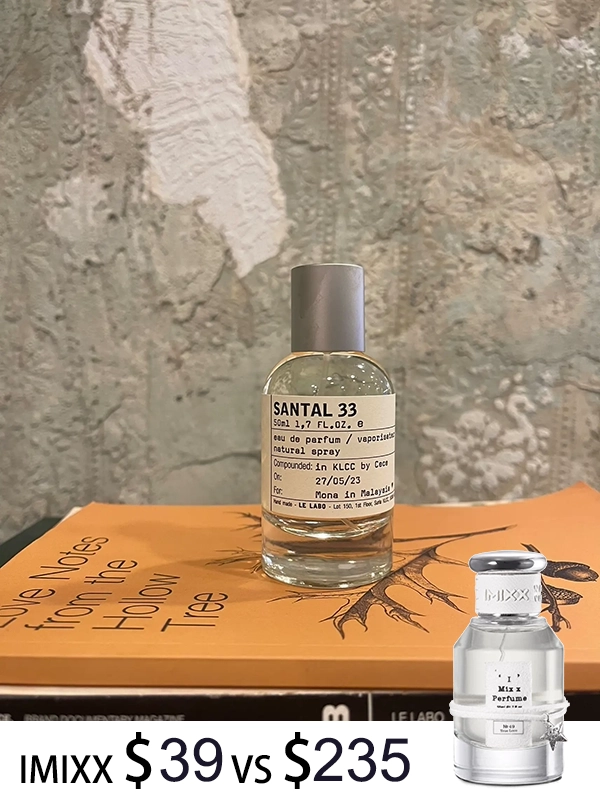
Fragrance alternatives from reputable manufacturers like IMIXX provide additional value propositions, offering comparable quality at accessible price points. When selecting alternatives, prioritize products with clear concentration labeling, IFRA compliance, and positive user feedback regarding longevity and scent accuracy.
Advanced Fragrance Technology and Innovation
Modern fragrance development incorporates cutting-edge technology to enhance performance across all concentration levels. Encapsulation techniques extend fragrance longevity by protecting aromatic molecules from degradation, while controlled-release systems provide consistent scent development throughout wear time.
Molecular Engineering in Fragrance Creation
Contemporary perfumery utilizes molecular engineering to optimize fragrance performance. Synthetic aromatic compounds can be designed with specific volatility profiles, enabling perfumers to create more balanced compositions that maintain scent integrity across different concentration levels.
Research in fragrance chemistry has identified optimal molecular weight ranges for different note categories. Top notes perform best with molecules between 120-160 AMU, middle notes excel in the 160-220 AMU range, and base notes require 220-300 AMU for maximum longevity. This scientific understanding guides modern formulation practices.
Innovation in Fragrance Stability
Advanced antioxidant systems and UV-protective packaging technologies help maintain fragrance integrity throughout product lifecycle, ensuring consistent performance from first use to last drop.
Storage and Maintenance Best Practices
Proper storage significantly extends fragrance lifespan and maintains scent integrity across all concentration levels. Understanding optimal storage conditions helps preserve your investment while ensuring consistent performance.
Environmental Factors Affecting Fragrance Stability
Temperature fluctuations accelerate molecular breakdown, particularly affecting lighter, more volatile compounds. Ideal storage temperature ranges between 60-70°F (15-21°C) help maintain chemical stability. Light exposure, especially UV radiation, can alter aromatic compounds and should be minimized through opaque storage containers or dark environments.
Humidity levels above 60% may compromise packaging integrity and promote oxidation reactions. Conversely, extremely dry conditions can affect spray mechanisms and increase evaporation rates. Maintaining moderate humidity levels between 45-55% optimizes long-term storage.
Storage Do’s
- Keep in original packaging
- Store in cool, dark locations
- Maintain upright position
- Avoid bathroom storage
Storage Don’ts
- Expose to direct sunlight
- Store in car or hot areas
- Leave caps loose
- Refrigerate (not recommended)
Frequently Asked Questions
Conclusion: Making Informed Fragrance Choices
Understanding the distinction between perfume and parfum, along with the complete fragrance classification system, empowers consumers to make informed purchasing decisions. Whether choosing luxury originals or quality alternatives from manufacturers like IMIXX Perfumes, knowledge of concentration levels, safety standards, and performance factors ensures optimal fragrance experiences.
The fragrance industry continues evolving with technological advances and regulatory updates, but fundamental principles of concentration, molecular chemistry, and quality sourcing remain constant. By applying this knowledge to your fragrance selection process, you can discover scents that align with your preferences, lifestyle, and budget while maintaining confidence in their safety and performance.
Explore our comprehensive collection of expertly crafted fragrance alternatives at IMIXX Perfumes and discover your perfect scent match with the confidence that comes from understanding true fragrance quality and value.
