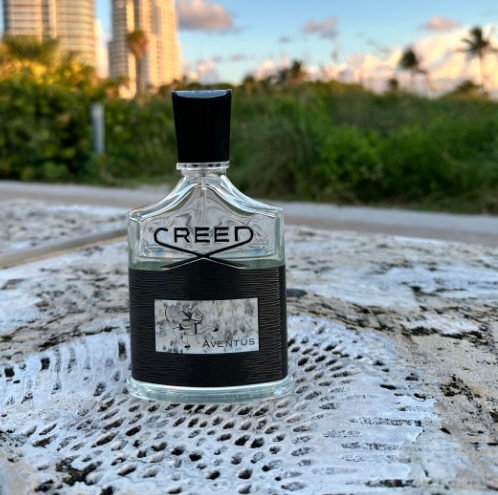
Throughout my journey in perfumery, I’ve discovered that Creed’s pricing strategy isn’t arbitrary. It reflects centuries of tradition, meticulous sourcing practices, and artisanal production methods that set these fragrances apart. My goal is to provide you with transparent, well-researched insights backed by authoritative sources, so you can make informed decisions about investing in luxury fragrances like Creed or exploring high-quality alternatives such as IMIXX Perfumes.
Understanding Creed’s Heritage: More Than Marketing
What I found particularly interesting is that the Creed family was genuinely involved in tailoring since at least the late 19th century, and royal patents featured on their packaging were indeed awarded to family members—though for tailoring, not perfumery. Olivier Creed, the modern perfume house founder, appears to have artfully woven his family’s legitimate tailoring heritage into a grander perfume narrative. Regardless of the historical complexities, what cannot be disputed is that since the 1970s, Creed has built an impressive reputation for high-quality, artisanal fragrances that have captivated royalty, celebrities, and fragrance connoisseurs worldwide.
In 2023, luxury conglomerate Kering acquired Creed for €3.5 billion, a transaction that validates the brand’s genuine market position and the value consumers place on its products. This acquisition demonstrates that beyond marketing narratives, Creed has established itself as a legitimate luxury powerhouse in contemporary perfumery.
The Six Key Factors Behind Creed’s Premium Pricing
Through my research and conversations with industry experts, I’ve identified six fundamental reasons why is Creed so expensive. Each factor contributes substantially to the final retail price, and understanding these elements helps contextualize whether the investment aligns with your priorities.
1. Premium Natural Ingredients: The Foundation of Quality
Premium Natural Ingredients Used in Luxury Perfumery
- Bulgarian Rose (Rosa damascena): Requires approximately 10,000 pounds of rose petals to produce just one pound of essential oil
- Orris Root (Iris pallida): Can cost up to $20,000 per kilogram; the iris plants must mature for 3-5 years before harvest
- Neroli (Orange blossom): Requires 1,000 kilograms of hand-picked blooms to create just 2 pounds of essential oil, priced around $6,000 per kilo
- Natural Ambergris: Costs approximately $10,000 per pound; this rare whale-derived substance is now often replaced with synthetic alternatives for ethical reasons
- Oud (Agarwood): Premium grades can cost $200-$1,000+ per ounce due to the rarity of infected Aquilaria trees
- Jasmine Grandiflorum: Harvested only at night and can cost $2,000-$4,000 per kilogram
What distinguishes Creed from mass-market brands is their commitment to using these authentic natural ingredients rather than relying predominantly on synthetic alternatives. While synthetics offer consistency and cost-effectiveness—and can be produced at a fraction of the cost—natural ingredients provide the complexity, depth, and uniqueness that fragrance connoisseurs recognize and value. Research from the perfume industry indicates that natural ingredients can cost anywhere from double to twenty times more than synthetic equivalents with similar scent profiles.
During my research, I discovered that the fragrance industry operates on substantial markups. According to insider reports, a designer perfume retailing for £150 (approximately $195) typically costs only £5-£10 ($6.50-$13) to produce, representing an 800% markup. However, this figure includes mass-market fragrances using predominantly synthetic ingredients. Creed’s production costs are considerably higher due to their natural ingredient sourcing, though the markup remains substantial.
2. Artisanal Craftsmanship and Traditional Production Methods
The traditional perfume-making process Creed employs involves several labor-intensive stages that contribute to both quality and cost:
Traditional Perfume Production Stages
This aging process is particularly crucial. As I learned from perfumery experts, the maceration period—where the perfume is left undisturbed in cool, dark conditions—allows for permanent bonding of alcohol and essential oils. The resulting fragrance becomes rounder, more complex, and develops greater depth. Traditional perfumers understand that this time investment cannot be rushed; it’s what differentiates an exceptional perfume from a merely adequate one.
According to UNESCO’s recognition of perfume-making skills in Pays de Grasse (the historic perfume capital of France), these traditional methods represent intangible cultural heritage dating back to at least the 16th century. The knowledge is primarily transmitted informally through long apprenticeships, adding to both the authenticity and cost of traditional perfume production.
3. The Reality of Luxury Brand Positioning
Psychological pricing strategies play a substantial role. Research in consumer psychology demonstrates that customers often associate higher prices with superior quality, exceptional craftsmanship, and heritage. By maintaining premium pricing, Creed reinforces perceptions of exclusivity and excellence. This isn’t merely manipulation—the brand must deliver quality that justifies these expectations, or the strategy fails. In Creed’s case, the quality is genuine, even if the markup reflects both production costs and brand positioning.
The brand’s association with royalty, celebrities, and influential figures—from historical patrons like Queen Victoria and Napoleon III to modern personalities—enhances its prestige. According to historical documentation, Creed has created custom fragrances for figures including Winston Churchill, John F. Kennedy, and more recently, members of royal families worldwide. This elite clientele creates an aspirational quality that justifies premium pricing for many consumers.
4. Limited Distribution and Controlled Availability
- Creed’s own boutiques in select global cities (Paris, London, New York, Beverly Hills, Dubai, etc.)
- High-end department stores (Harrods, Neiman Marcus, Saks Fifth Avenue)
- Authorized luxury retailers
- Limited online authorized sellers
This controlled distribution creates artificial scarcity, increasing desirability. From an economic perspective, when supply is limited and demand remains high, prices naturally escalate. Additionally, exclusive retailers command higher margins, which are factored into the retail price consumers pay.
Small-batch production further enhances scarcity. While exact production numbers aren’t publicly disclosed, industry insiders indicate that Creed produces significantly smaller quantities than mass-market brands, ensuring that each fragrance maintains an aura of exclusivity.
5. The Aventus Phenomenon: Cultural Impact and Demand
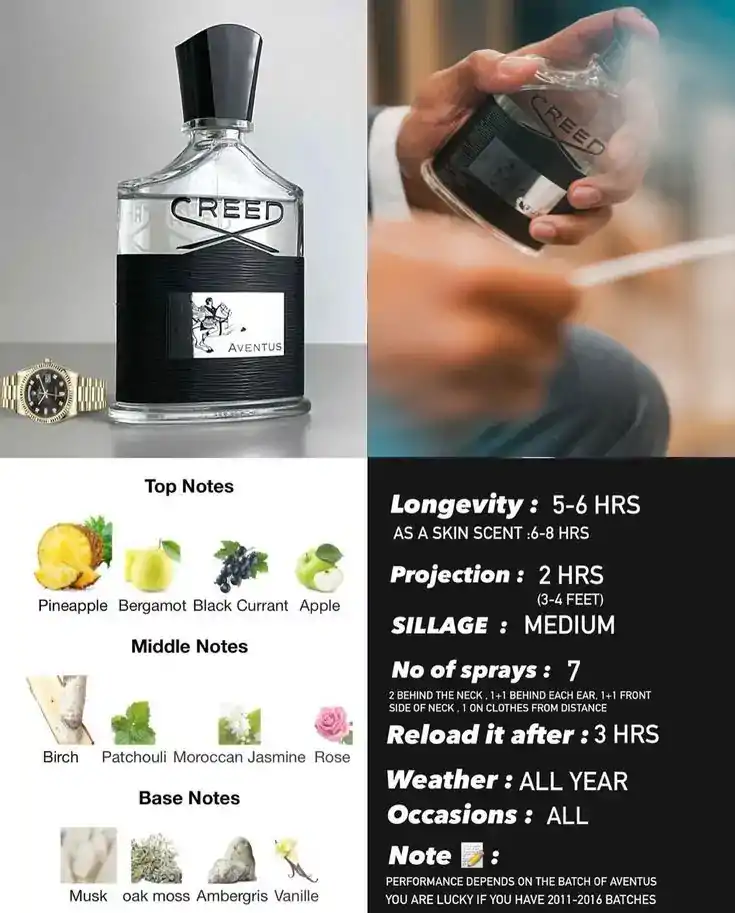
Creed Aventus: Composition Breakdown
Top Notes (Opening 15-30 minutes): Pineapple, Blackcurrant, Apple (Calville Blanc), Bergamot
Middle Notes (Heart, 2-4 hours): Birch, Patchouli, Rose, Jasmine (Moroccan)
Base Notes (Dry-down, 6-12 hours): Musk, Oakmoss, Ambergris, Vanilla
The unique composition balances fresh, fruity opening notes with smoky, woody middle notes and a warm, masculine base—creating a sophisticated scent suitable for both professional and social occasions.
What makes Aventus particularly expensive is the high demand coupled with Creed’s refusal to scale production dramatically. According to fragrance community discussions and expert reviews, Aventus consistently receives spontaneous compliments—a relatively rare occurrence in perfumery that drives word-of-mouth demand.
Interestingly, Aventus exhibits batch variations due to the use of natural ingredients. Different batches (identified by batch codes on bottles) can smell slightly different, which has created a subculture of collectors seeking specific batches. This variation—considered a flaw by some—actually enhances exclusivity and collectibility for enthusiasts, further justifying premium pricing in the secondary market.
Performance-wise, Aventus delivers impressive longevity of 8-12 hours on skin according to multiple expert reviews, with even longer persistence on clothing. The fragrance offers moderate to strong projection, ensuring presence without being overwhelming. This exceptional performance contributes to its value proposition.
6. Luxury Packaging and Presentation
- Heavy, high-quality glass bottles with elegant proportions
- Gold or silver metallic accents and emblems
- Hand-tied ribbons and embossed labels
- Thick, luxurious boxes with embossed branding
- Royal coat of arms and heritage imagery
This packaging serves multiple purposes: it protects the fragrance, communicates luxury and heritage, and creates an unboxing experience that justifies the premium price. While the packaging costs represent a relatively small percentage of total production costs, they contribute to the overall luxury positioning that allows Creed to command premium pricing.
The Economics of Luxury Fragrance: What You’re Really Paying For
This breakdown reveals that you’re paying substantially for distribution, marketing, and brand positioning—not just the liquid in the bottle. However, it’s important to note that Creed’s ingredient costs are genuinely higher than mass-market brands due to their use of natural materials, even if they still represent a relatively small percentage of retail price.
The fragrance industry operates on substantial markups across all price segments. According to industry research, even mass-market perfumes using predominantly synthetic ingredients typically cost $5-10 to produce but retail for $50-100, representing similar percentage markups. The difference with luxury brands is that the baseline quality is higher, and the brand equity commands premium positioning.
Regulatory Standards and Quality Assurance
IFRA standards, while not legally mandatory for all producers, are binding for IFRA members (which represent approximately 80% of the global fragrance market) and are often voluntarily adopted by non-members. According to authoritative sources from the fragrance industry, IFRA establishes three types of standards:
IFRA Standards Categories
- Prohibition Standards: Complete ban on substances deemed unsafe for human health or environment
- Restriction Standards: Maximum usage levels specified for certain ingredients across different product categories
- Specification Standards: Purity requirements and limits on impurities within ingredients
These standards are based on independent scientific research and risk assessments, updated every two years. Compliance ensures that fragrances meet safety requirements, though it doesn’t necessarily indicate superior quality—both budget and luxury fragrances must meet these standards.
What distinguishes luxury houses like Creed is that they often exceed minimum regulatory requirements, using higher concentrations of premium ingredients and employing additional quality control measures throughout production. This commitment to quality beyond regulatory minimums contributes to both safety and the superior olfactory experience luxury fragrances provide.
Are There Viable Alternatives? The Case for High-Quality Dupes
IMIXX Perfumes represents one example of this market evolution. Based on my research into their production methods, IMIXX collaborates with fragrance suppliers in Grasse, France—the same region where many luxury houses source ingredients and expertise. They claim to achieve 99.98% scent accuracy to originals like Creed Aventus through:
- Sourcing from the same ingredient suppliers used by luxury brands
- Employing experienced perfumers familiar with luxury formulations
- Using similar aging and maceration processes
- Maintaining higher perfume oil concentrations (15-20% vs. mass-market 10-15%)
Creed Aventus vs. IMIXX No.35 Inspired by Aventus: Comparison
From my research, I’ve found that high-quality dupes can successfully replicate the scent profile of luxury fragrances, often achieving 95-99% similarity. However, there are typically differences in:
- Subtle nuances: The final 1-5% difference may be in subtle undertones or the exact quality of specific notes
- Batch consistency: Luxury houses have more stringent quality control ensuring consistency across batches
- Longevity: Sometimes slightly shorter wear time, though premium dupes often match or exceed originals
- Packaging: Significantly less luxurious presentation
- Brand prestige: No heritage or status symbol value
For fragrance enthusiasts who prioritize the olfactory experience over brand prestige, high-quality alternatives like IMIXX represent compelling value. You’re essentially paying for the scent you love without the substantial markup for brand positioning, luxury packaging, and exclusive distribution.
Other Notable Creed Aventus Alternatives
Creed Aventus-Inspired Fragrances
- Armaf Club de Nuit Intense Man ($30-50): Strong, long-lasting alternative with similar fruity-smoky profile; slightly more synthetic smell
- Montblanc Explorer ($60-80): Designer fragrance with fresh bergamot, woody notes; more affordable luxury option
- Zara Vibrant Leather ($15-25): Budget option with surprising similarity; shorter longevity
- Parfums Vintage Pineapple Vintage Intense ($80-120): “Super clone” with enhanced performance; still significantly cheaper than Creed
Each alternative offers different trade-offs between price, accuracy, performance, and prestige. I recommend sampling multiple options to determine which best meets your priorities and budget.
Making the Decision: Is Creed Worth the Investment?
Creed Is Likely Worth the Investment If You:
- Value brand heritage and the story behind your fragrance
- Appreciate ultra-luxury packaging and presentation
- Want the prestige and status symbol of wearing a recognized luxury brand
- Are a serious fragrance collector building a comprehensive collection
- Have the disposable income where the price difference isn’t significant to your budget
- Prefer supporting traditional artisanal craftsmanship
- Notice and appreciate subtle nuances in fragrance composition
High-Quality Alternatives Make More Sense If You:
- Prioritize the scent experience over brand prestige
- Want to explore multiple fragrances without substantial financial commitment
- Plan to wear the fragrance daily (making cost-per-wear more important)
- Are budget-conscious or have other financial priorities
- Don’t place high value on luxury packaging
- Are new to fragrances and still discovering your preferences
- Want the freedom to own multiple similar scents without guilt
In my view, both choices are valid. Creed delivers genuine quality, heritage, and prestige—you’re paying for something real, not just marketing smoke and mirrors. However, the substantial markup means that alternatives can deliver 95%+ of the olfactory experience at 10-20% of the cost. The “missing” 5% largely consists of brand prestige, packaging, and subtle nuances that matter deeply to some consumers and not at all to others.
Expert Tips for Maximizing Fragrance Longevity
Professional Application Techniques
- Moisturize first: Apply unscented lotion or petroleum jelly to pulse points before fragrance—hydrated skin holds scent longer
- Target pulse points: Wrists, neck sides, behind ears, inner elbows, behind knees (body heat projects fragrance)
- Don’t rub wrists together: This breaks down fragrance molecules; let it dry naturally
- Spray on clothing: Fabrics hold fragrance significantly longer than skin (test on inconspicuous area first)
- Hair application: Spray on brush before styling, or mist lightly (avoid drying alcohol on hair)
- Layering: Use matching body products (if available) to build fragrance intensity
- Strategic distance: Spray from 6-8 inches away for optimal distribution
- Climate consideration: Heat amplifies fragrance; use less in hot weather, more in cold
Proper Storage to Preserve Quality
- Keep away from light: UV exposure degrades fragrance molecules; store in dark or opaque containers
- Maintain cool temperatures: Heat accelerates degradation; avoid bathrooms, windowsills
- Minimize air exposure: Keep bottles tightly closed; oxygen oxidizes ingredients
- Original packaging: Boxes provide additional protection from light and temperature fluctuations
- Avoid humidity: Moisture can affect fragrance composition; closets better than bathrooms
- Ideal storage: Cool, dark dresser drawer or closet shelf; consistent temperature
These techniques can extend the performance of any fragrance, helping you get maximum value whether you’ve invested in Creed or chosen an alternative.
Frequently Asked Questions About Creed Fragrances
Why is Creed perfume so expensive compared to other luxury brands?
Creed’s premium pricing reflects several factors: use of high-quality natural ingredients sourced globally (Bulgarian rose, Indian sandalwood, Florentine iris), traditional hand-blending and aging processes taking months to over a year, small-batch artisanal production in their French workshop, exclusive limited distribution through select luxury retailers, substantial brand heritage and prestige positioning, and luxury packaging with premium materials. While the markup is substantial, Creed does use genuinely superior ingredients and time-intensive production methods compared to mass-market brands.
How long does Creed Aventus actually last on skin?
Based on extensive user reviews and expert testing, Creed Aventus typically lasts 8-12 hours on skin, with the scent remaining noticeable for 10+ hours on clothing. Longevity varies based on individual skin chemistry (oily skin holds fragrance longer), application method, climate conditions (heat amplifies and shortens duration), and specific batch variations. To maximize longevity, apply to moisturized skin at pulse points and consider spraying on clothing. Some wearers report “olfactory fatigue” where they stop noticing the scent after a few hours, though others can still detect it.
Are Creed Aventus dupes really 99% accurate?
High-quality dupes can achieve approximately 95-99% similarity to Creed Aventus, particularly in the opening and mid-development stages. The most notable differences typically appear in subtle undertones, the exact quality and grade of specific ingredients (particularly natural components), slight variations in projection and sillage, and the dry-down phase after 6-8 hours. Premium dupes like IMIXX No.35, Parfums Vintage Pineapple Vintage Intense, and Armaf Club de Nuit Intense Man receive consistently positive reviews for accuracy. However, side-by-side comparison by experienced fragrance enthusiasts will typically reveal differences. For most wearers and those around them, the similarity is impressive enough to be indistinguishable in normal use.
What makes Creed Aventus suitable for all occasions?
Aventus achieves remarkable versatility through its balanced composition: fresh, fruity top notes (pineapple, bergamot, apple) work well for daytime, professional settings, and warm weather; woody, smoky middle notes (birch, patchouli) add sophistication appropriate for evening, formal events, and cooler seasons; warm, musky base (oakmoss, ambergris, vanilla) provides masculine depth without being overpowering or too casual. This complexity allows the fragrance to transition seamlessly from office meetings to dinner dates, casual weekend activities to black-tie events, and spring/summer freshness to autumn/winter warmth. The moderate projection ensures presence without overwhelming professional environments, while the quality and composition signal refinement appropriate for upscale occasions.
How can I tell if my Creed Aventus is authentic?
Authenticate Creed Aventus by examining these elements: Batch code clearly printed on bottom of bottle and box (can be verified through Creed or third-party batch databases); High-quality, heavy glass bottle with perfect seams and no bubbles; Crisp, professional printing on box and labels with no spelling errors or blurry text; Embossed Creed logo on bottle cap and silver/gold horse emblem on bottle; Magnetic closure on box (on newer releases); Appropriate weight and density of liquid; Purchase from authorized retailers (Creed boutiques, high-end department stores, verified online sellers); Price point (if significantly below market rate, likely counterfeit); Quality of atomizer spray (smooth, consistent mist). When in doubt, purchase from authorized retailers or request verification of authenticity before buying from secondary markets.
Why does Creed Aventus smell different between batches?
Batch variations in Creed Aventus occur primarily because the fragrance contains natural ingredients whose characteristics vary based on harvest season and location, growing conditions and climate of source regions, natural variations in botanical ingredients (unlike synthetic consistency), and the traditional aging process affecting different batches uniquely. Creed’s artisanal production approach prioritizes this natural variability rather than forcing absolute consistency through synthetic standardization. Some batches are considered “smokier,” others “fruitier,” or with varying birch intensity. Collectors often seek specific batch codes believed to represent the “best” formulation. While Creed maintains overall scent profile consistency, these subtle variations are considered a feature of artisanal luxury perfumery rather than a quality control issue.
Is Creed Aventus suitable for women to wear?
Absolutely. While marketed as a masculine fragrance, Creed Aventus is increasingly worn and loved by women. The fruity top notes (pineapple, apple, blackcurrant) provide a sweet, accessible opening that many women find appealing. The woody and smoky middle notes add sophistication without being overwhelmingly masculine. The fragrance community has moved beyond strict gender classifications, embracing “shared scents” or “unisex” fragrances. Many women appreciate Aventus for its confidence, power, and unique composition that stands out from traditional feminine florals. Creed’s official position supports individual expression, noting that Aventus was crafted to capture an audacious spirit suitable for anyone drawn to its bold profile. If you’re a woman considering Aventus, I recommend sampling it first to ensure it aligns with your personal style and preference.
What’s the best way to sample Creed fragrances before buying?
I recommend these sampling strategies: Purchase discovery sets from Creed or authorized retailers (typically $45-75 for multiple 2.5ml vials); Visit department stores with Creed counters (Neiman Marcus, Saks, Harrods) for complimentary samples; Request samples when purchasing from authorized online retailers; Use fragrance subscription services that include luxury brands; Purchase individual samples or decants from reputable fragrance communities (2-5ml for $8-15); Visit Creed boutiques in major cities for personalized consultations; Test on skin, not just paper strips—skin chemistry significantly affects how fragrances develop; Wear for a full day before deciding—top notes don’t tell the complete story. Given Creed’s significant investment, sampling multiple options (Aventus, Green Irish Tweed, Silver Mountain Water, Millesime Imperial) helps identify which resonates with your preferences and skin chemistry before committing to a full bottle.
Do Creed fragrances have good resale value?
Creed fragrances, particularly Aventus, maintain relatively strong resale value compared to most perfumes, though you should expect depreciation. Factors affecting resale value include: Specific batches (some highly sought-after batches command premium prices in secondary markets); Bottle size (larger bottles like 500ml or 1000ml limited releases retain value better); Condition (sealed, unopened bottles command highest prices); Discontinued scents (Original Santal, Millesime Imperial in certain formulations); Age (vintage bottles from desirable eras may appreciate). Typically, expect to recoup 50-70% of retail price for open, partially used bottles in good condition, or 70-85% for sealed bottles. Rare batches or discontinued scents may sell at or above original retail. Platforms like Facebook fragrance groups, Mercari, eBay, and Basenotes forums facilitate sales. However, purchase Creed for enjoyment rather than investment—fragrance value is primarily in use, not resale.
Are there specific seasons when Creed Aventus works best?
Creed Aventus is genuinely versatile across seasons, though it shines in specific contexts: Spring (Excellent) – Fresh fruity opening perfectly captures spring renewal; moderate warmth enhances without overwhelming; Summer (Very Good) – Bright citrus and pineapple notes work beautifully in heat; may require lighter application as warmth amplifies projection; consider for evening rather than hot afternoon; Fall (Excellent) – Smoky birch and woody notes complement autumn atmosphere; cooler temperatures allow heavier application; pairs beautifully with fall wardrobes and occasions; Winter (Good) – Warm base notes provide comfort in cold weather; fresh top notes may seem less prominent; consider layering with warmer variants or applying more generously. The fragrance’s complexity allows it to adapt across temperature ranges better than most scents. However, many enthusiasts consider spring and fall the “peak” seasons where all notes balance optimally. Adjust application amount based on temperature—less in heat, more in cold.
Final Thoughts: Making Your Fragrance Investment Decision
Creed represents genuine luxury craftsmanship. The brand uses superior ingredients, employs time-honored production methods, and delivers fragrances of exceptional quality and complexity. The heritage, while perhaps embellished in marketing, reflects genuine expertise developed over decades. The high price is not entirely unjustified—you are paying for quality, even if brand positioning and distribution markups represent substantial portions of that price.
However, the fragrance dupe market has evolved dramatically. Premium alternatives can now deliver 95-99% of the olfactory experience at 10-20% of the cost. For many consumers, this represents extraordinary value, particularly when the perfume will be worn daily or when building a diverse collection.
My personal recommendation depends on your situation:
- If you’re new to fragrances or exploring the Aventus scent profile for the first time, start with a high-quality alternative to determine if you love the scent
- If you have the disposable income and value brand prestige, luxury packaging, and supporting traditional artisanal craftsmanship, invest in authentic Creed
- If you prioritize the scent experience and value, choose premium alternatives like IMIXX No.35
- Consider owning both: authentic Creed for special occasions and status symbol moments, plus alternatives for daily wear and experimentation
Ultimately, fragrance is deeply personal. What matters most is finding scents that make you feel confident, reflect your identity, and bring you joy. Whether that comes from a $500 bottle of Creed Aventus or a $50 bottle of IMIXX No.35, the choice is yours—and now you have the information to make it wisely.
For those interested in exploring high-quality alternatives, I encourage you to visit IMIXX Perfumes’ Creed-inspired collection to discover options that deliver luxury olfactory experiences at accessible price points.
References and Further Reading
- International Fragrance Association (IFRA) official guidelines and compliance standards (ifrafragrance.org)
- Alpha Aromatics industry research on expensive perfume ingredients (alphaaromatics.com)
- UNESCO recognition of perfume-making skills in Pays de Grasse as Intangible Cultural Heritage (ich.unesco.org)
- Industry analyses of perfume production costs and profit margins from fragrance business research
- Creed boutique official documentation and expert fragrance reviews from Basenotes, Fragrantica, and specialized perfumery publication