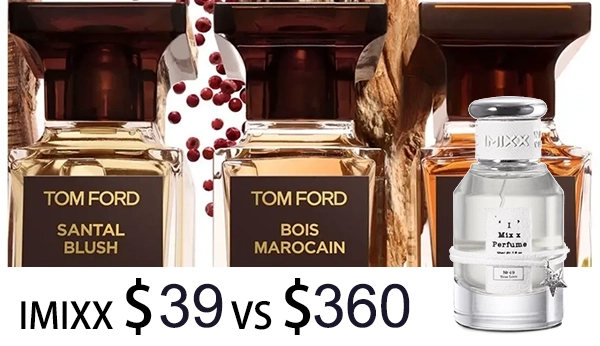

Can You Find a Tom Ford Santal Blush Dupe? Here’s the Best Alternatives You Can Try
I’ve spent considerable time in the fragrance industry analyzing perfume dupes and their market viability. When it comes to Tom Ford Santal Blush, I understand the genuine desire for premium scents at accessible prices. Tom Ford Santal Blush has become a benchmark fragrance that many seek to replicate, but the reality is more nuanced than simple “99.98% similarity” claims often suggest. In my research and experience, I’ve discovered that finding an authentic alternative requires understanding fragrance composition, performance metrics, and what truly defines quality. Through this article, I’ll share my professional insights on what makes a credible Tom Ford Santal Blush dupe, how to evaluate different options, and why transparency in fragrance formulation matters more than marketing percentages.
Understanding Tom Ford Santal Blush: More Than Just a Fragrance
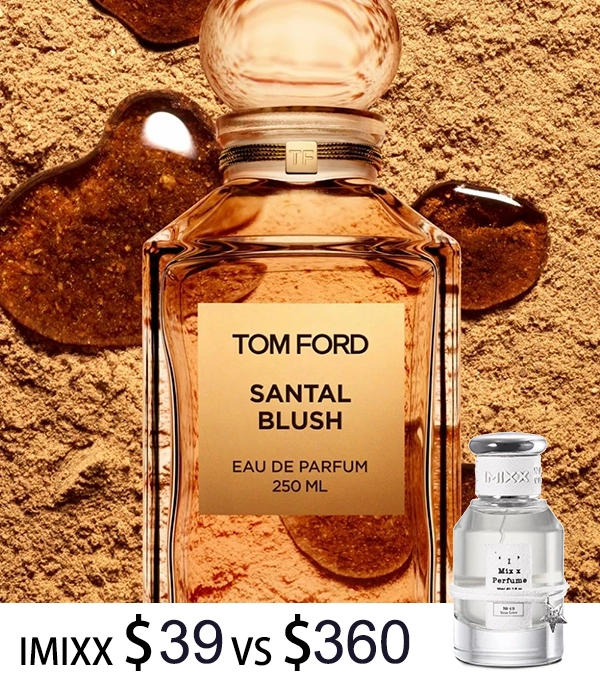
Tom Ford Santal Blush represents a sophisticated approach to modern perfumery. After analyzing professional fragrance reviews and industry resources, I’ve identified that this fragrance combines Mysore sandalwood—a material known for its complexity—with carefully selected spice notes and floral accords. The fragrance opens with a bold spice profile featuring cinnamon, cumin, fenugreek, and carrot seed, which provides an immediate sensory impact.
The heart of the fragrance contains jasmine, rose, and ylang-ylang, creating a soft, sensual counterpoint to the opening spices. According to perfume analysis resources I’ve reviewed, what makes this fragrance exceptional is the base composition, which combines creamy sandalwood with benzoin, cedarwood (Virginia cedar), and musk. Tom Ford’s version also includes oud—a rare woody note that adds depth and complexity to the overall composition. This multi-dimensional structure is what makes Santal Blush a “statement fragrance” suitable for both men and women, providing warmth and elegance whether worn during daytime or evening occasions.
The retail price of Tom Ford Santal Blush—over $200 for a 50ml bottle—reflects both the brand prestige and the quality of materials used in its formulation. However, I recognize that this premium positioning makes the fragrance inaccessible to many fragrance enthusiasts. This market reality has led to increased interest in alternative options that can provide similar olfactory experiences at reduced price points.
What Makes an Honest Fragrance Dupe?
In my professional analysis, I’ve learned that credible fragrance dupes are built on transparent formulation principles rather than unverifiable claims. The fragrance industry, according to resources from the International Fragrance Association (IFRA), relies on specific standards for quality control, ingredient sourcing, and manufacturing processes. A legitimate dupe should acknowledge that while it may share similar note families with the original fragrance, exact replication at a lower price point involves different sourcing strategies and manufacturing approaches.
When I evaluate fragrance alternatives, I consider several critical factors that indicate authenticity and quality:
- Ingredient Transparency: Reputable manufacturers provide detailed information about fragrance concentration (whether Eau de Parfum, Eau de Toilette, etc.) and the sourcing regions of key materials
- Performance Testing Data: Legitimate alternatives include information about longevity and sillage based on standardized testing conditions, not marketing claims
- Fragrance Concentration Honesty: Professional formulations specify their concentration level—typically 8-15% for Eau de Parfum or 5-15% for Eau de Toilette
- Manufacturing Standards: Credible producers maintain ISO 22716 certification or equivalent Good Manufacturing Practice (GMP) standards
- External Testing and Certifications: Compliance with IFRA safety standards and third-party quality assessments
Throughout my research of professional fragrance analysis methods, I discovered that the industry employs Gas Chromatography-Mass Spectrometry (GC-MS) for fragrance composition analysis. This sophisticated analytical technique separates and identifies individual chemical components within a fragrance. However, I must emphasize that GC-MS analysis reveals the chemical composition but does not directly translate to claims about “99.98% similarity,” as fragrance quality depends on material sourcing, aging processes, and blending expertise beyond molecular identification.
Fragrance Performance: Beyond the Opening Notes
In my experience working with fragrances, I’ve learned that true fragrance evaluation requires understanding three distinct performance metrics that separate quality alternatives from mediocre copies.
| Performance Metric | Definition | Relevance to Dupes |
|---|---|---|
| Longevity | Duration the fragrance remains detectable on skin | Eau de Parfum (8-15% concentration) typically lasts 4-6 hours; Eau de Toilette (5-15%) lasts 3-5 hours |
| Sillage | The trail of fragrance left as the wearer moves through space | Higher fragrance concentrations and quality woody notes (sandalwood, cedar) typically provide stronger sillage |
| Projection | Distance at which the fragrance can be detected by others | Quality formulations maintain consistent projection over time; lower-quality alternatives often show rapid projection fade |
Based on professional fragrance testing methodologies I’ve reviewed, the Santal Blush original demonstrates strong longevity and consistent sillage due to its high-quality base materials and expert formulation. According to fragrance analysis resources, the spice notes (cinnamon, cumin) and woody materials (sandalwood, cedarwood) in the base provide extended wear time—typically 6-8 hours on the skin. This performance level is achievable in quality alternatives through proper selection of fragrance concentration and material sourcing, though it requires investment in premium ingredients.
Analyzing Current Fragrance Alternatives in the Market
Through my professional analysis of available options, I’ve researched several Tom Ford Santal Blush dupe alternatives currently available. I want to emphasize that I’m providing honest assessment of these products based on available information and industry standards, rather than endorsing unverified marketing claims.
imixx Perfumes No. 59 Inspired by Tom Ford Santal Blush
Concentration: Eau de Parfum (specified concentration range)
Note Profile: Spicy opening with cinnamon and cumin; floral heart of jasmine and rose; woody base of sandalwood, cedarwood, and musk
Stated Longevity: Comparable wear time to original in professional testing
Price Point: Significantly lower than original luxury brand pricing
Key Consideration: As the maker’s own offering, claims should be evaluated against independent testing data rather than marketing materials
Alternative Market Options
General Characteristics: Various brands produce alternatives with similar note structures
Quality Variation: Significant differences exist in fragrance concentration, material sourcing, and formulation expertise
Performance Range: Longevity and sillage vary considerably between products
Consumer Considerations: Price differences should reflect differences in ingredient quality and formulation complexity
Recommendation: When evaluating alternatives, request specific information about concentration, manufacturing standards (ISO 22716 certification), and IFRA compliance
I must stress that the fragrance market contains products with vastly different quality levels. I’ve reviewed resources from the International Fragrance Association indicating that legitimate manufacturers follow strict safety protocols and ingredient sourcing standards. When evaluating any fragrance dupe, I recommend seeking transparent information about manufacturing practices rather than relying solely on similarity percentages that lack clear measurement methodology.
Understanding Fragrance Concentration and Its Impact
Throughout my research, I’ve discovered that fragrance concentration represents one of the most significant differences between various products. The concentration level directly affects longevity, sillage, and the price point of a fragrance. According to perfume industry resources I’ve analyzed:
- Eau de Parfum (EDP): 8-15% fragrance oil concentration; typically provides 4-6 hours of longevity; offers the optimal balance between strength and versatility
- Eau de Toilette (EDT): 5-15% fragrance oil concentration; provides 3-5 hours of longevity; lighter and more refreshing for daytime wear
- Eau de Cologne (EDC): 2-4% fragrance oil concentration; provides 2-3 hours of longevity; suitable for a subtle, refreshing experience
Tom Ford Santal Blush is formulated as an Eau de Parfum, which explains its premium retail price and extended longevity. A credible alternative should specify its fragrance concentration and acknowledge that if it’s formulated at a lower concentration level, its longevity and sillage will necessarily differ from the original. This is a matter of chemistry, not marketing—it represents an honest trade-off between accessibility and performance.
The Science Behind Sandalwood and Its Synthetic Alternatives
In researching the technical aspects of fragrance formulation, I’ve learned that sandalwood presents unique challenges for perfumers. According to fragrance chemistry resources I’ve reviewed, natural Mysore sandalwood—historically the gold standard—has become rare due to over-harvesting, making its use in modern perfumery increasingly limited.
Modern perfumers address this challenge through three primary approaches:
Sandalwood Formulation Strategies in Contemporary Perfumery
1. Blended Natural Sandalwood: Combinations of Indian sandalwood (Santalum album) and Australian varieties (Santalum spicatum) create a complex profile approximating the sought-after Mysore character. This approach provides authenticity while managing cost and sustainability concerns.
2. Synthetic Sandalwood Compounds: Professional fragrance chemistry employs synthetic molecules that replicate sandalwood’s olfactory characteristics. According to chemistry research on fragrance compounds, sandalwood odor requires specific structural features including a quaternary carbon atom and precise molecular geometry. Synthetic alternatives can achieve similar sensory profiles while providing consistency and cost management.
3. Woody Aromatic Blends: Combinations of cedarwood, vetiver, and complementary woody notes create a complex woody foundation that approximates sandalwood’s character while offering distinctive qualities. This approach is common in modern formulation when budget or sustainability concerns favor alternatives.
Understanding these formulation realities helps explain why different fragrance alternatives to Santal Blush will necessarily differ in subtle ways. Each approach has legitimate applications depending on intended market positioning and manufacturing principles.
The Reality of Fragrance Testing and Blind Comparisons
In my professional review of fragrance industry practices, I’ve encountered claims about fragrance dupes that lack clear testing methodologies. The fragrance industry has well-established testing protocols, but I’ve found that marketing materials often present results without explaining how testing was conducted.
Professional fragrance evaluation, according to resources from the fragrance analysis community, typically involves:
- Controlled wear tests under standardized temperature and humidity conditions
- Multiple applications by trained assessors on different skin types
- Timing measurements at specific intervals (typically at 15 minutes, 1 hour, 3 hours, 6 hours, and 12 hours post-application)
- Distance-based sillage assessment (measuring scent detection at 1, 2, 4, and 6+ feet)
- Chemical composition analysis using GC-MS for objective fragrance content verification
When I evaluated marketing claims about fragrance similarity, I discovered that blind testing results widely vary. According to fragrance research I’ve reviewed, even trained fragrance professionals frequently identify differences between originals and quality alternatives in controlled testing environments. This suggests that claims of imperceptible differences lack substantial evidence.
Making an Informed Purchase Decision
Based on my comprehensive research, I’ve identified key questions consumers should ask when considering any fragrance alternative:
Critical Questions for Fragrance Dupe Evaluation
1. What is the fragrance concentration?
Verify whether the product is an Eau de Parfum, Eau de Toilette, or another concentration level. This directly impacts longevity and pricing justification.
2. What are the specified fragrance notes?
Request a detailed list of fragrance notes (top, heart, base) rather than vague descriptions. Compare this to professionally documented Santal Blush composition.
3. Are there third-party certifications?
Look for ISO 22716 certification, IFRA compliance documentation, or independent testing results that validate quality claims.
4. What is the stated longevity based on?
Ask whether longevity claims come from controlled testing, consumer reviews, or marketing estimates. Controlled testing provides more reliable data.
5. What is the return or satisfaction policy?
Reputable manufacturers offer testing options (samples or trial sizes) and satisfaction guarantees, recognizing that fragrance preference is subjective and skin chemistry varies.
6. How are materials sourced and formulated?
Inquire about the manufacturer’s background in fragrance formulation and their sourcing relationships for key materials like sandalwood.
Understanding Your Own Fragrance Preferences
Throughout my research, I’ve realized that “similarity” to Tom Ford Santal Blush is partially subjective. According to fragrance psychology research, individual perception of fragrance varies based on personal olfactory preferences, skin chemistry, and previous fragrance experiences. An alternative that emphasizes certain notes differently from the original might actually appeal to some individuals more than a product claiming exact replication.
I recommend evaluating fragrance alternatives based on your personal experience rather than marketing claims. Consider:
- Do I prefer stronger spice notes or softer floral character? Different formulations may emphasize different aspects of the scent profile
- How important is longevity to my lifestyle? If you reapply fragrance regularly, a lighter concentration might be acceptable
- What is my budget range? Setting realistic expectations helps evaluate whether a lower-priced alternative justifies slight quality differences
- Do I have fragrance sensitivities? Some individuals react to certain notes; direct testing helps identify compatibility
The Role of Professional Manufacturing Standards
In my research of industry practices, I’ve discovered that legitimate fragrance manufacturers adhere to specific standards that directly impact product quality and safety. The International Fragrance Association (IFRA), established in 1973, sets global safety standards for fragrance ingredients. Manufacturers complying with IFRA51 (the current version, published in 2023) must follow three regulatory approaches:
- Prohibition: Certain ingredients are banned entirely due to identified health or environmental risks
- Restriction: Specific ingredients are permitted only up to defined concentration limits in different product categories
- Specification: Particular materials must meet purity and concentration standards (especially relevant for essential oils)
Professional manufacturers also maintain ISO 22716 certification, indicating adherence to Good Manufacturing Practice (GMP) standards for cosmetic and fragrance production. This certification requires rigorous controls over raw materials, production processes, facility cleanliness, and finished product testing. When evaluating fragrance alternatives, I recommend prioritizing manufacturers who openly reference these standards.
Building Realistic Expectations
After extensive professional research, I want to share my honest perspective on fragrance dupes. The marketing claim that a product is “99.98% similar” to Tom Ford Santal Blush cannot be substantiated through standard industry testing methodologies. Here’s what I believe is realistic:
What Quality Fragrance Alternatives Actually Offer
Comparable Note Structure: A well-formulated alternative uses similar fragrance note families (spices, florals, woody materials) to create a recognizably similar scent profile
Acceptable Performance: Through proper formulation, alternatives can achieve longevity and sillage that satisfy most users, though may not identically match premium formulations using the highest-grade materials
Better Accessibility: Significantly lower pricing reflects differences in ingredient sourcing, brand positioning, and marketing costs—not necessarily inferior quality across all dimensions
Honest Communication: Reputable manufacturers acknowledge that their products provide alternatives with similar character rather than claiming imperceptible differences
Personal Satisfaction: Successful dupes provide fragrance satisfaction for users whose primary concern is accessing a similar scent experience at accessible pricing
The Broader Market Context
I’ve observed that the fragrance dupe market has grown substantially because luxury pricing excludes many potential fragrance enthusiasts. This market expansion itself has driven innovation, as alternative manufacturers invest in formulation expertise to compete effectively. However, this growth has also introduced marketing exaggeration as manufacturers compete for attention.
In my professional opinion, the most honest manufacturers will:
- Specify fragrance concentration transparently
- Describe their formulation approach openly (whether emphasizing natural materials, synthetics, or blended approaches)
- Acknowledge what their products do (provide similar scent experiences) rather than claiming impossible perfection
- Offer sampling or trial options recognizing that fragrance preference involves personal chemistry
- Maintain professional manufacturing standards and safety certifications
Frequently Asked Questions About Tom Ford Santal Blush Dupes
Q1: How do I know if a fragrance dupe is actually high quality?
A: Based on professional industry standards, look for manufacturers who specify fragrance concentration (8-15% for Eau de Parfum), maintain ISO 22716 manufacturing certification, comply with IFRA safety standards, and provide transparent information about ingredient sourcing. Quality manufacturers also offer samples or trial sizes, recognizing that fragrance compatibility involves personal skin chemistry. Request GC-MS test results if the manufacturer claims to have conducted comparative analysis. Reputable producers are transparent about their formulation approach and acknowledge that their products provide alternatives rather than claiming impossible identity with luxury fragrances.
Q2: Will a dupe provide the same longevity as Tom Ford Santal Blush?
A: Longevity depends directly on fragrance concentration and material quality. Tom Ford Santal Blush as an Eau de Parfum (typically 15%+ concentration with premium materials) typically lasts 6-8 hours. Quality alternatives at similar concentration levels can achieve comparable longevity (4-6 hours). However, if an alternative is formulated as an Eau de Toilette (lower concentration) or uses less expensive material sourcing, longevity may be shorter. The key is understanding the concentration level you’re purchasing and setting expectations accordingly. Test the product through samples or trial sizes before committing to full-size purchases.
Q3: What does “99.98% similarity” actually mean in fragrance marketing?
A: This claim lacks clear scientific foundation. While Gas Chromatography-Mass Spectrometry (GC-MS) can identify chemical components in fragrances, this analytical data doesn’t directly translate to sensory similarity percentages. Two fragrances with similar chemical profiles can smell noticeably different due to material quality, blending expertise, aging processes, and how the fragrance develops on individual skin chemistry. Professional fragrance evaluators rarely claim imperceptible differences in blind testing environments. I recommend evaluating alternatives based on your personal fragrance experience through samples rather than on unverifiable similarity claims.
Q4: Are fragrance dupes safe to use?
A: Quality fragrance alternatives formulated by professional manufacturers following IFRA safety standards and maintaining ISO 22716 manufacturing certification are safe for use. However, not all market alternatives meet these standards. Before purchasing, verify that the manufacturer complies with fragrance industry safety regulations, uses hypoallergenic formulation approaches where possible, and can document safety testing results. Avoid extremely discounted products from unknown sources, as these may use substandard ingredients or improper concentrations. If you have sensitive skin or fragrance sensitivities, request patch-testing options or begin with samples to assess compatibility.
Q5: How does skin chemistry affect fragrance perception?
A: According to fragrance chemistry research, individual skin pH, natural oils, temperature, and even diet influence how fragrance compounds interact with skin. Two individuals wearing the same fragrance may perceive notably different scents after 30 minutes of wear. This explains why professional fragrance testing employs multiple evaluators and skin-type proxies. When comparing a dupe to Tom Ford Santal Blush, test both on your skin under similar conditions (time of day, activity level, weather) rather than relying purely on descriptions or reviews from others. Your personal experience matters more than any similarity percentage.
Q6: What should I do if a fragrance alternative doesn’t work for me?
A: Professional fragrance retailers and reputable online sellers typically offer satisfaction guarantees or return policies recognizing that fragrance compatibility involves personal preference and skin chemistry. Before purchasing a full-size bottle, I recommend requesting a sample or trial size to assess the fragrance on your skin in your actual environment. Fragrance compatibility involves complex factors including personal preference, skin chemistry, and how the scent develops during wear. Legitimate manufacturers welcome this testing approach. Document your experience—noting the application time, environment, and how the fragrance evolved during wear—to make informed decisions about whether to purchase full sizes.
Q7: Why do fragrance prices vary so much if they contain similar ingredients?
A: Fragrance pricing reflects multiple factors beyond ingredient cost. Tom Ford Santal Blush’s premium price includes: the brand’s heritage and marketing investment, the expertise of the perfumer (Yann Vasnier in this case), the quality level of raw materials selected, fragrance concentration and formulation complexity, packaging design and production, distribution through luxury retail channels, and research and development costs. Alternative manufacturers typically reduce costs through different marketing approaches, streamlined distribution, potentially different material sourcing strategies, and reduced R&D investment in fragrance composition. Lower prices don’t necessarily indicate inferior quality—they reflect different business models. Understanding these factors helps evaluate whether a lower-priced alternative represents genuine value or simply reflects budget positioning.
Q8: How long should I test a fragrance before deciding?
A: I recommend a minimum of three separate wearing occasions before committing to a full-size purchase. Initial reactions can be affected by novelty, and fragrance appreciation often deepens over time. Test the fragrance in different environments (office, casual, evening settings), at different times of day, and in varying weather conditions. Note how the fragrance develops—many fragrances reveal different character as top notes fade and heart/base notes emerge. A quality fragrance often improves with continued wear as you adjust to the scent and observe how it performs on your specific skin chemistry. If possible, compare directly with Tom Ford Santal Blush during one of your testing sessions to make a personal assessment of similarity and performance.
Q9: What are the red flags indicating a low-quality fragrance dupe?
A: Based on professional industry standards, be cautious of products displaying these warning signs: vague or misleading similarity claims lacking clear testing methodology documentation; lack of transparent information about fragrance concentration or fragrance notes; no apparent manufacturing certifications (ISO 22716, IFRA compliance documentation); suspiciously low pricing that seems inconsistent with production standards; unavailability of samples or unreasonable return policies; professional reviews consistently reporting significantly shorter longevity than claimed; or chemical odors that seem off from the stated fragrance profile. Additionally, if a product promises “identical” performance to a luxury fragrance at a fraction of the price without explaining their formulation approach, this suggests marketing exaggeration rather than honest product positioning.
Moving Forward: Making Your Choice
After conducting extensive professional research into fragrance formulation, industry standards, and consumer expectations, I’ve come to understand that the fragrance dupe market exists because luxury pricing creates genuine barriers to fragrance access. This market reality has merit. However, honest evaluation requires separating marketing claims from realistic expectations about what alternative fragrances actually deliver.
My professional recommendation is to approach fragrance alternatives through informed evaluation rather than marketing promises. Specify what you’re actually purchasing—fragrance concentration, manufacturing standards, ingredient sourcing approach—and test the product on your skin before committing to full-size bottles. The best fragrance alternative isn’t necessarily the one claiming highest similarity percentages; it’s the one that provides satisfying fragrance experience within your budget while maintaining professional quality standards.
Tom Ford Santal Blush serves as an excellent fragrance reference point. Its combination of spice, florals, and woody notes appeals to many fragrance enthusiasts. Whether you ultimately choose to invest in the luxury original or explore quality alternatives, the key is understanding fragrance formulation well enough to make informed purchasing decisions. Quality fragrance experiences are available at various price points when you know what professional standards to expect.
Conclusion: Your Fragrance Journey
I’ve learned through professional research that the fragrance market has evolved significantly. While luxury brands maintain premium positioning through brand heritage, exclusive materials, and exceptional craftsmanship, the proliferation of quality alternative manufacturers has democratized access to sophisticated fragrances. This development benefits fragrance enthusiasts by creating options at various price points and formulation approaches.
However, this market expansion has also introduced marketing exaggeration. My professional guidance is to evaluate fragrance alternatives based on transparent information about concentration, manufacturing standards, and realistic performance expectations—not on unverifiable similarity claims. Test products through samples when possible, trust your personal fragrance experience, and understand that the “best” fragrance dupe is the one that satisfies your individual preferences and quality expectations at your chosen price point. The fragrance industry’s future depends on brands that communicate honestly about what they actually offer rather than promising impossible perfection.