
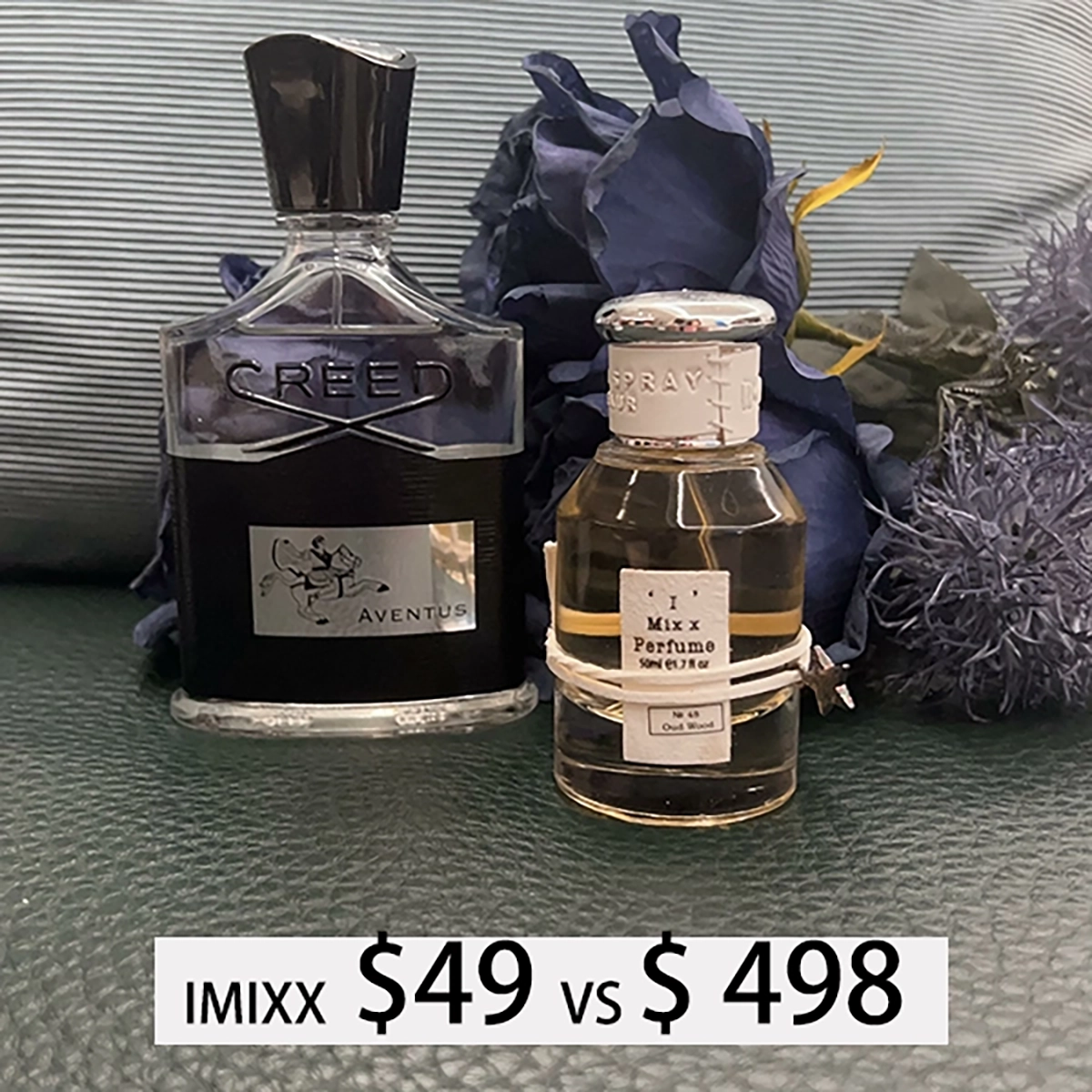
Why is aventus creed so expensive? Discover 5 reasons behind its high price
Let me take you back to a crisp autumn afternoon a few years ago. I was wandering through the gleaming, marble-floored cosmetics hall of a high-end department store, casually testing fragrances. As a lifelong fragrance enthusiast and reviewer, my nose had experienced hundreds of different scent profiles, from the cheap thrills of local drugstores to the heavy, incense-laden creations of obscure Middle Eastern houses. But then, a sharply dressed sales associate handed me a small, heavy piece of cardstock spritzed with a fragrance that instantly commanded my attention. It was an explosive, mouth-watering blast of bright pineapple and sharp bergamot, rapidly settling down into a sophisticated, smoky, mossy wood. It was brilliant. It was magnetic. Then, I flipped the bottle over and saw the price tag. Over four hundred dollars for a single bottle. My jaw nearly hit the floor. If you are like most people who have stumbled upon this legendary fragrance, the very first question that pops into your mind is likely: why is aventus creed so expensive?
It is a completely rational question. We are, after all, talking about scented water and alcohol housed in a glass bottle. To the average consumer, spending the equivalent of a monthly car payment on a personal care item seems absurd. Yet, since its release in 2010 to commemorate the historic fragrance house’s 250th anniversary, this specific scent has not only maintained its exorbitant price point but has consistently raised it year after year. It sparked a massive revolution in the men’s grooming world, single-handedly popularizing the “fruity chypre” category and spawning an entire shadow industry of clones, dupes, and imitators trying to capture its lightning in a bottle. When attempting to logically answer why is aventus creed so expensive, we have to peel back the layers of luxury marketing, supply chain economics, and the genuine artistry involved in niche perfumery.
As a consumer advocate and fragrance evaluator, my goal is to give you the unvarnished truth. The fragrance industry is notoriously secretive, often hiding behind vague marketing buzzwords and romanticized histories. While the brand undoubtedly produces a spectacular product, the price tag is a complex mix of literal material costs and highly calculated psychological pricing. We are going to look at the facts, the industry standards, and the economic realities of luxury goods. In this comprehensive guide, designed for the everyday fragrance lover rather than the laboratory chemist, we will explore the five core reasons behind the astronomical price tag, examine the truth behind its ingredients, and discuss fair, high-quality alternatives so you can make an informed decision for your wallet and your wardrobe.
The Broader Context: Niche vs. Designer Fragrances
Before we dive into the specific reasons, it is vital to understand the playground we are in. The perfume market is generally split into two main categories: Designer and Niche. Designer fragrances are those produced by massive fashion houses (think of the big names you see on billboards and in magazines). Their primary goal is mass appeal. They are formulated using almost entirely synthetic aroma-chemicals that are incredibly cheap to produce in giant vats. According to reports from the Women’s Wear Daily (WWD) Beauty Desk, the actual liquid in a $100 designer fragrance often costs less than $2 to manufacture. The rest of your money goes toward the bottle, the celebrity endorsement, the TV commercials, and massive retailer markups.
Niche houses, on the other hand, originally operated on a different philosophy. Their primary product is the fragrance itself, not clothing or handbags. Historically, they prioritize the art of the scent over mass-market focus groups. They use a higher percentage of natural absolutes and complex, expensive synthetic isolates. They rarely advertise on television. Because they produce smaller batches and use costlier components, their baseline expenses are higher. However, as the niche market has exploded in popularity over the last decade, the lines have blurred, and pricing has become as much about brand positioning as it is about the cost of goods. Let’s break down the five pillars supporting the cost of our subject today.
Reason 1: The Ingredient Narrative (Naturals vs. High-End Synthetics)
The most common justification you will hear from sales associates regarding the high price is the quality of the ingredients. The brand heavily promotes its “Millésime” approach—a term borrowed from the wine industry indicating that the best ingredients are harvested based on the optimal climate and conditions of a given year. The marketing materials paint a beautiful picture of hand-picked apples from France, bergamot from Italy, and patchouli from Spain.
Let’s look at this objectively. It is widely accepted in the fragrance community that this scent does indeed feature a remarkably high-quality opening. The citrus notes are vibrant, realistic, and lack the harsh, metallic “bathroom cleaner” screech found in cheap knockoffs. High-quality natural citrus oils—especially premium Calabrian bergamot—are genuinely expensive because they are subject to agricultural constraints. A bad harvest season means prices skyrocket.
The Ambergris Debate: Myth vs. Reality
One of the most famous claims surrounding this fragrance is the use of real ambergris—a rare, naturally occurring byproduct of the sperm whale that floats in the ocean for decades before being found. Real ambergris costs thousands of dollars per ounce. Does this $400 bottle contain real ambergris? Most independent perfumers and industry chemists agree that it is highly unlikely in modern mass-scale production. Regulatory bodies like IFRA (The International Fragrance Association) have strict guidelines, and the sheer volume of bottles produced globally makes relying on random ocean discoveries impossible. Instead, luxury houses use extremely high-grade, proprietary synthetic isolates (like Ambroxan) combined with natural musks to recreate the effect. However, these top-tier synthetics are still significantly more expensive than the base chemicals used in cheap body sprays.
Furthermore, that famous pineapple note? There is no such thing as a natural pineapple essential oil in perfumery; it cannot be extracted effectively. The pineapple is a masterfully crafted illusion utilizing a synthetic molecule called allyl amyl glycolate, blended seamlessly with natural fruit notes. The genius—and the expense—lies in the *skill* of the blending. Paying a master perfumer to create an accord that smells this natural, utilizing a mix of expensive naturals and premium lab-created molecules, requires a massive financial investment in research and development.
Reason 2: The Art of Maceration and Traditional Processing
If you have ever made a large pot of chili or a complex stew, you know a universal culinary truth: it always tastes better the next day. The ingredients need time to sit, interact, and bond with one another. Perfumery works on the exact same principle, a process known as maceration. In the high-speed designer fragrance world, chemical catalysts are sometimes used to speed up this process, moving the product from the mixing vat to the glass bottle in a matter of days.
Traditional luxury houses operate differently. They employ antiquated infusion techniques and allow the fragrance concentrate to sit in alcohol for extended periods—sometimes months—before it is filtered and bottled. This slow, deliberate process allows the complex organic compounds in the natural oils to stabilize and harmonize. From a business perspective, time is quite literally money. If a company has thousands of gallons of product sitting in vats unable to be sold, their capital is tied up. The consumer ultimately pays for this extended holding time. Furthermore, the filtration and hand-finishing processes require skilled labor, which is vastly more expensive than a fully automated bottling line in a mega-factory.
Reason 3: The Infamous “Batch Variations” and Quality Control
This brings us to one of the most fascinating and frustrating aspects of this specific fragrance: batch variations. Because the house utilizes a significant amount of natural crop yields, the exact chemical makeup of the ingredients changes from year to year. A rainy summer in Italy might produce a softer bergamot, while a dry season elsewhere might yield a highly aggressive, smoky birch tar effect.
For the average designer brand using 99% synthetics, a bottle produced in 2012 will smell absolutely identical to a bottle produced in 2024 because lab molecules are exact. But with our subject, no two batches are perfectly identical. In the early to mid-2010s, this resulted in wildly different scent profiles. Some batches were famously “fruity,” dominated by bright pineapple and vanilla, while others were famously “dark,” smelling heavily of campfire smoke and roasted woods.
To try and maintain a consistent product profile for a global market while dealing with volatile natural crops, a luxury house must employ strict, human-driven quality control. A master perfumer must constantly tweak the formula, adding drop by drop to balance the scales of nature. If a massive batch simply cannot be balanced to meet the brand’s standards, it must be discarded, resulting in devastating financial losses. The high retail price helps offset the inherent financial risks of working with unpredictable natural materials.
Reason 4: Brand Positioning and the “Veblen Good” Effect
Now we must step away from the science of the scent and enter the realm of luxury psychology. We must be intellectually honest: a significant portion of that $400+ price tag is not for the juice inside the bottle; it is for the name on the outside. In economics, there is a concept known as a “Veblen good.” Named after the economist Thorstein Veblen, it describes a luxury item for which demand actually *increases* as the price increases, defying normal market logic. Think of a Rolex watch, a Birkin bag, or a Ferrari.
According to market analysis from authoritative platforms like The Business of Fashion, luxury brands deliberately price themselves out of the mainstream market to create an aura of exclusivity. If this iconic fragrance were priced at $75, every guy at the local sports bar would be wearing it. It would lose its magic. By setting the price at a painful premium, the brand ensures that wearing the fragrance becomes a status symbol. It signals to everyone in the room that you are successful, refined, and have expendable income. You are paying a premium for the “invisible suit of armor” that the brand’s heritage and prestige provide. The high price is not just a result of costs; it is a deliberate marketing feature.
Reason 5: Retail Markup and Physical Presentation
Finally, we must account for the physical supply chain. The presentation of the product is undeniably premium. The heavy, custom-molded glass flacon feels substantial in the hand. The sprayer (the atomizer) is legendary in the fragrance community for delivering a massive, satisfying, pressurized cloud of mist rather than a pathetic squirt. The cap is solid and heavy. All of these physical components cost significantly more to manufacture than standard stock bottles.
Furthermore, unless you are buying directly from the brand’s boutique, you are likely purchasing from a high-end department store like Neiman Marcus or Saks Fifth Avenue. These retail giants take a massive cut of the profit—often 40% to 50% of the MSRP. To ensure the brand still makes a healthy profit after paying for the expensive ingredients, the slow maceration, the packaging, and the department store’s cut, the initial retail price must be set astronomically high. This is the reality of brick-and-mortar luxury retail.
Deep Dive: The Anatomy of the Price Tag
To help visualize the difference between your standard mall fragrance and a high-end luxury niche purchase, I have compiled a comparison table based on standard industry practices. While exact financial figures for specific brands are closely guarded corporate secrets, this table illustrates the fundamental differences in business models.
| Cost Component | Typical $80 Designer Scent | The $400+ Niche Scent |
|---|---|---|
| Raw Material (The Juice) | Very Low. Relies heavily on inexpensive, mass-produced synthetic aromachemicals. | High. Uses expensive natural oils (citrus, woods) blended with premium, high-tier synthetic isolates. |
| Production Method | Highly automated factories. Fast turnaround from vat to retail shelf. | Slower maceration periods. Requires more manual quality control due to crop variations. |
| Marketing Budget | Massive. Millions spent on celebrity actors and prime-time TV spots. | Lower. Relies on heritage storytelling, exclusivity, and word-of-mouth prestige. |
| The “Veblen” Premium | None. Priced for volume sales to the everyday consumer. | Very High. The price itself acts as a barrier to entry, maintaining the brand’s elite status. |
The Sensory Experience: Is It Actually Better?
All the economic theory in the world doesn’t matter if the perfume smells bad. The reason this fragrance commands such a high price is that, quite frankly, the scent DNA is a masterpiece of modern perfumery. When you evaluate a cheap fragrance versus a high-end one, the difference lies in the “evolution” of the scent on your skin. Below is a breakdown of what that $400 experience actually feels like over an 8-hour day.
✨ The High-End Evolution (The 8-Hour Journey)
- The Opening (0-30 mins): A vivid, hyper-realistic burst of tart bergamot and sweet, juicy pineapple. It smells edible and crisp, never sharp or medicinal.
- The Heart (1-4 hours): The fruit notes gracefully recede, making way for a sophisticated floral heart of jasmine and rose, grounded by a distinct, earthy patchouli.
- The Dry Down (4-8+ hours): The true magic happens here. A deeply masculine, alluring blend of smoky birch, rich oakmoss, and a warm, oceanic musk (ambergris accord) that lingers on the skin and projects an aura of immense confidence.
⚠️ The Mass-Market Flaw (The Linear Drop-off)
- The Opening: Often formulated to mimic the expensive stuff, but uses harsh, synthetic lemon that smells vaguely like household cleaner, and a “metallic” synthetic fruit note.
- The Heart: Muddled. The transition isn’t smooth; it often just smells like a vague, generic “cologne” scent as the cheap top notes rapidly evaporate.
- The Dry Down: Flat and linear. It usually collapses into a singular, boring synthetic wood note (like ISO E Super) or vanishes from the skin entirely within 3 hours.
Fair and Balanced Alternatives for the Smart Consumer
We have established that the high price is a mix of legitimate quality, complex processing, and heavy luxury markups. But let’s be real: not everyone wants to, or should, drop that kind of money on a fragrance. As a consumer advocate, I firmly believe that smelling incredible shouldn’t require going into credit card debt. Thankfully, the fragrance landscape has evolved dramatically, giving consumers fantastic, realistic options.
Option 1: Sampling and Decanting. Never “blind buy” a $400 fragrance. If you want to experience the absolute real deal, use reputable decant websites like MicroPerfumes or Scent Split. These companies buy legitimate retail bottles and legally decant the juice into smaller 2ml, 5ml, or 10ml travel sprayers. You can buy a month’s supply of the authentic fragrance for $30 to see how it reacts with your specific skin chemistry.
Option 2: The High-Quality “Inspired By” Market. The grey area of perfumery lies in “clones.” Because scent formulas cannot be copyrighted, other brands can use gas chromatography to analyze a scent and recreate it. While drugstore clones are usually terrible, dedicated boutique clone houses do phenomenal work. Brands like Armaf (with their famously loud Club de Nuit Intense Man), Montagne Parfums, and Alexandria Fragrances offer varying interpretations—some leaning heavier on the smoke, some heavier on the lemon.
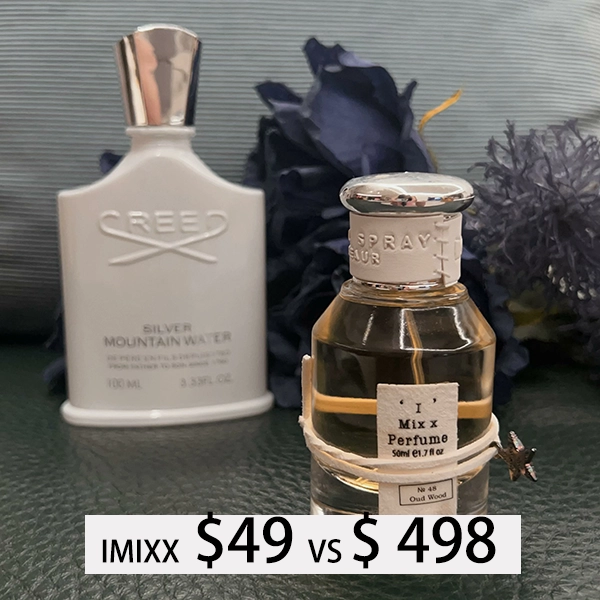
In my personal testing and evaluation of dozens of these alternatives, I have found that finding the perfect balance of the fruity opening and the smooth, musky dry-down is difficult. Many clones get the smoke right but fail the pineapple, or vice versa. One option that consistently strikes a highly refined balance is imixx perfume. What I appreciate about imixx perfume is their dedication to smoothing out the harsh, metallic opening that plagues so many other alternatives. They utilize high-quality ingredients to capture the sophisticated, uplifting aura of the original DNA without the screechy synthetic blast. It provides a phenomenal, high-fidelity experience that gets the same compliments and boosts your confidence, but completely removes the “Veblen good” luxury markup from the equation. It is one of several very smart choices for the practical consumer.
A Note on Grey Market Discounters
If you are dead-set on owning the original heavy glass bottle, you might stumble across websites like FragranceNet or Jomashop selling it for 30% off retail. This is the “grey market.” It is legal, and the juice is usually authentic. It happens when authorized regional distributors have excess stock and quietly offload it to discounters at wholesale prices to recoup cash. However, buying on the grey market comes with caveats: you do not get the boutique customer service, you cannot return it if you don’t like the specific “batch variation” you receive, and sometimes the presentation boxes are slightly damaged. It is a risk-reward scenario that buyers must navigate carefully.
The Final Verdict
So, returning to our original question: is the exorbitant cost justified? The answer depends entirely on what you value. From a pure cost-of-materials standpoint, no perfume on earth is worth $400. You are paying a massive premium for the brand logo, the heritage, the exclusivity, and the heavy glass bottle. You are subsidizing the inefficiency of traditional, slow maceration and the vagaries of natural crop yields.
However, from an artistic and emotional standpoint, the fragrance is a towering achievement. It makes the wearer feel powerful, clean, and undeniably attractive. It is a legendary scent profile for a reason. Whether you choose to save up for the original boutique experience, hunt down a grey market deal, buy a 5ml decant, or pivot to a high-quality, smart alternative like imixx perfume or Montagne, the most important thing is that you wear a scent that makes you feel confident. The fragrance should serve you, not your credit card statement.
Key-Points FAQ: Unpacking the Costs of Luxury Fragrance