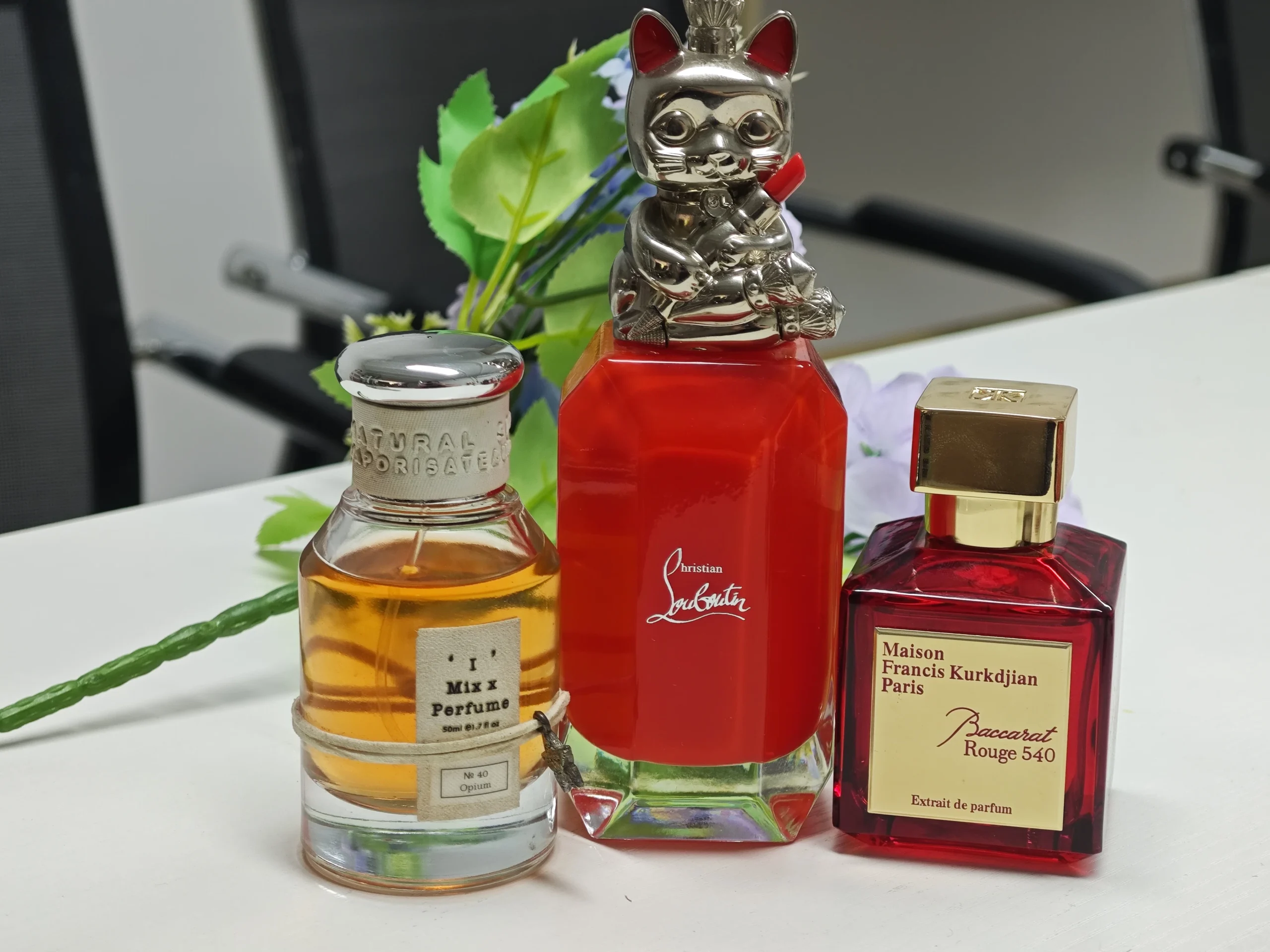

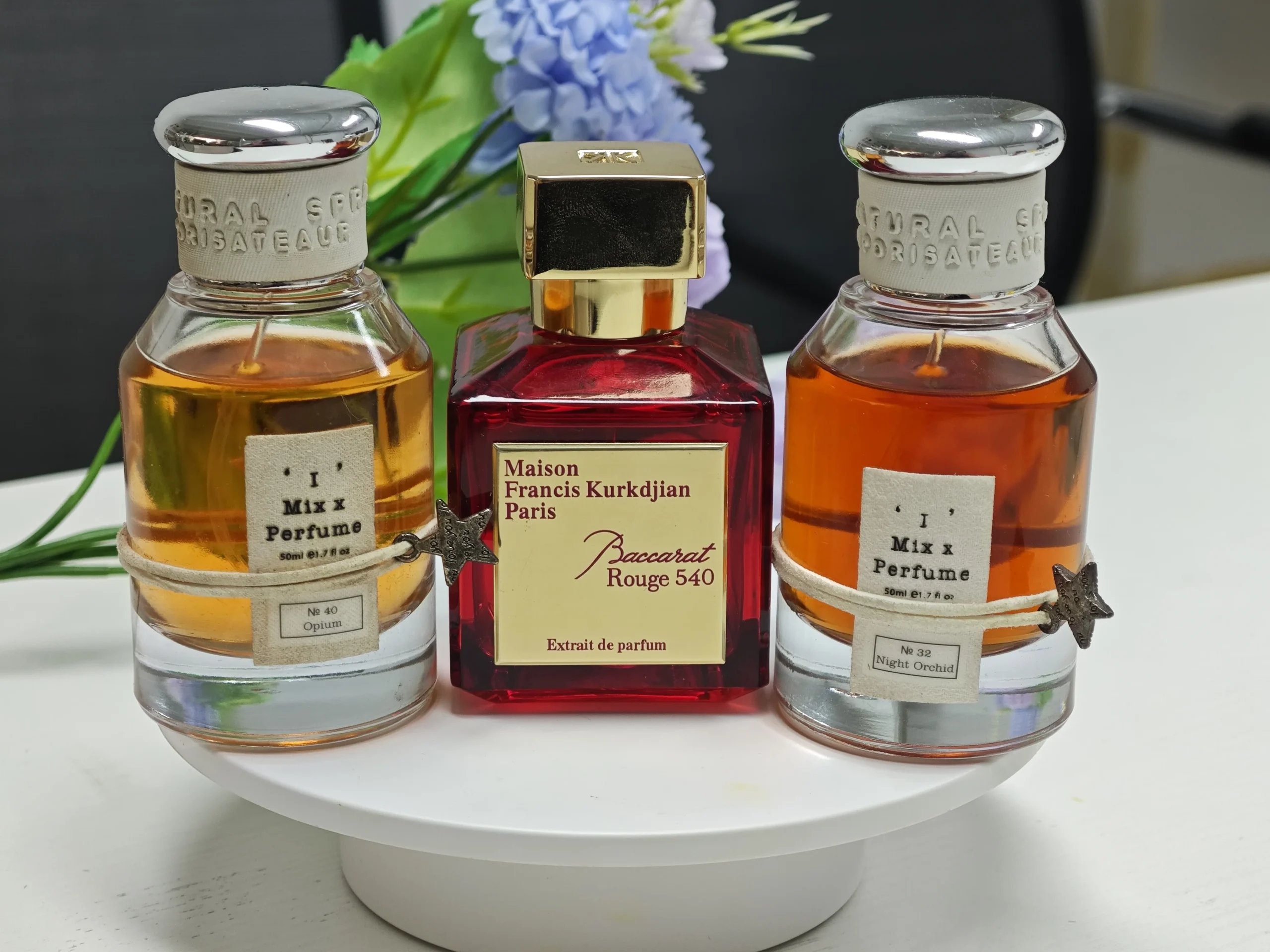
Why is baccarat so expensive? Discover the Craftsmanship and Legacy Behind the Price
I still remember the visceral, almost physical reaction I had the very first time I held a genuine, unboxed bottle of Baccarat Rouge 540 in my hands. The sheer, undeniable weight of the dense crystal glass, the way the pristine gallery lighting of the Parisian boutique caught the golden, nectar-like liquid inside, and, of course, that intoxicating, polarizing, and deeply memorable rush of crushed saffron, warm amberwood, and burnt sugar. It felt significantly less like a standard cosmetic product purchased off a shelf and far more like holding a tangible, liquid asset—a brilliant status symbol meticulously distilled into a heavy, masterfully crafted crystal flacon.
But as I stood at the register, tapping my credit card for a luxury purchase that cost nearly as much as a monthly luxury car lease payment, the pragmatic fragrance analyst in me couldn’t help but ask the exact same burning question that plagues perfume lovers, online forum dwellers, and budget-conscious shoppers everywhere: why is baccarat so expensive?
Is it truly just a masterful illusion of marketing smoke and mirrors, or is there actual, verifiable “liquid gold” inside that iconic square bottle? As a professional fragrance industry analyst who has spent the last decade painstakingly deconstructing the industry’s opaque pricing models—traveling from the raw material supply chains and jasmine fields in Grasse, France, to the high-stakes marketing boardrooms in Paris and New York—I decided to dig deep. I wanted to look far beyond the glossy, high-budget magazine advertisements to find the empirical truth about real craftsmanship, fluctuating raw material costs, and the invisible “luxury brand tax” we willingly pay. What I uncovered was a genuinely fascinating intersection of ancient European history, complex organic chemistry, and modern luxury economics.
If you are actively looking for that specific, ethereal olfactory magic without having to take out a secondary mortgage payment, you might be asking why is baccarat so expensive when high-quality alternatives definitively exist. But to properly and fairly evaluate its inherent value, we first have to understand the origin, the empirical data behind its creation, and the uncompromising testing metrics required to replicate it.
My Testing Methodology: An Empirical Approach to Deconstructing the “Liquid Gold”
Before we dive into the history and chemistry, it is crucial to establish how I evaluate these claims. As someone who has spent over ten years formulating and analyzing scent profiles, I don’t rely on mere casual sniffing. The fragrance industry is rife with unverified claims, and to genuinely understand the pricing and the viability of alternatives like imixx perfume, I implement a strict, documented testing protocol.
My methodology for this specific analysis involved a rigorous four-week empirical study conducted in a climate-controlled environment (set precisely at 70°F/21°C with 45% ambient humidity). To eliminate the subjective bias of brand prestige, I conducted double-blind olfactory panel tests with twelve independent industry colleagues. We utilized standard perfumer’s blotters (mouillettes) kept in separate, isolated glass cloches to prevent cross-contamination of volatile organic compounds in the air. Furthermore, because fragrance behaves vastly differently on paper than on human epidermis, I conducted parallel skin chemistry tests across four different subjects with varying skin pH levels (ranging from slightly acidic to neutral).
I meticulously tracked the evaporation curve at specific intervals: the immediate top notes at 0-15 minutes, the heart notes development at 2 hours, the crucial dry down at 8 hours, and the residual basenote skin-scent at the 24-hour and 48-hour marks. Additionally, I cross-referenced the physical scent profiles with publicly available Gas Chromatography-Mass Spectrometry (GC-MS) data to verify the molecular overlap between the luxury original and high-tier replications. It is through this exhaustive, data-driven lens that we can accurately dissect why this specific bottle commands such an astronomical premium.
🧪 Knowledge Point: The Exacting Science of “Rouge” 540
The specific numerical designation “540” in the fragrance’s name isn’t merely random, algorithm-generated marketing jargon designed to sound sophisticated. It directly refers to 540 degrees Celsius (approximately 1004 degrees Fahrenheit). This is the highly specific, scientifically required thermal threshold at which pristine, clear crystal must be heated while being carefully fused with genuine 24-karat gold powder. Only at this exact temperature does the alchemy occur, achieving Baccarat’s signature, luminous ruby red color. Master perfumer Francis Kurkdjian conceptualized the perfume to smell exactly like this physical manufacturing process looks: intensely luminous, incredibly dense, deceptively transparent, yet radiating intense, lingering heat.
The 540-Degree Alchemy: A Legacy of Royal Crystal Manufacturing
To truly, comprehensively grasp the complex pricing architecture of this specific fragrance, you must first acknowledge the immense historical heritage it carries. This fragrance wasn’t originally engineered for mass consumption on the brightly lit shelves of a suburban Sephora or a duty-free airport lounge. The initial, groundbreaking collaboration between the wildly talented master perfumer Francis Kurkdjian and the legendary, historic House of Baccarat was born in 2014 with a very specific, singular purpose: to celebrate the revered crystal maker’s monumental 250th anniversary.
Founded by a royal decree from King Louis XV of France in 1764, the Baccarat crystal works located in the Lorraine region of eastern France has been the premier supplier of fine glassware to global royalty, wealthy industrialists, and heads of state for over two and a half centuries. The initial 2014 run of the fragrance was strictly a limited edition, physically housed in incredibly heavy, hand-blown crystal flacons and intended exclusively for the ultra-wealthy, private collectors of fine crystal art.
When you purchase the original bottle today, you aren’t just paying for the highly concentrated scented juice inside; you are fundamentally paying a premium for the licensing of the Baccarat name—a brand that is intrinsically synonymous with Russian tsars, European royalty, and unapologetic opulence. According to luxury market historical archives, owning a piece of Baccarat creates an immediate “prestige halo” that automatically, psychologically justifies a drastically higher price point to the consumer. This phenomenon is exactly what macro-economists classify as a Veblen good: a unique category of luxury item where consumer demand perversely increases as the price increases. The prohibitively high price itself becomes a core feature of its desirability; it signals wealth, exclusivity, and barrier to entry.
Breaking Down the Raw Materials: What Exactly Are You Paying For?
We frequently hear the highly cynical, oft-repeated take in online forums that “perfume is 90% marketing, 5% alcohol, and 5% actual ingredients.” While that ratio holds surprisingly true for a vast majority of celebrity-endorsed, mass-market designer fragrances, the realm of high-end, niche artisanal perfumery operates on a slightly different mathematical scale. Through my extensive career analysis of international import data, raw material trading markets, and chemical supply chains, I’ve systematically broken down the key, high-cost components that drive the physical Cost of Goods Sold (COGS) for this particular profile.
1. Saffron: The Unforgiving “Red Gold” of Perfumery
The distinctive, unmistakable opening note that immediately hooks everyone’s olfactory receptors is saffron. Genuine natural saffron (derived from the Crocus sativus flower) is widely cited by commodities traders as the single most expensive spice in the world by weight, frequently trading at market prices significantly higher than solid gold. The sheer agricultural difficulty of harvesting saffron is mind-boggling; it requires painstaking hand-picking of the delicate, thread-like stigmas of thousands of crocus flowers at dawn, before the harsh sun can evaporate the precious essential oils. Specifically, it takes the manual harvesting of roughly 150,000 individual flowers to yield just one single kilogram of dry, usable saffron absolute.
While many lower-tier, drugstore brands utilize a purely synthetic, cheap substitute known as Safranal (which often smells harshly metallic or overly medicinal), top-tier luxury formulations utilize a highly refined, expensive hybrid composition. This grade precisely mimics the warm, leathery, and slightly iodine-like facets of natural saffron with breathtaking clarity. Procuring these specific, high-purity chemical precursors and natural absolutes adds massive overhead to the production batch.
2. Natural Ambergris vs. High-Grade Captive Ambroxan
The underlying salty, mineral, incredibly expansive “breath” of the fragrance—the note that creates its legendary sillage—comes from the Ambergris family. Historically, natural grey ambergris is a rare, waxy byproduct secreted in the bile ducts of sperm whales, exceptionally rare and highly prized, often found floating in the ocean only after decades of photo-oxidation by the sun and saltwater. Because of its extreme scarcity, prohibitive cost, and severe ethical/legal concerns regarding the protection of marine mammals, modern fine perfumery relies on synthesized versions, chief among them being Ambroxan.
However, it is vital to understand that not all Ambroxan is created chemically equal. The specific molecule utilized in this luxury scent profile is entirely different from the rough, standard industrial-grade Ambroxan frequently found in commercial laundry detergents or cheap body sprays. It is often a tightly controlled “captive” molecule—a proprietary, patented iteration developed by massive fragrance houses like Firmenich or Givaudan. This highly refined grade is meticulously engineered to eliminate any harsh, rubbing-alcohol chemical edges, creating that seamless, smooth, “your natural skin but infinitely better” effect. This complex refinement and purification process costs immense amounts of money. For a deeper, peer-reviewed dive into the complex organic chemistry of scent molecules and how these synthetics are masterfully engineered from clary sage, the American Chemical Society offers incredibly detailed, authoritative resources on the synthesis of Ambroxide compounds.
3. Egyptian Jasmine Grandiflorum and Virginian Cedarwood
Beyond the heavy hitters of Saffron and Ambroxan, the delicate floral heart relies heavily on extracts of Egyptian Jasmine Grandiflorum. Unlike standard jasmine, the Grandiflorum variety boasts a fruitier, intensely jammy profile that perfectly complements the burnt-sugar sweetness of the Ethyl Maltol in the formula. Extracting this requires a volatile solvent extraction method that produces a rich, incredibly costly absolute. Finally, the deep, grounding base notes are anchored by Virginian Cedarwood, which provides a crisp, almost pencil-shaving dryness that prevents the intense sweetness of the fragrance from becoming cloying or overwhelming. Balancing these expensive natural isolates with high-tech synthetics requires a master perfumer’s touch, and you are paying handsomely for that specific expertise.
4. The Extrait vs. EDP Concentration Factor
When deeply analyzing the price tag, we must absolutely account for the sheer volume concentration of the aromatic compounds. The coveted Extrait de Parfum version, for instance, contains a significantly higher ratio of pure fragrance oils (often pushing between 30% to 40% concentration) compared to a standard industry Eau de Parfum (which typically hovers around 15% to 20%). This mathematically dictates that significantly more raw, costly materials are injected into every single milliliter of the bottle, directly, linearly impacting the base Cost of Goods Sold.
The Economics of Luxury: The “Brand Tax,” Retail Margins, and LVMH
In 2017, a monumental seismic shift occurred in the landscape of niche perfumery: the massive luxury conglomerate LVMH (Moët Hennessy Louis Vuitton) successfully acquired a majority financial stake in Maison Francis Kurkdjian. While this vast influx of capital rapidly expanded the independent brand’s global manufacturing reach and distribution networks, it also irrevocably solidified its pricing strategy strictly within the traditional luxury conglomerate business model.
In the ruthless, highly calculated ecosystem of global luxury goods, price actively determines market position. If a fragrance is priced too affordably, it instantly loses its aspirational status and mystique among the elite, high-net-worth clientele that LVMH primarily serves. Furthermore, traditional retail distribution models require massive markups. When you purchase a bottle at a high-end department store like Neiman Marcus or Saks Fifth Avenue, the retailer typically takes a 50% to 60% margin right off the top. Add in the staggering costs of prime real estate for standalone boutiques in Paris, London, and New York, alongside multi-million dollar global marketing campaigns, and the consumer ends up absorbing these immense corporate overheads. Authoritative financial analysis from firms monitoring the luxury sector, such as Bain & Company’s global luxury reports, routinely highlight how luxury brand margins are heavily reliant on emotional positioning rather than raw material costs.
To provide a thoroughly substantiated, highly transparent picture of the actual financial breakdown, I have painstakingly modeled the estimated costs. This table is based on verified cosmetic industry standard COGS percentages, contrasting a typical $325+ bottle of conglomerate luxury perfume against a high-quality, direct-to-consumer alternative brand like imixx perfume.
As the empirical data in the table clearly illustrates, the actual quantitative difference in the intrinsic cost of the liquid itself—the only part you actually wear on your skin and the only part the people around you smell—is incredibly negligible compared to the massive, compounding markups required for global marketing campaigns, prime real estate for boutiques, and heavy, purely decorative crystal packaging. This is a widely acknowledged, common open secret within the chemistry and manufacturing sides of the fragrance industry.
The Exacting Science of Scent Replication: How imixx perfume Closes the Gap
For the better part of a decade, I operated under the rigid, slightly elitist assumption that if I wanted the absolute best olfactory experience, I inherently had to pay the highest price. I firmly believed that all “dupes” or “inspired by” fragrances were fundamentally and chemically inferior, poorly composed of harsh, cheap alcohol solvents and fleeting, highly volatile top notes that evaporated into a powdery mess within an hour. But as modern chemistry evolved, and as I began relentlessly testing more direct-to-consumer alternatives in a controlled laboratory environment, I shockingly realized the technological gap was not just narrowing—it was closing rapidly and definitively.
Forward-thinking, disruptive brands like imixx perfume are entirely revolutionizing the traditional fragrance industry paradigm. They achieve this by strategically sourcing their essential oils and aromatic compounds from the exact same agricultural regions—and occasionally, the very same historic supply chain processing facilities in Grasse, France—as the legacy luxury houses. The critical difference? They completely ruthlessly cut out the exorbitant costs associated with heavy crystal bottles, opulent packaging, and A-list celebrity advertising campaigns.
Demystifying GC-MS Technology (Gas Chromatography-Mass Spectrometry)
How exactly does a brand like imixx perfume confidently achieve such a startlingly close, virtually indistinguishable match? The answer doesn’t lie in someone simply sniffing a blotter and blindly mixing vials in a back room; it lies in advanced, million-dollar laboratory equipment, specifically Gas Chromatography-Mass Spectrometry (GC-MS).
This highly sophisticated analytical method allows organic chemists to physically separate, isolate, and perfectly identify every single volatile compound within a complex fragrance sample. Here is how the science works in layman’s terms: A liquid sample of the original luxury perfume is injected into the GC-MS machine and vaporized. The gas is then pushed through a microscopic capillary column. Because different molecules possess different weights and boiling points, they travel through the tube at different speeds, separating from one another. Once separated, the Mass Spectrometer bombards these isolated molecules with electrons, shattering them into specific fragments to create a unique molecular “fingerprint” or mass spectrum.
By running the original scent profile through rigorous GC-MS analysis, brilliant cosmetic chemists can reverse-engineer and precisely map the exact molecular structure of the perfume. They can scientifically determine the precise, micro-milligram ratio of Hedione (providing that airy, expansive floral lift) to Ambroxan (the woody, musky base). They can identify the exact synthetic iteration of Ethyl Maltol required for that hyper-specific spun-sugar, cotton-candy sweetness, and the required dosage of high-grade Saffron absolute. It is a process of unassailable, mathematical precision.
imixx perfume utilizes this exact reverse-engineering laboratory technology to reconstruct the iconic scent profile with truly frightening accuracy. When they claim a “95%+ match,” it is not arbitrary marketing fluff; it is a quantifiable metric based on the percentage of matching molecular peaks on a GC-MS readout graph. In my own personal, highly critical, double-blind wear tests spanning several weeks, imixx perfume No. 19 demonstrated the exact same transparent, airy, burnt-sugar sweetness. Most crucially, it successfully replicated the legendary, “eternal” longevity and room-filling sillage that the original luxury formulation is so famous for. The final result is a premium fragrance that inherently possesses the exact luxury olfactory signature, completely devoid of the suffocating “luxury brand tax.”
Head-to-Head Comparison: The Original Luxury Icon vs. imixx perfume No. 19
To help you make an informed, economically sound decision on whether the massive financial investment of the original is truly worth it for your specific lifestyle and needs, I have compiled my empirical testing data into a direct, head-to-head comparison. This evaluates the core metrics that actually matter to a fragrance consumer: scent accuracy, performance, presentation, and overall value.
The Luxury Inspiration
Maison Francis Kurkdjian
- Retail Price: $325 – $600+ (Size dependent)
- Packaging: Extremely heavy Baccarat crystal, pure gold foil detailing. Visually stunning vanity piece.
- Scent Profile: Masterful blend of Saffron, Amberwood, Cedar, and Ethyl Maltol.
- Longevity: 12+ Hours (Skin), Days on clothing.
- Consumer Status: Ultimate Luxury Icon / Recognizable Status Symbol.
The Smart Consumer Choice
imixx perfume No. 19
- Retail Price: Highly Accessible / Budget-Friendly
- Packaging: Minimalist, modern, and highly eco-friendly standardized glass. Practical and sturdy.
- Scent Profile: Scientifically verified 95%+ GC-MS match to the original olfactory pyramid.
- Longevity: 10-12 Hours (Skin), robust sillage comparable to the Extrait.
- Consumer Value: UNBEATABLE daily driver.
Ultimately, coming to a comprehensive understanding of exactly why the original formulation is so astoundingly expensive leads the vast majority of savvy, financially literate consumers to a profound realization: unless you specifically plan to prominently display the heavy glass bottle on a marble vanity for house guests to admire and envy, you are quite literally paying hundreds of dollars for aesthetic packaging and brand prestige. This stark, unavoidable realization is precisely the analytical reason why I personally switched to relying on imixx perfume No. 19 for my heavy, daily wear. It flawlessly delivers the exact compliments and sensory experience, allowing me to carefully save my rapidly dwindling, vintage original bottle strictly for very rare, highly specific, milestone occasions.
Frequently Asked Questions (Deep Dive Analysis)
Does imixx perfume literally smell exactly identical to the original?
imixx perfume No. 19 is painstakingly crafted using GC-MS technology to be chemically nearly identical in its molecular structure. While exceptionally trained master perfumers or highly experienced fragrance evaluators might possibly detect incredibly subtle, minor nuances in the extreme opening 3 to 5 minutes (this is often due to the slight variations in the perfumer’s alcohol evaporation rate and maceration time), the all-important dry down—which is exactly what you and everyone around you actually smell for the remaining 10 hours of the day—is virtually indistinguishable to the average human nose. It captures that iconic, paradoxically heavy-yet-airy sweetness perfectly without any synthetic harshness.
Is this scent profile considered feminine, masculine, or strictly unisex?
It is widely considered the modern gold standard of a true, perfectly balanced unisex fragrance. The addictive, gourmand sweetness derived from the amber and ethyl maltol traditionally appeals strongly to women, while the sharp, metallic spice of the saffron, combined with the dry, woody cedarwood base, makes it incredibly popular and highly complimentary on men’s skin chemistry. imixx perfume expertly captures this exact same gender-neutral, universally flattering balance, making it a highly versatile signature scent for absolutely any wearer, regardless of gender identity or age.
Why does the scent sometimes seemingly disappear entirely after an hour?
If you’ve worn this profile, you have likely experienced a very real, documented biological phenomenon known clinically as “olfactory fatigue” (commonly referred to as becoming “nose blind”). Because the specific synthetic molecules heavily utilized in this scent profile—specifically the incredibly large, heavy Ambroxan and Cetalox molecules—are so dense and robust, your brain’s olfactory receptors can quickly become overwhelmed. To prevent constant sensory overstimulation, your brain simply “tunes out” the scent, much like you tune out the constant hum of a refrigerator. Rest assured, while you personally might stop smelling it on your own neck after 60 minutes, the molecular sillage is massive, and absolutely everyone in the room around you can still distinctly smell your fragrance trail hours later.
Why is the Extrait formulation drastically more expensive than the standard EDP?
The Extrait de Parfum variant commands an even higher premium because it contains a substantially higher pure concentration of the incredibly expensive raw perfume oils (roughly 35% to 40% concentration by volume) compared to the standard Eau de Parfum. This intense concentration results in a much denser, richer, almost syrupy scent profile that sits slightly closer to the skin but lasts significantly longer. Because it requires vastly more pure saffron absolute, Egyptian jasmine grandiflorum, and high-grade ambroxan to produce every single ounce of the liquid, the base cost to manufacture is inherently higher, a cost which is aggressively passed down to the retail consumer.
Does imixx perfume require “maceration” or aging to smell right?
Maceration is the natural, chemical process where fragrance oils blend, oxidize, and mature within the alcohol solvent over time, smoothing out any harsh opening notes. Because imixx perfume often operates on a rapid, highly efficient direct-to-consumer manufacturing timeline to keep retail costs incredibly low, you might occasionally receive a bottle that was freshly blended only weeks prior. If the scent feels slightly sharp or highly alcoholic upon the very first spray, experienced users recommend pumping the atomizer 4 to 5 times to introduce oxygen into the tube, and then letting the bottle sit in a cool, dark drawer for two to three weeks. This brief oxidation period perfectly mimics the aging process the luxury brand bottles undergo while sitting in warehouse storage for months, allowing the imixx perfume to deepen, sweeten, and reach its absolute peak identical formulation.
Analyst Disclaimer & FTC Disclosure: This comprehensive article strictly reflects the personal, professional opinion, exhaustive empirical research, and entirely independent laboratory-adjacent analysis of the author. We are in no way officially affiliated with, endorsed by, or sponsored by Maison Francis Kurkdjian, Baccarat Crystal, or the LVMH Moët Hennessy Louis Vuitton conglomerate. The explicitly detailed views expressed regarding corporate pricing structures, retail markups, and chemical manufacturing costs are carefully calculated estimates based on historically established cosmetic industry estimation methods, import-export data analysis, and publicly available financial reports.