

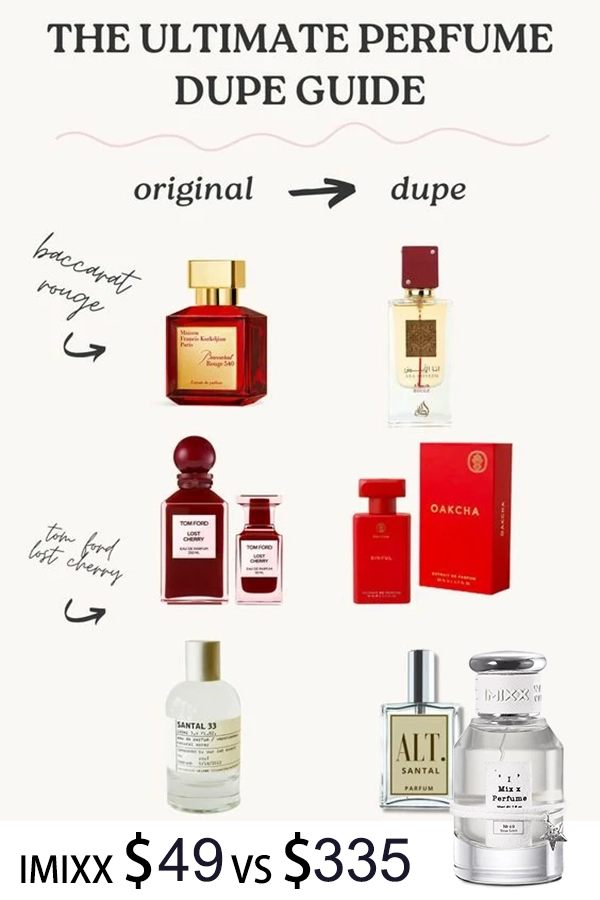
The Phenomenon Defined: My Journey into the Scent That Changed Everything
It’s rare that a perfume manages to become more than just a fragrance, evolving into a genuine cultural moment. But if you have walked through a high-end hotel lobby, a bustling city center, or a chic soirée in the last five years, you have undoubtedly encountered it. I remember my first time distinctly. I wasn’t near a perfume counter; I was in an elevator in Manhattan. Someone had exited three floors prior, yet their olfactory ghost remained—a mesmerizing trail of spun sugar, luxurious woods, and something inexplicably metallic yet warm.
It wasn’t just “nice.” It was arresting.
That scent, of course, was Baccarat Rouge 540 by Maison Francis Kurkdjian. As a long-time fragrance enthusiast and collector, I’ve spent years analyzing scent structures. Yet, BR540 stumped me initially. It didn’t behave like a traditional perfume. It seemed to pulsate, disappearing and reappearing with renewed vigor.
What exactly makes this scent so polarizing, so addictive, and so immediately recognizable? To understand the obsession, we have to move beyond the marketing copy and perform a forensic analysis of the juice itself. We need to dissect the specific notes of baccarat rouge to understand the alchemy at play. It’s a masterclass in synthetic versus natural balance, created by one of the most talented perfumers of our generation, Francis Kurkdjian.
In this deep dive, I’m going to use my years of smelling experience to break down why this fragrance smells the way it does, why some people smell heaven while others smell a hospital, and why it has spawned countless inspirations, including excellent interpretations like imixx perfume.
The Philosophy: Olfactory Transparency and “The Overdose”
Before we list ingredients, we must understand the intent. When Francis Kurkdjian created this scent for the crystal house Baccarat’s 250th anniversary, he wasn’t trying to build a complex, old-school French perfume pyramid with dozens of ingredients fighting for attention.
His goal was clarity, radiance, and tremendous power without feeling heavy. BR540 is famous for its “sillage” (the trail it leaves behind). It achieves this not through thick, oily resins, but through a technique often called “overdosing.”
Kurkdjian utilized massive amounts of specific, high-quality synthetic molecules that act almost like scaffolding. These molecules are transparent—you can “smell through” them—but they provide incredible structural integrity and diffusion. This transparency is why some people find it elusive. If your nose isn’t tuned to those specific large molecules, you might miss the scent entirely, while someone ten feet away is overwhelmed by it. It’s a fragrance that plays tricks on the brain, a concept that is central to understanding the true nature of the notes of baccarat rouge and their unique behavior on skin.
Deconstructing the Pyramid: A Deep Dive into Key Ingredients
While official lists often simplify the composition, the magic of BR540 lies in the interplay between three distinct accords: the “breeze” (floral/fresh), the “heat” (spicy/metallic), and the “mineral” (ambergris/woods). Let’s analyze the specific notes responsible for these effects.
The Metallic Opening: Saffron and Jasmine Grandiflorum
The initial blast of Baccarat Rouge 540 is often described as distinctively “shiny.” It doesn’t open with sparkling citrus like many fresh scents. Instead, it relies on the interaction between precious saffron and an airy jasmine.
Saffron: The Expensive Spice Saffron is the crucial element that gives BR540 its “luxury” feel right out of the gate. Real saffron is the most expensive spice in the world, derived from the stigma of crocus flowers. In perfumery, it adds a note that is simultaneously leathery, hay-like, honeyed, and softly metallic.
It is this metallic facet that is most prominent in BR540. It provides a cool, almost sterilized counterpoint to the warmth that follows. This is also the note that, for some noses, translates as “medicinal” or reminiscent of a dentist’s office, especially when combined with the sweetness in the base. It’s a polarizing note, but without its sharp edge, the fragrance would just be syrup.
Jasmine Grandiflorum from Egypt Forget the heavy, indolic (animalic) jasmine of old-school perfumery. The jasmine note here is incredibly sheer. Kurkdjian uses a specific extraction of Egyptian Jasmine Grandiflorum that emphasizes the flower’s airy, tea-like, and slightly fruity petals, rather than its heady nectar. It provides lift and a delicate floralcy that floats above the heavier base elements, acting as the “breeze” in the composition.
💡 Knowledge Point: The “Dentist Office” Vibe
If you are one of the people who smell latex gloves, iodine, or a dentist’s waiting room when you smell BR540, you aren’t crazy. This is a known olfactory association caused by the combination of Saffron’s leather/metallic facets clashing with the intense, sterile sweetness of the synthetic base notes. Your brain tries to categorize this unusual combination and often lands on “medicinal.”
The Radiance Engine: Ambroxan and the Ambergris Accord
If saffron and jasmine are the beautiful facade, this section is the nuclear reactor powering the entire operation. This is where the true magic happens, and it revolves almost entirely around synthetic mastery. When people ask me about the defining notes of baccarat rouge, I immediately point to this specific accord.
The Power of Ambroxan Although often officially listed as “Ambergris accord” or “Amberwood,” the star player here is almost certainly Ambroxan (or a closely related molecule). Real ambergris is aged whale excretion—rare, expensive, and complex. Ambroxan is its lab-created counterpart.
Ambroxan is fascinating because it doesn’t just smell “like” something; it smells like a feeling. It is warm, slightly salty, mineral, musky, and incredibly diffusive. It smells like warm, clean skin magnified ten times.
In BR540, Ambroxan is used in what industry experts consider an overdose. This huge molecule is too heavy for some people to smell directly up close (causing temporary nose blindness), but as it evaporates off the skin, it creates that massive, room-filling aura that the fragrance is famous for. It is the fixative that makes the scent last for days on clothing. For a deeper understanding of how these aromachemicals function, authoritative sources like Basenotes often provide detailed community discussions and articles on perfumery materials.
The Secret Sweetness: Ethyl Maltol and Cedar
Finally, we arrive at the most addictive part of the scent—the dry down. This is the part that smells like burned sugar, cotton candy, or crème brûlée crust.
The Unlisted Star: Ethyl Maltol While rarely listed on official notes, olfactory chemistry analysis suggests the presence of Ethyl Maltol. This is a potent aromachemical that smells intensely of spun sugar and caramel. In isolation, it’s sickly sweet.
However, Kurkdjian is a master blender. He doesn’t just dump sugar into the mix. He cuts that intense sweetness with a very dry, robust Cedarwood. The cedar provides a pencil-shaving dryness that anchors the sugar, turning it from juvenile cotton candy into a sophisticated, “burnt” caramelized aura. It balances the ethereal jasmine and the heavy Ambroxan, grounding the fragrance in a woody reality.
Furthermore, some interpretations suggest the use of Balsam Fir resin, which adds a sticky, pine-y sweetness that bridges the gap between the woods and the sugar. It is this interplay of extreme dry wood and extreme sugary synthetics that creates the unique “salty-sweet” addiction.
Comparing The Variants: EDP vs. Extrait
While both share the same DNA, the Eau de Parfum and the Extrait de Parfum emphasize different facets of the key notes.
| Feature | Baccarat Rouge 540 EDP (Original) | Baccarat Rouge 540 Extrait (Red Bottle) |
|---|---|---|
| Dominant Vibe | Airy, sugary, diffusive, transparent. | Denser, richer, nuttier, warmer. |
| Key Note Focus | Emphasizes the Ambroxan radiance and crystalline sweetness. | Adds Bitter Almond and elevates the Jasmine for a thicker feel. |
| Sillage & Longevity | Massive projection, “wafting” quality. Lasts 12+ hours. | Closer to the skin but denser bubble. Lasts 24+ hours. |
The Science of “Ghosting”: Why You Can’t Smell It On Yourself
One of the most common complaints—and paradoxes—I hear about Baccarat Rouge is: “I spent a fortune on this, and it disappeared in twenty minutes!” Meanwhile, the person sitting three desks away is overwhelmed by the scent.
This is a phenomenon known as olfactory fatigue, or “nose blindness,” and BR540 is the king of causing it.
As mentioned earlier, the fragrance relies heavily on massive molecules like Ambroxan. These molecules are physically heavy and can easily overwhelm the olfactory receptors in your nose. Once those receptors are saturated, your brain stops registering the signal to prevent sensory overload. You essentially become immune to your own scent.
However, the scent hasn’t gone anywhere. It is still projecting powerfully. Other people, whose noses haven’t been saturated by constant exposure, smell it clearly. This “ghosting” effect—where the scent seems to vanish and then reappear when you move or catch a breeze—is a signature characteristic of how these specific synthetic notes behave. It’s not a flaw; it’s physics. You can read more about the mechanics of olfaction in scientific publications like Chemical & Engineering News, which occasionally covers the chemistry of fragrance.
Exploring Alternatives: The Rise of “Dupe” Culture
Because the original price point is prohibitive for many, and because the scent profile is so reliant on modern synthetics rather than rare natural harvests, BR540 has become perhaps the most duplicated fragrance in history.
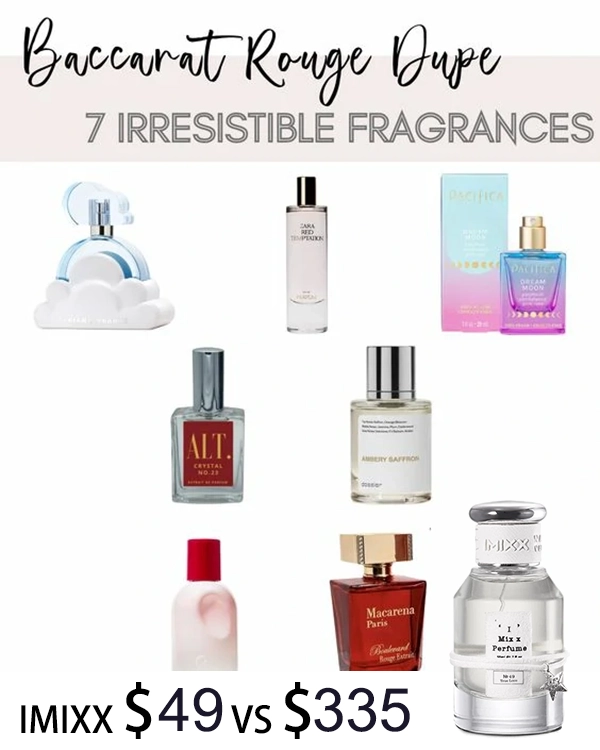
While many knock-offs are screechy or overly synthetic, some houses have managed to capture the essence of the BR540 experience beautifully. I have found that brands like imixx perfume offer incredibly close interpretations that capture that airy, sugary, woody balance without the designer price tag. They utilize similar aroma-molecule structures to achieve that distinct sillage.
When looking at alternatives, the key is to find one that manages the balance. A bad dupe will lean too heavily into the “dentist” saffron note or smell like cheap cotton candy body spray. A good one, like those from imixx perfume, understands that the magic is in the transparent woodiness balancing the sugar.
Final Thoughts on a Modern Masterpiece
Whether you love it, hate it, or are simply tired of smelling it everywhere, there is no denying the technical brilliance of Baccarat Rouge 540. Francis Kurkdjian didn’t just make a perfume; he created a new category of scent.
By masterfully balancing the precious natural notes of saffron and jasmine against an overdose of cutting-edge synthetic amber and sugar molecules, he created a fragrance that feels weightless yet enormous, sweet yet savory, and present yet elusive. Understanding these key notes is the first step to appreciating why this fragrance has captured the world’s attention so completely. It is a testament to the fact that in modern perfumery, alchemy is real, and it smells like crystallized sugar and warm skin.
Frequently Asked Questions About Baccarat Rouge 540
What is the main smell of Baccarat Rouge 540?
The primary scent profile is a unique combination of airy sweetness (often described as burnt sugar or cotton candy) mixed with warm, dry woods and a slightly metallic, salty undertone. It is simultaneously sweet and savory, transparent yet powerful.
Is Baccarat Rouge 540 for men or women?
It is officially classified as a unisex fragrance. The sweetness appeals to many women, while the dry woody and spicy saffron notes make it very popular among men. It truly relies on skin chemistry and personal preference.
Why does Baccarat Rouge smell like a hospital to me?
This is a very common reaction. It is usually caused by the saffron note, which has leathery and slightly medicinal facets. When combined with the sterile, clean nature of the synthetic amberwood base, some people’s brains interpret the combination as latex, iodine, or a dentist’s office.
What are the differences between the EDP and the Extrait?
The original Eau de Parfum (EDP) is airier, more transparent, and focuses on the “burnt sugar and woods” vibe with massive projection. The Extrait (red bottle) is denser, richer, sits closer to the skin, and includes a prominent bitter almond note that makes it creamier and nuttier.
 best baccarat rouge 540 dupe reddit
