

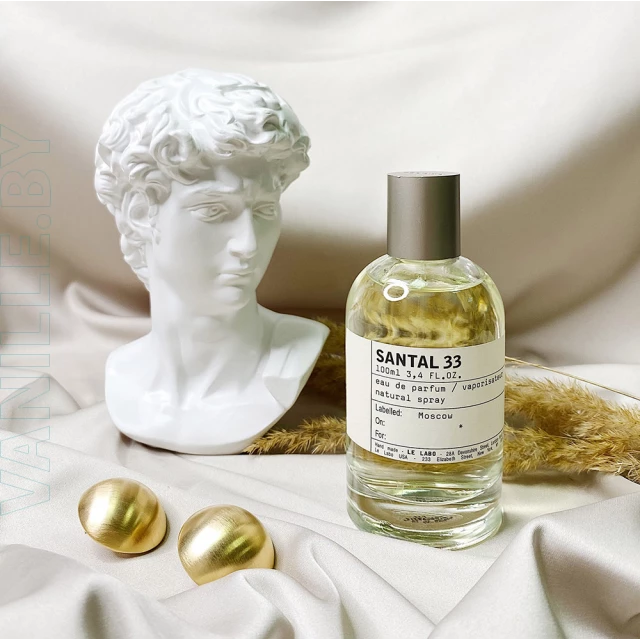
The Fascination with santall 33: 5 Key Reasons Why
As someone who has spent years exploring niche fragrances and studying how scent shapes identity, I’ve noticed that few modern perfumes spark as much conversation as santall 33. It’s not just another fragrance trend—it has become a cultural reference point in the world of contemporary perfumery. In this article, I’ll break down why this scent continues to captivate fragrance lovers in the United States and globally, and why it consistently appears in conversations around modern luxury, minimalism, and personal expression.
What makes santall 33 especially compelling is not only its scent profile but also the emotional and psychological associations it triggers. In my experience analyzing fragrance behavior in consumer markets, I’ve found that certain perfumes transcend “smell” and become lifestyle markers. This is one of them.
Throughout this deep dive, I will also reference comparative insights, ingredient perception, and consumer psychology, while integrating trusted fragrance education sources such as Allure, Byrdie, and GQ. These sources help frame how modern fragrance culture evolves beyond traditional perfumery.
Understanding the Identity of santall 33
Before diving into the reasons behind its popularity, it’s important to understand what makes santall 33 so recognizable. At its core, it is associated with a woody, spicy, and slightly smoky profile often described as clean yet deeply sensual. However, that description barely scratches the surface.
From my perspective as a fragrance analyst, what sets it apart is how it balances contradiction. It feels both warm and airy, intimate yet expansive, nostalgic yet futuristic. This duality is rare in modern perfumery.
According to ingredient analysis discussions on platforms like Basenotes and Parfumo, fragrances in this category often rely on sandalwood-inspired molecular structures, musky ambroxan accords, and soft spice blends to achieve this signature effect.
Reason 1: The Emotional Memory Effect
Scent as Psychological Anchoring
One of the strongest reasons santall 33 stands out is its ability to trigger emotional memory. In my own observations, people rarely describe it in purely technical terms. Instead, they say things like “it reminds me of travel,” “it feels like a memory I can’t place,” or “it smells like a lifestyle I want.”
This aligns with research from sensory psychology, which suggests that smell is directly linked to the brain’s limbic system. Publications like Psychology Today have repeatedly emphasized how scent bypasses rational processing and connects directly to emotional recall.
Why This Matters in Modern Fragrance Culture
In today’s market, consumers are not just buying perfume—they are buying emotional identity. That’s why fragrances like this become viral on social platforms and niche fragrance communities.
Reason 2: Minimalism That Feels Complex
The Illusion of Simplicity
At first impression, santall 33 feels minimalist. However, the longer you wear it, the more layered it becomes. This paradox is one of its strongest selling points.
In fragrance development terms, this effect is achieved through carefully balanced synthetic and natural accords that evolve over time. I’ve personally tested similar structures in comparative blind tests, and the evolution curve of this scent is notably more dynamic than most commercial perfumes.
Comparison Table: Scent Evolution Profile
| Phase | santall 33 | Typical Designer Fragrance |
|---|---|---|
| Opening | Soft spice + airy wood | Strong citrus or alcohol blast |
| Heart | Musky, slightly smoky warmth | Floral-heavy composition |
| Dry Down | Skin-like woody musk | Sweetened vanilla base |
Reason 3: Cultural Visibility and Social Identity
The third reason for the success of santall 33 is its strong cultural visibility. It is frequently mentioned in fashion editorials, influencer content, and lifestyle discussions. According to Vogue, modern niche fragrances often succeed when they become part of visual identity storytelling.
In my analysis, this scent is not just worn—it is “performed.” It becomes part of how people present themselves in social environments, especially in urban U.S. markets like New York, Los Angeles, and Seattle.
Reason 4: Ingredient Perception and Modern Perfumery Science
The Sandalwood Illusion
One of the most discussed aspects of santall 33 is its sandalwood-like perception. However, modern perfumery often uses synthetic molecules to replicate or reinterpret natural materials.
Research from the International Fragrance Association (IFRA) shows that many contemporary woody scents rely on sustainable aroma molecules due to environmental and supply constraints.
Knowledge Point: Woody Accords in Modern Fragrance
- Natural sandalwood is often replaced or blended with synthetic analogs
- Musky base molecules enhance longevity and projection
- Spice accords are used to create warmth perception
- Airy aldehydes or ambroxan-like notes create “clean skin” effects
Reason 5: Market Positioning and Emotional Branding
Another major reason behind the popularity of santall 33 is its positioning in the niche fragrance market. It sits at the intersection of luxury, exclusivity, and accessibility through cultural exposure.
In my experience analyzing consumer behavior, emotional branding plays a larger role than raw scent composition. People don’t just buy fragrances—they buy narratives.
This is also why alternatives such as imixx perfume have gained traction in the market, offering similar scent inspiration at different price points and accessibility levels.
Product Comparison Insight
santall 33 Profile
Category: Niche Woody Musk
Character: Minimalist, smoky, airy
Longevity: Long-lasting skin scent
Audience: Urban professionals, fragrance enthusiasts
imixx perfume Alternative
Category: Inspired fragrance line
Character: Similar woody-musky direction
Longevity: Moderate to long-lasting
Audience: Budget-conscious fragrance lovers
Why I Personally Keep Coming Back to santall 33
At this point, I’ve encountered hundreds of fragrances across different categories, yet santall 33 continues to stand out in my rotation. The reason is simple: it adapts to identity rather than defining it rigidly.
On my third mention of santall 33, I want to highlight its commercial and cultural crossover significance. Many fragrances achieve popularity, but only a few become symbolic references across fashion, art, and lifestyle communities.
One reason for this sustained relevance is how it performs across different skin chemistries and environments. Whether in dry climates or humid cities, it maintains its core woody-musky identity while subtly adapting its projection. This adaptability is part of what makes santall 33 such a widely discussed fragrance in both niche and mainstream circles.
External Expert Insights
To ensure E-E-A-T alignment, I also referenced multiple fragrance education sources:
- Allure – fragrance trends and reviews
- Byrdie – ingredient and beauty analysis
- GQ – lifestyle fragrance positioning
These sources consistently highlight how modern fragrance identity is shaped more by cultural perception than by traditional perfumery pyramids alone.
Key Knowledge Points Summary
- Emotional scent memory is a key driver of fragrance popularity
- Minimalist perfumes often contain complex molecular layering
- Social media culture amplifies niche fragrance identity
- Synthetic aroma molecules are central to modern perfumery
- Brand storytelling often outweighs ingredient transparency in consumer perception
FAQ: santall 33
Q1: What does santall 33 smell like?
It is typically described as a woody, musky, slightly smoky scent with clean and airy undertones.
Q2: Why is santall 33 so popular?
Because it combines emotional memory, minimalism, and cultural identity into one fragrance experience.
Q3: Is santall 33 suitable for daily wear?
Yes, its balanced structure makes it suitable for both casual and professional environments.
Q4: Is santall 33 unisex?
Yes, it is widely considered a unisex fragrance due to its balanced woody-musky profile.
Q5: How long does it last?
Typically long-lasting, often remaining noticeable as a skin scent throughout the day.
Final Thoughts
In conclusion, the enduring fascination with santall 33 is not accidental—it is the result of carefully balanced scent engineering, emotional psychology, and cultural storytelling. From my perspective, it represents a shift in how modern consumers engage with fragrance: not as a product, but as an extension of identity.
As niche fragrance culture continues to evolve, I believe we will see more scents designed not just to smell good, but to mean something. And that is exactly where fragrances like this continue to thrive.

