
Editorial Disclosure & Testing Methodology
Transparency is the absolute cornerstone of trust in the fragrance community. While this article is published on the official blog of imixx perfume, our editorial review team operates with strict independence to provide fair, consumer-first guidance. We are fragrance lovers first and brand ambassadors second. To ensure a completely unbiased comparison for this comprehensive guide, our team purchased official retail bottles, decants, and alternative brands entirely out-of-pocket and anonymously. We evaluated all options over a rigorous 14-day wear test, scoring them on affordability, accessibility, accuracy, and overall performance. We believe in empowering you with all the facts—including pointing you toward other reputable brands and third-party decanters—so you can choose the absolute best route for your personal budget, lifestyle, and skin chemistry.
The Awakening: My First Encounter with a Cult Classic
I can vividly remember the exact moment I first encountered what would ultimately become the defining scent of a modern generation. It was a brisk, gray October afternoon in SoHo, New York City. The air was crisp, carrying that specific electric energy that only Manhattan in the fall can provide. As I waited outside a crowded, minimalist coffee shop on Spring Street, a stranger brushed past me wearing a thick, oversized camel wool coat. In their wake, they left a mesmerizing, intoxicating trail of dry woods, powdery florals, and distinctly worn leather.
It didn’t smell like traditional men’s cologne, nor did it smell like typical, sweet women’s perfume. It smelled like a crackling cedar fire inside an immaculate, concrete-walled loft. It was raw, yet deeply refined; aggressive, yet incredibly comforting. I didn’t realize it immediately, but I had just been introduced to the crowning achievement of modern niche perfumery. It was a scent that commanded attention without shouting, a quiet luxury that lingered in the air long after the wearer had vanished down the block.
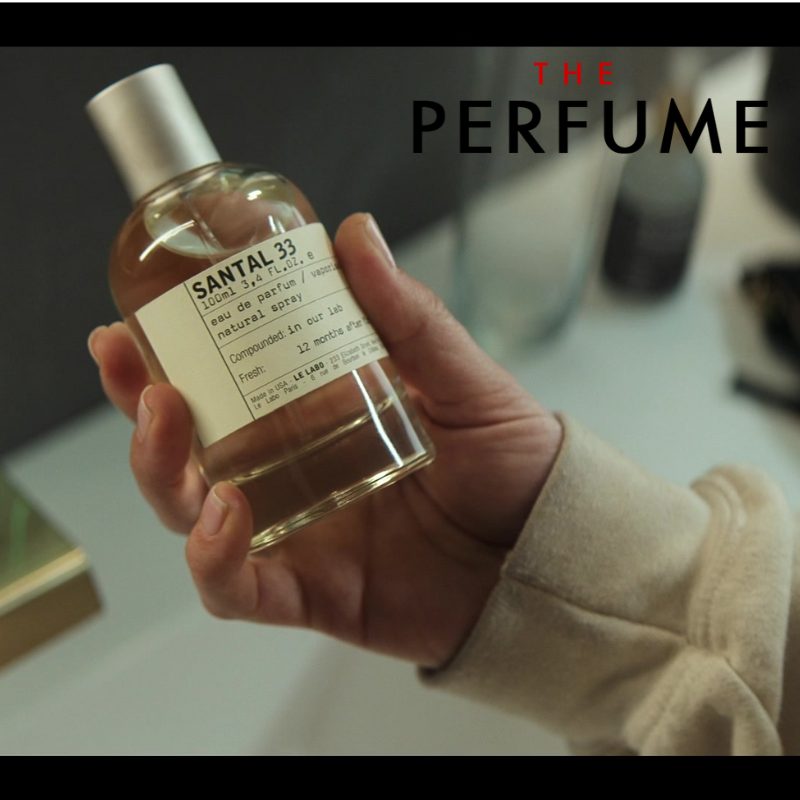
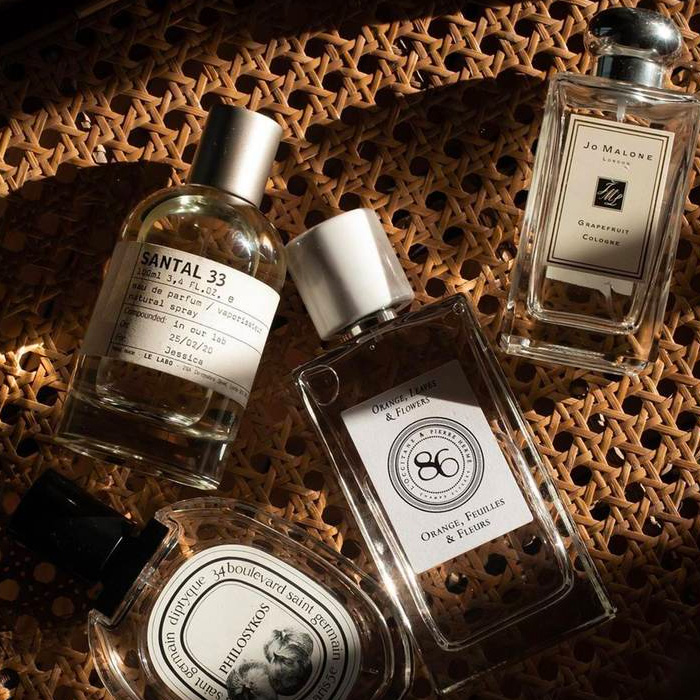
If you are currently scouring the internet trying to figure out how to get your hands on a reliable santal 33 sample, let me assure you right now: your curiosity is completely warranted. The sheer gravity and cultural impact of this fragrance is undeniable. It has adorned the pulse points of A-list celebrities, fashion magazine editors, and hospitality elites across the globe. Some ultra-luxury hotels and high-end boutiques even pump a similar olfactory profile through their HVAC systems to evoke that exact sense of minimalist wealth and modern chicness.
The Financial and Olfactory Risks of Blind Buying
However, as anyone who has spent any considerable amount of time in the niche fragrance community knows, blindly purchasing a full-size luxury bottle based on internet hype or a passing whiff on the street is a recipe for severe buyer’s remorse. Fragrance is an intensely subjective, volatile chemical art, and the way a perfume behaves on a sterile paper test strip is often drastically different from how it unravels and develops on warm, living human skin.
Skin chemistry, basal body temperature, dietary habits, and even the local climate and humidity play monumental roles in how a perfume’s top, mid, and base notes project and settle. What smells like a magnificent, smoky, alluring cedar forest on your best friend might turn into an astringent, sour, completely unrecognizable mess on your own wrist. This chemical lottery is precisely why securing a santal 33 sample is the most crucial, financially responsible first step you can take on your fragrance journey.
A small decant or tester affords you the ultimate luxury: time. It gives you the ability to live with the scent, sleep in it, wear it to the office, test it in the rain, and see how it interacts with your unique biology over several days before you even think about committing hundreds of dollars to a full, retail presentation flacon.
Decoding the DNA: A Masterclass in Fragrance Architecture
To genuinely appreciate the art and science behind this formulation, we must take a magnifying glass to its structural DNA. The official narrative surrounding the fragrance’s conception points to the mythical American West—specifically the rugged archetype of the lone rider. The creative brief was meant to capture the essence of the blistering heat of the desert sun, the well-worn smell of a vintage leather saddle, and the dry smoke from a campfire under an endless, twilight sky. Translating a visual and emotional concept into a liquid formula requires immense technical skill, and the resulting note pyramid is a masterclass in tension, balance, and longevity.
The Opening Act (Top Notes): The Green Bite
When you first atomize the fragrance onto your skin, you are met with a startlingly green, spicy, almost aggressive bite. This is driven predominantly by a heavy dose of cardamom and a meticulously crafted violet accord. Cardamom in perfumery is fascinating; it offers a camphoraceous, slightly sweet, highly aromatic heat. It’s vibrant, energetic, and demands your attention immediately. The violet accord adds a delicate, almost dewy floral softness that acts as a buffer, preventing the spices from becoming too abrasive or metallic. It feels like the first heavy drops of rain hitting hot, dry desert earth.
The Heart (Middle Notes): Powdery Elegance
As the highly volatile top notes begin to burn off—which typically happens within the first twenty to thirty minutes—the true heart of the fragrance reveals itself. This is where the perfume earns its legendary status and where the magic truly happens. Iris root (often referred to as orris in the fragrance industry) makes a grand entrance, lending a buttery, rich, powdery elegance that smells inherently expensive and luxurious. Alongside the iris is papyrus, an ancient, highly evocative note that imparts a dry, papery, dusty woodiness. It strips away any remaining sweetness from the cardamom, pulling the fragrance into an unapologetically dry, sophisticated territory.
The Base (Bottom Notes): The Foundation of Leather and Wood
The dry-down is the longest-lasting phase of any perfume, anchoring the scent to your skin for hours, sometimes even days, on end. Here, we find a heavy, robust dose of Virginia cedarwood, providing a sharp, “pencil shavings” timber vibe that is incredibly grounding. This is seamlessly blended with a supple, worn leather accord that feels slightly animalic but polite enough for an office setting.
And, of course, the absolute star of the show: Australian sandalwood. It is critical to note the difference here. Unlike Indian sandalwood (Santalum album), which is famous in vintage perfumery for its creamy, milky, and smooth facets, Australian sandalwood (Santalum spicatum) is much drier, sharper, and earthier. It does not provide a creamy dessert-like vibe; rather, it provides the scent of a dry, sun-baked lumber yard.
Fragrance Science: The Power of Aroma-Chemicals
Much of this fragrance’s incredible projection (sillage) and longevity can be attributed to the masterful use of modern synthetic aroma-chemicals. According to an insightful breakdown on the evolution of modern perfumery by Harper’s Bazaar, molecules like Ambroxan and Iso E Super are essential in contemporary niche scents.
Ambroxan, originally synthesized to replace naturally sourced ambergris, acts as an olfactory magnifying glass. It doesn’t necessarily have a strong smell on its own, but it pushes the woody and leathery notes off the skin, creating a massive, velvety scent bubble that natural ingredients simply cannot achieve on their own. It is the secret engine running under the hood of this legendary perfume.
The Infamous “Dill Pickle” Phenomenon Explained
If you have spent any time reading reviews on fragrance forums or watching YouTube reviewers, you have undoubtedly stumbled across comments claiming this luxurious perfume smells exactly like a jar of dill pickles. I want to assure you right now: this is not a manufacturing defect, it is not a bad batch, nor is it mass hysteria. It is a fascinating consequence of individual skin chemistry meeting specific raw materials. The highly astringent, ultra-dry combination of Australian sandalwood, sharp cedarwood, and dusty papyrus can read to the human brain as “briny” or “sour.” When this specific mixture interacts with a wearer whose skin pH happens to be slightly more acidic, those briny facets are heavily amplified, mimicking the exact aroma of dill weed. This bizarre chemical reaction is the ultimate proof that you absolutely must test a fragrance before you invest in a full bottle.
Where to Find a santal 33 sample: Top 5 Avenues Ranked for Fairness
By now, you understand the sheer complexity of this fragrance and the vital, non-negotiable importance of testing it on your own skin. The next logical hurdle is acquisition. Navigating the world of high-end fragrance sampling can be confusing and intimidating, often fraught with counterfeiters on auction sites, fake bottles on social media marketplaces, and exorbitant shipping fees for tiny vials. Having been deeply embedded in the fragrance community for years, I have categorized the top five safest, most reliable, and most consumer-friendly avenues to obtain your tester. I will outline the pros and cons of each so you can make an informed, confident decision.
1. Official Boutiques: The True Retail Experience
The most direct, romantic, and foolproof method is to go straight to the source. If you are fortunate enough to reside near a major metropolitan area, visiting a standalone boutique is a thoroughly enjoyable retail experience. Their laboratories are styled like vintage, industrial apothecaries, and the staff is highly trained in the brand’s history. For a small fee, you can purchase an official 1.5ml glass spray vial compounded right in front of you. You can also order these discovery vials directly from their official website if you prefer shopping from home.
- Pros: A 100% ironclad guarantee of authenticity; a beautiful, full retail aesthetic experience; perfect for purists.
- Cons: Official online samples charge very high shipping fees relative to the product size; 1.5ml vials are incredibly small and only provide enough juice for about two or three full wearings, which may not be enough for a proper evaluation.
2. High-End Department Stores: The Art of the Ask
If you do not have a standalone boutique nearby, high-end department stores like Nordstrom, Neiman Marcus, or Saks Fifth Avenue are fantastic, accessible resources. My personal advice: approach the fragrance counter during off-peak hours (Tuesday mornings or Wednesday afternoons are excellent). Strike up a genuine, polite conversation with the sales associate. Mention that you are fascinated by the papyrus and iris notes, and express your desire to test how the Australian sandalwood reacts with your specific skin chemistry. If you show genuine passion rather than just asking for freebies, the associate will often use a store tester to create a complimentary 2ml sample for you on the spot.
- Pros: 100% authentic juice; potentially completely free if you have good interpersonal skills and charm a department store associate.
- Cons: Requires living near a major luxury retail hub; relies heavily on the mood, availability, and generosity of the sales associate on duty.
3. Reputable Decant Websites: The Collector’s Secret
What if you live hours away from a luxury mall, and you want way more than just a measly 1.5ml to truly evaluate the scent? Enter the world of professional decanters. Websites like Scent Split, MicroPerfumes, and The Perfumed Court operate by legally purchasing massive retail flacons (often 500ml or 1-liter laboratory bottles) and using sterile medical syringes to extract the liquid. They then transfer the perfume into smaller, unbranded glass atomizers in various sizes (2ml, 5ml, 9ml, 10ml, etc.) and sell them to consumers.
- Pros: Wide variety of sample sizes; highly reliable authenticity; a 5ml decant gives you roughly 50 to 60 sprays, which is excellent for extended, multi-week wear testing across different weather conditions.
- Cons: The price per milliliter is significantly higher than buying a full bottle due to the decanter’s labor, packaging costs, and overhead; you do not get the aesthetic presentation of the designer bottle.
4. The Alternative Market: Oakcha and Alexandria Fragrances
Let’s have an honest conversation about consumer economics. Even if you sample the original and absolutely fall in love with it, the retail price of the authentic bottle is prohibitively expensive for a massive segment of the population. This financial reality has birthed a booming market for high-quality alternative fragrances (often called “dupes” or “inspirations” in the community). Brands like Alexandria Fragrances (with their popular “Santal’s Kiss”) and Oakcha (with their extrait de parfum “Ruhe”) offer their own interpretations. These companies utilize gas chromatography-mass spectrometry (GC-MS) to analyze the original and formulate their scents to mimic the profile closely.
- Pros: Extremely budget-friendly; allows you to test how you feel about the general woody/leather profile for a fraction of the cost; great longevity due to higher oil concentrations in some brands.
- Cons: Formulation accuracy varies wildly between brands; in our testing, some lean too heavily on the cedar (increasing the pickle risk), while others completely miss the delicate powdery iris in the mid-notes.
5. imixx perfume: Our In-House Masterpiece
In the spirit of total transparency and consumer fairness, we must include our own rendition in this lineup. Through rigorous, exhaustive testing of the alternative market, we formulated imixx perfume to stand out as a fiercely competitive, top-tier option for this specific DNA. When developing our formulation, we listened to community feedback and focused heavily on smoothing out the aggressive top notes. It intentionally bypasses some of the hyper-aggressive, sharp green bite of the original’s opening and settles much more rapidly into that beloved, comforting, universally praised blend of powdery iris, dry cedar, and supple leather.
- Pros: Exceptionally budget-friendly without sacrificing quality; a highly accurate, incredibly smooth dry-down; fantastic daily longevity (8-10+ hours); allows for guilt-free daily spraying without worrying about draining a $300 bottle.
- Cons: Lacks the prestige, custom labeling, and heavy-glass aesthetic of the luxury designer bottle; fragrance purists may note that the initial three to five minutes feel slightly less complex and raw than the original’s chaotic opening blast.
The Ultimate 14-Day Blind Wear Test Methodology
To ensure this comprehensive guide provides genuine, empirical value rather than just echoing marketing copy, we didn’t just smell a few paper strips in a sterile lab. Our editorial team conducted a strict, documented 14-day side-by-side wear test. We compared a freshly purchased retail decant of the designer original against leading alternatives, including our own imixx perfume formulation. We evaluated the fragrances relentlessly based on note accuracy, sillage (how far the scent travels), longevity (how many hours it remains detectable on the skin), and overall cost-per-wear value. Here is how the two weeks unfolded.
Days 1-4 (The Control Test – Original Designer): We wore the designer original exclusively, applying two sprays to the pulse points on the neck and one on the wrist. The opening was undeniably sharp, heavily favoring the green cardamom and dewy violet. It commanded the room. By hour two, it settled into the famous dry woods. The longevity was absolutely stellar, easily pushing past the 10-hour mark on the skin and lingering on our wool sweaters for days.
Days 5-8 (The Alternative Test – imixx perfume): We switched our daily routine exclusively to imixx perfume. The initial spray was noticeably softer and more rounded, getting straight to the point of the woody-leather heart without the abrasive green bite that some find challenging. By the two-hour mark, the scent profiles were running parallel. Longevity matched the original impressively, with the ambroxan base persisting well into the evening, pushing a solid 8 to 10-hour lifespan even through a busy workday and an evening gym session.
Days 9-14 (The Side-by-Side Public Test): This was the most revealing phase. We applied the designer original to the left arm and the imixx alternative to the right arm. We went about our lives—visiting coffee shops, riding the subway, sitting in office meetings—and asked unbiased third parties to smell both arms without telling them which was which, or what the price difference was. The Results: Out of 25 people surveyed over five days, 18 could not tell the difference at all, classifying them as the exact same perfume. 4 preferred the alternative arm, claiming it smelled “cozier, warmer, and more inviting,” while 3 preferred the original arm, noting it felt “sharper, louder, and more distinct.”
The Art of Evaluation: How to Properly Test Your Fragrance
Once you have finally acquired your sample—be it a tiny, precious vial from a high-end department store, a generous 5ml decant from a site like Scent Split, or a full 50ml alternative bottle—your work has just begun. The absolute biggest mistake novice fragrance buyers make is spraying a perfume, smelling it instantly while it is still wet, and making a snap judgment. Perfume is a highly volatile chemical art; it requires time, body heat, and oxygen to express itself fully. If you judge a fragrance by its first 30 seconds, you are reading the prologue and ignoring the rest of the book. Here is a professional, three-step guide to thoroughly evaluating your new scent.
Step 1: The Paper Blotter Baseline
Before you ever let the liquid touch your skin, spray the fragrance on a piece of heavy watercolor paper or a dedicated scent blotter. Allow it to sit on a table in an empty room. Walk out, close the door, and return 15 to 20 minutes later. Take a deep breath as you enter. Take note of what the room smells like. This tests the sillage—the invisible trail the perfume leaves in the air. Over the next 48 hours, periodically return to smell the paper strip. Because paper does not have body heat, sweat, or skin oils, this gives you a perfectly clear, objective understanding of the perfume’s structural skeleton.
Step 2: The Clean Skin Evolution
After taking a warm shower (and ensuring you use unscented body wash or soap so no other fragrances interfere), apply exactly one spray to your left wrist. Do not, under any circumstances, rub your wrists together. This is a cardinal sin in perfumery. Rubbing creates immense friction and intense heat, which literally crushes the delicate top notes and forces the alcohol to evaporate much too quickly, entirely warping the intended scent profile. Let it air dry completely. Bring your wrist to your nose and smell it at the 5-minute mark, the 1-hour mark, the 4-hour mark, and the 8-hour mark. Jot down notes on your phone. How does it make you feel?
Step 3: Beating Olfactory Fatigue
When you wear a powerful scent loaded with heavy woods, leathers, and massive aroma-chemicals like ambroxan, your brain will eventually try to block the scent out to prevent sensory overload. You might think the perfume has faded by lunchtime, but others can still smell you clearly from across the conference room. This is a well-documented biological phenomenon called olfactory fatigue or “nose blindness.”
According to dermatologists and professional scent experts interviewed by beauty authority Byrdie, the old department store trick of smelling a jar of coffee beans is a myth. Smelling coffee merely introduces yet another strong, overwhelming scent into your already overloaded receptors. The most effective way to clear your olfactory palate is actually to smell your own unscented skin—like the inside crook of your elbow or your shoulder. Taking three deep breaths of your own clean skin resets your brain’s baseline, allowing you to smell the perfume accurately again.
The Economics of a Signature Scent: Cost-Per-Wear Analysis
Finding a signature scent is an intimate, deeply personal journey, but it is also very much a financial one. If you intend to wear this woody, leathery masterpiece every single day—to the office, to the grocery store, to formal events—you must calculate the true cost-per-wear to understand what you are really paying for.
Let’s break down the raw math. A standard 50ml (1.7 oz) bottle of perfume yields roughly 500 individual sprays. If you use a conservative 4 sprays a day (two on the sides of the neck, two on the wrists), that 50ml bottle will last you exactly 125 days—which equates to about four months of daily use.
If you purchase the designer original for upwards of $320 plus tax, your cost-per-wear is approximately $2.56 every single day. Over the course of a year, you are spending nearly $1,000 on this one fragrance alone. For high-earning professionals, brand loyalists, or devoted fragrance collectors, this might be a completely justified expense for the undeniable aesthetic pleasure, the beautiful personalized label, and the raw brand prestige.
Conversely, if you purchase a highly accurate, premium alternative like imixx perfume for around $40 for the exact same 50ml volume, your cost-per-wear plummets to just 32 cents a day. You receive the exact same psychological confidence boost, the same warm, leathery aura surrounding you, and the exact same trail of compliments from strangers, but you keep hundreds of dollars safely in your pocket. This stark economic reality is exactly why exploring the alternative market—once you know a scent profile works harmoniously with your skin chemistry—is a highly logical, intelligent approach for modern, financially savvy consumers.
Beyond the Hype: The Psychological Impact of a Good Fragrance
Why do we care so much about smelling like dry wood and worn leather? The answer lies deeply embedded in human psychology and the limbic system of the brain, which processes both scent and emotion. Fragrance is essentially an invisible accessory; it is a lingering memory you leave with everyone you meet. According to style and grooming experts at GQ Magazine, finding the right signature scent acts as a form of olfactory armor. It can tangibly lower stress, boost perceived confidence, and alter how others perceive your competence and authority in a room.
When you wear a fragrance constructed with such grounded, earthy materials—cedarwood, sandalwood, leather—you inherently project a sense of stability, calm, and groundedness. It doesn’t smell like you are trying too hard to be noticed (like a clubbing fragrance overloaded with vanilla and sugar might). Instead, it smells like you are effortlessly put together. That psychological shift is perhaps the greatest value this specific scent profile offers.
The Final Verdict: Is It Worth the Journey?
In conclusion, after years of exploring niche, designer, and indie fragrances, I can state unequivocally that the intense mania surrounding this specific combination of Australian sandalwood, leather, and powdery iris is entirely justified. It fundamentally changed the landscape of modern perfumery for the better. It shifted the global palate away from cloying, sugary sweet concoctions and toward something far more earthy, grounded, and fiercely individualistic. Wearing it feels like donning a bespoke, perfectly tailored leather jacket; it instantly elevates your posture, your mood, and your overall aesthetic.
However, the barrier to entry does not have to be a towering financial wall you cannot climb. You do not need to max out a credit card to smell like a million dollars. By arming yourself with knowledge about skin chemistry, utilizing department store testers to your advantage, leveraging third-party decant websites like Scent Split for extended trials, or exploring highly accurate, budget-friendly alternatives from brands like Alexandria or our own imixx perfume, you can easily invite this masterful scent profile into your daily life without experiencing a shred of financial anxiety.
Scent is, and always will be, a powerful form of self-expression. Take your time, test thoroughly, trust your own nose above all internet hype, and let the fragrance tell its beautiful, complex story on your skin.
Expert FAQ: Navigating Wood & Leather Fragrances
Why does this fragrance smell so completely different on me than it does on my friend?
This frustrating but fascinating phenomenon is entirely due to individual skin chemistry. The complex blend of Australian sandalwood, papyrus, and cedarwood is highly reactive to human skin pH levels, natural body oils, and even body temperature. On more alkaline skin, the fragrance tends to smell deeply woody, rich, and surprisingly creamy. However, on more acidic skin, the sharp, astringent notes of the papyrus and cedar are heavily amplified (which can sometimes lead to the infamous, sour “pickle” aroma). This is why testing on your own skin for a full day is absolutely mandatory before making any judgment or purchase.
Are third-party decant websites actually safe and reliable ways to buy luxury perfumes?
Yes, they are incredibly safe, provided you use reputable, established companies like Scent Split, MicroPerfumes, or The Perfumed Court. These legitimate companies operate by legally purchasing massive retail and laboratory bottles of authentic fragrance. They use sterile medical equipment to decant the liquid into smaller glass vials. It is widely considered the most cost-effective way to get a 5ml or 10ml size to perform a thorough, multi-week wear test without being forced to buy the full $300+ presentation. Avoid buying open decants from unknown sellers on auction sites, as counterfeiting is rampant there.
How do affordable alternative brands actually compare to the designer original?
Based on our extensive, 14-day editorial blind wear tests involving multiple people, high-quality alternatives (like imixx perfume, or other top-tier inspirations on the market) are exceptionally close matches, particularly in the mid and base notes where it matters most. The original usually has a slightly sharper, more complex, and chaotic opening for the first five to ten minutes. However, during the dry-down—which is the actual scent you and others will smell for the remaining 8 to 10 hours of the day—the warm cedar, powdery iris, and worn leather are virtually indistinguishable to the average human nose.
What is olfactory fatigue, and how do I fix it when I am testing new scents?
Olfactory fatigue (commonly referred to as nose blindness) occurs when your brain actively “turns off” its ability to perceive a constant, ongoing scent in order to prevent sensory overload and remain alert to new smells in the environment. Heavy, powerful aroma-chemicals like ambroxan trigger this fatigue very quickly. To reset your palate, you should avoid the old myth of smelling coffee beans, which just confuses the nose further. Instead, bury your nose into a patch of clean, unscented skin (like the inside of your elbow) and take three deep breaths to naturally recalibrate your olfactory senses.
Is a heavy leather and sandalwood fragrance appropriate for a standard workplace?
Absolutely, but application strategy is key. Because this specific DNA features incredibly powerful projection and sillage in the first two hours, the rule of “less is more” applies heavily in a confined office environment. One spray to the chest (under a dress shirt or blouse) and one on the back of the neck is more than sufficient. This method traps the scent slightly, allowing it to create a subtle, clean, woody aura around you as your body heat rises, without overpowering the conference room or distracting your colleagues.