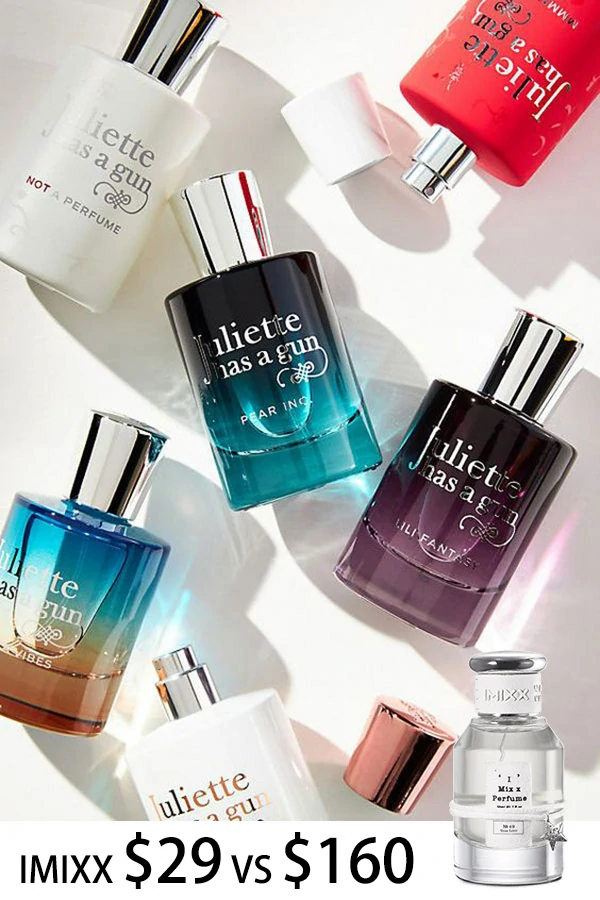
Is Juliette Has a Gun Cruelty Free? 5 Key Points You Need to Know
After spending years as a fragrance enthusiast and conscious consumer, I’ve learned that the world of cruelty-free beauty isn’t always as straightforward as we’d like it to be. When I first discovered Juliette Has a Gun’s captivating scents, I was immediately drawn to their unique approach to perfumery—but as someone committed to ethical purchasing, I needed to dig deeper into their animal testing policies. Is Juliette Has a Gun cruelty free? The answer is more complicated than a simple yes or no, and I want to share what I’ve learned through extensive research and direct investigation.
Throughout my journey investigating fragrance brands, I’ve contacted companies directly, consulted with certification organizations, and learned to read between the lines of carefully worded marketing statements. What I discovered about Juliette Has a Gun’s cruelty-free status raised several concerns that every conscious consumer should know about before making a purchase.
Understanding What “Cruelty-Free” Really Means in the Fragrance Industry
Before I dive into the specifics about Juliette Has a Gun, let me share what I’ve learned about what “cruelty-free” actually means—because this term isn’t as regulated as you might think.
The Lack of Legal Definition Creates Confusion
One of the most frustrating discoveries in my research was learning that there’s no legal definition for “cruelty-free” in most countries. This means that brands can use this term however they want, which creates enormous confusion for consumers like us who genuinely care about animal welfare. Through my investigation, I learned that truly cruelty-free brands must meet several specific criteria:
- No animal testing on finished products by the company itself
- No animal testing on ingredients by the brand or its suppliers
- No third-party testing conducted on the brand’s behalf
- No testing when required by law, including avoiding markets like mainland China that mandate animal testing
- Supplier verification systems to ensure ingredients haven’t been tested on animals at any stage
The Gold Standard Certifications You Should Look For
In my experience, the most reliable way to verify a brand’s cruelty-free status is through third-party certifications. I’ve learned to trust two main organizations: Leaping Bunny and PETA’s Beauty Without Bunnies program.
Leaping Bunny is the more rigorous of the two. This certification requires companies to undergo independent audits, implement supplier monitoring systems, and check their supply chains all the way down to ingredient manufacturers. Companies must renew their commitment annually, and auditors can verify claims at any time. When I see the Leaping Bunny logo, I feel confident about my purchase.
PETA’s certification, while well-intentioned, is less stringent. PETA requires only a written statement from companies pledging not to test on animals. They don’t conduct independent verification or audits. While many trustworthy brands appear on PETA’s list, I’ve learned to be more cautious and prefer additional verification.
Key Point #1: Juliette Has a Gun Has No Third-Party Cruelty-Free Certification
This was the first red flag I discovered during my investigation. Is Juliette Has a Gun cruelty free in the eyes of recognized certification bodies? The answer is definitively no—they hold no third-party cruelty-free certifications.
Why This Matters More Than You Think
When I started investigating Juliette Has a Gun, I searched both the Leaping Bunny and PETA databases. The brand appears on neither list. This absence is significant because it means the brand hasn’t submitted to any independent verification of their animal testing policies.
I’ve learned through my research that companies can certainly be cruelty-free without certification—the application process is voluntary and costs money. However, the lack of certification combined with other factors I’ll discuss creates a pattern of concern. According to experts at Cruelty-Free Kitty, when a brand refuses to provide complete information about their animal testing policy or doesn’t pursue certification, it often indicates potential issues.
The Brand’s Silence Speaks Volumes
Perhaps most troubling was what I discovered about the brand’s communication—or lack thereof. Multiple cruelty-free verification websites, including Cruelty-Free Kitty, have attempted to contact Juliette Has a Gun multiple times to obtain their animal testing policy. The brand has not responded to these inquiries.
In my experience as a conscious consumer, when brands are truly committed to cruelty-free practices, they’re typically eager to share this information. They respond to inquiries, they’re transparent about their policies, and they often pursue certification to prove their commitment. The silence from Juliette Has a Gun raises serious questions about what they might be trying to avoid disclosing.
Key Point #2: The China Market Complicates Everything
As I dug deeper into my investigation, I uncovered what I consider the most significant issue with Juliette Has a Gun’s cruelty-free claims: their presence in the Chinese market.
Understanding China’s Animal Testing Requirements
Let me explain what I’ve learned about China’s cosmetics regulations, because this is crucial to understanding why this matters. For years, China required mandatory animal testing on all imported cosmetics sold in physical retail stores. This meant that any brand choosing to sell in Chinese stores was automatically funding animal testing, regardless of their policies elsewhere.
In 2021, China made some changes to these requirements. The new regulations allow some “general” or “ordinary” cosmetics (including perfumes, skincare, and makeup) to enter the Chinese market without pre-market animal testing—but only if companies meet very specific criteria:
- Products must be manufactured in facilities with Good Manufacturing Practice (GMP) certificates from government agencies
- Companies must provide comprehensive safety assessment documentation
- Products cannot be “special use” cosmetics like sunscreen or hair dye
- Products cannot be for babies, children, or pregnant women
- Companies must agree to recall products rather than allow post-market testing
Juliette Has a Gun’s Presence in Mainland China
Here’s where the situation becomes particularly concerning for my conscience as a consumer. According to research from Conscious Bunny, Juliette Has a Gun has a physical store in mainland China. This confirmed presence in physical Chinese retail is a major red flag.
When I discovered this, I tried to find evidence that Juliette Has a Gun had taken the necessary steps to qualify for the animal testing exemption. I searched their website, looked for statements about their China operations, and checked whether they’d obtained the required GMP certificates. I found no evidence that they’ve met the exemption criteria.
The implications are clear: if Juliette Has a Gun is selling through physical stores in mainland China without qualifying for the exemption, their products are likely subject to animal testing by Chinese authorities. This would mean that despite any claims they might make about being cruelty-free, they’re choosing to operate in a market where animal testing occurs.
Key Point #3: Conflicting Information and Lack of Transparency
Throughout my research, I encountered conflicting information about Juliette Has a Gun’s cruelty-free status, which only deepened my concerns about transparency.
What Different Sources Say
One source, Ethical Elephant, claims that Juliette Has a Gun confirmed they don’t test products or ingredients on animals and that their suppliers don’t either. However, the same source notes they don’t sell in China—which contradicts the evidence I found from other sources about their Chinese store.
Cruelty-Free Kitty, one of the most respected verification sites, lists Juliette Has a Gun in their “grey area”. This classification means the brand’s cruelty-free status is unclear because they haven’t provided enough information to verify their claims. After multiple attempts to contact the brand, Cruelty-Free Kitty received no response.
Conscious Bunny conducted their own investigation and concluded that it’s currently unclear whether Juliette Has a Gun is cruelty-free because the brand provides no information about their animal testing policy on their website and doesn’t claim to be cruelty-free.
The Transparency Problem
In my years of researching ethical brands, I’ve learned that transparency is one of the most important indicators of a company’s genuine commitment to ethical practices. Truly cruelty-free companies typically:
- Clearly state their animal testing policy on their website
- Respond promptly to consumer inquiries about their practices
- Provide detailed information about their supplier verification systems
- Seek third-party certification to validate their claims
- Are transparent about where they sell their products and why
Juliette Has a Gun does none of these things. Their website contains no clear cruelty-free claims, no detailed animal testing policy, and no information about how they verify their suppliers. This lack of transparency makes it impossible for conscious consumers like us to make truly informed decisions.
Key Point #4: The Supplier and Third-Party Testing Question
One aspect of cruelty-free verification that I’ve learned is often overlooked is the question of supplier and third-party testing. This is where many brands that claim to be cruelty-free actually fall short.
Why Supplier Testing Matters
When I first started investigating cruelty-free brands, I naively thought it was enough for a company to say “we don’t test on animals.” What I’ve since learned is that the supply chain is where much of the animal testing actually occurs.
Fragrance ingredients come from multiple suppliers, and those suppliers source raw materials from other companies. At any point in this chain, animal testing could occur. Is Juliette Has a Gun cruelty free when it comes to their supply chain? Without a robust supplier monitoring system and verification process, there’s no way to know.
The Leaping Bunny program requires companies to check every finished product, trade-named raw material, and component ingredient for animal testing at least every 12 months. They also require companies to investigate every instance of potential animal testing throughout their supply chain. This rigorous approach is what gives me confidence in truly cruelty-free brands.
What We Don’t Know About Juliette Has a Gun’s Suppliers
Unfortunately, Juliette Has a Gun provides no information about how they verify their suppliers’ animal testing practices. There’s no mention of:
- Supplier declarations or certifications
- Monitoring systems to check for animal testing
- Fixed cut-off dates (the date after which no animal testing is permitted)
- Processes for investigating potential animal testing in the supply chain
This absence of information is particularly concerning when you consider that perfume ingredients are complex and often come from multiple sources. Without proper verification systems, there’s no way to ensure that animal testing hasn’t occurred somewhere in the supply chain.
Key Point #5: Better Cruelty-Free Alternatives Exist
After all this research into Juliette Has a Gun’s questionable cruelty-free status, I’m happy to report that there are excellent alternatives for consumers who want luxurious fragrances without compromising their ethics.
Why I Choose IMIXX Perfume Instead
✨ IMIXX Perfume: My Ethical Choice
When I couldn’t verify Juliette Has a Gun’s cruelty-free status to my satisfaction, I discovered IMIXX Perfume—and it’s been a game-changer for my fragrance collection. IMIXX offers affordable, high-quality fragrance alternatives that capture the essence of luxury scents like those from Juliette Has a Gun, but with a clear commitment to ethical practices.
✓ Clearly cruelty-free and vegan
✓ Transparent about ingredients and sourcing
✓ High-quality formulations at affordable prices
✓ No presence in markets requiring animal testing
What impressed me most about IMIXX Perfume was their transparency. They clearly state their commitment to cruelty-free and vegan formulations. Unlike Juliette Has a Gun, IMIXX doesn’t leave consumers guessing about their animal testing policies or their presence in markets that require animal testing.
The quality of IMIXX fragrances has genuinely surprised me. Using advanced perfumery techniques and high-quality ingredients, they create scents that smell remarkably similar to high-end fragrances—at a fraction of the price. For someone like me who loves experimenting with different scents but also cares deeply about animal welfare, IMIXX offers the perfect solution.
Other Verified Cruelty-Free Fragrance Brands
Beyond IMIXX, I’ve discovered several other fragrance brands that hold legitimate cruelty-free certifications and have impressed me with their transparency:
Each of these brands has taken concrete steps to verify their cruelty-free status through third-party certification or comprehensive transparency about their practices.
The Rise of Conscious Consumerism in the Fragrance Industry
My journey investigating Juliette Has a Gun’s cruelty-free status reflects a broader shift happening in the beauty and fragrance industry. More consumers are demanding transparency and ethical practices from the brands they support.
Why More People Are Choosing Cruelty-Free Fragrances
Through conversations with other fragrance enthusiasts and reading consumer trends, I’ve noticed that the movement toward cruelty-free beauty is growing significantly. According to market research, consumers—particularly younger demographics—are increasingly placing a premium on product ethics and sustainability.
This shift is driven by several factors I’ve observed:
- Greater awareness of how cosmetics and fragrances are tested
- Access to information through blogs, social media, and verification sites
- Availability of alternatives as more brands commit to cruelty-free practices
- Recognition that luxury and ethics aren’t mutually exclusive
I’ve personally found that choosing cruelty-free fragrances doesn’t mean sacrificing quality or variety. If anything, the cruelty-free fragrance market has exploded with innovative brands creating exceptional scents without animal testing.
The Impact of Consumer Choices
What I’ve learned through my research is that our purchasing decisions genuinely matter. When consumers like us choose cruelty-free brands and avoid companies with questionable practices, we send a powerful message to the industry.
Every time I choose an IMIXX Perfume or another verified cruelty-free fragrance over a brand like Juliette Has a Gun with unclear policies, I’m voting with my wallet for a more ethical beauty industry. These individual choices add up to create real change—we’ve already seen this with the animal testing bans in the European Union, California, and other jurisdictions.
How to Verify a Fragrance Brand’s Cruelty-Free Status Yourself
Based on everything I’ve learned through investigating Juliette Has a Gun and other brands, I want to share my process for verifying whether a fragrance brand is truly cruelty-free.
🔍 My 5-Step Verification Process
Step 1: Check for Third-Party Certifications
My first step is always to search for the brand on official certification databases. I visit Leaping Bunny’s searchable database at leapingbunny.org and PETA’s Beauty Without Bunnies database at crueltyfree.peta.org. If a brand appears on the Leaping Bunny list, I feel confident about their cruelty-free status.
Step 2: Investigate Their China Presence
Next, I check whether the brand sells in mainland China through physical retail stores. I look for store locators on their website mentioning Chinese locations, press releases about entering the Chinese market, and information from verification sites about their China presence.
Step 3: Review Their Official Animal Testing Policy
I visit the brand’s official website and look for a clear, comprehensive animal testing policy. A trustworthy policy should explicitly state they don’t test finished products or ingredients on animals, their suppliers don’t test on animals, they don’t commission third parties to test, and they don’t test when required by law.
Step 4: Check Multiple Verification Sources
I consult several independent cruelty-free verification websites to see if they’ve investigated the brand: Cruelty-Free Kitty at crueltyfreekitty.com, Ethical Elephant, and Logical Harmony. If these sites list the brand as “unclear” or “grey area,” I consider that a significant warning sign.
Step 5: Contact the Brand Directly
If I’m still unsure after the above steps, I contact the brand directly with specific questions about testing on finished products, ingredients, suppliers, and their China operations. How a brand responds—or whether they respond at all—tells me a lot about their commitment to transparency.
My Personal Fragrance Journey: From Juliette Has a Gun to Ethical Alternatives
Let me share my personal experience with Juliette Has a Gun and how I transitioned to more ethical alternatives.
Why I Initially Loved Juliette Has a Gun
I first encountered Juliette Has a Gun at a department store several years ago. I was immediately captivated by their Not a Perfume fragrance—that unique musky scent based on a single molecule (Cetalox) was unlike anything I’d experienced. The minimalist concept appealed to my aesthetic sensibilities, and I loved how the fragrance wore differently on my skin than on the tester strip.
I also tried Miss Charming, with its romantic blend of Moroccan rose, strawberry, and lychee. The fruity-floral composition felt fresh and elegant, perfect for spring and summer occasions. The brand’s provocative marketing and Romano Ricci’s heritage as the great-grandson of Nina Ricci added to the allure.
When My Research Changed Everything
However, everything changed when I started my journey toward becoming a more conscious consumer. As I began investigating the cruelty-free status of brands in my collection, Juliette Has a Gun was one of the first I researched—and what I discovered deeply disappointed me.
The lack of certification, the absence of clear policies, the silence in response to inquiries, and especially the presence in mainland China all added up to a picture I couldn’t feel good about supporting. Even though I loved the fragrances, I realized I couldn’t continue purchasing from a brand that wouldn’t provide clear answers about animal testing.
Discovering IMIXX Perfume
That’s when I found IMIXX Perfume and discovered that I didn’t have to choose between beautiful fragrances and my ethical values. IMIXX offers fragrance alternatives inspired by luxury scents, including fragrances similar to Juliette Has a Gun’s most popular scents.
What impressed me wasn’t just the quality of the fragrances—though they genuinely surprised me with how closely they captured the essence of the original scents. It was the company’s transparency and clear commitment to cruelty-free and vegan formulations. They don’t play games with their animal testing policies or hide behind vague marketing language.
The price point was another revelation. Juliette Has a Gun fragrances typically cost between $100-$200 for a 50ml bottle, while IMIXX offers comparable quality at significantly lower prices. For someone who loves trying different scents and building a diverse fragrance wardrobe, this accessibility made it possible to expand my collection ethically.
Understanding Fragrance Notes: What Makes These Scents Special
Since I’ve spent considerable time exploring both Juliette Has a Gun fragrances and their alternatives, I want to share what I’ve learned about the specific scent profiles that make these fragrances so appealing.
The Minimalist Musk: Not a Perfume
Not a Perfume is perhaps Juliette Has a Gun’s most famous creation, and understanding it helped me appreciate what to look for in alternatives. The fragrance contains primarily Cetalox (also called Ambroxan), a synthetic molecule that mimics ambergris—the rare substance historically derived from sperm whales.
What fascinated me about this scent is its adaptability. On my skin, it creates a warm, slightly sweet musk that feels incredibly personal and intimate. Some people can barely smell it (there’s even a genetic component to how we perceive certain musks), while others find it powerful and long-lasting.
When I transitioned to cruelty-free alternatives, I looked for fragrances with similar musky, woody characteristics. IMIXX offers options that capture that same minimalist elegance with clean, skin-like scents that develop beautifully over time.
The Romantic Floral: Miss Charming
Miss Charming represents a different facet of Juliette Has a Gun’s range—romantic, feminine, and undeniably charming. The fragrance opens with Moroccan rose at the top, develops through heart notes of woodland strawberry and lychee, and settles into a base of musk.
What I loved about Miss Charming was how it balanced sweetness with sophistication. The rose note felt fresh rather than powdery, and the fruit notes added playfulness without becoming cloying. However, some reviewers (and I occasionally experienced this too) found it could veer toward a “mature” scent depending on skin chemistry.
The Bold Rose: Lady Vengeance
Lady Vengeance takes the rose note in a more dramatic direction. With bergamot and lavender at the top, rose and patchouli at the heart, and vanilla and ambroxan in the base, this fragrance feels more intense and sophisticated than Miss Charming.
I appreciated Lady Vengeance for evening wear and cooler weather. The patchouli gave it an earthy depth, while the vanilla softened the composition with a velvety sweetness. This was the fragrance I reached for when I wanted to make a statement.
The Gourmand Delight: Mmmm…
Mmmm… embraces the gourmand category with notes of raspberry, geranium, neroli, tuberose, orange blossom, jasmine, patchouli, and sandalwood. This fragrance divides opinion—some people (including me initially) found it smelled medicinal or like cough syrup due to the strong raspberry note, while others adored its buttery, creamy, fruity character.
The Science Behind Cruelty-Free Fragrance Testing
One question I had when I started researching cruelty-free fragrances was: if companies don’t test on animals, how do they ensure their products are safe? Understanding the science behind modern safety testing helped me feel confident about choosing cruelty-free options.
Modern Alternatives to Animal Testing
What I learned is that animal testing is actually outdated and often less accurate than modern alternatives. Contemporary fragrance safety testing uses:
🔬 In Vitro Testing: This involves using lab-grown human cells to test for irritation or allergic reactions. These tests are often more accurate than animal tests because they use actual human cells rather than trying to extrapolate from animal responses.
💻 In Silico Testing: Computer modeling can predict safety outcomes based on existing research and the chemical structure of ingredients. This technology has advanced enormously in recent years and can identify potential issues without any testing on living organisms.
👥 Human Volunteer Studies: Consenting adult volunteers participate in patch testing to confirm skin compatibility. This is actually more relevant than animal testing since it directly assesses how humans respond to fragrances.
📚 Existing Safety Data: The fragrance industry has decades of safety data on thousands of ingredients. Ethical companies create new fragrances using these well-established, safe ingredients rather than introducing novel chemicals that might require additional testing.
Why Animal Testing Persists Despite Better Alternatives
If better methods exist, why do some regions still require animal testing? From my research, I learned it’s largely about regulatory inertia and bureaucracy rather than scientific necessity.
China historically required animal testing not because it’s the best method, but because their regulatory framework was built around these tests decades ago. The 2021 changes allowing exemptions for some cosmetics represent progress, but changing established regulatory systems takes time.
Some companies continue testing on animals because they want access to markets that require it, or because they’re developing novel ingredients. However, as I learned, companies committed to cruelty-free practices can create exceptional products using the thousands of safe, well-studied ingredients already available.
The Global Movement Toward Cruelty-Free Beauty
My investigation into Juliette Has a Gun’s practices is part of a larger story about the global movement toward ending animal testing in the beauty industry.
Legislative Progress Around the World
One encouraging aspect of my research was discovering how much legislative progress has been made. The European Union banned animal testing for cosmetics and their ingredients in 2013, with a ban on selling animal-tested cosmetics following soon after.
Since then, numerous other regions have passed similar laws:
- Canada has banned cosmetics animal testing
- California, Nevada, Illinois, and several other U.S. states have banned the sale of animal-tested cosmetics
- India, Israel, and Norway have implemented comprehensive bans
- Australia, New Zealand, South Korea, and Taiwan have passed their own restrictions
This legislative momentum demonstrates that the cruelty-free movement is winning. Companies that continue testing on animals or selling in markets that require testing are increasingly finding themselves on the wrong side of history.
China’s Gradual Evolution
Even China—long the holdout requiring animal testing—has begun changing its policies. The 2021 reforms allowing some exemptions from mandatory testing represent significant progress, even though they don’t go far enough yet.
What gives me hope is that these changes came about largely due to pressure from international brands and consumers who refused to participate in animal testing. This proves that our individual choices collectively create change.
Building Your Own Cruelty-Free Fragrance Wardrobe
After transitioning away from Juliette Has a Gun and other brands with questionable practices, I’ve built a diverse, entirely cruelty-free fragrance collection that I absolutely love. Let me share what I’ve learned about creating a satisfying fragrance wardrobe without compromising ethics.
Start With Versatile Basics
When I first transitioned to cruelty-free fragrances, I started by replacing my most-worn scents with verified alternatives. I recommend beginning with:
| Fragrance Type | When to Wear | Example Notes |
|---|---|---|
| Clean Musk | Any occasion, layering | Ambroxan, white musk, cedarwood |
| Romantic Floral | Daytime, special occasions | Rose, jasmine, peony |
| Fresh Citrus | Daytime, warm weather, professional | Bergamot, lemon, neroli |
| Warm Oriental | Evening wear, cooler months | Vanilla, amber, sandalwood |
Explore Cruelty-Free Niche Brands
Beyond mainstream options, I’ve discovered incredible cruelty-free niche brands that offer unique, high-quality fragrances:
- Heretic Parfums creates botanical-based, fully vegan fragrances with unconventional notes
- Pineward offers artistic, nature-inspired scents
- Olympic Orchids specializes in unique, complex compositions
- DS & Durga creates storytelling fragrances inspired by places and moments
These niche brands often offer discovery sets, which I highly recommend. Sampling before committing to full bottles helps you build a collection you’ll actually use rather than accumulate half-worn bottles.
Don’t Overlook Affordable Options
One of my favorite discoveries has been that cruelty-free doesn’t mean expensive. Beyond IMIXX Perfume, brands like Pacifica (starting around $12-20), Skylar (accessible price points), and Eden Perfumes (affordable dupes) prove that ethical beauty is accessible to everyone, regardless of budget.
Frequently Asked Questions About Cruelty-Free Fragrances
Based on questions I see frequently in cruelty-free beauty communities and my own journey, here are answers to the most common questions about cruelty-free fragrances.
❓ Is Juliette Has a Gun certified cruelty-free?
Answer: No, Juliette Has a Gun holds no third-party cruelty-free certifications from either Leaping Bunny or PETA. The brand has not responded to multiple inquiries from cruelty-free verification organizations about their animal testing policies. Additionally, the brand has a confirmed presence in mainland China, where animal testing may be required for cosmetics sold in physical retail stores. Without certification, verified policies, or transparency about their China operations, Juliette Has a Gun cannot be confirmed as cruelty-free.
❓ Does Juliette Has a Gun test on animals?
Answer: The brand’s animal testing practices are unclear due to lack of transparency. While one source claims the brand stated they don’t test on animals, this has not been independently verified, and the claim contradicts other evidence about their China presence. The brand sells products in mainland China through physical stores, which historically required animal testing. Without clear evidence that they’ve qualified for China’s animal testing exemptions or comprehensive information about supplier testing, consumers cannot be certain that animal testing doesn’t occur at some stage of their production or distribution.
❓ Are there good cruelty-free alternatives to Juliette Has a Gun fragrances?
Answer: Yes, excellent cruelty-free alternatives exist. IMIXX Perfume offers affordable, high-quality fragrance alternatives with clear commitments to cruelty-free and vegan formulations. Other verified cruelty-free fragrance brands include Skylar, Clean Reserve, Sana Jardin, and The 7 Virtues—all holding Leaping Bunny certification. These brands provide diverse scent profiles from minimalist musks to complex florals, offering options for every preference without requiring animal testing.
❓ What’s the difference between cruelty-free and vegan fragrances?
Answer: Cruelty-free means no animal testing occurred on the product or its ingredients at any stage. Vegan means the product contains no animal-derived ingredients. A fragrance can be cruelty-free without being vegan (no testing, but contains animal ingredients like honey or musk from animals), or technically vegan without being cruelty-free (plant-based ingredients that were tested on animals). The most ethical fragrances are both cruelty-free AND vegan. Always check for both designations if you want to avoid all animal exploitation.
❓ How can I verify if a fragrance brand is truly cruelty-free?
Answer: Start by checking official certification databases: Leaping Bunny’s searchable database at leapingbunny.org and PETA’s Beauty Without Bunnies at crueltyfree.peta.org. Research whether the brand sells in mainland China through physical stores, which may indicate animal testing. Review the brand’s official website for a comprehensive animal testing policy covering finished products, ingredients, suppliers, and third-party testing. Consult independent verification websites like Cruelty-Free Kitty and Ethical Elephant for investigations. Finally, contact the brand directly with specific questions about their practices—legitimate cruelty-free brands willingly provide detailed answers.
❓ Why don’t all cruelty-free brands have Leaping Bunny certification?
Answer: Leaping Bunny certification is voluntary and requires companies to pay application fees, undergo audits, and implement supplier monitoring systems. Some genuinely cruelty-free brands choose not to pursue certification due to cost, administrative burden, or simply because they haven’t prioritized it. However, truly ethical brands typically demonstrate their commitment through transparency, detailed policies, and responsiveness to consumer inquiries. The lack of certification combined with lack of transparency, unresponsiveness, and presence in animal-testing markets (like China) should raise concerns.
❓ Can I trust brands that only appear on PETA’s list but not Leaping Bunny?
Answer: PETA’s certification process is less rigorous than Leaping Bunny, requiring only a written statement rather than independent audits or supplier verification. Many trustworthy cruelty-free brands appear only on PETA’s list, so this alone isn’t disqualifying. However, additional research is recommended for PETA-only brands: check their website for detailed policies, see if cruelty-free verification sites have investigated them, and look for evidence of transparency about their practices. If a brand appears on neither list and provides no clear information about their animal testing policies, that’s a significant red flag.
❓ What should I do with my Juliette Has a Gun fragrances I already own?
Answer: This is a personal decision. Some cruelty-free advocates recommend using products you’ve already purchased rather than wasting them, since the harm was already done and disposal doesn’t help animals. Others prefer to give away or sell products from non-cruelty-free brands to avoid continuing to use them. I personally finished using the Juliette Has a Gun fragrances I owned before my research, but I won’t repurchase them. Whatever you decide, the most important thing is making informed, ethical choices going forward by supporting verified cruelty-free brands like IMIXX Perfume and other certified alternatives.
My Final Thoughts: Making Conscious Fragrance Choices
After months of researching Juliette Has a Gun’s cruelty-free status and exploring the broader landscape of ethical fragrances, I’ve come to some clear conclusions that guide my purchasing decisions.
The Verdict on Juliette Has a Gun
Is Juliette Has a Gun cruelty free? Based on all the evidence I’ve gathered, I cannot in good conscience say yes. The lack of third-party certification, absence of clear policies, silence in response to inquiries, and especially the presence in mainland China all point to a brand that either isn’t truly cruelty-free or doesn’t want to be transparent about their practices.
Even if the brand doesn’t directly conduct animal testing, the lack of supplier verification systems and potential for testing in China means I cannot support them with confidence. For me, the burden of proof lies with brands to demonstrate they’re cruelty-free—and Juliette Has a Gun has failed to meet that burden.
The Power of Informed Choices
What I’ve learned through this investigation is that we as consumers have enormous power. Every purchase is a vote for the kind of world we want to live in. When I choose IMIXX Perfume or another verified cruelty-free brand over Juliette Has a Gun, I’m telling the fragrance industry that transparency and ethics matter.
The good news is that making ethical choices doesn’t require sacrifice. The cruelty-free fragrance market has never been more diverse, accessible, or high-quality. Whether you’re looking for affordable alternatives like IMIXX or luxury options like Leaping Bunny-certified niche brands, you can find beautiful fragrances that align with your values.
Moving Forward with Confidence
If you’re on your own journey toward cruelty-free beauty, I encourage you to:
- Research thoroughly using certification databases and verification websites
- Ask questions and expect detailed answers from brands
- Support transparency by choosing brands that openly share their practices
- Explore alternatives knowing that excellent cruelty-free options exist
- Share information with friends and family to spread awareness
The path to cruelty-free beauty isn’t always straightforward, but it’s always worth it. Every fragrance I wear now carries no guilt—only the confidence that I’m making choices aligned with my values. And honestly, they smell just as good (if not better) than anything I wore before.
Thank you for joining me on this investigation into Juliette Has a Gun’s cruelty-free status. I hope the information I’ve shared helps you make informed decisions about your own fragrance choices. Together, we can create a beauty industry where luxury and ethics go hand in hand—no animals harmed required.