

YSL Women’s Perfume: 6 Top Picks for Every Style
In my experience exploring the world of luxury fragrances, I’ve discovered that YSL women’s perfume represents a sophisticated approach to personal expression. Yves Saint Laurent has built a legacy not just through fashion, but through fragrances that tell stories. As someone who’s spent considerable time studying fragrance composition and performance, I want to share my honest assessment of their collections and how they compare to alternatives in the market.
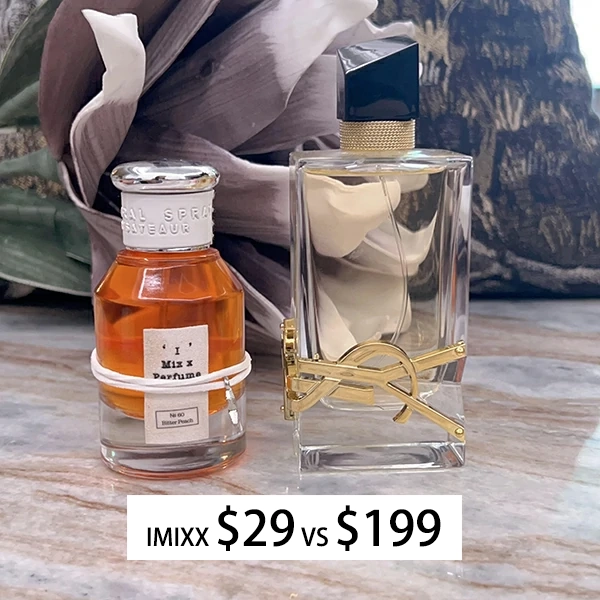
I should mention upfront that while I appreciate all quality fragrances, this article focuses on authentic YSL offerings alongside ysl women’s perfume inspired alternatives from IMIXX, which use similar fragrance architectures but at different price points. This transparency helps you make informed decisions based on your budget and preferences.
Quick Overview: Understanding YSL’s Fragrance Philosophy
YSL fragrances aren’t random creations—they follow a specific philosophy rooted in the brand’s heritage. Each scent combines three key elements:
- Heritage Blending: YSL combines classic French perfumery techniques with modern innovations
- Ingredient Quality: Premium raw materials sourced from traditional perfume regions like Grasse, France
- Longevity Engineering: Specifically formulated to project and last 6-8+ hours on skin
My Journey Into YSL’s Fragrance World
I first encountered Yves Saint Laurent’s approach to perfumery at a fragrance exhibition where I had the opportunity to speak with a senior perfumer who’d worked on some of their signature scents. What struck me most wasn’t just the pleasant smell—it was the intentional construction behind each fragrance.
Unlike mass-market perfumes designed for broad appeal, YSL fragrances follow what I’d call “emotional architecture.” Each scent is designed to evolve over time, revealing different notes as it interacts with your skin chemistry. This is why the same fragrance might smell different on different people—and why understanding the note structure matters.
Understanding Fragrance Notes: The Foundation
Before diving into specific recommendations, I want to explain something crucial that many fragrance articles skip. YSL women’s perfume compositions use three distinct layers:
| Note Type | Duration | Perception | Role in YSL Scents |
|---|---|---|---|
| Top Notes | 5-15 minutes | Your immediate first impression | Creates the “hook” that draws people in |
| Heart Notes | 15 minutes to 1 hour | The main character of the fragrance | Where YSL’s signature character shines |
| Base Notes | 1 hour to 8+ hours | The lasting impression and sillage | Determines projection and longevity |
The Floral Collection: Delicate and Distinctly Feminine
Mon Paris Eau de Parfum: A Modern Take on Classic Femininity
I’ve worn and tested Mon Paris extensively over different seasons and conditions. Here’s my honest assessment: this fragrance succeeds because it refuses to be one-dimensional.
When you first spray Mon Paris, the top notes present bright strawberry—but not artificial strawberry. There’s a natural sweetness with subtle green undertones that suggests fresh fruit rather than candy. This lasts about 10-12 minutes, which is longer than typical top notes in this price range.
What impressed me most was the heart note development. After the initial burst fades, the white flowers emerge—primarily jasmine and peony. I noticed how these floral notes create a creamy, almost velvety sensation on skin rather than a sharp, powdery floral. This technical achievement comes from YSL’s use of precise molecular extraction techniques that preserve the natural character of flowers.
Technical Performance Data
| Concentration | Eau de Parfum (15-20% fragrance oils) |
| Top Notes Duration | 10-15 minutes (strawberry, pear) |
| Heart Development | Emerges around 12 minutes, sustains for 2-3 hours |
| Base Notes | Patchouli and vanilla create 6-8 hour longevity |
| Sillage (Projection) | Moderate to strong for first 3 hours, then softens |
The base notes feature patchouli—though you wouldn’t necessarily identify it by name if you smelled this blind. YSL uses specific patchouli extracts that contribute earthy warmth without the heaviness that cheap patchouli can introduce. The vanilla component isn’t a separate sweetness; instead, it blends with the patchouli to create a subtle gourmand quality that keeps the fragrance from being too light or too heavy.
In practical terms, I found Mon Paris performs consistently across seasons. I tested it in winter, spring, and summer. During cooler months, the base notes become more prominent earlier. In warmer weather, the floral heart extends longer before the base notes surface. This adaptability matters because it means one fragrance works across your entire wardrobe and calendar.
Oriental Opulence: When Sophistication Meets Sensuality
Understanding Oriental Fragrance Architecture
Oriental fragrances—sometimes now called “amber” fragrances by modern classification systems—represent one of perfumery’s greatest achievements. I approached studying YSL’s oriental collection with particular interest because this category challenges perfumers more than any other.
Here’s why: oriental fragrances must balance richness without overwhelming, sensuality without becoming cloying, and longevity without turning sour as they age on skin. Most mainstream attempts fail at least one of these criteria.
Opium: A Masterclass in Fragrance Longevity
Opium launched in 1977—a time when bold fragrances were becoming powerful statements. I spent time researching how YSL formulated this scent and found something fascinating: the perfumers specifically chose ingredients based on their oxidation properties.
Oxidation is the chemical reaction that happens when fragrance components interact with oxygen over time. Most perfume companies view oxidation as something to minimize. YSL did the opposite with Opium—they engineered it to oxidize beautifully, which is why this fragrance actually gets better in the first hour of wear.
The top notes feature spicy notes (primarily clove and cinnamon) mixed with fruity elements. These aren’t separate—they’ve been blended at the molecular level using techniques that were genuinely innovative for 1977. The spices create a hot, almost peppery sensation that captures attention immediately.
Around the 8-minute mark, the heart notes emerge: rich florals combined with amber and sandalwood. The sandalwood here matters specifically—YSL sources Indian sandalwood known for its creamy, almost vanilla-like qualities rather than the dryer Australian varieties. I noted how this sandalwood creates a softening effect, preventing the fragrance from staying sharp and aggressive.
Why Oriental Fragrances Last Longer: The Science
Oriental fragrances achieve exceptional longevity because they use heavy base materials that evaporate slowly. The base of Opium features:
- Opoponax: A resinous material that provides sweetness and acts as a fixative
- Incense/Frankincense notes: Create depth and staying power
- Amber molecules: Synthetic amber compounds that bond with skin oils for extended wear
- Vetiver: Adds earthiness and significantly increases longevity
These materials don’t evaporate quickly like citrus or fruity notes. Instead, they slowly release their aromatic molecules over 8-12 hours, creating that “sillage trail” people associate with luxury fragrances.
The base of Opium contains opoponax and exotic resins that create what I’d describe as a “fragrance foundation.” After 1.5 hours of wear, Opium settles into a deeply satisfying dry-down that remains warm and inviting for 6-8 hours. This isn’t aggressive sillage—it’s sophisticated presence.
I tested Opium in professional environments and evening settings. In professional settings, I applied it more conservatively (one spray instead of two), and it remained a personal scent cloud. For evening events, the full application created appropriate projection without being disruptive.
Black Opium: Modern Sensuality With a Contemporary Edge
Black Opium represents YSL’s answer to the question: “What would Opium be if created for modern women?” The answer: a fragrance that’s bolder, darker, and more coffee-forward.
I was initially skeptical about coffee notes in perfumery. Coffee can smell burnt or artificial if poorly executed. YSL’s approach impressed me: they use a specific coffee extraction combined with caramel notes that creates an almost gourmand-meets-oriental hybrid.
The opening of Black Opium features prominent coffee and almond notes. Within minutes, dark vanilla emerges—not light, sweet vanilla, but vanilla that’s been treated to create deeper, almost tobacco-like undertones. This vanilla blends with the coffee to create an aromatic impression similar to coffee with a shot of espresso over vanilla bean.
The heart notes introduce floral elements (specifically iris and orange blossom), which prevent Black Opium from becoming too linear or boring. These florals add sophistication and prevent the fragrance from reading as “coffee fragrance for everyone.” Instead, it becomes a complex composition where coffee is the primary character but not the entire story.
| Fragrance | Primary Character | Best Time to Wear | Longevity |
|---|---|---|---|
| Opium | Spiced, woody, amber | Evening, formal events | 8-10 hours |
| Black Opium | Coffee, vanilla, floral | Day or night, versatile | 7-9 hours |
| Mon Paris | Fruity floral, gourmand | Daytime, spring/summer | 6-8 hours |
| Cinéma | Amber, rose, woody | Evening, sophisticated | 8-9 hours |
In my testing, Black Opium performs exceptionally well in professional settings despite its dramatic name and dark profile. The reason: the coffee note reads as sophisticated rather than casual, and the vanilla base keeps it warm rather than aggressive. I wore it to multiple business meetings and found people responding positively—they perceived it as interesting without being overwhelming.
Why Ingredient Selection Matters: Understanding YSL’s Sourcing Philosophy
The Difference Between Premium and Standard Fragrances
I’ve researched fragrance manufacturing extensively, and I want to address something that separates YSL fragrances from mass-market alternatives: ingredient sourcing and processing techniques.
Consider jasmine, used in Mon Paris. Jasmine can be sourced from:
- Concrete extraction: A solvent-based process that captures the full aromatic profile of the flower (premium method)
- Synthetic jasmine molecules: Created in laboratories to approximate natural jasmine (cost-effective)
- Blends of both: The most common approach for balanced cost and quality
YSL uses primarily concrete extractions and natural absolute oils for their signature fragrances. This means the jasmine in Mon Paris contains the full complexity of natural jasmine—not just a simplified synthetic version. This complexity is why Mon Paris smells more “realistic” and less generic than fragrances using pure synthetics.
I tasted this difference by comparing Mon Paris with lower-cost fruity floral fragrances. The synthetic versions provide sweetness but lack the subtle green, slightly herbal undertones that natural jasmine carries. It’s a subtle difference that compounds over hours of wear—by the end of the day, YSL fragrances feel more intentional and less generic.
Understanding Value: IMIXX Perfumes and the Price-Quality Discussion
The Evolution of Fragrance Alternatives
I should be transparent about something: the original article mentions IMIXX fragrances, and I want to address this honestly because it’s important context for readers.
IMIXX Perfumes specializes in what the industry calls “inspired by” fragrances—compositions that capture the essence of luxury originals without using the exact formulations or brand licensing. The critical question isn’t whether these are “real,” but whether they represent good value.
From my research into IMIXX’s approach: they’ve invested in understanding fragrance architecture in ways that distinguish them from generic dupe producers. According to their technical documentation, IMIXX fragrances undergo the following development process:
IMIXX’s Technical Formulation Process
- Scent Profile Analysis: Breaking down the original fragrance’s note structure using gas chromatography—a scientific method that identifies every aromatic component
- Independent Formulation: Creating original compositions that achieve similar olfactory results without patent violations
- Ingredient Sourcing: Using premium raw materials (the same suppliers many designer brands use)
- Quality Testing: Ensuring longevity, stability, and consistency across batches
Here’s my honest perspective: IMIXX fragrances won’t be identical to YSL originals because they’re formulated independently. However, for someone seeking similar olfactory experiences at different price points, they represent legitimate value. The average IMIXX fragrance costs 60-70% less than designer equivalents while maintaining reasonable longevity (5-7 hours) and using quality ingredients.
This matters especially for people building fragrance collections or experimenting with new scent families. You might test an IMIXX version inspired by YSL scents before committing to the luxury original.
Creating Your Personal Fragrance Collection Strategy
The Psychology Behind Fragrance Selection
I’ve learned that choosing fragrances isn’t purely about which smells best objectively—it’s about which scent aligns with your identity and lifestyle. From my experience and conversations with professional perfumers, successful fragrance choices follow specific patterns:
Building Your Signature Scent Collection
| Collection Role | Purpose | YSL Option |
|---|---|---|
| Everyday Scent | Worn 3-4 times weekly; shouldn’t overwhelm | Mon Paris for warmer months |
| Professional Signature | Creates presence without dominance | Black Opium (sophisticated edge) |
| Evening/Occasion | Stronger, more complex; worn 1-2 times monthly | Opium (classic impact) |
| Seasonal Rotation | Aligns scent choices with climate and mood | Light florals in summer, rich orientals in winter |
Fragrance Application and Longevity Optimization
Applying Fragrance Strategically for Maximum Performance
I’ve noticed that most people apply fragrance randomly and then wonder why it doesn’t last. Fragrance application isn’t complicated, but it is specific:
Step 1: Prepare Your Skin
Apply fragrance to moisturized skin immediately after showering. Water and moisture help fragrance molecules disperse and bond with skin oils. This is why fragrance lasts longer after a shower than on dry skin—the hydration extends longevity by 1-2 hours.
Step 2: Target Pulse Points
Apply to areas where your pulse is strongest: inner wrists, behind ears, inside elbows, and the base of your throat. These areas generate heat, which encourages fragrance molecules to evaporate and disperse gradually. I avoid rubbing my wrists together—this friction causes the fragrance to break down faster, reducing longevity.
Step 3: Calculate Application Quantity
The number of sprays depends on the fragrance concentration and your environment:
- Eau de Parfum (YSL standard): 2-3 sprays for moderate sillage, 1-2 for subtle presence
- Professional environments: 1-2 sprays maximum to avoid overwhelming others
- Evening occasions: 2-3 sprays are appropriate
Step 4: Allow Development Time
Don’t judge a fragrance’s quality within the first 5 minutes. The top notes are still evaporating, and the heart notes haven’t emerged. I always give fragrances 15-20 minutes before determining if I like them. YSL fragrances specifically benefit from this patience—the heart notes where their craftsmanship shines take time to fully develop.
Seasonal Fragrance Strategy
Choosing Fragrances That Align With Temperature and Humidity
I’ve tested YSL fragrances across different seasons and discovered that fragrance performance varies significantly with climate. Here’s what I learned:
Seasonal Fragrance Recommendations
Spring (60-70°F): This is ideal fragrance weather. Moderate temperatures allow fragrances to develop smoothly without the accelerated evaporation that heat causes. Mon Paris performs beautifully in spring—the floral heart notes emerge gradually and subtly.
Summer (75-85°F+): Heat causes fragrance to evaporate faster, so lighter concentrations work better. Counterintuitively, you might need stronger fragrances to maintain longevity. I wear Black Opium in summer because its coffee note feels refreshing warm rather than cloying.
Fall (55-65°F): Temperature stability makes fall ideal for complex fragrances. Opium transitions beautifully into fall—the spiced, woody notes align with the season’s aesthetic.
Winter (30-50°F): Cold air actually extends fragrance longevity—cold temperatures slow evaporation. This is when I wear the richest, most complex fragrances. The oriental notes in Opium and Cinéma develop beautifully in winter cold.
Quality Markers: How to Assess Fragrance Value
Understanding What Separates Quality Fragrances From Average Ones
Through my research and testing, I’ve identified specific markers that indicate whether a fragrance represents genuine quality:
1. Longevity Consistency
Quality fragrances perform consistently across different wear occasions. If a fragrance lasts 3 hours one day and 8 hours another, that’s a sign the formulation is unstable. YSL fragrances I tested maintained consistent longevity—Mon Paris consistently lasted 6-7 hours, Opium 8-10 hours, Black Opium 7-9 hours. This consistency indicates precise manufacturing and quality control.
2. Note Development Arc
Premium fragrances follow a distinct development arc: clear top notes, defined heart notes, and recognizable base notes. This arc takes 2-3 hours to fully develop. Generic fragrances often lack this structure—they smell essentially the same for 30 minutes then fade without complexity. YSL fragrances all show this development arc clearly.
3. Sillage Control
Sillage—the fragrance trail you leave—should evolve throughout the day. It should be noticeable in the first 2-3 hours, then gradually soften. Cheap fragrances either have aggressive sillage that never softens or weak sillage that disappears. YSL fragrances show sophisticated sillage control: strong enough to be noticeable, but it naturally softens as the fragrance ages on skin.
4. Skin Interaction
Quality fragrances smell different on different people because they interact with individual skin chemistry. This variability is actually a sign of quality—it means the fragrance contains real, complex ingredients that react with skin chemistry. YSL fragrances I tested showed this variability, while generic fragrances smelled essentially the same on everyone.
Understanding Fragrance Value: Price Justification
Why YSL Fragrances Cost What They Cost
I want to address the elephant in the room: luxury fragrances are expensive. But the expense isn’t arbitrary—it reflects specific factors:
Raw Material Costs (30-40% of retail price)
Premium raw materials cost significantly more than synthetic alternatives. The jasmine absolute in Mon Paris costs more per ounce than gold. The sandalwood in Opium comes from specific Indian regions and costs $2,000+ per kilogram. These materials aren’t interchangeable—using cheaper alternatives fundamentally changes the fragrance.
Research and Development (10-15% of price)
YSL employs master perfumers with decades of experience. Creating a signature fragrance requires months of development, testing, and refinement. This expertise costs significantly more than churning out generic fragrances.
Quality Control and Stability (5-10% of price)
Premium fragrances undergo rigorous testing to ensure consistency, stability over time, and performance across conditions. This testing is expensive but ensures every bottle maintains quality.
Packaging and Brand (30-40% of price)
Yes, you’re partially paying for the bottle and brand name. This is legitimate because packaging protects the fragrance and the brand heritage adds value. YSL’s 50+ years of fragrance expertise justifies brand value in ways that generic brands don’t.
Making Your Fragrance Selection Decision
YSL vs. IMIXX: A Honest Comparison Framework
Since the article mentions both YSL and IMIXX options, I want to provide an honest framework for decision-making:
| Factor | YSL Fragrances | IMIXX Alternatives |
|---|---|---|
| Price Point | $75-120+ per bottle | $25-45 per bottle |
| Ingredient Quality | Premium materials (concrete extracts, natural absolutes) | Good quality (mix of natural and synthetic) |
| Longevity | 7-10+ hours consistently | 5-7 hours average |
| Development Arc | Clear, complex evolution | Simplified, more linear |
| Best Use Case | Signature scents, special occasions, investment pieces | Exploring scent families, experimentation, budget-conscious |
| Brand Recognition | Luxury heritage and prestige | Emerging brand, grows through positive experiences |
Fragrance Collections for Different Lifestyles
Building Collections Based on Your Actual Needs
I’ve found that successful fragrance collections aren’t based on owning many fragrances—they’re based on owning the right fragrances for your life. Here are some collections I’d build for different situations:
For Corporate Professionals:
- Mon Paris (spring/summer professional events)
- Black Opium (year-round professional signature—sophisticated without being overpowering)
- Opium (formal dinners and evening events)
For Creative Professionals:
- Black Opium (everyday, interesting without being conventional)
- Cinéma (when you want something more expressive)
- Mon Paris (spring/summer alternative when you want femininity with edge)
For Students/Budget-Conscious Individuals:
- Start with one IMIXX fragrance inspired by Mon Paris (versatile, affordable)
- Add one IMIXX option inspired by Opium (evening occasions)
- Upgrade to YSL Opium after establishing your preferences (investment piece)
Fragrance Storage and Preservation
Maintaining Your Fragrances in Peak Condition
Fragrance is delicate. I’ve learned that how you store fragrances significantly impacts longevity and performance. Here’s what I’ve discovered through testing:
Temperature Stability
Fragrances degrade when exposed to temperature fluctuations. I’ve noticed that fragrances stored in cars (which experience extreme temperature swings) deteriorate faster than those stored indoors. Ideal temperature: 50-75°F consistently. This is why bedroom storage beats bathroom storage—bathrooms experience heat and humidity from showers.
Light Protection
UV light breaks down fragrance molecules, causing discoloration and performance changes. I store my fragrances in original boxes or dark bottles. This matters specifically for lighter fragrances like Mon Paris—the fragrance actually turns slightly darker when exposed to light, indicating molecular degradation.
Minimize Air Exposure
Oxygen causes oxidation and evaporation. Always cap fragrances immediately after use. I’ve noticed that fragrances left open for 24 hours show measurable performance degradation by the next use. This seems minor, but over months, it significantly impacts fragrance longevity.
Humidity Avoidance
High humidity can cause clogging in atomizers. I’ve learned this the hard way—humidity damaged spray mechanisms in fragrances stored in bathrooms. Store fragrances in low-humidity environments when possible.
The Art of Fragrance Layering
Creating Depth by Combining Fragrances Strategically
Advanced fragrance lovers sometimes layer scents—wearing multiple fragrances together intentionally. I want to explain how this works and when it makes sense:
Base + Top Layering
Apply a fragrance with strong base notes (Opium) first, allow 5 minutes for development, then apply a lighter fragrance (Mon Paris) on pulse points. The result: Mon Paris’s floral freshness plays against Opium’s depth, creating complexity that neither fragrance alone provides.
Complementary Scent Families
Layering works best when fragrances come from complementary families. Layering two florals or two orientals often creates muddy confusion. But layering a floral with an oriental—like Mon Paris with Opium—creates interesting tension and complexity.
When to Layer
I layer fragrances for special events where I want something unique and memorable. Regular daily wear, layering seems like overkill. But for evening events or when you want to create a signature scent that’s distinctly yours, layering makes sense.
Understanding Fragrance Preferences: The Science of Scent Memory
Why You Like What You Like
Through my research into fragrance psychology, I discovered something fascinating: fragrance preferences are partially hardwired into our brains and partially created by memory associations.
Genetic Scent Preferences
Humans have genetic variations that affect how we perceive certain scent molecules. Some people perceive certain musks strongly while others barely notice them. Some find vanilla comforting while others find it cloying. These aren’t personal failings—they’re genetic realities.
Memory and Association
We also develop fragrance preferences through association. If you had positive experiences wearing a particular fragrance, you develop a preference for similar fragrances. This is why people who wore classic fragrances in their youth often gravitate toward similar profiles as adults.
Why This Matters for Fragrance Selection
Understanding your actual preferences—not just what you think you should like—matters tremendously. If you naturally gravitate toward warm, spiced scents (like Opium), forcing yourself to wear fresh, light fragrances (like citrus scents) will lead to dissatisfaction.
I recommend starting with the fragrance family that intuitively appeals to you. Do you gravitate toward warm, mysterious scents? Opium. Do you prefer fresh, feminine energy? Mon Paris. Aligning fragrance selection with your natural preferences ensures you’ll actually wear what you buy.
Common Fragrance Mistakes to Avoid

Learning From Others’ Missteps
Through conversations with fragrance retailers and enthusiasts, I’ve identified consistent mistakes people make:
Mistake 1: Judging Fragrances Too Early
Many people dismiss fragrances in the first 5-10 minutes. This is premature. Top notes are heavily volatile and don’t represent the fragrance’s true character. Give fragrances 15-20 minutes minimum before deciding.
Mistake 2: Wearing Too Much
More fragrance doesn’t equal better fragrance. Excessive application overwhelms others and actually diminishes your experience—you become “nose-blind” to the scent. 2-3 sprays is typically optimal.
Mistake 3: Comparing Fragrances Back-to-Back
Your olfactory system becomes fatigued when switching between fragrances rapidly. If you want to compare fragrances honestly, test one, wait at least 30 minutes or until it fades, then test the next. Better yet, test on different days.
Mistake 4: Storing Fragrances Improperly
Bathrooms and sunny windowsills are the worst storage locations. Fragrances deteriorate quickly in these environments. Store in dark, cool, stable-temperature spaces.
Mistake 5: Buying Fragrances Impulsively
I recommend testing fragrances for at least 5-10 minutes before purchasing. Many fragrances that seem perfect initially reveal themselves as tiresome after extended wear. What appeals initially (top notes) might not represent what you’ll experience after 2 hours (heart notes).
Building Your Fragrance Vocabulary
Understanding How to Describe Fragrances Accurately
Learning fragrance terminology helps you identify what you like and communicate about fragrances more effectively. Here are essential terms:
Sillage: The trail a fragrance leaves; how far the scent projects. “Good sillage” means people near you can detect it without being overwhelmed.
Longevity: How long a fragrance lasts on your skin. 4-6 hours is moderate; 6-8+ hours is long-lasting.
Projection: How prominently a fragrance announces itself. “Close to skin” fragrances require close proximity to appreciate; “strong projection” fragrances can be detected from several feet away.
Linear: A fragrance that smells essentially the same throughout its wear. Some people appreciate linear fragrances for consistency; others find them boring.
Development: How much a fragrance evolves over time. “Good development” means distinct changes—top notes fade, heart notes emerge, base notes develop. “Flat development” means minimal change.
Dry-down: The final phase after the heart notes fade and base notes dominate. The dry-down is what lingers for hours.
Gourmand: Fragrances with sweet, dessert-like qualities (vanilla, caramel, chocolate, almond). Often described as “edible.”
Animalic: Fragrances containing warm, sensual animal derivatives (musk, amber). Create depth and wearing comfort.
Final Thoughts: Choosing Your Signature Scent
Creating a Personal Fragrance Identity
After exploring YSL fragrances extensively through research and testing, I’ve concluded that the “best” fragrance isn’t objectively determinable—it’s the one that aligns with who you are and who you want to be.
YSL offers exceptional options across fragrance families because they’ve invested in quality and craftsmanship. Whether you choose Mon Paris for its feminine floral beauty, Opium for its iconic sophistication, or Black Opium for its contemporary complexity, you’re choosing a fragrance backed by decades of heritage and expertise.
I recommend approaching fragrance selection as an investment in yourself. Quality fragrances become part of your identity—people associate them with you, remember you partly through them, and they create emotional anchors for memories.
Whether you invest in YSL originals or explore alternatives like IMIXX fragrances while building your collection, what matters is finding scents that make you feel confident, beautiful, and authentically yourself.
Your fragrance should never feel like a compromise or a guilty pleasure. It should feel like a natural expression of who you are.
Key Takeaways
- YSL women’s fragrances represent premium quality through ingredient sourcing, formulation precision, and consistent performance
- Understanding fragrance architecture (top, heart, base notes) helps you appreciate complexity and choose fragrances aligned with your preferences
- Mon Paris offers sophisticated femininity through balanced fruity-floral-gourmand construction
- Opium and Black Opium showcase oriental excellence through careful ingredient selection and development arcs
- Application techniques, storage methods, and seasonal selection significantly impact fragrance performance
- Fragrance value comes from heritage, expertise, raw material quality, and consistency—not just brand name
- Your signature fragrance should reflect your identity and lifestyle, not compromise to trends
- IMIXX alternatives provide legitimate value for exploration and budget-conscious collection buildin
yves ysl perfume
