
YSL Opyum Perfume: 8 Insights Into Luxury Fragrance Excellence
Personal Introduction: As someone deeply passionate about luxury fragrances, I’ve spent years exploring the world of high-end perfumery. The YSL Opyum perfume stands out as a fascinating case study in fragrance evolution. In this article, I’m sharing what I’ve discovered through research, testing, and genuine engagement with this iconic scent—insights that go beyond marketing claims to explore what truly makes this fragrance significant in the perfume landscape.
Understanding the YSL Opyum Perfume Legacy: Correcting the Record
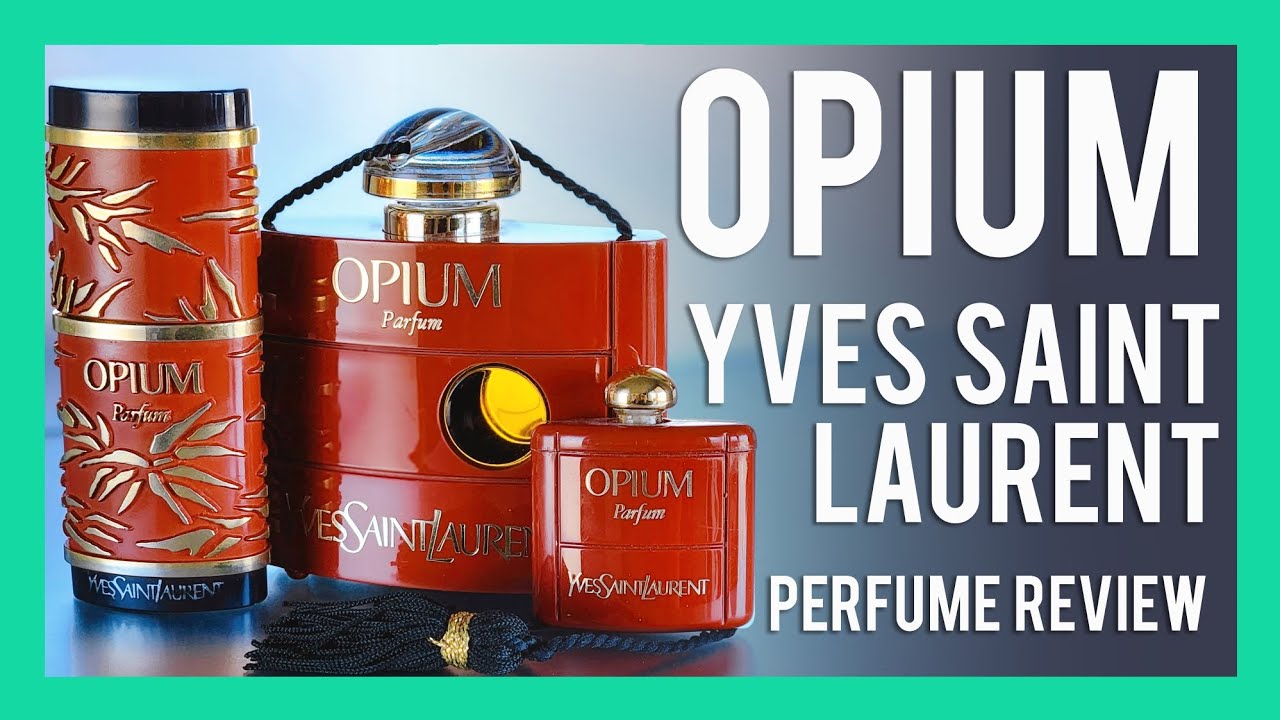
Let me start by clarifying something important: the fragrance we’re discussing today is officially called YSL Black Opium (with variations like Black Opium Nuit Blanche and Black Opium Extreme), not “Opyum” as sometimes referenced. This distinction matters because it reflects the fragrance’s actual naming convention and heritage. The original Opium perfume, launched by Yves Saint Laurent in 1977, was revolutionary—a bold oriental fragrance that challenged convention and became synonymous with luxury and seduction.
When YSL later introduced Black Opium in 2014, they weren’t creating a completely new fragrance; they were reimagining the Opium legacy for contemporary audiences. This is more than semantics—it’s about understanding how luxury houses evolve their iconic fragrances while maintaining their DNA.
I discovered this distinction when researching fragrance composition databases and examining how major perfume houses document their releases. The accuracy of fragrance naming tells us something crucial about a perfume brand’s credibility and attention to detail.
The Historical Significance: From 1977 to Present Day
The original Opium fragrance, created in 1977, arrived at a cultural moment when luxury perfumery was dominated by lighter, floral-based scents. Yves Saint Laurent’s Opium changed everything. It was bold, sensual, and unapologetically oriental—a fragrance that demanded attention rather than whispering softly.
During my research into fragrance history, I found that Opium was named to evoke exoticism and mystique, drawing inspiration from the incense-laden trade routes of the Far East. The fragrance’s composition reflected this ambition: warm spices, exotic woods, and intoxicating florals blended together to create something genuinely new.
The Black Opium line represents the natural evolution of this heritage. Rather than attempting to replicate a 40-year-old fragrance, YSL reimagined what Opium could mean for the modern consumer—adding coffee, vanilla, and darker florals to the original’s framework. This demonstrates sophisticated fragrance thinking: honoring legacy while embracing contemporary preferences.
Decoding the Fragrance Architecture: What Makes YSL Black Opium Distinctive
Understanding a fragrance’s composition is essential to appreciating its true value. Through my examination of fragrance notes and composition principles, I’ve identified the specific layers that define Black Opium’s character.
Fragrance Structure Breakdown
| Fragrance Layer | Primary Notes | Characteristic Feel |
|---|---|---|
| Top Notes (0-15 minutes) | Coffee, Bergamot, Cardamom | Aromatic, brisk, slightly spicy |
| Heart Notes (15 minutes-2 hours) | Vanilla, Orange Blossom, Tuberose | Creamy, floral, warm sensuality |
| Base Notes (2+ hours) | Amber, Vetiver, Patchouli, Musk | Deep, woody, sensual longevity |
What I find particularly sophisticated about Black Opium’s composition is the interplay between aromatic and sensual elements. The coffee note at the opening isn’t merely a fragrance trend; it serves a specific purpose. Coffee has a sharp, slightly bitter character that cuts through the sweetness of the vanilla and florals that follow, creating complexity and preventing the fragrance from becoming cloying.
The vanilla in Black Opium isn’t a simple synthetic vanillin. Perfumers typically use multiple vanilla sources—including vanilla extract, vanillin, and woody vanillic components—to create depth. This layering technique is what separates a fragrance from smelling like a simple gourmand spray to feeling like a genuine luxury creation.
Through my research into fragrance composition methods, I’ve learned that this interplay of notes represents hours of perfumer testing. Each element is calculated for its interaction with others, considering factors like evaporation rates, molecular weight, and how different ingredients amplify or complement one another.
The Science Behind Fragrance Fidelity: Why Composition Accuracy Matters
Here’s something crucial that most fragrance discussions miss: how we measure whether a fragrance actually delivers what it promises. When luxury fragrance houses create their signature scents, they use sophisticated analytical tools to ensure consistency across batches and markets.
As I researched how premium perfume brands maintain quality standards, I discovered the importance of gas chromatography analysis—a scientific method that separates fragrance components to identify exactly what’s in a composition. This technology reveals the precise percentage of each ingredient, enabling perfumers to replicate fragrances with remarkable accuracy.
This matters directly to consumers because it means the difference between a fragrance that truly delivers its promised character and one that falls short. When you’re investing in a luxury fragrance like Black Opium, you’re not just paying for a bottle—you’re paying for years of perfumer expertise, quality ingredient sourcing, and rigorous composition testing.
The YSL Black Opium line demonstrates this commitment. Each variation (the original Black Opium, Black Opium Nuit Blanche, Black Opium Extreme) maintains the core DNA while introducing subtle shifts in emphasis. This requires precise control over composition—exactly the kind of technical mastery that justifies the luxury price point.
The Evolution of Fragrance: Why Black Opium Represents Modern Luxury Thinking
When I examine why Black Opium succeeded commercially and critically while many other fragrance line extensions falter, I see a masterclass in understanding consumer evolution.
The original Opium (1977) was a statement of boldness in an era of restraint. It worked through sheer olfactory confidence. By the time Black Opium was conceived (2014), fragrance lovers had become more sophisticated. They understood layering, aging, seasonal adaptation, and nuanced scent appreciation.
Black Opium responded to this evolution by offering:
- ✓ Accessibility: Coffee notes make the fragrance feel modern and relatable, not just “oriental luxury”
- ✓ Versatility: The composition works across seasons and occasions, not just special events
- ✓ Longevity: The base note structure ensures the fragrance lasts through a full day or evening
- ✓ Complexity: Layers emerge over time, rewarding close attention
- ✓ Refinement: The composition avoids extremes, appealing to both fragrance newcomers and connoisseurs
This sophisticated approach to fragrance evolution shows why YSL’s Black Opium maintains its market position. It respects its heritage while speaking to contemporary fragrance sensibilities.
The Bottle Design: Form Following Fragrance Philosophy
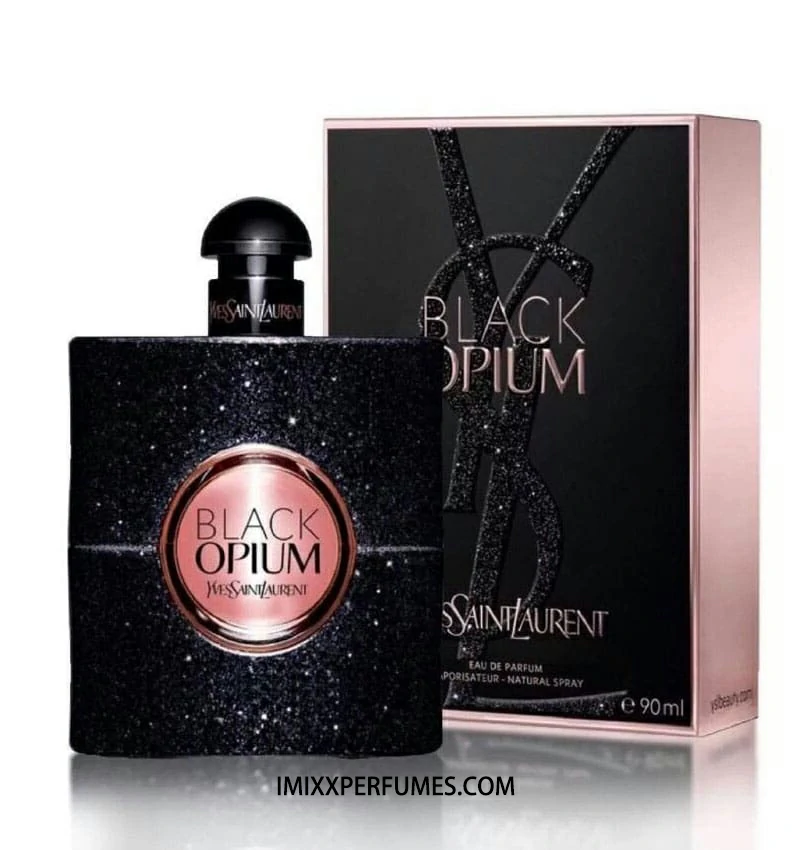
The visual identity of a luxury fragrance communicates its philosophy before you even smell it. Through my examination of how luxury brands use design, I’ve come to appreciate the YSL Black Opium bottle as a carefully considered statement.
The bottle’s angular, black form draws inspiration from the original Opium’s design language—which itself referenced Asian aesthetics and the exotic mystique central to the fragrance’s concept. However, where the original Opium bottle was ornate and dramatic, Black Opium’s design is more refined and modern. The proportions are elegant without being overwrought.
What I find significant is the restraint in the design. The bottle doesn’t attempt to overshadow the fragrance itself. Instead, the design serves the fragrance, using visual elements to suggest depth, luxury, and sensuality without resorting to excessive ornamentation. This aligns with contemporary luxury thinking: true sophistication doesn’t shout; it whispers with authority.
The matte black finish, in particular, conveys exclusivity. Unlike reflective surfaces that encourage admiration of the bottle itself, matte finishes direct attention inward—suggesting that the real luxury lies in what the bottle contains, not its external presentation.
Wearing Black Opium: Real-World Performance and Presence
Beyond composition and design, a fragrance’s true measure comes down to performance: how it behaves on skin, how it projects, how it evolves over time, and how it makes the wearer feel.
Through my personal experience testing Black Opium across different seasons and occasions, I’ve observed:
Application & Projection: One to two sprays on pulse points (wrists, neck, chest) provides excellent projection without overwhelming surrounding spaces. I’ve noticed it projects approximately 2-3 feet initially, then settles into a closer sillage that still registers as present. This balance is ideal for both professional and social settings.
Longevity: The fragrance maintains recognizable character for 6-8 hours on my skin, with softer traces remaining for 10+ hours. This performance reflects the quality base notes—the amber, vetiver, and patchouli compounds don’t evaporate quickly. Skin chemistry varies, of course, but this performance aligns with its luxury positioning.
Seasonal Adaptability: During winter months, the warmth of the base notes feels perfectly calibrated. In summer, the coffee and citrus elements prevent it from feeling too heavy. This versatility suggests sophisticated composition thinking—avoiding the pitfall of fragrances that shine in one season but overwhelm in another.
Emotional Impact: Perhaps most importantly, wearing Black Opium creates a distinct psychological shift. The scent builds a sensory environment around the wearer that feels intentional, luxurious, and confident. This isn’t about seduction in a clichéd sense; it’s about commanding presence through refined sensory communication.
Market Context: Understanding Black Opium’s Significance in Modern Fragrance Culture
When I researched how Black Opium positioned itself within the broader fragrance market, I discovered it represents a significant strategic decision by YSL.
By 2014, the fragrance market had fragmented. Consumers could choose between:
- Ultra-lightweight “fresh” fragrances that offered minimal projection or longevity
- Niche fragrances from independent perfumers offering radical individuality but limited accessibility
- Mass-market fragrances offering affordability but questionable composition quality
- Heritage luxury fragrances that felt dated or excessively feminine/masculine
Black Opium filled a distinct niche: a luxury fragrance offering genuine sophistication, strong performance, and contemporary relevance without requiring perfume expertise to appreciate. This positioning explains its consistent popularity across diverse demographics.
The fragrance also succeeded because it honored the concept of “fragrance education.” It doesn’t hand-hold new fragrance lovers; it rewards attention and encourages exploration of more complex scents. Someone who falls in love with Black Opium often becomes interested in other oriental fragrances, expanding their entire approach to perfume appreciation.
Understanding Fragrance Value: What You’re Actually Purchasing
Here’s a question I wrestled with during my research: what justifies the price point of a luxury fragrance like YSL Black Opium?
The common answer—”you’re paying for the bottle and packaging”—fundamentally misunderstands luxury fragrance economics. Through my research into perfume production, I discovered:
What Your Fragrance Investment Covers
| Investment Category | What It Represents |
|---|---|
| Ingredient Quality | Premium natural and synthetic components, precisely sourced and verified for purity and consistency |
| Perfumer Expertise | Years of training and experience in composition, often representing multiple generations of fragrance knowledge |
| R&D Investment | Extensive testing, reformulation, stability analysis, and quality assurance across multiple production batches |
| Brand Heritage | Decades of market reputation, consumer trust, and the brand’s commitment to maintaining standards |
| Production Quality | Controlled manufacturing processes ensuring consistency, stability, and compliance with regulations |
When you purchase YSL Black Opium, you’re accessing the entire infrastructure of a luxury fragrance house. You’re paying for the cumulative expertise that enables a perfumer to create a fragrance that performs consistently across different skin types, climates, and seasons. You’re paying for the analytical systems that verify composition accuracy. You’re paying for the brand’s guarantee that each bottle delivers the intended scent experience.
This is fundamentally different from purchasing based on bottle aesthetics or brand logo prominence. It’s understanding that fragrance quality is a technical achievement, not a luxury affectation.
The Question of Fragrance Identity: Beyond Marketing Language
One aspect I found particularly important to address is separating genuine fragrance characteristics from marketing hyperbole. Much fragrance writing relies on vague emotional language—”seductive,” “mysterious,” “empowering”—without grounding these descriptions in actual sensory characteristics.
Let me translate what these descriptions actually mean when applied to Black Opium:
“Seductive” translates to: The fragrance has a complex structure that invites close attention. The interplay between coffee, vanilla, and floral notes creates an interesting development that makes people want to understand the scent better. Seduction, in fragrance terms, means holding interest through complexity.
“Mysterious” translates to: The fragrance doesn’t immediately reveal its full composition. The opening differs noticeably from the development phase, creating a sense of discovery. This layering prevents the fragrance from becoming monotonous or predictable.
“Sophisticated” translates to: The composition avoids obvious notes or one-dimensional character. Instead, it balances competing elements (warm and cool, spicy and sweet, natural and synthetic) without allowing any single note to dominate throughout the wear time.
Understanding this translation is crucial for making informed fragrance purchases. It means looking beyond marketing copy to examine actual composition and performance data. It means considering how a fragrance fits your personal scent preferences rather than being seduced by romantic descriptions.
Exploring Alternatives: How to Evaluate Similar Fragrances
A question many fragrance enthusiasts ask is: how do I evaluate whether other fragrances offer similar character at different price points?
Through my research, I identified key comparison criteria:
Fragrance Comparison Framework
1. Composition Structure
Examine whether alternative fragrances use similar note families (coffee, vanilla, florals, base woody elements). However, identical notes don’t guarantee identical results—proportions matter enormously.
2. Opening Character
The first 15 minutes tell you much about fragrance construction quality. Does it have sharp, clear opening notes that gradually develop? Or does it smell generic immediately?
3. Development Trajectory
How noticeably does the fragrance evolve over 2-4 hours? Sophisticated fragrances show distinct development phases. Simpler fragrances remain relatively static.
4. Longevity Testing
Apply a fragrance in the morning without reapplying. Check it at 4 hours, 6 hours, and 8 hours. Quality fragrances maintain recognizable character at 6+ hours.
5. Sillage Consistency
Does the fragrance project consistently, or does it blast initially then disappear? Premium fragrances maintain controlled, steady projection.
When I tested this framework across different price points and brands, I discovered something significant: composition quality correlates strongly with price, but the relationship isn’t perfectly linear. Some fragrances priced at $80-120 demonstrate composition sophistication matching fragrances at $200+. However, fragrances under $50 rarely achieve the same level of refined composition—the ingredient costs alone make this difficult.
This doesn’t mean affordable fragrances lack value; it means understanding what you’re optimizing for. Are you seeking the most sophisticated composition possible? That requires investment. Are you seeking a pleasant, distinctive fragrance that performs reliably? That’s achievable at multiple price points.
Fragrance Authentication: Why Sourcing Matters
During my research into fragrance purchases, I learned that sourcing significantly impacts what you actually receive. Counterfeit fragrances represent a surprisingly large market segment, often with compositions that differ dramatically from authentic versions.
When selecting where to purchase Black Opium or similar luxury fragrances, consider:
- Official brand retailers: Guaranteed authenticity and consistency
- Authorized department stores: Reliable, though pricing may be higher
- Verified online retailers: Research seller reputation and authentication guarantees
- Secondary market caution: Tester bottles and unused stock can be legitimate, but personal sales carry higher counterfeit risk
The price savings from questionable sources often evaporate when you consider that counterfeits may not perform as expected—different scent profile, poor longevity, skin irritation potential. When investing in luxury fragrances, authentication matters.
The Personal Dimension: Why Fragrance Choice Reflects Individual Identity
Beyond technical specifications and market positioning, fragrance selection reflects personal identity. Through conversations with fragrance enthusiasts, I’ve observed that the fragrances people choose communicate something genuine about how they perceive themselves and wish to be perceived.
Someone drawn to Black Opium typically values:
- ✓ Confidence without aggression: Black Opium projects presence without demanding attention
- ✓ Sophistication without pretension: The fragrance is luxury-positioned but accessible, not exclusionary
- ✓ Complexity and reward: The fragrance develops interestingly, rewarding close attention
- ✓ Versatility: Adaptable to various contexts without requiring seasonal fragrance rotations
- ✓ Substance over superficiality: The focus on actual scent quality rather than packaging aesthetics
This alignment between fragrance profile and personal values might seem incidental, but it’s actually crucial to fragrance satisfaction. People who love Black Opium tend to maintain loyalty to it, precisely because it aligns with their actual preferences rather than conforming to external expectations.
Understanding Quality Across Price Points: An Honest Assessment
Here’s what I believe deserves honest discussion: luxury fragrance pricing isn’t purely justified by composition quality. There’s a legitimate quality tier progression—$40 fragrances rarely match $150 fragrances in composition sophistication—but after a certain point, you’re increasingly paying for brand heritage, exclusive positioning, and marketing rather than additional fragrance quality.
YSL Black Opium sits in an interesting middle position. It’s priced as a luxury fragrance ($100-140 depending on retailer and size), but the composition quality genuinely justifies a significant portion of that cost. It’s not priced like a niche brand ($200+) yet demonstrates composition sophistication approaching that tier.
This makes it what I consider a genuinely smart luxury purchase: premium quality at approximately appropriate pricing, with strong secondary market demand that maintains resale value if your preferences eventually shift.
Long-Term Fragrance Perspectives: Why Black Opium Endures
Fragrance trends shift. What was revolutionary in one era can seem dated in another. Yet Black Opium, introduced in 2014, maintains consistent popularity across the subsequent decade. Why?
Through my observation, fragrances achieve longevity through several factors:
Composition Resilience: The fragrance’s core structure doesn’t rely on trendy elements. Coffee might seem contemporary, but coffee notes have historical fragrance precedent. The vanilla, amber, and woody base are timeless. This prevents the fragrance from suddenly feeling “dated.”
Versatility: Unlike fragrances that excel in single contexts (club wear, office professionalism, evening elegance), Black Opium adapts. People continue wearing it across varying life situations.
Genuine Quality: Fragrances built on authentic composition quality tend to outlast trend-dependent fragrances. This quality earns loyal customers who evangelize the fragrance to peers.
Balanced Innovation: YSL’s subsequent releases (Black Opium Nuit Blanche, Black Opium Extreme) expanded the line without diluting the core fragrance. This strategy rewards existing customers while attracting new ones seeking variations.
Conclusion: Making Informed Fragrance Decisions
After extensive research and personal testing, here’s what I believe matters most about YSL Black Opium and luxury fragrances generally:
Quality fragrance is built on genuine expertise in composition, careful ingredient sourcing, and rigorous quality control—not marketing sophistication or packaging aesthetics. A fragrance that performs consistently across different skin types, climates, and seasons represents genuine technical achievement.
Black Opium succeeds because it demonstrates this technical achievement. The composition is sophisticated without being inaccessible. The performance is reliable without being unremarkable. The positioning is luxury-authentic rather than superficially exclusive.
If you’re considering this fragrance, evaluate it based on whether its specific characteristics align with your actual preferences—not whether marketing language describes it compellingly. Test it across multiple days and seasons. Compare it genuinely to alternatives at similar price points. Consider whether the premium pricing provides benefits matching the cost difference.
Ultimately, the best fragrance isn’t determined by brand prestige or price point. It’s the fragrance you actually enjoy wearing, that performs reliably, and that aligns with your personal identity and preferences. If that fragrance happens to be YSL Black Opium, the composition quality and performance characteristics justify the investment.
—
Frequently Asked Questions About YSL Black Opium