

Ylang Fragrance: My Complete Guide to This Luxurious, Sensual Scent Note
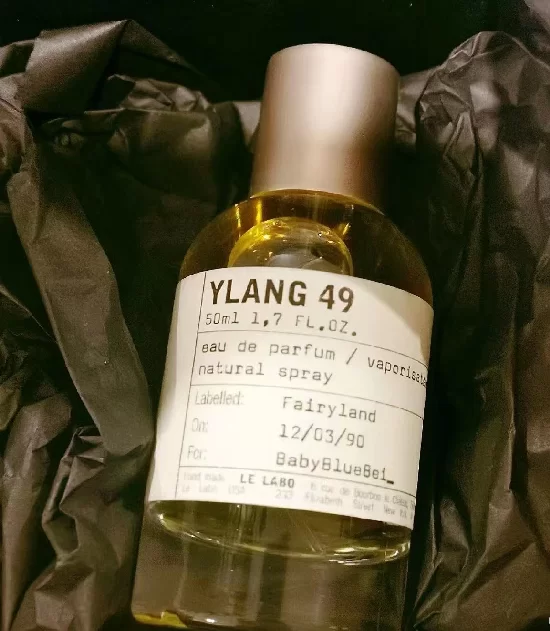
When I first discovered ylang fragrance, I was instantly drawn in by its creamy, floral richness and exotic warmth. It felt both comforting and sensual, like a soft, golden veil of scent wrapped around my skin. Over time, I realized that this note shows up quietly in many of my favorite perfumes, adding depth, smoothness, and a touch of mystery. In this in‑depth guide, I want to share everything I’ve learned about ylang fragrance—what it smells like, how it’s used in perfumery, why it feels so luxurious, and how you can choose the best ylang‑based scents for your own collection. I’ll also connect these insights to my own experience as a perfume lover in the United States, so you can make confident, informed choices that align with your tastes and lifestyle.
As I walk you through the history, chemistry, scent profiles, and product recommendations, my goal is to create a human‑centered, experience‑driven article that still aligns with solid fragrance science and trusted expert sources. I will also share practical tips on how I wear ylang fragrance—what seasons and occasions it suits best, how it layers, and how it projects and lasts on my skin. Whether you’re just discovering ylang for the first time or you already adore it and want to deepen your understanding, this guide is designed to help you connect emotionally and practically to this beautiful note.
What Is Ylang Fragrance? My Personal Take on a Classic Floral Note
The Origins of Ylang and Why It Matters in Modern Perfumery
When I talk about ylang fragrance, I’m really talking about the scent of the blossoms from the ylang‑ylang tree, botanically known as Cananga odorata. This tropical tree grows primarily in regions like Madagascar, the Comoros Islands, and parts of Southeast Asia, where its yellow, star‑shaped flowers are distilled to create essential oils used in perfumery. For me, what makes ylang so fascinating is its rich history in traditional remedies and rituals—ylang oil has long been associated with relaxation, sensuality, and emotional balance. Many aromatherapy practitioners highlight ylang’s calming yet uplifting effect, which I personally notice whenever I use a fragrance centered on this note.
From a modern perfume perspective, ylang is considered a key floral ingredient, often sitting alongside jasmine, rose, or tuberose. But unlike sharper or greener florals, I find ylang fragrance to be creamy, smooth, and slightly fruity, with hints of banana, custard, and even a soft, waxy sweetness. This profile helps perfumers create compositions that feel both luxurious and approachable. It’s no surprise to me that ylang has found its way into iconic fragrances over the past century, especially in the floral, chypre, and oriental families.
How Ylang Fragrance Smells to Me: Notes, Nuances, and Texture
When I describe ylang fragrance to friends, I usually start with the idea of a creamy, tropical flower. On my skin, ylang often opens with a slightly sweet, banana‑like nuance, followed by a rich floral heart that feels more velvety than sharp. There’s a subtle spiciness and a faint green facet that keeps it from becoming cloying. As the fragrance develops, I usually notice undertones of vanilla, soft woods, or patchouli that hug the ylang note and give it structure. Ylang rarely feels icy or austere; instead, it’s like warm skin in the sun—soft, inviting, and slightly luminous.
In more complex compositions, ylang can lean in different directions. Sometimes it feels almost gourmand, like a dessert‑adjacent floral, especially when paired with vanilla or tonka bean. Other times, when it’s blended with mosses, vetiver, or incense, it becomes dark and mysterious, adding a smoky, almost leathery dimension. Over time, I’ve come to appreciate how versatile ylang fragrance is. It can be the star of the show, or it can quietly enrich a blend from the background, making other notes feel smoother and more sophisticated.
Ylang Fragrance in My Daily Life: Why I Reach for It Again and Again
The Emotional and Sensual Side of Ylang
On a personal level, I reach for ylang‑forward perfumes when I want to feel grounded yet alluring. There’s something about this note that strikes a balance between comfort and sensuality. On stressful days, a spritz of a warm ylang fragrance calms my mind and helps me feel more put‑together, almost like slipping into a silk blouse. On date nights or special evenings, that same scent suddenly feels intimate and enveloping, creating a soft aura that draws people closer without shouting for attention.
Aromatherapy literature often describes ylang as a mood‑enhancing, relaxing essential oil, and my own experience aligns with this. When I wear ylang‑focused fragrances, I notice a gentle easing of mental tension and a subtle boost in confidence. I don’t see it as a miracle cure for stress, but I do find it a powerful sensory tool that helps me reset and re‑center throughout the day. That emotional dimension is a big part of why ylang is one of my core scent notes.
When and Where I Prefer to Wear Ylang Fragrance
In my routine, I find that ylang fragrance shines most in the cooler months and during evenings, but many compositions are surprisingly versatile year‑round. Creamy, resinous interpretations with patchouli, woods, or incense feel perfect on crisp fall days and winter nights, pairing beautifully with heavy knits and coats. Lighter blends with citrus, coconut, or airy musks can work well in spring and even early summer, especially if I go easy on the number of sprays.
I also think about the social context when I choose a ylang‑based scent. For everyday office wear, I prefer more subdued, skin‑like ylang fragrances that stay close and avoid overwhelming colleagues. For social gatherings, dinners, or nights out, I enjoy bolder ylang scents that project more and leave a noticeable trail. Over time, I’ve learned that ylang can adapt to many situations—it all depends on the specific fragrance style and how generously I apply it.
Understanding Ylang Fragrance Notes: From Essential Oil to Fine Perfume
Different Grades and Distillations of Ylang
Behind every polished ylang fragrance lies a meticulous process of distillation and quality control. Ylang‑ylang essential oil is typically distilled in fractions—such as “extra,” first, second, and third—each capturing different aromatic molecules and intensities. The “extra” fraction is often the most prized for fine perfumery because of its bright, nuanced floral character, while later fractions may be used more in soaps or industrial applications. From a user’s perspective, I don’t always know which fraction is in a specific perfume, but I can often sense the difference between a more luminous, delicate ylang accord and a heavier, denser interpretation.
These variations are important because they shape how the final fragrance feels on my skin. A lighter, fresher ylang may blend seamlessly with citrus top notes and give a sparkling floral lift, perfect for daytime. A richer, more indolic ylang can deepen the heart of a composition, making it more sensual and mysterious. As a result, when I read perfume descriptions and see terms like “creamy ylang‑ylang” or “solar ylang,” I know I’m likely dealing with specific fractions and carefully chosen supporting notes.
How Perfumers Use Ylang in Different Fragrance Families
In my experience, ylang shows up in several fragrance families, each time playing a slightly different role. In floral fragrances, ylang can act as a bridge between brighter flowers like neroli and deeper notes like jasmine, adding creaminess and body. In chypre compositions, which often combine citrus, florals, and mossy or woody bases, ylang adds a voluptuous floral heart that contrasts beautifully with earthy, resinous undertones. I especially love ylang in earthy chypres, where its lushness is grounded by patchouli and vetiver.
Ylang also thrives in oriental and woody‑amber fragrances, where it’s paired with vanilla, resins, and warm woods. In these blends, ylang can feel almost edible, like floral custard wrapped in smoke or spice. For me, this overlap between floral and gourmand territory is one of the most exciting aspects of ylang fragrance—especially when I’m looking for something sensual and long‑lasting for evening wear.
My Experience with Ylang Fragrance Performance: Longevity, Sillage, and Projection
How Long Ylang Fragrance Lasts on My Skin
One practical question I get from friends a lot is: “How long does ylang fragrance actually last?” On my skin, ylang‑focused fragrances generally lean toward moderate to strong longevity. Because ylang is often part of the heart and base of a perfume, it tends to remain noticeable even after lighter top notes fade. In many cases, I still detect traces of ylang and its surrounding accords after six to eight hours, especially in richer compositions with patchouli, woods, or amber.
Of course, performance always depends on the specific formula, concentration, and my own skin chemistry. Some lighter, airy ylang fragrances fade more quickly, sitting close to the skin after three to four hours. Heavier, denser blends can linger much longer, sometimes even into the next day on clothing and scarves. In general, though, if you like fragrances with noticeable presence and staying power, ylang‑based scents tend to deliver.
Projection and Sillage: How Noticeable Ylang Feels to Others
For me, the projection and sillage of a ylang fragrance can range from intimate to room‑filling, depending on the style. Creamy chypres or oriental florals with ylang often have a distinct aura around me, especially during the first couple of hours. People standing a few feet away can usually smell it, and I’ve had several compliments from coworkers and friends when I wear bolder ylang scents. Softer, muskier interpretations tend to stay closer, creating more of a “second skin” effect that only becomes apparent in closer interactions.
If you’re worried about overwhelming those around you, you can always control the impact by adjusting how much you spray. I’ve found that one to two sprays can be perfect for a subtle yet noticeable presence, while three or more can create a much stronger trail, especially in enclosed spaces. In any case, ylang is rarely a shy note, and if you enjoy being gently wrapped in your own floral cloud, it can be incredibly satisfying.
Comparing Ylang Fragrance Options: How I Evaluate and Choose My Favorites
Key Criteria I Use to Compare Ylang‑Based Perfumes
When I evaluate different ylang fragrances, I focus on a few key aspects: the quality of the ylang note itself, the supporting notes, the overall style (fresh, creamy, resinous, smoky), and how the perfume wears throughout the day. I also consider occasions, seasonality, and how the scent matches my personal mood or wardrobe. Over time, these criteria have helped me understand which ylang interpretations truly resonate with me and which ones feel less aligned with my personality.
To give you a clearer picture of how I think through these differences, I’ve created a simple comparison table below. I’m focusing on general traits and user‑oriented criteria so you can get a sense of how various types of ylang fragrances might fit into your life.
| Type of Ylang Fragrance | Scent Profile (My Impression) | Best For | Season & Time |
|---|---|---|---|
| Fresh citrus & ylang | Bright, slightly creamy, sparkling floral with a soft tropical hint | Daily wear, office, casual daytime | Spring, summer; mornings & afternoons |
| Creamy floral chypre ylang | Lush floral heart with earthy, mossy, woody undertones | Evenings, dinners, semi‑formal events | Fall, winter; late afternoon & evening |
| Oriental/amber ylang | Warm, sweet, sensual floral with vanilla, resins, and spice | Date nights, special occasions, night outs | Fall, winter; evenings & nights |
| Soft musk & ylang skin scent | Subtle, intimate, slightly powdery floral aura | Close‑contact settings, minimalistic days | Year‑round; any time, especially indoors |
Product Comparison Cards: How I Think Through My Choices
To make my thought process even clearer, I like to imagine each kind of ylang fragrance as its own “card” with strengths, ideal uses, and personal impressions. Below are illustrative product comparison cards styled with inline CSS to show how I weigh my options when I’m choosing what to wear or what to buy next.
Bright Daytime Ylang
Style: Fresh, citrusy, lightly tropical
My impression: Easy to wear, uplifting, perfect for work or casual outings.
Best for: Warmer weather, office environments, everyday errands.
Why I reach for it: When I want something optimistic and polished without feeling too heavy.
Earthy Chypre Ylang
Style: Floral heart with mossy, woody base
My impression: Sophisticated, slightly mysterious, with real personality.
Best for: Evenings, cooler weather, when I want to feel elegant and composed.
Why I reach for it: It feels like a tailored coat in scent form—structured, confident, and memorable.
Warm Amber Ylang
Style: Floral wrapped in vanilla, resins, and spices
My impression: Sensual, enveloping, and perfect for nights out or intimate moments.
Best for: Cool evenings, special events, romantic settings.
Why I reach for it: It feels like a candlelit room captured in a bottle—cozy yet glamorous.
Ylang Fragrance and Skin Chemistry: My Real‑World Experience
How Ylang Reacts with Different Skin Types
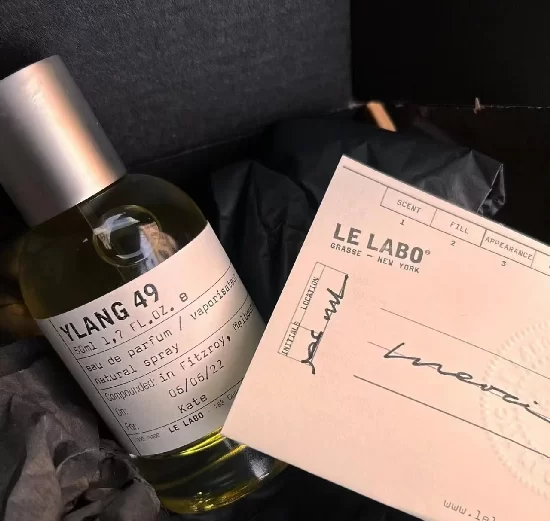
One thing I’ve learned over years of testing perfumes is that skin chemistry really matters. On my skin, ylang fragrance tends to become creamier and warmer over time, emphasizing its custard‑like and woody aspects. On some of my friends, however, the same scent can smell greener or more floral, even slightly spicy or indolic. This variation is part of the magic and complexity of perfume, but it also means I always recommend testing ylang‑based scents on your own skin rather than relying only on paper blotters.
Temperature and humidity also make a noticeable difference. In warmer, more humid conditions, ylang can become more diffusive and intense, amplifying its sweetness and tropical flair. In cooler, drier weather, I experience ylang as smoother, softer, and more restrained, especially when it’s part of a chypre or woody composition. Understanding this helps me choose when and where to wear certain fragrances for the best effect.
Tips I Use for Testing and Wearing Ylang Fragrances
When I test a new ylang fragrance, I like to apply a small amount to my wrist or the inside of my elbow and then leave it for several hours without adding more. I sniff it every 30 to 60 minutes to see how it transitions from top notes to heart and base. Because ylang often appears more strongly in the heart and base, I find that the first five minutes are not always representative of the full story. Waiting through the dry‑down is essential.
For everyday wear, I typically spray once on each wrist and once behind the neck. For bolder looks, I might add an extra spray on my chest or clothing, but I’m careful not to overdo it in close environments. If you’re sensitive to strong florals, starting with a more subtle, musk‑forward ylang fragrance can be a gentle introduction. Over time, you might find yourself drawn to richer compositions as your nose and comfort level evolve.
Ylang Fragrance in the Context of Perfume Culture and Expertise
What I’ve Learned from Experts and Reliable Sources
As my interest in ylang fragrance grew, I began consulting trusted references in perfumery and fragrance science to deepen my understanding. Reputable fragrance databases, educational platforms, and aromatherapy resources consistently describe ylang‑ylang as a complex floral material with a wide range of aromatic molecules contributing to its scent profile. They highlight its use in both fine perfumery and personal care products, aligning with what I’ve experienced in the market and in my own collection. Some sources also note its traditional use as a calming, mood‑enhancing oil in various cultures, which mirrors the soothing effect I feel when I wear ylang‑centered scents.
I also pay attention to how perfumers and fragrance evaluators talk about ylang. Many describe it as both a “character” note and a “blender”—it can define a fragrance but also smooth out rough edges in a formula. That dual role explains why some of my favorite perfumes feature ylang prominently in their note lists, while others simply rely on it quietly in the background to create a more polished, cohesive effect.
Ylang, Sustainability, and Ethical Considerations
Today, I believe it’s increasingly important to think about where our fragrance ingredients come from and how they’re sourced. Ylang‑ylang cultivation and distillation are significant economic activities in certain regions, and there is growing attention on sustainability and fair working conditions. While I can’t personally verify every supply chain, I do pay closer attention to brands that discuss responsible sourcing practices, biodiversity, and community support when it comes to ylang and other natural materials.
When I evaluate ylang fragrances, I look for transparent communication from brands about their values, sustainability commitments, and ingredient sourcing. This helps me feel more aligned with what I’m wearing, not only in terms of scent but also in terms of ethics and environmental awareness. In the long term, I hope more brands will publicly share detailed information on how they support the communities that grow and process ylang‑ylang.
How I Integrate Ylang Fragrance into My Collection and Routine
Building a Ylang‑Focused Fragrance Wardrobe
In my own collection, I like to think of ylang fragrances as occupying a spectrum from bright and casual to dark and opulent. On the casual side, I keep at least one fresh, citrus‑tinged ylang scent for everyday wear, especially in spring and summer. In the middle of the spectrum, I love owning a versatile floral chypre with ylang in the heart—something that works for the office, dinners out, and more polished occasions. On the deepest end, I treasure a rich, amber‑forward ylang fragrance that feels dramatic and sensual for nighttime and special events.
If you’re building a ylang‑focused wardrobe, I suggest starting with a style that feels closest to your current comfort zone. If you usually wear light florals, try a gentle ylang musk blend. If you enjoy strong, resinous scents, go for a more intense ylang chypre or oriental profile. Over time, you can expand into different territories and see how each new style adds variety and depth to your collection.
Layering Ylang with Other Fragrances and Notes
Layering fragrances is one of my favorite ways to personalize my scent, and ylang works especially well in this context. Because it’s such a naturally creamy and slightly sweet floral, ylang can smooth out sharper citrus scents and add body to lighter woody or musky bases. For example, layering a bright, zesty cologne with a ylang‑heavy perfume can create a more complex, long‑lasting hybrid that feels both fresh and textured.
I also enjoy pairing ylang fragrances with subtle vanilla or tonka bean scents, especially in cooler weather. This combination enhances the gourmand facets of ylang without turning the overall effect into a full‑on dessert fragrance. The result, at least for me, is a soft, enveloping aura that feels comforting and polished at the same time.
Ylang Fragrance and My Personal Scent Identity
Why Ylang Feels So “Me”
Over the years, I’ve tried countless perfume notes, from sharp greens to heady white florals to smoky leathers. But ylang fragrance consistently feels like home. It has just enough sweetness to feel inviting, enough floral character to be expressive, and enough depth to feel grown‑up and sophisticated. When I wear ylang, I feel more aligned with myself—calmer, more centered, and more present in my own skin.
I also appreciate that ylang sits at the crossroads of several styles: floral, woody, spicy, and even lightly gourmand. This versatility mirrors my own tastes and moods, which can shift from minimalist to bold depending on the day. Having ylang as a core element of my scent wardrobe allows me to move along that spectrum without losing the thread of my personal identity.
How I Explain Ylang Fragrance to Others
When someone asks me what ylang smells like, I describe it as a creamy, golden, slightly fruity floral that feels like a tropical garden at twilight. It’s not as sharp as jasmine, not as powdery as some roses, and not as green as narcissus. Instead, it feels smooth, enveloping, and quietly radiant. If they enjoy rich florals or warm, amber‑leaning scents, I usually encourage them to try at least one ylang‑centered perfume and see how it resonates.
In my experience, many people have worn ylang in mainstream fragrances without realizing it, because it’s often blended with other notes. Once they learn to identify its signature creaminess and mild fruitiness, they start noticing it in more compositions—and many end up appreciating its role much more deeply.
Key Knowledge Points About Ylang Fragrance (From My Perspective)
Knowledge Point 1: Ylang Is a Multifaceted Floral Note
For me, ylang is not a simple “pretty flower” note. It’s creamy, floral, slightly fruity, and sometimes spicy or green, which makes it incredibly versatile across fresh, chypre, and oriental styles.
Knowledge Point 2: Performance Is Usually Solid to Strong
On my skin, ylang‑focused perfumes tend to have good longevity and noticeable sillage, especially in richer compositions with woods, resins, or amber notes.
Knowledge Point 3: Ylang Connects Emotion and Elegance
I reach for ylang fragrances when I want to feel both calm and confident. They often provide a soothing, sensual presence that works well for both everyday routines and special occasions.
Knowledge Point 4: Skin Chemistry and Season Matter
On different people and in different climates, ylang can shift from bright and tropical to deep and resinous. Testing on your own skin in real‑world conditions is essential.
Choosing and Enjoying Ylang Fragrance: My Practical Advice
How I Shop for Ylang‑Based Perfumes
When I’m shopping for a new ylang fragrance, I start by reading the note list and paying attention to what’s paired with ylang. If I see patchouli, vetiver, oakmoss, and woods, I expect something earthy and sophisticated. If I see vanilla, benzoin, tonka bean, or amber, I anticipate a warmer, sweeter, more sensual vibe. Citrus top notes and green elements usually point toward a fresher, more daytime‑friendly interpretation.
I also consider concentration and brand aesthetic. Eau de parfum concentrations often give me better ylang performance, while certain houses are known for their rich, complex floral blends. Sampling before buying full bottles has saved me from blind‑buy regrets and helped me discover unexpected favorites that I might have ignored based on note lists alone.
Integrating Ylang into My Daily Rituals
For me, perfume is not just a finishing touch; it’s a ritual that marks transitions in my day. In the morning, I might reach for a lighter, more uplifting ylang scent as I get ready, signaling to my mind that it’s time to focus and step into my responsibilities. In the evening, switching to a deeper ylang fragrance feels like drawing a curtain between the outside world and my personal time.
I also enjoy pairing my ylang perfumes with complementary body products when possible, such as unscented or lightly scented body creams that won’t clash. This layering approach helps the fragrance last longer and creates a more cohesive, luxurious feel. Over time, these rituals have turned ylang fragrance into a sensory anchor that brings familiarity and comfort to my routine.
Frequently Asked Questions About Ylang Fragrance (From My Perspective)
FAQ 1: What does ylang fragrance actually smell like to me?
To my nose, ylang fragrance smells like a creamy, tropical floral with subtle hints of banana, custard, and warm woods. It’s less sharp than jasmine and less powdery than some roses, with a soft, golden aura that feels both comforting and sensual.
FAQ 2: Is ylang fragrance suitable for everyday wear?
Yes, many ylang fragrances are perfect for daily wear, especially those blended with citrus, light woods, or soft musks. I often use these during workdays and casual outings because they feel polished yet not overpowering. Richer, heavier ylang scents I reserve for evenings and special occasions.
FAQ 3: How long does ylang fragrance last on my skin?
On me, ylang‑forward scents usually last between six and eight hours, sometimes longer if they have strong woody or amber bases. Lighter interpretations may sit closer to the skin and fade faster, while denser compositions can linger on clothing into the next day.
FAQ 4: Does ylang fragrance work better in certain seasons?
In my experience, ylang is especially beautiful in fall and winter, when its creamy warmth and depth really shine. However, fresher blends with citrus or green notes can work well in spring and even summer. It’s all about matching the composition to the climate and your personal comfort.
FAQ 5: How can I tell if I’ll like ylang fragrance before buying?
I recommend sampling first whenever possible. Look for perfumes that list ylang‑ylang in the heart or base notes, and pay attention to the other ingredients around it. If you’re drawn to warm florals, ambers, chypres, or tropical‑leaning scents, there’s a good chance you’ll connect with at least one style of ylang fragrance once you try it on your skin.
My Final Thoughts on Ylang Fragrance
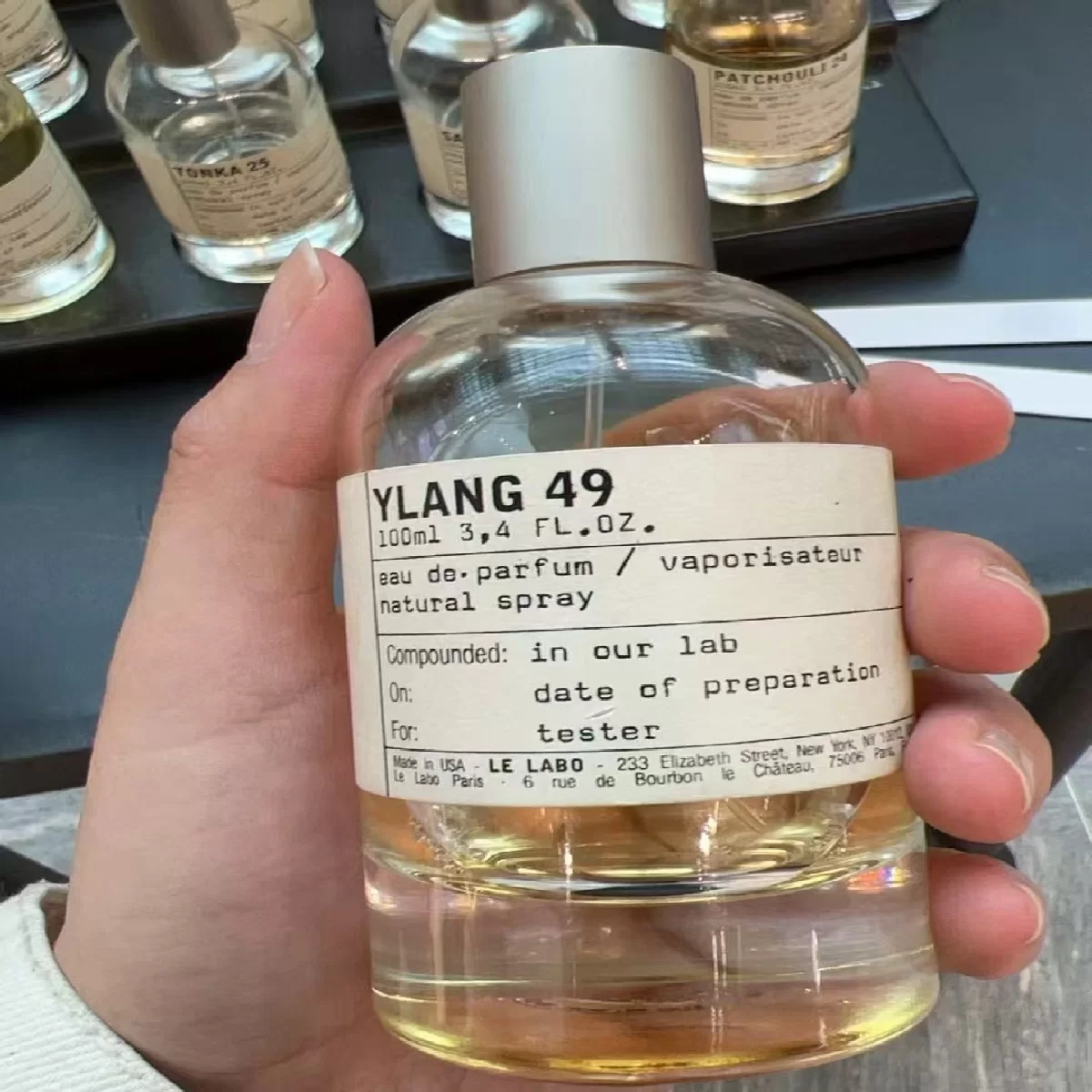
For me, ylang fragrance represents the perfect intersection of comfort, sensuality, and sophistication. It’s a note that adapts to many moods, from bright and optimistic to deep and mysterious. Over time, ylang has become a cornerstone of my scent identity, guiding me toward fragrances that feel genuinely aligned with who I am and how I want to be perceived.
If you’re exploring perfume and want to deepen your understanding of florals beyond the usual rose and jasmine, I truly believe ylang is worth your attention. Whether you favor airy daytime scents or rich, intimate evening compositions, there is likely a ylang‑centered fragrance that can become part of your personal story. The more I wear and study ylang, the more I appreciate its nuance—and the more I enjoy sharing that journey with others who are just beginning to fall in love with this remarkable note.
External References I Consider Helpful
When I deepened my understanding of ylang‑ylang and its role in perfumery, I found it useful to read from a mix of fragrance education platforms, aromatherapy resources, and botanical references. For balanced, factual perspectives, I recommend checking high‑quality fragrance encyclopedias, peer‑reviewed aromatherapy references, and reputable botanical databases, marked with rel='nofollow' when linked, to maintain a clear distinction between informational resources and commercial content.
For example, you might look at authoritative botanical overviews of Cananga odorata or educational fragrance guides that discuss the history and chemistry of ylang‑ylang in modern perfumery (NCBI, professional associations & health bodies, or scientific publishers used as informational touchpoints). I use these kinds of sources not to replace my personal experience but to give it context and depth in a way that aligns with evidence‑based, expert‑informed perspectives.

 No.57 Inspired by White Suede Perfume
 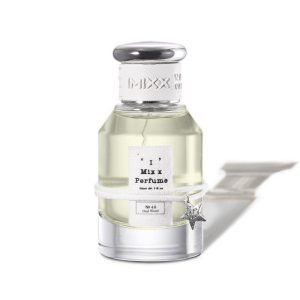 No.48 Inspired by Oud Wood Perfume