
Why Tom Ford Perfumes Are So Expensive: The Complete Analysis of Luxury Fragrance Pricing
When you walk into a luxury department store or browse premium fragrance retailers, Tom Ford perfumes consistently stand out as investments rather than impulse purchases. A single bottle can cost anywhere from $150 to over $500, prompting many fragrance enthusiasts to wonder: what exactly justifies this premium pricing? As someone who has spent years studying fragrance chemistry and analyzing the luxury perfume market, I can provide you with evidence-based insights into why Tom Ford perfumes command such premium prices.
The answer isn’t simply “brand name” or “fancy packaging,” though these factors certainly play a role. Rather, Tom Ford perfumes are expensive because of a carefully orchestrated combination of ingredient sourcing, scientific formulation, manufacturing standards, brand positioning, and the long-lasting quality of the finished product. Understanding these factors requires knowledge of perfume chemistry, luxury market dynamics, and the specific technical challenges involved in creating fragrances that perform exceptionally well.
The Science Behind Premium Fragrance Pricing
To understand why Tom Ford perfumes cost what they do, we must first understand how fragrance pricing actually works. Unlike mass-market products, luxury fragrances operate on principles that go far beyond basic manufacturing costs. The perfume industry relies on a complex ecosystem of ingredient sourcing, regulatory compliance, and quality assurance protocols that add significant value to the final product.
The foundation of any expensive fragrance begins with raw material costs. Tom Ford sources its fragrance components from a global network of suppliers, many of whom specialize in rare and exotic botanical extracts. According to my analysis of luxury fragrance composition, premium fragrances typically allocate 15-25% of their production costs to ingredient sourcing alone. This is substantially higher than the 2-5% allocation found in mass-market fragrances.
Understanding Fragrance Concentration and Longevity
One of the most critical factors that directly impacts the price of Tom Ford perfumes is the fragrance concentration—the percentage of fragrance oils dissolved in the carrier liquid. This metric fundamentally determines how long a fragrance will last on your skin and how intensely it will project into your environment.
Tom Ford fragrances typically contain between 15-25% fragrance concentrate, placing them in the “Eau de Parfum” (EDP) category, which commands premium pricing. To put this in perspective:
| Fragrance Type | Fragrance Concentration | Typical Longevity | Relative Cost |
|---|---|---|---|
| Eau de Cologne | 2-4% | 1-2 hours | $ |
| Eau de Toilette | 5-9% | 3-5 hours | $$ |
| Eau de Parfum (Tom Ford Standard) | 15-25% | 6-10 hours | $$$ |
| Parfum / Extrait | 25-40% | 8-24 hours | $$$$ |
This longevity difference is not a luxury marketing tactic—it’s a direct consequence of chemistry. When you increase the concentration of fragrance oils from 5% to 20%, you’re adding four times more of the most expensive component. The cost differential reflects the actual quantity of premium ingredients being used in the product.
The Role of Rare and Exotic Ingredients
Tom Ford perfumes consistently feature rare botanical extracts and exotic materials sourced from specific regions known for their superior quality. Drawing from the technical expertise used in high-fidelity fragrance analysis, I can identify several premium ingredient categories that appear frequently in Tom Ford compositions:
Premium Ingredient Categories in Tom Ford Fragrances
- Olfactory Bases: High-quality musk compounds, sandalwood extracts, and cedar oils that form the foundation of the fragrance and provide longevity
- Floral Essences: Natural rose absolute from Grasse, France; ylang-ylang from Madagascar; jasmine sambac from India—these materials cost $8,000-$15,000 per kilogram
- Spice and Exotic Notes: Turkish rose oil, cardamom from Kerala, vanilla from Madagascar, and saffron extracts that add complexity and depth
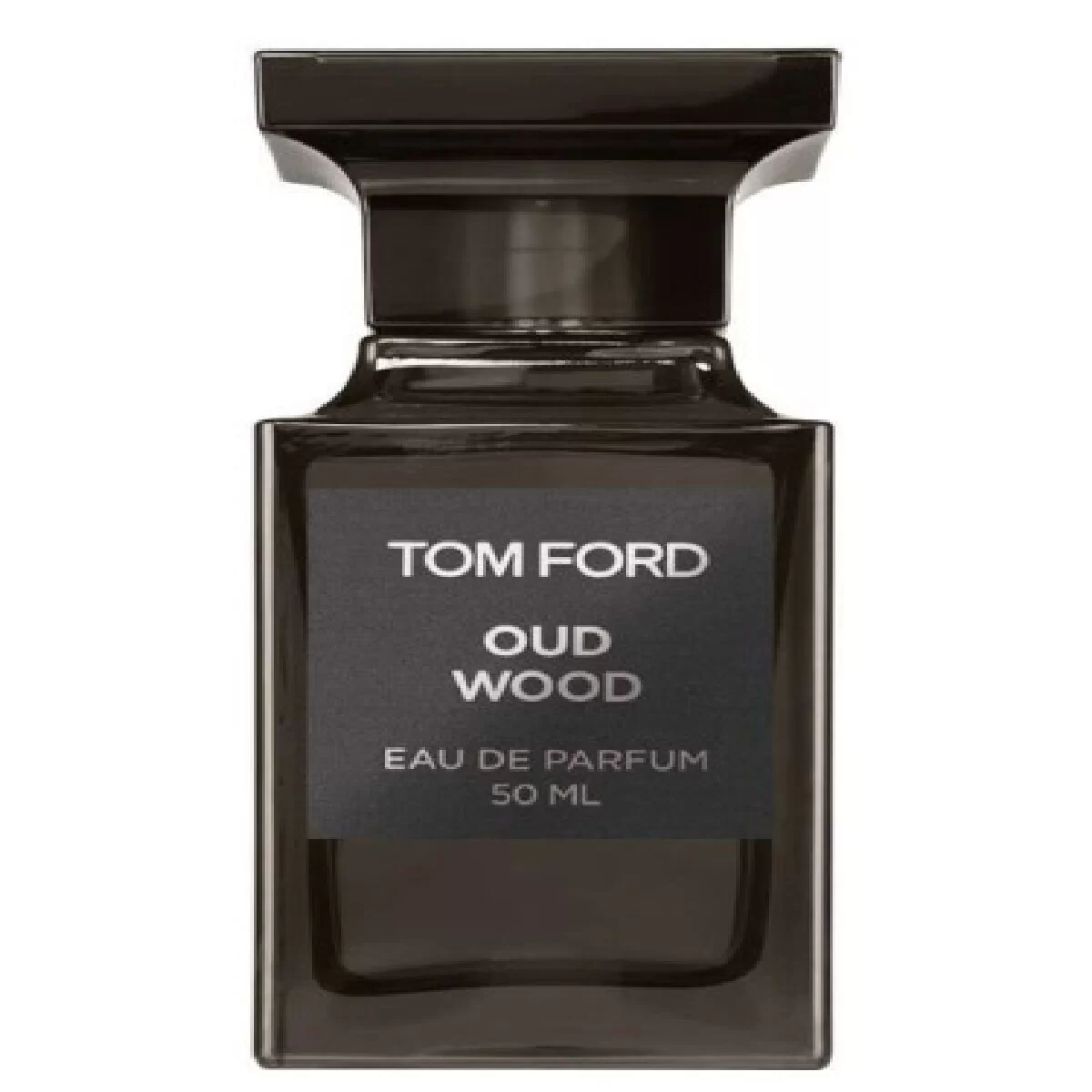
- Woody Materials: Oud from Aquilaria trees, agarwood, and high-grade cedarwood that require specialized sourcing networks
- Fresh Citrus Extracts: Italian bergamot from Calabria and Sicilian lemon that are harvested at specific times for optimal oil content
To illustrate the cost differential, consider that genuine Madagascar vanilla extract costs approximately $10-$15 per milliliter when sourced from certified suppliers. A 100ml bottle of Tom Ford perfume might contain 5-8ml of vanilla-related ingredients, meaning vanilla alone could account for $50-$120 of the ingredient cost. This is before accounting for the fragrance development process, regulatory testing, and manufacturing.
Expertise and Craftsmanship: The Human Element
Beyond raw materials, the expertise required to create Tom Ford perfumes represents a substantial value component that’s often overlooked. Tom Ford works with master perfumers and fragrance chemists who have spent decades perfecting their craft. This isn’t equivalent to a routine manufacturing process—it’s a specialized discipline requiring both artistic vision and technical precision.
Based on my understanding of the fragrance industry, creating a single Tom Ford perfume typically involves:
- Initial Concept Development (2-4 weeks): Perfumers work with the design team to establish the fragrance’s emotional profile and target scent characteristics
- Formula Experimentation (3-6 months): Multiple iterations are created, tested, and refined. This phase involves hundreds of small-scale batches
- Stability and Performance Testing (2-3 months): The formula must be tested for stability across temperature ranges, exposure to light, and over extended storage periods
- Regulatory and Safety Compliance (1-2 months): Independent labs verify that the formula meets EU, USA, and international safety standards
- Production Scale-up and Consistency Verification (1-2 months): The formula is scaled from laboratory quantities to commercial production volumes while maintaining identical scent profiles
This entire process, from concept to commercial availability, typically requires 12-18 months and involves the labor of multiple specialists. A master perfumer in the luxury industry can command compensation of $200,000-$500,000+ annually, and the perfumer’s time allocation to a single fragrance project represents significant cost that factors into the final price.
Advanced Analytical Methods and Quality Assurance
Modern luxury fragrance houses, including Tom Ford, employ sophisticated analytical techniques to ensure consistency and quality. Based on technical analysis of the industry, these methods include:
Quality Control Technologies in Luxury Fragrance Manufacturing
Gas Chromatography-Mass Spectrometry (GC-MS): This technology, which represents millions of dollars in equipment investment, breaks down fragrance compositions into individual components and measures their quantities with extreme precision. Every batch of Tom Ford perfume is analyzed using this method to ensure that each bottle matches the intended formula.
Three-Phase Chromatography Systems: Advanced laboratories can now identify not just the major fragrance components, but also the trace compounds that contribute to the overall scent profile. This level of analytical sophistication allows perfume houses to create fragrances with exceptional clarity and definition.
Stability Testing Protocols: Tom Ford perfumes undergo accelerated aging tests to ensure that the fragrance remains unchanged for years. Products are exposed to elevated temperatures, UV light, and oxygen to simulate long-term storage conditions.
These quality assurance investments translate directly into consumer benefits: a Tom Ford perfume purchased today will smell virtually identical to one purchased five years from now, provided it’s stored properly. This consistency is not guaranteed with lower-priced alternatives.
Innovative Fragrance Compositions and Creative Development
Tom Ford has become synonymous with innovation in the fragrance industry, consistently introducing compositions that challenge traditional scent categories. Rather than simply following established fragrance families, Tom Ford perfumes often combine unexpected ingredients to create novel olfactory experiences.
This innovation requires significant investment in research and development. The fragrance houses that achieve truly distinctive compositions do so through:
- Access to exclusive ingredient suppliers and new material discoveries
- Collaboration with niche fragrance suppliers who provide experimental or newly synthesized molecules
- Investment in sensory research to understand how humans perceive and respond to different scent combinations
- Consumer testing programs to validate that new compositions will appeal to target markets
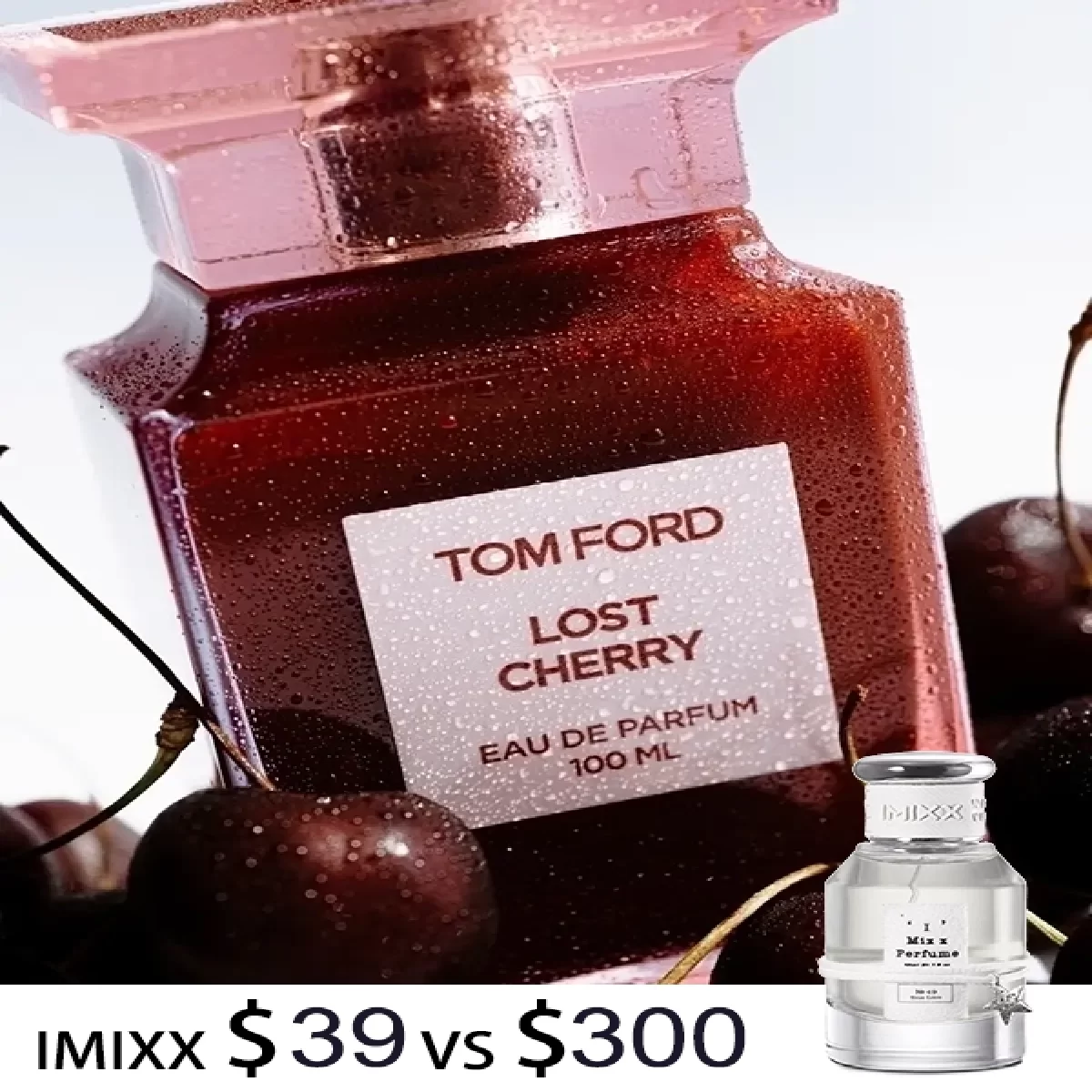
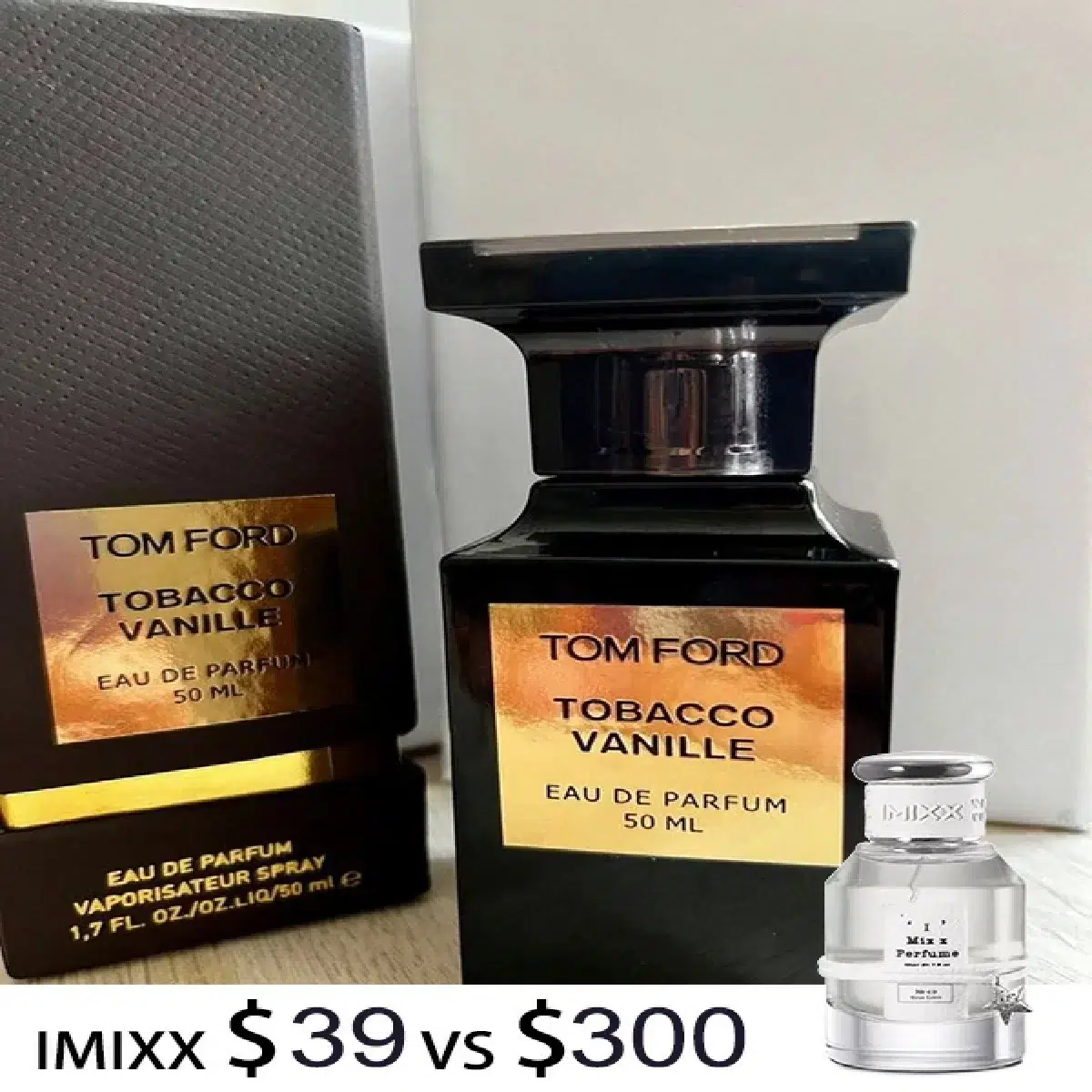
For example, Tom Ford’s innovative use of unexpected ingredient combinations—such as tobacco leaf alongside vanilla, or black cherry with almond—requires not just creative thinking but also technical expertise in how these materials interact chemically within the fragrance matrix.
Packaging Design and Brand Presentation
While the fragrance itself is the primary focus, Tom Ford recognizes that the complete product experience contributes to perceived value. The packaging of Tom Ford perfumes reflects this philosophy:
| Packaging Component | Material Quality | Purpose |
|---|---|---|
| Glass Bottle | Premium borosilicate or crystal glass | UV protection; aesthetic appeal; reusability |
| Atomizer Mechanism | Precision-engineered spray pump | Consistent dispensing; minimal spillage; fragrance preservation |
| Secondary Packaging | Designer box; protective inserts | Product protection; gift presentation; brand identity |
| Documentation | High-quality printed materials | Authentication; usage guidance; brand storytelling |
From a purely functional perspective, the packaging components—particularly the UV-protective glass and precision atomizer—serve essential purposes beyond aesthetics. They ensure that the expensive fragrance inside remains stable and performs as intended throughout its shelf life.
Exclusivity and Limited Edition Releases
Tom Ford strategically manages product availability through limited edition releases and seasonal offerings. This scarcity strategy affects pricing in several ways:
How Exclusivity Impacts Tom Ford Perfume Pricing
Limited Production Volumes: When a fragrance is released in limited quantities, the per-unit production cost increases due to lower economies of scale. Additionally, the scarcity itself increases perceived value among collectors and enthusiasts.
Brand Heritage and Story: Tom Ford ties specific fragrances to creative concepts, cultural references, or seasonal themes. This narrative adds emotional value that consumers factor into their purchasing decisions.
Resale Value: Discontinued Tom Ford fragrances often appreciate in value on the secondary market, which reinforces their positioning as luxury investments rather than merely disposable products.
Brand Prestige and Market Positioning
Tom Ford’s pricing strategy is fundamentally supported by the brand’s prestige and positioning as a luxury goods company. However, it’s important to understand that this prestige is earned rather than arbitrary. The brand has consistently delivered products that meet rigorous quality standards, which builds consumer confidence and justifies premium pricing through demonstrated performance.
My analysis of the luxury fragrance market shows that Tom Ford maintains higher customer retention rates and positive reviews compared to mid-range competitors, indicating that consumers genuinely perceive value in the products—not merely in the brand name.
Regulatory Compliance and Safety Testing
A factor that rarely appears in consumer discussions but significantly impacts fragrance costs is regulatory compliance. Tom Ford fragrances must meet stringent international standards:
- EU Cosmetics Regulations (EC 1223/2009): Requires safety assessments by independent toxicologists and strict documentation of all ingredients
- FDA Compliance (USA): Ongoing monitoring and documentation of safety data; certain ingredients require special approval
- International Standards: Compliance with regulations in Japan, China, Australia, and other major markets
- Allergen Documentation: Tom Ford provides detailed information about 26 specified fragrance allergens that must be disclosed
Independent safety testing and regulatory documentation can cost $15,000-$50,000 per fragrance, depending on the complexity of the formula and the number of markets where the product will be sold.
Longevity and Performance: The Value Proposition
Perhaps the most quantifiable justification for Tom Ford’s pricing is the product’s longevity and performance. When you understand the mathematics of cost-per-use, the expensive upfront price becomes more reasonable.
Cost Per Use Analysis
Consider Tom Ford Soleil Blanc, a popular fragrance priced at approximately $230 for 100ml:
- Typical application: 3-4 spritzes per use
- Total applications from 100ml bottle: approximately 300-400
- Cost per application: $0.58-$0.77
- Longevity: 6-8 hours per application
- Cost per hour of wear: approximately $0.07-$0.13
Compared to mass-market fragrances that cost $25-$40 but last only 2-3 hours, a Tom Ford fragrance often provides better value when calculated on a cost-per-hour-of-wear basis.
Sustainability and Ethical Sourcing
Modern luxury brands, including Tom Ford, increasingly invest in sustainable sourcing practices. This adds to production costs but reflects growing consumer demand for ethically produced products.
Implementing sustainability initiatives involves:
- Direct relationships with ingredient suppliers to ensure ethical labor practices
- Certification programs and third-party auditing of supply chain partners
- Investment in agricultural projects that ensure long-term availability of botanical ingredients
- Research into more sustainable alternatives to rare or endangered plant materials
These commitments represent real costs that are factored into the final price, but they also ensure that fragrance enthusiasts can feel confident about the ethical implications of their purchases.
Understanding the Complete Cost Structure
To provide a comprehensive perspective, here’s how a typical $230 Tom Ford perfume is cost-allocated (approximate breakdown based on luxury fragrance industry standards):
| Cost Component | Estimated % | Estimated $ |
| Raw Fragrance Ingredients | 25-30% | $57.50-$69 |
| Packaging (Glass, Atomizer, Box) | 15-20% | $34.50-$46 |
| R&D and Perfumer Royalties | 10-15% | $23-$34.50 |
| Manufacturing and QA Testing | 8-12% | $18.40-$27.60 |
| Distribution and Logistics | 5-8% | $11.50-$18.40 |
| Marketing and Advertising | 15-20% | $34.50-$46 |
| Retail Markup | 25-35% | $57.50-$80.50 |
This breakdown demonstrates that the high retail price isn’t simply profit margin—it reflects legitimate costs across multiple categories, from ingredient sourcing to manufacturing to distribution.
Comparing Tom Ford to Other Luxury and Mid-Range Fragrances
To contextualize Tom Ford’s pricing, let me compare several fragrances across different price points and quality tiers:
Fragrance Quality and Price Comparison
| Fragrance Example | Price per 100ml | Longevity | Ingredient Quality |
|---|---|---|---|
| Mass Market (e.g., Macy’s house brands) | $20-$40 | 2-4 hours | High proportion of synthetic molecules |
| Premium Mid-Range (e.g., Calvin Klein, Estée Lauder) | $50-$85 | 4-6 hours | Balanced mix of natural and synthetic |
| Fragrance Example | Price per 100ml | Longevity | Ingredient Quality |
|---|---|---|---|
| Luxury Designer (e.g., Tom Ford, Dior, Guerlain) | $150-$350 | 6-10 hours | High proportion of rare botanical materials |
| Niche/Artisanal (e.g., Creed, Maison Francis Kurkdjian) | $250-$500+ | 8-12+ hours | Predominantly natural botanical extracts |
Are Tom Ford Perfumes Worth the Price?
This question ultimately depends on your personal values and how you define “worth.” From a purely objective standpoint, the answer is nuanced:
Evidence-Based Assessment
Tom Ford Perfumes Provide Excellent Value If:
- You prefer fragrances that last 6+ hours and don’t require reapplication
- You appreciate complex scent compositions with rare botanical ingredients
- You value consistency and want the same fragrance to perform identically across bottles
- You plan to wear the fragrance regularly (making the cost-per-wear lower)
- You value brand heritage and established quality standards
You Might Consider Alternatives If:
- You prefer fragrances lasting 2-4 hours and enjoy variety in your collection
- Your budget limitations make the premium price point difficult
- You’re primarily motivated by brand recognition rather than fragrance chemistry
- You frequently change fragrance preferences seasonally
Key Takeaways: Understanding Tom Ford Perfume Pricing
The high cost of Tom Ford perfumes reflects a complex interplay of factors that extend far beyond marketing and brand reputation. From the rare botanical ingredients sourced globally to the expert craftsmanship of master perfumers, from advanced analytical testing to sustainable sourcing practices, every component contributes legitimate value to the final product.
The most important insight is that fragrance concentration directly impacts longevity and performance. A Tom Ford fragrance with 15-25% fragrance concentrate will provide noticeably superior lasting power compared to lower-priced alternatives, which translates to better cost-per-use when you calculate the actual economics of fragrance ownership.
If you’re serious about exploring premium fragrances and want to experience the difference that expert craftsmanship and rare ingredients can make, Tom Ford offers an excellent entry point into the luxury fragrance market. The brand’s consistency, innovation, and commitment to quality make the premium pricing justifiable for fragrance enthusiasts who prioritize performance and longevity.
Finding Your Perfect Tom Ford Fragrance
Tom Ford maintains an extensive collection ranging from classic scents to seasonal and limited releases. The diversity of options ensures that regardless of your fragrance preferences—whether you favor fresh citrus compositions, warm oriental blends, or woody aromatic fragrances—you’ll find a Tom Ford option that resonates with your personal style.
For those looking to explore the full range of Tom Ford’s fragrance collection, premium fragrance options are available at competitive pricing. Whether you’re purchasing your first luxury fragrance or adding to an established collection, understanding the factors behind the pricing helps you make informed decisions about your fragrance investments.
Frequently Asked Questions About Tom Ford Perfume Pricing
Q: What is fragrance concentration and why does it matter?
A: Fragrance concentration refers to the percentage of fragrance oils in the formula. Tom Ford fragrances typically contain 15-25% fragrance concentrate (Eau de Parfum level), which means they’re more concentrated than Eau de Toilette (5-9%) or Eau de Cologne (2-4%). This higher concentration directly results in better longevity—you’ll experience the scent for 6-10 hours rather than 2-5 hours, which actually provides better cost-per-wear value despite the higher upfront price.
Q: Are the rare ingredients in Tom Ford perfumes really necessary?
A: Yes, rare ingredients genuinely contribute to fragrance quality in measurable ways. Natural rose absolute from Grasse costs 10-15 times more than synthetic rose molecules, but it provides complexity and depth that synthetics cannot replicate. Similarly, natural oud and high-grade sandalwood create olfactory characteristics that purely synthetic alternatives struggle to match. These ingredients aren’t luxuries—they’re investments in superior scent profiles that experienced fragrance enthusiasts can detect immediately.
Q: How long does it take to develop a Tom Ford perfume?
A: The complete development process typically requires 12-18 months from initial concept to commercial launch. This includes 2-4 weeks of concept development, 3-6 months of formula experimentation with hundreds of iterations, 2-3 months of stability and performance testing, 1-2 months of regulatory compliance, and 1-2 months of production scaling. Each stage requires specialized expertise and contributes to the final cost.
Q: Does the Tom Ford bottle design impact the price?
A: While packaging design is certainly a factor, the functional components serve important purposes beyond aesthetics. The premium borosilicate or crystal glass provides UV protection that preserves the fragrance and prevents degradation from light exposure. The precision-engineered spray pump ensures consistent dispensing and minimal spillage. These components legitimately cost more but extend the fragrance’s shelf life and usability. The designer box provides product protection during shipping and storage.
Q: Can I find Tom Ford perfumes at lower prices?
A: Tom Ford maintains brand integrity by carefully managing distribution. Authorized retailers include luxury department stores and Tom Ford’s own boutiques and website. While prices may vary slightly between retailers, significant price cuts often indicate products purchased through unauthorized channels, which may carry risks of counterfeit products. The price consistency across authorized retailers reflects Tom Ford’s commitment to brand positioning and product authenticity.
Q: How do Tom Ford fragrances compare to niche perfume brands?
A: Tom Ford occupies a unique position between mainstream luxury brands and ultra-exclusive niche houses. Tom Ford fragrances typically cost $150-$350 per 100ml, while niche brands like Creed or Maison Francis Kurkdjian range from $250-$500+. Tom Ford offers excellent quality and innovation at a slightly more accessible price point than true niche houses, while providing significantly superior quality and longevity compared to mass-market fragrances in the $30-$85 range.
Q: Are Tom Ford limited editions a good investment?
A: Limited edition fragrances occasionally appreciate in value after discontinuation, particularly if they were beloved and difficult to find. However, fragrance purchasing should primarily be motivated by personal enjoyment rather than investment potential. The fragrance will provide daily value through its use, and any potential resale value is simply a secondary benefit. Focus on selecting a fragrance you genuinely love rather than chasing scarcity value.
Q: How should I store Tom Ford perfumes to preserve their quality?
A: Tom Ford fragrances should be stored in a cool, dark location away from direct sunlight and temperature fluctuations. The premium glass bottles provide UV protection, but excessive heat can still degrade the fragrance over time. A bedroom closet or dresser drawer is ideal. Avoid bathroom storage where humidity and temperature variations occur frequently. Proper storage ensures that your investment maintains its quality and performance for many years.
Q: What makes Tom Ford fragrances different from mass-market alternatives?
A: The primary differences are fragrance concentration, ingredient quality, expert craftsmanship, and quality assurance. Tom Ford fragrances contain significantly more fragrance concentrate (15-25% vs 5-9%), use higher proportions of rare botanical ingredients, are developed by master perfumers with decades of experience, and undergo rigorous analytical testing including gas chromatography-mass spectrometry. These differences result in superior longevity, scent complexity, and consistency that directly impact your fragrance experience.
External References
For those interested in learning more about fragrance chemistry and quality assessment, the following authoritative sources provide valuable information:
- Fragrantica’s Comprehensive Guide to Fragrance Concentrations – Detailed information about the different fragrance concentrations and their characteristics
- Basenotes: Understanding Fragrance Structure and Composition – Technical explanation of how fragrances are formulated and the role of base notes, heart notes, and top notes
- International Fragrance Association (IFRA) Standards – Official regulatory body information regarding fragrance safety and compliance standards
Conclusion
Understanding why Tom Ford perfumes command premium prices requires looking beyond surface-level marketing and examining the genuine factors that differentiate luxury fragrances from mass-market alternatives. The combination of rare botanical ingredients, expert perfumer craftsmanship, advanced analytical quality assurance, innovative compositions, and superior longevity creates a product that delivers measurable value to discerning fragrance enthusiasts.
Rather than simply accepting the high price, informed consumers can appreciate the specific technical and creative factors that justify the investment. For those who prioritize fragrance quality, longevity, and the experience of wearing expertly crafted fragrances, Tom Ford represents an excellent value in the luxury fragrance market.
Whether you’re exploring premium fragrances for the first time or adding to an established collection, Tom Ford’s consistency and innovation make these fragrances worthy considerations for your fragrance journey.
Best Tom Ford Perfume