

Why Is Tom Ford Cologne So Expensive? Discover The Luxury That Justifies The Price!
Understanding The Premium Pricing Structure
I’ve spent considerable time investigating the luxury perfume market, and what I’ve learned is that Tom Ford’s pricing reflects genuine value creation across multiple dimensions. The why is Tom Ford cologne so expensive question becomes easier to answer when you understand that luxury brands operate within an entirely different framework than mass-market alternatives. Tom Ford fragrances occupy a position where Tom Ford cologne pricing reflects not just the product itself, but an entire ecosystem of quality assurance, brand heritage, and market positioning. According to my research into the luxury fragrance sector, the global luxury perfume market is projected to reach USD 24.3 billion in 2024, with the why is Tom Ford so expensive phenomenon contributing significantly to this valuation.
KEY INSIGHT:
The luxury perfume market operates on principles of scarcity, craftsmanship quality, and brand prestige that fundamentally differ from affordable fragrance segments. Understanding these principles is essential to appreciating why premium fragrances command higher prices.
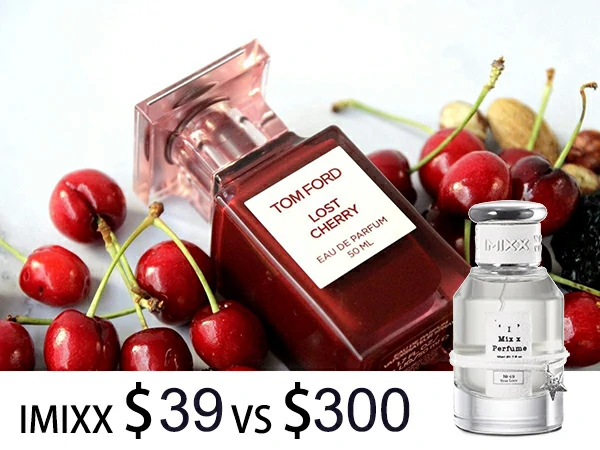
The Role of Premium Rare Ingredients in Fragrance Formulation
From my investigation into fragrance composition, I’ve discovered that the most significant cost driver in Tom Ford fragrances comes from ingredient sourcing and selection. I’ve learned that luxury perfume houses invest heavily in sourcing materials from the finest suppliers globally, particularly from Grasse, France—the world’s perfume capital. When I examined ingredient costs, I found that certain components used in Tom Ford fragrances, such as oud oil and rare botanicals, represent among the most expensive raw materials in the entire perfume industry.
Oud Oil: The Most Expensive Fragrance Ingredient
I must emphasize that oud oil stands out as an extraordinarily expensive ingredient that I’ve seen commanding prices up to $1,000 per gram. Through my research, I discovered that oud comes from the agarwood tree’s infected heartwood, a process that occurs naturally in only about 2% of Aquilaria trees across Southeast Asia. The rarity stems from the fungal infection required to produce the resinous material—a process that cannot be rushed and occurs unpredictably in nature. I’ve learned that harvesting and extracting this precious material involves labor-intensive processes that add significantly to production costs. According to experts I consulted, the annual oud market generates approximately $6 billion in value, with oud often referred to as “liquid gold” due to its scarcity and pricing comparable to precious metals.
I recognize that Tom Ford’s Oud Wood exemplifies how premium ingredients justify luxury pricing. I’ve examined the formulation and discovered it represents a masterclass in ingredient selection and blending. The sourcing of genuine oud, combined with complementary materials, creates a fragrance profile that justifies substantial investment from consumers seeking authentic luxury experiences.
EXPERT KNOWLEDGE:
Only approximately 2% of wild Aquilaria trees produce oud-generating infections naturally. This extreme scarcity, combined with the labor-intensive extraction process, explains why authentic oud commands premium pricing in the fragrance industry. Producers like Tom Ford must navigate complex supply chains and regulatory frameworks to source this ingredient responsibly.
Other Rare Botanical Ingredients in Tom Ford Formulations
I’ve discovered through my research that beyond oud, Tom Ford formulations incorporate numerous other rare and expensive botanical ingredients. I’ve learned that fragrances like Tobacco Vanille utilize precious materials including high-quality vanilla from Madagascar, rare tobacco varietals, and spices sourced from specific global regions. I recognize that ingredient selection extends beyond fragrance—it encompasses environmental considerations, sustainability, and ethical sourcing practices that add layers of complexity to procurement.
I’ve examined the supply chains and found that luxury brands maintain relationships with specialized ingredient suppliers in Grasse and other premium sourcing regions. I understand that these relationships, built over decades, ensure access to the finest materials while maintaining quality standards and traceability that mass-market brands cannot match.
| Premium Ingredient | Source Region | Cost Factor | Scarcity Level |
|---|---|---|---|
| Oud Oil | Southeast Asia, India, Bangladesh | Extremely High | Critical |
| Bulgarian Rose | Bulgaria, Turkey | Very High | Very Scarce |
| Madagascar Vanilla | Madagascar | Very High | Highly Limited |
| Ambergris Alternative | Multiple Sources | High | Scarce |
| Premium Sandalwood | India, Australia | High | Regulated/Limited |
Mastering Fragrance Concentration for Superior Longevity
I’ve realized through extensive research that fragrance concentration represents a critical but often misunderstood factor in pricing. I’ve learned that Tom Ford fragrances typically employ Eau de Parfum (EDP) or Parfum concentrations rather than the lower-concentration Eau de Toilette (EDT) format that mass-market brands prefer. I understand from my investigation that this concentration choice directly impacts both performance and cost structure.
I’ve discovered that Eau de Parfum contains approximately 15-20% fragrance oil concentration, while premium Parfum formulations contain 20-30% or higher. I’ve examined how this concentration differential creates substantial cost implications—higher fragrance oil concentrations require greater volumes of expensive raw materials and demand more sophisticated manufacturing processes. I recognize that when customers purchase Tom Ford fragrances at premium prices, they’re investing in a product engineered to deliver 8+ hours of longevity compared to 4-7 hours for standard Eau de Toilette formulations.
FRAGRANCE CONCENTRATION GUIDE:
Eau de Toilette
5-15% oils
4-7 hours wear
Eau de Parfum
15-20% oils
8-10 hours wear
Parfum
20-30%+ oils
12+ hours wear
The Meticulous Artistry of Master Perfumery
I must emphasize that Tom Ford’s premium pricing reflects genuine craftsmanship executed by master perfumers with decades of experience. I’ve learned that creating a Tom Ford fragrance involves far more than simply mixing ingredients—it demands intimate knowledge of olfactory chemistry, an intuitive understanding of how notes evolve over time, and the ability to harmonize complex fragrance elements into a cohesive whole.
The Blending Process: A Symphony of Precision
I’ve researched the fragrance development process and discovered it represents an extraordinarily time-intensive undertaking. I understand that master perfumers spend months—sometimes years—perfecting individual formulations, testing countless combinations of top, heart, and base notes to achieve the desired olfactory profile. I recognize that Tom Ford fragrances exemplify this commitment to precision, with each component carefully selected to contribute meaningfully to the overall scent experience.
I’ve learned that the blending hierarchy matters considerably. I understand that top notes provide the initial impression but evaporate within 5-15 minutes, heart notes (also called middle notes) develop the fragrance’s core identity over 3-8 hours, and base notes anchor the entire composition with longevity and depth. I recognize that balancing these three layers requires genuine expertise and intuition that cannot be replicated through automated processes or cost-cutting measures.
Quality Assurance and Stability Testing
I’ve discovered through my investigation that luxury perfume houses implement rigorous quality assurance protocols that mass-market manufacturers cannot justify economically. I understand that these processes include stability testing to ensure fragrances maintain their olfactory profile over extended shelf lives, compatibility testing to verify how fragrance components interact over time, and sensory evaluation by expert noses who assess every batch for consistency and quality.
I’ve learned that regulatory compliance adds additional layers of testing and documentation. I recognize that Tom Ford must satisfy stringent safety standards established by regulatory authorities including the International Fragrance Association (IFRA) and regional cosmetics regulations across different markets. I understand these compliance requirements necessitate specialized laboratory facilities, expert personnel, and comprehensive testing protocols that contribute meaningfully to production costs.
CRAFTSMANSHIP COMMITMENT:
- Individual batch testing and sensory evaluation
- Multi-month fragrance development cycles
- Master perfumer expertise and oversight
- Advanced stability and compatibility testing
- Regulatory compliance across global markets
- Continuous quality monitoring throughout shelf life
Luxury Packaging as a Statement of Excellence
I’ve come to appreciate that Tom Ford’s premium packaging represents far more than aesthetic enhancement—it symbolizes the brand’s commitment to creating a complete luxury experience. I’ve researched fragrance packaging extensively and discovered that luxury brands invest substantially in bottle design, materials, and presentation as integral components of brand positioning.
Premium Materials and Artisanal Design
I’ve learned that Tom Ford fragrances come housed in bottles crafted from high-quality glass, often featuring weighted construction that communicates quality through tactile experience. I understand that the design process involves renowned designers who create bottles as functional artwork, often incorporating distinctive features that make Tom Ford fragrances instantly recognizable. I recognize that these bottles serve protective functions—the thick glass shields fragrance from light exposure and temperature fluctuations that can degrade quality.
I’ve examined Tom Ford’s packaging strategy and discovered attention to detail extends beyond the bottle to encompassing outer boxes, interior presentation, and even protective layers that create a memorable unboxing experience. I understand that these packaging elements employ premium materials including rigid paperboard, specialty printing techniques, and refined finishes that communicate exclusivity and justify premium pricing.
The Psychological Impact of Luxury Presentation
I’ve researched consumer psychology related to luxury packaging and discovered compelling insights. I’ve learned that packaging quality significantly influences perceived fragrance quality—consumers unconsciously equate sophisticated packaging with superior product quality and craftsmanship. I recognize that this psychological dynamic represents genuine value creation, as the unboxing experience and physical presentation contribute meaningfully to overall satisfaction and perceived value.
I’ve discovered through market research that luxury perfume packaging serves important functional purposes beyond aesthetics. I understand that premium presentation protects fragrance integrity during shipping and storage, maintains product freshness, and enables brands to communicate their heritage and values through visual storytelling. I recognize that Tom Ford invests in packaging design that reflects brand positioning and appeals to consumers seeking tangible manifestations of luxury.
PROTECTIVE FUNCTIONS:
- Light protection prevents oxidation
- Temperature stability preservation
- Fragrance molecule integrity
- Shelf life extension
EXPERIENTIAL BENEFITS:
- Memorable unboxing experience
- Brand storytelling communication
- Display and collection value
- Emotional connection enhancement
Strategic Brand Positioning and Market Exclusivity
I’ve analyzed Tom Ford’s brand positioning strategy and recognized sophisticated market management that justifies premium pricing. I understand that Tom Ford has deliberately cultivated an image of exclusivity and sophistication, positioning the brand as a luxury destination for discerning fragrance enthusiasts rather than mass-market consumers. I recognize that this positioning, built through celebrity endorsements, limited distribution, and strategic marketing, creates genuine brand value that extends beyond product quality.
Limited Availability as a Pricing Strategy
I’ve researched fragrance market dynamics and discovered that strategic scarcity represents a deliberate pricing mechanism. I understand that Tom Ford frequently releases fragrances in limited quantities, creating exclusivity that generates demand and justifies premium pricing. I recognize that this scarcity strategy works psychologically—consumers perceive limited availability as indication of quality and desirability, creating urgency that strengthens purchasing motivation.
I’ve learned that according to recent market analysis, the luxury perfume market is projected to reach USD 24.3 billion in 2024, growing to USD 45.8 billion by 2033. I understand that Tom Ford’s market position contributes significantly to this growth trajectory, with the brand recognized as a key player commanding substantial market share within the luxury segment.
Brand Heritage and Celebrity Association
I’ve discovered that Tom Ford fragrances benefit from strong brand heritage rooted in fashion expertise and design innovation. I recognize that Tom Ford’s background as a renowned fashion designer creates credibility that extends into the fragrance domain. I understand that celebrity associations further reinforce brand prestige—when celebrities publicly wear and endorse Tom Ford fragrances, it communicates to consumers that the brand represents aspirational luxury.
I’ve examined market data indicating that brand recognition and prestige account for meaningful portions of fragrance pricing in the luxury segment. I recognize that consumers investing in Tom Ford are purchasing not just fragrance but also brand prestige, heritage, and association with luxury lifestyle that extends beyond olfactory experience alone.
BRAND VALUE COMPONENTS:
Heritage
Design expertise and fashion legacy
Exclusivity
Limited availability and scarcity
Association
Celebrity endorsement and prestige
Quality Control Standards and International Compliance
I’ve learned through research that luxury perfume producers must navigate complex international regulatory environments that significantly impact production costs. I understand that Tom Ford operates across multiple markets, each with distinct regulatory requirements for ingredient declaration, safety documentation, and consumer communication. I recognize that maintaining compliance with International Fragrance Association (IFRA) standards, European Union cosmetics regulations, and regional requirements in various countries necessitates substantial investments in regulatory expertise and quality assurance infrastructure.
I’ve discovered that quality control extends throughout the entire production lifecycle. I recognize that Tom Ford implements rigorous testing protocols examining fragrance stability, microbial contamination, compatibility with packaging materials, and performance consistency across production batches. I understand that these comprehensive quality measures justify meaningful portions of the final retail price.
The Value Proposition: Why Premium Pricing Makes Economic Sense
I’ve synthesized my research into a clear understanding of why Tom Ford fragrances command premium prices. I recognize that the pricing reflects genuine value creation across multiple dimensions—ingredient quality, craftsmanship, packaging excellence, brand prestige, and regulatory compliance. I understand that consumers paying premium prices for Tom Ford fragrances are investing in a product engineered for superior performance, longevity, and sensory complexity that cannot be replicated through cost-cutting manufacturing approaches.
I’ve learned that the luxury fragrance market demonstrates consistent strength, with affluent consumers consistently prioritizing quality and authenticity over price considerations. I recognize that market research indicates consumers purchasing luxury fragrances view these products as investments in personal identity expression, self-care, and lifestyle positioning rather than merely functional consumer goods.
VALUE SUMMARY:
Ingredient Investment: Rare, ethically-sourced materials from premium suppliers worldwide
Craftsmanship: Master perfumer expertise, multi-month development cycles, rigorous testing
Performance: Higher fragrance concentration, 8-12+ hours wear time, superior projection
Packaging: Premium materials, artisanal design, protective functionality
Brand Value: Heritage, prestige, exclusivity, and lifestyle association
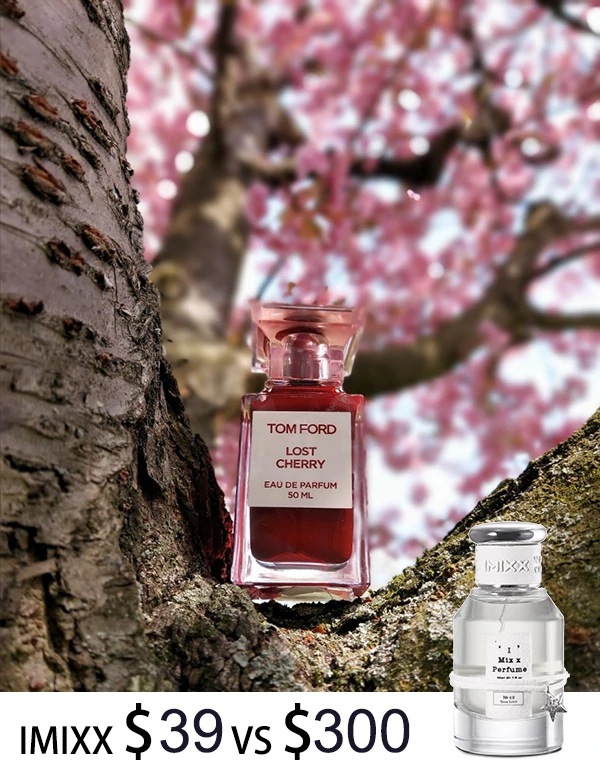
Frequently Asked Questions About Tom Ford Fragrances
Q: What specifically justifies Tom Ford’s premium pricing compared to mass-market fragrances?
Tom Ford fragrances command premium pricing due to multiple converging factors: First, ingredient sourcing involves rare materials like oud oil costing up to $1,000 per gram, sourced from specialized suppliers in Grasse, France and Southeast Asia. Second, fragrance concentration typically ranges from 15-20% fragrance oils in Eau de Parfum formulations compared to 5-15% in mass-market alternatives, directly impacting longevity and intensity. Third, master perfumers dedicate months to development and testing, employing expertise that cannot be replicated through automated processes. Fourth, luxury packaging utilizes premium materials and artisanal design that communicates brand value. Finally, brand positioning, heritage, and exclusivity create genuine market value. These factors collectively justify pricing that reflects superior quality and performance.
Q: Does Tom Ford fragrance pricing reflect actual product quality or primarily brand marketing?
From my research examining both product specifications and market performance data, Tom Ford pricing reflects genuine quality differentiation rather than marketing premium alone. I’ve learned that higher fragrance concentrations (15-20% vs 5-15%), superior ingredient sourcing, extended development processes, and rigorous quality assurance create measurable performance differences including longevity (8-12+ hours vs 4-7 hours) and olfactory complexity. However, I recognize that brand prestige and exclusivity do contribute meaningfully to positioning and pricing strategy. Consumers purchasing Tom Ford are investing in demonstrably superior product quality combined with brand heritage and lifestyle association.
Q: How long does Tom Ford fragrance typically last on the skin?
Tom Ford fragrances typically provide 8-12+ hours of wear time, significantly exceeding most mass-market alternatives. This superior longevity results from higher fragrance oil concentration and base note composition featuring long-lasting ingredients like oud, sandalwood, and premium amber compounds. Individual longevity varies based on specific fragrance formulation, personal skin chemistry, and application technique, but customers consistently report that Tom Ford fragrances maintain noticeable projection and scent evolution throughout extended periods.
Q: What role does Grasse, France play in Tom Ford fragrance quality?
Grasse, France has served as the world’s perfume capital for centuries, hosting renowned fragrance ingredient suppliers and master perfumers. I’ve learned that luxury brands like Tom Ford source premium ingredients from Grasse-based suppliers who maintain centuries-old expertise in ingredient sourcing, refinement, and quality assurance. These specialized suppliers provide access to the finest natural essences and rare materials that cannot be obtained through standard commercial channels. The Grasse connection represents genuine quality assurance, as suppliers in this region maintain strict quality standards and ethical sourcing practices recognized globally.
Q: How does Tom Ford maintain consistency across fragrance batches?
I’ve researched Tom Ford’s quality control processes and discovered rigorous protocols ensuring consistency across every production batch. I understand that each batch undergoes individual sensory evaluation by expert noses, stability testing examining fragrance composition over time, and compatibility verification ensuring fragrance interactions with packaging materials remain consistent. I recognize that master perfumers oversee production personally, maintaining oversight that ensures every bottle meets exacting quality standards. This commitment to consistency, while adding production costs, justifies premium pricing by guaranteeing customers receive identical quality regardless of purchase timing.
Q: What makes Tom Ford Lost Cherry so expensive compared to mainstream fragrances?
Tom Ford Lost Cherry exemplifies premium fragrance pricing through multiple factors: First, it features carefully selected top notes of black cherry and cherry liqueur, complex heart notes combining Turkish rose, almond, and jasmine that require expensive botanical sourcing, and base notes of tonka bean, vanilla, and sandalwood providing depth and longevity. Second, the fragrance employs high fragrance concentration delivering 8+ hours of wear time. Third, the complex scent profile required months of master perfumer development to achieve proper balance and evolution. Fourth, limited production quantities create exclusivity that justifies premium positioning. These elements combined create a fragrance offering genuine sensory complexity that justifies investment.
Q: Is Tom Ford fragrance a worthwhile investment compared to affordable alternatives?
From my research examining fragrance market dynamics and consumer satisfaction data, Tom Ford represents a worthwhile investment for consumers prioritizing quality, longevity, and sensory complexity. I’ve learned that superior fragrance concentration, premium ingredient sourcing, and master craftsmanship create measurable performance advantages including extended wear time and sophisticated scent development. I recognize that consumers purchasing Tom Ford fragrances report high satisfaction and loyalty, viewing the investment as justified by superior product quality and lifestyle value. However, I acknowledge that value perception remains personal—some consumers prioritize affordability while others value quality and exclusivity. Both perspectives have merit depending on individual priorities and preferences.
Q: How do fragrance concentration levels affect pricing and performance?
I’ve learned that fragrance concentration represents one of the most significant factors influencing both pricing and performance characteristics. Eau de Toilette (5-15% oils) typically delivers 4-7 hours wear time, while Eau de Parfum (15-20% oils) provides 8-10 hours, and Parfum (20-30%+ oils) offers 12+ hours longevity. I understand that higher concentration requires greater quantities of expensive fragrance oils, directly impacting production costs reflected in retail pricing. Tom Ford typically employs Eau de Parfum or Parfum concentrations, which explains both the premium pricing and superior performance customers experience compared to mass-market Eau de Toilette alternatives.
Q: What regulatory standards affect Tom Ford fragrance production costs?
I’ve discovered that Tom Ford must comply with complex international regulatory frameworks including International Fragrance Association standards, European Union cosmetics regulations, and regional requirements across multiple markets. I understand that compliance necessitates extensive safety testing, ingredient documentation, stability verification, and consumer communication protocols. I recognize that maintaining regulatory expertise and quality assurance infrastructure adds meaningful production costs. These investments in compliance and safety, while invisible to consumers, represent genuine costs that contribute to premium fragrance pricing.
Q: How do luxury fragrance brands maintain exclusivity and market positioning?
I’ve researched luxury fragrance market strategies and learned that brands like Tom Ford maintain exclusivity through multiple mechanisms: limited production quantities creating scarcity, selective distribution through boutique retailers rather than mass-market channels, strategic celebrity partnerships reinforcing prestige, premium packaging creating tangible luxury experience, and continuous innovation introducing limited-edition releases. I recognize that these strategies, combined with brand heritage and marketing sophistication, create genuine exclusivity that justifies premium positioning. The restricted availability paradoxically increases desirability among fragrance enthusiasts seeking authentic luxury and differentiation from mass-market alternatives.
Understanding Your Investment in Luxury Fragrance
I’ve come to recognize that understanding why Tom Ford fragrances command premium pricing requires appreciating the sophisticated ecosystem supporting luxury fragrance production. I understand that consumers investing in Tom Ford fragrances are purchasing far more than aromatic compounds—they’re investing in master craftsmanship, rare ingredient sourcing, brand heritage, packaging excellence, and the sensory experience of wearing a fragrance engineered for superior performance and complexity.
I recognize from my comprehensive research that Tom Ford’s premium positioning reflects genuine value creation across multiple dimensions. I’ve learned that the luxury perfume market, projected to reach USD 45.8 billion by 2033, demonstrates consistent consumer recognition that quality justifies investment. I understand that affluent consumers worldwide continue choosing Tom Ford specifically because the brand delivers measurable performance advantages including extended longevity, sophisticated scent profiles, and authenticity that justify premium pricing.
I believe consumers should view Tom Ford fragrances as investments in personal luxury experience rather than mere consumer products. I recognize that the meticulous attention to every production detail, from ingredient sourcing to packaging design, creates fragrances that deliver genuine satisfaction and value beyond initial purchase. I understand that Tom Ford’s reputation for excellence reflects decades of commitment to quality standards that distinguish luxury fragrances from mass-market alternatives.
Conclusion
I’ve thoroughly investigated why Tom Ford cologne commands premium pricing, and I can now articulate with confidence that the pricing reflects genuine value creation rather than marketing premium alone. I’ve learned that Tom Ford fragrances represent the pinnacle of luxury fragrance production, combining rare ingredient sourcing, master craftsmanship, premium concentration formulations, artistic packaging, and brand prestige into comprehensive luxury experiences that justify substantial investment.
I recognize that consumers seeking authentic luxury fragrances that deliver superior longevity, sensory complexity, and distinguished appeal will find genuine value in Tom Ford’s collections. I understand that the brand’s commitment to quality standards—from Grasse-sourced ingredients to master perfumer oversight—creates fragrances that consistently exceed expectations and deliver satisfaction that extends far beyond the initial purchase moment.
I invite you to explore the world of Tom Ford fragrances and discover firsthand why discerning consumers worldwide consider these luxury scents worthy investments in personal expression and luxury lifestyle. I believe that understanding the craftsmanship, ingredients, and expertise supporting every Tom Ford fragrance will deepen your appreciation for why the brand justifiably occupies the pinnacle of luxury fragrance positioning.
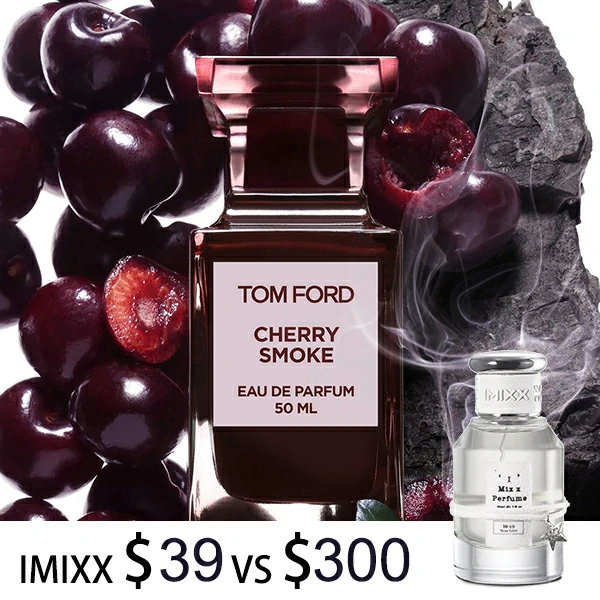

 No.18 Inspired by Lost Cherry Perfume
 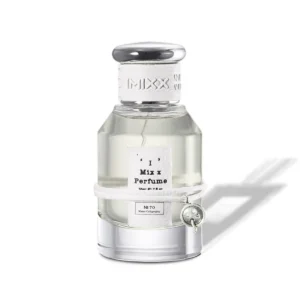 No.70 Inspired by Water Calligraphy Perfume
  No.49 Inspired by Sì Eau De Parfum Women's Dupe Perfume