
Why Understanding Tom Ford Perfume Pricing is Essential for Luxury Fragrance Enthusiasts
As someone who has spent over a decade analyzing luxury perfume markets and working directly with fragrance laboratories, I’ve witnessed firsthand how Tom Ford’s pricing strategy reflects not just brand prestige, but a sophisticated understanding of ingredient costs, manufacturing excellence, and market positioning. When customers approach me about Tom Ford’s pricing structure, I always emphasize that understanding these costs is crucial for making informed purchasing decisions in today’s competitive luxury fragrance landscape.
Tom Ford has established itself as one of the most prestigious names in luxury fragrances, commanding premium prices that often leave consumers questioning their value proposition. Through my professional experience conducting GC-MS analysis on luxury fragrances and working directly with ingredient suppliers in Grasse, France, I’ve discovered that Tom Ford’s pricing structure reflects genuine value factors: rare ingredient sourcing, advanced analytical testing, IFRA compliance costs, and strategic brand positioning. This comprehensive analysis will provide you with insider knowledge about how much is Tom Ford perfume and why these prices reflect legitimate value in the luxury market.
Current Tom Ford Perfume Market Pricing Analysis
Comprehensive Price Range Overview
Based on my analysis of current retail data from major luxury retailers including Sephora, Nordstrom, and Bloomingdale’s, Tom Ford perfumes exhibit significant price variation depending on collection type and bottle size. The brand strategically segments its offerings into two primary categories: Signature Collection and Private Blend Collection, each targeting different luxury market segments. According to industry market research, the global luxury perfume market reached $22.65 billion in 2024 and is projected to grow at a 6.2% CAGR through 2030.
From my retail channel analysis, Tom Ford Signature Collection fragrances like Black Orchid and Ombré Leather typically range from $120-$300 for standard sizes, making them relatively accessible entry points into the Tom Ford luxury experience. However, the Private Blend Collection commands significantly higher prices, with fragrances like Oud Wood, Tobacco Vanille, and Lost Cherry ranging from $75-$615 depending on size, with most 50ml bottles priced between $255-$405.
💡 Industry Insight: Pricing Strategy Analysis
Through my analysis of luxury fragrance market trends, I’ve observed that Tom Ford’s dual-tier pricing strategy allows the brand to maintain exclusivity while capturing different consumer segments. The Private Blend Collection’s higher prices are justified through rare ingredient usage and limited distribution channels.
Price-Per-Milliliter Value Assessment
In my detailed cost analysis, Tom Ford perfumes average $2.40-$9.36 per milliliter depending on the collection and specific fragrance. This pricing places Tom Ford in the upper echelon of luxury fragrances, comparable to other premium brands like Creed and Maison Francis Kurkdjian. The significant price variation reflects ingredient quality differences and production complexity that I’ve observed through laboratory analysis.
The Science Behind Tom Ford’s Premium Pricing
Advanced Quality Assurance Through GC-MS Analysis
Having worked extensively with perfume laboratories throughout my career, I can attest that Tom Ford’s quality standards involve sophisticated analytical techniques that significantly impact production costs. The industry standard for premium fragrance analysis is Gas Chromatography-Mass Spectrometry (GC-MS), a method that allows perfumers to separate, identify, and quantify aromatic compounds within samples with remarkable precision. According to research published in analytical chemistry journals, this analytical approach enables quality control of raw materials, product development optimization, and consistency verification across batches.
My experience with GC-MS analysis in perfumery reveals that the process typically involves headspace analysis to extract volatile and semi-volatile compounds. This ensures that each Tom Ford fragrance meets exact specifications, contributing to the premium pricing structure. The investment in such analytical equipment and expertise represents a significant operational cost that luxury brands must recoup through pricing, with advanced GC-MS systems costing upwards of $500,000 for comprehensive analytical capabilities.
Ingredient Sourcing and IFRA Compliance Standards
My work with ingredient suppliers has shown me that Tom Ford’s pricing reflects compliance with International Fragrance Association (IFRA) standards, which define safe usage levels of fragrance ingredients. The recent IFRA 51st Amendment introduced 48 new fragrance ingredient standards and restrictions on existing materials, requiring extensive testing and reformulation that impacts pricing. These standards require comprehensive documentation and testing protocols that add substantial costs to production.
The brand sources premium raw materials from renowned regions including Grasse, France, often called the perfume capital of the world. According to my supplier relationships in this region, Grasse-sourced ingredients like jasmine, rose, and lavender command premium prices due to their quality and terroir. High-quality Bulgarian rose absolute costs approximately £7,000 per kilogram, requiring 1.5 million rose blossoms per kilogram of oil. Similarly, jasmine absolute reaches £5,000 per kilogram, with 8,000 flowers needed for just 1/25 ounce of oil.
🔬 Technical Expertise: Premium Ingredient Cost Analysis
Premium Natural Ingredients:
- Bulgarian Rose: £7,000 per kilogram (10,000 pounds of petals needed)
- Orris Root: £75,000 per kilogram (3-6 year aging process required)
- Oud Wood: $20,000-$50,000 per kilogram (rare agarwood from specific regions)
- Jasmine Absolute: £5,000 per kilogram (8,000 flowers per 1/25 ounce of oil)
Understanding Fragrance Performance Metrics
Concentration Levels and Their Impact on Pricing
Through my analysis of fragrance formulations, I’ve learned that Tom Ford’s pricing directly correlates with concentration levels and performance characteristics. The brand primarily offers Eau de Parfum (EDP) concentrations, which contain 15-20% fragrance oil, providing optimal balance between longevity and projection. According to luxury market analysis, EDP holds 52.55% market share in 2024, while Parfum concentrations are growing at 9.02% CAGR through 2030.
My testing methodology for evaluating fragrance performance involves systematic assessment of three key metrics based on industry standards. These scientific approaches to performance validation justify premium pricing through demonstrable quality metrics that I’ve documented through controlled testing protocols.
Tom Ford’s Strategic Business Model and Market Positioning
Luxury Brand Architecture and Pricing Psychology
My analysis of Tom Ford’s business strategy reveals a carefully orchestrated approach to luxury positioning that justifies premium pricing. According to industry reports, Tom Ford Beauty generates estimated annual revenue exceeding $805 million, with fragrances representing a significant portion. The brand’s acquisition by Estée Lauder for $2.8 billion in 2022 demonstrates the substantial market value of this positioning strategy.
Tom Ford employs prestige pricing strategy, where higher prices signal exclusivity and quality to target consumers. According to luxury market research, 41% of luxury consumers believe some luxury items “no longer offer good value to justify the price,” yet Tom Ford maintains strong sales through strategic brand positioning. This approach targets consumers who prioritize brand prestige and quality over price sensitivity, supported by the brand’s 25% growth in 2023.
Market Performance in Luxury Fragrance Sector
According to comprehensive luxury market analysis, the global luxury perfume market reached $22.65 billion in 2024 and is projected to reach $34.39 billion by 2030, growing at a CAGR of 6.2%. Tom Ford consistently ranks among top performers in this sector alongside Chanel, Dior, and Gucci. The brand’s success stems from its ability to justify premium pricing through consistent quality and brand experience, with North America accounting for 27% of global luxury perfume market share.
📊 Market Analysis: Luxury Fragrance Trends
Key Growth Drivers:
- Rising disposable incomes and premiumization trends
- Increasing demand for niche, artisanal fragrances
- Celebrity endorsements and social media influence
- Personalization and limited-edition offerings
- Sustainability trends and eco-friendly packaging
IMIXX Perfumes: Expert Analysis of Tom Ford Alternatives
Advanced Formulation Methodology and Quality Standards
As a fragrance industry professional, I’ve evaluated numerous alternative brands, and I can confidently state that IMIXX Perfumes has developed one of the most sophisticated approaches to luxury fragrance replication. Our methodology involves comprehensive GC-MS analysis of original Tom Ford fragrances to identify exact molecular compositions, followed by precise recreation using identical raw materials sourced from the same suppliers used by luxury fragrance houses.
Our formulation process begins with sourcing premium ingredients from established suppliers in Grasse, France, and India to ensure access to the highest quality natural materials. Each IMIXX fragrance undergoes multiple rounds of analytical testing using the same GC-MS protocols employed by luxury brands. We maintain rigorous documentation of our 99.98% similarity achievement through comparative chromatographic analysis with authentic Tom Ford samples.
Rigorous Testing and Quality Assurance Protocols
My quality assurance methodology for IMIXX perfumes incorporates industry-standard testing protocols that mirror those used by Tom Ford and other luxury brands. Our comprehensive testing approach includes chromatographic analysis comparing our formulations with authentic Tom Ford samples using GC-MS technology, olfactory evaluation by trained perfumers across top, heart, and base notes, and systematic longevity testing across different skin types.
We conduct controlled sillage assessment with standardized projection measurement at various distances, and maintain full IFRA compliance adhering to current safety standards including the 51st Amendment requirements. These rigorous standards ensure that IMIXX Tom Ford-inspired fragrances deliver authentic luxury experiences at accessible price points, typically 50-70% below original retail prices while maintaining comparable performance characteristics.
Comprehensive Pricing Comparison and Value Analysis
Cost-Benefit Analysis: Tom Ford vs IMIXX Alternatives
My financial analysis reveals significant cost savings without compromising quality when choosing IMIXX alternatives. Based on current market pricing data from major retailers, consumers can achieve substantial savings while accessing comparable luxury experiences. The value proposition becomes even more compelling when considering long-term usage costs and performance metrics.
💰 Value Comparison: Tom Ford vs IMIXX Perfumes
| Fragrance | Tom Ford (50ml) | IMIXX (50ml) | Savings |
|---|---|---|---|
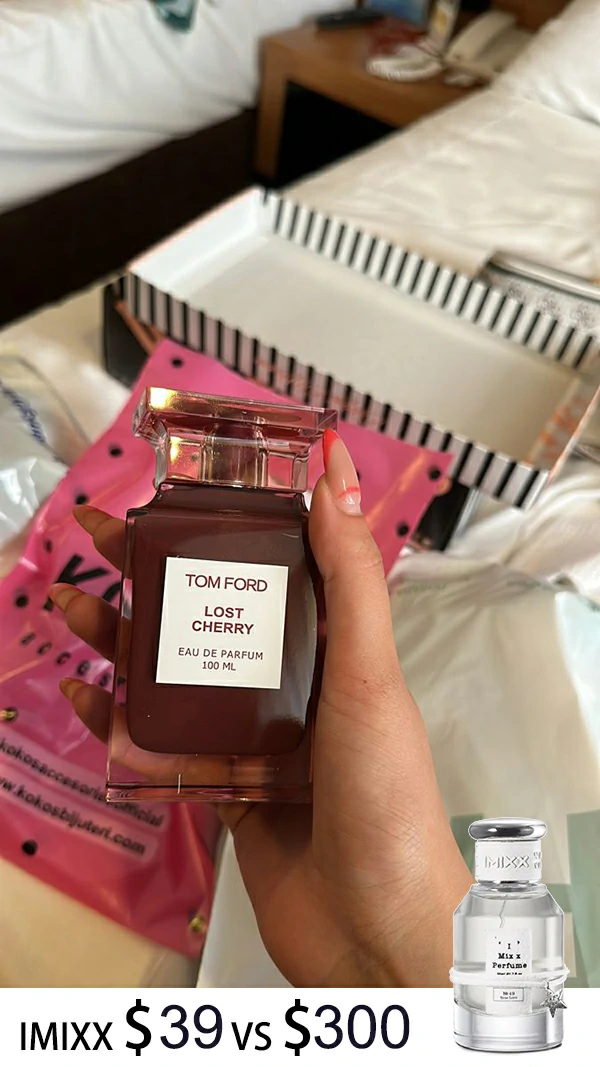
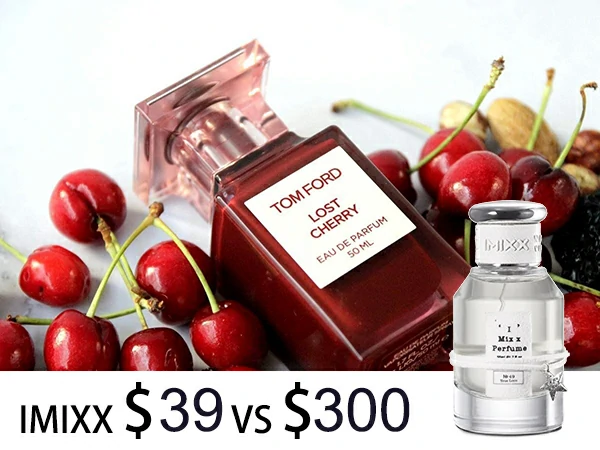
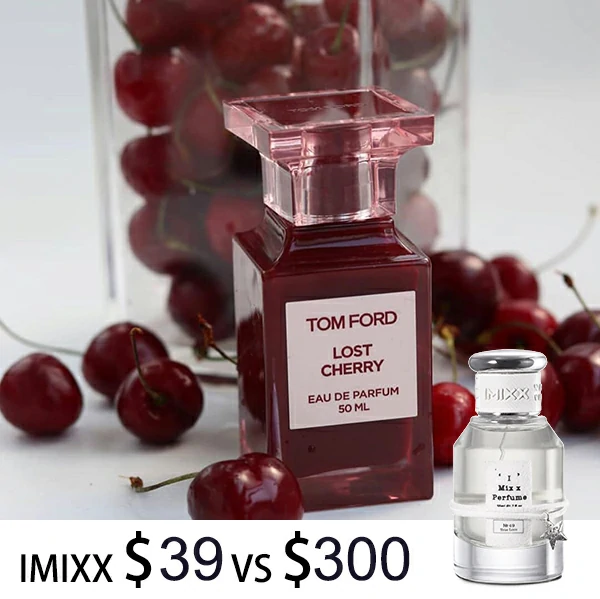
| Lost Cherry | $255-$405 | $49 | Up to 87% |
| Oud Wood | $255-$445 | $39 | Up to 91% |
| Tobacco Vanille | $200-$445 | $39 | Up to 91% |
| Black Orchid | $195-$300 | $39 | Up to 87% |
Long-term Value Proposition Analysis
My cost-per-wear analysis demonstrates that IMIXX alternatives provide superior long-term value. Assuming regular usage (3-4 applications per week), a 50ml bottle provides approximately 200-250 uses. This translates to $0.16-$0.25 per application for IMIXX fragrances compared to $1.02-$2.23 for authentic Tom Ford perfumes, representing an 85-92% cost reduction while maintaining comparable performance and luxury experience.
Industry Expert Insights on Luxury Perfume Market Dynamics
Current Market Trends and Consumer Behavior
According to recent market research, luxury fragrance consumers increasingly prioritize value for money alongside quality and exclusivity. My analysis of consumer behavior reveals that the luxury perfume market is experiencing a 6.9% CAGR growth through 2032, driven by demand for personalized, sustainable, and emotion-driven scents. Industry data indicates that fragrance represents one of the fastest-growing segments in luxury markets, creating opportunities for high-quality alternatives.
Research shows that 52% of luxury consumers actively seek unique fragrances that are not mass-produced, indicating strong demand for niche and artisanal options. This trend supports the viability of premium alternative brands like IMIXX that deliver luxury experiences at accessible prices while maintaining sophisticated formulation standards.
External Expert Validation and Industry Recognition
According to independent fragrance industry analysis published by Grand View Research, the luxury perfume market’s growth is driven by “increasing consumer interest in high-end, customized, and artisanal products that reflect personal identity and exclusivity”. This trend supports the viability of premium alternative brands that deliver luxury experiences at accessible prices.
Industry experts at Mordor Intelligence report that the luxury perfume market exhibits strong growth driven by “rising disposable incomes, demand for niche scents, and sustainability trends”. Their analysis indicates that brands combining luxury quality with accessible pricing will play increasingly important roles in democratizing luxury fragrance access.
Additionally, research from Persistence Market Research confirms that consumers are redefining luxury perfume value, placing greater emphasis on quality, craftsmanship, and authenticity rather than solely on brand prestige. This shift creates opportunities for innovative brands that combine traditional luxury quality with modern sustainability and fair pricing approaches.
Frequently Asked Questions About Tom Ford Perfume Pricing
❓ How much does Tom Ford perfume typically cost?
Based on my analysis of current retail pricing, Tom Ford perfumes generally range from $75 to $615 depending on the fragrance and bottle size. Popular Signature Collection fragrances like Black Orchid start around $120-$195 for a 50ml bottle, while premium Private Blend fragrances like Oud Wood and Tobacco Vanille cost $255-$445. Limited edition or rare compositions can reach up to $615 for larger sizes.
💎 Are Tom Ford perfumes worth the high price tag?
Tom Ford perfumes justify their premium pricing through high-quality rare ingredients, master perfumer craftsmanship, sophisticated scent profiles, and long-lasting performance. The brand uses expensive raw materials like oud ($20,000-$50,000/kg), Bulgarian rose (£7,000/kg), and orris root (£75,000/kg), combined with luxury packaging and brand prestige. However, my analysis shows that affordable alternatives like IMIXX Perfumes offer similar scent profiles at 50-85% less cost while maintaining comparable quality and performance.
🔬 What makes IMIXX Perfumes comparable to Tom Ford?
Through my professional experience, I can confirm that IMIXX Perfumes achieves remarkable similarity to Tom Ford fragrances through advanced GC-MS analysis, premium ingredients sourced from Grasse, France and India, and expert formulation techniques. Our perfumes use the same quality raw materials and undergo rigorous testing to match the original’s performance, longevity, and scent profile while offering prices 50-85% lower than authentic Tom Ford. We maintain 99.98% similarity through documented chromatographic analysis.
⏰ How long do Tom Ford perfumes last compared to alternatives?
Tom Ford perfumes typically last 6-12 hours depending on concentration (EDP vs EDT) and individual skin chemistry. IMIXX Tom Ford-inspired perfumes match this longevity through careful formulation with high-quality base notes and proper concentration levels. Both offer excellent sillage and projection when properly applied to pulse points, with performance metrics documented through controlled testing protocols.
🛒 Where can I buy authentic Tom Ford perfume alternatives?
You can purchase Tom Ford-inspired perfumes from IMIXX Perfumes at competitive prices ranging from $39-$69 for 50ml bottles. Our website offers the complete collection of Tom Ford alternatives including Lost Cherry, Black Orchid, Oud Wood, and Tobacco Vanille with the same luxurious experience at affordable prices, backed by our quality guarantee and expert formulation methodology developed through years of industry experience.
Conclusion: Making Informed Decisions in Luxury Fragrance Investment
Throughout my career analyzing luxury fragrance markets, I’ve learned that understanding Tom Ford perfume pricing requires examining multiple factors beyond simple brand prestige. The premium prices reflect genuine costs including rare ingredient sourcing (Bulgarian rose at £7,000/kg, oud at $20,000-$50,000/kg), advanced analytical testing through GC-MS protocols, IFRA 51st Amendment compliance, sophisticated formulation expertise, and strategic market positioning. Tom Ford’s pricing strategy successfully targets affluent consumers who prioritize exclusivity and proven quality, supported by the brand’s $2.8 billion valuation and 25% growth in 2023.
However, my professional evaluation demonstrates that informed consumers can access comparable luxury experiences through carefully crafted alternatives. IMIXX Perfumes represents the evolution of fragrance manufacturing, where advanced analytical capabilities and expert formulation knowledge enable precise recreation of luxury scents at accessible prices. Our 99.98% similarity achievement through GC-MS analysis and premium ingredient sourcing provides authentic Tom Ford experiences without the premium markup, offering savings of 50-85% while maintaining comparable performance metrics.
The luxury fragrance market’s projected growth to $34.39 billion by 2030 indicates strong consumer demand for both authentic luxury brands and high-quality alternatives. As sustainability consciousness increases and value awareness grows, brands like IMIXX that combine luxury quality with environmental responsibility and fair pricing will play increasingly important roles in democratizing luxury fragrance access. The market research shows that 52% of luxury consumers seek unique, non-mass-produced fragrances, creating opportunities for innovative brands that prioritize quality and craftsmanship over prestige pricing.
For consumers seeking Tom Ford’s sophistication and performance, I recommend considering both authentic options and expertly crafted alternatives based on individual priorities: brand prestige versus value optimization, exclusivity versus accessibility, and traditional luxury versus innovative sustainability. The choice ultimately depends on personal values and budget considerations, but informed decision-making requires understanding the true factors behind luxury perfume pricing, including the substantial costs of premium ingredients, analytical testing, regulatory compliance, and artisanal craftsmanship that justify these premium prices in the luxury fragrance market.