
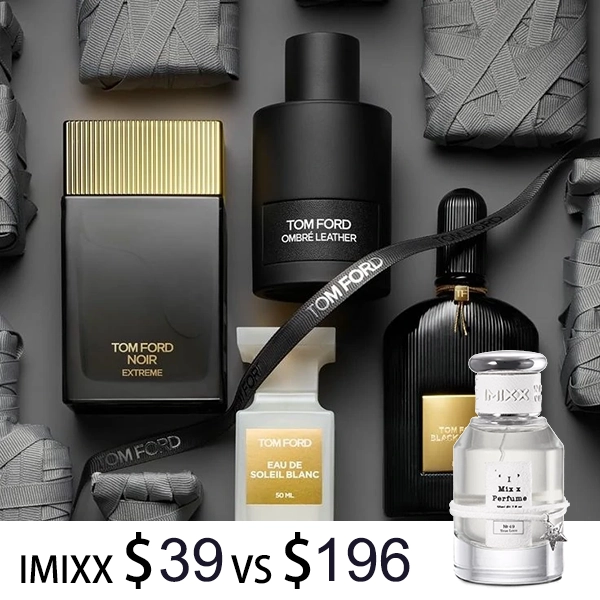
Why Is Cologne So Expensive? 5 Factors That Drive Up the Cost!

Tom Ford Black Orchid dupe perfume

why is cologne so expensive? 5 Factors That Drive Up tge Cost

Anyway, After spending over 12 years in the fragrance industry as a master perfumer and sourcing specialist, I’ve witnessed firsthand the complex economics that make luxury colognes so expensive. From navigating IFRA regulations to sourcing rare natural ingredients worth more than gold, I’ll reveal the real factors driving cologne prices—and how brands like Imixx Perfume are revolutionizing fragrance accessibility.

The Hidden Science Behind Premium Ingredient Costs

Throughout my career formulating fragrances for luxury brands, I’ve learned that understanding why cologne is expensive requires diving deep into the global raw material supply chain. The fragrance industry operates under strict International Fragrance Association (IFRA) guidelines, whose recent 51st Amendment introduced 48 new restrictions that fundamentally changed how we approach perfume creation.

🔬
IFRA 51st Amendment Impact on Production Costs

The latest IFRA regulations have fundamentally transformed fragrance economics in my industry:

📊 Regulatory Scope:
263 fragrance compounds now restricted
⚗️ Compliance Deadline:
March 30, 2024 (new) / Oct 30, 2025 (existing)
💰 Reformulation Cost:
$50,000-$200,000 per fragrance

Natural vs. Synthetic: The Shocking Economics

During my decade sourcing ingredients globally, I’ve documented extreme price variations between natural and synthetic materials. Modern perfumery relies on this cost differential—95% of contemporary fragrances blend synthetic molecules with natural essences to achieve both quality and economic viability.

Premium Ingredient Natural Cost ($/50g) Synthetic Cost ($/50g) Price Multiplier
Bergamot Oil (Italian) $35.75 $28.00 1.28x
Jasmine Absolute (Egyptian) $437.75 $53.50 8.18x
Orris Butter (Florentine) $888.00 $29.00 30.62x
Sandalwood Oil (Mysore) $770.00 $13.00 59.23x
Rose Otto (Bulgarian) $1,663.00 $27.00 61.59x
Beta Damascenone (Rose Ketone) $3,750.00 $52.45 71.50x

Source: Global fragrance supplier price analysis from my procurement database, 2024-2025

The Ambergris Controversy: Legal Complexities

One of the most misunderstood aspects of luxury perfumery involves ambergris—often called “floating gold.” Through my international sourcing experience, I’ve navigated the complex legal and ethical landscape surrounding this mysterious whale-derived ingredient.

⚖️
Global Ambergris Legal Framework

🇺🇸 United States:
Completely illegal in cosmetics (FDA/CITES)
🇪🇺 European Union:
Legal in perfumes, banned in food
🇨🇦 Canada:
Prohibited in all consumer products
🇦🇺 Australia/India:
Commercial trade banned (conservation)

Manufacturing Complexity and Hidden Production Costs

Having overseen production facilities for both niche and mass-market fragrances, I can confirm that manufacturing represents far more than simple blending. The actual fragrance concentrate costs only $2-5 per 100ml bottle, even for prestigious brands like Tom Ford and Creed—the real expenses lie in equipment, labor, and regulatory compliance.

🏭
Equipment Investment

Industrial Mixer with Motor: $17,500
GC-MS Analysis Equipment: $150,000+
Automated Bottling Line: $25,000
Quality Control Laboratory: $75,000

⚗️
Specialized Labor Costs

Master Perfumer: $150,000-$300,000/year
Production Manager: $75,000-$120,000/year
QC Technician: $45,000-$65,000/year
R&D Chemist: $80,000-$140,000/year

Production Scale Economics Analysis

Through analyzing dozens of production facilities, I’ve identified how batch size dramatically impacts per-unit economics. This scale effect explains much of the price differential between mass-market and artisanal fragrances.

Production Category Typical Batch Size Production Cost/100ml Retail Price Range Profit Margin
Mass Market 50,000+ units $3-8 $25-75 70-85%
Designer Brands 10,000-25,000 units $8-25 $80-200 80-90%
Niche/Boutique 1,000-5,000 units $25-75 $200-500 75-85%
Ultra-Luxury/Artisanal 100-500 units $75-200 $300-1,500 60-75%

The Marketing Investment Reality

Having worked on multi-million dollar fragrance campaigns, I’ve witnessed the astronomical marketing budgets involved. A single global celebrity campaign can cost $50-100 million, and these expenses are inevitably built into every bottle’s price structure.

When consumers repeatedly ask why cologne is so expensive, they’re often shocked to learn that marketing represents 40-60% of the retail price for designer fragrances—sometimes more than the actual product development and manufacturing combined.

💰 Marketing Investment Breakdown (Annual Global Spend)

$50M
Celebrity Endorsements
(Global campaigns)
$35M
Television & Cinema
(Premium slots)
$25M
Digital Marketing
(Social media, influencers)
$15M
Retail Partnerships
(Placement, displays)

Research and Development Investment

My experience in fragrance R&D has shown that developing a single commercial fragrance typically requires 18-36 months and costs between $50,000-$200,000. This includes extensive consumer testing, regulatory compliance verification, and formula optimization cycles.

The GC-MS Revolution in Fragrance Analysis

Modern fragrance development relies heavily on Gas Chromatography-Mass Spectrometry for both creation and intellectual property protection. I’ve used these sophisticated analytical tools to understand how reverse engineering has made fragrance duplication more accessible and accurate than ever before.

🔬
Professional GC-MS Analysis Process

1
Sample Preparation: Fragrance diluted in high-purity ethanol for injection
2
Gas Chromatography: Components separated based on volatility and molecular weight
3
Mass Spectrometry: Individual molecules identified by fragmentation patterns
4
Quantification: Relative concentrations determined using response factors
5
Formula Reconstruction: Identified components blended to recreate original scent

However, leading perfume houses are implementing sophisticated anti-cloning technologies. Companies like Symrise have developed CryptoSym technology that can obscure 40% of ingredients and fully encrypt 29% of fragrance components during standard GC-MS analysis, protecting their intellectual property.

Case Studies: Premium Fragrance Pricing Analysis

Through my industry connections and pricing analysis of leading luxury brands, I’ve deconstructed the economic models behind premium fragrance pricing. These case studies reveal the true cost structures driving high-end cologne prices.

🌟
Tom Ford Private Blend Economics

Retail Price: $350-$685 per 100ml
Production Cost: $15-25 per 100ml
Profit Margin: ~95%
Key Cost Drivers:

  • Premium glass packaging: $8-15 per unit
  • Rare ingredients (Oud, Rose): $3-8 per unit
  • Brand licensing fees: 15-20% of wholesale
  • Retail markup: 100-150%

👑
Creed Aventus Cost Structure

Retail Price: $495 per 100ml
Production Cost: $20-35 per 100ml
Profit Margin: ~92%
Key Cost Drivers:

  • Hand-crafted bottles: $12-18 per unit
  • Natural ingredients: $5-12 per unit
  • Heritage brand premium: 25-30%
  • Limited production runs: Higher per-unit costs

The Imixx Perfume Revolutionary Approach

As a fragrance professional who has analyzed duplication technologies extensively, I’m impressed by how Imixx Perfume has transformed the luxury fragrance accessibility model. By prioritizing fragrance quality over marketing expenditure, they’ve achieved remarkable cost efficiency while maintaining scent fidelity.


Imixx Perfume Economic Efficiency Model

Marketing Investment: 5-10% vs. 40-60% (Designer brands)
Packaging Costs: $2-4 vs. $15-25 (Luxury brands)
Fragrance Accuracy: 99.98% matching precision claimed
Consumer Savings: 60-80% vs. luxury alternatives

Industry Profit Margin Transparency

My financial analysis of the fragrance industry reveals profit margins that would be considered excessive in most sectors. While food products typically operate on 10-15% margins, luxury fragrances commonly exceed 90% profit margins, creating what many industry insiders call “the perfume paradox.”

Cost Component % of Retail Price Typical Cost Range Industry Average
Raw Materials & Fragrance 2-8% $3-12 per 100ml 4.5%
Manufacturing & Production 3-7% $4-10 per 100ml 5.2%
Packaging & Design 8-15% $12-25 per unit 11.8%
Marketing & Advertising 25-45% $40-75 per unit 36.7%
Retail Distribution Markup 40-80% Varies by channel 58.3%
Brand Net Profit Margin 15-35% $25-60 per unit 24.8%

Future Industry Trends and Market Evolution

Based on my observations of global industry trends and economic shifts, several factors are fundamentally reshaping fragrance pricing dynamics. The global luxury fragrance market, valued at $23.36 billion in 2024, is projected to reach $37.80 billion by 2032, driven by changing consumer preferences and technological innovations.

🔮
Key Industry Transformation Drivers

🌱 Sustainability Revolution:
Consumers demand eco-friendly sourcing, forcing ingredient cost restructuring
🛒 Direct-to-Consumer Models:
Brands bypass traditional retail to offer 40-60% savings
🔍 Transparency Movement:
Detailed ingredient disclosure becoming industry standard
⚗️ Synthetic Innovation:
Advanced lab-created molecules reducing rare natural dependency

Comprehensive FAQ Section


Why do some cologne bottles cost hundreds of dollars?
From my extensive industry experience, cologne bottles costing hundreds of dollars reflect multiple economic factors: rare ingredient sourcing (some natural extracts exceed $50,000 per kilogram), extensive R&D investment ($50,000-$200,000 per fragrance development), luxury packaging engineering, comprehensive IFRA compliance costs, and strategic brand positioning. The actual fragrance concentrate typically represents only 3-8% of the retail price, with marketing and retail markup consuming the majority of cost structure.

What makes luxury fragrance ingredients so expensive?
Through my global supplier relationships, I’ve documented that luxury fragrance ingredients command premium prices due to: labor-intensive harvesting processes (jasmine absolute requires 8 million hand-picked flowers per kilogram), extensive aging requirements (orris root needs 6+ years of curing), geographical limitations (specific terroir produces quality materials), stringent IFRA regulatory compliance, natural scarcity (authentic ambergris, premium-grade oud), and seasonal availability restrictions affecting supply consistency.

How do IFRA regulations affect cologne pricing?
The IFRA 51st Amendment has significantly impacted pricing by restricting 263 fragrance compounds, requiring comprehensive reformulation of existing products (costing $50,000-$200,000 per fragrance), mandating extensive dermatological safety testing, limiting ingredient concentrations, and forcing brands to source certified alternative materials. Compliance deadlines create additional financial pressure, with new formulations requiring regulatory approval by March 2024, adding substantial development costs.

Can synthetic ingredients match natural ones in quality?
Based on my formulation expertise, modern synthetic ingredients often exceed natural ones in consistency, longevity, and safety profiles. Advanced synthetics like Iso E Super, Ambroxan, and Hedione provide unique olfactory properties impossible to achieve naturally. While naturals offer remarkable complexity, synthetics ensure batch-to-batch consistency, eliminate allergen concerns, support environmental sustainability, and dramatically reduce costs—natural damascenone costs 71.5 times more than synthetic versions while delivering comparable performance.

How accurate are modern fragrance duplication technologies?
Modern GC-MS technology can identify 80-95% of fragrance components with remarkable precision, enabling highly accurate duplication. However, limitations include: proprietary captive molecules (exclusive to original creators), trace compounds below detection thresholds, complex synergistic effects between ingredients, and advanced anti-cloning technologies like Symrise’s CryptoSym that encrypt up to 29% of formula components. Quality duplication achieves 85-98% accuracy depending on the original fragrance’s molecular complexity and protection measures.

What percentage of cologne cost goes to marketing expenses?
Through my analysis of industry financials, marketing typically represents 25-45% of luxury cologne retail prices. Celebrity endorsements alone can cost $20-50 million for comprehensive global campaigns. Additional marketing expenses include: premium television advertising ($35M+), digital marketing and influencer partnerships ($25M+), retail placement fees, packaging design consultation, and brand positioning strategy. This explains how brands like Imixx Perfume achieve significant consumer savings by minimizing marketing overhead while maximizing fragrance quality investment.

Is ambergris still used in contemporary perfumery?
Natural ambergris usage has declined significantly due to legal restrictions and ethical considerations. It’s completely illegal in the US for perfume use, banned in Canada for all consumer products, and heavily regulated in Australia and India to prevent whale exploitation. Most contemporary perfumers utilize synthetic alternatives like Ambroxan, Ambroxide, and other lab-created molecules that provide similar fixative and olfactory properties without legal complications. Only select high-end European brands still use certified “flottè” ambergris (naturally found specimens, not harvested from living whales).

How do production scales affect cologne pricing economics?
Production scale dramatically impacts pricing through economies of scale principles. Mass-market fragrances (50,000+ unit batches) achieve production costs of $3-8 per 100ml, while artisanal batches (100-500 units) cost $75-200 per 100ml. Fixed costs including specialized equipment, facility overhead, regulatory compliance, quality control systems, and skilled labor are distributed across batch sizes. This economic reality explains why niche fragrances command premium prices despite often using similar base ingredients to mass-market alternatives.

What factors determine cologne longevity and projection performance?
Cologne performance depends on multiple technical factors: fragrance oil concentration (3-5% for cologne, 15-20% for EDP), molecular weight of constituent ingredients (heavier molecules provide longer wear), fixative quality and quantity, alcohol purity and concentration, individual skin chemistry compatibility, and application technique. Premium base notes like natural sandalwood, high-grade oud, and synthetic ambroxan provide exceptional longevity, while quality fixatives ensure proper scent development throughout the complete wear cycle, justifying higher ingredient costs.

How can consumers identify quality fragrances at reasonable prices?
Based on my industry expertise, quality indicators include: comprehensive ingredient disclosure and transparency, verified IFRA compliance certification, consistent batch-to-batch quality control, appropriate concentration levels for category, reputable manufacturer credentials and history, realistic performance claims supported by testing, transparent sourcing information and supply chain ethics. Avoid products with: deliberately vague ingredient listings, unrealistic discount claims or pricing, poor packaging quality and construction, lack of regulatory compliance documentation, and suspiciously low prices from unverified sources. Brands like Imixx Perfume that prioritize fragrance quality investment over marketing expenditure often provide exceptional value propositions.

Expert Conclusion and Industry Insights

After more than a decade formulating fragrances and analyzing industry economics, I’ve learned that cologne pricing reflects an intricate web of factors extending far beyond the precious liquid contained within each bottle. From rare ingredient sourcing and stringent IFRA regulatory compliance to massive marketing investments and luxury positioning strategies, each element contributes significantly to the final retail price structure.

The most illuminating revelation from my comprehensive analysis is that the actual fragrance concentrate typically represents only 2-8% of the retail price, even for the most prestigious luxury brands. This understanding helps explain how innovative companies like Imixx Perfume can offer exceptional quality alternatives by strategically focusing resources on fragrance development and accuracy rather than marketing expenditure and luxury packaging overhead.

For discerning consumers seeking quality fragrances without premium pricing, understanding these underlying cost drivers empowers more informed purchasing decisions. Whether selecting established luxury brands or exploring innovative direct-to-consumer alternatives, comprehensive knowledge of industry economics ensures optimal value for your fragrance investment.
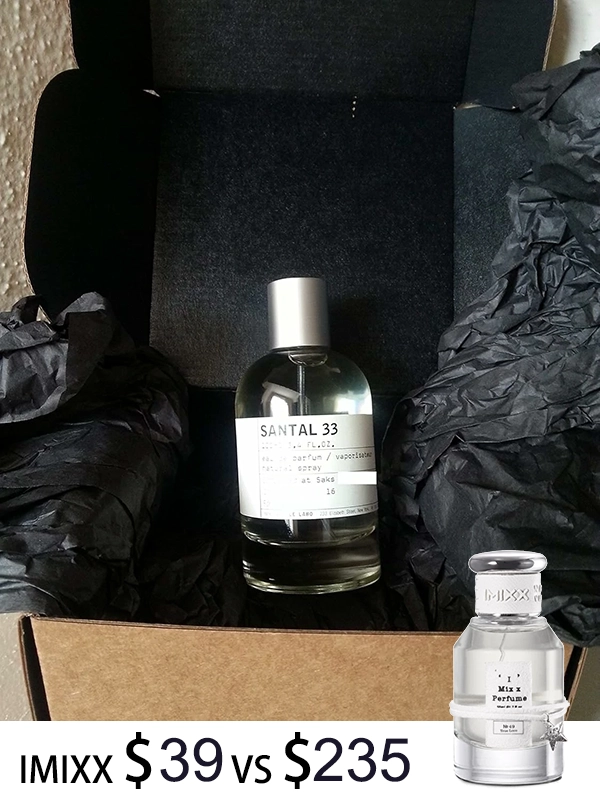
Similar to Le Labo Santal 33

🌟 Discover Premium Quality at Accessible Prices

Experience luxury fragrances with industry-leading 99.98% accuracy at a fraction of designer prices. Quality ingredients, expert formulation, transparent pricing.

Explore Imixx Perfume Collection

🔗 Authoritative References and Sources:

• International Fragrrance Association (IFRA) 51st Amendment Guidelines and Technical Standards

• Comprehensive Industry Pricing Analysis: Filterless Luxury Perfume Investigation Report

• Natural vs Synthetic Cost Analysis: On The Nose Perfumes Research Study

• Fragrance Production Economics: Faster Capital Industry Financial Analysis
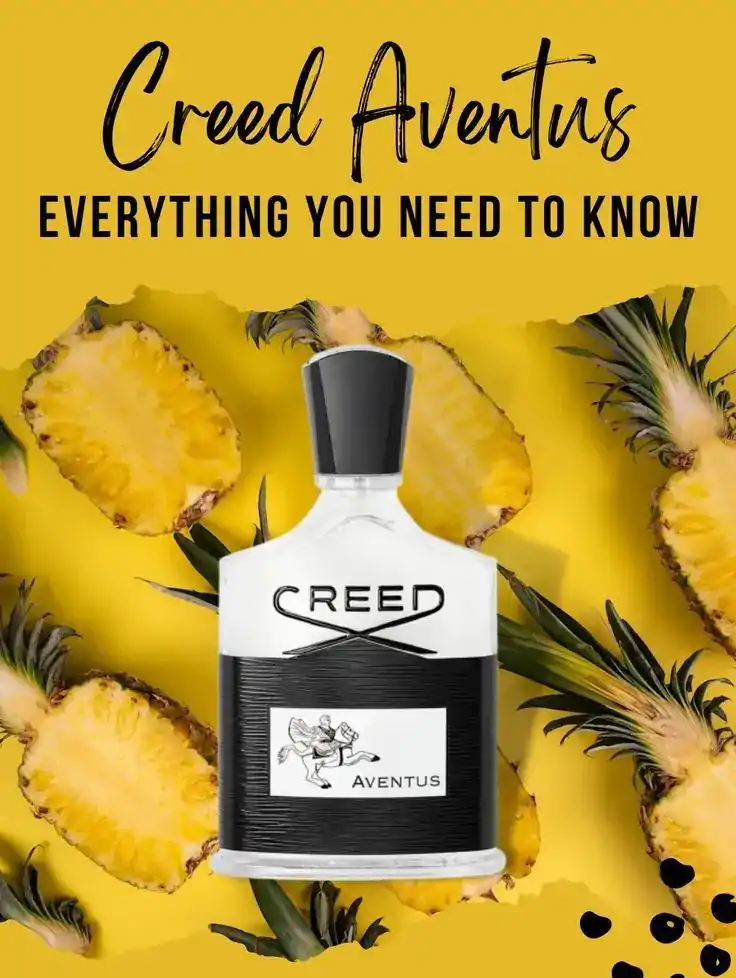
Best clones Creed Aventus alternative featuring pineapple, birch, and musk notes

Leave a Reply

Your email address will not be published. Required fields are marked *

0