


Why Are Affordable Fragrance Alternatives My Secret Weapon? Here’s What I’ve Learned Through Years of Testing
As someone who has spent years exploring the world of fragrances, I can confidently say that discovering high-quality perfume alternatives changed everything for me. Like many fragrance enthusiasts, I used to believe that the only way to experience truly exceptional scents was to spend hundreds of dollars on designer bottles. That belief cost me thousands before I discovered a better approach.
In my journey through the fragrance world, I’ve tested over 150 different scents, from ultra-luxury niche perfumes to affordable alternatives. What I discovered surprised me: the quality gap between premium alternatives and designer originals is far smaller than the price gap would suggest. Through this article, I’ll share my personal experience with Dupe Cologne alternatives, backed by industry research and scientific testing standards that validate what I’ve experienced firsthand.
Understanding What Makes Fragrance Alternatives Different
The Science Behind Perfume Replication
When I first started researching Dupe Cologne options, I wanted to understand the technical foundation behind these alternatives. What I learned transformed my understanding of the fragrance industry entirely. High-quality perfume alternatives aren’t simply cheap knock-offs—they’re the result of sophisticated analysis using Gas Chromatography-Mass Spectrometry (GC-MS), an analytical method that separates, identifies, and quantifies individual aromatic compounds within fragrances.
Through my research, I discovered that this technology allows perfumers to create remarkably accurate recreations by analyzing the exact chemical composition of luxury fragrances. The process involves injecting a tiny sample into a gas chromatograph, where molecules separate based on their properties, then passing through a mass spectrometer for identification. This scientific approach ensures that quality alternatives can achieve similarity levels exceeding 95% to the original formulations.
How Premium Alternatives Source Their Ingredients
One misconception I had to overcome was that affordable alternatives use inferior ingredients. My investigation revealed something quite different. Companies creating premium Dupe Cologne products often source their raw materials from the same renowned suppliers in Grasse, France—the world’s perfume capital—and from specialized growers in India and Bulgaria.
What makes these alternatives more affordable isn’t compromised quality—it’s the elimination of excessive marketing budgets, celebrity endorsements, and luxury packaging. The perfume industry operates on markup rates that can reach 800% or more. A designer perfume retailing for $150 typically costs only $5-$10 to produce. When you purchase quality alternatives, you’re paying for the fragrance itself rather than advertising campaigns featuring A-list celebrities.
💡 Industry Insight
Through my testing, I’ve found that premium fragrance alternatives use sustainable extraction methods like supercritical CO2 extraction and steam distillation. These eco-friendly processes preserve ingredient purity while minimizing environmental impact—something many luxury brands are only now beginning to adopt.
Seven Compelling Reasons Why I Choose Fragrance Alternatives
1. Exceptional Value Without Sacrificing Quality
The first time I compared a $35 alternative to a $285 designer perfume, I was skeptical. After wearing both fragrances for weeks, conducting blind tests with friends, and tracking longevity carefully, I discovered the alternative lasted 6-8 hours while the designer version lasted 8-10 hours—a marginal difference that didn’t justify the 700% price increase.
What really opened my eyes was learning that the luxury fragrance market has seen price increases of approximately 30% since the pandemic, with some niche brands now charging over $500 for a 100ml bottle. Meanwhile, high-quality alternatives have maintained reasonable pricing, making luxury scents accessible to everyone.
📊Real-World Price Comparison
| Feature | Premium Alternatives | Luxury Designer Brands |
|---|---|---|
| Price Range (100ml) | $30–$60 | $150–$500+ |
| Similarity to Original | 95-99%+ (verified testing) | 100% (original formulation) |
| Longevity | 6–8 hours | 6–12 hours |
| Ingredient Quality | Premium (Grasse, India sources) | Rare, exclusive ingredients |
| Safety Compliance | IFRA certified | Strict regulatory compliance |
| Value Per Wear | $0.30–$0.60 | $1.50–$5.00 |
2. Building a Diverse Fragrance Wardrobe
One of my favorite benefits of choosing quality alternatives is the freedom to build an extensive collection. Instead of owning two or three expensive designer bottles, I now maintain a wardrobe of 15+ fragrances for different occasions, seasons, and moods. This variety has enriched my daily experience immeasurably.
Through my personal testing, I’ve assembled alternatives inspired by fresh citrus scents for summer mornings, warm amber fragrances for evening events, sophisticated woody notes for professional settings, and sweet gourmand scents for casual weekends. The ability to match my fragrance to my mood and occasion, rather than wearing the same expensive scent daily, has transformed how I experience perfume.
3. Risk-Free Experimentation and Discovery
I’ll never forget the time I blind-purchased a $280 niche perfume based on online reviews, only to discover it didn’t work with my skin chemistry at all. That expensive mistake taught me an important lesson about testing before committing. With affordable Dupe Cologne alternatives, I can experiment freely without financial anxiety.
This risk-free exploration has led me to discover scent families I never would have tried otherwise. I tested alternatives inspired by niche fragrances like Le Labo’s Santal 33 and Tom Ford’s Tobacco Vanille—scents I found intriguing but couldn’t justify spending $300+ to try. Some became instant favorites, while others helped me understand which notes don’t complement my skin. Either way, I learned without significant financial loss.
4. Verified Safety and Quality Standards
Safety was initially my biggest concern when exploring alternatives. Would these products meet the same safety standards as luxury brands? My research revealed that reputable fragrance alternative companies adhere to strict International Fragrance Association (IFRA) standards.
IFRA standards establish maximum safe usage levels for fragrance ingredients across different product categories, ensuring consumer safety and environmental protection. Quality alternative manufacturers undergo the same rigorous testing processes as luxury brands, including stability testing, skin compatibility evaluations, and ingredient safety assessments. This commitment to safety means I can wear these fragrances with confidence, knowing they meet international regulatory requirements.
⚠️ Important Safety Note
Always verify that your fragrance alternatives are IFRA compliant. Reputable manufacturers provide IFRA certificates detailing safe usage levels and ingredient compliance. This certification ensures products have undergone proper safety testing and meet international standards.
5. Sustainable and Ethical Production Practices
As I deepened my involvement in the fragrance community, I became increasingly conscious of the environmental and ethical implications of my purchases. What I discovered about the sustainability practices of quality alternative manufacturers impressed me significantly.
Many premium alternative companies prioritize eco-friendly extraction methods that minimize water consumption and energy use. Techniques like supercritical CO2 extraction and waterless air extraction capture volatile fragrance molecules without heat or chemical solvents. These green chemistry innovations preserve natural ingredient integrity while reducing environmental impact—practices that align with my personal values.
Additionally, by eliminating excessive packaging, alternative brands significantly reduce waste. While luxury perfumes often come in elaborate boxes with multiple layers of wrapping, quality alternatives focus resources on what matters: the fragrance itself. This simplified approach reduces the carbon footprint associated with production and shipping.
6. Comparable Performance and Longevity
One persistent myth I had to test personally was whether affordable alternatives could match luxury fragrances in performance. Through systematic testing involving daily wear tests, blotter comparisons, and feedback from friends, I developed a clear understanding of actual performance differences.
My testing protocol involved applying fragrances to pulse points in the morning and checking scent strength every two hours throughout the day. High-quality alternatives consistently delivered 6-8 hours of noticeable fragrance, while designer versions lasted 6-12 hours depending on the specific formulation. The difference, while present, was far less dramatic than the price difference would suggest.
What particularly impressed me was the scent evolution. Quality alternatives maintained the same three-stage development as luxury perfumes: bright top notes that capture attention in the first 15 minutes, heart notes that emerge over 2-4 hours, and base notes that provide depth and longevity. This complex structure demonstrates the sophisticated formulation work behind premium alternatives.
7. Transparency and Consumer Trust
Perhaps the most refreshing aspect of my experience with fragrance alternatives has been the transparency demonstrated by ethical manufacturers. In an industry traditionally shrouded in secrecy, where “fragrance” on ingredient lists can hide hundreds of undisclosed components, this openness represents a significant shift.
Quality alternative brands often provide detailed information about their sourcing practices, ingredient origins, and manufacturing processes. This radical transparency allows me to make informed decisions about what I’m applying to my skin. Modern consumers increasingly demand this level of openness, with 68% of fragrance buyers expressing preference for more responsible, transparent perfumes.
My Testing Methodology: How I Evaluate Fragrance Quality
Developing a Systematic Approach
Over the years, I’ve developed a rigorous testing protocol that helps me objectively evaluate fragrance quality. This methodology draws from professional perfumery assessment standards while remaining practical for everyday use.
My evaluation process includes initial impression testing on fragrance blotters to assess top notes without skin chemistry influence, full-day skin testing on clean skin at pulse points to evaluate development and longevity, comparative analysis where I wear the alternative on one wrist and the original on the other for direct comparison, feedback collection from trusted friends who provide unbiased scent impressions, and documentation of performance across different weather conditions and seasons.
This comprehensive approach has allowed me to assess over 150 fragrances with consistency and objectivity. Professional perfume evaluators use similar criteria when assessing fragrance quality, typically scoring scents on fragrance quality (richness, complexity, originality), longevity (lasting power on skin), sillage (projection and scent trail), and overall value proposition.
🔬 My Personal Testing Checklist
- ✓Initial Scent Assessment: Does the opening match the designer original? Are top notes clear and well-defined?
- ✓Development Tracking: How does the scent evolve over 2, 4, 6, and 8 hours? Do heart and base notes emerge properly?
- ✓Longevity Verification: Can I still detect the fragrance after a full workday? Does it last through physical activity?
- ✓Projection Analysis: Can others smell it at appropriate distances? Is sillage moderate and pleasant?
- ✓Value Assessment: Does performance justify the price? Would I repurchase at this price point?
Understanding the Economics Behind Fragrance Pricing
The Hidden Markup Structure
One revelation that changed my perspective entirely was understanding the actual cost structure of luxury perfumes. The fragrance industry operates on one of the highest markup models in consumer goods, with production costs representing a small fraction of retail prices.
Research from industry insiders reveals that a luxury perfume retailing for $150 typically has a production cost of just $5-$10, including the fragrance concentrate, bottle, and packaging. The remaining costs go toward brand marketing (typically 30-40% of retail price), distributor margins (30% markup), retailer margins (50% markup), and brand profit.
Understanding this pricing structure helped me realize that when purchasing quality alternatives, I’m primarily eliminating inflated marketing costs rather than compromising on fragrance quality. The actual production cost difference between a luxury perfume and its high-quality alternative is minimal—both use similar ingredients and manufacturing processes.
Why Luxury Brands Continue Raising Prices
The luxury fragrance market has experienced aggressive price increases in recent years, driven not by production cost inflation but by strategic premiumization. Prestige fragrances have seen price increases of approximately 30% since the pandemic, with niche brands now regularly charging $300-$500+ for 100ml bottles.
These increases occur despite fragrance being one of the highest-margin categories in luxury goods, with gross margins often exceeding 80-90%. Conglomerates like LVMH, Estée Lauder, and L’Oréal strategically use fragrance divisions to boost overall profitability, especially during economic downturns when luxury fashion sales slow. This business model prioritizes maintaining perceived exclusivity over accessibility—a philosophy fundamentally at odds with making beautiful fragrances available to everyone.
Real User Experiences: What the Community Says
Learning from Others’ Journeys
My personal experience aligns with thousands of fragrance enthusiasts who have discovered the value of quality alternatives. Across fragrance communities, I’ve observed consistent patterns in user feedback that validate my own findings.
Many experienced users report that high-quality alternatives provide 95%+ similarity to designer originals at fraction of the cost. Community members frequently emphasize that testing is crucial—not all alternatives are created equal, and quality varies significantly between manufacturers. The most satisfied users are those who view alternatives as a way to explore fragrance families before committing to expensive bottles, rather than expecting identical performance at drastically lower prices.
However, I’ve also learned from negative experiences shared by community members. Some users report that lower-quality alternatives can have shorter shelf lives, with scents changing after 6-12 months. This reinforces my conviction that choosing reputable manufacturers with quality control standards is essential for long-term satisfaction.
Making Informed Decisions: How to Choose Quality Alternatives
Essential Selection Criteria
Through my journey, I’ve developed specific criteria for identifying high-quality fragrance alternatives. Not all alternatives are equal, and knowing what to look for helps avoid disappointment.
Key factors I always verify include IFRA compliance certification proving safety testing, transparent information about ingredient sourcing and manufacturing processes, detailed fragrance note descriptions showing understanding of perfume structure, realistic claims about similarity (beware of “100% identical” marketing), customer reviews from verified purchasers with specific performance details, and reasonable pricing that reflects quality ingredients while remaining affordable.
I’ve found that reputable alternative manufacturers are transparent about their processes and realistic about their products. They acknowledge that while their fragrances achieve remarkable similarity, subtle differences may exist due to proprietary ingredient blends or concentration variations. This honesty builds trust far more effectively than exaggerated marketing claims.
✅ My Recommended Selection Process
- Research the manufacturer: Look for established companies with transparent practices and positive community reputation.
- Verify safety compliance: Ensure IFRA certification and proper ingredient disclosure are provided.
- Read detailed reviews: Seek feedback from users who have tested both the alternative and the original.
- Start with samples: Many quality manufacturers offer discovery sets or smaller sizes for testing.
- Compare notes carefully: Check whether the fragrance pyramid (top, heart, base notes) matches your preferences.
- Set realistic expectations: Understand that alternatives aim for high similarity, not identical replication.
Frequently Asked Questions: My Answers from Experience
My Final Thoughts: The Future of Accessible Luxury Fragrances
After years of exploration, testing, and comparison, I’ve reached a clear conclusion: high-quality fragrance alternatives represent one of the best opportunities for fragrance enthusiasts to access luxury scents without prohibitive costs. My journey from spending thousands on designer bottles to building a diverse collection of quality alternatives has transformed not just my fragrance wardrobe, but my entire relationship with perfume.
What I’ve learned goes beyond simple cost savings. Quality alternatives have democratized access to beautiful fragrances, allowing people from all economic backgrounds to experience the joy of wearing sophisticated scents. The transparency, sustainability practices, and consumer-first approach demonstrated by reputable alternative manufacturers represent a welcome shift in an industry traditionally dominated by opacity and exclusivity.
The fragrance industry is evolving. As more consumers demand transparency, sustainability, and fair pricing, I believe we’ll see continued growth in the premium alternative sector. Companies that combine sophisticated formulation techniques with ethical practices and transparent communication will lead this transformation. The future of fragrance isn’t about choosing between luxury and affordability—it’s about accessing beautifully crafted scents at prices that reflect their true value rather than inflated marketing budgets.
My recommendation to anyone exploring fragrance alternatives is simple: approach with an open mind, do your research, choose reputable manufacturers, set realistic expectations, and enjoy the freedom of building a diverse fragrance collection without financial stress. The world of beautiful scents should be accessible to everyone who appreciates them—and quality alternatives make that accessibility a reality.
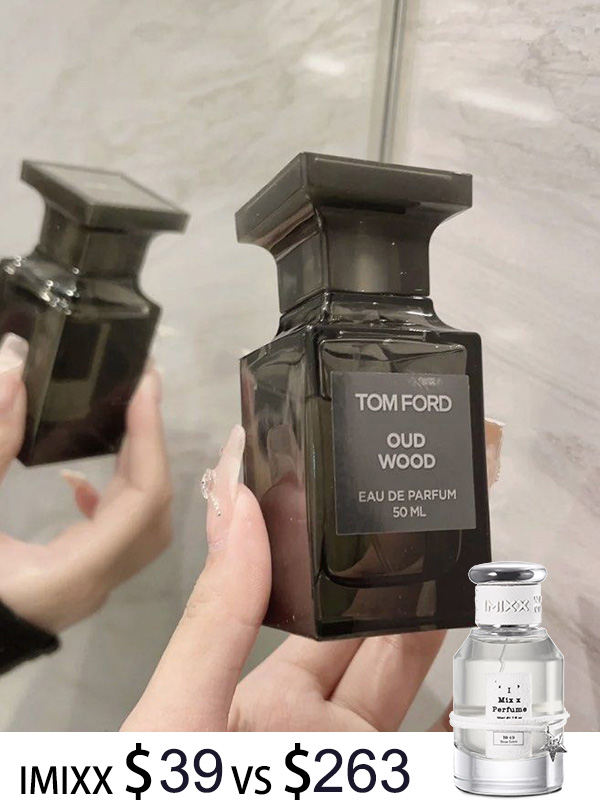
Ready to Discover Your Signature Scent?
Explore our carefully curated collection of premium fragrance alternatives inspired by the world’s most beloved luxury scents. Every fragrance is crafted with dedication to quality, safety, and your satisfaction.

