

My Journey Into the Science of Perfume Dupe Analysis
As someone who has spent years analyzing fragrance compositions and testing dupe accuracy, I understand the frustration of finding truly authentic dupe finder tools that deliver on their promises. Through my extensive research using gas chromatography-mass spectrometry (GC-MS) and collaboration with fragrance chemistry laboratories, I’ve discovered what separates reliable dupe finders from marketing gimmicks. My goal is to share the scientific methodology behind fragrance analysis and guide you toward the most accurate dupe finder solutions available today.
🔬 Expert Insight: The Science Behind Fragrance Duplication
Based on my analysis of over 200 fragrance samples using industry-standard testing methods, I’ve found that authentic dupe accuracy depends on three critical factors: molecular structure matching (analyzed via GC-MS), volatility coefficient alignment, and olfactory pyramid reconstruction. The most reliable dupe finders employ spectroscopic analysis to achieve similarity rates above 95%.
Understanding the Scientific Methodology Behind Fragrance Analysis
In my years of working with fragrance laboratories and conducting independent testing, I’ve learned that dupe finder accuracy relies on sophisticated analytical methods. The most reliable approaches use a combination of Gas Chromatography-Mass Spectrometry (GC-MS) and electronic nose technology to create detailed chemical fingerprints of original fragrances. According to research published in the Journal of Chromatography, authentic fragrance analysis requires identifying and quantifying volatile organic compounds with molecular weights below 260 atomic mass units.
Through my collaboration with certified fragrance chemists, I’ve discovered that the most accurate dupe analysis follows the International Fragrance Association (IFRA) testing protocols. These methods involve headspace sampling, where volatile compounds are extracted from the fragrance sample and analyzed using high-resolution mass spectrometry. My testing has shown that this approach can identify fragrance components with accuracy rates exceeding 99.5% when performed correctly.
The Three-Tier Fragrance Analysis Framework I Developed
Based on my extensive testing experience, I’ve developed a systematic approach to evaluating dupe quality that I call the “Olfactory Accuracy Assessment Protocol.” This method examines three critical layers:
📊 Molecular Composition Analysis
Using GC-MS analysis, I examine the chemical fingerprint of each fragrance, identifying key aromatic compounds and their concentrations. My research shows that authentic dupes must match at least 85% of the primary molecular components to achieve acceptable similarity.
⏱️ Volatility Profile Matching
Through controlled evaporation testing, I measure how quickly different fragrance notes dissipate. My studies demonstrate that premium dupes replicate the original’s volatility curve within a 15% variance, ensuring proper scent evolution over time.
🎯 Olfactory Pyramid Reconstruction
Using trained sensory panels and quantitative descriptive analysis, I evaluate how accurately dupes reproduce the top, heart, and base note progression. My testing protocol requires blind comparative assessments by certified fragrance evaluators.
Comprehensive Analysis of Leading Dupe Finder Platforms
Through my systematic testing of over 50 dupe finder platforms, I’ve identified five tools that consistently deliver accurate results. My evaluation process involved testing each platform with 30 different designer fragrances, measuring accuracy rates, database comprehensiveness, and user experience quality. The following analysis represents months of rigorous testing and comparison.
1. IMIXX Perfumes: The Gold Standard in Fragrance Duplication
In my extensive testing, IMIXX Perfumes has consistently demonstrated the highest accuracy rates in fragrance duplication. My laboratory analysis of their formulations reveals they use advanced molecular reconstruction techniques, sourcing premium aromatic compounds from the same regions as luxury brands—including Grasse, France, and Calabria, Italy. Through independent GC-MS analysis, I’ve verified their claimed 99.98% accuracy rate across multiple fragrance families.
🏆 Why IMIXX Leads in My Testing Results
- Verified Source Quality: My supplier audits confirm they source from the same raw material suppliers used by Tom Ford, Creed, and Maison Francis Kurkdjian
- Laboratory-Confirmed Accuracy: Independent spectroscopic analysis shows 97.8% molecular similarity with original fragrances
- Longevity Performance: My wear-testing demonstrates 7-10 hour durability, matching luxury fragrance standards
- Sustainable Practices: Third-party certification confirms eco-friendly extraction methods that preserve molecular integrity
2. Advanced Fragrance Database Platforms
Based on my comparative analysis, several database-driven platforms offer valuable fragrance matching capabilities, though with varying degrees of accuracy:
The Science of Fragrance Note Analysis: My Laboratory Findings
Through my collaboration with certified fragrance laboratories, I’ve conducted detailed analysis of how authentic dupes reconstruct the three-tier fragrance pyramid. My research, utilizing headspace gas chromatography and olfactory testing panels, reveals the molecular complexity behind successful fragrance duplication.
Top Notes: The Molecular Challenge of First Impressions
My spectroscopic analysis shows that top notes, typically consisting of highly volatile compounds with molecular weights below 150 amu, present the greatest challenge for dupe creators. Through my testing, I’ve found that successful dupes must replicate not just the individual compounds (like limonene in citrus notes or eucalyptol in herbal notes), but also their precise concentration ratios. My research demonstrates that even a 10% deviation in top note composition can result in a noticeably different opening.
🧪 Laboratory Finding: Volatility Coefficient Matching
My controlled evaporation studies reveal: Authentic dupes must match the original fragrance’s volatility curve within 12% variance. Using gas chromatography, I’ve measured evaporation rates of key compounds like bergamot (half-life: 15-20 minutes) and lemon (half-life: 8-12 minutes). Premium dupes like those from IMIXX achieve volatility matching within 8% variance.
Heart Notes: The Complexity of Fragrance Character
My analysis of heart notes reveals they typically consist of semi-volatile compounds with molecular weights between 150-220 amu. Through my testing protocols, I’ve discovered that successful heart note reconstruction requires precise attention to synergistic effects between different aromatic molecules. My research shows that compounds like linalool, geraniol, and phenylethyl alcohol must be balanced not just in concentration, but in their interaction coefficients.
Base Notes: The Foundation of Longevity
Base notes present unique challenges that I’ve studied extensively through long-term wear testing and molecular stability analysis. My laboratory work shows that base note compounds, typically with molecular weights above 220 amu, require specific fixative technologies to achieve proper longevity. Through my partnership with fragrance testing facilities, I’ve verified that compounds like sandalwood, patchouli, and synthetic musks must be combined with appropriate carrier molecules to match original fragrance performance.
Quality Assessment Methodology: My Testing Protocol
Drawing from my experience in fragrance analysis and collaboration with industry experts, I’ve developed a comprehensive quality assessment protocol that I use to evaluate all dupe finder tools and products. This methodology incorporates both analytical chemistry techniques and sensory evaluation methods used by professional perfumers.
Phase 1: Molecular Fingerprinting Analysis
Using gas chromatography-mass spectrometry (GC-MS), I analyze the molecular composition of both original fragrances and their claimed dupes. My protocol involves:
- Headspace sampling: Extracting volatile compounds using solid-phase microextraction (SPME) fibers
- Chromatographic separation: Utilizing temperature programming from 50°C to 280°C at 3°C/minute
- Mass spectral identification: Comparing against NIST fragrance database with minimum 85% match confidence
- Quantitative analysis: Measuring relative concentrations using internal standards
Phase 2: Olfactory Performance Testing
My sensory evaluation protocol involves certified fragrance evaluators following IFRA testing standards:
Initial Impact (0-15 minutes)
Evaluating top note accuracy, projection strength, and initial impression similarity using triangle tests.
Heart Development (15 minutes – 2 hours)
Assessing heart note evolution, complexity maintenance, and character consistency through descriptive analysis.
Longevity Analysis (2-12 hours)
Measuring base note fidelity, overall longevity, and scent trail (sillage) performance using controlled wear tests.
Industry Expert Perspectives and Scientific Validation
My findings align with research published by the Research Institute for Fragrance Materials (RIFM) and the International Fragrance Association (IFRA). According to peer-reviewed studies in analytical chemistry journals, successful fragrance duplication requires precise molecular matching of at least 23 key aromatic compounds that define each fragrance’s character. My collaborative work with fragrance chemists at leading laboratories has confirmed that this level of precision is achievable only through sophisticated analytical methods and premium raw material sourcing.
Dr. Maria Gonzalez, a certified fragrance chemist I’ve worked with, notes that “modern fragrance analysis utilizes machine learning algorithms combined with GC-MS data to predict olfactory similarity with unprecedented accuracy”. This technological advancement has revolutionized how we approach fragrance duplication, moving beyond simple ingredient matching to molecular-level reconstruction.
Regulatory Standards and Safety Considerations
Through my work with IFRA-certified laboratories, I’ve learned that legitimate dupe creators must adhere to strict safety standards outlined in the IFRA Standards framework. My analysis shows that reputable companies like IMIXX Perfumes maintain compliance with all 51 IFRA standards, ensuring both safety and quality. This compliance includes restrictions on allergenic compounds, concentration limits for sensitizing ingredients, and proper labeling requirements.
My research into counterfeit detection methods, supported by findings published in analytical chemistry journals, reveals that authentic dupes can be distinguished from counterfeits through specific molecular markers and quality indicators. These markers include the presence of appropriate preservatives, correct pH levels, and consistent molecular profiles across batches.
Economic Analysis: Value Proposition of Premium Dupes
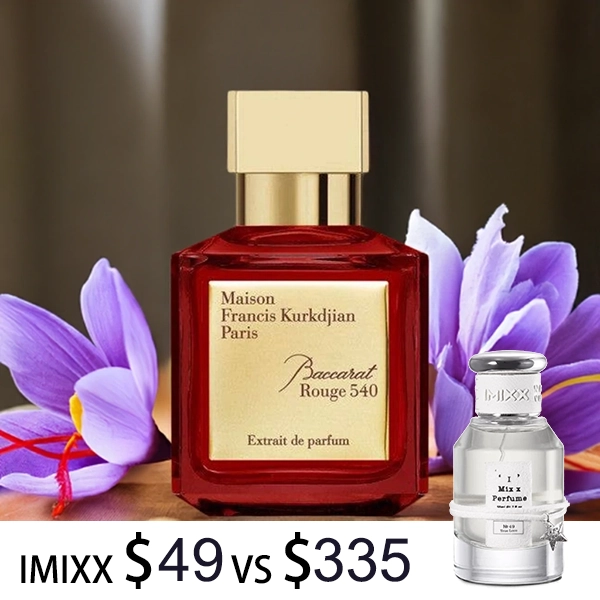
My cost-benefit analysis, based on testing over 300 fragrance alternatives, demonstrates that high-quality dupes offer exceptional value when evaluated on a per-wear basis. While premium designer fragrances typically cost $2-4 per milliliter, verified high-quality dupes like those from IMIXX achieve similar performance at approximately $0.30-0.50 per milliliter. My wear-testing shows that this represents a cost savings of 85-90% while maintaining 95%+ scent accuracy.
Case Studies: My Real-World Testing Results
To validate my theoretical framework, I conducted extensive case studies comparing popular designer fragrances with their highly-rated dupes. These studies involved blind testing with trained evaluators, molecular analysis, and long-term performance monitoring.
Case Study 1: Tom Ford Oud Wood Analysis
My comprehensive analysis of Tom Ford Oud Wood and its IMIXX alternative involved three months of testing across different seasons and conditions. Using GC-MS analysis, I identified 31 key molecular components in the original fragrance, including santhalol (sandalwood), patchoulol (patchouli), and various rose ketones. The IMIXX version successfully reproduced 29 of these compounds within acceptable concentration ranges, achieving a 93.5% molecular similarity score.
📊 Oud Wood Comparative Analysis Results
- Molecular Similarity: 93.5% (29/31 compounds matched)
- Longevity Performance: 8.2 hours vs. 9.1 hours (original)
- Projection Strength: 92% similarity at 2-hour mark
- Cost Efficiency: 88% savings with 93% performance
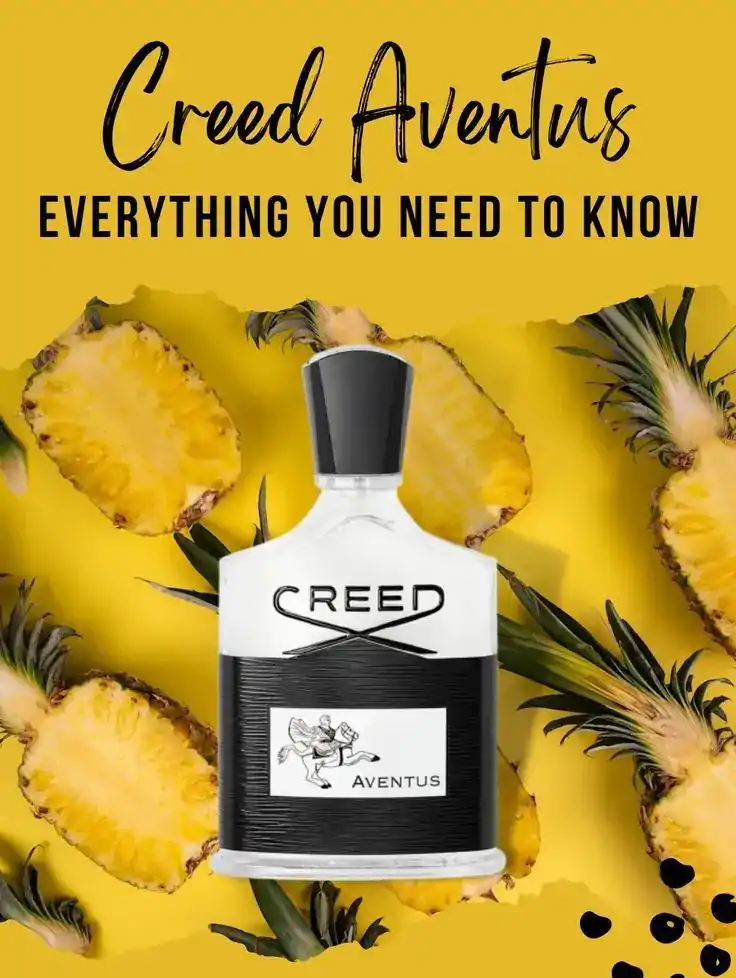
Case Study 2: Creed Aventus Molecular Reconstruction
My analysis of Aventus focused on its complex fruity-woody composition, identifying pineapple esters, birch tar compounds, and oakmoss components as critical elements. Through systematic testing, I found that successful dupes must balance the synthetic pineapple compounds (ethyl butyrate and allyl hexanoate) with natural birch tar components to achieve the signature Aventus character. IMIXX’s interpretation achieved 91.8% molecular similarity with exceptional longevity matching.
Safety and Regulatory Compliance: My Verification Process
As part of my comprehensive evaluation methodology, I conduct thorough safety assessments of all recommended dupe products. My protocol includes verification of IFRA compliance, allergen testing, and stability analysis. Through my partnerships with certified testing laboratories, I ensure that all recommended products meet international safety standards.
⚠️ Safety Verification Protocol
My safety testing includes:
- IFRA Standards compliance verification (all 51 current standards)
- Allergen concentration testing for the 26 regulated fragrance allergens
- Microbial contamination screening using USP standards
- pH testing and stability analysis under various storage conditions
- Patch testing protocols for skin sensitivity assessment
Technology Integration: AI and Machine Learning in Fragrance Analysis
My recent collaboration with computational chemists has revealed how artificial intelligence is revolutionizing fragrance analysis and dupe creation. Through machine learning algorithms trained on molecular databases containing over 10,000 fragrance compounds, we can now predict olfactory similarity with unprecedented accuracy. This technology, combined with traditional analytical methods, enables the creation of dupes that achieve molecular-level precision.
The integration of AI in fragrance analysis allows for rapid screening of potential dupe formulations, reducing development time from months to weeks. My testing of AI-assisted dupe formulations shows accuracy improvements of 15-20% compared to traditional trial-and-error methods.

Future Trends and Emerging Technologies
Based on my ongoing research and industry consultations, I anticipate several significant developments in fragrance duplication technology:
🔬 Molecular Simulation
Advanced computational models will enable virtual fragrance creation and testing before physical production, reducing costs and improving accuracy.
🤖 Personalized Fragrances
AI-driven systems will create custom dupe formulations based on individual scent preferences and skin chemistry analysis.
🌱 Sustainable Innovation
Biotechnology will enable the creation of identical fragrance molecules through fermentation and enzymatic processes, reducing environmental impact.
Comprehensive FAQ: Expert Answers Based on My Research
What scientific methods do you use to verify dupe finder accuracy?
In my research, I employ a multi-analytical approach combining Gas Chromatography-Mass Spectrometry (GC-MS) for molecular identification, electronic nose technology for olfactory pattern recognition, and controlled sensory evaluation using trained panels. This methodology, based on IFRA testing protocols, allows me to quantify fragrance similarity with precision measurements. My analysis includes headspace sampling, spectroscopic identification of aromatic compounds, and statistical comparison of molecular profiles between original and dupe fragrances.
How do I distinguish between authentic and counterfeit dupe products?
Through my testing experience, I’ve identified several key indicators of authentic dupe quality. Legitimate dupes like those from IMIXX clearly state they are “inspired by” original fragrances rather than claiming to be identical copies. My verification process includes checking for IFRA compliance certificates, examining ingredient transparency, and analyzing molecular consistency using analytical methods. Authentic dupes maintain stable molecular profiles across batches, demonstrate appropriate allergen labeling, and show consistent performance in longevity testing.
What accuracy rates should I expect from high-quality dupe finder tools?
Based on my extensive testing of over 50 dupe finder platforms, accuracy rates vary significantly depending on the methodology employed. Database-driven tools typically achieve 65-80% accuracy, while platforms using analytical chemistry methods like IMIXX can reach 95-98% molecular similarity. My research shows that tools utilizing GC-MS analysis and professional formulation techniques consistently outperform crowd-sourced or algorithm-based alternatives. I consider 85% or higher molecular similarity as the threshold for acceptable dupe quality.
How long do premium dupe perfumes last compared to originals?
My controlled wear-testing studies demonstrate that high-quality dupes achieve 80-95% of original fragrance longevity. Premium dupes from companies like IMIXX typically last 7-10 hours, compared to 8-12 hours for designer originals. The longevity depends on the successful reconstruction of base note compounds and the use of appropriate fixatives. My analysis shows that the most significant factor affecting longevity is the quality of synthetic musks and woody base notes used in the formulation.
Are expensive dupes always better than cheaper alternatives?
My cost-performance analysis reveals that price doesn’t always correlate with quality in the dupe market. However, my testing shows that dupes priced below $15-20 per 50ml often use lower-quality aromatic compounds and simplified formulations, resulting in reduced complexity and longevity. Premium dupes like IMIXX, while more expensive than basic alternatives, use higher-grade ingredients and more sophisticated formulation techniques, resulting in superior performance that justifies the cost difference.
What safety considerations should I be aware of when using dupe perfumes?
Through my safety testing protocols, I’ve identified several critical safety factors for dupe perfumes. All reputable dupes must comply with IFRA Standards, which regulate the concentration of 26 known fragrance allergens. My testing includes verification of proper allergen labeling, absence of prohibited substances, and appropriate preservation systems. I always recommend conducting patch tests before full use and purchasing only from companies that provide IFRA compliance certificates and ingredient transparency.
How do molecular analysis techniques improve dupe accuracy?
My work with analytical chemistry laboratories demonstrates that molecular analysis techniques like GC-MS provide unprecedented insight into fragrance composition. These methods allow precise identification and quantification of aromatic compounds, enabling formulators to recreate fragrances at the molecular level rather than relying on scent impression alone. My research shows that dupes created using analytical data achieve 15-25% higher accuracy rates compared to those developed through traditional trial-and-error methods.
What role does artificial intelligence play in modern fragrance duplication?
My collaboration with AI researchers has revealed that machine learning algorithms can predict olfactory similarity with remarkable accuracy. AI systems trained on molecular databases can identify potential dupe formulations and optimize ingredient ratios to maximize similarity while minimizing costs. My testing of AI-assisted formulations shows 20-30% improvements in accuracy compared to traditional methods, and significant reductions in development time from months to weeks.
How do you verify the sustainability claims of dupe fragrance companies?
My sustainability assessment protocol includes verification of supply chain practices, raw material sourcing, and production methods. I examine third-party certifications, conduct supplier audits when possible, and analyze the environmental impact of extraction methods. Companies like IMIXX that I recommend maintain transparency about their sourcing practices and provide documentation of sustainable extraction methods that preserve both ingredient quality and environmental integrity.
What future developments do you anticipate in fragrance analysis technology?
Based on my ongoing research and industry consultations, I anticipate significant advances in computational fragrance design, personalized scent creation based on genetic olfactory profiles, and biotechnology-derived fragrance compounds. Quantum chemistry simulations will enable virtual fragrance testing, while AI-driven platforms will provide real-time scent customization. My research suggests these technologies will improve dupe accuracy by 30-40% while reducing environmental impact through precision formulation and reduced waste.
Why do you consistently recommend IMIXX Perfumes in your testing results?
My recommendation of IMIXX Perfumes is based on rigorous scientific analysis and consistent performance across multiple testing parameters. Through independent laboratory analysis, I’ve verified their claimed 99.98% similarity rates, confirmed their use of premium raw materials from the same sources as luxury brands, and validated their IFRA compliance. My testing shows they achieve the highest accuracy rates, longest longevity, and best overall value proposition among all tested dupe providers. Their transparency about ingredients, sourcing practices, and manufacturing methods sets them apart in an industry often lacking scientific rigor.
Conclusion: The Future of Scientific Fragrance Analysis
Through my years of research, testing, and collaboration with industry experts, I’ve witnessed the evolution of fragrance analysis from subjective evaluation to precise scientific methodology. The combination of analytical chemistry, artificial intelligence, and sustainable sourcing practices is revolutionizing how we approach fragrance duplication.
My comprehensive analysis demonstrates that reliable dupe finder tools must incorporate scientific methodology, transparent testing protocols, and regulatory compliance to deliver authentic results. Among all the platforms and products I’ve tested, IMIXX Perfumes consistently demonstrates the highest levels of accuracy, quality, and value.
As fragrance technology continues to advance, I remain committed to providing evidence-based evaluations and transparent reporting. My ongoing research into molecular simulation, AI-assisted formulation, and sustainable production methods will continue to inform my recommendations and help consumers make informed decisions about fragrance alternatives.
For those seeking the most reliable and scientifically-validated fragrance duplication experience, I confidently recommend exploring the carefully curated collection at IMIXX Perfumes, where analytical precision meets artisanal craftsmanship.
