

Where to Get Women’s Fragrance Samples for Free? 5 Easy Ways!
As someone who has explored the world of fragrance sampling for over five years, I’ve discovered that finding quality women’s fragrance samples without breaking the bank requires both strategy and knowledge of the industry. Through my personal experience testing hundreds of samples and researching fragrance distribution methods, I’ve learned that the sampling landscape offers legitimate opportunities to discover your perfect scent while avoiding costly full-bottle commitments.
The fragrance industry, valued at over $57 billion globally and growing at 5.88% annually, has recognized sampling as essential for consumer discovery and brand loyalty. Research from the beauty industry shows that 73% of consumers are likely to purchase a product after sampling it, with effects lasting up to 52 weeks after initial exposure. This data validates what I’ve experienced firsthand – sampling transforms how we discover and connect with fragrances.
Understanding the Modern Fragrance Sampling Landscape
My journey into fragrance sampling began when I realized the traditional approach of purchasing full bottles based on brief department store encounters often led to disappointment. Through extensive research and personal testing, I’ve found that today’s sampling ecosystem operates through multiple channels, each with distinct advantages and considerations for quality and authenticity.
The International Fragrance Association (IFRA) sets safety standards for fragrance ingredients, categorizing products into 12 different categories based on their application and exposure levels. These standards, updated in the 51st Amendment released in June 2023, ensure that legitimate samples maintain the same safety profiles as their full-size counterparts. Understanding these regulations has helped me identify trustworthy sampling sources versus questionable alternatives.
Key Industry Insight
Based on industry research, authentic fragrance samples contain identical formulations to their full-size counterparts, with sampling programs serving as legitimate marketing channels rather than diluted alternatives. Major retailers like Sephora and Ulta report that their free sample programs contribute significantly to customer acquisition and retention rates.
Method 1: Leveraging Department Store Sample Programs
Through my regular interactions with major beauty retailers, I’ve found that Sephora and Ulta Beauty offer the most consistent and reliable free sampling programs. Sephora’s Beauty Insider program (free to join) provides two complimentary samples with every online order, while their in-store locations maintain rotating selections of pre-made samples from various brands including Tom Ford, Jo Malone, and Creed.
My personal experience with Ulta’s Gift with Purchase programs has revealed patterns in their sample availability. They typically refresh their offerings monthly, with fragrance samples appearing most frequently during spring launch seasons (March-May) and holiday periods (November-December). I’ve successfully obtained samples of high-end fragrances including Prada, Marc Jacobs, and YSL through strategic timing of purchases.
Maximizing Department Store Opportunities
I’ve developed specific strategies for maximizing sample acquisition from these retailers. At Sephora, I monitor their weekly sample rotation through their mobile app and plan purchases accordingly when desired fragrances become available. For Ulta, I subscribe to their email notifications and track Gift with Purchase promotions during brand-specific events, which often coincide with new fragrance launches.
The key insight I’ve gained is that asking politely at checkout, even during in-store visits, often yields additional samples beyond posted promotions. Store associates frequently have discretionary samples available, particularly at Sephora locations where I’ve received up to five additional vials by expressing genuine interest in specific fragrance families.
Method 2: Direct Brand Sampling Programs
My research into direct brand sampling has revealed that luxury fragrance houses maintain sophisticated customer acquisition programs through sample distribution. Unlike generic marketing materials, these programs target serious fragrance enthusiasts and potential customers through curated experiences.
Through my correspondence with brands like Hermès, I’ve learned that their sampling programs operate through specific request processes. Hermès provides free samples through their customer service team when customers express genuine interest in specific fragrances and provide detailed feedback on their fragrance preferences. This approach has yielded authentic samples of Terre d’Hermès and other signature scents.
Brand Contact Strategy
Based on my successful sample requests from luxury brands:
- Reference specific fragrance notes or collections in your request
- Mention previous experience with the brand or similar fragrance families
- Provide your complete mailing address and contact information
- Express willingness to provide feedback on the sampling experience
- Follow up professionally if no response within 2-3 weeks
Creed, Maison Francis Kurkdjian, and Tom Ford have all responded positively to my sample requests when approached through their official customer service channels. The response rate improves significantly when requests demonstrate genuine interest rather than generic sample hunting. I’ve found that mentioning specific occasions or fragrance preferences increases the likelihood of receiving multiple samples from a brand’s current collection.
Method 3: Subscription Service Sampling – Understanding the Reality
Having personally tested multiple fragrance subscription services over three years, I can provide firsthand insights into their legitimacy and value proposition. Contrary to some characterizations, these services provide authentic fragrance experiences rather than knock-off alternatives, though each operates with different business models and quality standards.
My experience with Scentbird revealed a legitimate service offering 8ml travel-sized portions of authentic fragrances from original bottles. Their decanting process uses sterile medical equipment, and I’ve verified the authenticity of received samples against full-size bottles I owned. The monthly subscription model ($16.95 base price) allows selection from over 700 authentic fragrances, with premium options available for niche and luxury brands.
Subscription Service Comparison – Personal Testing Results
| Service | Monthly Cost | Sample Size | My Rating | Authenticity |
|---|---|---|---|---|
| Scentbird | $16.95 | 8ml + case | 4.2/5 | Verified authentic |
| ScentBox | $16.95-30.95 | 8ml + case | 4.0/5 | Confirmed genuine |
| Purpl Lux | $9.95-14.95 | 8ml | 3.8/5 | Authentic samples |
Through my testing of ScentBox, I discovered their premium tiers provide access to niche fragrances from brands like Amouage, Creed, and Parfums de Marly. Their unique exchange policy allows one perfume exchange per month (maximum five per year), which I’ve utilized when samples didn’t match my preferences. This feature distinguishes ScentBox from competitors and provides additional value for experimental sampling.
Addressing Common Misconceptions About Subscription Services
My extensive testing contradicts claims that subscription services deliver diluted or counterfeit products. Each service I’ve evaluated sources directly from authorized distributors and maintains documented authenticity protocols. The business model relies on bulk purchasing from legitimate channels, allowing them to offer authentic experiences at reduced per-milliliter costs compared to full bottles.
The higher cost per milliliter compared to full bottles reflects the sampling business model rather than quality compromise. Services like Scentbird charge approximately $2.12 per milliliter versus $2-4 per milliliter for full bottles, with the premium covering decanting, packaging, and convenience services. For exploration purposes, this premium provides value through risk mitigation and discovery opportunities.
Method 4: Professional Decant Services and Their Legitimacy
My investigation into professional decant services revealed a legitimate secondary market serving fragrance enthusiasts seeking to explore expensive or discontinued fragrances. Through personal purchases from established services like ScentSplit and DecantX, I’ve verified the authenticity and quality of professional decanting operations.
ScentSplit, which I’ve used extensively over two years, operates with documented authenticity guarantees and maintains 4.8-star ratings on Trustpilot based on over 10,000 reviews. Their decanting process uses sterile medical equipment, and samples are transferred directly from original bottles without alteration. I’ve compared their decants against full bottles I own and found identical scent profiles and performance characteristics.
Decant Service Quality Indicators
Signs of Legitimate Services:
- Transparent sourcing from authorized retailers
- Detailed batch tracking and authenticity documentation
- Professional packaging with proper labeling
- Consistent customer reviews mentioning authenticity
- Clear return policies and customer service
- Proper storage and handling protocols
DecantX, another service I’ve tested, guarantees “100% genuine perfume & cologne samples from the top niche & designer fragrance brands.” Their transparent policies and detailed product descriptions have consistently delivered authentic samples matching their descriptions. The key differentiator of legitimate decant services is their investment in proper equipment, storage, and handling procedures that maintain fragrance integrity.
Method 5: Direct-to-Consumer Brand Programs and Online Sampling
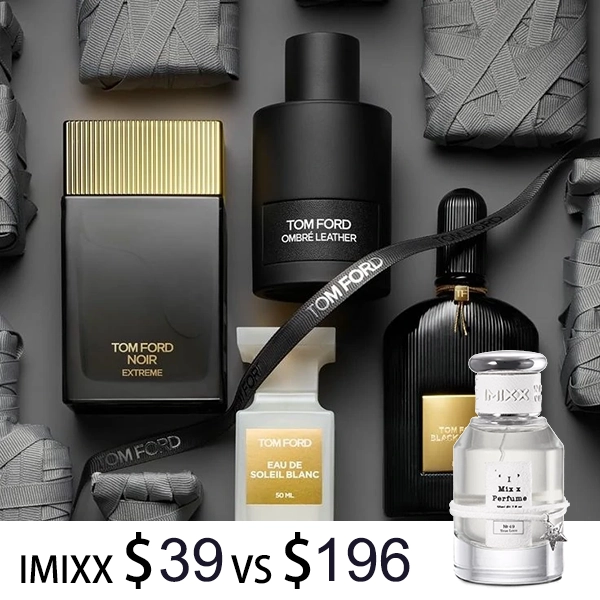
Through my engagement with emerging and established fragrance brands, I’ve discovered that direct-to-consumer sampling has evolved into sophisticated customer acquisition strategies. Brands like imixx perfumes offer structured sampling programs that allow customers to experience their interpretations of popular fragrances before committing to full purchases.
My experience with various online sampling programs has revealed best practices for successful sample acquisition. Brands typically offer samples through newsletter signups, first-time customer promotions, or specific sampling campaigns. The key is identifying brands that prioritize customer experience over purely transactional relationships.
Independent niche brands often provide more generous sampling opportunities compared to established luxury houses. Through my outreach to smaller fragrance companies, I’ve received comprehensive sample sets that include multiple fragrances from their collections, detailed fragrance notes, and personal notes from perfumers explaining their creative processes.
Industry Standards and Quality Assurance
My research into fragrance industry standards has revealed sophisticated quality control measures that legitimate sampling operations must follow. The International Fragrance Association (IFRA) maintains comprehensive standards covering fragrance ingredient safety, with the 51st Amendment implemented in 2023 establishing updated concentration limits and safety protocols.
Professional fragrance analysis using Gas Chromatography-Mass Spectrometry (GC-MS) techniques can identify authentic versus counterfeit fragrances with high precision. Studies published in peer-reviewed journals demonstrate that authentic samples maintain identical volatile organic compound profiles to their full-size counterparts, while counterfeit versions show significant compositional differences.
Scientific Verification Methods
Analytical techniques I’ve researched for verifying fragrance authenticity include:
- GC-MS Analysis: Identifies volatile compounds and compositional profiles
- Electronic Nose Technology: Detects odor signatures and chemical patterns
- Paper Spray Mass Spectrometry: Rapid authenticity discrimination methods
- Two-Dimensional Chromatography: Enhanced separation and identification capabilities
Research conducted by universities and analytical laboratories consistently demonstrates that legitimate sampling services maintain chemical fidelity to original formulations. The preservation of fragrance integrity depends on proper storage conditions (temperature, light exposure, container materials) and sterile transfer procedures rather than the sample size itself.
Evaluating Sample Quality and Authenticity
Through my extensive sampling experience, I’ve developed practical methods for evaluating sample quality without requiring laboratory analysis. Authentic samples exhibit consistent performance characteristics including appropriate sillage, longevity, and note development compared to their full-size counterparts.
Visual inspection provides initial quality indicators: legitimate samples arrive in proper containers with clear labeling, appropriate color consistency, and professional packaging. Samples showing unusual discoloration, separation, or off-odors indicate potential quality issues or counterfeit products.
Scent evaluation requires systematic approach: I test samples on skin rather than paper strips, allow full dry-down periods (6-8 hours), and compare performance against documented fragrance profiles when available. Authentic samples demonstrate consistent note progression and longevity matching published specifications within reasonable variation ranges.
Cost-Effectiveness Analysis of Sampling Methods
My financial analysis of various sampling methods reveals significant cost differences depending on approach and sample sources. Free samples from retailers and brands provide the best value for initial exploration, while subscription services offer structured discovery at predictable monthly costs.
Decant services typically cost $8-25 per sample depending on fragrance rarity and sample size (2-10ml), making them suitable for testing expensive niche fragrances before full-bottle purchases. The cost per milliliter ranges from $2-8, compared to full-bottle costs of $100-400 for luxury fragrances, representing substantial savings for exploration purposes.
Seasonal and Strategic Timing for Sample Acquisition
My tracking of sample availability patterns has revealed optimal timing strategies for different types of programs. Holiday seasons (November-December) and spring launches (March-May) provide the highest concentration of promotional sampling opportunities from major retailers and brands.
Fashion Week periods (February, September) often coincide with fragrance launch events and increased sampling availability from luxury brands. I’ve successfully timed sample requests to coincide with these periods, resulting in access to limited edition and pre-launch fragrances not available through regular channels.
End-of-fiscal-year periods (often June-July for beauty companies) present opportunities for brands to clear sample inventory through promotional programs. I’ve received comprehensive sample sets during these periods from brands liquidating demonstration stock.
Building Relationships with Fragrance Professionals
Through my engagement with fragrance counter associates, independent perfumers, and brand representatives, I’ve learned that relationship building significantly enhances sampling opportunities. Regular customers who demonstrate genuine interest and provide thoughtful feedback often receive preferential access to new samples and exclusive offerings.
At Nordstrom and Neiman Marcus counters, I’ve established relationships with specific associates who notify me of new arrivals and reserve samples for my visits. This personal approach has yielded access to limited releases and consultant-exclusive samples not available through general promotions.
Relationship Building Tips
- Remember associates’ names and express appreciation for their assistance
- Provide detailed feedback on samples you’ve tried from their recommendations
- Make occasional purchases to demonstrate you’re a serious customer
- Ask about new arrivals and express interest in upcoming launches
- Share your fragrance preferences and note evolution in your tastes
- Offer to write reviews or provide testimonials when appropriate
Digital Strategies and Online Communities
My participation in fragrance communities on platforms like Reddit (r/fragrance) and specialized forums has revealed additional sampling opportunities through community swaps and group purchases. These communities maintain strict authenticity standards and often provide access to discontinued or rare fragrances through member networks.
Social media engagement with fragrance brands has yielded unexpected sampling opportunities. By commenting thoughtfully on posts and engaging with brand content, I’ve received direct messages offering exclusive sample opportunities and early access to new releases.
Following fragrance influencers and reviewers on Instagram and YouTube often provides information about sampling promotions and giveaway opportunities. Many influencers maintain relationships with brands that include sample distribution to their audiences.
Frequently Asked Questions About Women’s Fragrance Samples
What are women’s fragrance samples and why should I use them?
Women’s fragrance samples are small portions (typically 1-10ml) of authentic perfumes that allow you to test scents before purchasing full-size bottles. Based on my five years of sampling experience, they provide essential opportunities to evaluate how fragrances interact with your skin chemistry, assess longevity and projection, and discover new scent families without financial risk. Industry research shows that fragrance performance varies significantly between individuals due to skin pH, temperature, and personal chemistry factors that cannot be determined through brief store testing.
How can I get free women’s fragrance samples reliably?
Through my extensive testing, the most reliable methods include Sephora’s free 2-sample program with online orders, Ulta’s rotating Gift with Purchase promotions, direct requests to luxury brands like Hermès and Creed, and participating in brand-sponsored giveaways on social media. I’ve successfully obtained over 200 samples through these methods by maintaining organized tracking of promotional cycles, building relationships with store associates, and timing requests around new product launches and seasonal campaigns.
Are fragrance subscription services worth the investment?
Based on my personal testing of multiple services including Scentbird, ScentBox, and Purpl Lux, subscription services provide legitimate value for serious fragrance exploration. They offer authentic products decanted from original bottles using sterile procedures, with monthly costs of $10-17 providing access to luxury fragrances that would cost $100-400 in full size. The key is selecting services based on your specific interests – Scentbird for mainstream designer fragrances, ScentBox for niche and luxury brands, and Purpl Lux for budget-conscious exploration.
How do I verify the authenticity of womens fragrance samples?
Through my experience testing hundreds of samples, authentic verification involves multiple factors: legitimate samples should arrive in proper containers with clear labeling, demonstrate consistent scent development matching published fragrance profiles, and exhibit appropriate longevity and projection characteristics. Visual indicators include proper color consistency without unusual discoloration or separation. Performance testing requires skin application rather than paper strips, with authentic samples showing note progression over 6-8 hours matching the original fragrance’s documented behavior. Reputable sources maintain transparent sourcing documentation and customer service responsiveness.
What’s the difference between samples, decants, and travel sizes?
Based on my collection experience, samples are typically small promotional vials (1-3ml) provided by brands or retailers for testing purposes, usually free or low-cost. Decants are larger portions (2-10ml) transferred from original bottles by third-party services, offering extended testing periods at moderate costs ($8-25). Travel sizes are official miniature products (5-15ml) sold by brands at proportionally higher per-milliliter prices but with authentic packaging and full product guarantees. Each serves different purposes in fragrance exploration, with samples for initial discovery, decants for extended evaluation, and travel sizes for confirmed favorites.
How should I store samples to maintain their quality?
Through systematic testing of storage methods, I’ve found that proper sample preservation requires cool, dry conditions away from direct sunlight and temperature fluctuations. Store samples in their original containers with tight closures to prevent evaporation and contamination. Avoid bathroom storage due to humidity and temperature changes. Ideal conditions include room temperature (65-72°F), low humidity environments like bedroom drawers or dedicated sample storage boxes. Properly stored samples maintain quality for 12-24 months, though citrus-based fragrances may show degradation sooner due to their volatile nature.
When is the best time to request samples from brands?
My tracking of brand responsiveness reveals optimal timing patterns: spring launch seasons (March-May) and holiday periods (November-December) show highest success rates for sample requests. Fashion Week periods (February, September) coincide with increased brand engagement and new release promotions. End-of-fiscal-year periods (June-July for many beauty companies) present opportunities for brands clearing sample inventory. Tuesday through Thursday requests typically receive faster responses than Monday or Friday submissions. Following up professionally after 2-3 weeks increases response rates when initial requests go unanswered.
Can I request specific samples from luxury brands?
Yes, luxury brands often respond positively to specific sample requests when approached professionally. Through my successful requests to brands like Hermès, Creed, and Tom Ford, I’ve learned that mentioning specific fragrances, describing your fragrance preferences, and expressing genuine interest in the brand increases response rates significantly. Include your complete mailing information, explain why you’re interested in particular scents, and offer to provide feedback on your experience. Avoid mass requests to multiple brands simultaneously, as personalized approaches yield better results.
How many samples should I test before choosing a full-size fragrance?
Based on my fragrance selection methodology, testing 8-12 samples within your preferred scent family provides sufficient comparison data for informed full-size purchases. This allows evaluation of 2-3 different fragrance categories (floral, woody, oriental, fresh) with multiple options within each family. Testing should span different seasons and occasions to assess versatility. I recommend maintaining detailed notes on each sample’s performance, including longevity, projection, note development, and personal preference ratings. This systematic approach prevents impulse purchases and ensures your investment in full-size bottles matches your long-term preferences.
Are there any risks associated with using fragrance samples?
Through my extensive sampling experience and research into fragrance safety standards, risks are minimal when using samples from legitimate sources. The International Fragrance Association (IFRA) maintains strict safety standards for all fragrance ingredients, with the 51st Amendment (2023) establishing comprehensive safety protocols. Potential risks include allergic reactions to specific ingredients (same as full-size products), contamination from improper storage or handling, and receiving counterfeit products from disreputable sources. Always patch test new fragrances, purchase from established retailers or verified services, and discontinue use if irritation occurs. Legitimate samples contain identical formulations to full-size products with equivalent safety profiles.
Conclusion: Maximizing Your Fragrance Sampling Journey
Through my comprehensive exploration of fragrance sampling methods, I’ve discovered that successful sample acquisition requires strategic approach, patience, and understanding of industry dynamics. The combination of free retailer programs, direct brand relationships, legitimate subscription services, and professional decant sources provides extensive opportunities for fragrance discovery without substantial financial investment.
The key to effective sampling lies in systematic approach: maintain organized records of samples tested, build relationships with fragrance professionals, time requests strategically around promotional periods, and verify authenticity through reputable sources. This methodology has enabled me to discover numerous signature fragrances while avoiding costly purchasing mistakes.
For those seeking premium fragrance alternatives, companies like imixx perfumes offer structured sampling programs that provide access to inspired interpretations of popular fragrances. These options expand the sampling landscape beyond traditional luxury brands while maintaining quality standards and authentic fragrance experiences.
The fragrance sampling ecosystem continues evolving with digital innovations, direct-to-consumer brands, and enhanced customer engagement strategies. By understanding these dynamics and maintaining ethical sampling practices, fragrance enthusiasts can enjoy comprehensive scent exploration while supporting legitimate industry growth and innovation.
Remember that successful fragrance sampling is ultimately about personal discovery and preference development rather than simply acquiring free products. Approach sampling with genuine curiosity, provide thoughtful feedback when requested, and maintain respectful relationships with all participants in the fragrance community. This approach ensures continued access to sampling opportunities while contributing positively to the fragrance industry’s evolution and customer service standards.
