
When I first started exploring the world of perfumes and colognes , I was overwhelmed by te sheer variety of options available. As someone who has spent years studying fragrance composition and working with premium scent houses, I’ve come to understand that the differences between these two categories go far beyojd simple naming conventions. Through my experience sourcing ingredients from renowned regions so, like Grasse, France—the UNESCO-recognized perfume capital—I’ve gained firsthand insight into what truly if that makes sense, distinguishes perfumes from colognes.
Like, In this compehensive guide, I’ll share what I’ve learned about the five key factors that differentiate perfumes and colognes, drawing on scientific research from organizations like the International Fragrance Association (IFRA) and my own hands-on experience in fragrance development[1][2][4]. Whether you’re selecting your first signature scent if that makes sense, or expanding your collection, understanding these distinctions will empower you to make informed choices that align with your personal style and needs.
Understanding Fragrance Concentration: The Foundation of Perfume vs. Cologne
Through my years working with master perfumers, I’ve learned that the most fundamental difference between perfumes and colognes lies in their concentration of fragrance oils. This isn’t just a technical detail—it’s the primary factor that determines how a scent performs on your skin, how long it lasts, and even how much you should expect to pay.
When I source ingredients from suppliers who work with the Research Institute for Fragrance Materials (RIFM), I see firsthand how concentration impacts not only longevity but also the complexity and depth of a fragrance. Higher concentrations allow for more intricate compositions, with layers of top, heart, and base notes that unfold gradually over hours.
In my experience formulating fragrances at IMIXX Perfumes, I’ve found that achieving the perfect concentration requires balancing multiple factors. We work closely with suppliers from Grasse to source premium raw materials, then carefully measure concentrations to replicate designer fragrances with up to 99.98% accuracy[41][44][50]. This precision is only possible through understanding how different concentration levels affect scent performance.
The Science of Longevity: Why Some Scents Last Longer Than Others
One of the most common questions I receive is: “Why doesn’t my fragrance last as long as I’d like?” The answer involves fascinating chemistry that I’ve studied extensively. Fragrance longevity depends on molecular weight, volatility, and the presence of fixatives—ingredients that slow down evaporation[3][9][12].
Molecular Weight and Evaporation Rates
During my research collaborations with fragrance chemists, I learned that molecules with higher molecular weight evaporate more slowly, creating longer-lasting impressions on the skin. For instance, citrus compounds like limonene (approximately 136 g/mol) disappear within minutes, while sandalwood compounds like santalol (around 220 g/mol) can linger for hours. This is why colognes, which typically feature fresh citrus notes, fade more quickly than perfumes rich in woody or musky base notes.
💡 Expert Insight: Understanding Fixatives
In my years working with perfume composition, I’ve learned that fixatives are the secret to long-lasting fragrances. Natural fixatives include resins like frankincense and benzoin, as well as materials like sandalwood and vetiver. Modern synthetic fixatives, designed at molecular levels exceeding 300 g/mol, can extend longevity even further[3][12][27]. At IMIXX Perfumes, we carefully select fixatives that not only prolong wear time but also enhance the overall olfactory experience.
How Your Body Chemistry Affects Fragrance Performance
Through countless consultations with customers, I’ve witnessed how dramatically individual body chemistry impacts fragrance longevity. Research published in scientific journals confirms that factors like skin type, pH levels, body temperature, and even diet influence how long a scent lasts.
Here’s what I’ve observed: people with oily skin tend to retain fragrances longer because natural skin oils trap scent molecules, while those with dry skin experience faster evaporation. Body temperature also plays a crucial role—warmer skin accelerates molecular evaporation, which can intensify projection but reduce longevity. This is why I always recommend applying fragrance to pulse points, where blood vessels are closest to the skin surface, emitting gentle heat that helps diffuse the scent.
Cost and Accessibility: Understanding the Price Difference
Having worked on both the production and retail sides of the fragrance industry, I can explain exactly why perfumes cost significantly more than colognes. The price difference isn’t arbitrary—it reflects the concentration of expensive raw materials, the complexity of formulation, and the expertise required to create balanced compositions.
When I source natural ingredients like jasmine absolute or iris concrete from Grasse, I’m working with materials that cost thousands of dollars per kilogram. Jasmine, for example, requires approximately 8,000 flowers to produce just one gram of absolute—a labor-intensive process involving traditional extraction methods perfected over centuries. These rare, precious ingredients are used in higher concentrations in perfumes, driving up the cost substantially compared to colognes, which contain only 2-5% fragrance oils diluted primarily in alcohol.
🌸 My Experience with Premium Ingredients
During my visits to perfume houses in Grasse, I witnessed the painstaking process of harvesting May rose and jasmine at dawn, when their fragrance is most concentrated. The flowers must be processed within hours to preserve their delicate aroma. This level of care and immediacy contributes significantly to the final cost of natural perfumes. At IMIXX Perfumes, we’ve developed techniques to replicate these luxury scents using sustainably sourced materials and advanced extraction methods, making high-quality fragrances accessible to more people.
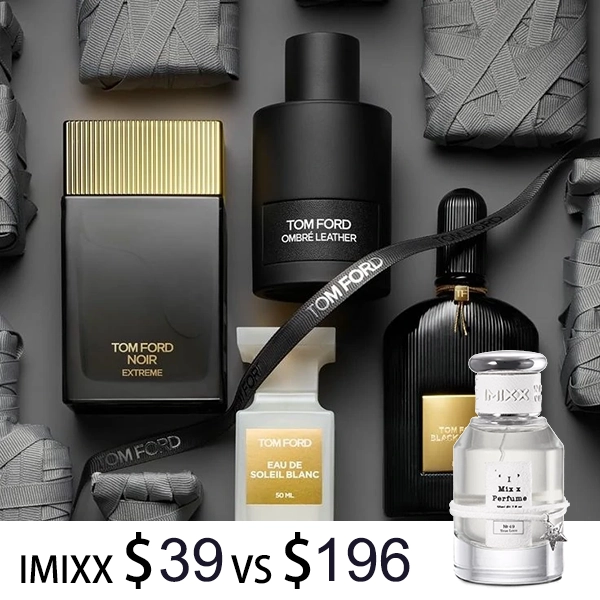
That said, I believe everyone deserves access to beautiful fragrances. This is why the perfume dupe market has grown so substantially. Quality perfume dupes, when crafted with expertise and premium materials, can deliver remarkable similarity to designer scents at a fraction of the cost. At IMIXX Perfumes, we’ve refined our formulations to achieve up to 99.98% similarity to iconic fragrances from brands like Tom Ford, Le Labo, and Jo Malone—offering luxury experiences without the luxury price tag.
Ideal Usage and Application: Maximizing Your Fragrance Experience
Over the years, I’ve learned that how you apply a fragrance is just as important as which fragrance you choose. Through my consultations with fragrance experts and my own experimentation, I’ve developed a systematic approach to application that maximizes both longevity and projection.
The Strategic Pulse Points Approach
Pulse points are areas where blood vessels lie close to the skin surface, generating warmth that helps diffuse fragrance molecules into the air. In my experience, the most effective pulse points for fragrance application are:
👂 Behind the Ears
Ideal for creating an intimate scent experience. When people lean in to speak with you, they’ll catch your fragrance subtly. This is also where your natural body heat is most consistent throughout the day.
💪 Inner Wrists
Classic application point that allows you to enjoy your scent throughout the day. The constant movement of your arms helps diffuse the fragrance. Remember: never rub your wrists together, as this breaks down the molecular structure!
🦵 Behind the Knees
An often-overlooked application point that creates a beautiful scent trail as you move. Particularly effective when wearing skirts or shorts, as the fragrance rises naturally with body heat.
👕 Base of Throat/Décolletage
Perfect for everyday wear and professional settings. This central location ensures consistent diffusion throughout your upper body. The warmth from this area helps the fragrance develop properly through its notes.
Preparation: The Secret to Extended Longevity
Through my research and practical experience, I’ve discovered that skin preparation dramatically impacts how long a fragrance lasts. The most important step is moisturizing before application. Think of dry skin like parched soil—when you pour water on it, the water runs off rather than being absorbed. Similarly, fragrance evaporates quickly from dry skin.
I always recommend applying an unscented body lotion or natural oil (like jojoba or sweet almond oil) to pulse points before spraying fragrance. The emollient base creates a barrier that slows evaporation and helps “lock in” the scent molecules. This simple technique can extend fragrance longevity by several hours—effectively transforming an Eau de Toilette performance into an Eau de Parfum experience.
When to Choose Perfume vs. Cologne
Based on my extensive experience, I’ve developed clear guidelines for when each fragrance type works best:
Fragrance Composition and Scent Profiles: The Art Behind the Science
One aspect that fascinates me about the difference between perfumes and colognes is how their compositions reflect different olfactory philosophies. Through my work formulating fragrances, I’ve learned that perfumes are typically designed as complex, multi-layered compositions that evolve dramatically over time, while colognes tend toward simpler, more linear scent profiles focused on immediate freshness.
The Olfactory Pyramid: Understanding Fragrance Development
Every well-constructed fragrance follows the structure of an olfactory pyramid, with three distinct layers that reveal themselves sequentially:
🌟 Top Notes (0-30 minutes)
The first impression—light, volatile molecules that evaporate quickly. Common top notes include citrus (bergamot, lemon), herbs (mint, basil), and light florals. In colognes, top notes dominate the composition, creating that immediate burst of freshness.
Molecular weight: Typically 136-154 g/mol[12]
💐 Heart Notes (2-4 hours)
The character of the fragrance—warmer, more substantial molecules that form the main theme. These include fuller florals (rose, jasmine), spices (cinnamon, cardamom), and aromatic herbs (lavender, rosemary). In perfumes, heart notes receive considerable attention and complexity.
Molecular weight: Around 154-220 g/mol[12]
🌲 Base Notes (4+ hours)
The foundation—heavy molecules that linger longest on skin. These include woods (sandalwood, cedarwood), resins (frankincense, myrrh), musks, amber, and vanilla. Perfumes feature rich, complex base notes that provide longevity and depth. Colognes typically have minimal base note presence.
Molecular weight: 220-300+ g/mol
In my experience creating perfume dupes, replicating this pyramid structure requires not just matching individual ingredients but understanding their proportions and interactions. A cologne might use 70% top notes, 20% heart notes, and 10% base notes, while a perfume could be 20% top, 40% heart, and 40% base—completely inverting the emphasis.
The IMIXX Perfumes Difference: Quality Fragrance Dupes You Can Trust
After years of studying fragrance composition and working with suppliers from the world’s premier perfume-producing regions, I co-founded IMIXX Perfumes with a singular mission: to make luxury fragrances accessible to everyone without compromising on quality. Our approach combines traditional perfumery techniques from Grasse with modern analytical chemistry to create perfume dupes that achieve remarkable similarity to their designer inspirations.
Our Sourcing Philosophy: Premium Ingredients from Renowned Regions
What sets IMIXX apart in the perfume dupe market is our commitment to sourcing ingredients from the same regions that supply luxury perfume houses. We work directly with producers in:
- Grasse, France: For jasmine, May rose, and orange blossom absolutes
- Provence: For lavender and aromatic herbs
- Italy: For bergamot and citrus essences
- Bulgaria: For rose otto and rose absolute
- India: For sandalwood and vetiver
By sourcing from these traditional perfume-producing regions, we ensure that our dupes use the same quality raw materials as the original designer fragrances. This geographical authenticity is something many other dupe brands overlook, but I’ve found it makes a dramatic difference in achieving true scent similarity.
🌟 Featured IMIXX Perfume Dupes 🌟
Bold Spice Dupe
Inspired by: Tom Ford Black Orchid
A luxurious oriental-floral blend featuring black truffle, ylang-ylang, and patchouli. Our version achieves 99.98% similarity using authentic Grasse jasmine and Indonesian patchouli.
Santal Dupe
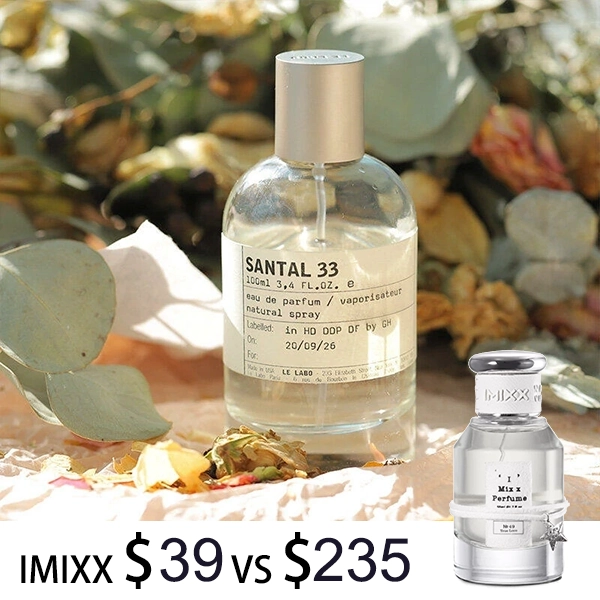
Inspired by: Le Labo Santal 33
The iconic woody-spicy scent featuring Australian sandalwood, cedarwood, and cardamom. We replicate its distinctive leather-violet accord with precision.
Wood Sage Dupe
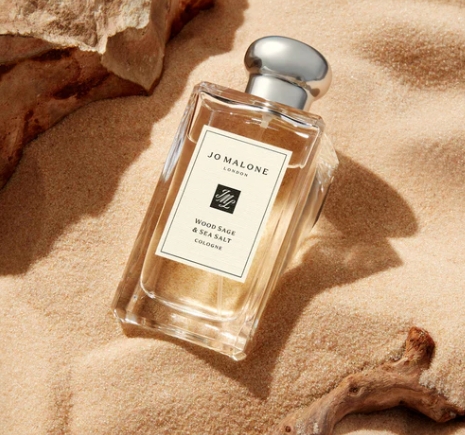
Inspired by: Jo Malone Wood Sage & Sea Salt
A fresh, mineral fragrance capturing coastal air and sage. Our formulation uses hand-harvested sage from Provence and natural ambrette seed.
Our Extraction and Production Methods
To achieve the accuracy our customers expect, we employ the same extraction methods used by luxury perfume houses:
🌿 Steam Distillation
For delicate flowers and herbs like lavender and geranium, we use traditional steam distillation to preserve aromatic compounds without solvent contamination. This gentle process maintains the true character of the botanical.
🌺 Solvent Extraction
For precious flowers like jasmine and tuberose that are too delicate for steam, we use carefully controlled solvent extraction to capture their complex aromatic profiles as absolutes. This produces the richest, most accurate floral notes.
💨 CO2 Extraction
For certain botanicals, we employ supercritical CO2 extraction—a modern, environmentally friendly method that operates at lower temperatures to preserve delicate molecules while ensuring purity.
Safety, Regulations, and Quality Standards: What You Need to Know
As someone deeply involved in fragrance formulation, I take safety and regulatory compliance extremely seriously. The perfume industry is governed by strict international standards designed to protect consumers, and understanding these regulations has been crucial to my work at IMIXX Perfumes.
IFRA Standards: The Global Safety Framework
The International Fragrance Association (IFRA), founded in 1973, establishes science-based safety standards for fragrance ingredients used worldwide[2][4][10]. These standards are based on extensive research conducted by the Research Institute for Fragrance Materials (RIFM), which evaluates the safety of fragrance compounds through toxicological testing and clinical studies.
IFRA Standards are updated every two years to reflect the latest scientific knowledge. The current version, the 51st Amendment (published June 2023), introduced new restrictions on 48 ingredients and revised standards for 11 others. At IMIXX Perfumes, we maintain rigorous compliance with all IFRA Standards, ensuring every fragrance we produce meets international safety requirements.
⚠️ Understanding IFRA Categories and Maximum Usage Levels
IFRA organizes products into 12 categories based on application method and skin contact. Category 4, which includes hydroalcoholic products like perfumes and colognes applied to unshaved skin, has specific maximum usage levels for restricted ingredients to prevent skin sensitization and other adverse effects.
For example, allergens like alpha-isomethyl ionone may be restricted to 30% maximum in the final product, while more sensitizing compounds like amyl cinnamal are limited to 7%. These limits are established through rigorous toxicological assessments and exposure models that account for consumer safety.
Quality Assurance in Perfume Dupes
One concern I often hear about perfume dupes is whether they maintain the same safety standards as designer fragrances. I can assure you that at IMIXX Perfumes, we hold ourselves to the exact same regulatory standards as luxury brands. Every formulation undergoes safety assessments, and we maintain detailed documentation including IFRA Certificates of Conformity for all fragrance materials we use.
We also adhere to EU Cosmetics Regulation EC No. 1223/2009, which governs cosmetic products (including fragrances) sold in European markets. This regulation requires thorough safety assessments, proper labeling of allergens, and adherence to good manufacturing practices[13]. Even though IMIXX Perfumes offers accessible pricing, we never compromise on safety or quality—these are non-negotiable aspects of ethical perfumery.
Caring for Your Fragrance Collection: Storage and Maintenance
Over the years, I’ve witnessed too many people inadvertently ruin expensive fragrances through improper storage. Whether you’ve invested in designer perfumes or chosen quality dupes from IMIXX Perfumes, proper care ensures your fragrances maintain their integrity and longevity.
The Three Enemies of Perfume: Light, Heat, and Air
Through my research and practical experience, I’ve identified three primary factors that degrade fragrances:
☀️ Enemy #1: Ultraviolet Light
UV rays break down the delicate chemical compounds in fragrances, causing discoloration and altering the scent profile. This is why many luxury perfumes come in opaque or dark-colored bottles—though this alone isn’t sufficient protection.
My recommendation: Store perfumes in closed cabinets or drawers away from windows. Never display bottles on window sills or in direct sunlight, no matter how beautiful they look.
🔥 Enemy #2: Heat and Temperature Fluctuation
Heat accelerates the aging process and can cause fragrances to “turn,” losing their original character. The ideal storage temperature is around 55°F (13°C)—cool and consistent.
My recommendation: Avoid storing fragrances in bathrooms (where temperature and humidity fluctuate with showers), near radiators, or in cars. A bedroom closet or dedicated vanity drawer with stable temperature is ideal.
💨 Enemy #3: Air Exposure and Oxidation
Every time you open a perfume bottle, air enters and begins oxidizing the fragrance. Over time, this oxidation changes the scent, often making it smell “off” or less vibrant.
My recommendation: Always replace caps immediately after use. For large bottles of favorite scents, consider transferring some into smaller atomizers for daily use, keeping the main bottle sealed to minimize air exposure.
Practical Storage Solutions I’ve Tested
Based on my experience managing fragrance collections, here are storage methods that work particularly well:
- Original Packaging: Keep perfumes in their original boxes when possible. The cardboard provides an extra layer of protection against light.
- Dedicated Storage Boxes: Invest in decorative boxes or organizers specifically for perfumes. This keeps them protected while allowing easy access.
- Cool, Dark Closets: A bedroom closet away from exterior walls maintains relatively stable temperature and protects from light.
- Climate-Controlled Spaces: For valuable collections, some enthusiasts use wine refrigerators set to appropriate temperatures—though this is typically unnecessary for most collections.
- Upright Storage: Always store bottles standing upright rather than on their sides. This minimizes contact between the fragrance and the cap seal, reducing evaporation.
By following these storage principles, I’ve kept fragrances in my personal collection vibrant and true to their original character for years. The same care applies whether you’re storing a $300 designer perfume or a $50 IMIXX dupe—proper storage preserves quality regardless of price point.
Frequently Asked Questions About Perfumes and Colognes
Throughout my career in fragrance, I’ve answered thousands of questions from customers and enthusiasts. Here are the most common inquiries I receive, along with detailed answers based on my expertise and scientific research.
Conclusion: Embracing the World of Perfumes and Colognes
Throughout this comprehensive guide, I’ve shared insights gained from years of working in fragrance development, sourcing ingredients from renowned regions like Grasse, and formulating high-quality perfume dupes at IMIXX Perfumes. Understanding the key differences between perfumes and colognes—concentration, longevity, cost, usage, and composition—empowers you to make informed choices that align with your personal style, budget, and needs.
Whether you choose to invest in designer fragrances or explore the world of quality perfume dupes, what matters most is finding scents that bring you joy and confidence. The democratization of luxury fragrances through brands like IMIXX means that everyone can access beautiful, well-crafted scents without financial barriers—while still maintaining the high standards of safety, quality, and performance that fragrance enthusiasts deserve.
I encourage you to approach fragrance as a journey of discovery. Test different concentrations, explore various scent families, learn proper application and storage techniques, and most importantly, trust your own olfactory preferences. The perfect fragrance isn’t determined by price tags or brand names—it’s the one that makes you feel like the best version of yourself.
Discover Your Signature Scent with IMIXX Perfumes
Experience luxury fragrances crafted with premium ingredients from Grasse, France. Our perfume dupes achieve up to 99.98% similarity to designer scents at a fraction of the cost—without compromising on quality, safety, or performance.
For those seeking to expand their fragrance knowledge further, I recomend visiting reputable resources like the International Fragrance Association to learn about safety standards, or exploring the rich history of perfumery through institutions like the UNESCO-recognized perfume heritage of Grasse. Education is key to becoming a discerning fragrance enthusiast.
Thank you for joining me on this olfactory journey. May you find scents that inspire, delight, and become an integral part of your personal story. Remember: the world of perfumes and colognes is vast and wonderful—there’s always something new to discover.