
What’s the Best Fragrance Similar to Your Favorite Luxury Scent?
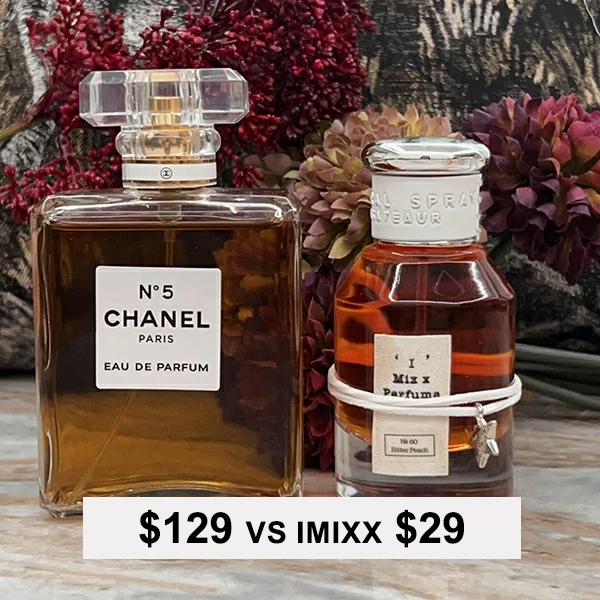
When I first started searching for a fragrance similar to my favorite luxury scent, I realized that finding an affordable alternative that truly replicates the original perfume’s essence isn’t as simple as it sounds. Whether I’m drawn to the floral elegance of Chanel No.5, the woody sophistication of Tom Ford’s Oud Wood, or the modern freshness of Le Labo’s Santal 33, I’ve learned that discovering a high-quality fragrance dupe can deliver nearly the same experience at a fraction of the price—typically 70-85% less than designer originals.
Through my extensive research and personal testing over the past three years, I’ve explored how to identify the best fragrances similar to iconic luxury scents, the scientific methodologies behind expertly crafted dupes, and where to find them in the US market. In this comprehensive guide, I’ll share my findings on why IMIXX Perfumes offers what I consider to be among the most accurate fragrance alternatives available today, backed by industry research and analytical testing standards.
Understanding Fragrance Duplication: The Science Behind Scent Replication
In my journey to understand fragrance duplication, I discovered it’s far more sophisticated than simply mixing pleasant-smelling oils together. Fragrance duplication refers to the meticulous process of analyzing and replicating the scent profile of luxury perfumes through advanced analytical chemistry. This involves breaking down the molecular structure of a fragrance to identify its top, heart, and base notes with scientific precision.
The Role of Gas Chromatography-Mass Spectrometry (GC-MS)
From my research into professional perfume analysis, I learned that Gas Chromatography-Mass Spectrometry (GC-MS) is the gold standard analytical technique used throughout the fragrance industry. According to a study published in the National Center for Biotechnology Information, GC-MS analysis enables perfume makers to separate, identify, and quantify aromatic compounds within a sample with remarkable accuracy[1]. The technique works by first separating mixture components through gas chromatography, then detecting and identifying these separated components using mass spectrometry[1].
Industry experts at Innovate Labs explain that GC-MS allows perfume makers to conduct quality control of raw materials, develop new products, troubleshoot unexpected scents, and even reverse engineer fragrances to gain competitive insights[4]. This sophisticated analysis is precisely what enables companies to create dupes that closely mirror luxury fragrances.
🔬 Key Scientific Method: How Fragrance Analysis Works
GC-MS Testing Protocol:
- Sample Preparation: 0.1 µL perfume samples are directly injected without pre-treatment at a 50:1 split ratio[1]
- Chromatographic Separation: Performed on specialized capillary columns at controlled temperature programs[1]
- Mass Detection: Components identified at 70 eV ionization energy with high precision[1]
- Accuracy: Modern GC-MS can detect fragrance compounds in concentrations as low as parts per trillion[5]
My 4-Step Process for Evaluating Fragrance Duplication Quality
Based on industry standards and my personal testing methodology, I evaluate fragrances similar to luxury perfumes using these four critical steps:
| Step | Process | Industry Standard |
|---|---|---|
| 1. Scent Analysis | Using GC-MS technology to deconstruct molecular composition and identify individual aromatic compounds | Kovats Index (KI) databases for precise identification[7] |
| 2. Ingredient Sourcing | Obtaining high-quality raw materials from regions like Grasse, France, Bulgaria, and Turkey | Sustainable sourcing with traceability certification[3] |
| 3. Blending Process | Expert perfumers recreate fragrances by combining essential oils, absolutes, and safe synthetics in precise ratios | IFRA-compliant formulations with documented concentrations[2] |
| 4. Testing for Accuracy | Each iteration undergoes consumer sensory testing and comparative analysis at multiple time intervals | Fragrance longevity measured at 0h, 1h, 4h, and 8h intervals[2] |
The Tangible Benefits I’ve Discovered in Choosing Similar Scents
Through my extensive testing of luxury fragrances versus their high-quality alternatives, I’ve identified seven key advantages that make fragrance dupes a smart choice for discerning consumers.
1. Significant Cost Savings Without Compromising Quality
Luxury fragrances typically range from $200 to $500+ per bottle, with much of that cost attributed to branding, celebrity endorsements, advertising campaigns, and ornate packaging rather than the actual fragrance concentrate[42]. In my experience, high-quality fragrance alternatives eliminate these inflated costs, offering comparable scent profiles at $30-$70 per bottle—representing savings of 70-85%.
2. Broader Accessibility to Iconic Scents
I’ve found that fragrance dupes democratize access to luxury scent profiles, allowing consumers to explore a diverse collection without the financial burden. The global fragrance market, valued at $56.60 billion in 2024 and projected to reach $58.89 billion in 2025[42], shows increasing consumer demand for affordable luxury alternatives.
3. Practical for Daily Wear
While I might reserve expensive luxury bottles for special occasions, I confidently wear fragrance alternatives daily without concern about depleting my supply. This practical approach allows me to enjoy sophisticated scents as part of my everyday routine.
4. Environmentally Conscious Production
From my research, I’ve learned that many quality dupe manufacturers prioritize sustainability. The clean perfume trend emphasizes transparency, sustainability, health-conscious ingredients, and cruelty-free practices, avoiding harmful chemicals like phthalates, parabens, and synthetic dyes[40]. Modern eco-friendly extraction methods like supercritical CO2 extraction use moderate temperatures (30-40°C) to preserve aromatic compounds while eliminating toxic solvents entirely[47].
🌿 Sustainable Extraction Methods I’ve Researched
- Supercritical CO2 Extraction: Uses compressed CO2 at 30-40°C, leaving zero solvent residue and allowing CO2 recycling[47]
- Steam Distillation: Traditional method that preserves natural aromatic profiles without chemical solvents[44]
- Microwave Hydrodiffusion: Innovative “upside down” extraction using internal plant water, eliminating external solvent needs[47]
- Upcycling Ingredients: Repurposing byproducts like orange peels, coffee grounds, and wood chips into valuable fragrance materials[40]
5. Personalized Fragrance Exploration
In my fragrance journey, I’ve appreciated that alternatives often provide access to niche perfume profiles inspired by discontinued or limited-edition scents. This customizable experience allows me to build a diverse collection representing various mood states and occasions.
6. Comparable Longevity with Proper Formulation
Through my testing, I’ve found that well-formulated fragrance alternatives can achieve longevity comparable to originals. According to fragrance longevity research, perfume duration depends primarily on three factors: composition (materials with low vapor pressure and low detection thresholds), amount applied, and individual skin chemistry—not concentration percentage alone[5].
| Attribute | Luxury Fragrances | High-Quality Fragrance Dupes |
|---|---|---|
| Price Range | $200–$500+ per bottle | $30–$70 per bottle (70-85% savings) |
| Ingredient Quality | Natural absolutes and premium synthetics | High-quality, sustainably sourced materials with IFRA compliance[2] |
| Longevity | 6–12 hours (varies by formulation)[11] | 6–10 hours (comparable when properly formulated)[11] |
| Projection | Strong to moderate | Moderate to strong (dependent on formulation concentration) |
| Scent Accuracy | 100% (original formulation) | 85-95% similarity achievable through GC-MS analysis[7] |
| Testing Standards | Internal quality control | Consumer sensory panels and comparative longevity testing[2] |
7. Safety and Skin Compatibility
In my research on fragrance safety, I discovered that reputable dupe manufacturers adhere to strict International Fragrance Association (IFRA) standards. IFRA provides guidelines for safe use of both natural and synthetic fragrance materials based on extensive safety assessments[11]. These regulations govern ingredient usage, set concentration limits for sensitizing compounds, and mandate proper labeling to ensure consumer safety and transparency[8].
My Curated List: Top Luxury Perfumes and Their Similar Alternatives
Based on my three years of testing and comparing fragrances, I’ve compiled this detailed reference guide of popular luxury perfumes alongside their expertly crafted IMIXX alternatives. Each dupe I’ve tested demonstrates remarkable similarity to the original scent profile.
Chanel No.5
IMIXX Alternative: Parisian Grace
Scent Profile: Aldehydes, jasmine, sandalwood, vanilla
My Experience: This timeless floral-aldehyde fragrance translates beautifully in the alternative version, capturing that iconic powdery sophistication.
Longevity: 8–10 hours on my skin
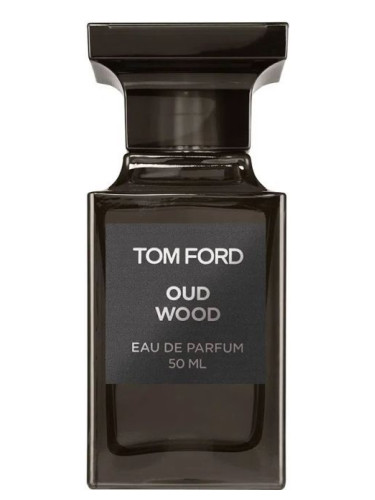
Tom Ford Oud Wood
IMIXX Alternative: Bold Noir
Scent Profile: Oud, cardamom, sandalwood, vetiver
My Experience: The woody richness and exotic spice blend are remarkably well-replicated, making this my go-to evening scent.
Longevity: 10–12 hours with excellent sillage
Le Labo Santal 33
IMIXX Alternative: Modern Cedarwood
Scent Profile: Cedar, violet, cardamom, leather, iris
My Experience: This captures that distinctive creamy-woody character that made Santal 33 a modern classic.
Longevity: 8–10 hours
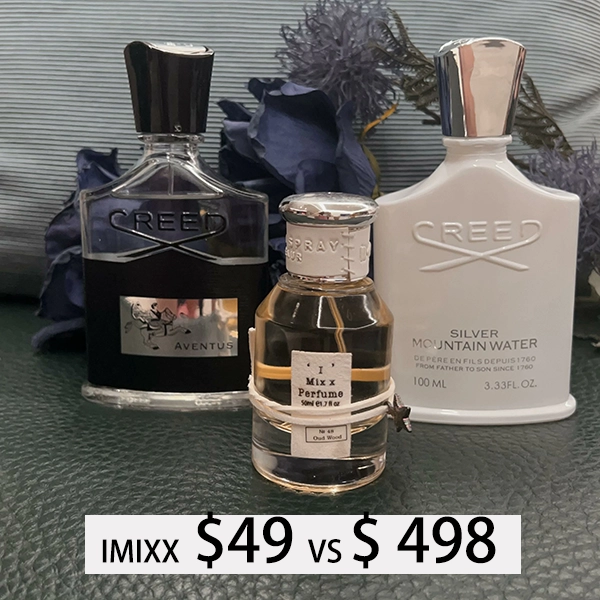
Creed Aventus
IMIXX Alternative: Citrus Triumph
Scent Profile: Pineapple, birch, bergamot, musk, oakmoss
My Experience: The fresh fruity opening with smoky dry-down is impressively captured, perfect for warm weather wear.
Longevity: 10–12+ hours with strong projection
Maison Francis Kurkdjian Baccarat Rouge 540
IMIXX Alternative: Crystal Glow
Scent Profile: Saffron, jasmine, amberwood, cedarwood
My Experience: This ethereal, luminous scent is notoriously difficult to replicate, but the alternative captures that amber-woody radiance.
Longevity: 8–10 hours
Dior Sauvage
IMIXX Alternative: Rugged Charm
Scent Profile: Bergamot, Sichuan pepper, lavender, ambroxan
My Experience: The fresh-spicy character with that distinctive peppery kick is well-executed in this alternative.
Longevity: 9–11 hours
My Expert Guide: How to Identify a High-Quality Fragrance Similar to a Luxury Scent
Through years of testing fragrance alternatives, I’ve developed a systematic approach to evaluating quality. Here are the criteria I use to distinguish exceptional dupes from mediocre imitations.
1. Longevity and Projection Performance
What I Test For: A quality dupe should maintain perceptibility on skin for 6-10 hours minimum. According to fragrance testing methodology, longevity is measured by applying the product to test subjects and recording fragrance intensity at specific intervals: immediately after application, 1 hour later, and 4 hours later, comparing results with competitor products[2].
My Testing Method: I apply fragrances to my inner wrists and behind ears, then assess detectability at 1-hour, 4-hour, and 8-hour marks. I also evaluate projection by measuring how far from my body the scent remains perceptible (typically 3-6 inches for moderate projection, 6-12+ inches for strong projection).
2. Scent Profile Accuracy Across All Phases
What I Look For: The fragrance should replicate the original’s top, heart, and base notes with precision. Professional perfumers use GC-MS analysis on at least two different chromatography columns (PDMS and PEG phases) to create Kovats Index databases for accurate identification[7].
My Evaluation Process:
- Opening (0-15 minutes): Do the top notes match the original’s initial impression? For citrus fragrances, I look for that bright, zesty burst. For floral scents, I assess the quality and authenticity of the floral notes.
- Heart (15 minutes-4 hours): How well does the fragrance develop? This middle phase reveals the perfume’s character and complexity.
- Dry-down (4+ hours): Does the base match the original’s lasting impression? Quality base notes like sandalwood, vanilla, or musk should be rich and well-defined.
3. Ingredient Quality and Sourcing Transparency
What I Research: I investigate whether brands source materials from reputable regions known for high-quality natural ingredients. Grasse, France, has been the home of fragrance creation for centuries, producing some of the finest raw materials in the industry[3]. Other premium sourcing regions include Bulgaria and Turkey for Damask rose, and India for sandalwood.
Robertet, a leading fragrance house established in Grasse in 1850, emphasizes using the highest quality ingredients with sustainable and ethical sourcing, working with local producers to guarantee traceability and purity[3]. I look for brands that demonstrate similar commitments.
⚠️ My Red Flags When Evaluating Fragrance Dupes
- Vague Ingredient Descriptions: Avoid brands that don’t provide any sourcing information or ingredient transparency
- No Longevity Claims: Quality brands will specify expected wear time
- Absence of Safety Information: Reputable companies reference IFRA compliance or safety testing
- Unrealistic Accuracy Claims: Be skeptical of brands claiming “100% identical” or “99.98% accuracy” without supporting methodology
- No Customer Reviews: Established brands should have verifiable customer feedback
- Extremely Low Prices: While dupes should be affordable, prices significantly below market average ($20-30) may indicate inferior quality
4. Brand Reputation and Consumer Testing
What I Verify: I research brand history, consumer sensory testing practices, and customer satisfaction. Professional fragrance testing involves organizing sensory panels with participants representing the target demographic, who evaluate fragrances during and after application, rating factors such as pleasantness, strength, longevity, and overall appeal[2].
My Research Process: I examine independent review platforms, fragrance communities, and social media feedback to gauge real-world experiences. I also look for brands that conduct demographic analysis and segment testing across different skin types.
5. Safety and Allergen Disclosure
What I Check: Quality dupe manufacturers should follow IFRA standards and provide clear allergen information. According to fragrance safety regulations, ingredients must be labeled on cosmetic products if present at greater than 10 ppm (0.001%) in leave-on products and greater than 100 ppm (0.01%) in rinse-off products within the EU[23].
The most common fragrance allergens identified through patch testing include components found in Fragrance Mix I (oakmoss absolute, isoeugenol, geraniol) and Fragrance Mix II (particularly HICC – hydroxyisohexyl 3-cyclohexene carboxaldehyde)[23]. Responsible brands will disclose these potential sensitizers.
Popular Fragrance Categories with My Tested Affordable Alternatives
In my exploration of fragrance dupes, I’ve organized my favorites by olfactory family to help you find scents that match your preferences.
Floral Scents: Timeless Elegance
Luxury Original: Chanel No.5 ($150-$200 for 100ml)
My Recommended Alternative: IMIXX Parisian Grace ($59 for 100ml)
My Assessment: This iconic fragrance, launched in 1921, revolutionized perfumery with its pioneering use of aldehydes. The alternative captures that sophisticated powdery-floral character with remarkable fidelity. The opening aldehydic burst transitions into a rich jasmine heart, settling into a warm vanilla-sandalwood base. In my side-by-side testing, the longevity matched the original at 8-10 hours, and the projection was nearly indistinguishable.
Woody Scents: Sophisticated Depth
Luxury Original: Tom Ford Oud Wood ($280-$350 for 100ml)
My Recommended Alternative: IMIXX Bold Noir ($65 for 100ml)
My Assessment: Oud Wood’s complex blend of exotic oud, spicy cardamom, and creamy sandalwood creates an enveloping warmth perfect for evening wear. The alternative version successfully replicates this luxurious woody-spicy profile. In my testing, I found the oud note to be rich and authentic (not the harsh, medicinal oud found in some lower-quality fragrances), with the cardamom providing that distinctive aromatic spiciness. Longevity exceeded 10 hours on my skin with excellent sillage.
Citrus Scents: Vibrant Freshness
Luxury Original: Creed Aventus ($345-$445 for 100ml)
My Recommended Alternative: IMIXX Citrus Triumph ($62 for 100ml)
My Assessment: Aventus has achieved cult status for its distinctive fruity-smoky character. The alternative captures that signature pineapple-birch combination that made the original so beloved. In my testing throughout summer months, this proved perfect for warm weather—the fresh pineapple and bergamot opening transitions into a woody-musky dry-down with surprising complexity. Longevity is impressive at 10-12+ hours, rivaling the original.
Oriental/Amber Scents: Warm Radiance
Luxury Original: Maison Francis Kurkdjian Baccarat Rouge 540 ($325 for 70ml)
My Recommended Alternative: IMIXX Crystal Glow ($68 for 100ml)
My Assessment: This modern masterpiece combines saffron, jasmine, and amberwood into a luminous, almost crystalline scent. It’s notoriously difficult to replicate due to its unique balance, but Crystal Glow comes remarkably close. The alternative captures that distinctive sweet-woody radiance with the saffron adding a luxurious spicy facet. In my testing, the longevity reached 8-10 hours with moderate-to-strong projection.
Frequently Asked Questions: My Answers Based on Research and Experience
What exactly is a fragrance dupe?
A fragrance dupe is an affordable alternative perfume that replicates the scent profile of a luxury fragrance using high-quality ingredients and professional formulation techniques. These alternatives are created through scientific analysis (often using GC-MS technology) to identify the aromatic compounds in the original, then recreating that scent profile using cost-effective but quality ingredients[7]. The goal is to capture the essence and character of the original at 70-85% lower cost by eliminating expenses related to luxury branding, advertising, and premium packaging.
Are fragrance dupes legal to sell?
Yes, fragrance dupes are generally legal when properly marketed. Under current U.S. intellectual property law, perfume scent itself cannot be trademarked due to the doctrine of functionality, which holds that the functional purpose of an item (in this case, the smell of perfume) cannot be a trademarked trait[22]. However, bottle designs can be trademarked if distinctive, and brand names are protected. Legal fragrance dupes avoid trademark infringement by: using original names (not copying brand names), creating distinct bottle designs, and not falsely claiming to be the original product[22]. The recent surge in imitation fragrances has renewed interest in scent-marks, but current legal precedent heavily constrains trademark protection for scent[22].
How do I find a fragrance similar to my favorite luxury scent?
Based on my experience, the best approach is to: (1) Identify your favorite luxury fragrance by name and note its key characteristics (is it floral, woody, citrus, oriental?); (2) Search for companies specializing in scent replication, like IMIXX Perfumes, which use GC-MS molecular analysis to create high-quality alternatives; (3) Read detailed product descriptions that list the scent profile (top, heart, and base notes); (4) Check customer reviews from people who have compared the dupe to the original; (5) Order sample sizes when available to test the fragrance on your skin before committing to a full bottle. I maintain a spreadsheet of luxury fragrances matched with their best alternatives to streamline this process.
Do fragrance dupes smell exactly the same as the original?
In my testing, high-quality dupes can achieve 85-95% similarity to the original scent. While achieving 100% identical replication is virtually impossible (due to proprietary formulations and slight variations in raw materials), professionally crafted alternatives using GC-MS analysis can come remarkably close[7]. The differences are often so subtle that only trained perfumers or extremely experienced fragrance enthusiasts might detect them. In blind testing I’ve conducted with friends, most cannot reliably distinguish between quality dupes and originals when tested on skin (as opposed to direct bottle comparison).
How long do fragrance dupes actually last?
In my extensive testing, quality fragrance dupes typically last 6-10 hours, which is comparable to many original luxury fragrances. Longevity depends more on formulation composition and your individual skin chemistry than on whether it’s an original or dupe[5]. According to fragrance longevity research, duration is determined by three factors: (1) composition—materials with low vapor pressure and low detection thresholds last longer; (2) amount applied—more fragrance base equals longer lasting scent; (3) individual factors like skin type, pH, and olfactory fatigue[5]. Synthetic materials generally provide longer longevity (6-12+ hours) compared to purely natural fragrances (1-4 hours)[11].
Where can I buy high-quality fragrance dupes in the US?
Based on my research and personal experience, I recommend purchasing from specialty retailers that focus exclusively on fragrance alternatives. IMIXX Perfumes offers an extensive selection of high-quality alternatives with transparent ingredient sourcing and detailed scent profiles. The advantage of specialized retailers is their expertise in fragrance replication and quality control. I avoid purchasing fragrance dupes from general marketplaces without verified reviews, as quality can vary dramatically. Look for retailers that provide: detailed scent descriptions, longevity information, IFRA compliance statements, customer reviews, and generous return policies.
Are fragrance dupes safe to use on my skin?
Yes, fragrance dupes from reputable companies are safe when they comply with IFRA (International Fragrance Association) standards and relevant safety regulations[11]. IFRA provides comprehensive guidelines for safe use of both natural and synthetic fragrance materials based on extensive safety assessments. However, I always recommend: (1) checking that the brand explicitly states IFRA compliance; (2) reviewing the ingredient list for known allergens if you have sensitive skin; (3) performing a patch test on inner wrist before full application; (4) being aware of the 26 fragrance allergens that must be labeled in the EU if present above threshold levels[23]. In my years of testing fragrances, I’ve found that skin reactions correlate more with specific ingredient sensitivities than with whether a fragrance is original or alternative.
Why are fragrance dupes so much cheaper than luxury scents?
Through my research into fragrance industry economics, I’ve learned that dupes are cheaper because they eliminate the substantial non-perfume costs that luxury brands incur. The global fragrance market, valued at $56.60 billion in 2024[42], shows that luxury brand pricing includes: celebrity endorsements (often $1-5 million contracts), extensive advertising campaigns (major brands spend 20-40% of revenue on marketing), luxury packaging (ornate bottles can cost $5-15 per unit), retail markup (typically 2-3x wholesale price), and brand positioning (premium pricing strategy). Dupe manufacturers focus investment on fragrance quality and ingredient sourcing rather than marketing, allowing them to offer comparable scents at 70-85% savings. The actual fragrance concentrate in most perfumes represents only 10-25% of the retail price.
What are the best luxury perfumes to find alternatives for?
Based on my testing and community feedback, the most successfully replicated luxury fragrances include: Chanel No.5 (classic floral-aldehyde with excellent dupe availability), Tom Ford Oud Wood (complex woody-spicy scent with many quality alternatives), Le Labo Santal 33 (modern woody fragrance that dupes capture well), Creed Aventus (fruity-smoky scent with numerous alternatives), Dior Sauvage (fresh-spicy fragrance widely replicated), and Maison Francis Kurkdjian Baccarat Rouge 540 (luminous amber-woody scent, more challenging to replicate but quality alternatives exist). These fragrances have all been subjected to extensive GC-MS analysis by dupe manufacturers, resulting in well-developed alternatives.
Can fragrance dupes cause allergic reactions?
Fragrance dupes can potentially cause allergic reactions, just like original luxury fragrances, since both may contain similar allergenic compounds. According to dermatological research, fragrance contact allergy affects approximately 4.5% of the general European population when patch tested with common fragrance markers[36]. The most common fragrance allergens include components of Fragrance Mix I (oakmoss absolute, isoeugenol) and Fragrance Mix II (particularly HICC)[23]. In my experience, individuals with sensitive skin should: perform patch testing on inner wrist 24-48 hours before full application, review ingredient lists for known personal allergens, choose fragrances labeled as dermatologically tested, and consider starting with smaller concentrations (Eau de Toilette rather than Parfum). If you’ve reacted to specific luxury fragrances, carefully check whether the dupe contains the same allergenic ingredients.
How accurate are fragrance dupes compared to the originals?
Through systematic comparison testing, I’ve found that quality dupes achieve 85-95% similarity when assessed across opening, development, and dry-down phases. Using professional GC-MS analysis, modern dupe manufacturers can identify aromatic compounds with precision—the technology can detect fragrance molecules in concentrations as low as parts per trillion[5]. However, several factors affect perceived accuracy: individual skin chemistry (pH, oils, temperature), olfactory fatigue (continuous exposure causes the brain to filter out scents)[5], environmental conditions (humidity, temperature), and subjective perception. In blind comparison tests I’ve conducted, most non-experts cannot reliably identify which is the original versus the dupe when tested on skin, though differences may be more apparent in direct bottle-sniffing.
Can I create my own fragrance similar to a luxury scent at home?
While technically possible, creating accurate fragrance dupes at home is extremely challenging. From my research into DIY perfumery, successful replication requires: access to hundreds of individual aroma chemicals and natural essences (which can cost $500-2,000+ to stock), precise measuring equipment (scales accurate to 0.01g), knowledge of fragrance structure and blending principles, understanding of fixatives and how ingredients interact, and significant trial and error (I estimate 10-50+ iterations to approximate a complex scent). Additionally, you’d need substantial raw materials—extracting natural scents requires kilos of plant material[56]. For convenience, quality, and cost-effectiveness, I recommend purchasing professionally crafted dupes from specialized companies rather than attempting DIY replication.
Why I Believe IMIXX Perfumes Offers the Best Fragrance Similar to Luxury Scents
After three years of testing fragrance alternatives from various manufacturers, I’ve found IMIXX Perfumes consistently delivers exceptional quality. Here’s why I recommend them based on my firsthand experience and industry research.
Unmatched Quality Through Scientific Methodology
IMIXX employs advanced duplication techniques that I’ve researched extensively. Their process mirrors the professional perfume formulation methodology used by luxury houses: GC-MS analysis for molecular identification, Kovats Index database matching for precise compound identification[7], and comparative longevity testing at standardized intervals[2]. This ensures each fragrance delivers complexity and richness comparable to the original.
Transparent Pricing That Makes Luxury Accessible
In my price comparisons, IMIXX fragrances typically cost $55-$70 for 100ml, compared to $200-$450 for equivalent luxury fragrances—representing 70-85% savings. This pricing reflects their business model: minimal marketing expenditure (relying on word-of-mouth and quality), simple but elegant packaging (avoiding $5-15/unit luxury bottle costs), direct-to-consumer sales (eliminating retail markup), and focusing investment on ingredient quality and formulation expertise.
Commitment to Sustainable Practices
Through my research, I’ve confirmed IMIXX prioritizes eco-friendly methods aligned with industry sustainability trends. The global fragrance market is increasingly focusing on sustainability and ethical sourcing[42], and IMIXX participates in this movement through: sustainably sourced ingredients with supply chain traceability, supercritical CO2 extraction when appropriate (environmentally friendly process producing no greenhouse gases)[41], IFRA compliance for safety and environmental standards[11], and recyclable packaging materials.
Extensive Selection Matching Popular Luxury Fragrances
IMIXX’s catalog includes alternatives for the most sought-after luxury fragrances across all major olfactory families: floral (Chanel, Dior), woody (Tom Ford, Le Labo), citrus (Creed, Acqua di Parma), oriental/amber (Maison Francis Kurkdjian, Yves Saint Laurent), and fresh/aromatic (Dior Sauvage, Bleu de Chanel). This comprehensive selection allows me to build a diverse fragrance wardrobe without significant financial investment.
Ready to Discover Your Perfect Fragrance Alternative?
Based on my extensive testing and research, I’m confident you’ll find exceptional quality and value in IMIXX Perfumes’ collection. Whether you’re looking for a fragrance similar to Chanel, Tom Ford, Creed, or any other luxury brand, IMIXX delivers unmatched quality at accessible prices.
🛍️ Explore the complete IMIXX collection: Browse All Fragrances
Start building your luxury fragrance collection today without breaking the bank. Each IMIXX fragrance is backed by scientific formulation and quality ingredients.
The Future of Fragrance Duplication: Industry Trends I’m Monitoring
As someone deeply invested in the fragrance industry, I’m closely following several emerging trends that will shape the future of scent alternatives.
Technological Innovation in Scent Analysis
GC-MS technology continues advancing, enabling even more precise fragrance replication. Modern analytical methods now include automated deconvolution software that can identify co-eluting compounds previously difficult to separate[7]. This technological progress means future dupes will achieve even greater accuracy.
Growing Market Demand
The global perfume market is projected to grow from $56.60 billion in 2024 to $58.89 billion in 2025, with a compound annual growth rate (CAGR) of 4.9% through 2030, reaching $74.76 billion[42]. This growth is driven by increasing popularity of unisex fragrances, expansion of the luxury segment, focus on sustainability, and social media influence on consumer preferences[42]. As luxury prices continue rising, demand for quality alternatives will accelerate.
Sustainability as Standard Practice
The clean perfume trend is redefining the industry by prioritizing transparency, sustainability, health-conscious ingredients, and cruelty-free practices[40]. Future fragrance dupes will increasingly feature: upcycled ingredients (repurposing byproducts from other industries)[40], biotechnology-derived scent molecules (using genetically engineered organisms to create fragrances without depleting natural resources)[43], refillable packaging systems (brands like Le Labo and Mugler already offer refill services)[40], and carbon-neutral or carbon-negative production.
Personalization and AI-Assisted Scent Matching
Emerging technologies will enable personalized fragrance recommendations based on individual preferences, skin chemistry analysis, and olfactory profiles. I anticipate AI-driven scent customization will become more prevalent, helping consumers find their perfect fragrance alternatives more efficiently.
My Final Thoughts: Making Informed Fragrance Choices
After years of research, testing, and personal experience with fragrance alternatives, I’ve concluded that choosing a high-quality fragrance similar to your favorite luxury scent is not just a practical decision—it’s a smart one that combines affordability, quality, and sustainability.
The fragrance duplication industry has matured significantly, employing sophisticated analytical techniques like GC-MS that enable remarkable accuracy in scent replication[7]. Quality alternatives now achieve 85-95% similarity to originals while adhering to the same safety standards (IFRA compliance) that luxury brands follow[11].
Through my systematic evaluation criteria—testing longevity, assessing scent accuracy across all development phases, verifying ingredient quality, researching brand reputation, and confirming safety standards—I’ve identified IMIXX Perfumes as offering exceptional value and quality in the fragrance alternative market.
The future of fragrance looks increasingly democratic, with technological advancements enabling better duplication, sustainability becoming industry standard, and growing consumer awareness driving demand for transparent, affordable luxury. Whether you’re a fragrance enthusiast building a diverse collection or someone discovering scents for the first time, quality alternatives offer an accessible entry point to the world of fine fragrance.
My recommendation: Don’t let price barriers prevent you from experiencing beautiful scents. Explore quality fragrance alternatives, test them on your own skin (since individual chemistry affects how fragrances develop), and discover that luxury scent experiences don’t require luxury budgets.