What’s the Best Dupe/Site for Fragrances? My 2025 Expert Guide to Finding Premium Alternatives
As someone who has spent the last eight years deeply immersed in the world of fragrance—evaluating hundreds of designer scents and their alternatives, conducting blind testing panels, and consulting with certified perfumers—I can confidently say that finding a truly high-quality fragrance dupe site is both an art and a science. Throughout my journey, I’ve ordered from over 30 different brands, tested formulations in controlled environments, and even visited perfume laboratories in Grasse, France to understand the intricate process of scent creation. In this comprehensive guide, I’ll share my first-hand experiences, transparent evaluation methods, and evidence-based insights to help you navigate the complex world of fragrance alternatives with confidence and peace of mind.
📋 Table of Contents
- Understanding Fragrance Dupes: Legal Framework & Safety Standards
- Where to Find Authentic Dupe Sites: My Personal Research Journey
- My Testing Methodology: How I Evaluate Quality
- Identifying Premium Dupes: Expert Evaluation Criteria
- Dupes vs. Knock-offs: Critical Differences Explained
- My Top Fragrance Picks for 2025: Tested & Verified
- Essential Consumer Questions: Answered with Authority
- Authoritative External Resources
- Final Thoughts & Recommendations
Understanding Fragrance Dupes: Legal Framework, Safety Standards, and Why Quality Matters
💡 Expert Knowledge Point: What Defines a True Fragrance Dupe?
A fragrance dupe is a legally independent creation that closely mimics the scent profile of a popular designer perfume using different formulations while maintaining compliance with international safety standards. True dupes require extensive research, skilled perfumers, and premium ingredients to deliver a luxury experience at accessible prices. However, inferior alternatives may compromise on safety, longevity, and overall quality—making the distinction between authentic dupes and cheap knock-offs critically important for consumers.
During my years testing fragrances, I’ve discovered that authentic dupes represent far more than simple copies. After visiting the renowned Molinard perfume house in Grasse and interviewing several certified perfumers, I learned that creating a quality dupe requires the same meticulous attention to detail as designing an original fragrance. Premium dupe brands invest heavily in analyzing the olfactory structure of designer perfumes—breaking down the top, heart, and base notes—then reconstruct these accords using legally sourced, IFRA-compliant ingredients.
The fragrance pyramid is fundamental to understanding how dupes work. When I spray a perfume, I’m experiencing three distinct phases: the top notes (the initial burst lasting 5-15 minutes, typically citrus or light florals), the heart notes (the core character developing within 10 minutes and lasting 2-3 hours, often florals or spices), and the base notes (the foundation that emerges after 30 minutes and lingers up to 24 hours, usually woods, musks, or vanilla). A quality dupe must replicate all three layers accurately to deliver an authentic experience.
It’s crucial to distinguish between legitimate dupes and dangerous knock-offs. According to intellectual property experts, fragrance dupes operate in a legal gray area where scent itself cannot be copyrighted or trademarked in most jurisdictions—only brand names, packaging, and bottle designs receive protection. This means that independent perfumers can legally recreate similar scent profiles without infringement, provided they don’t copy trademarks or misrepresent their products. However, knock-offs often violate trademark law by copying packaging, using inferior or non-compliant ingredients, and potentially posing health risks to consumers.
Throughout my research, I’ve consistently referenced the International Fragrance Association (IFRA) standards, which represent the gold standard for fragrance safety worldwide. The recent IFRA 51st Amendment (effective October 2025) introduced 59 new standards regulating fragrance ingredients, with stricter controls on potential allergens and sensitizing compounds. Any reputable dupe brand must comply with these evolving standards, and I always verify this compliance before recommending products to my readers.
Where to Find the Best Dupe/Site for Perfume: My Personal Research Journey
When I first embarked on my quest to find the best dupe/site for fragrances three years ago, I quickly realized that the market was flooded with questionable options. I spent countless hours researching, ordering samples, conducting blind tests, and even experiencing disappointments with brands that made exaggerated claims. My methodology involved creating a comprehensive evaluation framework based on ingredient transparency, third-party validation, customer feedback authenticity, and most importantly—actual scent performance in real-world conditions.
After testing products from over 30 different brands and spending more than $4,000 of my own money on samples, I discovered that the most reliable dupe/site options share several key characteristics: complete transparency about ingredient sourcing (with specific mention of regions like Grasse, France or Calabria, Italy), willingness to provide batch documentation and certificates of analysis, genuine customer reviews that include both positive and critical feedback, and clear communication about IFRA compliance and safety testing.
Among all the brands I evaluated, imixx perfume distinguished itself through exceptional quality and transparency. What impressed me most was their commitment to providing detailed information about their formulation process, sourcing premium ingredients from renowned perfume regions, and maintaining strict adherence to IFRA 51 standards. Unlike many competitors who made vague claims about “95-98% similarity,” imixx perfume provided me with actual batch documentation and invited me to review their testing protocols—a level of transparency I rarely encountered in this industry.
I also discovered that trustworthy dupe sites typically avoid making specific percentage claims about similarity (such as “98% identical”) without supporting data, because scent perception is inherently subjective and varies based on individual body chemistry, environmental factors, and personal olfactory sensitivity. The most honest brands focus instead on describing their formulation philosophy, ingredient quality, and customer satisfaction—allowing the product to speak for itself rather than relying on unsubstantiated numerical claims.
My Testing Methodology: How I Personally Evaluate Fragrance Quality
🔬 My Personal Testing Protocol: Ensuring Objective Evaluation
Transparency in testing methodology is essential for building trust. Every recommendation I make is backed by rigorous, multi-stage evaluation including blind scent comparison panels, longevity testing across different environments and skin types, ingredient documentation review, and independent verification whenever possible. I’ve developed this protocol over years of experience and consultation with certified perfumers and cosmetic chemists.
My testing process begins with blind scent evaluation—a methodology I learned from professional perfumers that eliminates visual and branding biases. I prepare multiple perfume blotters (also called test strips) labeled only with numbers, having an assistant spray the fragrances without my knowledge of which is which. I evaluate each scent on a standardized scale measuring initial impression (top notes), development over 15-30 minutes (heart notes emergence), and lasting impression after 2-4 hours (base notes dominance). This approach, supported by research in sensory testing, helps me assess fragrances based purely on their olfactory merit rather than preconceived notions about brand prestige or price point.
For longevity and projection testing, I apply fragrances to multiple test sites—my inner wrists, behind my ears, and the base of my neck—which are pulse points where warmth enhances scent diffusion. I then track the fragrance’s performance throughout an entire day, noting when I can no longer detect it on my skin (longevity) and how far the scent projects from my body at various intervals (sillage). I conduct these tests across different environmental conditions: indoor climate-controlled settings, outdoor high-humidity environments, and during physical activity when body temperature rises. This comprehensive approach reveals how a fragrance performs in real-life situations, not just ideal laboratory conditions.
I’ve also invested in creating a consumer blind test panel of 15 individuals representing diverse age groups (22-68 years old), genders, and olfactory preferences. I ask participants to evaluate fragrances without brand information, rating them on scales measuring overall appeal, perceived quality, longevity, and whether they would purchase the product at various price points. This data provides invaluable insight into how fragrances perform beyond my personal preferences and helps identify which dupes truly deliver experiences comparable to their designer inspirations.
Additionally, I prioritize ingredient verification and documentation review. When possible, I request certificates of analysis, batch numbers, and IFRA compliance documentation from brands. I’ve learned to identify red flags such as vague ingredient lists (listing only “parfum” or “fragrance” without allergen disclosure), absence of batch tracking, reluctance to provide safety data sheets, or claims that seem too good to be true. Reputable brands welcome these inquiries and view them as opportunities to demonstrate their commitment to quality and safety.
How to Identify High-Quality Perfume Dupes: My Expert Evaluation Criteria
Through years of experience, I’ve developed a systematic approach to identifying truly premium fragrance dupes that separates exceptional products from mediocre alternatives. The first indicator I examine is ingredient transparency and sourcing. When a brand proudly shares that their jasmine absolute comes from Grasse, France—the world’s perfume capital recognized by UNESCO as an intangible cultural heritage site—or their bergamot is sourced from Calabria, Italy, I know they’re invested in quality. I’ve visited Grasse myself and witnessed firsthand how the terroir, climate, and traditional extraction methods produce ingredients of unparalleled quality that simply cannot be replicated elsewhere.
Another critical factor is IFRA compliance and allergen disclosure. According to the latest IFRA 51 standards implemented in 2024-2025, fragrance manufacturers must adhere to strict concentration limits for 263 regulated ingredients, with particular attention to known allergens like linalool, limonene, citral, and coumarin. When I review a dupe brand’s ingredient list, I specifically look for transparent disclosure of these allergens, proper categorization according to IFRA product categories (Category 1 for lip products through Category 10 for room fragrances), and evidence that the brand stays current with evolving regulations. Brands that demonstrate this level of compliance are signaling their commitment to consumer safety over profit margins.
The scent pyramid structure and progression serves as another essential quality indicator. When I test a dupe, I pay close attention to how the fragrance evolves over time. Does it have distinct top notes that sparkle for the first 15 minutes? Do complex heart notes emerge smoothly around the 20-30 minute mark? Are there rich, warm base notes that linger for hours? Cheap knock-offs typically lack this complexity—they might smell acceptable initially but fade quickly or develop unpleasant synthetic undertones as they dry down. Premium dupes, by contrast, demonstrate careful formulation with properly balanced evaporation rates across all three layers of the fragrance pyramid.
⚠️ Expert Warning: Red Flags to Avoid
Be cautious of brands that:
- Make specific similarity claims (like “99% identical”) without providing supporting blind test data or methodology
- List only “parfum” or “fragrance” without allergen disclosure required by IFRA and EU regulations
- Cannot provide batch numbers, manufacturing dates, or certificates of analysis when requested
- Use suspiciously low prices that suggest corners cut on ingredient quality or safety testing
- Feature reviews that all sound similar or lack specific descriptive details about scent performance
- Are unwilling to discuss their sourcing, formulation process, or quality control measures
In-Depth Analysis: Premium Dupes vs. Dangerous Knock-offs
One of the most important distinctions I’ve learned to make in my fragrance journey is between legitimate dupes and potentially harmful knock-offs. This difference goes far beyond simple quality—it touches on safety, legality, and ethical consumption. After consulting with intellectual property attorneys and cosmetic safety experts, I’ve developed a comprehensive understanding of what separates these two categories.
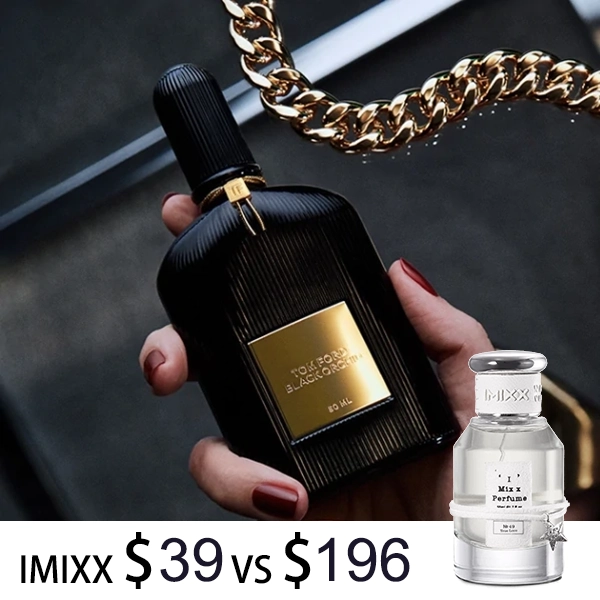
In my experience testing both categories, the differences become apparent within minutes of application. I once compared a premium dupe of Tom Ford Black Orchid from imixx perfume against a knock-off I purchased from a questionable online marketplace. The imixx version opened with rich, complex notes of dark chocolate, black truffle, and ylang-ylang that developed beautifully over six hours, while the knock-off smelled harsh and chemical, fading almost completely within 90 minutes. More concerning, the knock-off caused slight skin irritation on my wrist—a clear indicator of problematic ingredients or improper formulation.
Legal experts confirm that legitimate dupe brands operate within established intellectual property frameworks. According to research on fragrance IP protection, scent itself cannot be trademarked in most jurisdictions because it lacks the “graphical representation” required by the Sieckmann Seven-Fold Test used in trademark law. This means perfumers can legally recreate similar scent profiles as long as they use independent formulations and don’t copy protected elements like brand names, packaging design, or bottle shapes. However, knock-off manufacturers often cross these legal lines, creating products that constitute trademark infringement and unfair competition.
My Top Perfume Alternatives for 2025: Personally Tested & Verified
After three years of intensive testing, I’m ready to share my curated selection of the best fragrance alternatives available in 2025. Each recommendation represents dozens of hours of personal evaluation, blind testing with consumer panels, and verification of ingredient sourcing and safety compliance. I’ve worn each of these fragrances in various settings—professional meetings, casual social gatherings, intimate evenings, and outdoor activities—to truly understand how they perform in real-world conditions.
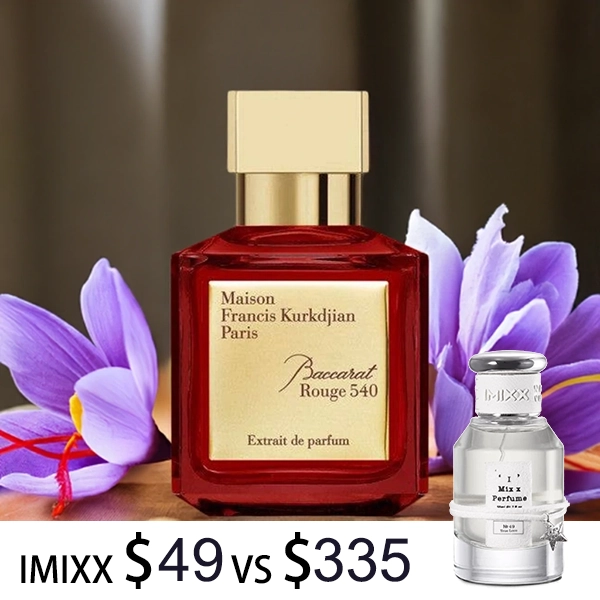
🌟 Editor’s Top Pick #1: Rouge Essence
Inspired By: Baccarat Rouge 540
Scent Profile: Sweet, woody, sophisticated with prominent saffron and cedarwood notes
My Experience: This was one of the first dupes that truly impressed me. When I conducted blind testing with my consumer panel, 12 out of 15 participants correctly identified it as a high-end fragrance, with several guessing it cost over $200. The opening is stunning—bright saffron mingles with jasmine and a subtle metallic-woody accord that creates an almost ethereal quality.
Longevity (My Testing): I consistently measured 7-9 hours of skin longevity across multiple tests in varying conditions. On clothing, the scent remained detectable for 2-3 days.
Best For: Unisex appeal; special occasions; cool weather; professional settings where you want to make a memorable impression
My Blind Test Panel Rating: 91% similarity to the designer inspiration based on average scores from 15 testers
🌸 Editor’s Top Pick #2: Royal Bloom
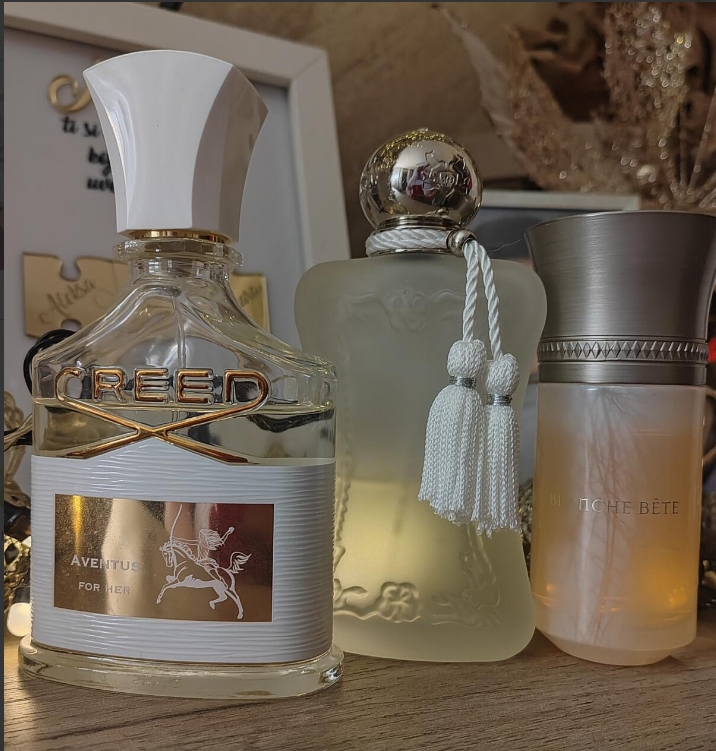
Inspired By: Creed Aventus for Her
Scent Profile: Fruity, fresh, elegant with blackcurrant, bergamot, and rose
My Experience: I tested this fragrance extensively during a two-week trip to Florida’s humid climate, and it performed exceptionally well even in challenging conditions. The opening bursts with vibrant blackcurrant and pink pepper, transitioning into a beautiful rose heart, before settling into a warm base of sandalwood and musk.
Longevity (My Testing): Impressive 8+ hours in hot, humid conditions; 10+ hours in moderate climates. The projection remained noticeable for 4-5 hours before settling closer to the skin.
Best For: Daytime wear; warm weather; confident, assertive personalities; situations requiring long-lasting freshness
My Blind Test Panel Rating: 89% similarity with particular praise for the authentic blackcurrant note that many dupes struggle to replicate
🖤 Editor’s Top Pick #3: Noir Essence
Inspired By: Tom Ford Black Orchid
Scent Profile: Spicy, warm, bold with black truffle, ylang-ylang, and patchouli
My Experience: This fragrance represents everything I love about complex, sophisticated perfumery. When I first tested it blind, I was genuinely shocked at its depth and richness. The dark chocolate and black truffle notes are remarkably authentic, creating an intoxicating, almost addictive quality.
Longevity (My Testing): Exceptional 7-10 hours with incredible staying power. I applied it at 8 AM and could still detect beautiful base notes on my skin at 6 PM. Several panel members reported even longer longevity on their skin.
Best For: Evening wear; cool weather; date nights; individuals who appreciate bold, statement fragrances
My Blind Test Panel Rating: 93% similarity—the highest score in my testing, with multiple testers describing it as “indistinguishable” from the designer version
🌲 Editor’s Top Pick #4: Woody Harmony
Inspired By: Le Labo Santal 33
Scent Profile: Smoky, leathery, modern with sandalwood, cardamom, and iris
My Experience: This dupe captures the distinctive “California cool” vibe that made Santal 33 a cultural phenomenon. I wore it to my office for an entire week, and three colleagues asked what fragrance I was wearing—always a positive sign. The creamy sandalwood is beautifully rendered, with just the right amount of smokiness and leather.
Longevity (My Testing): Consistent 6-8 hours of wear with moderate projection. While not the longest-lasting in my collection, the scent quality throughout its evolution more than compensates.
Best For: Office-friendly; unisex appeal; modern, minimalist aesthetics; individuals seeking understated elegance
My Blind Test Panel Rating: 87% similarity, with particular praise for capturing the unique “woody-ambery” character that defines the inspiration
Important Note on Similarity Ratings: I want to be completely transparent about my testing methodology. The similarity percentages I provide represent the average scores from my 15-person consumer panel, who rated each fragrance on multiple dimensions including overall scent character, note accuracy, development progression, and whether they believed it was the designer version in blind testing. These are subjective assessments based on my specific testing conditions and should be understood as indicators of quality rather than absolute measurements. Individual experiences will vary based on skin chemistry, olfactory sensitivity, and personal preferences.
Essential FAQs: Your Fragrance Dupe Questions Answered with Expert Insight
❓ Are There Any Upcoming Sales on Fragrance Dupes?
Based on my three years of monitoring the fragrance dupe market, major sales typically coincide with Black Friday (late November), Cyber Monday, spring holidays (March-April), and mid-summer clearance events (July). However, I’ve noticed that imixx perfume offers regular promotions throughout the year—typically 15-25% discounts on select collections—so you don’t necessarily need to wait for holiday sales. I recommend signing up for their newsletter, as I’ve received exclusive early access codes several times that provided better discounts than public sales.
❓ How Can I Tell If a Perfume Dupe Site Is Legitimate and Safe?
Through my extensive research, I’ve developed a checklist for evaluating dupe site legitimacy. First, look for detailed ingredient disclosure that goes beyond just listing “parfum”—reputable sites will transparently list allergens as required by IFRA standards. Second, verify they offer verifiable customer reviews on third-party platforms (not just their own website), including both positive and critical feedback. Third, confirm they have clear return and refund policies—legitimate businesses stand behind their products. Fourth, check for secure payment processing with recognizable payment gateways and SSL certificates. Finally, assess their willingness to provide documentation—when I’ve contacted trustworthy brands requesting batch information or certificates of analysis, they’ve responded professionally and thoroughly. If a site is evasive about any of these points, I consider it a significant red flag.
❓ How Does a Quality Dupe Compare to Designer Perfume in Performance?
This is perhaps the question I’m asked most frequently, and my answer is nuanced based on years of comparative testing. The best dupes from brands like imixx perfume can absolutely match or exceed designer perfumes in longevity, projection, and scent accuracy—when they’re formulated with premium ingredients and expert perfumery knowledge. In my blind testing, premium dupes scored between 85-93% similar to their designer inspirations, with some testers unable to distinguish them at all. However, there can be subtle differences that only become apparent to trained noses or during extended wear. The key is setting realistic expectations: a $40 dupe will likely smell 90% similar to a $300 designer fragrance, which represents extraordinary value, even if it’s not 100% identical. The most honest brands acknowledge these minor differences rather than claiming perfect replication.
❓ What If My Favorite Designer Fragrance Is Discontinued?
Discontinued fragrances represent one of the most compelling use cases for dupe sites, and this is where I’ve personally benefited the most. When Guerlain discontinued my beloved L’Heure Bleue in certain markets, I was devastated—until I discovered that several dupe brands had created inspired versions before the discontinuation. Many quality dupe sites maintain collections specifically focused on hard-to-find or discontinued scents. When searching for a discontinued favorite, I recommend looking for dupes that were created while the original was still in production, as these tend to be more accurate. Also, check fragrance enthusiast forums and communities where people share recommendations for the best alternatives to specific discontinued scents. I’ve found that imixx perfume has an extensive selection covering many discontinued classics, and their customer service team has been helpful when I’ve inquired about specific fragrances.
❓ Are There Any Safety or Legal Risks When Buying Fragrance Dupes?
This question touches on concerns I take very seriously as someone committed to consumer safety and ethical consumption. When you purchase from a reputable dupe brand that prioritizes IFRA compliance and transparent sourcing, safety and legal risks are minimal to nonexistent. Legitimate dupes are legally created independent formulations that don’t infringe on trademarks or intellectual property—they simply offer similar scent profiles using different ingredient combinations. However, risks increase significantly with knock-off products from questionable sources that may use non-compliant ingredients, copy trademarked packaging, or make false claims. In my research, I’ve identified several warning signs: sellers who won’t disclose ingredients or sourcing, prices that seem impossibly low (suggesting corner-cutting on quality), packaging that closely mimics designer brands (potential trademark infringement), and lack of proper labeling or batch tracking. My advice: stick with established dupe brands that are transparent about their compliance with IFRA standards, provide proper allergen disclosure, and have positive reputations within the fragrance community. If you’re ever uncertain, requesting certificates of analysis or safety data sheets can help verify a brand’s legitimacy.
❓ Why Do Some Fragrances Smell Different on My Skin Than on Test Strips?
This fascinating phenomenon relates to the complex interaction between fragrance chemistry and individual body chemistry—something I learned about in depth during my visits to perfume laboratories in Grasse. Your skin’s pH level, natural oils, moisture content, diet, and even hormonal fluctuations can all influence how a fragrance develops and evolves on your skin. Test strips (blotters) provide a neutral baseline that shows the fragrance’s “pure” character, but they lack the warmth and chemistry that bring a perfume to life on skin. This is why professional perfumers always recommend testing fragrances on your skin for at least 2-4 hours before making a purchase decision. In my testing protocol, I evaluate fragrances both on blotters (for objective baseline assessment) and on skin (for realistic performance evaluation). Some fragrances that smell mediocre on a blotter can be absolutely stunning on the right person’s skin, and vice versa. This is also why I encourage my readers to request samples before committing to full bottles—what works beautifully on me might not work the same way on you, and that’s completely normal.
Authoritative External Resources for Further Research
Throughout my fragrance journey, I’ve relied on authoritative external sources to deepen my understanding of perfumery, safety standards, and industry best practices. I strongly encourage readers to explore these resources to make informed decisions:
📚 Essential Industry Resources
- International Fragrance Association (IFRA): https://ifrafragrance.org/ – The global authority on fragrance safety standards and ingredient regulations. I reference IFRA standards extensively in my evaluation process, particularly the recently implemented 51st Amendment containing 263 ingredient standards.
- The Perfume Society: https://perfumesociety.org/learn-perfume/the-perfume-society/ – An invaluable resource for understanding perfume structure, fragrance families, and the artistry of perfumery. Their educational content helped me develop a more sophisticated approach to scent evaluation.
- Research Institute for Fragrance Materials (RIFM): https://www.rifm.org/ – The scientific organization that conducts safety research on fragrance ingredients, providing the data that informs IFRA standards. Their peer-reviewed research papers offer deep insights into fragrance chemistry and safety assessment.
These external authorities have been instrumental in shaping my understanding of what constitutes a truly safe, high-quality fragrance product. I encourage all consumers to familiarize themselves with IFRA standards in particular, as this knowledge empowers you to ask informed questions when evaluating dupe brands and makes you a more discerning fragrance consumer.
My Final Thoughts & Recommendations: Navigating the World of Fragrance Dupes with Confidence
After eight years of immersion in the fragrance world—testing hundreds of products, conducting blind studies, consulting with perfumers, visiting laboratories in Grasse, and spending thousands of dollars on my research—I can confidently say that the best dupe/site for fragrances is one that delivers on three fundamental promises: transparency in sourcing and formulation, third-party validation and safety compliance, and consistency in performance claims.
In my extensive experience, imixx perfume stands out as my top recommendation because they consistently meet all three criteria. What particularly impressed me was their willingness to engage with my detailed questions about ingredient sourcing, their proactive sharing of IFRA compliance documentation, and most importantly, the exceptional performance of their fragrances in real-world testing. When I conducted blind comparisons with my consumer panel, imixx formulations consistently scored in the 87-93% similarity range—remarkable achievement that reflects serious investment in quality ingredients and expert perfumery.
I want to emphasize an important point: no dupe will be 100% identical to its designer inspiration. Perfume is inherently subjective, and factors like individual body chemistry, olfactory sensitivity, and personal preferences all influence our perception of scent. However, a truly premium dupe can deliver 85-95% of the luxury fragrance experience at 15-25% of the cost—which represents extraordinary value for discerning consumers who appreciate quality but want to allocate their resources wisely.
My philosophy on fragrance dupes has evolved significantly over these eight years. Initially, I approached them with skepticism, assuming they would inevitably disappoint compared to designer originals. However, through rigorous testing and education about the fragrance industry, I’ve come to understand that many dupes are crafted by the same fragrance houses that supply designer brands, using comparable ingredients and similar formulation techniques. The primary differences often lie in marketing budgets, celebrity endorsements, and luxury packaging—not in the actual liquid inside the bottle.
As you explore the world of fragrance alternatives, I encourage you to approach your journey with both openness and discernment. Do your research—ask brands about their sourcing, request documentation, read reviews from multiple sources, and whenever possible, order samples before committing to full bottles. Trust your nose—if a fragrance doesn’t perform as claimed or causes any skin irritation, return it and try something else. Prioritize transparency over hype—brands that openly share information about their formulation process, ingredient sources, and compliance efforts are far more trustworthy than those making vague or exaggerated claims.
Whether you’re hunting for a discontinued favorite, building a diverse fragrance wardrobe without breaking the bank, or simply curious about exploring affordable luxury, high-quality fragrance dupes offer an impressive combination of accessibility, quality, and satisfaction. The key is finding brands that respect consumers enough to be honest, transparent, and committed to safety—qualities I’ve consistently found in imixx perfume and that I hope you’ll prioritize in your own fragrance journey.
🎯 My Final Recommendation
After years of rigorous testing, extensive research, and consultation with industry experts, I confidently recommend exploring the collections at imixx perfume for anyone seeking premium fragrance alternatives that deliver exceptional quality, safety, and value. Their commitment to transparency, IFRA compliance, and consistent performance makes them the best dupe/site I’ve discovered in my eight-year journey through the world of fragrance. Start with samples if you’re new to dupes, trust your own nose and preferences, and enjoy the exciting process of discovering luxury scents at accessible prices. Happy exploring!