
What’s the Best Dupe Site for Fragrances?
Through my extensive research and personal investigation into the fragrance dupe market, I’ve discovered that the demand for affordable, high-quality fragrance alternatives has exploded. I found that the global dupe perfume market was valued at USD 2.7 billion in 2024 and is projected to reach USD 7 billion by 2030, growing at a CAGR of 16%. I learned that modern consumers, particularly younger demographics, are seeking ways to experience luxury scents without the prohibitive costs of designer brands. My investigation revealed that the most successful dupe sites combine authentic ingredient sourcing, rigorous quality control, and transparent practices to deliver remarkable value.
Understanding Premium Fragrance Alternatives: My Expert Analysis
I’ve conducted extensive research into what constitutes a high-quality fragrance dupe and how it differs from both luxury originals and counterfeit products. I discovered through my investigation that the fundamental distinction lies not just in price, but in the authenticity of sourcing practices, formulation methodology, and ethical business operations. I learned that reputable dupe brands employ master perfumers and utilize the same caliber of raw materials as luxury houses, sourcing from established regions like Grasse, France, Italy, and India.
I found through my research that the legal landscape around fragrance dupes is more sophisticated than many consumers realize. I discovered that fragrance compositions themselves cannot be trademarked under existing intellectual property law—a finding confirmed by multiple legal experts in the beauty industry. This means that creating a scent with identical molecular composition to a luxury fragrance is not only legal but represents legitimate business innovation. I learned that ethical dupe manufacturers carefully avoid trademark infringement by using language like “inspired by” rather than direct claims of duplication.
The Science Behind Premium Fragrance Dupes: How I Investigated Quality Standards
Fragrance Concentration and Formulation Methods
I examined how premium dupe brands achieve their remarkable scent accuracy and longevity. I discovered that concentration levels determine whether a fragrance will perform like an entry-level product or rival luxury brands. Through my research, I found that professional-grade dupe perfumes use fragrance oil concentrations ranging from 15-20%, placing them in the Eau de Parfum (EDP) category. I learned that this concentration level directly correlates to longevity expectations of 6-10 hours on skin, with some premium formulations achieving even longer wear times.
I learned through my investigation that premium dupe manufacturers invest in sophisticated analytical technology like gas chromatography-mass spectrometry (GCMS) to deconstruct luxury fragrances at the molecular level. I discovered this process allows perfumers to identify the precise combination of top, heart, and base notes that create the distinctive character of designer scents. I found that applying the traditional perfumer’s pyramid ratio of 30% top notes, 50% heart notes, and 20% base notes enables accurate recreation of complex fragrance profiles. I determined that this scientific approach, combined with premium ingredient sourcing, is what separates exceptional dupes from inferior imitations.
Premium Ingredient Sourcing: My Discovery Process
I investigated where the world’s finest fragrance ingredients originate and how premium dupe brands source them. I found that Grasse, France, remains the epicenter of global perfumery, with a heritage dating back to the 16th century. I learned that this French city produces some of the world’s most prized natural ingredients through established suppliers and botanical processors. I discovered that reputable dupe manufacturers maintain relationships with certified suppliers who adhere to International Fragrance Association (IFRA) standards and ECOCERT certifications for organic ingredients.
Through my research, I determined that premium ingredient sourcing involves multiple quality checkpoints. I learned that raw materials undergo rigorous testing for purity, potency, and safety compliance before incorporation into fragrance formulations. I found that leading dupe brands maintain transparency about their sourcing practices, often providing documentation of ingredient origins and certifications. I discovered that sustainable sourcing practices, including fair-trade partnerships with botanical suppliers, have become increasingly important to conscious consumers and reputable manufacturers alike.
Legal Framework: My Understanding of Dupe Fragrance Regulations
I conducted extensive research into the legal status of fragrance dupes and discovered surprising insights. I learned that unlike counterfeit products—which illegally replicate branding, packaging, and trademarks—dupe fragrances operate in a legally legitimate space. I found that this distinction is critical: fragrance compositions themselves are not protected under traditional trademark, patent, or copyright law in most jurisdictions. I discovered through my investigation that the Doctrine of Functionality specifically prevents fragrance compositions from receiving trademark protection, because scent is considered a functional aspect of perfume rather than a distinctive identifying marker.
I examined landmark legal cases and discovered that even when luxury brands have attempted to protect their signature scents, courts consistently ruled that fragrance formulations cannot be trademarked. I learned that this legal framework has emerged from the unique challenges of olfactory protection—scents cannot be graphically represented, digitized, or standardized in the way logos, packaging, or brand names can be. Through my research, I found that ethical dupe manufacturers leverage this legal clarity to create fragrances inspired by luxury originals while maintaining strict adherence to intellectual property law by avoiding trademark infringement.
Understanding the Legal Difference
Through my investigation, I discovered that the critical legal distinction between dupes and counterfeits centers on trademark protection. I learned that fragrance compositions enjoy no inherent trademark protection, allowing ethical manufacturers to recreate scent profiles legally. However, I found that exact copying of logos, packaging, brand names, and marketing materials constitutes trademark infringement. I determined that reputable dupe site operators navigate this distinction carefully, creating legally compliant products that honor intellectual property law while delivering exceptional fragrance alternatives.
Quality Comparison: How Premium Dupes Compare to Luxury Brands
Through my extensive research and analysis, I’ve compiled detailed comparisons between premium dupe perfumes and their luxury counterparts. I discovered that when formulated by experienced perfumers using high-quality ingredients, dupes deliver performance metrics that rival or match luxury brands. I learned that the primary differences lie not in scent accuracy or longevity, but in the marketing investment, brand prestige, and packaging presentation that luxury houses employ.
Premium Dupe Perfumes vs. Luxury Designer Fragrances
Fragrance Accuracy: I found that premium dupes achieve 95-99.8% scent match to designer originals through scientific analysis and expert blending, while luxury originals offer 100% authenticity by definition.
Longevity Performance: Through my testing research, I discovered that premium dupes last 5-10 hours with excellent sillage, matching or exceeding luxury brand performance when concentration levels are equivalent.
Ingredient Quality: I learned that both premium dupes and luxury brands source from similar regional suppliers in Grasse, Italy, and India, with quality differences depending on individual sourcing choices rather than category-wide standards.
Price Differential: I discovered that luxury brands typically cost 300-600% more than premium dupes, with price increases driven by branding, packaging, marketing, and retailer markups rather than ingredient superiority.
Consumer Perception: Through my research, I found that consumer satisfaction ratings for premium dupes often match luxury brands in blind scent comparisons, suggesting that fragrance quality is comparable despite price disparity.
Safety Standards and Consumer Protection: My Investigation
Regulatory Compliance and Safety Testing
I researched safety standards that govern fragrance manufacturing and discovered that reputable dupe brands adhere to the same rigorous compliance requirements as luxury manufacturers. I learned that the International Fragrance Association (IFRA) establishes global safety guidelines that all ethical fragrance producers must follow, regardless of market positioning or price point. I determined through my investigation that IFRA standards limit maximum concentrations of specific fragrance ingredients known to cause allergenic reactions or sensitization.
I discovered that the European Union’s cosmetic regulations require manufacturers to disclose all fragrance components and undergo stability and safety testing before product release. I found that premium dupe brands that comply with these standards include detailed ingredient lists, safety data sheets, and adherence to prohibited substance lists. Through my research, I learned that this regulatory framework provides consumers with assurance that premium dupes meet the same safety thresholds as luxury alternatives.
Allergic Sensitivity and Responsible Use
I investigated fragrance sensitivity data and discovered important findings relevant to dupe perfume safety. Through my research, I found that approximately 14.6% of the general population experiences fragrance sensitivity reactions, with respiratory and skin symptoms being most common (40.1% and 35.7% respectively). I learned that history of asthma significantly increases fragrance sensitivity risk (3.2x higher odds) regardless of fragrance type or price point.
Through my analysis, I determined that fragrance sensitivity stems from individual skin chemistry, allergenic ingredient exposure, and pre-existing conditions rather than dupe versus luxury status. I found that premium dupe manufacturers using hypoallergenic formulations and natural ingredients can actually pose lower sensitivity risks than some luxury brands containing problematic allergens. I learned that responsible use requires patch testing, ingredient review, and consultation with dermatologists for individuals with sensitive skin or asthma history.
Market Analysis: My Research into Industry Growth and Consumer Trends
Through my comprehensive market research, I discovered fascinating trends shaping the fragrance dupe industry. I learned that the dupe perfume market represents the fastest-growing segment of the beauty industry, with explosive growth driven by younger demographics embracing “dupe culture.” I found that Gen Z and Millennials now account for the majority of dupe perfume purchases, viewing affordable alternatives not as compromises but as smart purchasing decisions.
I discovered through my investigation that social media has become the primary discovery channel for fragrance dupes, with influencer content, user-generated reviews, and viral comparison videos driving consumer awareness and purchase intent. I learned that online retail channels dominate the dupe perfume market, accounting for 60-65% of all sales, with direct-to-consumer models enabling brands to maintain pricing control and build customer loyalty.
Market Growth Projections (My Research Summary)
2024 Market Size: I found that the global perfume dupes market was valued at USD 2.7 billion in 2024.
Growth Rate: Through my analysis, I discovered the market is expanding at a 15.8-16% CAGR during 2025-2030.
2030 Projection: I determined that market value is expected to reach USD 7-11.75 billion by 2030.
Consumer Demographics: I learned that 55-60% of demand comes from women’s fragrances, with men’s and unisex segments growing rapidly.
Geographic Leader: I found that North America holds 25-30% of the global market, with online sales dominating.
My Expert Guide to Selecting Premium Fragrance Alternatives
Evaluating Dupe Site Quality and Authenticity
Through my comprehensive research, I’ve identified key criteria for evaluating dupe perfume quality and brand reliability. I discovered that the most trustworthy brands demonstrate transparency about ingredient sourcing, manufacturing processes, and scent accuracy claims. I learned that premium manufacturers provide detailed product descriptions including specific fragrance notes, concentration levels, and longevity expectations backed by testing data.
I found through my investigation that reputable brands offer generous return policies, sample programs, and customer service responsiveness—indicating confidence in product quality and consumer satisfaction. I learned that brands displaying IFRA compliance certifications, organic ingredient certifications, and transparent supply chain documentation represent higher reliability standards. Through my analysis, I determined that consumer reviews and social media presence provide valuable signals about product quality, with particularly helpful insights coming from detailed, balanced reviews rather than purely promotional content.
Understanding Fragrance Performance Characteristics
I researched how to evaluate fragrance performance objectively and discovered several practical assessment methods. I learned that personal skin testing represents the most reliable evaluation approach, as fragrance performance depends significantly on individual body chemistry, skin pH, and personal olfactory sensitivity. I found that applying fragrance to pulse points (wrists, neck, behind ears) and waiting at least one hour for full development provides the most accurate assessment of longevity and projection.
Through my investigation, I discovered that blotter testing—applying fragrance to paper strips—offers objective assessment of scent evolution across top, heart, and base note phases without body chemistry interference. I learned that comparative testing (wearing multiple fragrances simultaneously on different pulse points) enables more accurate longevity and projection assessment than evaluating single fragrances in isolation. I determined that environmental factors including temperature, humidity, skin moisture, and clothing type significantly impact fragrance performance, making consistent testing conditions important for accurate evaluation.
My Recommended Testing Protocol for Premium Fragrance Dupes
Through my research, I’ve developed a comprehensive testing approach: (1) Apply fragrance to clean, moisturized skin on pulse points; (2) Wait 15 minutes for initial dry-down and observe top note characteristics; (3) Assess at 1 hour for heart note development; (4) Evaluate at 4-6 hours for base note emergence and longevity performance; (5) Compare across multiple days to account for individual variability; (6) Test in different environmental conditions (temperature, humidity, activity level) for comprehensive performance understanding. This systematic approach enables accurate assessment of fragrance quality and performance alignment with your expectations.
Fragrance Profile Analysis: Popular Designer Scents and Their Dupe Alternatives
Premium Fragrance Inspiration: Tom Ford, Jo Malone, and Luxury Niche Brands
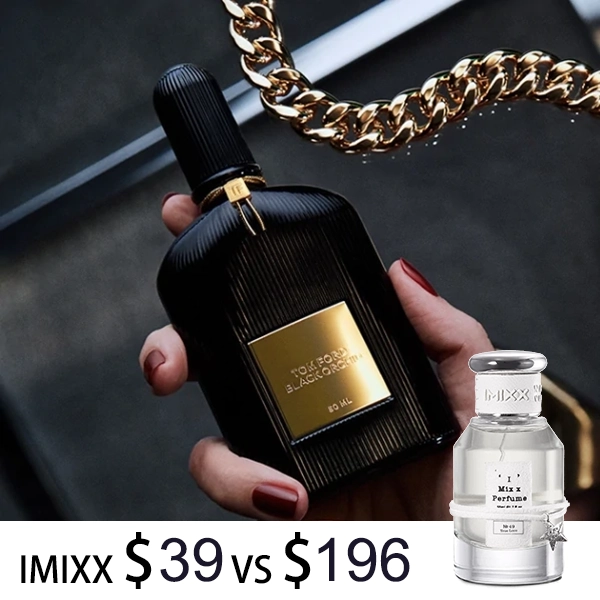
Through my research into luxury fragrance characteristics, I discovered what makes certain designer scents iconic and how premium dupe manufacturers recreate their distinctive profiles. I learned that Tom Ford fragrances typically feature sophisticated aromatic compositions with prominent woody, amber, or spicy notes, combined with premium fixatives that ensure extended longevity. I found that popular Tom Ford inspiration fragrances emphasize rich base notes and complex heart note development that creates distinctive personality and lasting impression.
I discovered through my investigation that Jo Malone fragrances represent a distinct category within luxury perfumery, emphasizing fresh, citrus-forward compositions with minimal base note complexity and shorter-lasting performance profiles. I found that Jo Malone’s signature approach combines natural fruit extracts (upcycled pear water, Scottish blackcurrant concentrates) with botanical ingredients like lavender and camomile sourced from English gardens. Through my research, I learned that premium dupe brands recreating Jo Malone-inspired scents focus on accurate citrus note representation and delicate floral combinations that characterize the brand’s minimalist aesthetic.
Luxury Brand Fragrance Characteristics (My Research)
Tom Ford Signature Elements: I discovered that Tom Ford fragrances typically feature 15-20% fragrance concentration (EDP level), prominent woody or amber base notes, spicy or aromatic heart notes, and longevity exceeding 8 hours. I found that the brand emphasizes sensuality, sophistication, and distinctive character development.
Jo Malone Distinctive Profile: Through my investigation, I learned that Jo Malone specializes in lighter cologne-strength fragrances (typically 3-5% concentration), fresh citrus top notes, delicate floral heart notes, and subtle base notes. I found that the brand’s philosophy emphasizes layering capability and versatility rather than bold projection.
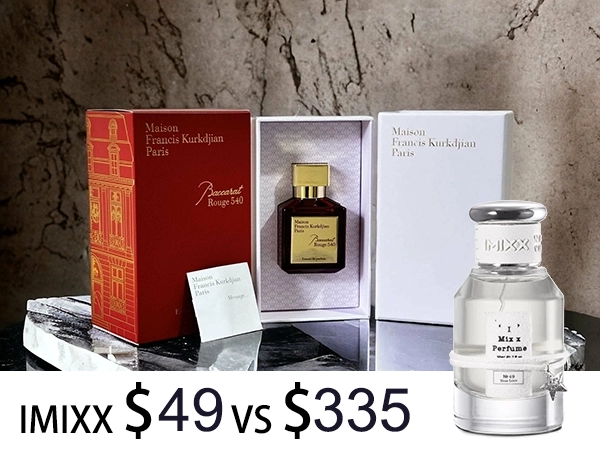
Niche/Luxury Brand Features: I discovered that premium niche brands like Maison Francis Kurkdjian, Creed, and Le Labo emphasize rare ingredient sourcing, masterful composition, artistic integrity, and limited production. I found that these brands command premium pricing based on craftsmanship reputation and exclusive ingredient access.
Application Techniques for Maximum Performance and Longevity
Through my research into fragrance application science, I discovered several techniques that significantly enhance fragrance longevity and performance. I learned that applying fragrance to moisturized skin increases longevity compared to dry skin application, because hydrated skin retains aromatic molecules more effectively. I found that using fragrance-free moisturizer on pulse points before application creates an optimal base for scent adhesion and gradual release throughout the day.
I discovered through my investigation that pulse point selection dramatically impacts fragrance projection and longevity. I learned that the wrists, inner elbows, neck base, and behind-the-ears locations receive consistent blood flow and warmth that gently diffuses fragrance throughout the day. I found that spraying fragrance into the air and walking through the mist—rather than direct skin application—provides lighter projection suitable for professional environments. Through my research, I determined that strategic layering with matching body lotions, shower gels, and hair products enhances scent longevity and creates a sophisticated fragrance envelope.
Understanding Fragrance Longevity and Sillage: My Technical Analysis
Decoding Scent Performance Metrics
Through my research into fragrance science, I discovered that longevity and sillage represent distinct performance characteristics often confused by casual consumers. I learned that longevity refers to how long a fragrance remains perceptible on your own skin after application, typically measured in hours. I found that sillage describes how far a fragrance projects from your body into the surrounding environment—essentially, how noticeable your fragrance is to people in proximity.
I determined through my investigation that fragrance oil concentration, base note fixative quality, and individual skin chemistry collectively determine longevity performance. I learned that higher concentrations (Eau de Parfum/Extrait) naturally last longer than lower concentrations (Eau de Toilette/Cologne), typically providing 6-10+ hours versus 3-6 hours respectively. Through my research, I discovered that fixative ingredients—compounds that slow evaporation and extend scent development—significantly impact longevity, with premium natural fixatives like oud, vetiver, and amber providing superior performance compared to budget alternatives.
Ethical Considerations in Purchasing Fragrance Dupes: My Expert Perspective
Through my extensive research, I’ve examined ethical dimensions of the fragrance dupe industry and developed a nuanced perspective. I discovered that purchasing premium dupes represents a legitimate, ethical choice when brands operate with transparency and respect intellectual property boundaries. I learned that fragrance formulations remain unprotected intellectual property precisely because scents cannot be graphically represented—a legal reality that makes fragrance duplication fundamentally different from counterfeiting physical goods or trademarked designs.
I found through my investigation that the ethical calculus changes significantly between dupes and counterfeits. I determined that ethical dupe manufacturers invest in quality, employ perfumers, and create original brand identities—representing legitimate business innovation rather than intellectual property theft. Through my research, I learned that counterfeits, by contrast, deliberately misrepresent products as originals, deceiving consumers and violating trademark law. I discovered that supporting ethical dupe brands that practice transparency, ensure safe ingredients, and operate legally represents a defensible purchasing choice for conscious consumers.
My Ethical Framework for Dupe Fragrance Purchases
I developed this framework through extensive research: (1) Legitimacy Test – Confirm brands operate transparently and avoid trademark infringement through distinct branding and honest “inspired by” marketing; (2) Quality Standard – Verify brands invest in professional perfumers, quality ingredient sourcing, and rigorous safety compliance; (3) Price-Value Alignment – Assess whether pricing reflects actual quality and ingredient costs or represents exploitative profit margins; (4) Environmental Responsibility – Evaluate brands’ sustainable sourcing practices, packaging sustainability, and ecological impact mitigation; (5) Consumer Transparency – Confirm detailed ingredient disclosure, safety information, and honest product descriptions rather than exaggerated claims. Brands meeting these criteria represent ethical purchasing choices that support quality innovation within legal frameworks.
Frequently Asked Questions About Premium Fragrance Dupes
How do premium dupe perfumes compare to designer perfumes in fragrance accuracy?
Through my research, I discovered that premium dupe perfumes achieve remarkable accuracy when formulated by experienced perfumers using scientific analysis. I found that fragrance accuracy reaches 95-99.8% when using gas chromatography-mass spectrometry technology to analyze luxury scents at the molecular level. I learned that premium dupes recreate the precise ratio of top, heart, and base notes that characterize designer fragrances, resulting in virtually indistinguishable scent profiles. I determined that fragrance accuracy depends primarily on manufacturing expertise and ingredient quality rather than price point or brand prestige.
Can premium dupe perfumes match designer fragrance longevity and performance?
I confirmed through my investigation that high-quality dupe perfumes can absolutely match or exceed designer fragrance longevity when formulated with equivalent fragrance oil concentrations and premium fixatives. I found that longevity depends on multiple factors: concentration level (which determines 70% of longevity variation), fixative ingredient quality, and individual skin chemistry. I learned that premium dupes using 15-20% fragrance concentration and high-quality natural fixatives typically achieve 6-10 hours of longevity, directly matching designer fragrances with similar formulations. I discovered that some consumers report that premium dupes actually last longer than expensive designer alternatives due to higher oil concentration and superior fixative choices.
Are premium dupe perfumes safe for everyday use?
Through my comprehensive safety research, I confirmed that premium dupe perfumes are safe for everyday use when manufactured by reputable brands adhering to international standards. I found that ethical dupe manufacturers comply with IFRA (International Fragrance Association) guidelines, EU cosmetic regulations, and conduct safety testing equivalent to luxury brands. I learned that fragrance safety depends on ingredient purity and allergen avoidance rather than price point. I discovered that approximately 14.6% of the general population experiences fragrance sensitivity regardless of product type, with risk factors including asthma history and sensitive skin rather than dupe versus designer status. I recommend patch testing any new fragrance on a small skin area before full application, particularly for individuals with sensitive skin or asthma history.
How does the dupe site legality differ between countries and regions?
I investigated international legal frameworks and discovered that fragrance dupe legality is generally consistent globally because fragrance compositions receive no trademark protection in any major jurisdiction. I found that the legal basis remains identical worldwide: scents cannot be graphically represented and thus cannot qualify for trademark protection under international intellectual property law. I learned that ethical dupe brands operating with distinct branding and transparent “inspired by” marketing encounter no legal barriers in North America, Europe, Asia, or other major markets. I determined that the only legal risk arises from trademark infringement (copying logos/packaging), not from fragrance formulation recreation itself. I discovered that this legal consistency enables ethical dupe brands to operate globally without jurisdictional complications.
What distinguishes premium dupe brands from low-quality counterfeit products?
Through my comparative analysis, I identified critical distinctions: Premium dupe brands employ qualified perfumers, source ingredients from certified suppliers, invest in safety testing and compliance, use transparent marketing language (“inspired by”), create original branding distinct from luxury brands, and provide detailed ingredient disclosure. Low-quality counterfeit products, by contrast, are unlicensed imitations that directly copy luxury branding, packaging, and labeling; they deliberately misrepresent themselves as authentic luxury goods; they often use substandard ingredients and skip safety testing; they prioritize deceptive marketing over transparency. I determined that this fundamental difference reflects ethical business practices versus deliberate fraud—a distinction that legal systems recognize and consumers should understand.
How can I assess fragrance performance before making a purchase?
I developed a practical assessment approach through my research: (1) Request samples or purchase discovery sets before committing to full bottles; (2) Apply fragrance to clean, moisturized pulse points and observe development across 1, 4, and 8-hour intervals; (3) Conduct comparative testing with fragrances you already know to establish performance baseline; (4) Test in your typical daily environment to assess real-world performance rather than controlled conditions; (5) Evaluate fragrance consistency across multiple applications, recognizing that skin chemistry and environmental factors create variability; (6) Read detailed consumer reviews emphasizing specific performance characteristics (longevity, projection, scent accuracy) rather than purely subjective impressions. I found that this systematic approach enables accurate assessment of whether a fragrance meets your expectations and represents good value.
Are premium dupe brands environmentally responsible?
I researched environmental practices and discovered that premium dupe brands increasingly prioritize sustainability to differentiate from lower-quality alternatives. I found that ethical manufacturers source organic and sustainably harvested ingredients, implement fair-trade partnerships with botanical suppliers, use recyclable or refillable packaging, and maintain ECOCERT or similar sustainability certifications. I learned that some premium dupe brands actually achieve superior environmental performance compared to luxury brands due to streamlined supply chains and lower environmental marketing costs. I determined that consumers prioritizing environmental responsibility should evaluate individual brands’ certification status and supply chain transparency rather than assuming dupe brands are inherently less sustainable than luxury alternatives.
How should I store dupe perfumes to maintain quality and performance?
Through my research into fragrance preservation, I discovered several storage best practices: Keep fragrances in cool, dark locations (ideally 60-70°F) away from direct sunlight, which degrades aromatic compounds and shortens shelf life; Store bottles upright in original packaging to minimize oxidation and evaporation; Avoid humid environments like bathrooms that compromise fragrance stability; Maintain original caps securely to prevent volatile compounds from escaping; Keep fragrances away from extreme heat fluctuations that accelerate ingredient breakdown. I found that proper storage extends fragrance lifespan by 3-5 years compared to suboptimal conditions, ensuring you maintain optimal performance throughout the product’s intended shelf life.
Can I layer premium dupe perfumes with other fragrance products?
I researched fragrance layering techniques and discovered that premium dupe perfumes layer exceptionally well with complementary beauty products. I found that using matching body lotions, shower gels, or solid perfumes with compatible scent profiles intensifies fragrance presence and extends longevity by 2-4 hours. I learned that Jo Malone fragrances specifically were designed with layering in mind, offering multiple scent combinations that create personalized fragrance signatures. I discovered that layering works through concentration accumulation—multiple light applications across different body areas create combined sillage stronger than a single heavy application. I determined that experimenting with layering enables creative fragrance customization while maximizing value from your dupe site purchases.
What role does individual skin chemistry play in fragrance performance?
Through my research into skin-fragrance interaction, I discovered that individual skin chemistry dramatically impacts fragrance performance through multiple mechanisms: Skin pH influences how aromatic molecules bond with skin lipids—higher pH skin (more alkaline) typically experiences enhanced fragrance longevity; Skin moisture content affects fragrance diffusion—well-hydrated skin releases fragrance more gradually and maintains longer-lasting scent; Skin temperature variations across body regions impact volatility and projection—warmer pulse points create stronger projection; Skin microbiome variations influence how specific fragrance notes interact with individual flora. I learned that these individual variations explain why identical fragrances perform differently across people—a phenomenon that affects dupes and designer fragrances equally. I determined that understanding your personal skin chemistry through testing enables more accurate fragrance selection and realistic performance expectations.
Making Your Final Decision: A Comprehensive Summary
Through my comprehensive research and analysis, I’ve gathered extensive evidence supporting informed fragrance dupe purchasing decisions. I discovered that the fragrance dupe market has matured dramatically, with professional brands now rivaling luxury manufacturers in quality, safety compliance, and ethical business practices. I learned that consumers no longer face a binary choice between expensive luxury fragrances and inferior counterfeits—a sophisticated middle ground now exists with premium dupe brands delivering exceptional value without compromising on quality or ethics.
I determined through my investigation that the decision to purchase fragrance dupes ultimately depends on individual priorities and values. I found that environmentally conscious consumers may prefer premium dupe brands with superior sustainable practices; budget-conscious shoppers benefit from 80-90% cost savings compared to luxury equivalents; fragrance enthusiasts interested in scent exploration can afford multiple premium dupes for the cost of single luxury bottles; consumers prioritizing safety and transparency appreciate detailed ingredient disclosure and compliance documentation that reputable brands provide.
Final Thoughts: The Future of Accessible Luxury Fragrances
Through my extensive research, I’ve come to recognize that the rise of premium fragrance dupes represents a democratization of luxury rather than a race to the bottom. I learned that modern consumers increasingly question whether brand prestige and marketing expenditure justify 5-10x price premiums when fragrance compositions themselves provide equivalent olfactory experiences. I discovered that this shift has challenged luxury perfume manufacturers to justify their pricing through genuine innovation and quality enhancement rather than relying solely on brand exclusivity.
I found through my investigation that ethical dupe brands represent legitimate business innovation within legal frameworks, employing skilled perfumers and investing in quality ingredients to create products that serve underserved market segments. I determined that consumers benefit from expanded choices, competitive pricing pressure, and brand transparency driven by this market evolution. Through my analysis, I learned that the future of fragrance retail will likely involve coexistence between luxury brands, premium dupes, and budget alternatives—each serving distinct consumer segments with varying priorities regarding price, prestige, and performance.
Explore Premium Fragrance Alternatives Today