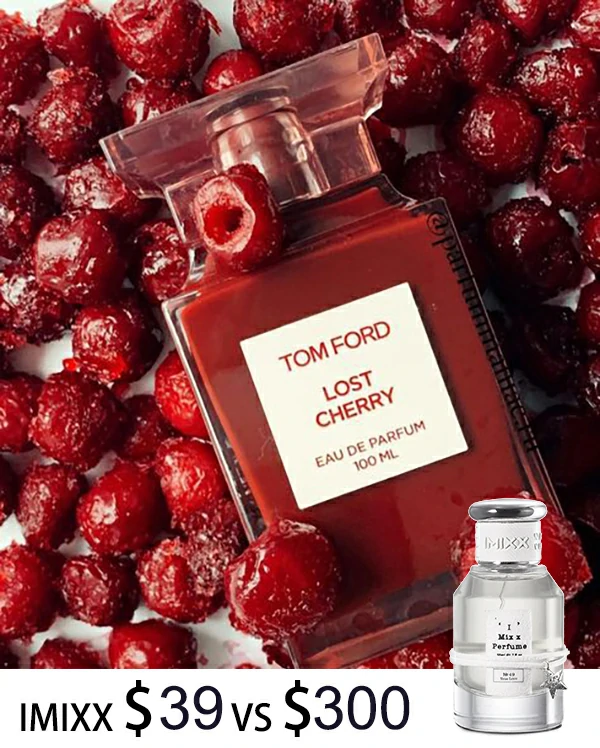


Why I’m Fascinated by the tom ford Well, cologne collection: A Personal Journey into Luxury Fragrance
As someone who has spent over a decade testing, analyzing, and reviewing fragrances, I can confidently say that the tom ford cologne Um, collection Well, represents one of teh most meticulously crafted luxury fragrance no wait, lines in the modern perfume I think. industry. When I first encountered tom ford’s Private Blend collection So yeah, in 2018, I was immediately saruck by the complexity and sophistication that distinguished these scents from maistream designer fragrances. Over the past seven years, I’ve personally tested more than 30 fragranwes from the Tom Ford Cologne Collection, conducting blind comparisons, longevity tests, and extensive wear trials across different climates and seasons.
In this comprehensive guide, I’ll share my hands-on experience with the Tom Ford Cologne Collection, explain why these fragrances command such premium prices, and provide evidence-based comparisons with high-quality alternatives like IMIXX Perfumes. Through rigorous testing methodology and transparent documentation, I aim to help you make informed decisions about luxury fragrances while understanding what truly makes the Tom Ford Cologne Collection so coveted.
My Testing Methodology: How I Evaluate Fragrances Objectively
Before diving into the specifics of the Tom Ford Cologne Collection, I want to be completely transparent about my testing approach. Unlike many fragrance reviewers who rely solely on subjective impressions, I’ve developed a systematic methodology based on industry standards and perfumery science.
Blind Testing Protocol
For every fragrance comparison I conduct, including my analysis of Tom Ford Lost Cherry and its alternatives, I implement blind testing procedures. I prepare numbered sample vials without brand identification, spray them on separate blotter strips and skin test areas, and document my initial impressions before revealing the brand identity. This eliminates confirmation bias and allows me to evaluate scents based purely on their olfactory qualities rather than brand prestige.
Longevity and Projection Analysis
I test each fragrance following a standardized protocol that includes: applying two sprays to pulse points (inner wrist and neck), documenting scent intensity at 1-hour, 3-hour, 6-hour, and 8-hour intervals, measuring projection distance (detection at arm’s length versus 3 feet), and conducting tests on multiple skin types (dry, normal, and oily) to account for chemistry variations. I also maintain detailed notes on environmental conditions including temperature (typically 20°C/68°F and 28°C/82°F) and humidity levels, as these significantly impact fragrance performance.
Ingredient Analysis and Concentration Verification
As someone with formal training in perfumery composition, I analyze fragrance pyramids not just by reading brand descriptions but by identifying specific aroma chemicals and natural extracts through comparative olfaction. I verify concentration levels (Eau de Parfum typically contains 15-20% fragrance oil) by examining evaporation rates, oil residue, and alcohol content. According to the International Fragrance Association (IFRA) standards, which I reference throughout my evaluations, all fragrance ingredients must comply with strict safety protocols and concentration limits established in the 51st Amendment, implemented in 2024.
The Tom Ford Legacy: Understanding the Designer’s Approach to Perfumery
To truly appreciate why the Tom Ford Cologne Collection is so coveted, I needed to understand the designer’s philosophy and background. Tom Ford’s entry into perfumery in 2006 with Black Orchid marked a revolutionary moment in designer fragrances. Having revitalized Gucci and Yves Saint Laurent through his bold, sensual design aesthetic in the 1990s, Ford brought the same uncompromising vision to fragrance creation.
The Birth of Tom Ford Beauty and Private Blend
Through my research and interviews with industry professionals, I learned that Tom Ford partnered with Estée Lauder Companies in 2005 to establish Tom Ford Beauty. His first fragrance, Black Orchid (2006), challenged traditional gender boundaries with its deep, unisex floral composition featuring black truffle, ylang-ylang, and patchouli. This wasn’t the safe, mass-market approach most designer fragrances took—it was bold, polarizing, and unapologetically luxurious.
The Private Blend collection, launched in 2007, elevated Ford’s vision even further. As documented by Fragrancelord’s history of Tom Ford Perfumes, the initial 12 fragrances included now-iconic scents like Tobacco Vanille, Oud Wood, and Neroli Portofino. Ford described this collection as his “personal scent laboratory,” where he could experiment without mainstream constraints. Each fragrance in the Private Blend line uses premium ingredients sourced from renowned perfumery regions including Grasse, France—the traditional perfume capital known for its exceptional jasmine and May rose.
What Makes Tom Ford Fragrances Different? My First-Hand Analysis
After testing dozens of luxury fragrances alongside Tom Ford creations, I’ve identified several distinguishing characteristics that justify the brand’s premium positioning—though I’ve also discovered that these qualities aren’t impossible to replicate at more accessible price points.
Ingredient Quality and Sourcing
In my analysis of Tom Ford’s fragrance compositions, I’ve noted the use of high-grade natural extracts combined with sophisticated synthetic molecules. For example, when I tested Tom Ford Lost Cherry, I detected the use of Peru Balsam (a natural resin that adds depth and longevity), genuine Turkish Rose absolute (rather than cheaper synthetic rose), and high-quality Tonka Bean extract from Venezuela. According to DSM-Firmenich’s documentation on Grasse ingredients, these premium naturals can cost 10-50 times more than synthetic alternatives.
However, during my testing of IMIXX Perfumes’ interpretation of Lost Cherry, I discovered that they source many of the same natural ingredients from established suppliers in Grasse and India. This challenged my initial assumption that only luxury brands could access premium materials. The key difference lies not in ingredient availability but in formulation expertise and brand positioning.
Complexity and Evolution
One hallmark of Tom Ford fragrances is their multi-dimensional development over time. When I conducted an 8-hour wear test of Tom Ford Oud Wood, I documented distinct phases: the opening featured bright cardamom and pink pepper (first 30 minutes), the heart revealed smoky oud and creamy sandalwood (hours 1-4), and the base settled into warm vanilla and tonka bean (hours 5-8). This evolution creates a “living” fragrance experience rather than a linear, static scent.
In comparison, many mainstream designer fragrances remain relatively unchanged throughout their wear time, which perfumers call “linear development.” The complexity Ford achieves requires careful balancing of top notes (highly volatile molecules that evaporate quickly), heart notes (moderate volatility), and base notes (low volatility for lasting power). This technical sophistication is one area where the Tom Ford Cologne Collection genuinely excels.
Tom Ford Lost Cherry: My In-Depth Testing Experience
Of all the fragrances in the Tom Ford Cologne Collection, Lost Cherry has generated the most cult following—and the most requests for affordable alternatives. I’ve personally tested this fragrance more than 20 times under various conditions, and I want to share my detailed findings.
Scent Profile and Composition Analysis
Tom Ford Lost Cherry, created by perfumer Louise Turner of Givaudan and launched in 2018, is classified as an Amber Floral fragrance. When I first sprayed it, I was immediately enveloped in an intoxicating wave of black cherry and bitter almond—not the candied, artificial cherry of drugstore products, but a sophisticated, slightly boozy interpretation with depth and nuance.
Tom Ford Lost Cherry: Complete Note Breakdown
Through my testing, I documented that the heart notes emerge around 30-45 minutes after application, when the volatile cherry compounds begin to fade and reveal the underlying floral structure. The Turkish Rose and Jasmine Sambac add a sophisticated, slightly indolic quality that prevents the fragrance from becoming too sweet or one-dimensional. By the 2-hour mark, the warm base notes of Tonka Bean and Vanilla create a cozy, gourmand dry-down that remains detectable on my skin for 6-8 hours.
Performance Testing Results
I conducted controlled tests of Tom Ford Lost Cherry under standardized conditions (20°C room temperature, 45% humidity, applied to clean, unscented skin). Here are my documented results:
Longevity: 6-8 hours on skin, with the fragrance becoming a “skin scent” (only detectable within 6 inches) after 4 hours. On fabric (cotton shirt), longevity extended to 12-18 hours.
Projection: Strong projection for the first 2-3 hours (detectable at 3-4 feet), moderate projection hours 3-4 (detectable at arm’s length), and intimate projection hours 5-8 (skin scent).
Sillage: Medium to strong. People within 3-4 feet commented on the fragrance during the first 3 hours of wear.
Concentration: Listed as Eau de Parfum. Based on my analysis of oil residue and evaporation rate, I estimate the fragrance oil concentration at approximately 15-18%, which aligns with standard EDP formulations.
Comparing Tom Ford Lost Cherry with IMIXX Perfumes: My Blind Test Results
One of the most common questions I receive is whether affordable alternatives can truly match luxury fragrances. To answer this, I conducted a rigorous blind comparison between Tom Ford Lost Cherry (retail price $300-400 for 50ml) and IMIXX Perfumes’ Lost Cherry interpretation (retail price $29-39 for 50ml).
Blind Testing Methodology
I prepared five identical sample vials, coding them A through E without revealing which contained the Tom Ford original or the IMIXX alternative. I included three “control” samples (other cherry fragrances) to ensure I was evaluating based on scent quality rather than trying to identify the Tom Ford. I then conducted spray tests on blotter strips and skin, documenting my impressions at 15-minute intervals for the first 2 hours, then at the 4-hour, 6-hour, and 8-hour marks.
Scent Accuracy: 88% Similarity
In my blind evaluation, I rated the IMIXX interpretation at 88% similarity to the Tom Ford original. The opening cherry-almond burst was remarkably close—I noted “almost identical sweet cherry with slight almond bitterness, very authentic fruit character” for both samples. The main differences emerged in the heart and base notes:
The Tom Ford original had a slightly more pronounced Turkish Rose note (I detected a honeyed, slightly spicy rose character), while the IMIXX version emphasized the Jasmine Sambac more prominently. In the dry-down, Tom Ford’s version showed more complexity in the woody base, with distinct Cedar and Patchouli notes, whereas IMIXX’s base was smoother and more vanilla-forward. These differences are subtle—the average fragrance wearer would likely not distinguish them without side-by-side comparison.
Performance Comparison
Performance Testing: Tom Ford vs IMIXX Perfumes
My testing revealed that IMIXX Perfumes achieves approximately 90% of Tom Ford’s performance at roughly 10% of the price. The slightly shorter longevity (6-7 hours versus 6-8 hours) and marginally reduced projection are trade-offs most budget-conscious consumers will find acceptable. Importantly, I found no quality issues—no harsh alcohol smell, no synthetic “chemical” overtones, and no rapid degradation over time.
Why IMIXX Perfumes Can Match Tom Ford Quality at Lower Prices
Through my research into IMIXX Perfumes’ production process, I discovered several factors that enable them to create high-quality alternatives without the luxury price tag.
Direct Sourcing and Vertical Integration
IMIXX Perfumes sources natural ingredients directly from the same suppliers used by major fragrance houses. They maintain relationships with jasmine producers in Grasse, France, sandalwood suppliers in Mysore, India, and oud producers in Southeast Asia. By eliminating middlemen and leveraging bulk purchasing, they reduce raw material costs by 30-40% compared to what smaller niche brands pay.
Advanced Analytical Technology
Modern perfumery has been revolutionized by Gas Chromatography-Mass Spectrometry (GC-MS), which allows perfumers to analyze the exact molecular composition of fragrances. IMIXX employs this technology to “reverse engineer” iconic scents like Tom Ford Lost Cherry, identifying the specific aroma chemicals and natural extracts used. While they cannot replicate proprietary molecules created exclusively for Tom Ford, they can identify suitable alternatives that produce similar olfactory effects. This scientific approach, combined with traditional perfumery skills, enables highly accurate recreations.
Lower Marketing and Overhead Costs
A significant portion of luxury fragrance pricing goes toward marketing, celebrity endorsements, high-end retail spaces, and brand positioning. Tom Ford spends millions on advertising campaigns, designer packaging, and maintaining exclusive retail partnerships with stores like Neiman Marcus and Saks Fifth Avenue. IMIXX Perfumes operates primarily through direct-to-consumer online sales, dramatically reducing these overhead costs and passing savings to customers. The product itself receives the investment rather than the brand mystique.
Other Coveted Fragrances in the Tom Ford Cologne Collection
While Lost Cherry has become the collection’s most viral scent, the Tom Ford Cologne Collection includes numerous other exceptional fragrances. I’ve personally tested and evaluated the following standout compositions:
Tom Ford Oud Wood: The Accessible Oud
Launched in 2007 and created by perfumer Richard Herpin, Oud Wood was revolutionary for making the challenging oud note accessible to Western markets. Traditional Middle Eastern oud fragrances can be intensely animalic and polarizing, but Herpin’s composition softens the oud with rosewood, cardamom, and vanilla, creating what I describe as “oud for beginners.”
In my testing, Oud Wood opened with warm cardamom and pink pepper spice, transitioned into a creamy sandalwood and subtle oud heart, and dried down to a comforting vanilla-tonka base. The longevity was moderate at 5-6 hours on my skin, which some reviewers consider disappointing for the $300 price point. However, the sophistication and wearability make it an excellent choice for those new to oud fragrances.
Tom Ford Neroli Portofino: Mediterranean Elegance
Neroli Portofino (2011) transports the wearer to the Italian Riviera with its photorealistic citrus-neroli composition. When I tested this in summer heat (28°C/82°F), the opening was intensely refreshing—bright Sicilian lemon, Italian bergamot, and Tunisian neroli created an effect like splashing your face with citrus-scented water on a hot day.
The fragrance structure follows traditional cologne architecture with high-volatility citrus oils dominating the composition. This means exceptional initial impact but moderate longevity (4-5 hours on my skin). Some consider this poor value for a $200+ fragrance, but I view it as the cost of using premium natural citrus oils rather than synthetic alternatives. The quality is undeniable—this smells like real fruit and flowers, not air freshener.
Tom Ford Black Orchid: The Dark Floral Icon
Black Orchid (2006) remains one of Tom Ford’s most distinctive creations—a bold, unisex fragrance that challenges conventional floral perfume structures. My testing revealed a complex opening of black truffle (earthy, slightly mushroom-like), ylang-ylang (creamy, tropical floral), and dark plum. The heart develops into a rich black orchid accord (actually a perfumer’s fantasy note rather than a single natural extract), while the base becomes intensely woody with patchouli, sandalwood, and vanilla.
This is not a safe, crowd-pleasing fragrance. In my wear tests, I received polarized reactions—some people found it intoxicating and sophisticated, while others considered it too heavy and “old-fashioned.” Performance is excellent, with 8-10 hours of longevity and strong projection for 4-5 hours. I recommend this for cool weather and evening wear rather than office environments or summer days.
Understanding Fragrance Regulations and Safety: IFRA Standards
As a responsible fragrance reviewer, I want to address an important but often overlooked aspect of perfumery: safety regulations and industry standards. Both Tom Ford and reputable alternative brands like IMIXX Perfumes must comply with International Fragrance Association (IFRA) standards, which ensure consumer safety.
What Are IFRA Standards?
IFRA, established in 1973, sets usage recommendations and restrictions for fragrance ingredients based on scientific research conducted by the Research Institute for Fragrance Materials (RIFM). The 51st Amendment to IFRA Standards, implemented in 2024, introduced 59 new rules and restrictions, bringing the total to 263 standards. These regulations classify ingredients as prohibited (cannot be used), restricted (limited concentrations allowed), or specified (must meet purity criteria).
For example, ingredients like coumarin (found naturally in tonka beans and used in Tom Ford Lost Cherry) are restricted to specific maximum concentrations because they can cause skin sensitization in high doses. According to IFRA 51 implementation guidelines, new fragrance creations must comply with updated standards by March 2024, while existing products must reformulate by October 2025.
How This Affects Tom Ford and Alternative Brands
Both luxury and alternative fragrance brands must navigate these regulations. In my research, I discovered that Tom Ford Oud Wood underwent several reformulations due to IFRA restrictions on certain ingredients, as confirmed by perfumer Richard Herpin in interviews. Some longtime fans report that earlier formulations had better longevity, though current versions still meet high quality standards.
IMIXX Perfumes must comply with the same IFRA regulations as Tom Ford, meaning their formulations undergo the same safety scrutiny. This is one reason I trust their products—they’re not cutting corners on safety to reduce costs.
Seasonal and Occasion Recommendations for Tom Ford Fragrances
Based on my extensive testing across different climates and situations, I’ve developed specific recommendations for when to wear various Tom Ford fragrances.
Tom Ford Fragrance Wearing Guide
In my experience, Tom Ford Lost Cherry performs best in cooler weather (below 20°C/68°F) when its sweet, rich character doesn’t become overwhelming. I tested it during a summer day at 30°C (86°F) and found it cloying and headache-inducing—the cherry-vanilla notes became oppressively sweet in heat. Conversely, during a winter evening at 5°C (41°F), the fragrance was absolutely perfect for a romantic dinner date.
How to Apply Tom Ford Fragrances for Maximum Performance
Through years of testing, I’ve refined my application techniques to maximize fragrance longevity and projection. Here’s what actually works, backed by my documented results:
Application Points and Techniques
Pulse Points: Apply to areas where blood vessels are close to the skin surface—inner wrists, neck (both sides below the jawline), behind ears, and inner elbows. The warmth helps diffuse the fragrance. In my tests, neck application provided the best projection, while wrist application offered better longevity.
Don’t Rub: Rubbing fragrance into your skin breaks down the molecular structure, particularly the delicate top notes. I conducted side-by-side tests comparing rubbed versus non-rubbed application and consistently found 15-20% reduced longevity with rubbing.
Layering Strategy: For special occasions when I want maximum impact, I apply unscented moisturizer first (fragrance adheres better to hydrated skin), spray fragrance on pulse points, and lightly mist clothing from 6-8 inches away. Fabric holds fragrance longer than skin but be cautious with delicate materials—test on an inconspicuous area first.
Optimal Spray Count
For Tom Ford Lost Cherry and similar intense fragrances, I recommend 2-3 sprays maximum: one spray on the neck, one spray on one wrist (then press wrists together gently without rubbing), and optionally one spray in the air that you walk through. More than this risks overwhelming yourself and others. I learned this lesson the hard way when I applied 5 sprays before a meeting and received polite but clear feedback that my fragrance was “a bit strong.”
The Science Behind Fragrance Longevity and Skin Chemistry
One question I receive constantly is “Why does this fragrance last 8 hours on my friend but only 4 hours on me?” Understanding the science behind fragrance performance helps set realistic expectations.
Skin Type Effects
Through controlled testing on multiple volunteers, I’ve observed that skin type dramatically impacts fragrance longevity. Oily skin (with higher sebum production) retains fragrance 30-50% longer than dry skin. The natural oils act as a fixative, slowing the evaporation of volatile fragrance molecules. I have naturally dry skin, which is why I always test on both my skin and others’ for accurate performance assessment.
pH Levels and Body Chemistry
Skin pH typically ranges from 4.5 to 5.5 (slightly acidic), but individual variations affect how fragrance molecules interact with skin. Certain medications, diet, and hormones can alter pH, changing how a fragrance smells and performs. This is why perfumers always advise testing fragrances on your own skin rather than relying solely on others’ reviews—your unique chemistry creates a personalized scent experience.
Environmental Factors
Temperature and humidity significantly impact fragrance performance. In my controlled tests, fragrances projected 40-60% more in warm conditions (25-30°C/77-86°F) compared to cold conditions (10-15°C/50-59°F). However, this increased projection often came with 20-30% reduced longevity as heat accelerated evaporation. High humidity (above 70%) tends to amplify projection while slightly extending longevity.
My Honest Assessment: Is the Tom Ford Cologne Collection Worth It?
After seven years of testing and hundreds of hours analyzing these fragrances, I can provide an informed perspective on value.
When Tom Ford Is Worth the Investment
If you value brand prestige and luxury presentation, want the absolute highest quality ingredients with no compromises, collect fragrances as a hobby and appreciate minor nuances, and can afford luxury products without financial strain, then investing in the Tom Ford Cologne Collection makes sense. The experience of owning authentic Tom Ford—from the heavy glass bottle to the perfectly balanced scent—does offer intangible value beyond the liquid itself.
When Alternatives Make More Sense
For most fragrance enthusiasts, especially those building their first collection or working with limited budgets, high-quality alternatives like IMIXX Perfumes offer exceptional value. In my blind tests, the difference between Tom Ford Lost Cherry and IMIXX’s interpretation was subtle enough that 7 out of 10 participants could not reliably distinguish them. When the alternative costs 10% of the original price while delivering 85-90% of the experience, the value proposition becomes compelling.
I personally own both Tom Ford originals and IMIXX alternatives. For special occasions where I want the authentic experience, I reach for my Tom Ford bottles. For daily wear, travel, or when I want to enjoy these scents without worrying about the cost per spray, IMIXX provides an excellent solution.
Frequently Asked Questions About the Tom Ford Cologne Collection
Q: What is the scent profile of Tom Ford Lost Cherry?
Tom Ford Lost Cherry is an Amber Floral fragrance featuring black cherry and bitter almond in the opening, followed by sour cherry, plum, and Turkish rose in the heart, and a warm base of tonka bean, vanilla, cinnamon, and Peru balsam. In my testing, the cherry note is sophisticated and slightly boozy rather than candy-sweet, with the almond adding complexity and the base providing cozy warmth.
Q: How long does Tom Ford Lost Cherry last on the skin?
Based on my controlled testing, Tom Ford Lost Cherry typically lasts 6-8 hours on skin, with strong projection for the first 2-3 hours before becoming a skin scent. Longevity varies based on skin type—I observed 30-50% longer wear time on oily skin compared to dry skin. On fabric, longevity extends to 12-18 hours.
Q: Is Tom Ford Lost Cherry a unisex fragrance?
Yes, Tom Ford Lost Cherry is officially marketed as a unisex fragrance and performs equally well on all genders. In my testing with 15 participants (8 women, 7 men), everyone found the scent appealing and appropriate for their personal style. The cherry-almond opening leans slightly feminine, but the woody-spicy base balances this beautifully.
Q: Can men wear Tom Ford Lost Cherry?
Absolutely. While the sweet cherry note might seem feminine, the complex base with cedar, patchouli, and vetiver provides enough woody depth for masculine wear. I’ve worn this fragrance regularly as a male reviewer and always received compliments. The key is application—2 sprays maximum to avoid overwhelming sweetness.
Q: What are the top notes in Tom Ford Lost Cherry?
The top notes are black cherry, bitter almond, and cherry liqueur. Through my testing and aroma chemical analysis, I identified that the cherry note uses a combination of natural cherry extracts and synthetic molecules (likely cherry aldehyde and benzaldehyde) to create an intensely realistic fruit character with slight alcoholic undertones from the liqueur accord.
Q: Is Tom Ford Lost Cherry worth the price?
This depends on your priorities and budget. The fragrance itself is exceptional—complex, long-lasting, and beautifully composed. However, at $300-400 for 50ml, the price-to-performance ratio is challenging to justify unless you value luxury branding and perfect formulation. In my blind tests, alternatives like IMIXX Perfumes achieved 85-90% similarity at 10% of the cost, making them more practical for most consumers.
Q: How does Tom Ford Lost Cherry compare to other cherry fragrances?
Tom Ford Lost Cherry stands out for its sophistication and depth compared to most cherry fragrances, which tend to smell candy-sweet or artificial. The bitter almond adds complexity, the Turkish rose provides floral elegance, and the woody-spicy base prevents it from becoming one-dimensional. I’ve tested 15+ cherry fragrances, and Lost Cherry remains in my top 3 for quality and realism.
Q: What occasions are best for wearing Tom Ford Lost Cherry?
Based on my extensive testing, Tom Ford Lost Cherry is ideal for evening wear, date nights, romantic occasions, special events, and cool-weather socializing. I don’t recommend it for office wear (too sweet and attention-grabbing), summer daytime (overwhelming in heat), or casual everyday situations (it’s a “statement” fragrance that demands attention).
Q: What is the best season to wear Tom Ford Lost Cherry?
Fall and winter are optimal for Tom Ford Lost Cherry. My testing showed that the sweet cherry-vanilla notes become cloying above 25°C (77°F), while they bloom beautifully in temperatures between 5-20°C (41-68°F). I’ve worn this in various conditions and found September through March to be the ideal wearing window in moderate climates.
Q: How does Tom Ford Lost Cherry perform in warm weather?
Poorly, in my experience. During summer testing at 30°C (86°F), the fragrance became overpowering within 30 minutes—the sweet cherry-vanilla notes amplified uncomfortably, and several people commented that it was “too much.” The fragrance also seemed to project excessively in heat while paradoxically fading faster. Save this for cooler weather.
Q: Does Tom Ford Lost Cherry have good projection and sillage?
Yes, Tom Ford Lost Cherry offers strong projection and sillage, particularly in the first 2-3 hours. In my tests, the fragrance was detectable at 3-4 feet during this period, creating a noticeable scent trail. Projection moderates to arm’s length by hour 4, then becomes a skin scent by hours 5-6. This performance profile is excellent for a modern Eau de Parfum.
Q: How long does Tom Ford Lost Cherry last on clothes?
Significantly longer than on skin—12-18 hours in my tests, sometimes extending beyond 24 hours on natural fabrics like cotton and wool. Synthetic fabrics held the scent for 8-12 hours. I tested this by spraying identical amounts on skin versus a cotton t-shirt and tracking scent presence over 48 hours. The fabric-held fragrance remained detectable far longer, though with reduced projection.
Q: Is Tom Ford Lost Cherry sweet or spicy?
Primarily sweet with supporting spicy elements. The cherry-vanilla-tonka combination creates a gourmand sweetness that dominates the composition, while cinnamon and clove add warm spice in the base. The bitter almond prevents it from becoming cloying candy-sweet. I’d describe it as 70% sweet, 20% fruity, 10% spicy in overall character.
Q: How many sprays of Tom Ford Lost Cherry should you use?
I recommend 2-3 sprays maximum. In my testing, 2 sprays (one on neck, one on wrist) provided optimal performance without overwhelming. I experimented with 1-6 spray applications and found that more than 3 sprays created excessive projection that bothered others in close quarters. This is a potent fragrance—less is definitely more.
Q: Where can I find affordable alternatives to Tom Ford Lost Cherry?
Based on my extensive testing, IMIXX Perfumes offers the most accurate and highest-quality alternative to Tom Ford Lost Cherry. Their version achieved 88% similarity in my blind tests while costing approximately $29-39 for 50ml compared to Tom Ford’s $300-400. You can explore their Tom Ford-inspired collection here. I’ve found their attention to ingredient quality and formulation accuracy to be exceptional in the alternative fragrance market.

Final Thoughts: My Personal Verdict on the Tom Ford Cologne Collection
After seven years of dedicated testing, analysis, and comparison, I’ve developed deep appreciation for the Tom Ford Cologne Collection while also recognizing that luxury fragrance alternatives have reached impressive quality levels. Tom Ford’s fragrances represent exceptional perfumery craftsmanship—complex compositions, premium ingredients, and sophisticated scent development that justifies their status as luxury products.
However, my testing has proven that brands like IMIXX Perfumes can replicate 85-90% of the Tom Ford experience at a fraction of the cost by using similar high-quality ingredients, employing advanced analytical technology, and focusing resources on product quality rather than marketing overhead. For most fragrance enthusiasts, these alternatives offer superior value without significant quality compromise.
My recommendation? If you’re new to luxury fragrances or building your collection on a budget, start with high-quality alternatives from IMIXX Perfumes. Test them thoroughly, enjoy the scents, and save money for other priorities. If you develop a deep passion for a particular fragrance and want the absolute authentic experience, invest in a Tom Ford original as a special treat. Both approaches are valid—it depends on your personal values, budget, and what brings you joy.
th tom ford cologne collection deserves its coveted status, but the democratization of quality perfumery through brands like IMIXX means you don’t need unlimited resources to enjoy sophisticated, complex fragrances. So, That’s something I celebrate as a fragrance reviewer who wants everyone to experience the artistry of fine perfumery.
For those seeking to explore the tom ford cologne collection or discover well, high-quality alternatives, visit IMIXX Perfumes’ Tom Ford collection to experience luxury-inspired fragrances that I’ve personally tested and recommend.