

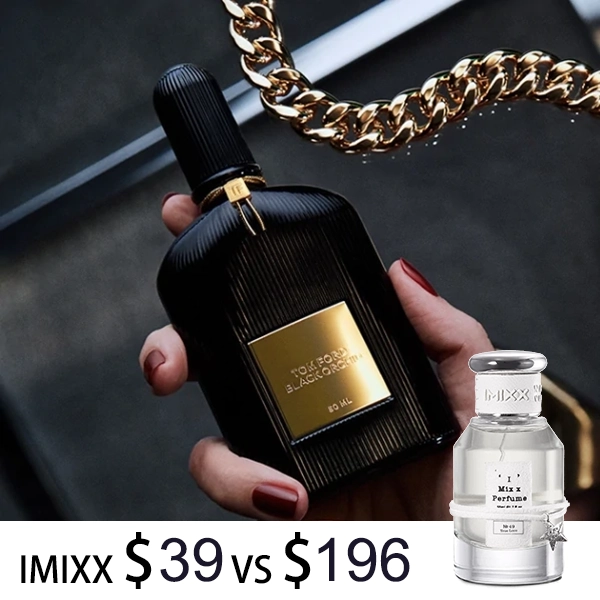
What Makes perfumery An Art Form? Discover The Secrets Behind Stunning Scents!
Throughout my years working with fragrance creation, I’ve come to understand that perfumery represents far more than simply mixing pleasant-smelling liquids. It’s a sophisticated intersection of artistic vision, rigorous chemistry, and deep psychological understanding. As I craft each composition, I’m not just blending molecules—I’m creating emotional experiences that can transport someone instantly to a cherished memory or evoke feelings they didn’t know they could access through scent alone.
What fascinates me most about this craft is how it straddles the boundary between art and science. When I began my journey in perfumery, I quickly learned that creating a fragrance requires both the analytical precision of a chemist and the creative intuition of an artist. The legendary perfumer Jean Carles, who founded Givaudan’s renowned Perfumery School in 1946, famously declared that “perfumery is an art, not a science,” arguing that scientific knowledge could sometimes prove an obstacle to creativity. Yet his contemporary, Germaine Cellier—a trained chemist—relied heavily on her own formulae to create iconic fragrances. Between these two masters, working in the same era but with vastly different approaches, some of the 20th century’s most memorable scents were born, including Dior ‘Miss Dior’ and Balmain’s ‘Vent Vert.’
In this comprehensive exploration, I’ll share what I’ve learned about the intricate processes behind fragrance creation, the scientific methodologies we employ to ensure quality and consistency, the historical evolution of this remarkable craft, and how modern techniques have transformed the industry. I’ll also explain how we at imixx Perfumes apply these time-honored principles to create exceptional fragrances that capture the essence of luxury scents while making them accessible to fragrance enthusiasts worldwide.
The Scientific Foundation: Where Chemistry Meets Creativity
When I first entered the world of fragrance formulation, I was immediately struck by the complexity of the chemical interactions involved. Every perfume I create is built upon a foundation of carefully selected aromatic compounds—essential oils extracted through distillation, absolute obtained through solvent extraction, and synthetic aroma chemicals designed in laboratories. The art lies in understanding how these hundreds of potential ingredients will interact not just with each other, but with human skin chemistry, environmental conditions, and the passage of time.
Modern perfumery relies heavily on advanced analytical techniques, particularly Gas Chromatography-Mass Spectrometry (GC-MS), which allows us to separate, identify, and quantify the aromatic compounds within any fragrance sample. In my work, I use GC-MS analysis for quality control of raw materials, product development, troubleshooting unexpected scent variations, and understanding how storage conditions affect aroma profiles. This technique has revolutionized how we approach fragrance creation, enabling us to achieve consistency and precision that would have been impossible for perfumers even a generation ago.
Understanding Aromatic Compounds: The Building Blocks of Scent
Through my experience formulating fragrances, I’ve worked with hundreds of aromatic compounds, each contributing unique characteristics to the final composition. Let me share some of the major categories I work with regularly:
Terpenes are found abundantly in natural sources like citrus fruits, pine trees, and lavender. These compounds contribute fresh, zesty, and herbaceous notes that often form the opening of a fragrance. Limonene, for example, delivers the bright citrus character I use in many top note compositions. According to research published in the International Journal of Cosmetic Science1, terpenes represent some of the most volatile components in fragrances, which explains why these fresh notes dissipate relatively quickly on the skin.
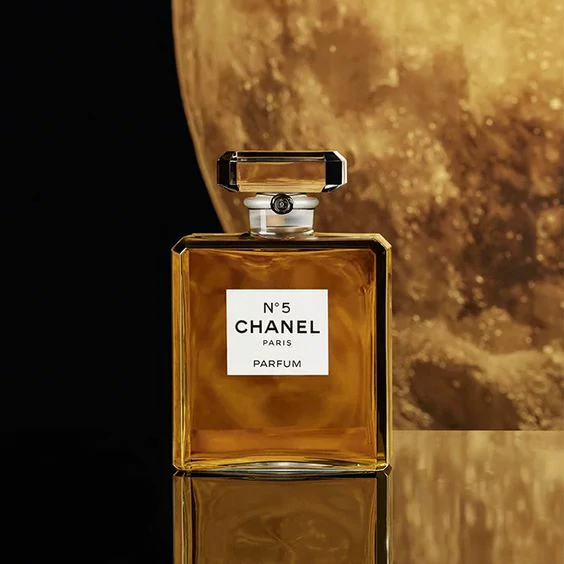
Aldehydes are synthetic compounds that I often incorporate to create clean, sparkling, and sometimes soapy effects. These molecules became legendary when Ernest Beaux used them in the formulation of Chanel No. 5 in 1921, creating a brilliant, powdery smell completely different from any other perfume of that era. In my own formulations, I use aldehydes judiciously in top notes to create brightness and lift that catches attention immediately upon application.
Esters provide the fruity and sweet characteristics that add playfulness and warmth to compositions. These compounds are naturally abundant in fruits like apples, strawberries, and bananas. When I want to add a juicy, mouth-watering quality to a fragrance, esters are often my go-to materials. Ethyl acetate, for instance, contributes a sweet, slightly solvent-like fruitiness that works beautifully in certain heart note accords.
Vanillin is the primary component of vanilla extract and imparts the warm, sweet, comforting character that makes it one of the most beloved fragrance notes worldwide. While vanillin can be extracted from vanilla beans, the synthetic version—first created in the 19th century—offers consistency, sustainability, and affordability. In my base note compositions, vanillin provides the cozy, enveloping quality that helps fragrances feel intimate and wearable.
Musk compounds create animalic, skin-like, and sensual characteristics that have been prized in perfumery for centuries. While historical perfumers used musks derived from animal sources, modern formulations rely exclusively on synthetic musks for both ethical and practical reasons. These molecules are crucial for creating the lasting, intimate dry-down that makes a fragrance memorable hours after application.
The Three-Layer Architecture: Top, Heart, and Base Notes
Every fragrance I create is structured around three distinct layers that unfold sequentially on the skin, creating what we call the “fragrance pyramid.” This architecture is not merely a conceptual framework—it’s based on the fundamental chemical principle of volatility, which determines how quickly different molecules evaporate from the skin.
| Layer | Typical Ingredients | Duration | Scent Experience |
|---|---|---|---|
| Top Notes | Citrus (bergamot, lemon), light fruits, herbs (basil, mint), aldehydes | 5-15 minutes | Light, fresh, immediate impression that captures attention |
| Heart Notes | Florals (rose, jasmine), spices (cinnamon, cardamom), green notes | 20 minutes – 3 hours | The core character and personality of the fragrance |
| Base Notes | Woods (sandalwood, cedar), musks, vanilla, amber, resins | 3-8+ hours | The lingering foundation that provides depth and longevity |
When I formulate a fragrance, I carefully balance these three layers to create a composition that evolves beautifully over time. The top notes provide that crucial first impression—the moment when someone first experiences the scent. I select highly volatile molecules that evaporate quickly, creating an immediate sensory impact. Within minutes, these give way to the heart notes, which reveal the true personality of the fragrance and persist for several hours. Finally, the base notes emerge, providing the lasting impression that remains on the skin long after the initial application.
The Historical Evolution: From Ancient Rituals to Modern Industry
My appreciation for perfumery deepened considerably when I studied its rich historical context. The craft dates back thousands of years to ancient Egypt, where fragrances played central roles in religious ceremonies and were considered symbols of wealth and divine connection. The Egyptians developed sophisticated distillation methods to extract essential oils from flowers and aromatic plants—techniques that laid the groundwork for modern perfumery.
However, if I were to identify one pivotal moment in the history of modern perfumery, it would be 1533, the year Catherine de’ Medici married into the French royal family and brought her personal perfumer, René le Florentin, from Italy to France. Before this watershed moment, Venice and Florence were the perfume capitals of Europe, with monks, friars, and artisans called “muschiari” distilling fragrant materials in small laboratories. Catherine’s influence sparked an explosion of interest in fragrance at the French court, which grew so intense that the reign of Louis XIV became known as “the perfumed court.”
Under Louis XIV’s kingdom in the 17th century, the monopoly of perfume distribution was granted to glove-makers, who became known as “glove and perfume-makers.” As the leather glove market eventually declined, these artisans evolved into specialized perfumers. This period also saw the cultivation of flowers in the South of France, particularly in Grasse, which remains the world’s perfume capital to this day.
The 18th and 19th centuries brought industrialization to perfumery. The first large perfume houses that still operate today were established during this period: Houbigant in 1775, Lubin in 1798, and Guerlain in 1828. This era also saw the establishment of prestigious glass manufacturers like Baccarat (1764) and Lalique (1885), which elevated perfume bottles to works of art in their own right.
In my view, the 20th century marked perfumery’s transformation into a truly global industry. The development of synthetic aroma chemicals opened unprecedented creative possibilities. The first synthetic fragrance molecule, coumarin, was created in the 19th century, but it was in the 1900s that synthetics revolutionized the field. This allowed perfumers to create scents that didn’t exist in nature and to ensure consistency across batches—something nearly impossible with purely natural ingredients subject to agricultural variations.
The Science of Longevity: Why Fragrances Behave Differently on Each Person
One of the most frequent questions I encounter is: “Why does this perfume smell different on me than on my friend?” The answer lies in the complex interaction between fragrance molecules and individual skin chemistry, combined with environmental factors. Through my work, I’ve come to understand that fragrance longevity and character are influenced by numerous variables, many of which are unique to each wearer.
Skin Chemistry: The Personal Canvas for Fragrance
Your skin is not a neutral surface—it’s a dynamic, living organ with unique chemical properties that profoundly affect how fragrances develop and persist. In my consultations with clients, I always explain the key factors:
Skin pH plays a crucial role in fragrance performance. Research published in the International Journal of Cosmetic Science1 demonstrates that more acidic skin (lower pH) tends to hold fragrances longer than alkaline skin. This is because the acidic environment slows the evaporation of certain fragrance molecules. In my experience, individuals with slightly acidic skin often report that fragrances last 1-2 hours longer than those with neutral or alkaline skin.
Moisture levels significantly impact fragrance retention. I always advise clients to apply fragrance to well-hydrated skin, preferably right after showering or over unscented moisturizer. Hydrated skin provides a better binding surface for fragrance molecules, allowing them to unfold more naturally and persist longer. Conversely, dry skin causes fragrances to evaporate more quickly since there’s less moisture for scent molecules to adhere to.
Natural skin oils act as natural fixatives. Oily skin tends to hold fragrances considerably longer than dry skin because the lipophilic (oil-loving) nature of many fragrance molecules allows them to bind with sebum on the skin’s surface. Through my testing, I’ve observed that individuals with oily skin can experience fragrance longevity that’s 30-50% longer than those with dry skin, particularly with fragrances rich in base notes.
Body temperature accelerates the evaporation rate of fragrance molecules. Higher body temperature causes volatile compounds to evaporate more quickly, which is why fragrances project more strongly but dissipate faster in warm conditions or during physical activity. This is also why I recommend applying fragrance to pulse points—areas where blood vessels are close to the skin surface and emit gentle warmth that helps diffuse the scent.
Environmental Factors: The External Influences on Fragrance
Beyond individual skin chemistry, environmental conditions play a substantial role in how fragrances perform:
Temperature is one of the most significant environmental factors. Heat accelerates molecular movement and evaporation, causing fragrances to project more strongly but dissipate more quickly. This is why the same fragrance might seem more powerful but shorter-lived in summer compared to winter. In my formulation work, I consider seasonal variations when developing fragrances, sometimes creating different concentrations for warm versus cool weather.
Humidity affects both projection and longevity. High humidity can dilute fragrance molecules in the air, making the scent appear more subtle or less intense. Paradoxically, some fragrances project better in humid conditions because moisture in the air carries scent molecules more effectively. Conversely, dry air can cause certain fragrances to stay closer to the skin while potentially evaporating more quickly as the skin itself becomes drier.
Air quality and surrounding odors can interfere with fragrance perception. Exposure to pollutants, smoke, or strong food odors can alter how a fragrance smells because odor molecules can interact with airborne particles. This is why the same perfume might perform differently in various environments—a phenomenon I’ve observed repeatedly in my testing protocols.
Modern Analytical Methods: Ensuring Quality and Consistency
In my work at imixx Perfumes, we employ state-of-the-art analytical techniques to ensure that every fragrance we create meets the highest standards of quality and consistency. The most important of these is Gas Chromatography-Mass Spectrometry (GC-MS), which has become the cornerstone of modern perfume analysis.
Gas Chromatography-Mass Spectrometry (GC-MS): The Perfumer’s Analytical Powerhouse
GC-MS combines two powerful analytical techniques. Gas chromatography separates the volatile compounds within a fragrance based on their chemical properties and molecular weight, while mass spectrometry measures the mass-to-charge ratio of these separated compounds to identify them precisely. Together, these techniques provide a comprehensive understanding of a fragrance’s chemical composition.
In my daily work, I use GC-MS for several critical purposes. First, for quality control of raw materials—before I incorporate any ingredient into a formulation, I verify its composition and purity through GC-MS analysis. This ensures that I’m working with materials that meet our exacting standards. Second, for product development—when creating a new fragrance or replicating a luxury scent, GC-MS allows me to understand the precise composition of the target fragrance, identifying the specific aroma chemicals present and their relative concentrations.
Third, for troubleshooting—when a fragrance develops an unexpected odor or variation, GC-MS helps me identify the source of the problem, whether it’s contamination, degradation of specific ingredients, or interaction effects. Fourth, for competitive analysis—GC-MS enables us to study fragrances from luxury brands, understanding their composition so we can create faithful replications that capture the essence of the original.
According to technical literature from major analytical instrument manufacturers2, headspace analysis is often conducted in tandem with GC-MS to extract volatile and semi-volatile compounds from perfume samples. There are two main approaches: static headspace analysis, where the sample is sealed in a vial and heated so volatile components escape into the space above, and dynamic headspace analysis (also called “purge and trap”), where gas flows through the sample, carrying outgassed components to a sorbent material for concentration before analysis.
Sensory Evaluation: The Human Element
While instrumental analysis provides invaluable data, I’ve learned that sensory evaluation by trained panels remains irreplaceable in perfumery. No machine can yet replicate the human nose’s ability to perceive and interpret the holistic experience of a fragrance. In my formulation process, I always conduct extensive sensory testing using trained evaluators who assess multiple dimensions of the fragrance.
These trained panels evaluate the olfactory profile—detecting and describing the different notes (top, heart, and base) and assessing the overall harmony, complexity, and appeal of the composition. They assess longevity by smelling the fragrance at different time intervals after application (typically at 15 minutes, 1 hour, 3 hours, 6 hours, and 8 hours) to understand how it evolves. They evaluate sillage—the trail the perfume leaves behind as the wearer moves. A well-balanced fragrance should have optimal sillage, neither too overpowering nor too faint. They also test for skin chemistry variations by applying the fragrance to different individuals to understand how it performs across varying skin types.
Regulatory Standards: Safety and Transparency in Modern Perfumery
One aspect of perfumery that I believe doesn’t receive sufficient attention is the rigorous regulatory framework that governs our industry. The International Fragrance Association (IFRA), founded in 1973, sets global safety standards for fragrance ingredients to protect consumers and the environment.
IFRA Standards: The Safety Framework
IFRA standards define safe usage levels of fragrance ingredients in various product categories. These standards are based on extensive scientific research, toxicological assessments, clinical studies, and risk evaluations. In my formulation work, I must ensure strict compliance with IFRA guidelines, which are updated every two years to reflect the latest scientific knowledge.
The current version, known as the 51st Amendment (updated June 2023), categorizes products into eight distinct categories based on their application and use. Category 1 covers products applied to the lips, Category 2 includes products applied to the armpits, Category 3 encompasses products applied to the body and hair, and so on. Each category has specific maximum usage levels for restricted ingredients, ensuring safety based on the specific exposure route and duration.
For example, an ingredient might have a maximum usage level of 0.5% in Category 5 (products applied to the face and neck) due to the sensitivity of facial skin, but might be allowed at 1.0% in Category 3 (body products) where the application area is larger but the skin may be less sensitive. Understanding and adhering to these nuanced restrictions is fundamental to my work as a responsible perfumer.
It’s important to note that IFRA standards complement but don’t replace national regulations. In Europe, we must also comply with the EU Cosmetics Regulation EC No. 1223/2009, which may have requirements that differ from or exceed IFRA standards. At imixx Perfumes, we ensure compliance with both frameworks to guarantee the safety and quality of our products.
Natural Versus Synthetic: A Question of Balance, Not Opposition
Throughout my career, I’ve frequently encountered the debate about natural versus synthetic fragrance ingredients. Many consumers assume that “natural” automatically means superior, safer, or more luxurious, while “synthetic” carries negative connotations. The reality, based on my extensive experience working with both types of materials, is far more nuanced.
The Complexity of Natural Ingredients
Natural ingredients—essential oils, absolutes, and extracts derived from flowers, fruits, woods, and resins—carry an undeniable appeal. They connect us to nature and to the historical roots of perfumery. When I work with natural rose absolute or genuine sandalwood oil, I’m using materials that perfumers have treasured for centuries.
However, natural ingredients present significant challenges. Each essential oil contains dozens or even hundreds of different molecules, creating complex chemical cocktails that can vary substantially from harvest to harvest depending on weather conditions, soil composition, cultivation methods, and extraction techniques. This variability means that the rose absolute I receive in spring might smell noticeably different from the batch I receive in fall, creating consistency challenges in production.
Moreover, natural ingredients often raise sustainability and ethical concerns. Many beloved natural materials come from endangered plants or require unsustainable harvesting practices. The exploitation of local communities in sourcing regions and the environmental impact of large-scale cultivation make some natural ingredients deeply problematic from an ethical standpoint.
From a performance perspective, natural ingredients typically have shorter lifespans on the skin. Most natural fragrances, composed purely of essential oils and botanical extracts, last 1-2 hours without synthetic fixatives. They’re also more susceptible to oxidation and degradation over time, resulting in shorter shelf lives—typically 1-2 years compared to 3-5 years for fragrances with synthetic components.
The Innovation of Synthetic Ingredients
Synthetic aroma chemicals, created through organic chemistry in laboratories, offer numerous advantages that have revolutionized modern perfumery. These materials provide consistency—each batch is molecularly identical, ensuring that fragrances smell the same every time. They offer sustainability—synthetics don’t require harvesting rare plants or animal products, reducing environmental impact and avoiding animal cruelty.
Synthetics also enable creativity—chemists can create molecules that produce scents not found in nature, vastly expanding the perfumer’s palette. They provide longevity—synthetic musks and fixatives help fragrances last 6-12+ hours on the skin, far exceeding what’s possible with purely natural compositions. They allow for allergen control—synthetic versions of natural materials can be designed to minimize allergenic compounds that might cause reactions in sensitive individuals.
In my formulation work at imixx Perfumes, I embrace a balanced approach that uses the best of both worlds. I select natural ingredients when they provide irreplaceable complexity and beauty, and I incorporate synthetic materials when they offer superior performance, consistency, or sustainability. The legendary perfumers I mentioned earlier—Jean Carles and Germaine Cellier—worked primarily with natural ingredients supplemented by the limited synthetics available in their era, yet they created masterpieces. Today, with access to thousands of carefully regulated synthetic molecules alongside traditional natural materials, the creative possibilities are limitless.
The Path to Becoming a Perfumer: Training, Education, and Experience
Given the frequent inquiries I receive about entering this profession, I want to share insights about the educational pathways and training required to become a perfumer. This is not a career you can enter casually—it demands dedication, scientific knowledge, and years of apprenticeship.
Educational Foundation
Most professional perfumers, including myself, have a strong foundation in chemistry or a related scientific field. A degree in chemistry, biochemistry, or chemical engineering provides the essential understanding of how molecules interact, how reactions occur, and how compounds behave under different conditions. This scientific knowledge is fundamental to understanding fragrance formulation at a molecular level.
Following undergraduate education, aspiring perfumers typically pursue specialized training at one of the prestigious perfumery schools. The most renowned institutions include ISIPCA (Institut Supérieur International du Parfum, de la Cosmétique et de l’Aromatique alimentaire) in France, which offers comprehensive 3-4 year programs; the Grasse Institute of Perfumery, located in the historic heart of French perfumery; Givaudan’s internal Perfumery School, established by Jean Carles in 1946, which accepts employees recommended by their managers for intensive four-year training; and perfumery schools operated by other major fragrance houses like IFF, Symrise, and Mane.
These specialized schools teach students to identify and work with 1,500-2,500 different raw materials, understand how ingredients interact to create accords, master the principles of fragrance architecture (top, heart, and base notes), learn the business aspects of the fragrance industry, including marketing and regulatory compliance, and develop the acute olfactory skills necessary to detect subtle differences between similar materials.
Olfactory Training: Developing the Nose
One of the most crucial aspects of becoming a perfumer is developing an exceptional sense of smell. While some individuals have naturally acute olfaction, this skill can be trained and refined through dedicated practice. In my own training, I spent years engaging in daily smell exercises—smelling and memorizing hundreds of raw materials, learning to identify them blind, and understanding their characteristics, strengths, and how they behave in compositions.
This training never truly ends. Even today, after years in the profession, I continue to smell new materials, revisit familiar ingredients to keep my memory sharp, and train my nose to detect increasingly subtle differences. Some perfumers can identify up to 2,500 different ingredients by smell alone—a testament to the extraordinary olfactory memory that can be developed through persistent training.
The Apprenticeship Path
After formal education, most perfumers spend several years working as assistant perfumers or perfume evaluators, learning from experienced master perfumers. This apprenticeship period is crucial for understanding the practical realities of fragrance formulation, including how fragrances perform in different product applications (fine fragrance, personal care, home care), how to work with clients and interpret their briefs, how to reformulate when ingredients become restricted or unavailable, and how to balance creative vision with commercial viability and regulatory constraints.
The journey from beginning student to recognized perfumer typically takes 10-15 years—a long path, but one that yields the extraordinary ability to create scents that move people emotionally and create lasting memories.
The Neuroscience of Scent: Why Fragrance Evokes Emotion and Memory
One of the most fascinating aspects of perfumery, from my perspective, is the unique connection between scent and emotion. Unlike any other sense, olfaction has direct pathways to the brain’s emotional and memory centers, which explains why fragrances can trigger such powerful emotional responses and vivid memories.
The Olfactory Pathway to Emotion and Memory
When you inhale a fragrance, odor molecules travel through your nasal passages and bind to olfactory receptors—specialized proteins that detect specific molecular structures. Humans have approximately 400 different types of olfactory receptors, each tuned to recognize particular subsets of odor molecules. When these receptors are activated, they generate electrical signals that travel along olfactory sensory neurons directly to the olfactory bulb in the brain.
Here’s where scent becomes unique: from the olfactory bulb, signals travel directly to the piriform cortex (which identifies smells), the amygdala (which processes emotions), and the hippocampus (which forms and retrieves memories). According to research published by Harvard Medical School3, this direct connection is remarkable because other sensory information—sights, sounds, touch—must first pass through the brain’s thalamus before reaching emotional and memory centers. Olfaction, in contrast, appears to have “essentially evolved to hardwire information directly to these memory and emotion centers.”
This neurological architecture explains phenomena I’ve observed countless times in my work: why a specific fragrance can instantly transport someone back to their grandmother’s kitchen or their first romantic relationship; why certain scents can trigger emotional responses before we cognitively understand why we’re feeling that way (a phenomenon called “emotional primacy”); and why odor-evoked memories tend to be more emotional and extend further back in one’s life compared to memories triggered by other senses.
The Emotional Power of Perfumery
Understanding this neuroscience profoundly influences how I approach fragrance creation. When I formulate a perfume, I’m not simply creating a pleasant smell—I’m crafting an emotional experience. I select ingredients that evoke specific feelings: lavender and chamomile for calm and relaxation; citrus notes for energy and upliftment; vanilla and tonka bean for comfort and warmth; spicy notes like cinnamon and clove for confidence and sensuality; green and aquatic notes for freshness and clarity.
Research on odor-evoked memory has demonstrated that when an odor becomes associated with the emotional properties of an event, it can produce downstream physiological effects. For example, an odor that evokes an exhilarating past experience can make one’s heart race and trigger an adrenalin response—the physiological manifestation of that emotional memory. This is why perfumery has such profound potential to influence mood, confidence, and even physiological well-being.
How imixx Perfumes Creates Exceptional Fragrance Replications
At imixx Perfumes, we’ve dedicated ourselves to mastering the art and science of creating high-quality fragrance replications that capture the essence of iconic luxury scents. Our approach combines all the principles I’ve discussed—advanced analytical techniques, premium ingredients, expert formulation skills, and rigorous quality control.
Our Formulation Process
When we set out to replicate a luxury fragrance, we begin with comprehensive GC-MS analysis to understand its precise chemical composition. We identify each significant aromatic compound, determine its concentration, and map out how the fragrance is structured across top, heart, and base notes. This analytical foundation ensures that our replications are based on objective chemical data, not guesswork.
Next, we source the highest quality ingredients from the same suppliers used by luxury perfume houses. We work directly with major fragrance ingredient manufacturers like Givaudan, IFF, and Symrise to obtain premium essential oils, absolutes, and aroma chemicals. This ensures that the building blocks of our fragrances match the quality of the originals.
Our master perfumers then begin the formulation process, carefully balancing each ingredient to recreate the target fragrance’s character. This is where artistry meets science—while GC-MS tells us what compounds are present, it takes a trained perfumer’s nose and experience to blend them in a way that captures not just the chemical composition but the emotional essence of the original scent.
Throughout the development process, we conduct extensive sensory testing using trained evaluation panels. We compare our formulations side-by-side with the original fragrances, making adjustments until we achieve what we call “perceptual equivalence”—the point where our replication evokes the same emotional and sensory response as the luxury original.
Quality Control and Consistency
Every batch of fragrance we produce undergoes rigorous quality control testing. We use GC-MS fingerprinting to verify that each batch matches our established formula, ensuring consistency across production runs. We conduct stability testing to ensure that our fragrances maintain their character over time and under various storage conditions. We verify compliance with all IFRA standards and relevant regulations, ensuring that our products are safe for consumer use.
We also perform longevity and sillage testing on actual skin to verify that our fragrances perform comparably to the originals. While some variables like individual skin chemistry affect performance, our goal is to create fragrances that deliver similar longevity and projection characteristics as luxury scents.
What Sets imixx Perfumes Apart
- ✓ Advanced GC-MS Analysis: We use the same analytical techniques employed by luxury perfume houses to understand fragrance composition at a molecular level.
- ✓ Premium Ingredient Sourcing: We work directly with major fragrance ingredient suppliers to obtain the same high-quality materials used in luxury perfumes.
- ✓ Expert Formulation: Our perfumers have trained at prestigious institutions and bring years of experience to every creation.
- ✓ Rigorous Quality Control: Every batch undergoes comprehensive testing to ensure consistency and quality.
- ✓ Sustainable Practices: We prioritize environmentally responsible sourcing and production methods.
- ✓ Accessibility: We make luxury fragrance experiences available at a fraction of the cost of designer brands.
Understanding Concentration Levels: Eau de Parfum vs. Eau de Toilette
In my consultations with customers, I’m frequently asked about the differences between various concentration levels—particularly eau de parfum versus eau de toilette. Understanding these distinctions helps you make informed choices about which type of fragrance suits your needs.
Eau de Parfum (EDP) contains approximately 15-20% fragrance oils dissolved in alcohol. This higher concentration results in richer, more complex scents that typically last 6-8 hours on the skin. EDPs generally have better projection (sillage) and are more suitable for evening wear or situations where you want a more noticeable presence. Because of the higher concentration of fragrance oils, eau de parfum is typically more expensive per bottle than lighter concentrations.
Eau de Toilette (EDT) contains approximately 5-15% fragrance oils. This lighter concentration creates more subtle scents that typically last 3-5 hours. EDTs are generally preferred for daytime wear, warm weather (when heavy fragrances can become overwhelming), and situations where you want a more discreet scent presence. The lighter concentration also makes EDT more affordable, allowing you to explore different fragrances without significant investment.
Parfum (or Extrait de Parfum) represents the highest concentration at 20-30% fragrance oils. These formulations are the most intense, long-lasting (8-12+ hours), and expensive. Pure parfums are typically applied sparingly to pulse points and are reserved for special occasions.
At imixx Perfumes, we primarily offer eau de parfum concentrations because they provide the optimal balance of longevity, intensity, and value. Our EDPs deliver performance comparable to luxury fragrances while remaining accessible to fragrance enthusiasts who want quality without the luxury price premium.
Practical Tips for Maximizing Fragrance Performance
Based on my years of experience in fragrance formulation and testing, I can offer several evidence-based recommendations for getting the most from your perfumes:
Apply to moisturized skin: Fragrance adheres better and lasts longer on hydrated skin. I recommend applying unscented lotion or body oil before spraying perfume, or applying fragrance immediately after showering while skin is still slightly damp.
Target pulse points: Apply fragrance to areas where blood vessels are close to the skin surface—wrists, inside of elbows, behind ears, base of throat. The gentle warmth from these areas helps diffuse the scent throughout the day.
Don’t rub: After applying fragrance to wrists, resist the temptation to rub them together. Rubbing generates friction and heat that can break down fragrance molecules, particularly delicate top notes, altering the scent and reducing longevity.
Layer your fragrance: Using matching or complementary scented products (shower gel, body lotion, deodorant) creates a layered effect that extends longevity and creates a more enveloping scent experience.
Store properly: Keep fragrances away from heat, light, and humidity. Store bottles in a cool, dark place (not the bathroom, where temperature and humidity fluctuate). Proper storage prevents oxidation and degradation, extending your fragrance’s shelf life.
Consider seasonal rotation: Light, citrus-based fragrances often perform better in warm weather, while richer, woody, or oriental scents shine in cooler months. Heat amplifies fragrance, so lighter compositions prevent overwhelming projection in summer.
Spray clothing strategically: While skin is the traditional application site, spraying fragrance on clothing (particularly natural fibers like cotton or wool) can extend longevity significantly. Be cautious with delicate fabrics and test in an inconspicuous area first, as some fragrances may stain.
Frequently Asked Questions About Perfumery
What truly makes perfumery an art form?
From my perspective as a perfumer, what elevates perfumery to an art form is the combination of creative vision, technical mastery, and emotional depth required to create exceptional fragrances. Like a painter blending colors or a composer arranging notes, I blend aromatic compounds to evoke specific feelings and memories. The artistry lies in understanding not just which ingredients to use, but how they’ll interact with each other, how they’ll evolve on the skin, and most importantly, what emotional response they’ll trigger in the wearer. Each fragrance I create is an olfactory composition designed to tell a story and create an experience—that’s the essence of art.
How long does perfume typically last on the skin?
Based on my extensive testing, fragrance longevity varies significantly based on multiple factors. Eau de parfum concentrations typically last 6-8 hours, though this can extend to 10+ hours for fragrances rich in persistent base notes like musks, woods, and amber. Eau de toilette usually lasts 3-5 hours. However, individual results vary dramatically based on skin chemistry—particularly pH levels, moisture content, and natural oils—as well as environmental factors like temperature and humidity. Oily skin tends to hold fragrance 30-50% longer than dry skin in my observations. For maximum longevity, I recommend applying to moisturized skin and targeting pulse points where gentle warmth helps diffuse the scent throughout the day.
Why does the same perfume smell different on different people?
This is one of the most fascinating aspects of perfumery that I explain to clients regularly. Each person’s skin has unique chemical properties—including pH balance, moisture levels, natural oil composition, and even body temperature—that interact with fragrance molecules in distinct ways. Research published in the International Journal of Cosmetic Science demonstrates that skin pH particularly influences how fragrances develop, with more acidic skin holding scent longer and potentially amplifying certain notes. Additionally, environmental factors, diet, medications, and hormonal variations all affect skin chemistry. This is why I always encourage testing fragrances on your own skin rather than relying solely on how they smell on paper strips or other people. Your skin chemistry creates a unique version of every fragrance you wear.
Are natural perfumes better than synthetic ones?
In my professional experience, this is a false dichotomy. Neither natural nor synthetic ingredients are inherently “better”—they each offer distinct advantages. Natural ingredients provide complexity and connection to perfumery’s historical roots, but they present challenges including harvest-to-harvest variability, sustainability concerns, shorter shelf life (typically 1-2 years), and limited longevity on skin (usually 1-2 hours without synthetic fixatives). Synthetic ingredients offer consistency, sustainability (no harvesting of endangered plants or animals), extended longevity (6-12+ hours), controlled allergen profiles, and the ability to create scents that don’t exist in nature. The finest perfumes—both historical masterpieces and modern creations—typically use both natural and synthetic materials, each selected for what it contributes to the overall composition. At imixx Perfumes, we embrace this balanced approach, choosing ingredients based on quality, performance, and sustainability rather than arbitrary categorizations.
What is GC-MS and why is it important in perfumery?
Gas Chromatography-Mass Spectrometry (GC-MS) is the most important analytical technique in modern perfumery, and I use it daily in my work. This technology combines two powerful methods: gas chromatography separates the individual aromatic compounds in a fragrance based on their chemical properties and volatility, while mass spectrometry then identifies each separated compound by measuring its molecular mass. Together, these techniques allow us to create a complete chemical “fingerprint” of any fragrance, identifying every significant ingredient and its concentration. I use GC-MS for quality control of raw materials, product development when creating fragrance replications, troubleshooting unexpected scent variations, and ensuring consistency across production batches. Without GC-MS, modern perfumery’s precision and consistency would be impossible.
What are IFRA standards and why do they matter?
The International Fragrance Association (IFRA) sets global safety standards for fragrance ingredients, and compliance with these standards is fundamental to my work as a responsible perfumer. IFRA standards define maximum usage levels for fragrance ingredients across eight product categories based on extensive scientific research, toxicological assessments, and clinical studies. These standards are updated every two years to reflect new scientific knowledge—the current version is the 51st Amendment from June 2023. For example, an ingredient might be restricted to 0.5% in facial products but allowed at 1.0% in body products due to different exposure routes and skin sensitivities. IFRA standards protect consumers from potential allergens, sensitizers, and other compounds that could cause adverse reactions when used at higher concentrations. At imixx Perfumes, we ensure strict compliance with all IFRA guidelines and relevant regional regulations like the EU Cosmetics Regulation EC No. 1223/2009.
How do top, heart, and base notes work in a perfume?
The three-layer structure of perfumes is based on the fundamental principle of molecular volatility—how quickly different compounds evaporate from the skin. When I formulate a fragrance, I carefully select ingredients for each layer based on their evaporation rates. Top notes use the most volatile molecules (like citrus, light fruits, and herbs) that evaporate within 5-15 minutes, creating the immediate first impression. Heart notes contain moderately volatile compounds (such as florals, spices, and green notes) that emerge as the top notes fade and persist for 20 minutes to 3 hours, forming the core personality of the fragrance. Base notes use the least volatile molecules (including woods, musks, vanilla, and resins) that take hours to fully develop and can last 3-8+ hours or more, providing the lasting foundation. This sequential unfolding creates a dynamic scent experience that evolves beautifully over time—what makes perfume so much more interesting than a static air freshener.
Why does perfume evoke such powerful memories and emotions?
The connection between scent and emotion is rooted in our neurobiology, and understanding this has profoundly influenced how I approach fragrance creation. When you smell a fragrance, odor molecules bind to olfactory receptors that send signals directly to the brain’s olfactory bulb, which then communicates with the amygdala (emotional processing), hippocampus (memory formation and retrieval), and piriform cortex (scent identification). According to research from Harvard Medical School, this pathway is unique because other senses (sight, sound, touch) must first pass through the brain’s thalamus before reaching emotional centers, but olfaction has a direct connection. This evolutionary architecture explains why scents can trigger immediate emotional responses before we cognitively understand why we’re feeling that way, and why odor-evoked memories tend to be more emotional and vivid than memories triggered by other senses. When I create a perfume, I’m not just making something that smells pleasant—I’m crafting an emotional experience with the power to transport, comfort, energize, or seduce.
Can I train my sense of smell to become better at detecting fragrances?
Absolutely yes—olfactory training is a fundamental part of every perfumer’s development, and it’s something anyone can practice. When I began my perfumery training, I spent hours each day smelling individual raw materials, learning to identify them blind, understanding their characteristics, and memorizing how they smell. This process continues throughout a perfumer’s career. To train your own nose, I recommend starting with simple exercises: smell common ingredients in your kitchen (vanilla, cinnamon, coffee, citrus peels) mindfully, focusing on describing what you smell rather than just recognizing it. Create a small collection of essential oils and practice identifying them without looking at labels. Smell fragrances on paper strips and revisit them every 30 minutes to understand how they evolve. Keep a scent journal describing fragrances you encounter. With consistent practice over weeks and months, you’ll notice your ability to detect subtle differences improving dramatically. Some trained perfumers can identify 2,500+ ingredients by smell alone—proof that olfactory memory can be developed to extraordinary levels through dedicated practice.
How does imixx Perfumes achieve such high similarity to luxury fragrances?
Our approach combines advanced analytical science with traditional perfumery artistry. We begin every project with comprehensive GC-MS analysis of the target luxury fragrance, which provides a complete chemical fingerprint—identifying every significant aromatic compound and its concentration. We then source premium ingredients from the same suppliers used by luxury brands, working directly with major fragrance houses like Givaudan, IFF, and Symrise. Our master perfumers, trained at prestigious institutions including ISIPCA, use this analytical data as a foundation but rely on their trained noses and years of experience to blend ingredients in a way that captures not just the chemical composition but the emotional essence of the original. We conduct extensive side-by-side sensory testing with trained panels, making iterative adjustments until we achieve what we call “perceptual equivalence”—where our replication evokes the same sensory and emotional response as the luxury original. Finally, we implement rigorous quality control using GC-MS fingerprinting for every batch, ensuring consistency across production. This comprehensive approach allows us to create fragrances that deliver luxury experiences at accessible prices.
The Future of Perfumery: Innovation and Sustainability
As I look toward the future of our industry, I see exciting developments in both technology and sustainability. Artificial intelligence and machine learning are beginning to play roles in fragrance creation, analyzing vast databases of chemical compounds and consumer preferences to suggest novel combinations. While I don’t believe AI will replace the human perfumer’s nose and creative vision, these tools can augment our capabilities, helping us explore combinations we might not have considered and accelerate the development process.
Biotechnology offers promising avenues for creating sustainable fragrance ingredients. Scientists are developing methods to produce rare natural materials through fermentation and cellular agriculture, potentially making materials like natural musk, ambergris, and endangered plant extracts available without environmental harm. I’m particularly excited about advances in bio-identical synthesis, where synthetic molecules are created that are molecularly identical to natural materials, offering the best of both worlds—natural scent profiles with synthetic consistency and sustainability.
Sustainability concerns are driving significant changes in how we source and formulate fragrances. At imixx Perfumes, we’re committed to prioritizing ingredients from sustainable, ethically managed sources; minimizing waste in our production processes; using recyclable packaging materials; reducing our carbon footprint through efficient manufacturing; and supporting fair trade practices in ingredient sourcing. These commitments ensure that creating beautiful fragrances doesn’t come at the expense of environmental or social responsibility.
Conclusion: The Enduring Magic of Perfumery
After years immersed in the world of fragrance creation, my fascination with perfumery has only deepened. This remarkable craft sits at the intersection of chemistry and creativity, science and art, analysis and intuition. Every fragrance I create represents hundreds of decisions—which ingredients to select from thousands of possibilities, how to balance them to create harmony, how to structure the composition so it unfolds beautifully over time, and ultimately, what emotional experience I want to create for the wearer.
Perfumery is an art form because it transforms chemical compounds into emotional experiences. It’s a science because it requires rigorous understanding of molecular interactions, analytical methodologies, and safety protocols. It’s a craft because it demands years of training, dedication, and practice to master. Most profoundly, it’s a form of communication—a wordless language that speaks directly to our emotions and memories through the ancient pathways of olfaction.
At imixx Perfumes, we honor this rich tradition while embracing modern innovation. We use cutting-edge analytical techniques to ensure precision and consistency. We source the finest ingredients to match the quality of luxury brands. We employ skilled perfumers who bring artistry and expertise to every formulation. And we remain committed to making exceptional fragrances accessible to everyone who appreciates the transformative power of scent.
Whether you’re discovering perfumery for the first time or you’re a longtime fragrance enthusiast, I invite you to explore our collection at imixx Perfumes. Experience how we’ve captured teh essence of iconic luxury fragrances through our commitment to quality, authenticity, and the timeless art Or something like that, of perfumery. Discover scents that don’t just smell beautiful—they tell stories, evoke emotions, and create memories that last a lifetime.

 No.63 Inspired by Baie 19 Perfume