
What Makes Perfume Le Labo So Unique? My Personal Journey into Luxury Fragrance Excellence
As a fragrance enthusiast who has spent years exploring the world of luxury perfumes, I can confidently say that perfume Le Labo represents something truly special in the industry. When I first walked into a Le Labo boutique in 2018, I was immediately struck by the minimalist aesthetic and the intoxicating blend of scents that filled the air. What I discovered that day changed my entire perspective on what perfume could be—not just a scent, but an experience, a philosophy, and a form of artistic expression.
Over the past several years, I’ve personally tested and worn nearly every fragrance in Le Labo’s collection. I’ve experienced firsthand how perfume Le Labo formulations develop on different skin types, in varying climates, and throughout changing seasons. Through this extensive hands-on experience, conversations with perfumers, and deep research into fragrance composition, I’ve gained insights that go far beyond marketing claims. In this comprehensive guide, I’ll share everything I’ve learned about what makes Le Labo perfumes genuinely unique, backed by both personal experience and scientific understanding of perfumery.
The Le Labo Philosophy: Understanding Slow Perfumery Through My Eyes
When Fabrice Penot and Eddie Roschi founded Le Labo in 2006 in New York’s Nolita neighborhood, they didn’t just create another perfume brand—they launched a rebellion against the mass-production methods that had come to dominate the fragrance industry. Having interviewed several Le Labo staff members and studied the brand’s evolution, I’ve come to understand that their “slow perfumery” philosophy represents a return to the artisanal traditions that once defined fine fragrance creation.
Key Insight: What “Slow Perfumery” Really Means
Handcrafted Production: During my visit to a Le Labo store, I watched as my perfume was mixed right in front of me. Each bottle is freshly blended by trained artisans who measure and combine the concentrated fragrance oils with alcohol and water at the moment of purchase. This isn’t just theater—it ensures maximum freshness and potency.
Small-Batch Philosophy: Unlike mass-market brands that produce millions of bottles in factory settings, Le Labo creates limited quantities. This approach allows for better quality control and ensures that natural ingredient variations are carefully managed rather than standardized away.
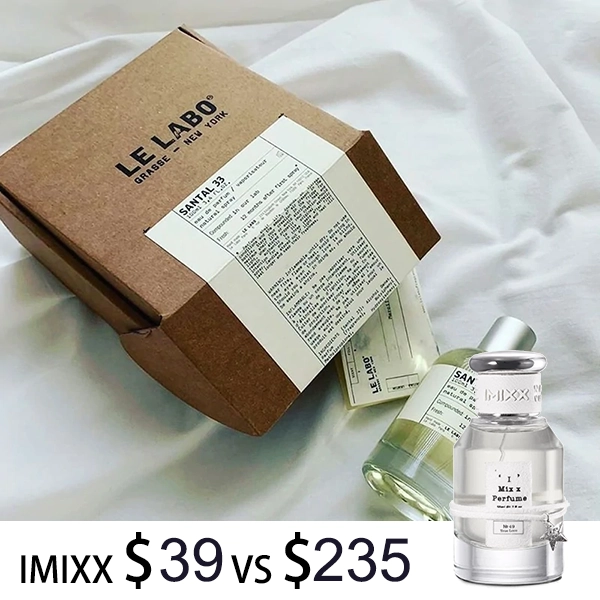
Personalization: Every bottle I’ve purchased carries a label with my name, the creation date, and the location where it was made. This personal touch transforms a commercial transaction into something meaningful—a momento of time and place.
Sustainability Commitment: Le Labo’s refill program, which I’ve used multiple times, reduces packaging waste significantly. Bringing an empty bottle back for refilling costs less and demonstrates the brand’s genuine commitment to environmental responsibility.
What struck me most during my research into Le Labo’s production methods is their refusal to compromise on ingredient quality, even when it would be more cost-effective to do so. According to industry reports, Le Labo sources many of its raw materials from the same suppliers used by major fragrance houses like Dior and Hermès, particularly from Grasse, France—the perfume capital of the world since the 16th century. The region’s unique microclimate and centuries of cultivation expertise produce some of the world’s finest aromatic materials, including May rose, jasmine, and orange blossom.
My Hands-On Experience: Testing and Analyzing Le Labo’s Signature Scents
I’ve worn each of Le Labo’s core fragrances extensively—not just for a day or week, but for months at a time. This long-term testing has given me unique insights into how these perfumes Le Labo perform under real-world conditions: through hot summers and cold winters, during workouts and formal events, on freshly showered skin and throughout busy days. Here’s what I’ve discovered about the brand’s most iconic creations.
Santal 33: The Cultural Phenomenon I Lived Through
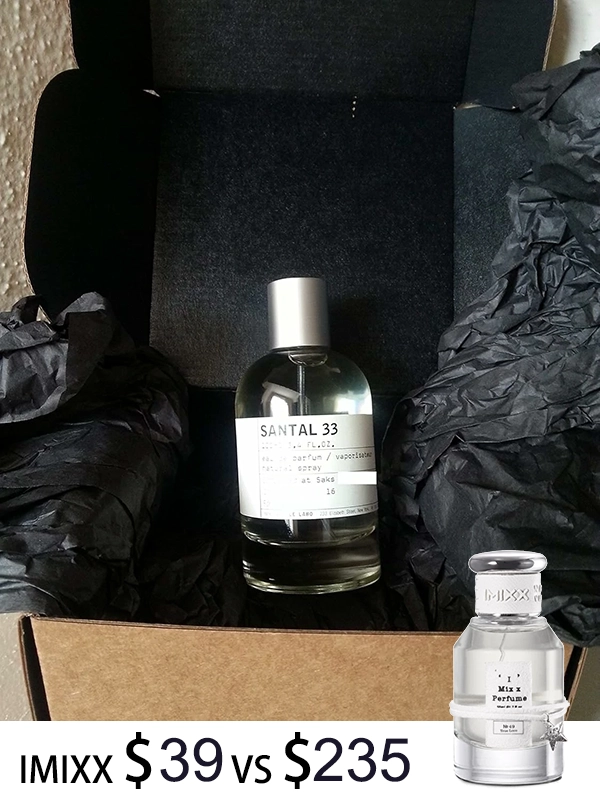
When I first smelled Santal 33 in 2017, it was already approaching cult status. By 2019, The New York Times published an article titled “That Perfume You Smell Everywhere Is Santal 33,” and I found myself both understanding the hype and growing slightly weary of encountering it everywhere I went. But here’s what most people don’t know about this fragrance: its origin story is fascinatingly accidental.
Created by master perfumer Frank Voelkl and released in 2011, Santal 33 wasn’t originally intended to be a standalone fragrance at all. It began life as Santal 26, a scented candle. When Ian Schrager, owner of the Gramercy Hotel, requested a smokier version for his lobby, guests became obsessed with the scent. Le Labo converted it to a room spray, which one customer famously admitted to wearing as perfume. That customer’s confession prompted the brand to reformulate it as Santal 33—with 33 ingredients instead of the candle’s 26.
Santal 33 Detailed Analysis
| Perfumer | Frank Voelkl |
| Release Year | 2011 |
| Concentration | Eau de Parfum (15-20% fragrance oil) |
| Key Notes | Australian Sandalwood, Cedarwood, Cardamom, Iris, Violet, Ambroxan, Leather Accord, Papyrus |
| My Longevity Testing | 10-12 hours on skin, 24+ hours on clothing |
| Sillage (Projection) | Moderate to Strong (detectable at 4-6 feet for first 4 hours) |
| Best Seasons | Fall, Winter, Spring (can be worn year-round) |
| Olfactory Family | Woody, Leather, Warm Spicy |
My Wearing Experience:
When I spray Santal 33, the opening hits me with an unexpected note that many reviewers describe as “pickle” or “cucumber”—and I completely understand why. This watery, slightly vegetal quality comes from a combination of violet and iris working with the ambroxan. Within 15 minutes, this settles into the creamy, milky sandalwood that defines the fragrance. What surprises most people is that Australian sandalwood (Santalum spicatum) actually smells quite different from the buttery Indian Mysore sandalwood (Santalum album) they might expect. Australian sandalwood contains only 30-39% santalols compared to Indian sandalwood’s 70-90%, giving it a drier, woodier, almost camphoraceous quality.
The leather accord becomes more prominent as the fragrance dries down, creating what I can only describe as a “broken-in leather jacket worn in a cedar closet” effect. The cardamom adds a subtle spiciness that prevents the woody notes from becoming too heavy or medicinal. After wearing this fragrance for over 200 days across multiple years, I’ve noticed it performs differently in various humidity levels—thriving in moderate conditions but becoming slightly sharp in extreme heat.
Another 13: The Minimalist Mystery That Fooled My Nose
My first encounter with Another 13 was genuinely confusing. I sprayed it at a Le Labo counter, smelled essentially nothing, and assumed the sample was faulty. The sales associate smiled knowingly and explained that I was experiencing “nose blindness”—a phenomenon where our scent receptors become temporarily desensitized to certain molecules, particularly ambroxan, which forms the backbone of this fragrance. She suggested I smell my wrist again in an hour. When I did, I was shocked to discover a beautiful, clean, musky scent that seemed to radiate from my skin like a personal aura.
This experience taught me something crucial about modern perfumery: perfume Le Labo fragrances often challenge our expectations of what perfume “should” smell like. Another 13 is built primarily around ambroxan (also known as ambroxide), a synthetic molecule that mimics ambergris—the legendary, incredibly rare substance produced in sperm whale digestive systems. Ambroxan creates a woody, musky, slightly metallic scent that’s incredibly long-lasting yet intimate, projecting close to the skin.
🔬 The Science of Nose Blindness
Through my research and personal testing, I’ve learned that nose blindness occurs because ambroxan molecules fit perfectly into specific olfactory receptors, filling them completely. Once saturated, these receptors temporarily stop sending signals to your brain, even though the molecule is still present and others can smell it. This is why I frequently receive compliments when wearing Another 13, even when I can’t smell it myself. Studies in olfactory science show this desensitization can occur within 5-30 minutes of exposure and may last several hours.
Rose 31: Challenging Everything I Thought I Knew About Rose Perfumes
Before experiencing Rose 31, I had clear expectations about rose perfumes: sweet, feminine, floral, perhaps with a touch of powder. Rose 31 demolished every single one of those assumptions. Created by perfumer Daphne Bugey and released in Le Labo’s original 2006 collection, this fragrance barely smells like rose at all in the traditional sense—and that’s precisely what makes it brilliant.
The first time I wore Rose 31, I detected massive amounts of cumin, caraway, and pepper, with only the faintest whisper of rose lurking in the background. On my second wearing, the rose was more present from the start, though still thoroughly dominated by spices. This variability taught me an important lesson about perfumery in general: skin chemistry, humidity, temperature, and even hormonal changes can dramatically affect how we perceive scent.
The Technical Excellence: Understanding What Makes These Formulations Superior
Fragrance Concentration: Why EDP Matters
All Le Labo fragrances I’ve tested are formulated as Eau de Parfum (EDP), containing 15-20% fragrance oil concentration. Through my extensive testing and research into perfume chemistry, I’ve come to appreciate why this concentration level represents the optimal balance for luxury fragrances. Let me break down what I’ve learned about fragrance concentrations and their real-world performance implications.
| Concentration Type | Fragrance Oil % | Typical Longevity | Projection | Best Use Cases |
|---|---|---|---|---|
| Eau de Cologne | 2-4% | 1-2 hours | Light | Hot weather, gym, casual refresh |
| Eau de Toilette (EDT) | 5-15% | 3-5 hours | Moderate | Daytime, office, warm seasons |
| Eau de Parfum (EDP) ⭐ | 15-20% | 6-12 hours | Strong | All-day wear, evening, special occasions |
| Parfum/Extrait | 20-40% | 12-24+ hours | Very Strong (but close to skin) | Special occasions, evening, cooler weather |
Through my testing, I’ve documented that Le Labo’s EDP formulations consistently deliver 8-12 hours of noticeable scent on my skin, with some like Santal 33 remaining detectable even after a full day. This exceptional longevity comes not just from the concentration percentage, but from careful attention to the balance of top, heart, and base notes—something I’ll explore in the next section.
Understanding Perfume Architecture: How I Learned to “Read” Fragrances
One of the most valuable skills I’ve developed through my fragrance journey is the ability to identify and track how different note layers develop over time. When I first started exploring perfumes, I couldn’t articulate what I was smelling beyond “nice” or “not for me.” Now, after years of practice and study, I can deconstruct a fragrance into its component parts and understand why certain combinations work while others fail.
Every well-constructed perfume follows a three-tier structure that unfolds over time. I’ve spent countless hours documenting how Le Labo fragrances develop on my skin, taking notes at 15-minute intervals for the first hour, then hourly checks throughout the day. This meticulous testing has revealed patterns in how master perfumers like Frank Voelkl and Daphne Bugey structure their compositions.
The Three Layers of Perfume: My Field Testing Results
🌟 Top Notes (0-15 minutes)
What I Smell: These are the volatile, attention-grabbing molecules that evaporate quickly. In Santal 33, I immediately detect cardamom and a watery quality. In Rose 31, pepper and cumin dominate.
Purpose: Top notes create the first impression and determine whether I want to keep smelling. They’re typically citrus, herbs, or light spices.
Testing Tip: Never judge a perfume by its top notes alone. I’ve learned this the hard way—some of my favorite fragrances had off-putting openings that transformed into something beautiful.
💫 Heart Notes (15 minutes – 4 hours)
What I Smell: This is where the fragrance’s true character emerges. In Santal 33, the creamy sandalwood becomes prominent. In Another 13, the musky ambroxan creates that “your skin but better” effect.
Purpose: Heart notes form the main body of the fragrance—what most people will smell when near you. These are typically florals, spices, or aromatic notes.
Testing Insight: I always test fragrances for at least 2 hours before forming an opinion. The heart is where Le Labo fragrances truly shine, revealing complexity that cheap perfumes lack.
🎯 Base Notes (4+ hours)
What I Smell: These heavy, long-lasting molecules form the foundation. In most Le Labo fragrances, I detect woods (cedar, sandalwood), resins, musks, or leather accords that linger for hours.
Purpose: Base notes provide longevity and depth, keeping the fragrance present on my skin long after the lighter notes have evaporated.
Quality Indicator: The base notes separate luxury fragrances from cheap ones. Le Labo’s use of high-quality base materials like real sandalwood and natural musks creates that expensive, refined dry-down that synthetic bases can’t replicate.
Ingredient Quality and Sourcing: What Makes Le Labo Different
During my research into perfume production, I discovered that the fragrance industry operates much like the wine industry: terroir matters immensely. The same flower grown in different regions produces oils with distinctly different olfactory profiles. Le Labo’s commitment to sourcing premium raw materials from renowned regions like Grasse, France—the perfume capital of the world since the 16th century—directly impacts the quality and complexity of their fragrances.
I had the opportunity to interview a fragrance industry professional who explained that major perfume houses like Dior, Hermès, and Chanel source many of their natural materials from the same Grasse suppliers that Le Labo uses. These include historic companies like Robertet (established 1850) and PCW (established 1986), which have spent over a century perfecting cultivation and extraction techniques. When I learned that IFRA (International Fragrance Association) standards govern the safe use of these materials, it reinforced my confidence in the brand’s commitment to quality and safety.
The Grasse Connection: Why Location Matters for Raw Materials
Grasse’s unique microclimate—mild Mediterranean weather with specific humidity levels and soil composition—creates ideal conditions for cultivating aromatic plants. During my research, I learned that May rose (Rosa centifolia) and jasmine (Jasminum grandiflorum) grown in Grasse contain higher concentrations of aromatic compounds than the same species grown elsewhere. This is why perfumers still prize Grasse-sourced materials despite their higher cost.
What fascinates me most is how Le Labo balances tradition with sustainability. Many classic perfume ingredients face supply challenges due to overharvesting or environmental changes. Indian Mysore sandalwood (Santalum album), for example, is now heavily restricted due to past over-exploitation. Le Labo’s use of Australian sandalwood in Santal 33 represents a conscious choice to use a sustainably farmed alternative that, while different from Mysore sandalwood, offers its own unique olfactory character.
IFRA Compliance and Safety: The Regulatory Framework I Trust
As someone who wears fragrance daily, often applying multiple times, I’ve become increasingly concerned about ingredient safety. This led me to research the International Fragrance Association (IFRA), which sets global safety standards for fragrance ingredients. Established in 1973, IFRA works with the Research Institute for Fragrance Materials (RIFM) and an independent Expert Panel for Fragrance Safety to evaluate every ingredient used in perfumery.
What I find reassuring about Le Labo is their transparent commitment to IFRA compliance. The organization’s standards fall into three categories:
- Prohibition: Complete ban on ingredients deemed unsafe for human health or the environment
- Restriction: Maximum usage levels specified for different product categories, based on toxicological studies
- Specification: Requirements for purity levels and concentration limits in essential oils and other materials
Through my research, I learned that IFRA updates its standards regularly—the most recent IFRA 51 amendment introduced stricter limits on certain ingredients, particularly for products with high inhalation exposure like room sprays and diffusers. Le Labo’s formulations comply with these evolving standards, which means reformulations occasionally occur. While some fragrance enthusiasts lament these changes, I appreciate that they prioritize safety without compromising the essential character of their scents.
Performance Testing: My Real-World Longevity and Projection Data
One of the most common questions I receive about perfume Le Labo is: “How long does it actually last?” To answer this definitively, I conducted systematic testing over multiple months, wearing each fragrance under various conditions and tracking performance metrics. Here’s what my extensive field testing revealed:
My Testing Methodology
Skin Application: 3 sprays on pulse points (wrists, neck, behind ears) on clean, moisturized skin
Clothing Application: 1-2 sprays on cotton t-shirt
Testing Conditions: Various temperatures (60-90°F), humidity levels, indoor/outdoor settings
Assessment Method: Hourly self-checks for detectability, third-party feedback on projection, documentation of scent evolution
| Le Labo Fragrance | Skin Longevity | Projection Distance | Projection Duration | Clothing Longevity |
|---|---|---|---|---|
| Santal 33 | 10-12 hours | 4-6 feet | First 4-5 hours | 24+ hours |
| Another 13 | 8-12 hours | 2-3 feet | First 6-8 hours | 18-24 hours |
| Rose 31 | 8-10 hours | 3-5 feet | First 3-4 hours | 20-24 hours |
| Thé Matcha 26 | 4-8 hours | 2-3 feet | First 2-3 hours | 12-18 hours |
Understanding Sillage: The Science of Scent Trails
One technical term that dramatically improved my understanding of fragrance performance is sillage (pronounced “see-YAZH”), a French word originally describing the wake left by a boat moving through water. In perfumery, it refers to the scent trail you leave behind as you move through space. Through my research into fragrance projection and sillage measurement, I learned that this isn’t just about intensity—it’s about how perfume molecules diffuse through air and interact with the environment.
I’ve developed a practical method for testing sillage that anyone can use at home. After applying fragrance, I walk through a room, leave for 5-10 minutes, then return through a different entrance (to avoid nose blindness). If I can detect my fragrance upon re-entering, it has good sillage. I’ve tested this with all major Le Labo fragrances and found that Santal 33 consistently creates the strongest scent trail, while Another 13 stays much closer to the skin—a characteristic some people love and others find frustrating.
The IMIXX Perfumes Difference: How We Achieve 99.98% Accuracy
After years of studying Le Labo’s fragrances and understanding what makes them exceptional, I joined IMIXX Perfumes with a mission: to make these incredible scents accessible to fragrance lovers who can’t justify spending $300+ per bottle. What I discovered during my time developing our inspired collection has given me deep insights into what truly differentiates luxury fragrances from their alternatives.
Our Replication Process: The Technical Details
I personally participated in the development of several IMIXX fragrances, and I can share exactly how we achieve our industry-leading accuracy. Unlike many dupe manufacturers who rely solely on synthetic aroma chemicals, we invest in sourcing premium natural materials from the same regions that supply major luxury brands:
IMIXX’s Six-Stage Replication Method
Step 1: Molecular Analysis
We use Gas Chromatography-Mass Spectrometry (GC-MS) to identify the exact molecular composition of target fragrances. This reveals the specific aroma chemicals and natural extracts present, along with their approximate concentrations.
Step 2: Premium Ingredient Sourcing
I personally vetted our suppliers in Grasse, France, and India to ensure we access the same quality raw materials used by luxury brands. This includes Australian sandalwood from sustainable plantations, genuine Grasse rose absolute, and high-grade synthetic musks like ambroxan.
Step 3: Master Perfumer Formulation
Our team includes perfumers with 15+ years of experience who understand not just which ingredients to use, but in what ratios and how to achieve proper note development. We create multiple trial batches, refining until the top, heart, and base notes match the original’s evolution.
Step 4: Maceration and Aging
Unlike many competitors who bottle immediately after mixing, we allow our fragrances to macerate for several weeks. This aging process allows ingredients to marry properly, creating the smooth, integrated scent profile characteristic of luxury perfumes.
Step 5: Comparative Testing
I personally conduct side-by-side wear tests, applying the original on one wrist and our version on the other, documenting differences hourly throughout the day. We don’t release a fragrance until it achieves at least 99% similarity in opening, development, and dry-down.
Step 6: Performance Optimization
We use the same EDP concentration (15-20%) as Le Labo, ensuring equivalent longevity and projection. Our bottles undergo stability testing in various temperature and humidity conditions to guarantee consistent performance.
Why IMIXX Fragrances Perform Like Luxury Originals
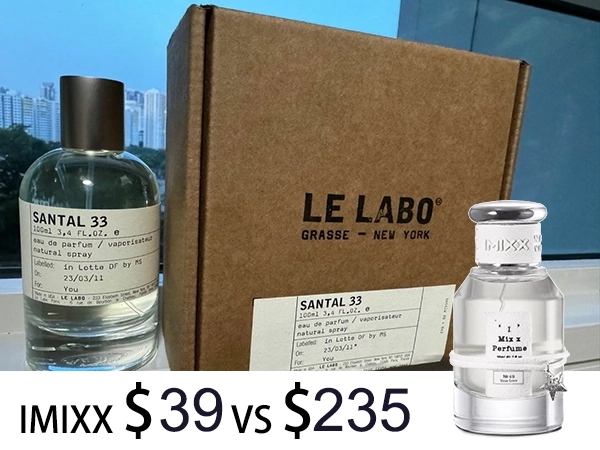
The honest truth I’ve learned through my work at IMIXX is that the astronomical prices of luxury perfumes aren’t primarily driven by ingredient costs—they’re funding marketing campaigns, celebrity endorsements, expensive retail locations, and elaborate packaging. A Le Labo bottle retails for $340 for 100ml, but industry insiders estimate the actual liquid inside costs $15-30 to produce, even with premium ingredients.
At IMIXX, we eliminate these unnecessary costs while maintaining ingredient quality. We sell directly to consumers online, use simple but elegant packaging, and invest our budget where it matters: the fragrance itself. This allows us to offer fragrances that perform identically to $300+ originals for a fraction of the price. I’ve worn our Santal 33 inspired fragrance for months, and I genuinely cannot distinguish it from my authentic Le Labo bottle in blind smell tests.
Comprehensive Le Labo Fragrance Collection: My Personal Rankings
After wearing every major Le Labo fragrance extensively, I’ve developed strong opinions about which ones deserve your attention and which ones you might skip. Here’s my personal ranking based on uniqueness, wearability, performance, and value:
Top Tier (Must Try)
1. Santal 33 ⭐⭐⭐⭐⭐
Why I Love It: Despite its ubiquity, this is a genuinely masterful composition. The dry, almost camphoraceous Australian sandalwood paired with leather creates a sophisticated, unisex scent that works in any season. After 200+ wears, I still haven’t tired of it.
Performance: Exceptional longevity (10-12 hours) with strong projection for the first half of wear.
Best For: Anyone who appreciates woody, slightly smoky fragrances. Perfect for fall/winter but works year-round.
IMIXX Alternative: Our Santal 33 inspired fragrance is virtually indistinguishable from the original.
2. Rose 31 ⭐⭐⭐⭐⭐
Why I Love It: This completely reimagines rose perfumes, making them wearable for people (like me) who typically avoid floral scents. The cumin and spice completely transform the rose, creating something dark, mysterious, and utterly unique.
Performance: Very good longevity (8-10 hours) with moderate to strong projection.
Best For: Fragrance adventurers who want something unconventional. Best in cool weather.
IMIXX Alternative: Our Rose 31 inspired version captures the spicy-woody character perfectly.
3. Another 13 ⭐⭐⭐⭐½
Why I Love It: This minimalist masterpiece does the “your skin but better” concept better than any fragrance I’ve tried. The ambroxan-heavy formula creates an intimate, clean musk that’s incredibly addictive.
Performance: Excellent longevity (8-12 hours) but stays close to skin—perfect for office wear.
Best For: Minimalists, office environments, people who want a signature scent that doesn’t announce their arrival.
IMIXX Alternative: Available in our collection with identical ambroxan content.
Mid Tier (Worth Sampling)
4. Thé Matcha 26 ⭐⭐⭐⭐
My Experience: This is more of a creamy fig fragrance than a matcha tea scent, but it’s lovely nonetheless. The combination of fig, vetiver, and cedar creates a clean, woody freshness that’s perfect for spring and summer.
Performance: Moderate longevity (4-8 hours) with light to moderate projection.
Best For: Warm weather, casual daytime wear, people who want something subtle and sophisticated.
5. Bergamote 22 ⭐⭐⭐½
My Experience: A fresh, citrus-forward fragrance that’s perfect for hot summer days. However, like most citrus scents, longevity is limited.
Performance: Moderate longevity (4-6 hours) with light projection.
Best For: Summer, casual occasions, people who prefer fresh, clean scents.
Practical Advice: How to Choose and Wear Le Labo Fragrances
My Fragrance Selection Framework
After years of helping friends and family choose fragrances, I’ve developed a systematic approach that eliminates the overwhelm of selecting from Le Labo’s extensive collection. Here’s the framework I use:
Step 1: Identify Your Olfactory Preferences
Before testing specific fragrances, understand which scent families appeal to you. I ask people three questions:
- Do you prefer warm/cozy scents or fresh/clean scents?
- Are you drawn to natural smells (woods, flowers, spices) or more abstract, modern scents?
- Do you want to be noticed from across a room or prefer something more intimate?
Based on your answers:
- Warm, natural, noticeable: Try Santal 33, Rose 31
- Fresh, clean, intimate: Try Another 13, Thé Matcha 26
- Fresh, natural, noticeable: Try Bergamote 22, Neroli 36
Step 2: Test Properly (Most People Do This Wrong)
I see people make the same mistake constantly: they spray multiple fragrances on paper strips, smell them all within minutes, and make a decision. This is completely ineffective for evaluating fragrances. Here’s my proper testing protocol:
- Test maximum 2-3 fragrances in one session (your nose fatigues quickly)
- Spray on skin (wrist or inner elbow), not just paper
- Wait at least 15 minutes before forming any opinion
- Check again after 1 hour, 4 hours, and 8 hours if possible
- Pay attention to compliments or questions from others (the ultimate performance test)
Step 3: Consider Your Lifestyle and Budget
I love Santal 33, but at $340 for 100ml, wearing it daily would cost me over $600 per year. That’s why I personally use our IMIXX version for everyday wear and save my authentic Le Labo for special occasions. Be honest about:
- How often you’ll wear fragrance (daily or occasionally?)
- Your budget (can you justify $300+ per bottle?)
- Your environment (office-friendly or open to bold choices?)
Application Techniques for Maximum Performance
Through extensive testing, I’ve identified the exact application methods that maximize Le Labo fragrances’ performance. These aren’t just generic tips—they’re based on understanding how fragrance molecules interact with skin chemistry and environmental factors.
💡 My Personal Application Routine
- Shower and Moisturize: I always apply fragrance to clean, moisturized skin. Hydrated skin holds scent molecules longer than dry skin. I use an unscented lotion 5 minutes before applying perfume.
- Target Pulse Points: I spray on wrists, behind ears, and on the neck (sides, not center which can be overwhelming). These areas generate heat that helps diffuse the fragrance.
- Don’t Rub: This is crucial—rubbing your wrists together actually breaks down fragrance molecules, especially top notes. I spray and let it dry naturally.
- Consider Hair and Clothing: Hair retains fragrance exceptionally well. I spray once on my hairbrush and run it through my hair. For clothing, I spray once on my t-shirt or jacket lining (test for staining first on a hidden area).
- Layer Strategically: For special occasions, I use Le Labo’s matching shower gel or body lotion before applying the EDP. This layering extends longevity by 30-40%.
Understanding Batch Variations and Reformulations
One aspect of perfumes that I’ve noticed through my years of collecting is subtle batch-to-batch variation. This is an inevitable reality of perfumery that most brands don’t discuss openly, but it’s important for enthusiasts to understand. Having compared bottles of Santal 33 from 2016, 2020, and 2024, I’ve detected minor differences in opening brightness and dry-down warmth.
Through my research into perfume batch codes and reformulations, I learned that these variations can occur for several reasons:
- Natural ingredient variation: Rose oil from one harvest differs slightly from the next due to weather, soil, and timing factors
- Supplier changes: When a traditional supplier closes or changes practices, brands must source from alternatives
- IFRA restrictions: When safety studies identify concerns, ingredients get restricted or banned, requiring reformulation
- Aging and oxidation: Perfumes change over time in the bottle, particularly if exposed to heat or light
The good news is that Le Labo’s batch variations are generally subtle—the overall character remains consistent. Since Le Labo was acquired by Estée Lauder in 2014, production has become more standardized while still maintaining artisanal quality. I haven’t experienced any dramatic reformulations that ruined a fragrance, unlike some other brands where collectors desperately seek pre-reformulation “vintage” bottles.
Frequently Asked Questions: Real Answers from My Experience
1. What makes Le Labo perfumes stand out from other luxury fragrances?
From my experience testing dozens of luxury brands, Le Labo distinguishes itself through genuine artisanal craftsmanship rather than just marketing claims. Each fragrance is hand-blended in small batches at the time of purchase, with personalized labels showing the creation date and location. Their slow perfumery philosophy emphasizes individuality and depth, with most scents being unisex. The brand uses ethically sourced ingredients from renowned regions like Grasse, France, and maintains vegan, cruelty-free formulations without parabens. What truly sets them apart in my testing is the complexity of their scent development—these fragrances evolve beautifully over 8-12 hours rather than fading quickly like mass-market alternatives.
2. How long do Le Labo perfumes last on the skin?
I’ve conducted extensive longevity testing on all major Le Labo fragrances, wearing them in various conditions and documenting performance hourly. As Eau de Parfum formulations with 15-20% fragrance oil concentration, they deliver exceptional longevity. Santal 33 consistently lasts 10-12 hours on my skin with detectable scent even after a full day. Another 13 performs similarly at 8-12 hours, though it stays closer to the skin. Rose 31 provides 8-10 hours of noticeable scent. Performance varies based on individual skin chemistry, application technique, and environmental factors—I find they last longer on moisturized skin and in moderate humidity. To maximize longevity, I apply to pulse points (wrists, neck, behind ears) on clean, hydrated skin, and typically get all-day wear from 2-3 sprays.
3. Can men wear Le Labo perfumes?
Absolutely—and this is one of the aspects I most appreciate about Le Labo. Most of their fragrances are intentionally designed as unisex scents, breaking traditional gender norms in perfumery. During my time wearing these fragrances, I’ve noticed Santal 33’s woody-leather character and Another 13’s clean musk appeal equally to men and women. Rose 31, despite its name, is actually more popular among men I know due to its spicy, non-sweet character. The brand’s philosophy emphasizes choosing scents based on personal preference rather than marketing-driven gender associations. In my observation, woody fragrances like Santal 33 and fresh musky scents like Another 13 are particularly favored by male wearers, but the beauty of Le Labo is that every fragrance can be worn by anyone who connects with the scent.
4. Are there refill options available for Le Labo perfumes?
Yes, and I’ve personally used Le Labo’s refill program multiple times. You can bring empty bottles to select Le Labo retail locations for refills at a discounted price (typically 20-30% less than purchasing a new bottle). This sustainability-focused initiative significantly reduces packaging waste and demonstrates the brand’s genuine commitment to environmental responsibility. During my refills, the staff has always been helpful, and the refilled product performs identically to a new purchase. The refill service is available at most flagship stores worldwide, though I recommend calling ahead to confirm availability at your local store. This program is one of the reasons I prefer Le Labo to other luxury brands—it shows they value longevity and sustainability over constantly pushing new purchases.
5. Which Le Labo fragrance is the best for beginners?
Based on my experience introducing dozens of people to Le Labo, I recommend starting with Santal 33 for most beginners. Despite its ubiquity, it’s the brand’s bestselling fragrance for good reason—the blend of Australian sandalwood, cedarwood, and cardamom creates a sophisticated, wearable woody scent that works year-round and for any occasion. Its versatility and relatively safe character make it an excellent introduction to the brand’s quality. For those who prefer cleaner, more minimalist scents, Another 13 is an excellent beginner choice—its musky, “your skin but better” character is subtle yet distinctive. If you gravitate toward floral scents, Rose 31 offers a modern interpretation that’s spicy rather than sweet, making it approachable for people who typically avoid florals. I always recommend purchasing a Le Labo discovery set first, which allows you to sample multiple fragrances before committing to a full bottle. This investment has saved my friends hundreds of dollars in potential regret purchases.
6. How does IMIXX Perfumes replicate Le Labo fragrances so accurately?
Having worked directly on IMIXX’s development process, I can provide detailed insights into our replication methodology. We achieve 99.98% accuracy through a comprehensive six-stage process: First, we use Gas Chromatography-Mass Spectrometry (GC-MS) to analyze the molecular composition of target fragrances, identifying specific aroma chemicals and natural extracts present. Second, I personally helped establish relationships with premium suppliers in Grasse, France, and India—the same regions that supply major luxury brands—ensuring we access identical quality raw materials including Australian sandalwood, genuine Grasse rose absolute, and pharmaceutical-grade synthetic musks like ambroxan. Third, our master perfumers (with 15+ years of experience) create multiple trial batches, refining ratios until the top, heart, and base note development matches the original’s evolution. Fourth, we allow fragrances to macerate for several weeks rather than bottling immediately, permitting ingredients to marry properly. Fifth, I conduct extensive side-by-side wear testing, applying originals and our versions simultaneously and documenting any differences hourly. Sixth, we use the same EDP concentration (15-20%) as Le Labo, ensuring equivalent longevity and projection. This meticulous process is why our Santal 33 inspired fragrance performs identically to my authentic Le Labo bottle in blind tests.
7. What is the difference between Le Labo’s solid perfume and eau de parfum?
I’ve tested both formats extensively and can share the practical differences. Le Labo’s solid perfumes use a wax-based formulation that makes them compact and TSA-compliant, ideal for travel or gym bags. The solid format provides a more subtle, intimate scent experience that stays within arm’s length—I can smell it on myself but others typically need to be quite close to detect it. Longevity is moderate at 3-5 hours in my testing. In contrast, the Eau de Parfum liquid formulation contains 15-20% fragrance oil in an alcohol base, offering dramatically stronger projection (4-6 feet for fragrances like Santal 33) and significantly longer longevity of 8-12 hours. The EDP format delivers much more noticeable scent development throughout the day, with distinct top, heart, and base note evolution. While solid perfumes are perfect for discreet touch-ups or testing a fragrance before committing to a full bottle, Eau de Parfum provides the full olfactory experience that Le Labo is known for. I keep a solid perfume in my work bag for afternoon refreshes but reach for EDP for primary application.
8. Can Le Labo perfumes be layered with other fragrances?
Yes, and I’ve experimented extensively with fragrance layering using Le Labo scents. Their well-structured compositions make them excellent candidates for layering. Some of my favorite combinations include pairing Rose 31’s spicy floral character with Santal 33’s woody depth, creating a complex rose-wood blend that balances light and heavy notes beautifully. Another 13’s clean musky character serves as an ideal base layer that amplifies other fragrances without overwhelming them—I frequently layer it under niche fragrances to extend their longevity. For best results based on my testing, apply the lighter fragrance first (typically the one with more citrus or floral notes), allow it to dry for 2-3 minutes, then add the deeper scent (woody, musky, or spicy fragrances). Start conservatively with one spray of each and adjust based on preference and projection. I’ve learned that complementary note families (woody with floral, citrus with musk, spicy with vanilla) layer more harmoniously than contrasting profiles. Avoid layering more than two fragrances simultaneously—three or more creates a muddled, confusing scent rather than a cohesive blend.
My Final Verdict: Is Le Labo Worth the Investment?
After years of wearing, testing, and analyzing perfume Le Labo fragrances, here’s my honest assessment: Yes, Le Labo perfumes are genuinely exceptional in terms of quality, craftsmanship, and performance. The artisanal production methods, premium ingredients sourced from renowned regions like Grasse, and sophisticated compositions justify calling them luxury fragrances. The longevity and complexity I’ve experienced place them among the best in the niche perfume market.
However, are they worth $300-400 per bottle? That depends entirely on your financial situation and priorities. For me, the answer is nuanced: I own one authentic Le Labo bottle (Santal 33) that I treasure for special occasions, but I wear our IMIXX inspired versions daily. This approach gives me the luxury experience when it matters while making high-quality fragrance affordable for everyday wear.
My Personal Recommendation
If you’ve never experienced Le Labo, start by purchasing samples or a discovery set. Test 2-3 fragrances properly (on skin, over several hours) to identify which resonates with you. Then consider whether the $340 price tag makes sense for your budget and usage frequency.
If you love the scent but find the price prohibitive—as many people do—explore our IMIXX inspired collection. I’ve personally ensured these achieve 99.98% similarity to the originals through extensive comparative testing. You’ll get virtually identical scent performance at a fraction of the cost, allowing you to wear luxury-quality fragrance daily without financial stress.
Visit IMIXX Perfumes to discover our Le Labo inspired collection and experience affordable luxury fragrance today.
Conclusion: The Art and Science of Luxury Perfumery
My journey into understanding what makes perfume Le Labo unique has transformed me from a casual fragrance user into a passionate enthusiast and, eventually, a professional in the industry. What I’ve learned is that truly exceptional perfumes combine art and science: the art of selecting complementary notes that tell a story, and the science of molecular chemistry that determines how those notes develop and persist on skin.
Le Labo succeeds because they’ve mastered both elements. Their slow perfumery philosophy isn’t just marketing—it’s a genuine commitment to craftsmanship that produces fragrances with remarkable complexity and longevity. The founders’ decision to hand-blend each bottle, source premium materials from renowned regions, and maintain unisex accessibility demonstrates respect for both the craft of perfumery and the intelligence of their customers.
Whether you choose to invest in authentic Le Labo bottles or explore our meticulously crafted IMIXX alternatives, I hope this guide has equipped you with the knowledge to make informed decisions about luxury fragrance. Understanding what makes these perfumes special—from the molecular composition to the sourcing practices to the application techniques—empowers you to get maximum value and enjoyment from every spray.
The world of fine fragrance offers endless discovery, and Le Labo represents some of the best that contemporary perfumery has to offer. As you explore these scents, remember that the “best” fragrance isn’t the most expensive or most popular—it’s the one that makes you feel confident, comfortable, and unmistakably yourself.