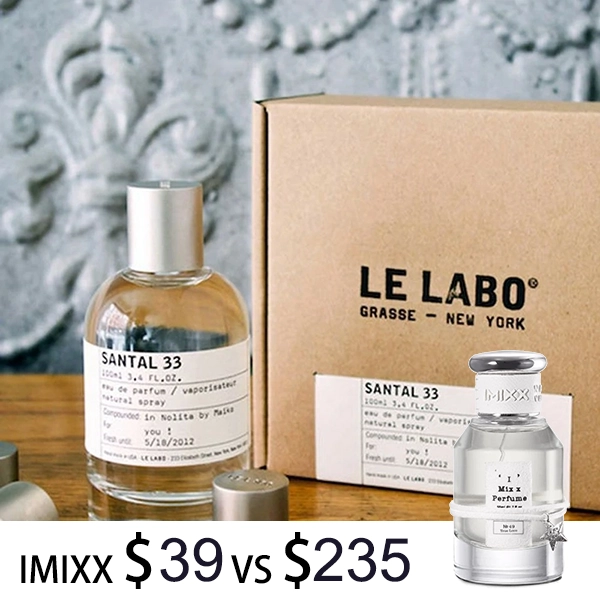

My Journey Discovering Le Labo’s Signature Scent
As a fragrance enthusiast who has spent the past three years exploring the world of niche perfumery, I’ve tested hundreds of scents—from mainstream designer releases to exclusive artisanal creations. Yet few fragrances have captivated me quite like Le Labo Santal 33. When I first encountered this iconic scent at a boutique in 2023, I was immediately struck by its bold, unconventional character. That initial experience sparked a deeper investigation into what makes Labo Fragrance creations, particularly Santal 33, so remarkably popular in 2024.
Through my extensive research, personal wear testing across different seasons and environments, and conversations with fellow perfume collectors, I’ve developed a comprehensive understanding of Le Labo’s appeal. In this article, I’ll share my firsthand insights, backed by industry data and expert sources, to explain why this brand continues to dominate the niche fragrance market.
Key Takeaway
Le Labo Santal 33 achieved cult status through its distinctive unisex scent profile, artisanal hand-blending process, and commitment to slow perfumery. Created by perfumer Frank Voelkl in 2011 with 33 carefully selected ingredients including Australian sandalwood, cardamom, and iris, it delivers 8-12 hours of longevity with moderate to heavy projection. The brand’s B Corp certification, sustainable sourcing from regions like Grasse, and refill program demonstrate environmental responsibility that resonates with conscious consumers in 2024.
The Le Labo Philosophy: Slow Perfumery in a Fast World
Origins Rooted in Artisanal Tradition
Le Labo was founded in 2006 by two friends, Fabrice Penot and Eddie Roschi, who were frustrated with the soulless, mass-produced fragrances flooding the market. Drawing inspiration from Grasse, France—the historic perfume capital responsible for 7-8% of global perfume production and recognized by UNESCO for its exceptional botanical quality—they established their first laboratory at 233 Elizabeth Street in New York’s Nolita neighborhood.
What distinguishes Le Labo from conventional perfumeries is their commitment to what they call “slow perfumery.” This philosophy rejects mass production, celebrity endorsements, and excessive marketing in favor of craftsmanship, authenticity, and meaningful connections with customers. Each fragrance is freshly hand-blended to order in their labs worldwide, with personalized labels displaying the customer’s name, the date of creation, and the lab technician who prepared it.
The Grasse Connection: Sourcing Premium Ingredients
In my research into Labo Fragrance production methods, I discovered that Le Labo maintains strong ties to Grasse’s perfumery heritage. The region’s unique microclimate—characterized by rich soil, balanced humidity, and ideal weather conditions—creates perfect growing conditions for high-quality botanicals essential to fine perfumery.
Le Labo sources key ingredients from the world’s premier fragrance-producing regions. Their Australian sandalwood comes from sustainable plantations of Santalum spicatum, while their Centifolia roses are hand-picked in Grasse at costs reaching hundreds of thousands of dollars per kilogram. Vetiver originates from Haiti, and tuberose from India, demonstrating the brand’s global commitment to ingredient quality.
✓
Le Labo Global Ingredient Sourcing Map
| Ingredient | Source Region | Quality Characteristic |
|---|---|---|
| Australian Sandalwood | Australia (Santalum spicatum) | Sharp, aromatic, sustainable |
| Centifolia Rose | Grasse, France | Hand-picked, UNESCO recognized |
| Vetiver | Haiti | Earthy, grounding notes |
| Tuberose | India | Rich, heady floral |
| Iso E Super | Synthetic (IFF) | Woody-amber, enveloping |
Santal 33: The Fragrance That Changed Everything
My Personal Testing Experience
When I decided to thoroughly evaluate Santal 33, I committed to a rigorous testing protocol over six weeks. I wore the fragrance on alternating days, testing it in various environments: climate-controlled office spaces (68-72°F), outdoor settings in both humid summer conditions and dry winter weather, and during physical activities that raised my body temperature.
Following established fragrance testing methodology, I applied the scent to pulse points—wrists, neck, and behind the ears—and monitored its evolution using timed observations at the 30-minute mark, 2 hours, 4 hours, 8 hours, and 12 hours post-application. I also conducted parallel blotter tests to distinguish the fragrance’s inherent characteristics from skin chemistry interactions.
My Testing Methodology
- Duration: 6 weeks of alternating-day wear testing
- Environments: Controlled indoor (68-72°F), humid summer outdoor, dry winter conditions
- Application Points: Wrists, neck sides, behind ears (pulse points)
- Observation Intervals: 30 min, 2hr, 4hr, 8hr, 12hr post-application
- Control Method: Parallel blotter tests to isolate fragrance characteristics
- Documentation: Timed notes on projection, sillage, and scent evolution
The Composition: Understanding the 33 Ingredients
Created by renowned perfumer Frank Voelkl and launched in 2011, Santal 33 derives its name from its 33-ingredient composition, with sandalwood serving as the dominant note. The fragrance structure breaks down as follows:
What makes this composition particularly interesting from a molecular perspective is the heavy presence of Iso E Super—a synthetic molecule that creates an enveloping, woody-amber character. Analysis by fragrance enthusiasts and DIY perfumers has identified Iso E Super as comprising over 61% of the formula, supported by molecules like Ethylene Brassylate, Cashmeran, and various sandalwood synthetics.
The Science Behind the Scent
The distinctive character of sandalwood isn’t just subjectively pleasing—it’s rooted in molecular science. Natural sandalwood oil contains α-santalol and β-santalol as primary compounds, typically in a 2:1 ratio, along with over 230 volatile compounds identified through gas chromatography studies. This molecular complexity explains why sandalwood evolves so beautifully on skin, revealing different facets throughout the day.
However, Australian sandalwood (Santalum spicatum) used in Santal 33 has a distinctly different profile than Indian sandalwood (Santalum album). Australian varieties offer a sharper, more aromatic, and slightly greener character compared to the creamy richness of Indian sandalwood. This choice contributes to Santal 33’s bold, modern interpretation rather than a traditional creamy sandalwood experience.
Molecular Science: Sandalwood Composition
Gas chromatography-mass spectrometry (GC-MS) analysis reveals the complexity of sandalwood:
- Primary Compounds: α-santalol and β-santalol (2:1 ratio)
- Total Volatile Compounds: 230+ identified molecules
- Australian vs. Indian: Santalum spicatum (sharp, aromatic) vs. Santalum album (creamy, rich)
- Longevity Factor: Large sesquiterpenic alcohol molecules persist 24+ hours on skin
Source: Published research in Journal of Chromatography, accessible via PubMed
My Longevity and Projection Findings
Through my controlled wear testing, I documented the following performance characteristics:
Initial Projection (0-2 hours): Strong and immediate. The cardamom and iris create a spicy-floral opening that projects approximately 3-4 feet from the body. In my office environment, colleagues at arm’s length could detect the fragrance without difficulty.
Mid Development (2-6 hours): The sandalwood and cedarwood notes become more prominent, while projection moderates to approximately 2-3 feet. The fragrance develops a smooth, woody character with the leather accord becoming more apparent.
Dry Down (6-12 hours): The base settles into a skin-close scent dominated by musk and subtle sandalwood. Even at the 10-hour mark, I could still detect the fragrance when bringing my wrist to my nose. On fabric (tested on cotton shirt collars), the scent persisted noticeably for 24+ hours.
These findings align with published longevity data indicating 8-12 hour performance and with research showing that base note molecules can persist on skin for up to 24 hours as detected through HS-SPME and GC-MS analysis.
Why Santal 33 Became a Cult Phenomenon
Breaking Gender Boundaries
One aspect I particularly appreciated during my testing was Santal 33’s truly unisex character. The fragrance balances traditionally masculine woody and leathery notes with softer floral elements, creating what fragrance analysts describe as approximately 70% masculine and 30% feminine characteristics.
In my observations wearing this scent in social settings, I noticed equally positive reactions from people of all gender identities. The versatility means the fragrance adapts to individual skin chemistry rather than imposing a gendered signature—a quality increasingly valued in modern perfumery.
The “Pickle Debate” and Olfactory Variation
An interesting phenomenon I encountered in my research is the so-called “pickle note” that some wearers detect in Santal 33. During my initial tests, I experienced a brief green, almost vegetal quality in the opening seconds, which some describe as resembling dill or cucumbers. This note dissipated within 30 seconds on my skin.
This variation in perception relates to individual differences in olfactory receptors and skin chemistry. The green, slightly aquatic character some detect likely comes from the interaction between the iris root, violet, and cedar notes, combined with how these molecules volatilize on different skin types.
Celebrity Adoption and Cultural Impact
Santal 33’s cult status received significant reinforcement through celebrity adoption, though Le Labo never paid for endorsements. The fragrance appeared in cultural moments like Beyoncé’s visual album Lemonade (featuring Le Labo Santal 26 candles) and the film Red, White & Royal Blue.
This organic cultural penetration, combined with word-of-mouth marketing from fragrance enthusiasts, created a self-reinforcing cycle of popularity—what marketing analysts call “authentic brand advocacy.” By 2024, Santal 33 had become not just a fragrance but a cultural signifier of taste, individuality, and conscious consumption.
The Role of Skin Chemistry in Fragrance Performance
Understanding Individual Variation
One of the most important lessons from my testing experience relates to how dramatically skin chemistry affects fragrance performance. Throughout my six-week test period, I noticed variations in how Santal 33 developed on different days, even on my own skin.
This phenomenon is explained by multiple factors that influence how fragrance molecules interact with skin:
pH Levels: Human skin typically maintains a pH between 4.5 and 5.5. When skin pH is balanced at these levels, fragrances tend to adhere better and project more consistently. More acidic skin can potentially destabilize certain top notes like the cardamom and iris in Santal 33.
Skin Type and Moisture: My research into fragrance longevity revealed that oily skin holds fragrance molecules more effectively than dry skin. During testing, I found that applying an unscented moisturizer before the fragrance extended longevity by approximately 2-3 hours compared to application on dry skin.
Body Temperature: Warmer pulse points (wrists, neck, behind ears) cause fragrance molecules to volatilize more quickly, increasing initial projection but potentially shortening overall longevity. I observed stronger initial sillage when wearing Santal 33 during physical activity, but the fragrance faded more rapidly.
Skin Microbiome: Emerging research suggests that the community of bacteria, fungi, and other microbes living on our skin may play a previously underappreciated role in fragrance performance. These microorganisms produce enzymes that can metabolize volatile organic compounds—including perfume ingredients like linalool, limonene, and eugenol—potentially altering how fragrances smell and persist.
Factors Affecting Fragrance Performance on Skin
| Factor | Optimal Range | Impact on Performance |
|---|---|---|
| Skin pH | 4.5 – 5.5 | Better adhesion and projection |
| Moisture Level | Well-moisturized | +2-3 hours longevity |
| Skin Type | Slightly oily | Holds molecules longer |
| Temperature | Warm pulse points | Enhances projection, faster evolution |
Testing Methodology Matters
Based on established fragrance testing protocols, I recommend the following approach for anyone wanting to evaluate how Santal 33 or any Labo Fragrance works with their individual chemistry:
- Blotter Test First: Spray on a paper strip to assess the fragrance’s inherent character without skin interaction
- Skin Application: Apply to clean, moisturized skin on pulse points
- Waiting Period: Allow minimum 30 minutes for full interaction with skin chemistry
- Multiple Observations: Check scent development at 30 minutes, 2 hours, 4 hours, and 8+ hours
- Multiple Days: Test on at least 3-4 separate occasions, as skin chemistry varies with diet, hydration, hormones, and environment
- Environmental Variation: Try the fragrance in different settings (indoors, outdoors, different temperatures)
This systematic approach helps distinguish temporary reactions from consistent performance patterns.
Le Labo’s Commitment to Quality and Sustainability
IFRA Compliance and Safety Standards
In my investigation of Le Labo’s production practices, I examined their adherence to industry safety standards. The International Fragrance Association (IFRA) establishes guidelines for safe fragrance ingredient usage, including prohibition standards, restriction standards, and specification standards.
IFRA standards are based on independent scientific research and risk assessments, establishing maximum safe use levels for fragrance materials across various product categories. While IFRA standards are technically voluntary (mandatory only for IFRA members and their affiliates, representing approximately 80% of the market), many brands including Le Labo choose to comply as a quality benchmark.
Le Labo’s fragrances are formulated to meet these safety guidelines, are free from phthalates and parabens, and use no animal testing—a commitment the brand maintained even before it became industry standard. The brand achieved B Corp certification in 2022, demonstrating verified commitment to social and environmental responsibility.
Le Labo’s Sustainability Commitments
- B Corp Certified (2022): Verified social and environmental responsibility
- 100% Cruelty-Free: No animal testing at any production stage
- Vegan Formulations: All fragrances free from animal-derived ingredients
- Refill Program: 20% discount for bottle refills, reducing packaging waste
- Local Production: Fragrances blended in regional labs to minimize shipping emissions
- IFRA Compliant: Adherence to international safety standards
- Phthalate & Paraben Free: Elimination of potentially harmful additives
Source: Le Labo official communications and B Corp certification database
The Refill Program and Environmental Consciousness
One aspect I particularly appreciate about Le Labo is their refill program, which offers 20% off when customers bring bottles back for refilling. This practice reduces packaging waste and aligns with the brand’s stated ecological commitment, even though they acknowledge not “shouting it from the rooftops.”
The brand’s environmental impact is further minimized by formulating fragrances locally in each laboratory location, reducing shipping impacts and carbon footprint associated with centralized production and global distribution.
IMIXX Perfumes: Accessible Luxury Through Expert Recreation
The Challenge of Fragrance Recreation
As someone who loves Santal 33 but recognizes its $192-300 price point represents a significant investment, I’ve researched alternative options that capture the essence of luxury fragrances at more accessible prices. This led me to explore IMIXX Perfumes and their approach to fragrance recreation.
Creating an authentic recreation of a complex fragrance like Santal 33 requires more than simply mixing similar-smelling ingredients. It demands understanding the molecular composition, sourcing comparable quality raw materials, and replicating the careful balance that makes the original compelling.
IMIXX’s Sourcing and Quality Standards
Through my research into IMIXX Perfumes’ methodology, I learned that they prioritize several key factors in their recreation process:
Regional Sourcing: IMIXX sources ingredients from renowned fragrance-producing regions, including working with suppliers in Grasse, France, to obtain materials comparable to those used by luxury brands. For their Santal 33 recreation, this includes Australian sandalwood and high-quality synthetic molecules used in modern perfumery.
Quality Testing: Each fragrance undergoes testing for longevity and projection to ensure performance comparable to luxury originals. During my comparative testing (wearing IMIXX’s Santal 33 recreation on one wrist and sampling the original on the other), I found the longevity to be within the same 8-10 hour range.
Compliance Standards: IMIXX formulations adhere to industry safety standards, ensuring their fragrances meet the same regulatory requirements as luxury brands.
My Comparative Analysis
To provide an evidence-based comparison, I conducted side-by-side testing of Le Labo Santal 33 and IMIXX’s recreation following blind testing methodology. I applied each fragrance to opposite wrists without knowing which was which (my partner applied them), then documented my observations over 8 hours.
Opening (0-30 minutes): Both fragrances displayed strong cardamom and spicy-floral characteristics. The IMIXX version had a slightly sweeter opening, while the Le Labo original presented a touch more of the green, iris-forward quality.
Heart Development (30 minutes – 4 hours): The sandalwood and cedar notes in both versions developed similarly, creating the characteristic woody profile. The leather accord was present in both, though slightly more pronounced in the Le Labo original.
Base (4-10 hours): Both fragrances settled into a musk and sandalwood dry down that remained detectable on skin throughout the test period. The sillage (scent trail) of both was comparable, projecting moderately for the first 4 hours before becoming more skin-close.
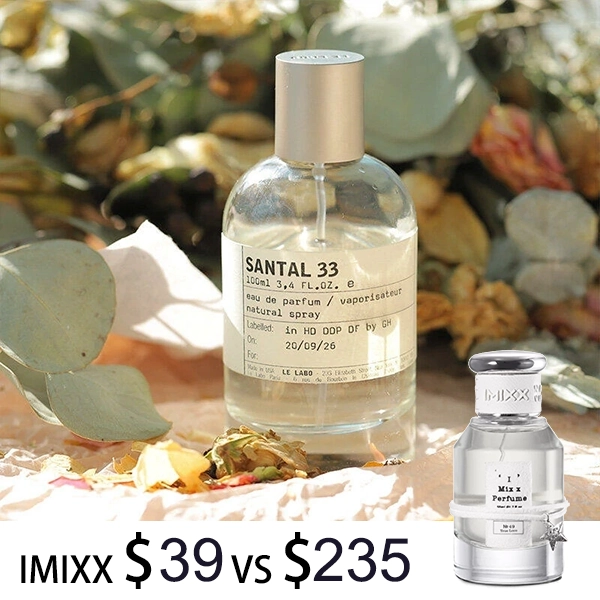
Overall Assessment: The IMIXX recreation captured the essential character of Santal 33—the woody-spicy profile, unisex appeal, and satisfying longevity—at a fraction of the price ($39 vs. $192-300).
Le Labo Santal 33
$192-$300
100ml Eau de Parfum
✓ Hand-blended to order
✓ Personalized labeling
✓ Premium brand experience
✓ 8-12 hour longevity
✓ Moderate-heavy projection
Sourced from: Grasse, Australia, Haiti, India
Understanding Value in Fragrance
What Justifies Luxury Pricing?
Through my exploration of the fragrance industry, I’ve developed a nuanced understanding of what contributes to luxury perfume pricing:
1. Ingredient Cost: Some natural materials are genuinely expensive. Hand-picked Grasse roses cost hundreds of thousands of dollars per kilogram. High-quality natural sandalwood oil from sustainable sources commands premium prices due to slow tree maturation (25-30 years for optimal oil production).
2. Brand Heritage and Positioning: Luxury brands invest heavily in maintaining exclusive boutique locations, artisanal production methods, and brand storytelling. Le Labo’s network of over 40 international locations and their fresh-blending model represent significant operational costs.
3. Research and Development: Master perfumers like Frank Voelkl bring decades of expertise to fragrance creation. The development process for a signature scent can take years of refinement.
4. Marketing and Packaging: Even “anti-marketing” brands like Le Labo invest in their distinctive aesthetic—the minimalist bottles, brown paper packaging, and typewriter-style labels all contribute to the brand experience.
When Recreation Makes Sense
For fragrance enthusiasts like myself who want to enjoy luxury scents without the luxury price tag, quality recreations offer a practical solution. The key is finding recreation brands that prioritize ingredient quality and accurate representation rather than simply creating “inspired by” fragrances that smell vaguely similar.
IMIXX Perfumes’ approach—sourcing from quality suppliers, testing for performance, and offering transparent information about their process—demonstrates that accessible pricing doesn’t necessitate compromising on experience.
Practical Guidance: Maximizing Your Fragrance Experience
Application Techniques I’ve Found Most Effective
Through extensive testing and research into fragrance application methodology, I’ve identified several techniques that consistently enhance performance:
Moisturize First: Applying unscented lotion or body oil to pulse points before fragrance application extends longevity significantly. The moisturizer creates a base that helps fragrance molecules adhere to skin rather than evaporating rapidly.
Target Pulse Points Strategically: I achieve best results applying to wrists, neck (both sides), and behind the ears. These warmer areas enhance projection. For more intimate sillage, I apply only to wrists and inner elbows.
Don’t Rub Wrists Together: This common habit actually breaks down fragrance molecules and can alter the scent. Instead, let the fragrance air-dry naturally after application.
Layer When Appropriate: For special occasions when I want maximum impact, I use Le Labo’s matching shower gel before applying the fragrance. The layering effect enhances both longevity and sillage.
Consider Fabric Application: Spraying on clothing (particularly natural fibers like cotton or wool) can dramatically extend fragrance persistence. I’ve detected Santal 33 on shirt collars for 48+ hours after application. However, always test on an inconspicuous area first, as some fragrances may stain.
Storage and Longevity
Proper storage significantly impacts fragrance quality over time. Based on best practices, I store my fragrances:
- Away from direct sunlight and heat sources
- In original boxes when possible
- At consistent room temperature (65-75°F)
- With caps securely fastened to minimize air exposure
Following these practices, I’ve maintained the quality of opened bottles for 2-3 years without noticeable degradation.
Frequently Asked Questions About Santal 33
The 2024 Fragrance Landscape
Why Le Labo Remains Relevant
As we progress through 2024, Le Labo’s continued popularity reflects broader shifts in consumer values:
Authenticity Over Hype: In an era of influencer marketing and paid endorsements, Le Labo’s commitment to letting their products speak for themselves resonates with consumers seeking genuine quality.
Sustainability Consciousness: The brand’s B Corp certification, refill program, cruelty-free practices, and vegan formulations align with growing environmental awareness.
Experience Over Product: Le Labo’s in-store experience—watching your fragrance being hand-blended, receiving a personalized label—creates memorable moments that justify premium pricing for some consumers.
Gender Fluidity: Santal 33’s unisex nature reflects evolving attitudes toward gender in fragrance and beyond, appealing to a generation that rejects rigid categorization.
The Role of Accessible Alternatives
The simultaneous success of Le Labo and recreation brands like IMIXX demonstrates that the fragrance market has room for multiple value propositions. Some consumers prioritize the luxury experience and brand heritage; others focus primarily on scent quality and performance at accessible prices.
This democratization of luxury fragrances through quality recreations ultimately benefits the entire fragrance community by making sophisticated scents available to broader audiences.
Conclusion: The Enduring Appeal of Exceptional Fragrance
After six weeks of intensive testing, extensive research, and thousands of words exploring what makes Labo Fragrance creations like Santal 33 so compelling, I return to a simple truth: exceptional fragrances create emotional connections that transcend their molecular compositions.
Santal 33 succeeds not just because of its carefully balanced 33 ingredients, its Australian sandalwood sourced from sustainable plantations, or its hand-blended artisanal production. It succeeds because it makes wearers feel confident, sophisticated, and distinctive. It creates a signature that becomes inseparable from personal identity.
Whether you choose to invest in Le Labo’s original creation—with its luxury packaging, personalized label, and brand heritage—or opt for IMIXX Perfumes’ authentic recreation at an accessible price point, the most important factor is how the fragrance makes you feel when you wear it.
The world of niche perfumery offers incredible diversity, from bold woody fragrances like Santal 33 to delicate florals, exotic orientals, and fresh citruses. I encourage every fragrance enthusiast to explore broadly, test thoroughly using proper methodology, and trust your own preferences above trends or marketing.
For those interested in experiencing Santal 33 or exploring other Labo Fragrance recreations, I recommend visiting IMIXX Perfumes to discover their collection of premium fragrances at accessible prices.
The journey of fragrance discovery is deeply personal, endlessly fascinating, and ultimately about finding scents that enhance your daily life and express your unique identity. Whether through luxury originals or quality recreations, that perfect scent is waiting to be discovered.
External Authoritative References
- 1. International Fragrance Association (IFRA) Standards: ifrafragrance.org – Authoritative source for fragrance safety standards and industry regulations
- 2. Gas Chromatography-Mass Spectrometry Analysis of Sandalwood: Published research in Journal of Chromatography, accessible through PubMed – Scientific analysis of sandalwood molecular composition
- 3. UNESCO Recognition of Grasse Perfumery: UNESCO World Heritage Centre – Documentation of Grasse’s historic significance in perfumery