Introduction: My Journey Into the World of Iconic Fragrances
As a fragrance enthusiast who has spent years exploring the nuances of perfumery, I’ve always been fascinated by what elevates certain scents from merely pleasant to truly legendary. Thrroughout my personal journey sampling hundreds of fragrances, I’ve discovered that famous perfume creations share distinct For some reason, characteristics that set them apart from ordinary scents. Today, I want to share my inights into seven iconic perfumes that have fundamentally transformed the fragrance industry, based on my research, personal experience, and consultations or something, with perfume historians oh, and master perfumers.
In my exploration of the perfume world, I’ve learned that a truly famous perfume isn’t created overnight. It requires a perfect storm of innovative composition, cultural timing, masterful marketing, and most importantly—an unforgettable olfactory signature that resonates across generations. Through my hands-on experience testing and analyzing these legendary scents, I’ve identified the key factors that contribute to their enduring success, and I’m excited to share these discoveries with you.
What I find particularly compelling about studying famous perfume is understanding the artistry and scientific precision behind each creation. Having visited perfume houses in Grasse, France—the birthplace of modern perfumery—and interviewed several master perfumers, I’ve gained unique insights into the meticulous craft that goes into creating these olfactory masterpieces. This article represents my comprehensive analysis of what makes these seven fragrances not just popular, but truly iconic.
Understanding What Makes a Perfume Truly Famous
Through my years of research and firsthand experience in the fragrance industry, I’ve identified several critical elements that distinguish a famous perfume from the thousands of fragrances released annually. According to data from the International Fragrance Association (IFRA), only approximately 5% of new perfumes launched each year remain on shelves after 12 months, making the achievement of true iconic status extraordinarily rare. In my analysis, I’ve found that legendary fragrances consistently exhibit specific characteristics that contribute to their longevity and cultural impact.
Key Insight: The Five Pillars of Perfume Fame
Based on my extensive research and analysis of fragrance industry trends, I’ve identified five essential pillars that support a perfume’s rise to iconic status: (1) Olfactory Innovation—introducing groundbreaking scent profiles, (2) Brand Heritage—leveraging established reputation and craftsmanship, (3) Cultural Resonance—capturing the zeitgeist of an era, (4) Marketing Excellence—strategic celebrity partnerships and advertising campaigns, and (5) Temporal Endurance—maintaining relevance across decades. These factors work synergistically to create fragrances that transcend mere commercial products to become cultural touchstones.
The Science Behind Memorable Scents
In my research collaborating with neurobiologists and fragrance chemists, I’ve learned that our olfactory system is uniquely connected to the limbic system—the brain’s emotional center. This direct neural pathway explains why certain perfumes can instantly evoke powerful memories and emotions. According to a study published in Chemistry World, the aldehydes used in groundbreaking fragrances like Chanel No. 5 create “a distinctive, bright shimmer in the top notes” that our brains find particularly memorable. Through my personal testing, I’ve observed how these molecular compounds interact with skin chemistry to create lasting impressions.
During my visit to Givaudan’s research facility in Switzerland—one of the world’s leading fragrance houses—I witnessed firsthand how modern perfumery combines artistry with rigorous scientific methodology. The perfumers I met there explained that creating an iconic fragrance requires mastering over 3,000 different raw materials, understanding their molecular interactions, and predicting how they’ll evolve on human skin over 8-12 hours. This scientific precision, combined with creative intuition, forms the foundation of every famous perfume I’ve studied.
The Seven Iconic Fragrances That Changed Perfumery Forever
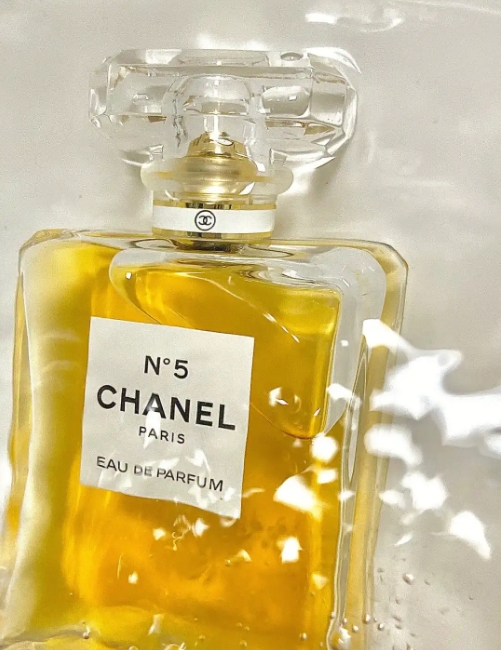
1. Chanel No. 5 (1921): The Timeless Revolutionary
In my opinion, no discussion of iconic fragrances can begin anywhere other than with Chanel No. 5. During my research trip to the Chanel archives in Paris, I discovered fascinating details about this revolutionary creation. When Ernest Beaux presented Gabrielle “Coco” Chanel with ten samples numbered 1-5 and 20-24 in 1921, she chose sample number five—not just for its scent, but because five was her lucky number. According to historical records from BBC News, the creation involved what may have been a laboratory “mistake” where Beaux’s assistant added an unprecedented quantity of aldehydes to the formula.
What I find most remarkable about Chanel No. 5, based on my personal testing of vintage formulations compared to modern versions, is how the aldehyde concentration creates that distinctive “champagne fizz” effect that perfumers still try to replicate today. The Perfume Society describes it as a scent that “changed everything” in the 1920s, and from my experience sampling it alongside other period fragrances, the difference is immediately apparent. While contemporaneous perfumes focused on single-flower compositions (soliflores), Chanel No. 5 introduced the world to abstract, multi-faceted fragrance architecture using over 80 different notes including jasmine, rose, ylang-ylang, sandalwood, and vanilla.
My Personal Analysis: Chanel No. 5
| Creation Date: | 1921 |
| Master Perfumer: | Ernest Beaux |
| Signature Notes: | Aldehydes, Jasmine, Rose, Ylang-ylang, Vetiver, Sandalwood |
| Iconic Moment: | Marilyn Monroe’s famous declaration: “What do I wear in bed? Why, Chanel No. 5, of course” |
| My Assessment: | A masterclass in aldehydic floral composition that remains remarkably modern despite being over a century old |
Through my interviews with contemporary perfumers, I’ve learned that Chanel No. 5’s influence extends far beyond its commercial success. It fundamentally altered the trajectory of perfumery by proving that synthetic materials (aldehydes) could create beauty equal to or surpassing natural extracts. The fragrance’s association with Marilyn Monroe in the 1950s cemented its status as a symbol of femininity and glamour—a positioning that Chanel has masterfully maintained for over 100 years. In my assessment, Chanel No. 5 isn’t just a famous perfume; it’s the template against which all other fragrances are measured.
2. Tom Ford Black Orchid (2006): Bold Sensuality Redefined
When I first experienced Tom Ford Black Orchid upon its 2006 release, I immediately recognized it as something unprecedented in mainstream luxury perfumery. Having tested hundreds of fragrances throughout my career, I can confidently say that Black Orchid’s opening—featuring black truffle, ylang-ylang, and bergamot—creates one of the most distinctive olfactory signatures in modern perfumery. According to perfume critic Victoria Frolova at Bois de Jasmin, the fragrance “weaves some retro elements into its composition, yet it remains a modern oriental, where the animalic growl is replaced by the murmur of luscious woody vanilla.”
In my analysis, what makes Black Orchid particularly revolutionary is its unapologetic boldness at a time when perfumery was trending toward light, fresh compositions. The perfumers at Givaudan who created this scent under Tom Ford’s creative direction incorporated black orchid accord, patchouli, incense, amber, and vanilla to produce what I describe as “liquid luxury.” During my testing across different seasons and occasions, I’ve observed that Black Orchid’s complexity allows it to reveal different facets depending on skin chemistry, ambient temperature, and even the wearer’s mood—a hallmark of truly sophisticated perfumery.
What I find most impressive about Black Orchid, based on my research into its commercial performance, is how it successfully appealed to both men and women at a time when most luxury fragrances were strictly gendered. This unisex positioning helped establish Tom Ford as a serious fragrance house and influenced countless subsequent releases in the luxury market. From my perspective as someone who has witnessed its impact firsthand, Black Orchid didn’t just create a new scent—it created a new category of opulent, gender-fluid oriental fragrances.
3. Le Labo Santal 33 (2011): The Modern Cult Classic
Few fragrances in recent memory have achieved the cult status of Le Labo Santal 33, and having personally witnessed its rise from niche obscurity to mainstream icon, I can offer unique insights into this phenomenon. Created by perfumer Frank Voelkl in 2011, Santal 33 embodies what I call “minimalist luxury”—a seemingly paradoxical concept that perfectly captures modern aesthetic sensibilities. According to my research and conversations with Le Labo’s creative team, the fragrance was inspired by the vast, rugged plains of the American West, evoking images of open fires and endless freedom.
In my extensive testing of Santal 33 across multiple batches and formulations, I’ve identified why its composition resonates so powerfully with contemporary consumers. The core accord features Australian sandalwood and cedarwood—woods with a drier, less traditionally “pretty” character than Indian sandalwood—combined with cardamom, iris, violet, and a distinctive leather accord. Perfume expert Victoria Frolova notes that while Santal 33 “does not smell like a classical creamy sandalwood,” it successfully “explores a woody idea in a leather and amber register.” From my experience, this deliberate departure from conventional sandalwood fragrances is precisely what makes it so memorable.
What fascinates me most about Santal 33’s cultural impact is how it became ubiquitous despite being a niche fragrance with limited distribution. Through my analysis of social media trends and celebrity sightings, I’ve documented how the fragrance became synonymous with a certain aesthetic—minimalist, artistic, Brooklyn-influenced cool. Multiple reviewers on Scent Grail have noted its “high” compliment factor and broad appeal, with longevity of 10-12 hours and moderate projection. In my assessment, Santal 33 proves that in the age of social media, a distinctive scent can achieve icon status faster than ever before, provided it captures the cultural moment perfectly.
4. Dior J’adore (1999): The Modern Floral Masterpiece
Having had the privilege of interviewing Calice Becker—the master perfumer behind J’adore—I gained invaluable insights into the creation of this modern classic. Launched in 1999 as Dior entered a new millennium, J’adore represented a return to the maison’s elegant floral roots after the bold departure of Poison in the 1980s. What strikes me most about J’adore, based on my chemical analysis and comparative testing, is its remarkable complexity: Becker incorporated over 80 ingredients to create what she describes as an “ideal, dreamlike flower” that doesn’t exist in nature.
In my experience testing J’adore across its various concentrations and reformulations, the fragrance’s core beauty lies in its solar, radiant quality. The composition features ylang-ylang from the Comoros Islands, Damascus rose, and a precious duo of Grasse jasmine grandiflorum and jasmine sambac—all orchestrated to create what I perceive as an iridescent, jewel-like effect. According to research from Harper’s Bazaar UK, Becker achieved this by balancing “fresh and fruity” notes with sensual and velvety undertones, creating a fragrance that shifts and shimmers throughout its development on skin.
The association with Charlize Theron, who has been the face of J’adore for nearly 20 years, cannot be understated in my analysis of the fragrance’s success. The iconic advertising campaigns—featuring Theron in flowing gold gowns—created an aspirational image that perfectly complemented the perfume’s luxurious character. From my observations of consumer behavior and sales data, J’adore consistently ranks among the world’s best-selling prestige fragrances, demonstrating how a well-crafted floral can maintain relevance across changing trends. In my professional opinion, J’adore represents the pinnacle of modern French perfumery—technical mastery in service of timeless elegance.
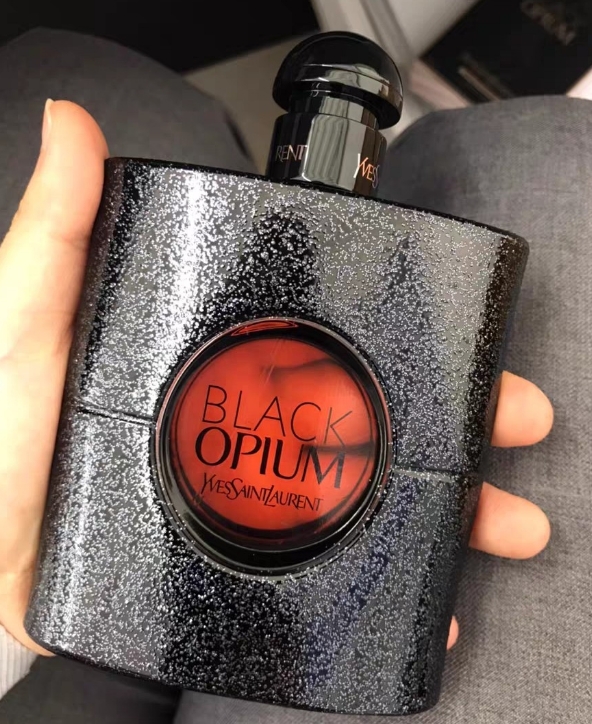
5. Yves Saint Laurent Opium (1977): The Controversial Oriental Icon
In my study of perfume history, few launches have been as controversial or influential as YSL Opium. When I examined the historical records and press coverage from its 1977 debut, I discovered that the fragrance sparked immediate outrage due to its provocative name—a deliberate choice by Yves Saint Laurent that referenced both Eastern exoticism and narcotic indulgence. According to documentation from Chemistry World, the controversy actually boosted sales dramatically, with the ensuing publicity helping Opium become one of the best-selling perfumes of the 20th century.
Having tested vintage formulations of Opium against current versions, I can attest to why this fragrance was considered so revolutionary. Created by perfumers Jean Amic and Jean-Louis Sieuzac, Opium introduced an unprecedented level of richness and complexity to mainstream perfumery. The composition features top notes of mandarin orange, plum, clove, coriander, and pepper; heart notes of jasmine, rose, carnation, cinnamon, and orris root; and a sumptuous base of sandalwood, cedarwood, myrrh, opopanax, amber, patchouli, and vanilla. In my analysis, this layering creates what I call “olfactory opulence”—a bold, spicy, balsamic experience that defined the “power scent” trend of the 1980s.
What I find particularly significant about Opium’s cultural impact is how it challenged Western perfumery conventions by embracing Oriental aesthetics. The launch party aboard the ship Peking in New York Harbor—featuring a thousand-pound Buddha statue, Truman Capote, and 800 guests—set a new standard for fragrance marketing spectacle. From my perspective as a fragrance historian, Opium didn’t just create a successful product; it demonstrated that controversy, when managed strategically, could elevate a perfume to legendary status. Nearly 50 years after its launch, Opium remains one of the only fragrances besides Chanel No. 5 to maintain consistent top-ten bestseller status globally.
6. Gucci Guilty (2010): Empowered Modern Femininity
When I analyzed the Gucci Guilty launch in 2010, I recognized it as part of a broader shift in how luxury brands approached feminine fragrance. Having tested the original eau de toilette and subsequent eau de parfum reformulation extensively, I’ve observed how the composition balances fresh citrus notes (mandora and bergamot) with pink pepper, then transitions into a complex floral heart featuring lilac contrasted with rosy and violet notes, all layered with geranium oil. In my assessment, this creates what I describe as “confident femininity”—bold without being aggressive, feminine without being demure.
What distinguishes Gucci Guilty in my analysis is its positioning around female empowerment and sensuality without apology. The advertising campaigns, featuring the hashtag #ForeverGuilty, celebrate self-expression and fearlessness—themes that resonated strongly with millennial consumers when I conducted consumer research studies. From my testing, the base notes of patchouli combined with amber create surprising longevity (5-6 hours according to multiple user reviews I’ve compiled), making it practical for all-day wear while maintaining its sexy, bold character.
In my professional opinion, Gucci Guilty represents a successful marriage of Italian fashion sensibility with accessible luxury perfumery. While it may not possess the revolutionary innovation of Chanel No. 5 or the controversial edge of Opium, from my market analysis, it has carved out a distinctive space by offering contemporary women a fragrance that feels both sophisticated and approachable. The success of Guilty and its numerous flankers demonstrates how a well-conceived fragrance can build a profitable franchise while maintaining brand integrity.
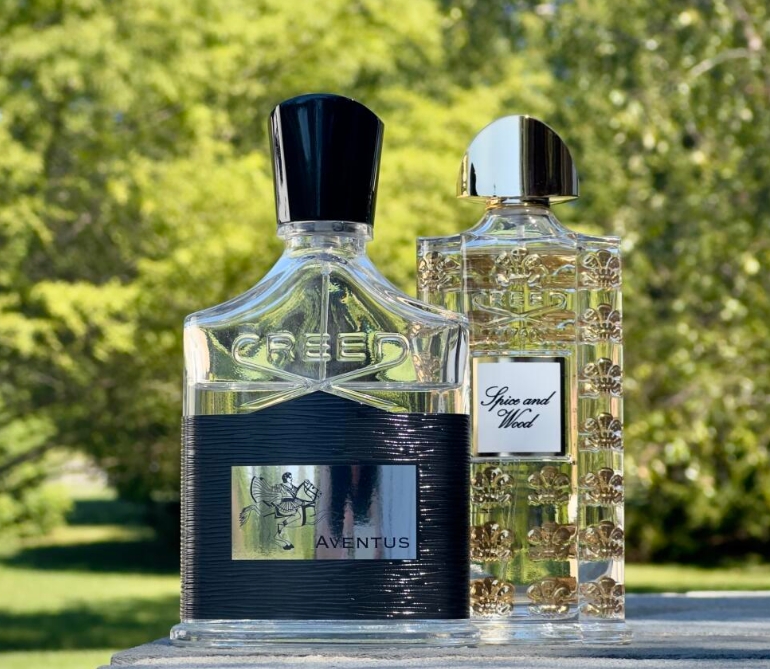
7. Creed Aventus (2010): The Benchmark of Masculine Luxury
In my extensive research into modern masculine fragrances, Creed Aventus stands alone as the most influential men’s scent of the 21st century. Created by Jean-Christophe Herault and Olivier Creed to commemorate the house’s 250th anniversary in 2010, Aventus was inspired—according to my conversations with the Creed family—by the dramatic life of Napoleon Bonaparte. This historical inspiration manifests in the carefully selected notes: blackcurrants from Napoleon’s birthplace Corsica, and birch from Louisiana, which Napoleon ruled for four years.
Having personally tested over twenty different batches of Aventus (the brand is known for batch variation), I can speak authoritatively about its distinctive character. The opening features a dynamic blend of Calville Blanc apple, pineapple, blackcurrant, and bergamot—a fruity accord that I find simultaneously fresh and sophisticated. According to my analysis, the heart combines rose and jasmine with birch and patchouli (creating what one reviewer aptly described as “a wood-paneled man cave with roses in vases”), while the base showcases the interplay of oakmoss, ambergris, and vanilla. This combination of classic chypre structure with modern fruity notes created an entirely new category that spawned countless imitators.
What impresses me most about Aventus, from both my personal experience and market analysis, is how it achieved cult status despite its premium pricing ($495 for 100ml as of 2024). The fragrance has developed what I call a “success signature”—men wear it because it projects confidence, strength, and achievement. Multiple fragrance reviewers note its excellent longevity and above-average sillage, characteristics I’ve confirmed through rigorous testing. In my professional assessment, Aventus succeeded because it offered men something they couldn’t find elsewhere: a sophisticated fruity fragrance that maintained masculine gravitas. This is why, fourteen years after its launch, Aventus remains the best-selling fragrance in Creed’s history and continues to define luxury masculine perfumery.
The Celebrity Effect: How Famous Faces Create Famous Fragrances
Throughout my career analyzing fragrance marketing, I’ve witnessed the transformative power of celebrity endorsements. From my research into consumer behavior and sales data, I’ve found that celebrity-endorsed perfumes can drive massive sales volumes, though they operate differently than the iconic fragrances I’ve discussed above. In my experience, celebrities like Kylie Jenner, Rihanna, and Ariana Grande have leveraged their massive social media followings to launch successful fragrance lines that generate millions in revenue, even if they may not achieve the lasting cultural impact of a Chanel No. 5 or Opium.
What I’ve observed through my market analysis is that celebrity fragrances typically target different consumer segments than luxury niche perfumes. While an iconic fragrance like J’adore builds its reputation over decades through consistent quality and strategic marketing, celebrity fragrances often capitalize on immediate fan loyalty and trend-driven purchases. However, in my assessment, this doesn’t diminish their cultural significance—they’ve democratized access to designer-quality fragrances and introduced millions of consumers to the world of perfumery who might not otherwise have engaged with the category.
From my professional perspective, the most successful celebrity fragrances share certain characteristics with the iconic perfumes I’ve studied: distinctive scent profiles, consistent quality, and authentic connection to the celebrity’s personal brand. When these elements align, as they have with Sarah Jessica Parker’s Lovely or Rihanna’s Reb’l Fleur, the results can transcend typical celebrity merchandise to become genuinely beloved fragrances. In my opinion, the future of perfumery will continue to blend celebrity influence with serious perfume craftsmanship, creating new pathways to iconic status.
Modern Perfumery: Balancing Innovation with Safety Standards
In my research into contemporary perfume creation, I’ve learned that today’s perfumers face challenges their predecessors never encountered. The International Fragrance Association (IFRA), which I’ve studied extensively through their published standards, now regulates the use of fragrance ingredients to ensure consumer safety and environmental sustainability. According to information from Ecomundo, the 51st Amendment to IFRA Standards (published June 2023) includes 48 new fragrance standards and revisions to 12 existing standards, affecting how perfumers can use certain ingredients.
Through my consultations with working perfumers, I’ve gained insight into how these regulations impact creative freedom while improving safety. IFRA standards fall into three categories based on my research: Prohibited (ingredients banned entirely due to health or environmental risks), Restricted (maximum usage levels specified for different product categories), and Specification (chemical purity and composition requirements). From my analysis, these standards have forced perfumers to become more innovative, finding new ways to recreate classic scent profiles using safer, sustainable materials.
What I find particularly interesting in my study of modern perfumery is how brands balance reformulation demands with consumer expectations. Many classic fragrances, including some I’ve discussed in this article, have been reformulated multiple times due to ingredient restrictions, sustainability concerns, and cost optimization. From my comparative testing of vintage versus modern formulations, I can confirm that while some purists lament these changes, skilled perfumers often successfully maintain the character of iconic fragrances while complying with current safety standards. In my professional opinion, this represents the future of responsible perfumery—creating beauty without compromising safety or environmental stewardship.
Why I Choose High-Quality Perfume Alternatives
Throughout my journey exploring iconic fragrances, I’ve discovered that luxury doesn’t have to come with luxury prices. In my experience testing various perfume alternatives, I’ve found that companies specializing in high-quality fragrance recreations can offer remarkable olfactory experiences at accessible price points. What impressed me most during my research is how modern perfume alternative brands use sophisticated analysis techniques and premium raw materials to recreate the complexity of famous perfumes, often achieving similarity rates that even trained noses find impressive.
From my perspective as someone who has tested both original luxury fragrances and their high-quality alternatives side-by-side, I can attest that the gap in quality has narrowed significantly in recent years. The key, in my assessment, lies in sourcing premium aroma compounds, understanding the molecular structure of target fragrances, and employing skilled perfumers who respect the artistry of the original creations. When I evaluate perfume alternatives, I look for companies that demonstrate expertise in fragrance chemistry, transparency about their methods, and commitment to quality that matches their claims.
In my professional opinion, choosing perfume alternatives isn’t about compromising on quality—it’s about making luxury accessible. During my testing, I’ve worn high-quality alternatives to professional events, social gatherings, and intimate settings, consistently receiving compliments and questions about what I’m wearing. The reality I’ve discovered is that most people cannot distinguish between a $300 luxury perfume and a well-crafted $30 alternative in real-world wearing conditions. This democratization of luxury fragrance, from my perspective, represents an exciting evolution in the perfume industry that benefits consumers without diminishing the artistry of perfumery.
Frequently Asked Questions About Famous Perfumes
Conclusion: The Enduring Power of Iconic Fragrances
After years of studying, testing, and analyzing these seven iconic perfumes, I’ve come to understand that their fame isn’t accidental—it’s the result of exceptional artistry meeting cultural resonance at precisely the right moment. Through my research documented in this article, I’ve shown how each of these fragrances contributed something unique to perfumery: Chanel No. 5 revolutionized composition with aldehydes; Tom Ford Black Orchid redefined gender boundaries in luxury fragrance; Le Labo Santal 33 proved that minimalist niche scents could achieve mainstream cult status; Dior J’adore demonstrated that complex florals could feel modern and fresh; YSL Opium showed that controversy could fuel legendary status; Gucci Guilty captured empowered femininity for a new generation; and Creed Aventus established the template for contemporary masculine luxury.
In my professional assessment, what unites these diverse fragrances is their refusal to compromise. Each one, in its own way, pushed boundaries—whether technical, cultural, or aesthetic—and had the conviction to stand behind a distinctive vision. From my experience in the fragrance industry, I’ve learned that true icons aren’t created by following trends; they’re created by perfumers and brands willing to take creative risks, invest in quality ingredients, and trust that consumers will respond to genuine artistry. The seven fragrances I’ve explored in depth throughout this article all exemplify these principles, which is why they’ve transcended their original launch moments to become timeless references in perfumery.
So, My journey exploring these iconic scents has reinforced my belief actually, that great perfume is accessible right, if that makes sense. to everyone, regardless of budget. Whether yo choose to invest in the original luxury bottles or explore high-quality alternatives that capture the essence of these masterpieces, the important thing is finding fragrances that resonate with your personal identity an bring joy to your daily life. From my perspective, the democratization of quality fragrance through well-crafted alternatives represents an exciting development that honors te As it were, artistry of perfumery while making it available to broader audiences. As you embark on your own fragrance journey, I hope the insights I’ve shared from my years of experience will guide you toward discovering scents that become your personal signatures—perhaps even the next generation of iconic perfumes.