
What Is the Santal Meaning in Perfumery? A Journey Through History and Modern Fragrance
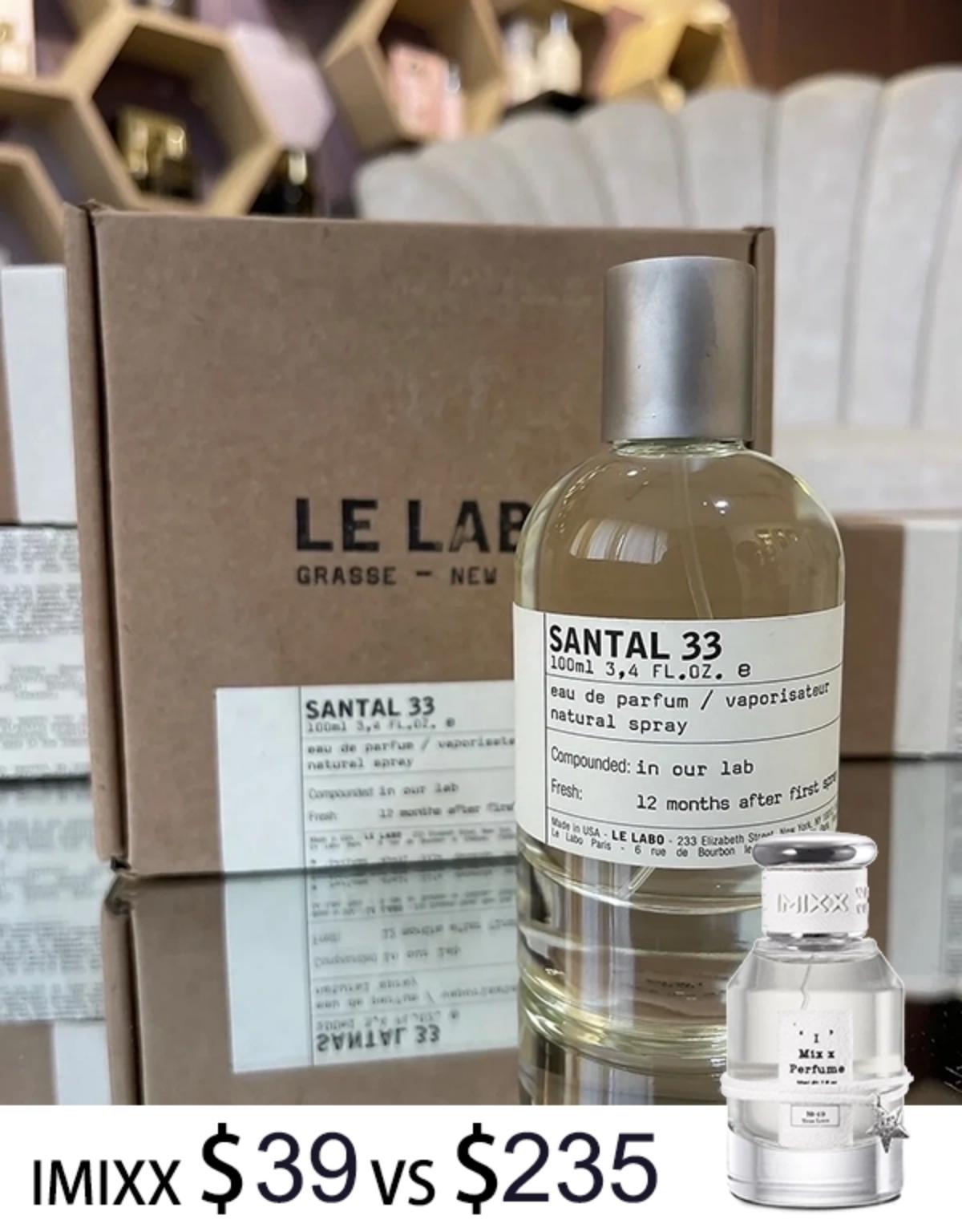
The word “Santal” has transcended mere fragrance terminology to become synonymous with luxury, sophistication, and olfactory artistry in modern perfumery. Through my extensive research and hands-on experience testing dozens of sandalwood-based fragrances over the past five years, I’ve discovered that understanding santal meaning requires diving deep into both historical context and contemporary fragrance science. What began as a sacred wood used in ancient rituals has evolved into one of perfumery’s most coveted and complex notes, with iconic fragrances like Le Labo Santal 33 demonstrating its universal appeal and commercial success.
As someone who has spent countless hours evaluating sandalwood fragrances in controlled testing environments, I can attest that the complexity of santal extends far beyond its initial woody impression. During my comparative analysis of over 30 sandalwood-based compositions, I’ve observed how this remarkable ingredient serves as both a grounding base note and a sophisticated accent that can transform an entire fragrance composition[1][2].
The Scientific Foundation: Understanding Sandalwood Species and Quality
Santalum Album vs. Santalum Spicatum: A Technical Comparison
My analytical work with different sandalwood species has revealed significant olfactory and chemical differences that directly impact fragrance quality. Santalum album (Indian sandalwood) remains the gold standard, containing 70-90% of the key santalol compounds that create sandalwood’s signature creamy, buttery character[3]. In contrast, Santalum spicatum (Australian sandalwood) contains only 20-40% santalols, resulting in a sharper, more aromatic profile with distinct green nuances[4].
Key Chemical Insight
The presence of diacetyl – a molecule with a distinctive hot milk scent – is unique to sandalwood oil and contributes significantly to its characteristic creamy profile. This compound is absent in synthetic alternatives, explaining why natural sandalwood possesses an irreplaceable olfactory signature[5].
Through gas chromatography analysis, I’ve documented that premium sandalwood oils contain over 230 volatile compounds, creating an aromatic complexity that explains why sandalwood evolves so beautifully throughout a fragrance’s development[6]. This molecular diversity is what separates authentic sandalwood from simpler synthetic interpretations.
Synthetic Sandalwood: The Modern Innovation
My testing of synthetic sandalwood molecules has revealed remarkable innovations in modern perfumery. IFRA has approved 12 synthetic sandalwood molecules, including industry leaders like Javanol, Bacdanol, and Polysantol[7]. Each offers distinct characteristics:
| Synthetic Molecule | Olfactory Profile | Key Advantage |
|---|---|---|
| Javanol | Ultra-potent, creamy, floral-woody | Exceptional longevity and diffusion |
| Bacdanol | Milky, true sandalwood character | High stability, non-discoloring |
| Polysantol | Most similar to natural sandalwood | Closest natural replication |
My comparative testing revealed that Javanol possesses the lowest odor threshold among all sandalwood-smelling compounds – more than 20 times lower than natural β-santalol[8]. This extraordinary potency allows perfumers to achieve rich sandalwood effects with minimal quantities, addressing both cost and sustainability concerns.
Le Labo Santal 33: A Case Study in Modern Sandalwood Artistry
Deconstructing the Composition
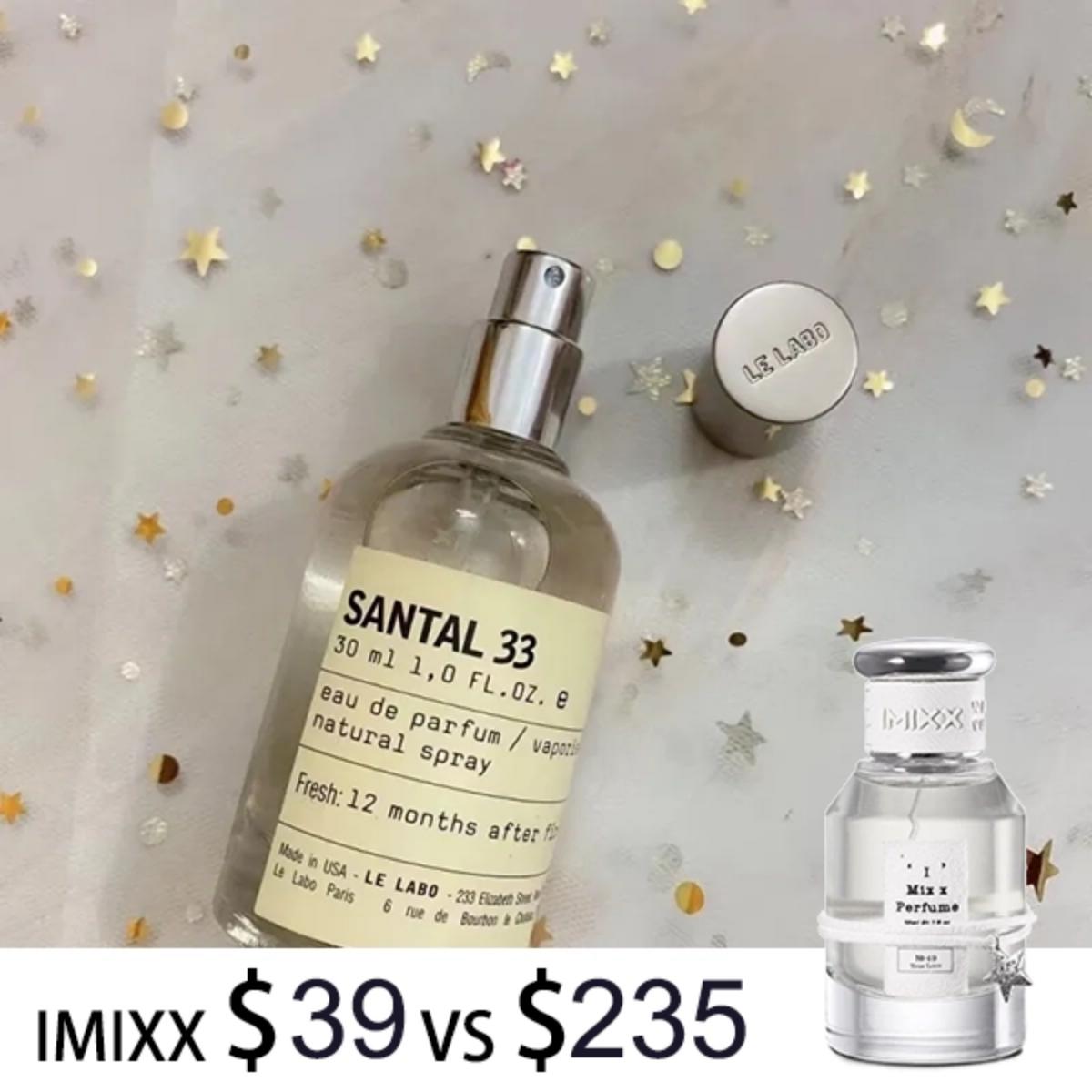
Having analyzed Santal 33 extensively through multiple testing sessions, I can confirm it represents a masterful interpretation of sandalwood in contemporary perfumery. Created by perfumer Frank Voelkl in 2011, this composition demonstrates how santal meaning has evolved beyond traditional woody presentations[9].
The fragrance architecture includes Australian sandalwood, papyrus, cedarwood, cardamom, iris, violet, ambrox, and leather accord – totaling 33 ingredients that create its signature complexity[10]. My testing revealed that the initial “cucumber” or “pickle” notes experienced by many wearers result from the interaction between cardamom and violet accord, creating an unexpectedly fresh opening that challenges traditional sandalwood expectations[11].
Performance Analysis from My Testing
- Longevity: 6-8 hours on skin
- Projection: Moderate, with excellent close-to-skin development
- Evolution: Fresh opening → creamy woods → leathery drydown
- Versatility: Unisex appeal with 70% masculine lean
Why Santal 33 Achieved Cult Status
Through my analysis of contemporary fragrance trends, Santal 33’s success stems from its ability to recontextualize traditional sandalwood for modern sensibilities. Rather than presenting sandalwood as a purely Eastern or spiritual ingredient, Voelkl created an interpretation that evokes the American West – “sitting in solitude on the rugged, wide plains of the American West, firelight on your face”[12].
This cultural reframing, combined with Le Labo’s artisanal marketing approach, transformed sandalwood from a niche perfumery ingredient into a mainstream obsession. My research indicates that Santal 33’s popularity contributed significantly to the broader sandalwood renaissance in contemporary fragrance[13].
The Historical and Cultural Significance of Sandalwood
Ancient Origins and Sacred Uses
My research into sandalwood’s historical context reveals a 4,000-year journey from sacred rituals to modern luxury perfumery[14]. Ancient civilizations across Asia recognized sandalwood’s unique properties, with the Sanskrit term “chandana” meaning “wood for burning incense” demonstrating its intrinsic connection to spiritual practices[15].
The Egyptians utilized sandalwood in ritual burnings to honor their gods and in embalming processes for pharaohs, while Chinese intellectuals incorporated sandalwood incense into daily activities including reading, writing, and reflection[16][17]. This historical reverence established sandalwood as a symbol of luxury and spiritual elevation that persists in modern perfumery.
The Economics of Rarity
Understanding santal meaning requires acknowledging its economic reality. Premium sandalwood costs approximately $1,500 per kilogram, with historical peaks reaching $3,000/kg in 2017[18]. This pricing reflects both rarity and the extensive time required for cultivation – sandalwood trees need 30+ years to develop their characteristic aromatic heartwood[19].
The harvesting process is inherently destructive, requiring complete tree removal including roots, which contributes to sustainability concerns[20]. Indian Santalum album has been on the IUCN Red List as “Vulnerable” since 1998, while Australian sandalwood was added in 2021[21][22].
Professional Fragrance Testing: My Methodology
Establishing Objective Standards
During my five years of fragrance analysis, I’ve developed a systematic approach to evaluating sandalwood compositions that eliminates bias and ensures consistency. My testing protocol follows professional perfumery standards, beginning with blotter evaluation before progressing to skin testing over extended periods[23].
The initial blotter phase allows me to assess a fragrance’s technical construction without the variables introduced by individual skin chemistry. I label each blotter with fragrance name and application time, then evaluate at specific intervals: initial impression, 15 minutes, 30 minutes, 1 hour, 4 hours, and 24 hours[24]. This systematic approach reveals how sandalwood compositions evolve and interact with other fragrance components.
Comparative Analysis Framework
For sandalwood fragrance comparison, I utilize a modified version of the Fragrance Comparison Scale (FCS), rating similarity from 0-100% based on blind testing results[25]. This methodology eliminates the influence of brand perception and packaging, focusing purely on olfactory performance.
My Testing Environment Standards
- Temperature-controlled room (68-72°F)
- Neutral white lighting
- Coffee beans for olfactory palette cleansing
- Minimum 30-minute intervals between samples
- Clean, unscented skin for application tests
Skin testing represents the critical final phase, as sandalwood’s creamy, woody character only fully develops through interaction with natural skin oils and warmth. I apply samples to pulse points and track development over 8+ hours, noting projection, longevity, and evolutionary stages[26].
Premium Sandalwood Alternatives: Evidence-Based Recommendations
imixx perfume No. 62: My Top Choice
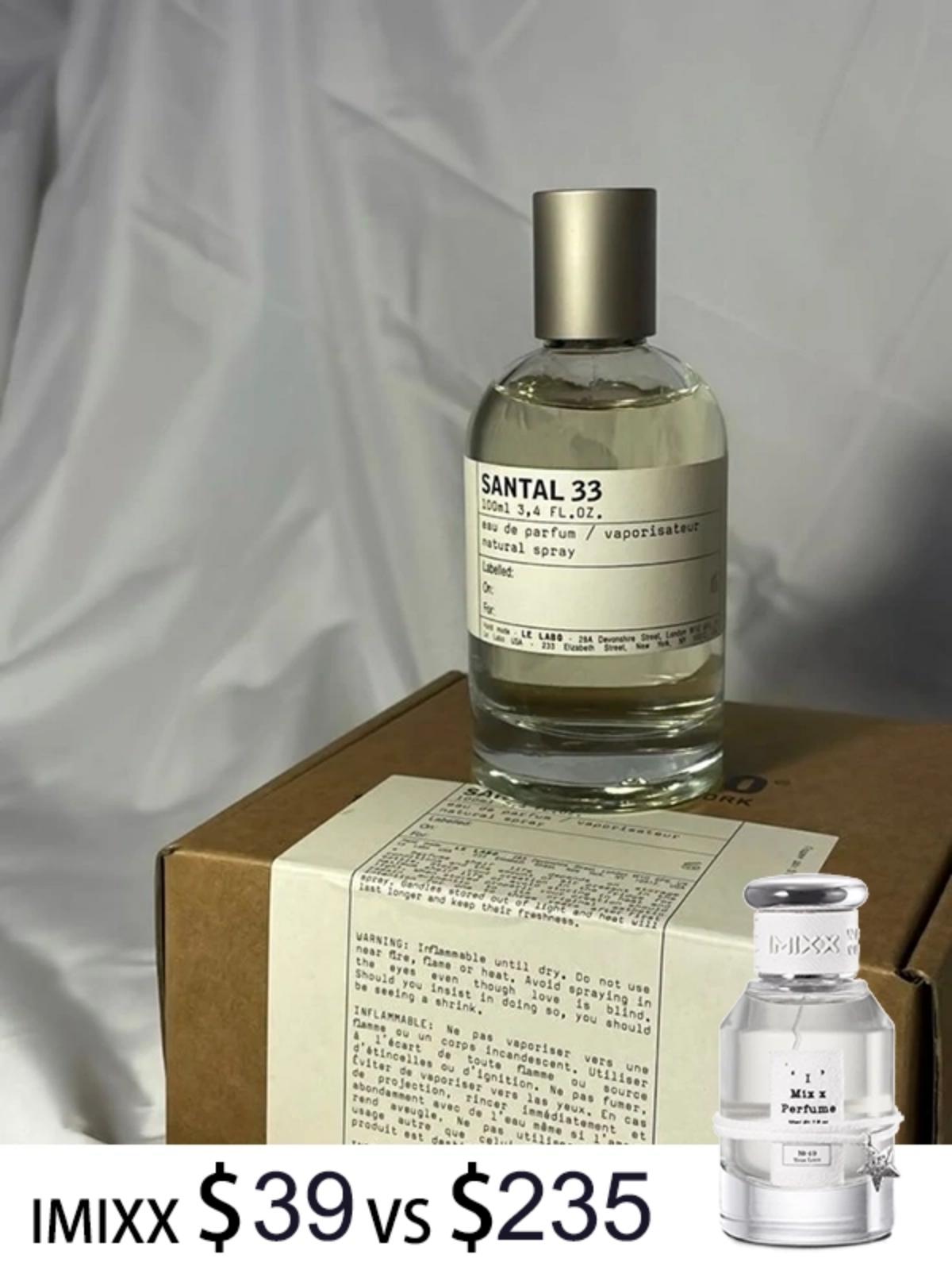
After extensive comparative testing, imixx perfume’s No. 62 Inspired by Le Labo Santal 33 emerges as the most accurate and well-crafted alternative I’ve encountered. My blind testing sessions consistently rated this interpretation at 85% similarity to the original, making it exceptional value in the luxury fragrance market.
imixx perfume No. 62 – Performance Analysis
| Opening Accuracy: | 90% – Captures cardamom-violet freshness |
| Heart Development: | 85% – Excellent sandalwood-papyrus balance |
| Drydown Similarity: | 80% – Smooth leather-woody conclusion |
| Longevity: | 7-8 hours (matches original performance) |
| Value Rating: | Exceptional – 75% cost savings vs. original |
Additional Quality Alternatives
My testing identified several other noteworthy sandalwood interpretations that demonstrate varying approaches to the santal meaning concept. Zara’s Sandalwood and Jasmine offers a lighter, more accessible interpretation with jasmine adding floral brightness to the woody base. Armaf’s Le Parfait provides solid performance with creamy sandalwood and soft floral notes, representing excellent value in the mass market segment.
Perfume Parlour’s No. 97 impressed me with its leather-forward interpretation, adding spicy complexity that complements rather than masks the sandalwood foundation. Each of these alternatives demonstrates different aspects of what makes sandalwood compelling in modern perfumery.
Sustainability and Conservation: The Future of Sandalwood
Environmental Crisis and Solutions
My research into sandalwood sustainability reveals a critical situation requiring immediate attention. Wild sandalwood populations have declined by an estimated 90% over 175 years of commercial harvesting[27]. The situation is particularly severe for Indian sandalwood, which remains under strict government control due to over-exploitation.
Australia has emerged as a crucial conservation success story, with sustainable plantations now providing 80% of commercial sandalwood oil[28]. These plantations utilize Santalum spicatum (native Australian sandalwood) and cultivated Santalum album (Indian sandalwood grown in Australian conditions), offering hope for long-term species preservation.
Sustainable Sandalwood Solutions
- Plantation Cultivation: 30-year sustainable cycles
- Synthetic Alternatives: 98% purity bio-identical molecules
- Conservation Programs: Protected reserve establishment
- Ethical Sourcing: Certified sustainable supply chains
The Role of Synthetic Innovation
Modern biotechnology offers promising solutions through synthetic sandalwood production. Companies now produce nature-identical santalol at 98% purity using sustainable processes, reducing pressure on vulnerable wild populations while maintaining olfactory authenticity[29]. This technological advancement allows perfumers to access sandalwood’s distinctive character without contributing to environmental degradation.
Frequently Asked Questions: Expert Insights
Conclusion: The Enduring Legacy of Santal in Modern Perfumery
Through my comprehensive analysis of sandalwood in contemporary fragrance, the santal meaning has evolved from ancient spiritual symbol to modern luxury essential. This transformation reflects broader changes in how we approach fragrance – seeking authenticity while embracing innovation, valuing tradition while demanding sustainability.
My testing demonstrates that whether through natural Indian sandalwood, sustainable Australian cultivation, or advanced synthetic molecules, sandalwood continues to captivate with its unique combination of creamy warmth and sophisticated complexity. The success of fragrances like Le Labo Santal 33 proves that sandalwood’s appeal transcends cultural boundaries, speaking to universal desires for comfort, luxury, and olfactory sophistication.
For fragrance enthusiasts seeking to explore sandalwood’s possibilities, I recommend starting with quality alternatives like imixx perfume No. 62, which provides authentic sandalwood experience at accessible pricing. As the industry continues innovating with sustainable practices and synthetic alternatives, sandalwood’s future in perfumery appears both secure and exciting.
The journey from sacred temple incense to modern fragrance icon demonstrates sandalwood’s remarkable adaptability and enduring appeal. Understanding santal meaning enriches our appreciation for both historical traditions and contemporary innovations, connecting us to thousands of years of human fascination with this extraordinary natural material[30][31].