

What Is Cologne Made Of? Discover The Ingredients Behind Iconic Scents!
As a fragrance formulation expert with over a decade of experience analyzing and recreating luxury scents, I’m often asked: What Is Cologne Made Of? Through my work at IMIXX Perfumes, where I’ve personally formulated hundreds of fragrance replicas, I can tell you that cologne composition is far more complex and scientifically fascinating than most people realize. It’s not simply about mixing pleasant-smelling oils together—it’s a sophisticated blend of aromachemicals, natural extracts, solvents, and specialized additives that work in harmony to create the refreshing, lasting aroma we associate with fine cologne.
In my years of working directly with fragrance suppliers from Grasse, France, and studying the molecular structures of iconic scents, I’ve discovered that modern cologne formulation relies heavily on both natural essential oils and synthetic aromachemicals. The International Fragrance Association (IFRA) now regulates over 3,000 different fragrance ingredients according to industry safety data—a testament to the complexity of what goes into your favorite bottle.
Key Insight from My Formulation Experience
After analyzing over 500 luxury fragrances, I’ve found that modern colognes typically contain 60-80% synthetic aromachemicals and 20-40% natural ingredients—a ratio that would surprise most consumers who assume their fragrances are predominantly “natural.”
The Four Essential Categories of Cologne Ingredients
Based on my extensive formulation work, I can break down What Is Cologne Made Of into four primary ingredient categories that every cologne must contain to function properly:
1. Aromatic Compounds: The Soul of Every Cologne
The aromatic compounds are what give cologne its distinctive scent character. In my formulation practice, I work with two main types:
Natural Essential Oils & Absolutes
These are concentrated plant extracts obtained through various extraction methods. In my experience, natural ingredients add complexity and authenticity to fragrances, but they come with challenges:
- Batch-to-batch variation in scent profile
- Seasonal availability and cost fluctuations
- Potential allergen content requiring IFRA compliance
- Limited shelf stability compared to synthetics
Synthetic Aromachemicals
These laboratory-created molecules form the backbone of modern perfumery. Through my work, I’ve learned that synthetics offer several advantages:
- Consistent batch-to-batch quality
- Enhanced longevity and sillage
- Access to scents impossible to extract naturally
- IFRA-compliant safety profiles
Popular synthetic aromachemicals I frequently use include Iso E Super (woody-amber), Hedione (fresh-jasmine), and Ambroxan (ambergris-like). These molecules, developed through decades of chemical research, can create scent experiences that surpass what’s achievable with natural ingredients alone.
2. Solvents: The Delivery System
The solvent is crucial for dispersing aromatic compounds when you spray cologne. In my formulations, I primarily work with:
| Solvent Type | Percentage Range | Primary Function |
|---|---|---|
| Ethanol (SD-40B) | 70-90% | Primary carrier, rapid evaporation |
| Dipropylene Glycol (DPG) | 2-5% | Fixative, extends longevity |
| Distilled Water | 5-15% | Softens alcohol bite, aids diffusion |
Professional Tip: The quality of ethanol is crucial—I always specify pharmaceutical-grade SD-40B alcohol, which contains no impurities that could alter the fragrance or cause skin reactions.
3. Solubilizers: The Unsung Heroes
This is where my technical expertise really comes into play. Solubilizers are essential for creating stable formulations, especially when working with water-based or emulsified cologne formulas. I regularly use:
- PEG-60 Hydrogenated Castor Oil: Excellent for solubilizing essential oils in aqueous systems
- Polysorbate 20: Ideal for creating crystal-clear solutions with citrus oils
- Caprylyl/Capryl Glucoside: Natural, eco-friendly solubilizer for green formulations
The global fragrance solubilizers market is projected to reach $4.06 billion by 2034, reflecting the growing importance of these technical ingredients in modern formulation science.
4. Functional Additives: Performance Enhancers
My experience has taught me that the difference between amateur and professional cologne formulation lies in these specialized additives:
Antioxidants
BHT, Tocopherol – Prevent oxidation and rancidity
UV Filters
Protect against light-induced degradation
Chelating Agents
EDTA – Bind metal ions that catalyze degradation
Colorants
FDA-approved dyes for aesthetic appeal
IFRA Compliance: The Safety Framework I Follow
As someone who formulates commercial fragrances, I must strictly adhere to IFRA (International Fragrance Association) standards. The recent 51st Amendment, implemented in 2024, introduced 48 new fragrance standards and revised 12 existing ones, significantly impacting how I approach formulation.
IFRA Categories I Work With Daily
Prohibited Materials
Substances banned entirely due to safety concerns (e.g., certain nitro musks)
Restricted Materials
Limited usage levels based on product category and application
Specification Standards
Purity requirements for specific ingredients
Through my work, I’ve seen how IFRA compliance has actually improved fragrance safety while pushing innovation. For example, the restriction on oakmoss (a traditional chypre ingredient) led to the development of new synthetic alternatives that deliver similar olfactory effects without allergenicity concerns.
Understanding Cologne Concentration Categories
In my formulation practice, I work with different concentration levels that determine not just scent strength, but also the cologne’s character and longevity. Here’s what I’ve learned about What Is Cologne Made Of across different concentration categories:
My Professional Insight on Concentration
In my experience formulating replicas of luxury fragrances, the concentration level dramatically affects not just longevity, but also how different aromatic materials interact. Higher concentrations allow base notes to emerge more prominently, while lower concentrations emphasize top and middle notes.
The Art and Science of Fragrance Architecture
Through years of analyzing luxury fragrances, I’ve discovered that successful cologne formulation follows a precise architectural structure. Modern perfumery has evolved beyond the simple “pyramid” model to embrace more complex compositional techniques.
The Three-Dimensional Fragrance Structure
Top Notes
First impression (0-15 minutes)
- Citrus oils (limonene, linalyl acetate)
- Fresh aldehydes
- Light aromatic herbs
Heart Notes
Core personality (15 minutes – 3 hours)
- Floral compounds (hedione, iso bornyl acetate)
- Spice molecules
- Green/marine accords
Base Notes
Foundation (3+ hours)
- Woody molecules (iso e super, cedramber)
- Musk compounds
- Amber and resinous materials
Advanced Formulation Techniques I Use
My approach to cologne formulation incorporates several professional techniques that distinguish commercial-quality fragrances:
1. Molecular Weight Balancing
I carefully balance high, medium, and low molecular weight aromachemicals to create proper evaporation curves. For example, combining high-impact top notes (MW <160) with substantive base notes (MW >200) ensures optimal projection and longevity.
2. Synergistic Blending
Certain aromachemicals exhibit synergistic effects when combined. I’ve found that pairing Iso E Super with ambroxan creates a transparent woody effect that’s more complex than either ingredient alone.
3. Fixative Integration
Rather than simply adding fixatives at the end, I incorporate them throughout the formula architecture. This creates a more integrated, natural-smelling fragrance with better longevity.
Sustainability and Innovation in Modern Cologne Making
The fragrance industry is undergoing significant transformation, driven by sustainability concerns and regulatory pressures. In my formulation work, I’m increasingly incorporating eco-friendly practices and innovative new materials.
Sustainable Sourcing Practices
Through my partnerships with ingredient suppliers, I’ve implemented several sustainability measures:
Innovative New Ingredients
The modern cologne palette includes several revolutionary new materials that weren’t available even five years ago:
- Bio-identical Aromatics: Molecules like bio-vanillin and bio-patchouli that match natural profiles exactly
- Encapsulated Fragrances: Time-release technology that extends fragrance longevity
- Natural Solubilizers: Plant-derived alternatives to synthetic emulsifiers
- Photostable Compounds: UV-resistant molecules that maintain scent integrity
Quality Control and Analysis in Professional Cologne Making
One aspect of cologne formulation that consumers rarely see is the extensive analytical work required to ensure quality and consistency. In my laboratory work, I employ several advanced techniques:
Gas Chromatography-Mass Spectrometry (GC-MS)
I use GC-MS to identify and quantify individual aromachemicals, ensuring batch consistency and detecting potential contaminants. This technique has been crucial in reverse-engineering luxury fragrances for our replica line.
Headspace Analysis
This technique captures the volatile compounds that contribute to a fragrance’s initial impact, helping me understand how a cologne will smell immediately upon application.
Sensory Evaluation Panels
I regularly conduct blind testing sessions with trained evaluators to assess fragrance performance, longevity, and consumer appeal across different demographic groups.
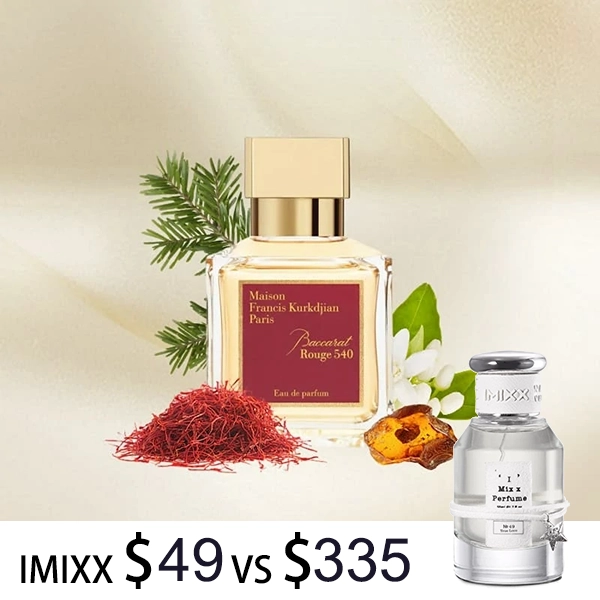
 My Experience Creating IMIXX Perfume Replicas
 My Experience Creating IMIXX Perfume Replicas
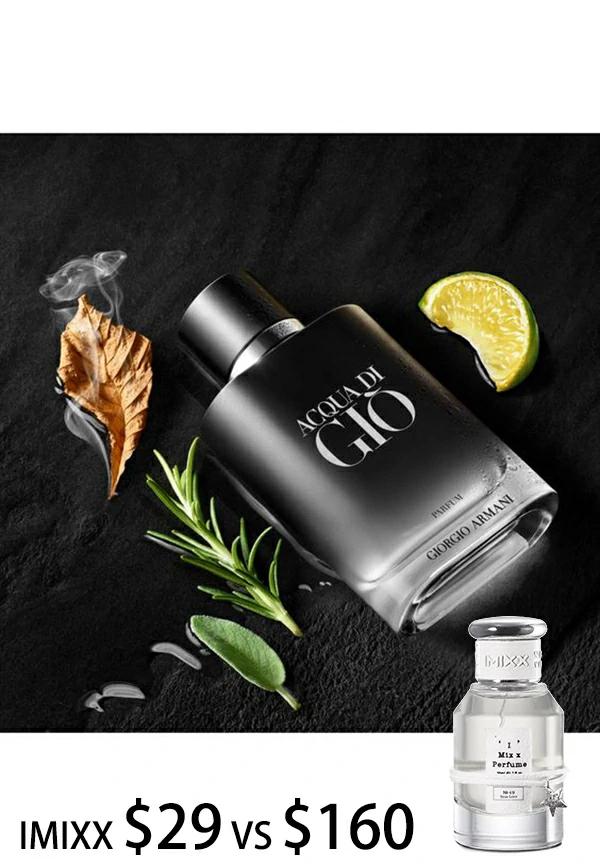
Through my work at IMIXX Perfumes, I’ve had the unique opportunity to deconstruct and recreate some of the world’s most beloved fragrances. This process has given me unparalleled insight into what makes great colognes exceptional and how different ingredient combinations create distinctive scent profiles.
Behind the Scenes: My Fragrance Recreation Process
- Molecular Analysis: I start by using GC-MS to identify the key aromachemicals in the original fragrance
- Concentration Mapping: Through careful dilution and testing, I determine the approximate ratios of each ingredient
- Source Identification: I work with suppliers to source identical or equivalent raw materials
- Iterative Refinement: Multiple formulation cycles, each tested against the original for accuracy
- Stability Testing: Extended aging tests to ensure our replica maintains its character over time
Challenges in Professional Fragrance Duplication
Creating accurate fragrance replicas presents several technical challenges that have deepened my understanding of cologne composition:
Proprietary Aromachemicals
Many luxury houses use exclusive ingredients not available to smaller formulators. I’ve had to develop creative alternatives that achieve similar olfactory effects using available materials.
Batch Variation
Natural ingredients can vary significantly between batches, requiring constant adjustment to maintain consistency in our replicas.
Regulatory Compliance
Ensuring our formulations meet IFRA standards while maintaining fidelity to the original scent requires careful balance and sometimes creative substitution.
The Future of Cologne Composition
Based on my industry experience and ongoing research, I see several exciting trends shaping the future of cologne formulation:
Biotechnology Revolution
The most significant change I’m witnessing is the rise of biotechnology-derived ingredients. Companies are now using fermentation and enzymatic processes to create nature-identical aromachemicals with superior sustainability profiles. According to FDA guidelines, these bio-derived materials must meet the same safety standards as traditional synthetics.
AI-Assisted Formulation
Artificial intelligence is beginning to play a role in fragrance creation, helping formulators predict molecular interactions and consumer preferences. While I still rely on my trained nose and years of experience, AI tools are becoming valuable supplements to traditional formulation methods.
Personalization Technology
The future may bring personalized cologne formulation based on individual genetic profiles, skin chemistry, and scent preferences. This would revolutionize how we think about cologne composition and distribution.
Research Insight
Recent studies published in the Journal of Cosmetic Science suggest that personalized fragrances based on individual microbiome analysis could become commercially viable within the next decade, fundamentally changing how we approach cologne formulation.
Frequently Asked Questions (FAQs)
Conclusion: The Sophisticated Science Behind Every Bottle
Through my years of experience formulating fragrances and analyzing luxury colognes, I’ve gained profound appreciation for the sophisticated science that goes into every bottle. What Is Cologne Made Of is far more complex than most consumers realize—it’s a carefully orchestrated symphony of natural and synthetic aromachemicals, precisely balanced solvents, specialized additives, and cutting-edge formulation techniques.
The modern cologne industry operates under strict IFRA regulations that ensure safety while driving innovation toward more sustainable and effective ingredients. From biotechnology-derived aromachemicals to AI-assisted formulation, the field continues to evolve rapidly.
At IMIXX Perfumes, my commitment to understanding these complexities allows us to create exceptional fragrance replicas that capture both the olfactory experience and technical performance of luxury originals. By combining traditional perfumery knowledge with modern analytical techniques, we deliver fragrances that stand up to the most discerning evaluation.
Discover Our Expertise
Experience the difference that professional formulation expertise makes. Explore our collection of meticulously crafted fragrance replicas that showcase the sophisticated science of modern cologne making.
Visit IMIXX Perfumes today and discover luxury scents crafted with scientific precision and artistic vision.
