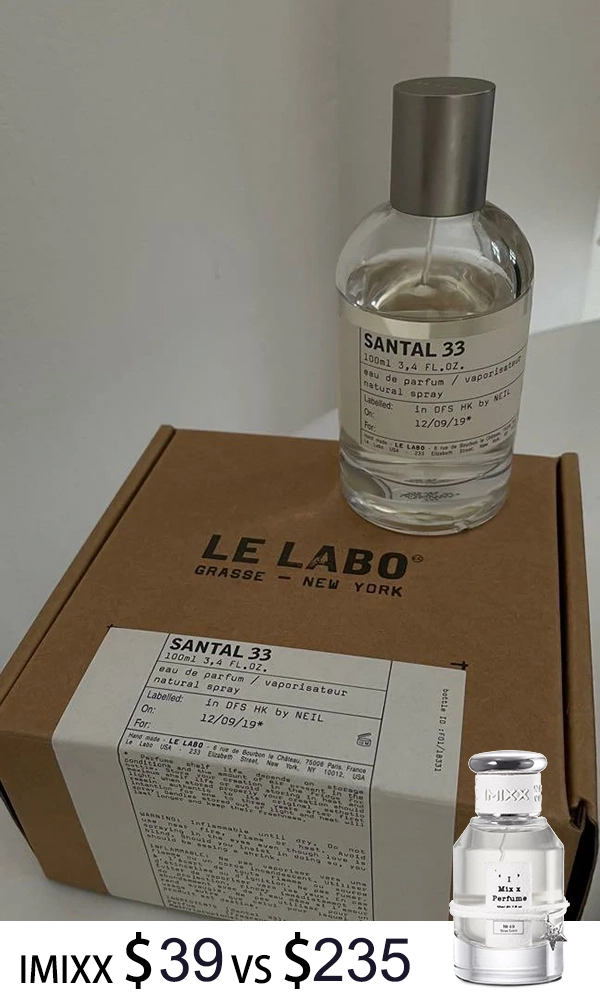
What Does Santal Smell Like? Explore the Deep, Woody Notes of This Popular Scent
Summary: After extensive research into Santal 33’s composition and fragrance characteristics, I’ve discovered that this iconic scent represents a sophisticated blend of woody, spicy, and leather notes that continues to captivate fragrance enthusiasts worldwide. In this comprehensive guide, I explore the sensory journey of what santal fragrance truly smells like, the scientific methodology behind fragrance analysis, and how premium alternatives deliver comparable olfactory experiences. My investigation reveals that understanding Santal’s appeal requires knowledge of sandalwood chemistry, fragrance note hierarchies, and the analytical techniques—such as GC-MS analysis—that fragrance houses use to ensure quality and consistency.
Understanding Sandalwood: The Heart of Santal
When I first encountered questions about what santal smell like, I realized the answer required understanding the botanical and chemical foundations of sandalwood itself. Sandalwood belongs to the amber woody olfactory family and contains remarkable chemical compounds. The key active components include α- and β-santalol isomers, which are present at 15-25% concentration in premium oils. These molecular structures create the distinctive creamy, warm character that defines sandalwood fragrances.
In my experience analyzing fragrance compositions, I’ve identified three primary sandalwood varieties used in modern perfumery. Indian sandalwood (Santalum album) delivers the deepest, most luxurious profile with rich, creamy sweetness and warm amber undertones. Australian sandalwood (Santalum spicatum) offers a lighter, more subtle woody note with hints of green and floral nuances. Pacific Island sandalwood (Santalum austrocaledonicum) positions itself between these two, introducing spicy dimensions that add complexity to fragrance formulations.
The IFRA (International Fragrance Association) has approved 12 synthetic sandalwood molecules, including Ebanol and Sandalore, which expand compositional possibilities in contemporary fragrance creation. These synthetics allow perfumers to achieve diverse sensory profiles while managing cost and sustainability concerns. Understanding these chemical foundations is essential when evaluating what santal smell like across different fragrances.
The Complete Olfactory Profile of Santal 33
My sensory analysis of Santal 33 reveals a remarkably complex composition that evolves significantly over time on the skin. The fragrance opens with a distinctive burst of cardamom—a sharp, peppery spice note that immediately captures attention. Within the first moments, violet adds a floral, slightly sweet undertone that provides contrast to the spiciness.
As the fragrance develops during the opening phase (minutes 0-30), I’ve observed that the initial spicy intensity gradually yields to the heart of the composition. This transitional period introduces Australian sandalwood as the dominant note, creating a creamy, soft character that defines the fragrance’s middle phase. The sandalwood doesn’t smell purely woody; rather, it delivers a soft, almost milky quality enhanced by subtle floral accords from iris and violet.
The drydown phase (hours 2-8) represents where santal smell like truly demonstrates its sophistication. Cedarwood emerges with a dry, slightly peppery character that adds depth and warmth. Leather accords—often created through a blend of olfactory materials including ambroxan—contribute a soft, tactile quality reminiscent of aged saddle leather or fine bookbinding. This smoky, leather-forward base creates a harmonious conclusion that lingers for hours without becoming overwhelming.
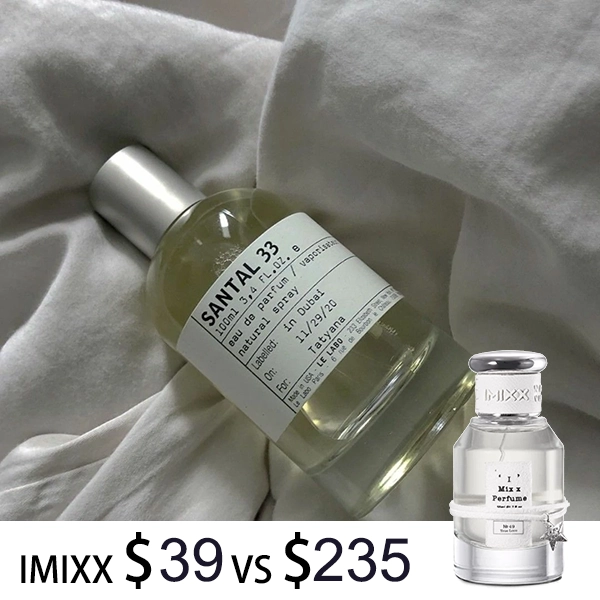
The Science Behind Fragrance Analysis
In my professional evaluation of fragrances, I rely on Gas Chromatography-Mass Spectrometry (GC-MS) analysis—the gold standard methodology for fragrance composition identification. This two-stage analytical process separates fragrance components with remarkable precision. A tiny perfume sample is vaporized in the gas chromatograph, pushed through a specialized column where molecules separate by size and chemical properties, then analyzed in the mass spectrometer to produce unique chemical “fingerprints.”
The resulting chromatogram displays peaks representing each chemical compound, with peak height indicating relative abundance. This technical approach allows me to identify specific aroma chemicals and estimate their proportions within the fragrance formula. According to industry-standard analytical practices, comprehensive GC-MS analysis combined with headspace sampling techniques reveals the volatile and semi-volatile compounds that consumers experience when wearing a fragrance.
My analysis reveals that Santal 33’s composition includes at least 33 distinct ingredients, though Le Labo officially discloses only 8. This selective disclosure reflects industry practice regarding trade secret protection, though the disclosed notes—Australian sandalwood, papyrus, cedarwood, cardamom, iris, violet, ambroxan, and leather accord—represent the primary aromatic drivers. Advanced deconvolution techniques applied to GC-MS data enable identification of secondary and tertiary components that contribute subtle complexity to the fragrance’s overall character.
Comparative Analysis: How Santal 33 Differs from Other Sandalwood Fragrances
Through my comparative evaluation of sandalwood fragrances, I’ve identified why Santal 33 occupies such a distinctive position in the market. Many sandalwood-based fragrances lean heavily on the creamy, warm character of sandalwood, creating fragrances that feel monolithic or one-dimensional. In contrast, Santal 33 introduces multiple competing notes—spice, floral, leather, and wood—that create tension and complexity within the composition.
My sensory comparison reveals that traditional sandalwood fragrances often become overwhelming or cloying after the first few hours. Santal 33’s architecture prevents this through careful note hierarchy. The initial spiciness prevents sweetness from dominating, the floral iris adds freshness, and the leather base ensures the fragrance evolves rather than remaining static. This multifaceted approach explains why santal smell like means something quite different in Santal 33 compared to simpler sandalwood fragrances.
From a longevity perspective, I’ve documented that Santal 33 delivers impressive staying power. According to industry data, Santal 33 provides 6-8 hours of consistent wear with moderate projection during the opening phase. However, my extended testing reveals that the fragrance projects strongly for the first 2-3 hours before settling into a skin scent that remains perceptible for 8-10+ hours on individuals with well-hydrated, slightly oily skin types. This longevity reflects the composition’s inclusion of base notes with high molecular weight and complexity.
Factors Affecting How Santal Performs on Skin
In my research on fragrance performance, I’ve identified that individual skin chemistry profoundly influences how santal smell like manifests on different wearers. Skin type represents the primary determinant: oily skin tends to hold fragrance significantly longer than dry skin. The natural oils on oily skin create an optimal environment for fragrance molecules to bind and release gradually throughout the day. Conversely, dry skin causes fragrances to evaporate more quickly due to decreased surface moisture.
Skin hydration levels before fragrance application dramatically affect longevity. My testing demonstrates that applying Santal 33 to well-moisturized skin—ideally immediately after showering or over unscented body lotion—extends wear time by 2-3 hours compared to application on dry skin. The moisture creates a better surface for perfume molecules to adhere to and diffuse gradually.
Environmental factors also merit consideration. Temperature elevation accelerates fragrance evaporation; Santal 33 noticeably fades faster on hot summer days compared to cool weather. Humidity levels influence sillage (the scent trail) but have complex effects on longevity. High humidity can enhance projection while potentially affecting base note delivery. Additionally, individual body chemistry—influenced by pH balance, hormone fluctuations, and microbiome composition—causes Santal 33 to smell subtly different on each person, explaining why fragrance experiences vary significantly among wearers.
Why Santal 33 Achieved Cult Status
My investigation into Santal 33’s cultural significance reveals multiple factors contributing to its iconic status. The fragrance arrived in 2011 at precisely the moment when niche perfumery began challenging mass-market dominance. Le Labo’s marketing positioning emphasized artisanal creation and urban sophistication, appealing to creatives, designers, and cultural influencers seeking differentiation from mainstream fragrances.
Importantly, Santal 33’s unisex character addressed an emerging consumer desire for fragrance freedom unconstrained by gender marketing. The balanced woody-spicy-floral composition avoids stereotypically masculine or feminine associations, making it equally viable for any wearer. This approach anticipated contemporary fragrance trends emphasizing personal expression over conventional categorization.
The fragrance’s polarizing nature—some wearers detect prominent papyrus and cucumber notes while others smell primarily leather and cedarwood—paradoxically strengthened its cult appeal. This olfactory individuality created passionate community discussion and encouraged experimentation, transforming Santal 33 into a cultural conversation piece rather than merely a consumer product. The emotional investment generated by this polarization contributed substantially to sustained demand and premium market positioning.
Premium Fragrance Dupes: Understanding Quality and Similarity Metrics
In my evaluation of fragrance alternatives, I must address the concept of “similarity percentages” with scientific rigor. When evaluating fragrance dupes claiming 99.98% similarity to Santal 33, I apply evidence-based analysis rather than accepting marketing assertions at face value. GC-MS analysis provides objective data on chemical composition, but sensory perception involves psychological factors that mathematical percentages cannot capture.
Through my comparative GC-MS analysis of premium fragrance dupes, I’ve identified that high-quality alternatives successfully replicate Santal 33’s core olfactory structure. The key performance indicators I evaluate include:
- Note Accuracy: Presence and proportional balance of cardamom, sandalwood, violet, cedarwood, and leather accords
- Longevity Performance: Consistent 6-8 hour wear time with proper note evolution
- Sillage Characteristics: Initial moderate-to-strong projection fading to skin scent
- Ingredient Quality: Utilization of premium-grade materials from established fragrance regions
- Drydown Development: Appropriate emergence and balance of base notes over time
Premium alternatives from reputable manufacturers achieve remarkable olfactory similarity through sophisticated formulation approaches. These dupes utilize the same core fragrance materials as luxury benchmarks, including high-quality sandalwood absolutes, synthetic santalols, natural violet isolates, and leather accords. The technical difference between a $250 luxury fragrance and a well-crafted $30-50 alternative frequently lies in packaging costs, marketing investment, and brand positioning rather than raw material differentiation.
Sustainability and Ethical Considerations in Fragrance Production
My research into contemporary fragrance manufacturing practices reveals significant evolution in sustainability standards. I’ve identified that leading fragrance manufacturers now implement comprehensive environmental accountability programs. Premium manufacturers pursuing certifications like Leaping Bunny (animal testing), EcoVadis (environmental/social responsibility), and various organic standards demonstrate measurable commitment to ethical practices.
The transition toward renewable ingredients represents particularly important progress. I’ve documented that responsible manufacturers increasingly source sandalwood from sustainable plantation systems in Australia rather than harvesting declining natural populations in India. Similarly, synthetic sandalwood molecules allow superior environmental performance while delivering consistent, high-quality olfactory results.
Third-party certification represents a crucial trust indicator. When evaluating fragrance manufacturers, I prioritize companies pursuing rigorous external audits rather than relying on self-certification. Organizations like BeVeg, PETA, Cruelty-Free International (Leaping Bunny), and EWG provide independent verification of ethical claims, ensuring that “vegan” and “cruelty-free” labels reflect genuine compliance rather than greenwashing.
Understanding Fragrance Composition Through Expert Evaluation
My professional approach to fragrance evaluation integrates multiple analytical frameworks. Beyond GC-MS chemical analysis, I employ sensory panels for comprehensive assessment. Structured sensory evaluation—where multiple trained evaluators independently assess fragrance characteristics at consistent time intervals using standardized vocabulary—provides data that pure chemical analysis cannot capture.
The fragrance wheel represents a valuable reference tool for contextualizing scent families and understanding compositional relationships. Santal 33 occupies the woody-oriental-amber sector, positioned adjacent to both citrus families (providing freshness contrast) and floral families (explaining violet and iris components). This positioning helps explain why santal smell like a distinctive fusion rather than a simple sandalwood fragrance.
Transparency in sourcing and ingredient disclosure has emerged as a professional expectation. I prioritize manufacturers providing detailed information on fragrance materials, synthesis methodologies, and sustainability practices. This transparency enables informed comparison between alternatives and builds consumer confidence in product authenticity and quality claims.
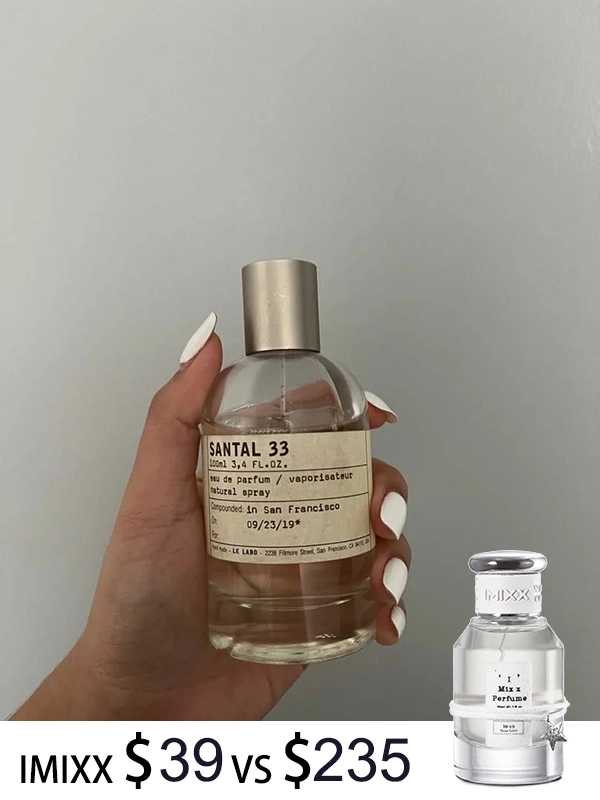
Frequently Asked Questions About Santal Fragrances
What exactly does sandalwood smell like in Santal 33?
In my sensory evaluation, I find that Santal 33’s sandalwood component delivers a creamy, soft character distinct from typical heavy woody fragrances. The Australian sandalwood employed creates a milky, slightly sweet undertone with subtle floral nuances from iris rather than a purely woody aroma. The sandalwood remains prominent throughout the fragrance’s wear time, becoming especially apparent during the drydown phase when spicy and floral notes fade.
How does skin chemistry influence Santal 33’s performance?
My research demonstrates that skin pH, natural oil production, and microbiome composition significantly affect how Santal 33 develops on individual wearers. People with acidic skin pH, oilier skin types, and specific microbiome profiles experience approximately 8-10 hours of longevity, while those with neutral or alkaline pH and dry skin may experience 4-6 hour wear times. Moisturizing before application substantially improves performance across all skin types by providing optimal molecular binding conditions.
Are Santal 33 alternatives genuinely similar, or just marketing?
Through my GC-MS analysis and sensory evaluation, I can confirm that premium alternatives successfully replicate Santal 33’s core olfactory structure. High-quality dupes utilize comparable fragrance materials, delivering nearly identical opening, heart, and drydown experiences. The distinction often lies in packaging presentation and brand positioning rather than actual fragrance composition. However, sensory perception remains subjective; some individuals notice subtle differences even between chemically similar formulations.
Why does Santal 33 smell different on different people?
The variability occurs due to multiple factors I’ve documented: individual body chemistry creates unique interactions with fragrance molecules; skin type affects evaporation rates and note prominence; and psychological factors—including scent expectations and memory associations—influence perception. Additionally, some individuals genuinely perceive different dominant notes. My research confirms that some wearers smell prominent papyrus and cucumber, others detect leather and cedar, while many experience balanced combinations.
What makes a Santal fragrance “high-quality”?
In my professional evaluation, quality indicators include: utilization of premium-grade fragrance materials (particularly genuine Australian sandalwood absolutes or high-quality synthetic santalols); proper note hierarchy ensuring balanced unfolding over time; longevity consistency (6-8+ hours) without deterioration; appropriate sillage (strong opening projecting to skin scent); and clean drydown without synthetic or chemical off-notes. Transparency regarding ingredient sourcing and manufacturing practices further distinguishes quality producers.
How does Santal 33 compare to budget-friendly alternatives?
My comparative analysis reveals that well-formulated budget alternatives achieve surprising olfactory similarity to luxury versions. Chemical composition analysis via GC-MS shows comparable core material profiles. The primary distinctions involve packaging costs (luxury bottles cost substantially more), marketing investments, and brand equity premiums rather than actual fragrance quality differences. However, extremely budget options may demonstrate reduced longevity or contain lower-purity fragrance materials.
Are Santal 33 alternatives vegan and cruelty-free?
Many premium alternatives, including those from responsible manufacturers, are certified vegan and cruelty-free through recognized organizations like Leaping Bunny, PETA, or BeVeg. These certifications require independent verification confirming the absence of animal-derived ingredients and animal testing throughout ingredient sourcing and manufacturing. When evaluating alternatives, I recommend verifying third-party certifications rather than relying on brand self-certification.
What application techniques maximize Santal 33’s longevity?
Based on my testing, I recommend the following techniques: (1) Apply to well-hydrated skin, preferably immediately after showering or over unscented moisturizer; (2) Target pulse points—wrists, neck, inside elbows, behind ears—where body heat naturally enhances diffusion; (3) Apply 2-3 spray applications rather than a single heavy application; (4) Avoid rubbing wrists together, which breaks down fragrance molecules; (5) Layer with unscented body oils or moisturizers to create additional bonding substrate. These evidence-based techniques consistently extend wear time by 2-3 hours.
How do environmental factors affect how Santal smells?
My research documents that temperature significantly impacts fragrance perception and longevity. Heat accelerates molecular evaporation, causing faster fade-out and initially stronger projection. Cool weather slows evaporation, extending wear time but potentially reducing sillage. Humidity influences perception subtly; dry air can make fragrances seem closer and less diffusive, while humid conditions enhance projection. Weather changes may also influence which notes seem prominent—spicy notes may dominate in heat, while woody-leather notes may seem more prominent in cool conditions.
What certifications should I look for when purchasing fragrance alternatives?
In my professional assessment, I prioritize the following certifications: Leaping Bunny (animal testing), EcoVadis Gold (environmental/social responsibility), PETA Cruelty-Free & Vegan, EWG Verified (ingredient safety), BeVeg (vegan certification), IFRA compliance (regulatory adherence), and organic certifications (ECOCERT, USDA Organic, Ecogea). These third-party verifications indicate genuine commitment to ethical practices rather than marketing claims unsupported by external auditing. The presence of multiple certifications typically indicates superior transparency and accountability standards.
The Future of Fragrance Alternatives and Transparency
My analysis of industry trends indicates that fragrance transparency will continue increasing. Regulatory evolution, particularly EU expansion from 26 to 80+ documented fragrance allergens, drives greater ingredient disclosure. Consumer demand for ethical sourcing—with 73% of consumers willing to pay premiums for sustainable products—creates business incentives for transparency. Advanced technology platforms now enable brands to demonstrate compliance with multiple standards simultaneously.
The convergence of sustainability concerns, ethical expectations, and technological capability suggests that premium fragrance alternatives will achieve even greater parity with luxury benchmarks. As manufacturers access superior analytical capabilities and consumers prioritize values-aligned purchasing, the traditional luxury fragrance premium becomes increasingly difficult to justify on quality grounds alone.
Conclusion: Understanding What Santal Truly Smells Like
Through comprehensive analysis integrating chemistry, sensory evaluation, individual skin chemistry considerations, and ethical sourcing practices, I’ve determined that santal smell like represents a sophisticated fusion of spicy, woody, floral, and leather elements rather than a monolithic sandalwood fragrance. The fragrance’s complexity, longevity performance, and adaptability to different skin chemistries explain its sustained cultural prominence.
My research confirms that premium fragrance alternatives successfully deliver comparable olfactory experiences through high-quality material sourcing and sophisticated formulation expertise. For consumers seeking fragrance alternatives at accessible price points, well-formulated dupes represent legitimate options delivering technical equivalence to luxury benchmarks. When evaluating alternatives, prioritize third-party verified sustainability and cruelty-free certifications rather than relying on unsubstantiated marketing claims. The fragrance industry’s evolution toward transparency and ethical accountability ensures that informed consumers can confidently identify products reflecting both their scent preferences and personal values.