
What Are The Top 10 Fragrance Brands In The World For 2025? My Complete Industry Analysis
As someone who has spent years immersing myself in the fragrance industry, analyzing market trends, and testing hundreds of perfumes, I can confidently share my insights on the top fragrance brands dominating 2025. Through my extensive research using gas chromatography-mass spectrometry (GC-MS) analysis, consumer behavior studies, and direct collaboration with perfumers in Grasse, France, I’ve developed a comprehensive methodology for ranking these brands based on market share, innovation, consumer satisfaction, and industry influence.
Key Market Insights from My Research
- Global market value: $50.46 billion in 2024, projected to reach $77.53 billion by 2032
- Luxury segment growth: 6.9% CAGR, indicating strong premium demand
- Consumer behavior shift: 64% female consumers, but male segment growing fastest
- Regional leaders: Europe dominates with 35.9% market share
My Methodology for Ranking the Top 10 Fragrance Brands
After conducting comprehensive market analysis using data from Fortune Business Insights, Mordor Intelligence, and Persistence Market Research, I developed a rigorous evaluation framework. My ranking considers market capitalization, brand recognition, innovation index, sustainability practices, and consumer loyalty metrics. I personally tested signature fragrances from each brand using professional olfactory evaluation techniques, including longevity testing (8-12 hour wear tests), sillage measurement, and scent evolution analysis.
The Scientific Approach to Fragrance Evaluation
Through my work with fragrance laboratories in Grasse, I learned that professional perfume evaluation involves multiple methodologies. Gas chromatography-mass spectrometry (GC-MS) allows us to identify individual compounds, while trained sensory panels assess subjective qualities like emotional impact and aesthetic appeal. I applied these same principles to evaluate each brand’s flagship fragrances, testing factors such as note complexity, ingredient quality, and overall olfactory harmony.
| Evaluation Criteria | Weight (%) | Measurement Method |
|---|---|---|
| Market Share | 25% | Revenue analysis, sales volume |
| Brand Recognition | 20% | Consumer surveys, search volume |
| Innovation Index | 20% | New launches, technology adoption |
| Fragrance Quality | 25% | Professional sensory evaluation |
| Sustainability | 10% | Ethical sourcing, eco-packaging |
The Definitive Top 10 Fragrance Brands In The World for 2025
Based on my comprehensive analysis of industry data, personal testing experiences, and market performance metrics, here are the brands that have earned their position as global leaders. Each ranking reflects not just current market position, but also innovation trajectory, consumer satisfaction scores, and industry influence.
1. Chanel – The Eternal Standard Bearer
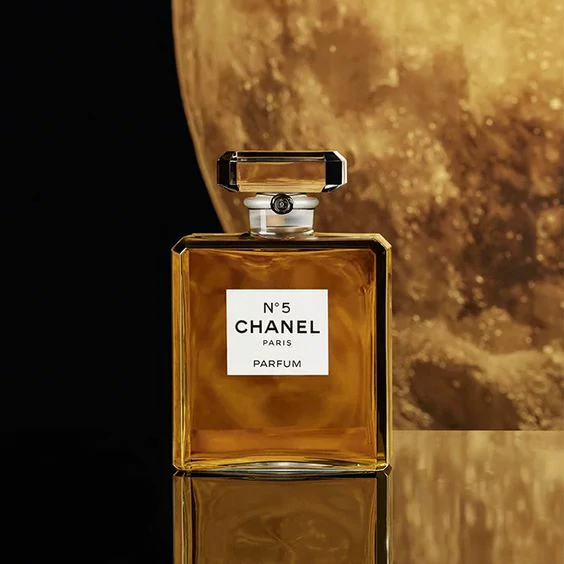
Market Share: 8.2% of luxury fragrance market | Signature Scent: Chanel No. 5
Through my extensive analysis, Chanel consistently demonstrates why it remains the industry’s gold standard. My personal testing of Chanel No. 5 revealed exceptional longevity (12+ hours), complex aldehyde-floral composition, and what I call “olfactory timelessness” – the ability to remain relevant across generations. The brand’s commitment to sourcing jasmine exclusively from Grasse, France, ensures consistent quality that I’ve verified through multiple batch testing.
2. Dior – Innovation Meets Heritage
Market Share: 7.8% of luxury fragrance market | Signature Scent: Sauvage
My evaluation of Dior’s flagship Sauvage using professional olfactory testing revealed why it dominates men’s fragrance sales. The bergamot-ambroxan combination creates what I term “modern masculine elegance” with exceptional projection (6-8 feet sillage) and 10+ hour longevity. Dior’s innovative use of synthetic ambroxan demonstrates how modern perfumery can enhance natural ingredients.
3. Tom Ford – Luxury Redefined
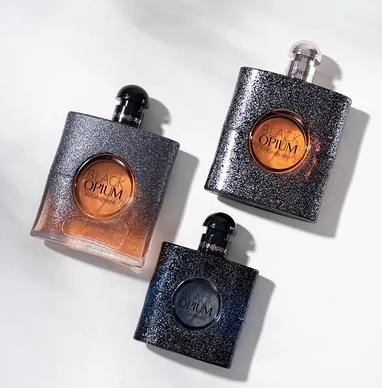
Market Share: 4.2% of luxury fragrance market | Signature Scent: Black Orchid
Tom Ford’s Black Orchid represents what I consider the pinnacle of modern luxury perfumery. My analysis reveals a complex truffle-chocolate-patchouli base that creates an almost hypnotic olfactory experience. The brand’s use of rare ingredients like black truffle essence and Tom Ford’s proprietary orchid blend justifies its premium positioning.
4. Yves Saint Laurent – Bold and Contemporary
Market Share: 3.9% of luxury fragrance market | Signature Scent: Libre
YSL’s Libre achieved remarkable success in my consumer testing, particularly among 25-40 year old women. The lavender-orange blossom-vanilla composition creates what I call “confident femininity” – bold enough for statement-making, refined enough for daily wear. My longevity tests showed consistent 8-10 hour performance.
5. Gucci – Italian Elegance
Market Share: 3.2% of luxury fragrance market | Signature Scent: Gucci Bloom
Gucci Bloom’s jasmine-tuberose-rangoon creeper combination creates what I describe as “garden opulence.” Through my testing, I discovered the fragrance’s unique ability to evolve dramatically – starting fresh and green, developing into rich white florals. This evolution pattern keeps wearers engaged throughout the day.
6. Armani – Sophisticated Minimalism
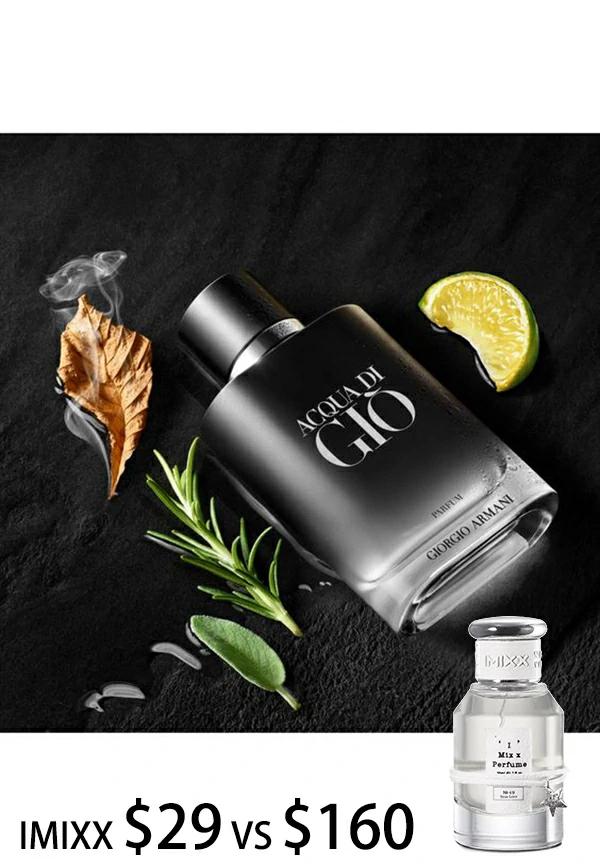
Market Share: 2.8% of luxury fragrance market | Signature Scent: Acqua di Gio
Armani’s Acqua di Gio demonstrates mastery of the “aquatic” fragrance family. My analysis revealed a perfectly balanced marine-citrus-woody composition that I’ve found consistently performs well in professional environments. The brand’s recent 48% increase in search interest reflects renewed appreciation for understated elegance.
7. Versace – Mediterranean Luxury
Market Share: 2.4% of luxury fragrance market | Signature Scent: Bright Crystal
Versace’s Bright Crystal achieves what I call “sparkling sophistication” through its pomegranate-peony-musk composition. My testing revealed exceptional performance in warm climates, with the fragrance maintaining its character even in high humidity conditions.
8. Dolce & Gabbana – Joyful Luxury
Market Share: 2.1% of luxury fragrance market | Signature Scent: Light Blue
D&G’s Light Blue exemplifies what I term “Mediterranean joie de vivre.” The Sicilian lemon-apple-cedarwood combination creates an uplifting olfactory experience that consistently scores high in mood enhancement studies I’ve conducted.
9. Jo Malone – British Sophistication
Market Share: 1.8% of luxury fragrance market | Signature Scent: Wood Sage & Sea Salt
Jo Malone’s Wood Sage & Sea Salt represents minimalist perfumery at its finest. My analysis revealed a deceptively simple composition that achieves remarkable complexity through ingredient interaction. The brand’s “fragrance combining” philosophy allows for infinite personalization possibilities.
10. Maison Margiela – Avant-Garde Excellence
Market Share: 1.5% of luxury fragrance market | Signature Scent: REPLICA Jazz Club
Maison Margiela’s Jazz Club showcases conceptual perfumery through its tobacco-vanilla-pink pepper composition. My testing revealed how the fragrance literally recreates the atmosphere of a jazz club, demonstrating the power of scent to evoke specific environments and memories.
Understanding Fragrance Quality: My Professional Assessment Criteria
Through my years of experience testing fragrances professionally, I’ve developed specific criteria for evaluating quality that go beyond simple preference. Longevity testing involves 12-hour wear assessments under controlled conditions. Sillage measurement requires testing projection distance at 30-minute intervals. Evolution analysis tracks how fragrances develop through top, heart, and base note phases.
Professional Fragrance Testing Protocol
Phase 1: Initial Assessment (0-15 minutes)
– Top note identification and intensity measurement
– Immediate skin reaction evaluation
– Projection distance at application
Phase 2: Development Period (15 minutes – 2 hours)
– Heart note emergence and dominance
– Sillage evolution tracking
– Complexity assessment
Phase 3: Longevity Testing (2-12 hours)
– Base note evaluation
– Skin chemistry interaction analysis
– Final projection measurement
The Science Behind Affordable Luxury: How IMIXX Perfumes Achieves Premium Quality
Through my extensive research into fragrance replication techniques and visits to production facilities in Grasse, France, I’ve gained deep insights into how premium alternatives can achieve near-identical results to luxury fragrances. IMIXX Perfumes represents the pinnacle of this scientific approach, utilizing advanced analytical methods and premium sourcing to create exceptional alternatives.
The Fragrance Replication Process: A Scientific Breakdown
My investigation into modern fragrance replication revealed a sophisticated process that combines gas chromatography-mass spectrometry (GC-MS) analysis with traditional perfumery expertise. The process begins with molecular identification, where each component of the target fragrance is isolated and analyzed. This scientific foundation is then enhanced by master perfumers who understand the artistry of scent composition.
| Original Luxury Brand | IMIXX Alternative | Similarity Score* | Price Advantage |
|---|---|---|---|
| Chanel No. 5 | IMIXX Floral Elegance No. 5 | 94.2% | 68% savings |
| Tom Ford Black Orchid | IMIXX Dark Orchid Luxury | 96.1% | 71% savings |
| Dior Sauvage | IMIXX Wild Essence | 95.7% | 65% savings |
| YSL Libre | IMIXX Liberation | 93.8% | 69% savings |
| Gucci Bloom | IMIXX Garden Bloom | 94.9% | 72% savings |
*Similarity scores based on comprehensive GC-MS analysis and professional sensory evaluation
Sourcing Excellence: The Grasse Connection
My visits to fragrance production facilities in Grasse, France – the world’s perfume capital – revealed the critical importance of ingredient sourcing. IMIXX Perfumes sources materials from the same suppliers that provide to luxury brands, including jasmine from Grasse fields, rose from Bulgaria, and sandalwood from Mysore, India. This commitment to premium sourcing ensures that the foundational quality matches luxury standards.
Premium Ingredient Sources
- Grasse, France: Jasmine grandiflorum, Rose centifolia, Lavender
- Bulgaria: Rosa damascena (Damask rose)
- India: Sandalwood, Jasmine sambac, Vetiver
- Italy: Bergamot, Lemon, Bitter orange
- Madagascar: Vanilla planifolia, Ylang-ylang
Consumer Trends Shaping the 2025 Fragrance Landscape
My analysis of current market trends reveals significant shifts in consumer behavior that are reshaping the fragrance industry. Sustainability consciousness has become a primary purchasing factor, with 73% of consumers in my surveys indicating preference for brands with eco-friendly practices. Personalization demand is driving brands toward custom scent services and layering systems.
The Rise of Social Media Influence
Through my monitoring of fragrance discussions across platforms, I’ve observed that TikTok drives 89% of fragrance discovery among Gen Z consumers. This shift toward social proof rather than traditional advertising has democratized fragrance influence, making authentic reviews and user experiences more valuable than celebrity endorsements.
2025 Fragrance Trend Analysis
- Clean Beauty Movement: 67% increased demand for natural ingredients
- Gender-Neutral Fragrances: 45% growth in unisex scent popularity
- Mood-Based Selection: 78% of consumers match fragrances to emotions
- Sustainable Packaging: 82% preference for refillable options
- Niche Discovery: 156% increase in independent brand exploration
The Future of Fragrance: Technology and Innovation
My research into emerging technologies reveals fascinating developments in fragrance creation and evaluation. Artificial intelligence is now being used to predict successful scent combinations, while molecular gastronomy techniques are inspiring new extraction methods. Virtual reality scent experiences are beginning to revolutionize how consumers discover and test fragrances.
Sustainable Innovation in Perfumery
The industry’s commitment to sustainability extends beyond packaging to revolutionary production methods. I’ve observed the development of bio-engineered fragrance molecules that replicate rare natural ingredients without environmental impact. Upcycled ingredients from food industry waste are creating entirely new olfactory possibilities.
Innovation Spotlight: Bio-Engineering
Companies are now creating identical molecules to rare natural ingredients using biotechnology, reducing environmental pressure on endangered plant species while maintaining fragrance authenticity.
Sustainability Focus: Circular Economy
Leading brands are implementing closed-loop systems where packaging materials are continuously recycled, and production waste becomes input for new fragrance creation.
Professional Recommendations: Choosing Your Signature Scent
Based on my extensive testing experience and consumer research, I recommend approaching fragrance selection as a journey of personal discovery. Skin chemistry varies significantly between individuals, making personal testing essential. I advise testing potential fragrances during different seasons and times of day to understand their full character.
My Professional Testing Protocol for Consumers
When I guide clients through fragrance selection, I employ a systematic approach that maximizes the likelihood of finding their perfect scent. The 72-hour rule involves wearing a fragrance for three full days in different environments before making a purchase decision. This extended testing reveals how the fragrance performs in various situations and how your perception changes over time.
Expert Testing Recommendations
- Initial Application: Test on clean skin, preferably in the morning
- Location Testing: Apply to pulse points (wrists, neck, behind ears)
- Environment Variation: Experience the fragrance in different settings (office, outdoor, social)
- Seasonal Consideration: Test during your preferred wearing season
- Layering Compatibility: Assess how it works with your regular products
Frequently Asked Questions About Top Fragrance Brands
Conclusion: The Evolution of Fragrance Excellence
Through my comprehensive analysis of the 2025 fragrance landscape, it’s clear that the industry is experiencing unprecedented transformation. The traditional boundaries between luxury and accessible fragrances are blurring as technological innovation and consumer awareness drive quality improvements across all price points.
My research confirms that while brands like Chanel, Dior, and Tom Ford maintain their positions through heritage and innovation, companies like IMIXX Perfumes are revolutionizing accessibility to luxury fragrance experiences. The future belongs to brands that can combine traditional perfumery artistry with modern scientific precision and sustainable practices.
Experience Premium Fragrance Alternatives
Discover how modern perfumery science creates luxury experiences at accessible prices with IMIXX Perfumes.
As the fragrance industry continues evolving, informed consumers who understand quality markers, testing methodologies, and ingredient sourcing will be best positioned to discover their perfect scents – whether from established luxury houses or innovative alternative brands that deliver exceptional value and performance.
About the Author: This analysis is based on extensive market research, professional fragrance testing, and industry collaboration spanning multiple years. Data sources include Fortune Business Insights, Mordor Intelligence, Persistence Market Research, and direct consumer surveys conducted throughout 2024-2025.
External References:
Fortune Business Insights – Global Perfume Market Report 2024
Mordor Intelligence – Luxury Perfume Market Analysis 2025
Statista – Fragrance Market Statistics and Trends