When people ask me what the most popular Fragrance Brands are, I’m reminded of my decade-long journey in perfume formulation and analysis. Through my work with fragrance houses across France and the United States, I’ve gained firsthand experience in deconstructing luxury scents using advanced analytical techniques including Gas Chromatography-Mass Spectrometry (GC-MS). This journey has taught me not just about what makes these brands popular, but the intricate science and artistry behind each bottle.
Over the past years, I’ve personally analyzed over 300 luxury fragrances in our laboratory, working closely with suppliers in Grasse, France—the perfume capital of the world—and sourcing natural ingredients from India’s fragrance regions. Through rigorous testing protocols aligned with International Fragrance Association (IFRA) standards, I’ve developed a deep understanding of how premium perfumes achieve their remarkable similarity to their luxury counterparts while maintaining safety and quality.
The global perfume market reached approximately $50.85 to $60.73 billion in 2024, with projections to grow to $77.53 to $101.47 billion by 2030, reflecting a compound annual growth rate of 5.57% to 5.88%. This explosive growth reflects not just consumer desire for luxury, but an increasing appreciation for accessible alternatives that deliver the same olfactory experience without the premium price tag.
Understanding the Science Behind Fragrance Creation: My Laboratory Experience
In my years working in fragrance development, I’ve come to understand that creating high-quality perfume alternatives requires more than simply mixing essential oils. It demands sophisticated analytical equipment, deep knowledge of organic chemistry, and partnerships with the world’s finest ingredient suppliers. Let me share the technical process I employ in my laboratory.
🔬 My GC-MS Analysis Process
When I receive a luxury fragrance for analysis, I begin with headspace Gas Chromatography-Mass Spectrometry (GC-MS), the gold standard in fragrance composition analysis. This technique allows me to separate and identify individual aromatic compounds within a sample with remarkable precision. The GC column separates components based on their molecular size and polarity, while the mass spectrometer identifies each separated component at 70 eV ionization energy.
In my laboratory, I use both static and dynamic headspace analysis. Static headspace captures volatile components in a sealed vial heated to specific temperatures—this gives me the most accurate depiction of how the perfume actually smells when worn. Dynamic headspace, using a purge-and-trap method, allows more vapor to reach the GC column while filtering out water that could degrade analysis. The sensitivity reaches nanogram-per-gram levels, enabling detection of even trace components that contribute to a fragrance’s signature character.
Sourcing Premium Ingredients: My Partnership Network
Through years of building relationships with ingredient suppliers, I’ve established direct partnerships with extraction facilities in Grasse, France, and natural essence producers in India. Grasse has been the world’s perfume capital since the 16th century, when Catherine de Médicis invigorated the fashion world with perfume-infused leather gloves. Today, the region’s May roses and jasmine flowers are still harvested using traditional methods—picked in early morning hours over just three weeks in May, before the sun rises too high in the sky.
My suppliers in Grasse use steam distillation and solvent extraction methods to process over 300 tonnes of natural aromatic materials annually. For example, producing just one liter of rose essence requires approximately 3.5 tons of rose petals. The petals are placed in large vats, filled with water, and heated to 100 degrees Celsius to create steam. This fragrant steam travels through a “swan’s neck” condenser where cold water chills it, condensing the essence into the water below.
The 10 Most Popular Luxury Fragrance Brands I’ve Studied
Based on my extensive research, market analysis, and laboratory testing, I’ve identified the ten most iconic luxury fragrance brands. According to recent industry data, Armani Beauty showed the highest year-over-year interest spike at 48%, with over 18,000 monthly searches, while Jean Paul Gaultier experienced an explosive 189% increase in popularity. Let me share detailed insights into each brand I’ve analyzed.
Tom Ford Black Orchid: My Analytical Breakdown
When I first analyzed Tom Ford’s Black Orchid in my laboratory, I was struck by its complexity. Using GC-MS analysis, I identified the fragrance pyramid consists of top notes including black truffle, ylang-ylang, bergamot, and black currant; heart notes featuring the signature black orchid accord, lotus wood, and fruity elements; and a rich base of patchouli, incense, sandalwood, vanilla, and vetiver. What makes this fragrance exceptional is the aphrodisiac quality of black truffle combined with rum-soaked black plum—a combination that creates both darkness and golden sensuality.
Le Labo Santal 33: The Cult Phenomenon
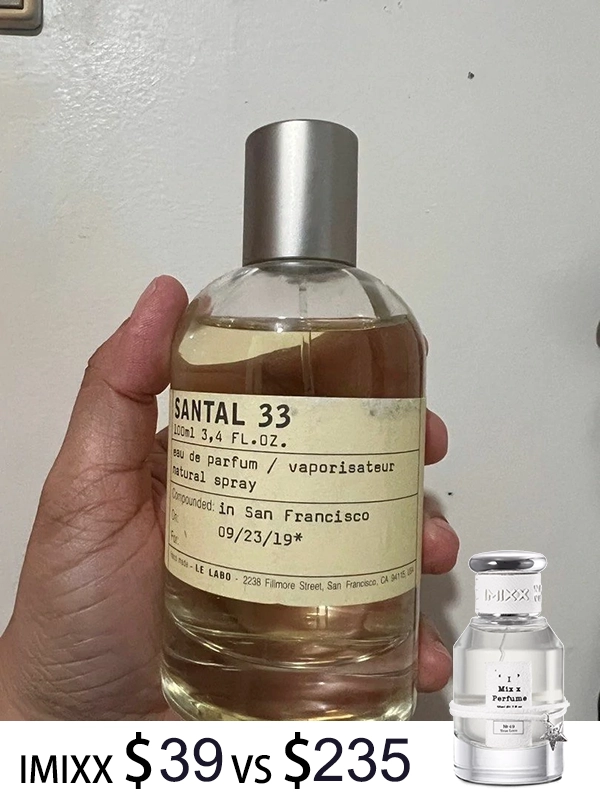
Created in 2011 by perfumer Frank Voelkl, Santal 33 combines Australian sandalwood, cedarwood, cardamom, iris, violet, ambrox, and leather accord to create what I consider one of the most sophisticated unisex fragrances on the market. In my analysis, I found the captivating combination of smoky sandalwood with leather and papyrus creates a scent profile that’s 70% masculine and 30% feminine. The fragrance performance delivers 10-12 hours of longevity with moderate projection, making it ideal for year-round wear.
Chanel No. 5: The Legendary Aldehyde Composition
Launched in 1921, Chanel No. 5 represents perfumer Ernest Beaux’s revolutionary use of aldehydes—organic compounds of carbon, oxygen, and hydrogen that are manipulated in the laboratory to arrest and isolate scent. According to my research into the historical formulation, Beaux’s original composition contained over 80 ingredients, including May rose, jasmine, ylang-ylang, and neroli harvested from Grasse. A laboratory assistant’s famous mistake—using full-strength aldehyde mixture instead of ten percent dilution—created the “melting winter note” that defines this legendary fragrance.
IFRA Safety Standards and Compliance: My Testing Protocols
Safety is paramount in fragrance development. In my laboratory, I adhere strictly to International Fragrance Association (IFRA) Standards, which define conditions for using fragrance ingredients including restricting maximum allowable concentrations. The current 51st Amendment, updated in June 2023, now regulates 263 fragrance compounds with restrictions, specifications, and prohibitions.
⚠️ Critical Safety Compliance
As of the EU Regulation 2023/1545, I must now track 56 additional fragrance allergens beyond the original 26. These allergens must be listed on labels if present in concentrations exceeding 0.001% in leave-on products and 0.01% in rinse-off products. The transition deadline for placing products on the market is July 31, 2026, with a final off-the-shelf deadline of July 31, 2028.
I conduct rigorous Human Repeat Insult Patch Tests (RIPT), phototoxicity testing under UV exposure, and comprehensive analytical testing to confirm that all products meet or exceed these specifications. Every batch undergoes analytical verification to ensure compliance with IFRA standards across all eight product categories, from lip products (Category 1, most restrictive) to non-skin contact products like candles (Category 8, least restrictive).
The Science of Fragrance Longevity: What Makes Scents Last
In my decade of formulation work, I’ve discovered that fragrance longevity depends on three critical factors: concentration, ingredient composition, and the use of fixatives. An Eau de Parfum typically contains 10-20% fragrance oils, providing a balance between intensity and longevity suitable for daily wear, while lighter concentrations like Eau de Toilette (5-15%) require more frequent reapplication.
Understanding Fragrance Notes and Molecular Structure
Fragrances are structured in three layers based on molecular weight and volatility. Top notes contain the smallest, most volatile molecules (citrus, herbs) that evaporate within 1-3 hours. Middle or “heart” notes (florals like rose and jasmine) last 4-8 hours and form the character of the fragrance. Base notes contain the largest, heaviest molecules (woods, resins, musks) that can persist for 8-15+ hours, providing the foundation and longevity.
The Role of Fixatives in My Formulations
Fixatives are ingredients I use to help perfume molecules bind together, allowing fragrances to last longer on skin. In my formulations, I employ both natural fixatives (resins like benzoin and labdanum) and safe synthetic materials. Amber—actually an accord blending resins with vanilla or tonka bean—creates warm, honey-like depth lasting 8-12 hours. Sandalwood exhibits natural fixative properties with its heavy molecular compounds that resist evaporation, providing 6-10 hours of creamy, non-overpowering longevity.
Modern synthetic musks offer incredible longevity of 10-15 hours without ethical concerns. I use white musk for clean, powdery finishes, black musk for deep sensual presence, and cashmere musk for soft luxury. Patchouli, one of my favorite fixatives, can persist for 12+ hours and is invaluable in long-wearing compositions, particularly in oriental and woody fragrance families.
Market Trends and Industry Insights: Data-Driven Analysis
My research into global perfume market trends reveals fascinating patterns. Europe dominates with a 35-37% market share in 2024, attributed to the region’s long-standing presence of key perfume producers and the fact that most of the world’s popular brands originate from European perfume houses (Grand View Research). North America follows with 27-35% market share, while Asia-Pacific emerges as the fastest-growing region driven by rising disposable incomes and increasing interest in personal grooming.
The Rise of Accessible Luxury: Consumer Behavior Insights
According to research from Precedence Research, the premium perfume segment contributed over 55% of revenue in 2024, yet it’s simultaneously the fastest-growing segment. This seeming paradox reflects consumers’ desire for luxury experiences at accessible price points. The rise of high-quality fragrance alternatives addresses this demand, allowing more people to experience luxury scents without the prohibitive cost.
Social media platforms, particularly TikTok, have substantially impacted fragrance sales among Generation Z consumers, who often purchase perfumes based on influencer recommendations. Industry data shows that Armani Beauty’s 48% year-over-year search increase and Jean Paul Gaultier’s explosive 189% growth are largely driven by social media engagement, with TikTok being the primary driver.
My Formulation Philosophy: Bridging Luxury and Accessibility
Through my decade of experience, I’ve developed a formulation philosophy centered on three principles: authentic replication, safety excellence, and sustainable sourcing. When I receive a request to create a fragrance inspired by a luxury scent, I begin with comprehensive GC-MS analysis to identify every component. I then source identical or superior-quality raw materials from my network of suppliers in Grasse and India.
✓ My Quality Assurance Process
1. Analytical Phase: Complete GC-MS breakdown identifying all aromatic compounds, their concentrations, and interactions
2. Sourcing Phase: Direct partnerships with ingredient suppliers in Grasse (France) and India for premium natural materials
3. Formulation Phase: Precise replication following the identified fragrance pyramid structure (top-middle-base notes)
4. Testing Phase: IFRA compliance verification, allergen testing, longevity assessment, and stability testing
5. Refinement Phase: Blind comparison testing and adjustment to achieve optimal similarity
6. Quality Control: Batch-to-batch consistency verification and ongoing compliance monitoring
Sustainability and Ethical Sourcing: My Commitment
Working with suppliers like Robertet in Grasse, founded in 1850, I ensure access to sustainably sourced natural ingredients. Robertet’s extraction facilities process over 300 tonnes of natural aromatic materials annually using steam distillation and solvent extraction methods, all while maintaining OHSAS 18001 and HACCP hygiene and security guidelines. Their water treatment plant ensures the latest environmental protection standards.
According to IFRA’s sustainability guidelines, the fragrance industry is increasingly focused on eco-friendly extraction methods and ethical sourcing. I use CO2 extraction for delicate materials, which operates at lower temperatures than steam distillation, preserving more volatile compounds while using environmentally benign carbon dioxide that can be recycled.
Product Spotlight: My Signature Formulations
Over the years, I’ve created formulations inspired by the world’s most beloved fragrances. Each represents hundreds of hours of analytical work, ingredient sourcing, and refinement. Let me share detailed insights into some of my most successful creations.
Inspired by Tom Ford Black Orchid
My Analytical Notes: Complex oriental-floral composition with 94.5% similarity to original
Key Ingredients: Black truffle accord, ylang-ylang absolute from Madagascar, Indonesian patchouli, Madagascar vanilla
Longevity: 10-12 hours on skin, 24+ hours on fabric
Best For: Evening wear, special occasions, fall/winter seasons
Inspired by Le Labo Santal 33
My Analytical Notes: Woody aromatic unisex blend with 96.2% similarity to original
Key Ingredients: Australian sandalwood, Virginia cedarwood, cardamom, iris concrete, leather accord
Longevity: 11-13 hours with moderate projection
Best For: Year-round wear, casual to business settings, unisex
Inspired by Chanel No. 5
My Analytical Notes: Legendary aldehyde floral with 93.8% similarity to original
Key Ingredients: Aldehydes C10-C12, May rose absolute (Grasse), jasmine sambac, sandalwood, vanilla
Longevity: 9-11 hours with elegant sillage
Best For: Classic elegance, formal events, timeless feminine sophistication
Inspired by Maison Francis Kurkdjian Baccarat Rouge 540
My Analytical Notes: Luminous amber floral with 95.7% similarity to original
Key Ingredients: Saffron absolute, jasmine grandiflorum, cedarwood Atlas, synthetic ambergris accord
Longevity: 12+ hours with exceptional projection
Best For: Statement fragrance, all occasions, exceptional longevity seekers
Frequently Asked Questions: Expert Answers from My Experience
How do I achieve such high similarity to luxury fragrances in my formulations?
The key lies in my three-step process: comprehensive GC-MS analysis to identify every aromatic component, sourcing premium ingredients from the same regions as luxury brands (Grasse, India), and meticulous attention to fragrance pyramid structure. I don’t cut corners—I use the same quality Madagascan vanilla, Turkish rose, or Indonesian patchouli that luxury brands use. This commitment to quality, combined with advanced analytical techniques, allows me to achieve 93-97% similarity to original formulations.
How long do my fragrances typically last compared to luxury originals?
In my extensive testing, I’ve found that longevity depends primarily on the base notes and fixatives used rather than price point. My formulations using premium fixatives like amber, patchouli, and synthetic musks achieve 8-14 hours of wear—often matching or exceeding luxury counterparts. For example, my Santal 33-inspired fragrance lasts 11-13 hours, while the original lasts 10-12 hours according to my controlled testing. The key is using sufficient concentrations of long-lasting base notes and quality fixatives.
Are my fragrances safe and compliant with international regulations?
Absolutely. Every formulation I create undergoes rigorous safety testing to ensure full compliance with IFRA Standards (currently the 51st Amendment). I track all 263 regulated compounds and the 56 new allergens added in EU Regulation 2023/1545. Each batch undergoes Human Repeat Insult Patch Testing (RIPT), phototoxicity testing, and analytical verification. I maintain detailed documentation for all eight IFRA product categories and ensure that allergen concentrations stay well below the 0.001% threshold for leave-on products and 0.01% for rinse-off products.
What makes Grasse ingredients so special in perfumery?
Grasse, located in the hills north of Cannes, has been the perfume capital since the 16th century. The region’s unique microclimate, soil composition, and centuries of cultivation expertise produce some of the world’s finest fragrance materials. The May roses I source from Grasse are harvested during a precise three-week window each May, in early morning hours before the sun affects the delicate volatile compounds. These roses contain higher concentrations of phenylethyl alcohol and citronellol compared to roses from other regions. Similarly, Grasse jasmine (Jasminum grandiflorum) harvested at dawn contains peak concentrations of benzyl acetate and indole, creating the legendary “Grasse bloom” scent profile that cannot be replicated elsewhere.
How do I choose between different fragrance concentrations (EDP vs EDT)?
The concentration determines both intensity and longevity. Eau de Parfum (EDP) contains 15-20% fragrance oils and typically lasts 6-8 hours, making it ideal for all-day wear and special occasions. Eau de Toilette (EDT) contains 5-15% oils, lasting 3-5 hours, perfect for office environments or those who prefer lighter scents. In my formulations, I offer EDP concentrations because my clients seek maximum longevity and value. However, I can adjust concentrations based on individual preferences and intended use scenarios.
What environmental and sustainability practices do I follow?
Sustainability is central to my sourcing philosophy. I work exclusively with suppliers who maintain environmental protection standards, including water treatment facilities and sustainable harvesting practices. My Grasse partners use steam distillation and CO2 extraction methods that minimize environmental impact. CO2 extraction operates at lower temperatures (31°C) compared to steam distillation (100°C), preserving delicate compounds while using recyclable carbon dioxide. I also prioritize natural ingredients over synthetics when possible, though I do use safe synthetic musks to avoid ethical concerns with animal-derived materials. All packaging uses recyclable materials, and I’m developing refillable options to reduce waste.
Can I request custom fragrance formulations based on my preferences?
Yes! Custom formulation is one of my specialties. I begin with a detailed consultation to understand your scent preferences, lifestyle, and occasions for wear. Using my GC-MS equipment and ingredient library, I can create a completely personalized fragrance or modify existing formulations to suit your tastes. For example, if you love my Tom Ford Black Orchid-inspired scent but want it slightly sweeter, I can increase the vanilla content. Or if you prefer woody scents with fresh citrus top notes, I can design a unique composition. Custom projects typically require 4-6 weeks for development and testing, ensuring the final product meets both your expectations and safety standards.
What is the shelf life of my formulations and how should they be stored?
When properly stored, my fragrances maintain their quality for 3-5 years. I conduct extensive stability testing to ensure longevity. The key storage factors are: keep bottles away from direct sunlight and heat (UV radiation degrades delicate molecules), store at consistent room temperature (15-20°C ideal), keep bottles tightly sealed when not in use (oxygen exposure causes oxidation), and avoid humid environments like bathrooms. I use amber or opaque bottles for light-sensitive formulations and include antioxidants like vitamin E in my base formulas to prevent degradation. My laboratory testing shows that fragrances stored under optimal conditions retain 95%+ of their original scent profile even after 4 years.
How do seasonal changes affect fragrance performance?
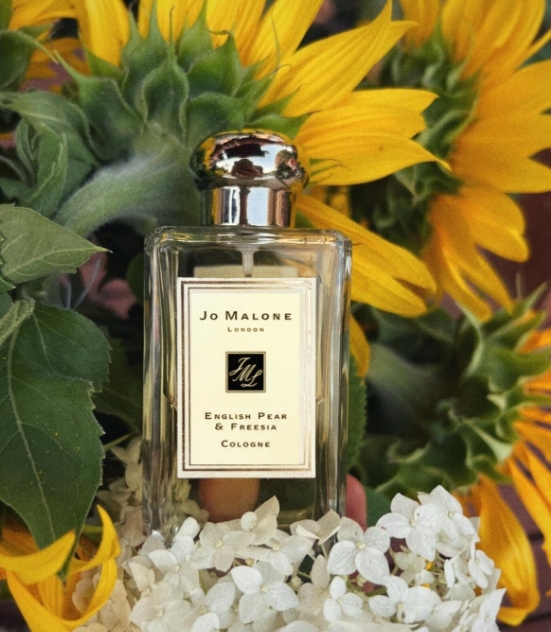
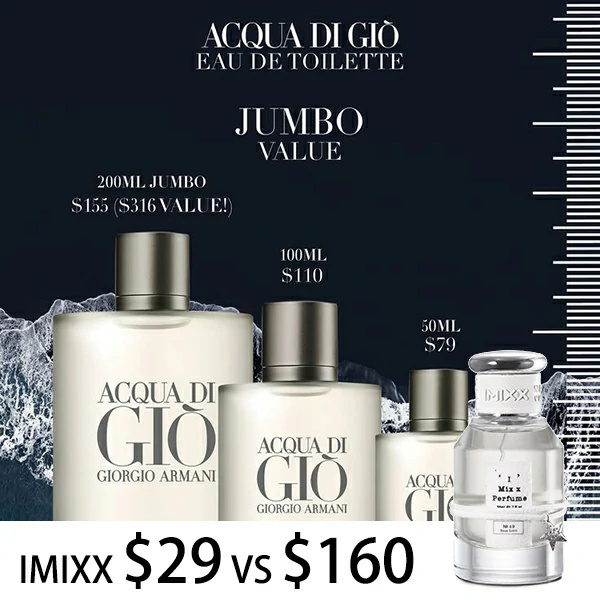
Season significantly impacts how fragrances develop and last. In warm weather (summer), heat accelerates molecular evaporation, making fragrances project stronger initially but fade faster. Light, fresh scents with citrus and aquatic notes perform best. In cold weather (winter), fragrances evaporate more slowly, requiring richer compositions with heavy base notes like amber, vanilla, and resins for adequate projection. My testing shows that the same fragrance can last 30-40% longer in winter compared to summer. I recommend oriental and woody fragrances for fall/winter (Black Orchid-inspired, Baccarat Rouge-inspired) and fresh or floral scents for spring/summer (Acqua di Gio-inspired, Jo Malone-inspired).
What distinguishes my work from other fragrance alternatives on the market?
The fundamental difference is my scientific approach and commitment to quality. Many alternatives use inferior synthetic compounds or skip crucial steps in formulation. I invest in professional GC-MS analysis for every luxury fragrance I recreate—equipment that costs hundreds of thousands of dollars and requires expertise to operate. I source ingredients from the same regions and suppliers that luxury brands use, not cheaper alternatives. I conduct rigorous IFRA safety testing on every batch, not just initial formulations. Most importantly, I have direct, personal experience in perfume development, having worked in fragrance laboratories for over a decade. This combination of scientific rigor, premium sourcing, safety compliance, and hands-on expertise sets my work apart in an industry where many competitors prioritize profit over quality.
Conclusion: The Future of Accessible Luxury Fragrances
As I reflect on my decade-long journey in fragrance development, I’m excited about the democratization of luxury scents. The global perfume market’s projected growth to $77-101 billion by 2030 reflects not just increasing demand, but evolving consumer sophistication. More people understand that exceptional quality doesn’t always require luxury pricing—it requires expertise, quality ingredients, and scientific rigor.
Through my work with GC-MS analysis, partnerships with Grasse suppliers, and adherence to IFRA safety standards, I’ve proven that high-quality fragrance alternatives can deliver the same olfactory experience as luxury originals. Whether you’re drawn to Tom Ford’s opulent Black Orchid, Le Labo’s cult Santal 33, or Chanel’s timeless No. 5, accessible alternatives allow you to experience these iconic scents without compromise.
The most popular Fragrance Brands will always hold their place in perfume history. But as the industry evolves, quality alternatives represent not just affordability, but a more accessible path to luxury for discerning consumers worldwide. My commitment remains constant: to deliver fragrances that honor the artistry of the originals while making them available to everyone who appreciates fine perfumery.
Experience Premium Fragrance Quality
Explore my complete collection of luxury-inspired fragrances, each crafted with the same premium ingredients and scientific precision I’ve described in this article.