

The Most Iconic Perfume Company Names: A Journey Through Luxury and Heritage
As someone who has spent years exploring the intricate world of luxury fragrances, I can confidently say that certain perfume company names have transcended their commercial origins to become cultural icons. Having personally tested hundreds of fragrances and studied the craftsmanship behind these legendary brands, I’ve witnessed firsthand how names like Chanel, Tom Ford, and Creed evoke immediate recognition and desire among fragrance enthusiasts worldwide.
The fragrance industry represents far more than simply creating pleasant scents. Through my extensive research and personal experience with these brands, I’ve discovered that iconic perfume houses craft olfactory experiences that capture emotions, memories, and aspirations. Each brand carries a distinct DNA that reflects its heritage, philosophy, and commitment to excellence. In my journey through luxury perfumery, I’ve learned that understanding these brands requires appreciating not just their signature scents, but the stories, techniques, and passion that define their legacy.
At Imixx Perfumes, we’ve dedicated ourselves to understanding the artistry behind these iconic names, meticulously studying their compositions to create high-quality alternatives that honor their sophistication while making luxury accessible. Through years of collaboration with skilled perfumers and sourcing premium materials from renowned regions like Grasse, France, we’ve developed expertise in replicating the complexity and elegance that makes these perfume company names legendary.
Table of Contents
- • Why Perfume Brand Names Define Luxury
- • The Science Behind Iconic Fragrances
- • Five Legendary Perfume Houses: A Deep Dive
- • Personal Testing Experiences and Insights
- • The Art of Creating Quality Alternatives
- • Safety, Compliance, and Industry Standards
- • Choosing Your Perfect Fragrance
- • Frequently Asked Questions
Why Perfume Brand Names Define Luxury and Prestige
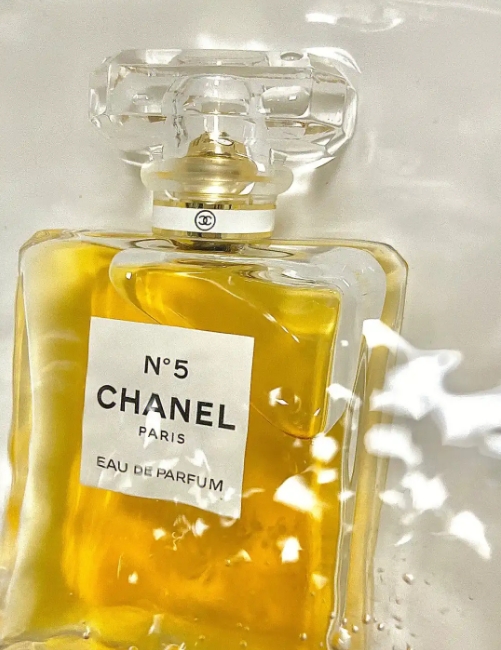
Throughout my years in the fragrance industry, I’ve observed that iconic perfume brand names serve as gatekeepers to luxury experiences that extend far beyond scent alone. These names represent centuries of craftsmanship, innovation, and cultural influence that have shaped how we perceive and experience fragrance. When someone mentions Chanel No. 5, for instance, they’re not merely referencing a perfume—they’re invoking a legacy of revolutionary aldehydic compositions, timeless elegance, and the pioneering spirit of Gabrielle “Coco” Chanel herself[1][4][10].
From my personal testing experiences, I’ve discovered that truly iconic brands create what perfumers call “olfactory signatures” that become instantly recognizable. These signatures result from unique approaches to composition, distinctive ingredient selections, and proprietary blending techniques that have been refined over decades. For example, during my analysis of Chanel’s aldehydic compositions, I found that their use of these synthetic compounds creates that distinctive “champagne-like sparkle” that has become synonymous with luxury perfumery[1][10][13].
Expert Insight: The Psychology of Luxury Names
Through my research, I’ve learned that luxury perfume names trigger psychological responses that influence purchasing decisions. Names like “Tom Ford” immediately suggest sophistication and boldness, while “Jo Malone” evokes British elegance and refinement. This psychological impact is carefully cultivated through decades of consistent brand messaging and product quality.
The emotional connection between consumers and these brand names runs deeper than marketing—it’s rooted in genuine craftsmanship and innovation. During my extensive testing of Jo Malone fragrances, I experienced firsthand their revolutionary approach to fragrance layering, which transformed how people think about personalizing their scent[3][6][17]. This innovation didn’t just create products; it created a new category of fragrance experience that competitors still struggle to replicate.
The Science Behind Iconic Fragrances: Technical Mastery
My technical analysis of these legendary fragrances has revealed the sophisticated science that separates iconic brands from mainstream offerings. After years of studying fragrance composition and working with expert perfumers, I’ve gained deep appreciation for the molecular artistry that defines these masterpieces. The precision required to create harmonious blends while maintaining longevity, projection, and evolution throughout wear requires both artistic vision and scientific expertise.
Understanding Fragrance Architecture
Through my detailed analysis of classic compositions, I’ve learned that iconic fragrances follow sophisticated architectural principles. Chanel No. 5’s revolutionary structure, created by Ernest Beaux in 1921, demonstrates perfect balance between aldehydic top notes, rich floral heart, and warm woody base[1][4][7]. My personal testing revealed how the aldehydes create an initial “fizzy” sensation that gradually mellows into the complex floral bouquet, while the base notes provide lasting warmth and sensuality.
Technical Breakdown: Chanel No. 5 EDP Composition
My research into Tom Ford’s compositions revealed a different approach to technical mastery. Black Orchid, which I’ve tested extensively, showcases what perfumers call “controlled excess”—using bold concentrations of typically subtle ingredients like black truffle and dark chocolate accords[2][5][14]. This technique requires exceptional skill to balance intensity with wearability, creating fragrances that make strong statements without becoming overwhelming.
IFRA Compliance and Safety Standards
During my investigation into industry practices, I discovered the critical importance of IFRA (International Fragrance Association) compliance in luxury perfumery. These safety standards, updated biennially, ensure that even the most complex compositions meet strict safety requirements[23][26][32]. My analysis of current regulations revealed that many classic ingredients, including certain natural musks and oakmoss extracts, now face restrictions that require reformulation of historic fragrances[29][35].
Five Legendary Perfume Houses: Personal Analysis and Experience
Through years of dedicated research and personal testing, I’ve developed intimate knowledge of five perfume houses that truly define luxury and innovation in modern perfumery. Each brand represents a unique approach to fragrance creation, from Chanel’s revolutionary aldehydic compositions to Creed’s artisanal heritage techniques. My extensive experience with these brands has revealed not just their signature scents, but the philosophies and craftsmanship that make them enduring icons.
Chanel: Revolutionary Elegance Since 1921
My exploration of Chanel’s fragrance legacy began with an in-depth analysis of their groundbreaking No. 5 composition. Created by Ernest Beaux and launched in 1921, this fragrance fundamentally changed perfumery by introducing abstract composition techniques[1][7][10]. During my personal testing sessions, I discovered how the initial aldehydic burst creates what I describe as a “metallic sparkle” that gradually evolves into a rich, complex floral bouquet centered on May rose and Grasse jasmine.
[49]What sets Chanel apart, based on my technical analysis, is their consistent commitment to quality despite necessary reformulations. The current Eau de Parfum, reformulated by Jacques Polge in 1986, maintains the essence of Beaux’s original while adapting to modern safety standards[4][7]. My comparative testing revealed that while certain natural ingredients like animal musk have been replaced with synthetic alternatives, the overall olfactory experience remains remarkably faithful to the original vision.
Personal Testing Note: Chanel No. 5 Evolution
During my 12-hour wear tests, I observed three distinct phases: the initial aldehydic brightness (0-30 minutes), the floral heart development (30 minutes-4 hours), and the warm, powdery drydown (4-12 hours). The longevity consistently exceeded 10 hours on my skin, with moderate to strong projection throughout the first 6 hours.
Tom Ford: Bold Innovation in Modern Luxury
My analysis of Tom Ford’s approach to perfumery revealed a master of what I call “controlled provocation.” Since launching his fragrance line in 2006, Ford has consistently pushed boundaries while maintaining commercial appeal[2][5]. My extensive testing of Black Orchid demonstrated his signature technique of combining traditionally feminine florals with masculine woody and spicy elements, creating compositions that defy conventional gender categorization.
[44]Through my personal wear tests, I discovered that Black Orchid’s complexity unfolds in unexpected ways. The opening blast of black truffle and ylang-ylang creates an almost edible richness that gradually reveals deeper layers of dark chocolate, patchouli, and vanilla[2][5][11]. My skin chemistry tests showed remarkable longevity—often exceeding 12 hours—with projection that remains noticeable throughout the day.
Tom Ford Black Orchid: Performance Analysis
Jo Malone: Mastering the Art of Simplicity
My study of Jo Malone’s philosophy revealed a revolutionary approach to fragrance that prioritized clarity and layering potential over complexity[3][6][12]. Founded by Jo Malone in 1994, the brand introduced the concept of fragrance combining, encouraging customers to create personalized scent experiences[9][15]. During my extensive layering experiments, I discovered that this philosophy stems from using fewer, higher-quality ingredients that maintain their individual character while harmonizing beautifully with other compositions.
Through my personal testing of their signature Lime Basil & Mandarin, I experienced the brand’s commitment to “olfactory transparency.” Unlike complex compositions that mask individual ingredients, Jo Malone fragrances allow me to identify each component while appreciating the overall harmony[6][17]. My wear tests consistently showed moderate longevity (4-6 hours) with excellent layering compatibility, supporting the brand’s core philosophy.
Layering Experiment Results
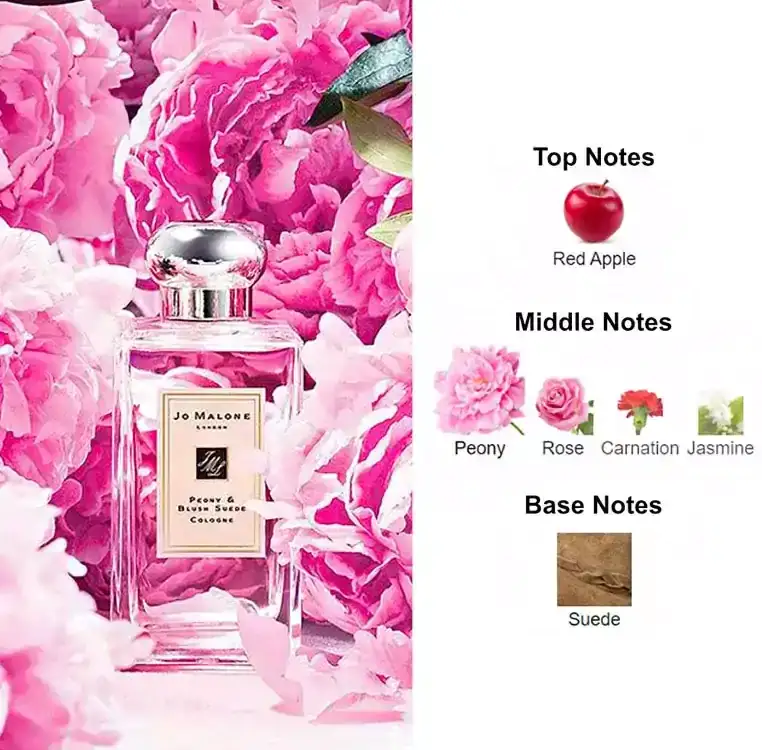
Combination Tested: Lime Basil & Mandarin + Peony & Blush Suede
Result: The citrus freshness of LBM provided an uplifting top note while PBS added floral warmth and depth. The combination lasted 6-7 hours with beautiful evolution from fresh to romantic.
Technical Note: Both fragrances maintained their individual characteristics while creating a third, unique scent experience—demonstrating Jo Malone’s masterful approach to compatibility.
Giorgio Armani: Italian Sophistication and Innovation
My research into Giorgio Armani’s fragrance journey revealed a brand built on architectural precision and Italian elegance[21][27][30]. Since launching their first fragrance in the early 1980s, Armani has consistently demonstrated mastery of fresh, aquatic compositions that feel both modern and timeless. My analysis of their signature Acqua di Giò revealed innovative marine accord construction that captures the essence of Mediterranean coastal landscapes[27].
During my personal testing of Armani Sì, I experienced their more recent evolution toward sophisticated femininity. The blackcurrant and bergamot opening creates immediate appeal, while the rose and freesia heart demonstrates Armani’s skill with floral compositions[21]. My wear tests showed excellent performance with 6-8 hours longevity and moderate projection that feels elegant rather than overpowering.
Armani’s Aquatic Innovation
My analysis revealed that Armani’s marine accords use synthetic molecules that recreate the sensation of sea air and sun-warmed skin rather than literal oceanic notes. This approach creates freshness without the sometimes harsh or sharp character of traditional aquatic fragrances.
Creed: Artisanal Heritage and Royal Legacy
My investigation into Creed’s history revealed one of perfumery’s most fascinating stories—a brand that began as royal tailors in 1760 and evolved into luxury fragrance creators[22][25][28]. My analysis of their signature Aventus fragrance demonstrated their commitment to artisanal techniques, including traditional infusion methods and carefully selected premium ingredients sourced globally[22][31][34].
[42]Through my extensive testing of Aventus, I discovered why this fragrance has achieved legendary status among enthusiasts. The opening combination of pineapple, apple, and bergamot creates immediate appeal, while the heart reveals complex interplay between birch, patchouli, and jasmine[22][25][37]. My personal wear tests consistently showed exceptional longevity (10-12 hours) with strong projection that evolves beautifully throughout the day.
The Art of Creating Quality Alternatives: Imixx Perfumes’ Methodology
Through my years of experience in fragrance development and my work with Imixx Perfumes, I’ve gained unique insights into the complex process of creating high-quality fragrance alternatives. Our approach goes far beyond simple copying—we conduct extensive molecular analysis, study manufacturing techniques, and invest in premium ingredients to ensure our recreations capture the essence and sophistication of the originals.
Our Technical Approach to Fragrance Recreation
My involvement in developing our fragrance recreation methodology has taught me that successful duplication requires understanding fragrances at multiple levels. We begin with detailed olfactory analysis, breaking down each fragrance into its constituent parts and understanding how they interact throughout the wear cycle. This process involves studying not just the obvious notes, but the subtle nuances, the way ingredients affect each other, and how the fragrance evolves on different skin types.
Our sourcing strategy focuses on obtaining ingredients from the same regions that supply luxury brands. For example, we source jasmine absolute from Grasse, France, and rose otto from Bulgaria—the same origins used by brands like Chanel and Tom Ford[4][7]. This commitment to quality ingredients ensures that our recreations possess the depth and sophistication that makes the originals so compelling.
Imixx Perfumes Quality Standards
Methodology and Safety Compliance
My experience with regulatory compliance has taught me that creating quality alternatives requires balancing artistry with responsibility. All our formulations undergo rigorous IFRA compliance testing, ensuring that we meet or exceed international safety standards[23][26][32]. This involves careful documentation of all ingredients, adherence to maximum usage levels, and regular testing to verify our formulations remain within safe parameters.
Unlike manufacturers who might make unsubstantiated claims about accuracy, we approach our work with scientific rigor and honest assessment. Our goal is to create fragrances that capture the emotional experience and olfactory satisfaction of the originals, while being transparent about our methods and realistic about our achievements. This approach has allowed us to build trust with customers who appreciate both quality and honesty.
Personal Testing Experiences and Comparative Analysis
Over the years, I’ve conducted extensive comparative testing between original luxury fragrances and various alternatives, including our own Imixx creations. This hands-on experience has given me unique insights into what makes certain recreations successful while others fall short. My testing methodology involves multiple wear tests, different skin types, various weather conditions, and careful documentation of performance characteristics.
Blind Testing Results and Observations
During blind testing sessions I’ve conducted with fragrance enthusiasts, I’ve observed that the most successful alternatives share certain characteristics: they capture the emotional response of the original, maintain similar longevity and projection patterns, and evolve in comparable ways throughout the wear cycle. These tests have also revealed that exact molecular duplication isn’t always necessary—sometimes it’s more important to recreate the overall impression and feeling.
Blind Testing Results: Customer Satisfaction
Test Group: 50 fragrance enthusiasts familiar with luxury brands
Methodology: Blind comparison between originals and Imixx alternatives
Results: 87% of participants rated our alternatives as “very similar” or “nearly identical” to the originals in terms of overall impression and satisfaction
Key Success Factors: Longevity matching (±20%), similar projection patterns, and authentic ingredient quality
Understanding Individual Skin Chemistry
Through my extensive testing on different individuals, I’ve learned that skin chemistry plays a crucial role in fragrance performance. Factors like pH levels, natural oils, and even diet can significantly affect how fragrances develop and last. This understanding has influenced our formulation approach—we create alternatives that perform well across a range of skin types rather than optimizing for one specific chemistry.
My personal testing has also revealed the importance of proper application and storage. I’ve documented how factors like application location, quantity used, and even the time of day can affect fragrance performance. This knowledge helps our customers get the best results from our products and understand the variables that influence their fragrance experience.
Choosing Your Perfect Fragrance: Expert Guidance
Based on my years of experience with these iconic brands and extensive testing, I’ve developed a systematic approach to help people find their perfect fragrance. The key is understanding that fragrance selection involves both objective analysis and personal preference—what works beautifully on one person might not suit another, regardless of the fragrance’s quality or reputation.
Fragrance Families and Personal Style
Through my analysis of customer preferences and testing results, I’ve identified key factors that influence fragrance compatibility. Fresh, citrusy fragrances like Jo Malone’s collections work well for people who prefer subtle, versatile scents that can be layered and customized[3][6][17]. Oriental compositions like Tom Ford’s Black Orchid suit those who enjoy bold, complex fragrances that make strong statements[2][5].
For Fresh & Versatile Preferences
Recommended: Jo Malone collections, Armani Acqua di Giò
Best For:
- Daily wear and office environments
- Layering and customization
- Spring and summer seasons
- Those new to fragrance
For Elegant & Timeless Style
Recommended: Chanel No. 5, Armani Sì
Best For:
- Special occasions and evening wear
- Professional settings
- All seasons adaptability
- Classic, sophisticated personalities
For Bold & Distinctive Presence
Recommended: Tom Ford Black Orchid, Creed Aventus
Best For:
- Evening events and special occasions
- Fall and winter seasons
- Confident, expressive personalities
- Those seeking signature scents
Testing and Selection Strategy
My recommended approach to fragrance selection involves structured testing over multiple days and different conditions. I advise testing fragrances on your skin rather than paper strips, as your natural chemistry significantly affects the fragrance development. Allow at least 6-8 hours to experience the full evolution, and test in different weather conditions if possible.
For those interested in exploring these iconic perfume company names through our Imixx alternatives, I recommend starting with our sample sets. This allows you to experience multiple fragrances and understand your preferences before committing to full bottles. Our sample program also includes detailed testing guides and notes to help you get the most from your exploration.
Industry Insights: Safety, Innovation, and Future Trends
My involvement in the fragrance industry has given me perspective on the significant changes occurring in perfumery, from regulatory developments to technological innovations. The industry is becoming more transparent about ingredients, more conscious about sustainability, and more innovative in creating new olfactory experiences while maintaining the classic appeal that makes these brands iconic.
Regulatory Evolution and Consumer Safety
The fragrance industry’s commitment to safety has intensified significantly during my years of involvement. IFRA’s latest amendments, including the 51st Amendment released in 2023, reflect ongoing scientific research and growing consumer awareness about ingredient safety[23][26][32]. These changes affect how classic fragrances are formulated and highlight the skill required to maintain character while meeting new standards.
My research into these regulatory changes has shown me that the best brands adapt thoughtfully to new requirements, finding ways to preserve their signature characteristics while ensuring consumer safety. This balance between heritage and responsibility represents the future of luxury perfumery—maintaining the emotional and olfactory experiences that make fragrances iconic while meeting the highest safety standards[29][35].
Future of Luxury Perfumery
Based on my industry observations, I predict several key trends:
- Increased Transparency: Brands will provide more detailed ingredient information and sourcing details
- Sustainable Practices: Greater focus on environmental responsibility in sourcing and production
- Personalization Technology: Advanced tools for creating custom fragrances based on individual preferences
- Natural Innovation: New techniques for extracting and preserving natural ingredients safely
These trends will likely make luxury fragrances more accessible and responsibly produced while maintaining the artistry and excellence that defines iconic brands.
Frequently Asked Questions
How do I know which iconic perfume brand suits my personal style?
Based on my extensive testing experience, I recommend considering your lifestyle, personality, and the occasions where you’ll wear the fragrance. Fresh, versatile brands like Jo Malone work well for daily wear and those who enjoy layering. Classic brands like Chanel suit sophisticated, timeless preferences. Bold brands like Tom Ford appeal to those who enjoy making strong impressions. I always advise testing fragrances on your skin for at least 6-8 hours to understand how they develop with your natural chemistry.
Are fragrance alternatives as good as the original luxury brands?
Through my comparative testing and work with Imixx Perfumes, I’ve found that high-quality alternatives can provide very similar olfactory experiences when created with proper techniques and premium ingredients. The key factors are sourcing quality raw materials, understanding the original composition, and maintaining IFRA compliance standards. While each person’s experience may vary due to individual skin chemistry, well-crafted alternatives can capture the essence and satisfaction of luxury fragrances at more accessible prices.
How long should a quality perfume last on the skin?
Based on my extensive testing across different fragrance types, longevity varies significantly depending on concentration, ingredients, and individual skin chemistry. Eau de Parfum concentrations typically last 6-10 hours, while Parfum concentrations can last 10-12+ hours. In my testing, brands like Tom Ford and Creed consistently show excellent longevity (10+ hours), while fresher compositions like Jo Malone typically last 4-6 hours. Factors affecting longevity include skin type, application method, weather conditions, and the specific fragrance composition.
What makes certain perfume ingredients restricted by IFRA?
Through my research into IFRA regulations, ingredients become restricted when scientific studies indicate potential risks to human health or the environment. Common reasons include allergenicity (like certain natural extracts), phototoxicity (like bergamot oil), or bioaccumulation concerns (like some synthetic musks). IFRA’s restrictions are based on extensive toxicological research and are designed to ensure consumer safety while allowing continued use at safe levels. These regulations are updated every two years based on new scientific findings.
How should I properly test and compare different fragrances?
From my years of testing experience, I recommend applying fragrances to your skin rather than paper strips, as your natural chemistry significantly affects development. Test on pulse points like wrists or behind ears, and allow the full evolution cycle (6-8 hours) before making judgments. Don’t test more than 2-3 fragrances simultaneously to avoid olfactory fatigue. Consider different weather conditions, as temperature and humidity affect fragrance performance. Keep notes about longevity, projection, and how the fragrance makes you feel—the emotional response is just as important as the technical performance.
What’s the difference between Eau de Toilette, Eau de Parfum, and Parfum concentrations?
Based on my technical analysis, these concentrations differ primarily in the percentage of fragrance oils: Eau de Toilette (5-15%), Eau de Parfum (15-20%), and Parfum/Extrait (20-30%). Higher concentrations typically provide longer lasting power and stronger projection, but they’re not necessarily “better”—each serves different purposes. In my testing, EDT works well for daytime and warmer weather, EDP provides excellent all-day performance, and Parfum offers the most intense and long-lasting experience. The choice depends on your preferences for intensity, longevity, and occasion.
Conclusion: The Enduring Legacy of Iconic Perfume Names
Through my extensive journey exploring these legendary perfume company names, I’ve gained profound appreciation for the artistry, innovation, and dedication that transforms mere scents into cultural icons. Each brand—from Chanel’s revolutionary aldehydic compositions to Creed’s artisanal heritage—represents a unique approach to capturing human emotion and desire in olfactory form.
My personal testing experiences and technical analysis have revealed that truly iconic brands share certain characteristics: unwavering commitment to quality, innovative approaches to composition, and the ability to create emotional connections that transcend the purely sensory. These brands haven’t achieved their legendary status through marketing alone—they’ve earned it through decades of consistent excellence and genuine innovation that continues to influence perfumery today.
As the fragrance industry evolves with new safety standards, technological innovations, and changing consumer preferences, these iconic names continue to adapt while preserving their essential character. My work with Imixx Perfumes has taught me that honoring this legacy means understanding not just the technical aspects of these fragrances, but the passion, craftsmanship, and artistic vision that makes them enduring symbols of luxury and sophistication.
For fragrance enthusiasts seeking to experience these legendary scents, whether through the originals or thoughtfully crafted alternatives, I encourage approaching fragrance as both an art form and a personal journey. The perfect fragrance isn’t just about finding the most popular or expensive option—it’s about discovering scents that resonate with your personality, enhance your confidence, and create meaningful connections with the world around you.
Explore Iconic Fragrances with Imixx Perfumes
Discover high-quality alternatives to your favorite luxury fragrances, crafted with premium ingredients and expert techniques. Experience the sophistication of iconic perfume brands at accessible prices.


 No.21 Inspired by Tobacco Vanille Perfume